
 IN
Fresh Cow Milk
7 products available
What are Fresh Cow Milk?
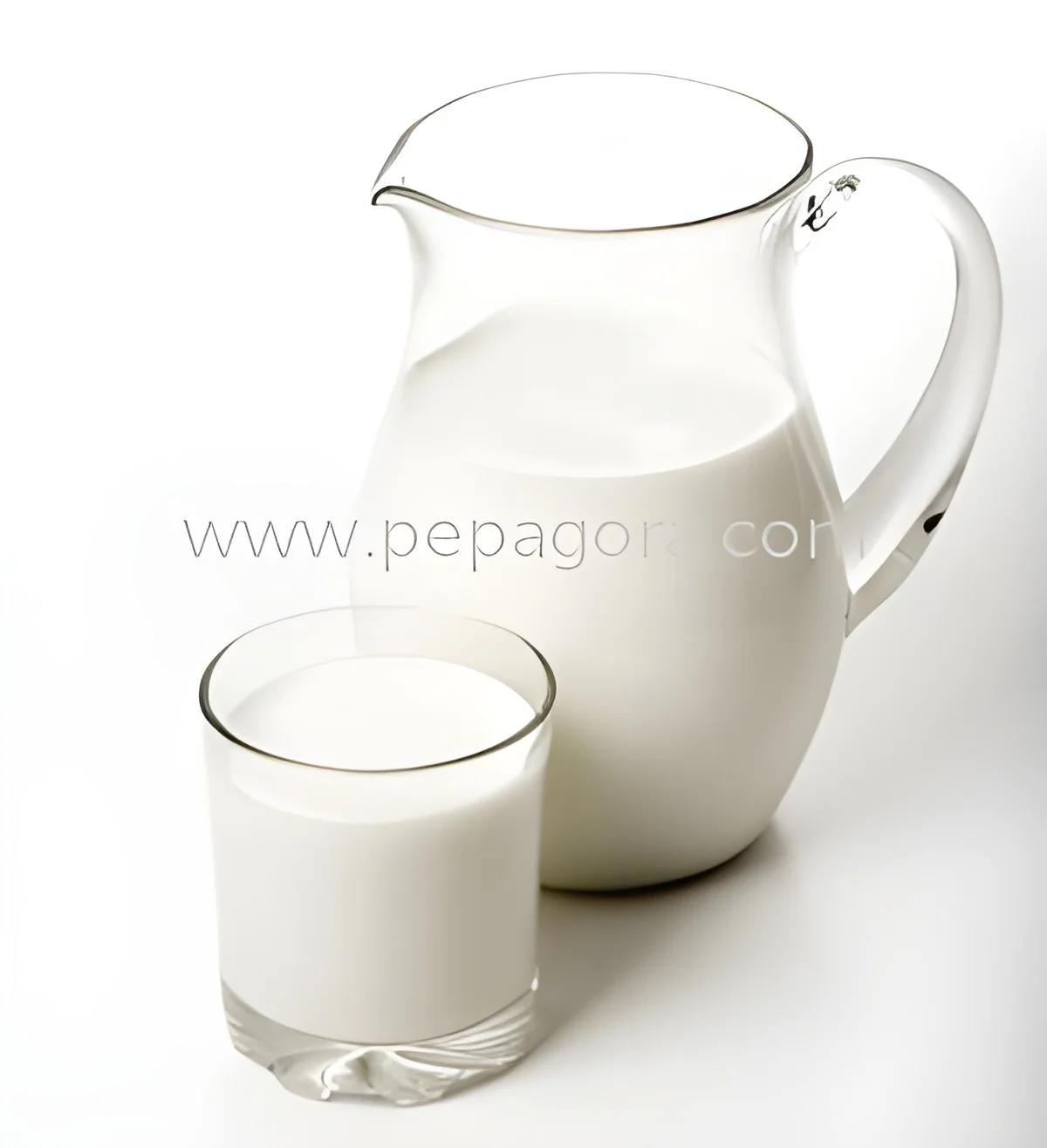
Fresh cow milk is a nutrient-rich liquid produced by dairy cows. It is an essential food source that contains a wide range of vitamins and minerals, making it a staple in many diets. Fresh cow milk is harvested shortly after milking and is often unprocessed or minimally processed, retaining its natural flavor and nutritional properties. The freshness of the milk is critical for maintaining its quality, taste, and health benefits.
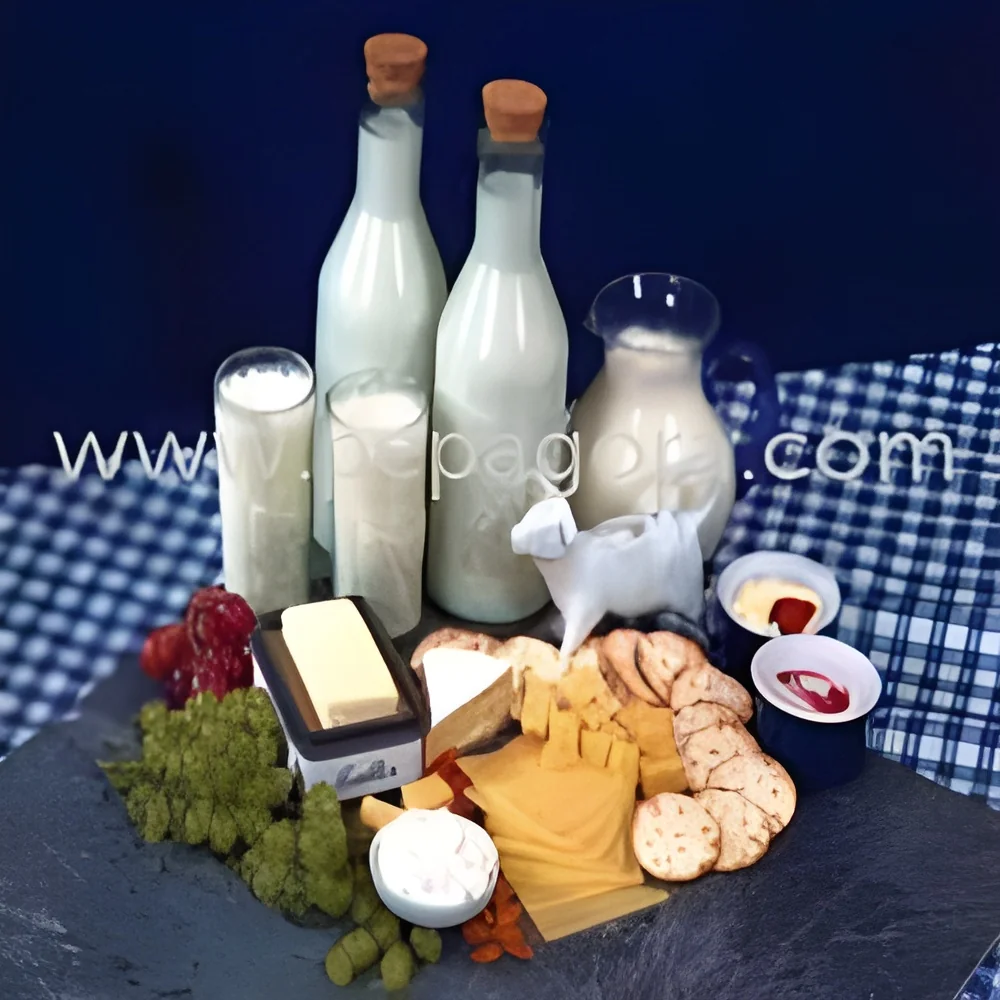
This product is widely used in various sectors, including food and beverage, pharmaceuticals, and cosmetics. In the food industry, fresh cow milk serves as a primary ingredient in products such as cheese, yogurt, and butter. It is also commonly used in coffee shops and restaurants as a base for beverages and desserts. The dairy industry continues to grow, driven by increasing consumer demand for fresh and nutritious products, which underscores the importance of fresh cow milk in the marketplace.
Key Features and Specifications
Fresh cow milk is characterized by several important features that define its quality and usability in various applications. Understanding these specifications is vital for businesses looking to source high-quality milk.
Key specifications include:
1. Nutritional Content
- Rich in vitamins A, B12, D, calcium, and protein
- Essential fatty acids present for health benefits
2. Freshness
- Typically consumed within 7 days of milking for optimal flavor
- Requires proper refrigeration to maintain quality
3. Fat Content
- Standard whole milk contains approximately 3.25% fat
- Variants available include skim, low-fat, and whole
4. pH Level
- Typically ranges from 6.5 to 6.7 for fresh milk
- Important for flavor and microbial stability
5. Microbial Quality
- Must meet safety standards for bacteria counts
- Regular testing ensures compliance with health regulations
6. Packaging
- Available in various packaging options, including cartons and bottles
- Tamper-proof seals are essential for safety
7. Shelf Life
- Generally has a refrigerated shelf life of 5 to 7 days
- Extended shelf life options available through pasteurization
8. Compliance Standards
- Must adhere to local and international food safety regulations
- Certifications such as CE indicate compliance with safety standards
Fresh cow milk is a versatile product with important specifications that ensure its quality and suitability for various applications.
Common Applications and Use Cases
Fresh cow milk has a wide range of applications across different industries.
1. Food and Beverage Industry: Fresh cow milk is a key ingredient in cheese production, yogurt manufacturing, and as a base for various beverages including smoothies and milkshakes. Its creamy texture and rich flavor enhance the quality of food products.
2. Pharmaceutical Industry: Fresh cow milk is utilized in the production of dietary supplements and health products. Its high nutritional value makes it a desirable ingredient in formulations aimed at boosting health.
3. Cosmetics Industry: The moisturizing properties of fresh cow milk are leveraged in the creation of skin care products. Its natural fats and proteins help nourish and hydrate the skin.
4. Bakery Sector: Fresh cow milk is often used in baking recipes to improve texture and flavor in bread and pastries.
5. Ice Cream and Desserts: High-quality fresh cow milk is crucial in the production of ice cream and various dessert products, providing a rich and creamy taste.
6. Dairy Alternatives: Fresh cow milk is also used to create dairy alternatives for lactose-intolerant consumers, providing options like lactose-free milk.
Product Variants and Subcategories
Fresh cow milk is available in several variants, catering to diverse consumer needs and preferences.
Whole Milk
Whole milk retains all its natural fat content, providing a rich flavor and creamy texture. It is popular for drinking as well as for cooking and baking.
Low-Fat Milk
Low-fat milk has reduced fat content, making it a healthier option for those looking to manage their calorie intake while still enjoying the taste of milk.
Skim Milk
Skim milk is nearly fat-free, making it ideal for health-conscious consumers. It is often used in cooking and baking where lower fat is desired.
Organic Milk
Organic milk is produced from cows that are fed organic feed and are not treated with antibiotics or growth hormones. This variant appeals to consumers seeking natural and environmentally-friendly products.
Benefits and Advantages
Fresh cow milk offers numerous benefits that make it a valuable product for both consumers and businesses.
Key benefits include:
1. Nutritional Value: Fresh cow milk is packed with essential nutrients, supporting overall health and wellness.
2. Versatility: It can be used in a multitude of applications, from cooking and baking to beverages and cosmetics.
3. Natural Flavor: The fresh taste of cow milk enhances various food products, making them more appealing to consumers.
4. Easy Digestion: Many individuals can digest fresh cow milk more easily than processed alternatives, particularly when consumed fresh.
5. Sustainable Sourcing: Local sourcing of fresh cow milk supports farmers and helps reduce carbon footprints associated with transportation.
6. Quality Assurance: Fresh cow milk from reputable suppliers often adheres to stringent quality control measures, ensuring safety and consistency.
Buying Guide for B2B Buyers
When sourcing fresh cow milk for business use, several factors should be considered to ensure quality and reliability.
1. Quality Assessment: Look for suppliers that provide detailed nutritional information and quality testing results. Ensure the milk meets safety standards and is fresh.
2. Supplier Verification: Vet suppliers by checking their reputation, certifications, and reviews from other businesses. A reliable supplier will have a track record of delivering high-quality products.
3. Pricing and MOQ: Understand the pricing structure and minimum order quantities. Balance cost with quality to ensure you are getting the best value.
4. Delivery and Lead Times: Confirm the logistics of delivery and lead times. Fresh cow milk requires timely delivery to maintain its quality and freshness.
5. Compliance Requirements: Ensure that the supplier meets all local and international regulations regarding food safety and quality standards.
Compliance and Certifications
Fresh cow milk must adhere to various quality standards and certifications to ensure safety and reliability.
Relevant quality standards such as ISO 9001 and HACCP focus on proper management and safety in food production processes. These standards help ensure that fresh cow milk is produced and handled in a way that protects consumer health.
Industry certifications, including CE, indicate compliance with European health and safety regulations. This certification ensures that the product meets necessary standards for safety and quality.
Safety and testing requirements are critical to maintaining consumer trust. Regular microbiological testing and quality checks are essential to ensure that fresh cow milk is free from harmful bacteria.
Regional compliance considerations may vary, so it is important to understand the specific regulations applicable to the region where the milk will be sold or used.
Why Source Fresh Cow Milk from Pepagora?
Pepagora provides a trusted platform for sourcing fresh cow milk with several key advantages that make it a preferred choice for B2B buyers.
Verified Supplier Network: Pepagora connects businesses with a network of verified suppliers. Each supplier undergoes rigorous checks to ensure they meet quality and compliance standards, providing peace of mind for buyers.
Streamlined RFQ Process: The Request for Quotation (RFQ) system simplifies the sourcing process. Buyers can easily submit requests and receive competitive quotations from multiple suppliers, allowing for informed decision-making.
Trade Assurance and Support: Pepagora offers trade assurance, protecting buyers against unexpected issues. Support services are available to address any concerns throughout the procurement process.
Regional Coverage: With a strong presence in India, the GCC, and Southeast Asia, Pepagora offers extensive regional coverage. This geographic reach ensures that buyers can access fresh cow milk tailored to their specific market needs.


Frequently Asked Questions
What are Fresh Cow Milk?
Fresh Cow Milk is the milk obtained from healthy cows, typically consumed in its natural state or processed into various dairy products. It is rich in nutrients and is a staple in many diets, known for its high protein and calcium content.
What are the different types of Fresh Cow Milk?
The different types of Fresh Cow Milk include whole milk, skim milk, and low-fat milk. Additionally, there are variations based on pasteurization methods, such as pasteurized and raw milk.
How do I choose the right Fresh Cow Milk?
To choose the right Fresh Cow Milk, consider factors such as fat content, freshness, and source. It is also important to check for certifications and quality standards to ensure the milk meets safety regulations.
What are the standard specifications for Fresh Cow Milk?
Standard specifications for Fresh Cow Milk include its fat content, which typically ranges from 3.5% to 4.5%, and the presence of essential nutrients like protein, vitamins, and minerals. Additionally, the milk should be free from contaminants and pathogens.
What is the price range for Fresh Cow Milk?
The price range for Fresh Cow Milk can vary based on factors such as location, supplier, and quality. Generally, prices may range from ₹40 to ₹60 per liter in India.
What quality standards apply to Fresh Cow Milk?
Quality standards for Fresh Cow Milk are defined by regulations that ensure safety and hygiene. These include limits on microbial counts, antibiotic residues, and compliance with nutritional content defined by food safety authorities.
Where can I find Fresh Cow Milk suppliers in India?
Fresh Cow Milk suppliers in India can be found through various online B2B marketplaces, local dairy farms, and cooperative societies. Websites like Pepagora.com also provide listings of verified suppliers.
Can Fresh Cow Milk be customized?
Fresh Cow Milk can be customized to some extent, such as in terms of fat content or fortification with additional nutrients. However, customization options may vary based on suppliers and their processing capabilities.
What is the typical minimum order quantity for Fresh Cow Milk?
The typical minimum order quantity (MOQ) for Fresh Cow Milk often depends on the supplier and can range from 10 liters to 100 liters. It's advisable to check with individual suppliers for their specific MOQ requirements.
What is the typical lead time for Fresh Cow Milk?
The typical lead time for Fresh Cow Milk delivery can vary between suppliers but generally ranges from 1 to 3 days. This may depend on factors such as the order size and the supplier's location.
Why Businesses Trust Pepagora
Thousands of companies trust Pepagora to source smarter and sell faster
Expand Your Sales Globally

Source Smarter,Grow Faster
