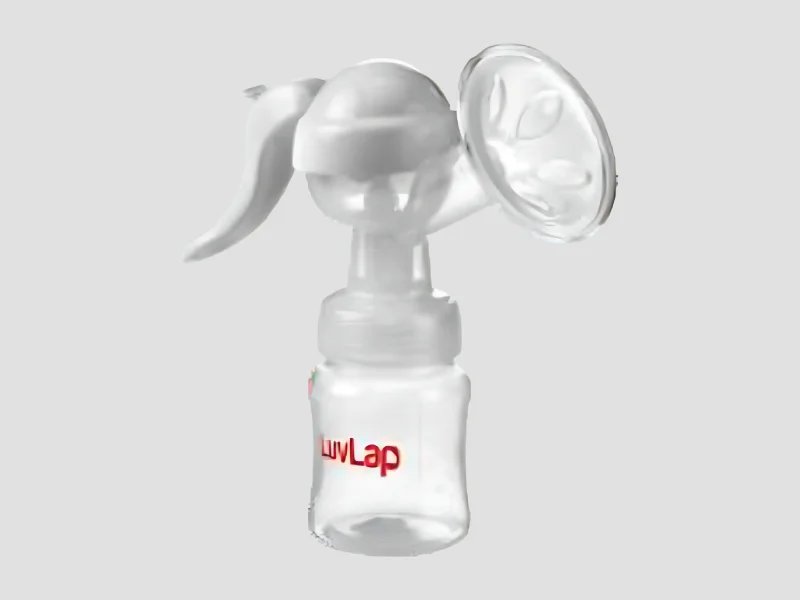
Key Features and Specifications
Breast pumps come with various features designed to enhance usability and efficiency. Understanding the key specifications can help buyers make informed decisions when sourcing these products.
Key specifications include:
1. Type of Pump
- Manual or Electric
- Each type has different user experiences and applications
2. Suction Strength
- Measured in mmHg or similar units
- Allows for customizable settings to suit individual needs
3. Collection Capacity
- Typically ranges from 120ml to 300ml per session
- Determines how much milk can be stored at once
4. Portability
- Some models are compact and battery-operated for on-the-go use
- Weight and size can influence user preference
5. Ease of Cleaning
- Components should be easy to disassemble and clean
- Some models are dishwasher safe
6. Noise Level
- Electric pumps vary in sound output
- Quieter models may be preferred for discreet use
7. Comfort Features
- Soft breast shields and adjustable suction settings enhance comfort
- Ergonomic designs reduce strain during use
8. Warranty and Support
- Varies by manufacturer
- Important for ensuring long-term usability
In summary, understanding these specifications helps businesses choose the right breast pumps for their target market, ensuring satisfaction and efficiency.
Common Applications and Use Cases
Breast pumps serve a wide range of industries and applications, each benefiting from the versatility of both manual and electric options.
1. Healthcare Facilities: Hospitals and clinics utilize breast pumps to assist new mothers in establishing breastfeeding. This is particularly vital for mothers who may have difficulty latching or need to return to work.
2. Retail: Baby product retailers stock a variety of breast pumps to meet consumer demand. These products are essential for mothers seeking convenience and flexibility in feeding.
3. Lactation Consulting: Lactation consultants often recommend breast pumps as part of their services to help mothers achieve breastfeeding goals. They provide guidance on proper use and selection.
4. Infant Nutrition Programs: Organizations focused on infant health may distribute breast pumps to encourage breastfeeding. This supports maternal and child health initiatives effectively.
5. Maternity Services: Companies offering maternity care and products often include breast pumps in their offerings, targeting expectant and new mothers.
6. Home Healthcare: Caregivers may utilize breast pumps to assist mothers who are unable to express milk themselves. This ensures infants receive the necessary nutrition.
7. Online E-commerce: The rise of online shopping has made breast pumps widely accessible, allowing consumers to easily compare features and prices.
Product Variants and Subcategories
Breast pumps come in various models, each with unique features to cater to different user needs. This diversity allows businesses to match products with specific consumer preferences.
Manual Breast Pumps: These pumps are operated by hand, providing mothers with control over the suction process. They are often compact and ideal for occasional use, making them a popular choice for travel.
Electric Breast Pumps: These pumps use a motor to automate the suction process, allowing for efficient milk expression. They are suitable for regular use and may feature adjustable settings for comfort and speed.
Battery-Operated Models: Some electric pumps are designed to be powered by batteries, enhancing portability. These are particularly beneficial for mothers who are frequently on the move and need a convenient solution.
Double Electric Pumps: These models allow simultaneous expression from both breasts, significantly reducing the time needed to collect milk. They are favored by working mothers who need to maximize efficiency.
Single Electric Pumps: Designed for one breast at a time, these pumps are often more affordable and compact. They are suitable for mothers who may not need to express large quantities regularly.
Benefits and Advantages
Breast pumps offer numerous benefits that enhance the breastfeeding experience for mothers and their infants.
1. Flexibility: Breast pumps allow mothers to express milk at their convenience, enabling them to balance work and family responsibilities effectively.
2. Increased Milk Supply: Regular pumping can help stimulate milk production, especially for mothers who may have concerns about supply.
3. Convenience: Storing expressed milk provides an easy feeding solution for caregivers, allowing mothers to take breaks or return to work without compromising feeding schedules.
4. Support for Nursing Challenges: Breast pumps assist mothers facing difficulties with latching, ensuring that infants receive breast milk even when direct breastfeeding is not possible.
5. Enhanced Comfort: Modern breast pumps are designed with comfort in mind, featuring soft breast shields and adjustable settings to minimize discomfort during use.
6. Nutritional Benefits: Breast milk is known for its nutritional value, and pumps enable mothers to provide this essential nourishment even when they are away from their infants.
Buying Guide for B2B Buyers
When sourcing breast pumps, it is crucial for businesses to consider several factors to ensure they select the right products for their clientele.
1. Quality Assessment: Evaluate the quality of breast pumps by looking for established brands known for durability and efficiency. User reviews and clinical recommendations can provide insights into product performance.
2. Supplier Verification: Vet potential suppliers to ensure they have a reliable track record. Check for certifications and compliance with industry standards to mitigate risks associated with sourcing.
3. Pricing and MOQ: Understand the pricing structure and minimum order quantities (MOQ) for breast pumps. Competitive pricing can influence purchasing decisions, especially for bulk orders.
4. Delivery and Lead Times: Assess logistics capabilities to ensure timely delivery. Reliable lead times are essential for maintaining inventory and meeting customer demand.
5. Compliance Requirements: Familiarize yourself with regulatory compliance for breast pumps, including safety standards and certifications. Ensuring that products meet these requirements is vital for market acceptance.
Compliance and Certifications
Breast pumps are subject to various quality standards and regulatory requirements to ensure safety and effectiveness.
ISO 9001 is a prominent quality management standard that applies to manufacturers of breast pumps. Compliance with this standard indicates a commitment to maintaining consistent quality in production processes.
HACCP (Hazard Analysis Critical Control Point) may be relevant for manufacturers focusing on the hygiene and safety of breast pumps, particularly those intended for hospital use.
CE certification is crucial for products sold in the European market, indicating compliance with health, safety, and environmental protection standards. This is particularly important for electric breast pumps.
Safety and testing requirements may vary by region, and manufacturers must ensure their products undergo appropriate testing to meet local regulations.
In summary, understanding compliance and certifications is essential for businesses sourcing breast pumps, as it directly impacts product quality and marketability.
Why Source Breast Pumps (Manual & Electric) from Pepagora?
Pepagora offers a trusted platform for sourcing breast pumps, ensuring businesses have access to high-quality products through a reliable network.
Verified Supplier Network: Pepagora connects buyers with verified suppliers, ensuring that products meet industry standards and quality expectations. This minimizes risk and enhances buyer confidence.
Streamlined RFQ Process: The Request for Quotation (RFQ) process is designed to be efficient, allowing buyers to easily compare options and select the best products for their needs.
Trade Assurance and Support: Pepagora provides buyer protection and support throughout the procurement process. This includes assistance with any issues that may arise post-purchase.
Regional Coverage: With a broad geographic reach across India, the GCC, and Southeast Asia, Pepagora ensures that businesses can source breast pumps tailored to local market demands. This regional expertise enhances the sourcing experience for buyers.

 IN
IN