
 IN
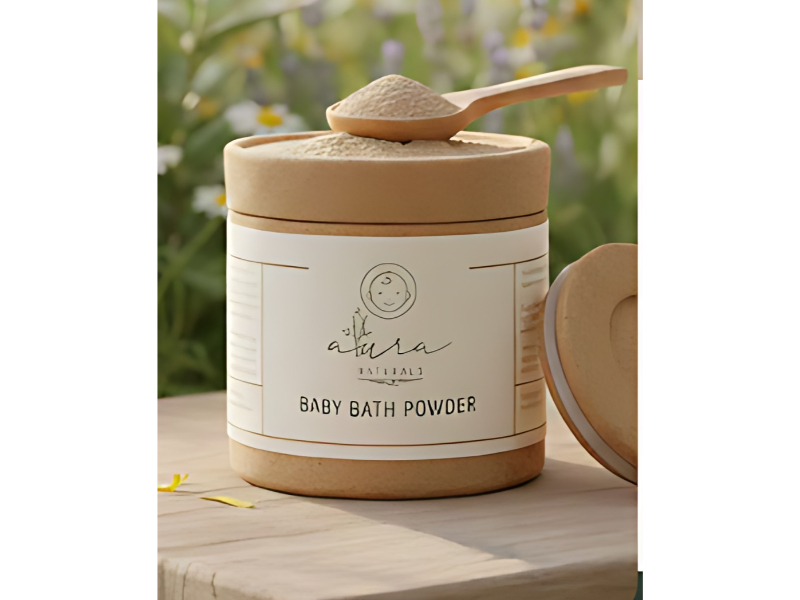
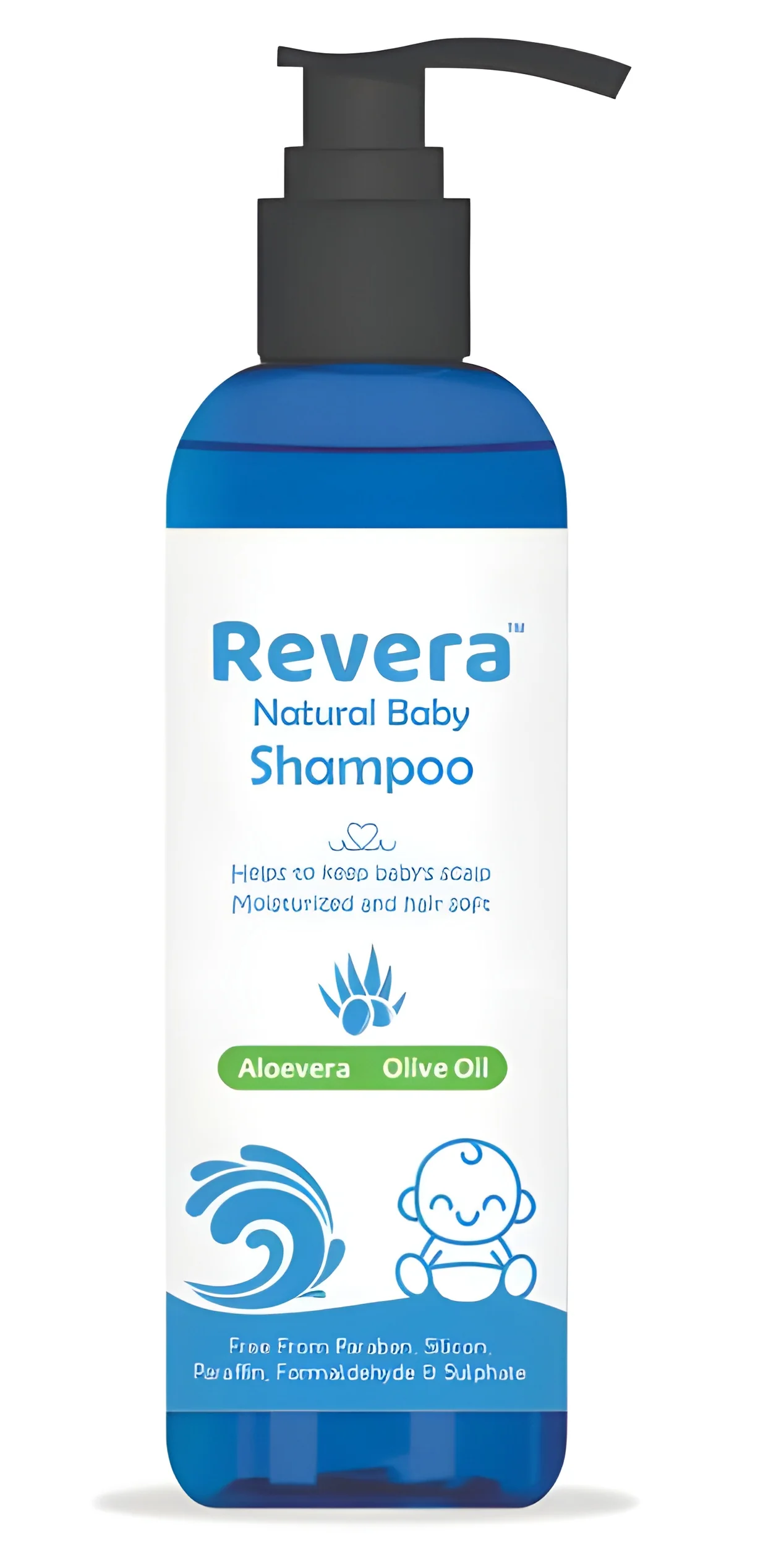
Baby Shampoos
4 products available
What are Baby Shampoos?
Baby shampoos are specially formulated cleansing agents designed for infants and young children. They are typically milder than regular shampoos, ensuring that they are gentle on sensitive skin and delicate hair. These products often contain fewer harsh chemicals and fragrances to minimize the risk of irritation and allergic reactions.
The primary use of baby shampoos is to clean the hair and scalp of infants while offering a tear-free experience. In business applications, baby shampoos are commonly found in retail, healthcare, and childcare facilities. They are essential products in baby care ranges offered by various brands, catering to parents looking for safe and effective grooming solutions for their children.
In the competitive market of baby care products, baby shampoos hold a significant position. With growing awareness about child safety and health, the demand for high-quality baby shampoos is on the rise. Brands that emphasize natural ingredients and hypoallergenic formulas are increasingly relevant in this sector, appealing to health-conscious parents and caregivers.
Key Features and Specifications
Baby shampoos come with several key features that distinguish them from standard shampoos. Understanding these specifications is crucial for businesses looking to source the right products for their customers.
Key specifications include:
1. Tear-Free Formula
- Designed to prevent stinging and irritation in the eyes
- Essential for a comfortable bathing experience for infants
2. Hypoallergenic Ingredients
- Formulated with ingredients that are less likely to cause allergic reactions
- Provides peace of mind for parents concerned about sensitivities
3. pH Balanced
- Maintains a pH level that is suitable for delicate skin
- Helps to prevent dryness and irritation
4. Dermatologically Tested
- Rigorously tested for safety and efficacy on sensitive skin
- Endorsed by pediatricians or dermatologists
5. Natural and Organic Options
- Contains natural ingredients such as chamomile or aloe vera
- Appeals to eco-conscious consumers looking for sustainable products
6. Fragrance-Free Options
- Available for children with sensitive skin or allergies to scents
- Minimizes potential irritation from added fragrances
7. Moisturizing Agents
- Includes ingredients that hydrate and nourish the scalp and hair
- Helps to prevent dryness and flakiness
8. Easy Rinse Formula
- Designed to wash out easily without leaving residue
- Ensures a quick and efficient bathing process
In summary, baby shampoos are formulated with specific features that prioritize the safety and comfort of infants, making them a crucial addition to any baby care product line.
Common Applications and Use Cases
Baby shampoos find applications across various industries, catering to the unique needs of different sectors.
1. Retail: Baby shampoos are widely available in supermarkets, pharmacies, and online stores. They are marketed directly to parents and caregivers, often through baby care product lines.
2. Healthcare: Hospitals and pediatric clinics use baby shampoos for newborns and infants during routine care. Hospitals often rely on gentle formulations to ensure the safety of their youngest patients.
3. Childcare Facilities: Daycare centers and preschools utilize baby shampoos during bath time or hygiene routines. These facilities prioritize tear-free and hypoallergenic options for the children in their care.
4. Parenting Services: Companies offering parenting support and education often recommend specific baby shampoo brands as essential items for new parents.
5. E-commerce: Online platforms specializing in baby products provide a wide variety of baby shampoos, allowing consumers to compare brands and read reviews before purchasing.
6. Gift Sets: Baby shampoos are frequently included in gift sets for new parents, often bundled with other baby care essentials.
7. International Markets: Global demand for baby shampoos has increased, leading to the expansion of products into emerging markets where parents are seeking safe and effective grooming solutions.
Product Variants and Subcategories
Baby shampoos offer a range of variants to meet diverse consumer needs. Each variant serves distinct purposes while maintaining the core protective qualities of baby shampoos.
Gentle Cleansing Baby Shampoo
This variant is designed for daily use, providing a mild formula that ensures gentle cleansing without stripping natural oils. It is ideal for infants with normal hair types.
Moisturizing Baby Shampoo
Formulated to provide extra hydration, this shampoo is perfect for babies with dry or curly hair. It often includes nourishing ingredients like shea butter or coconut oil.
Fragrance-Free Baby Shampoo
Suitable for sensitive skin, this variant excludes fragrances that might cause irritation. It is recommended for infants with allergies or sensitivities.
Organic Baby Shampoo
Made with natural and organic ingredients, this shampoo appeals to parents looking for eco-friendly options. It often features plant-based extracts and is free from synthetic chemicals.
Colorful and Fun Baby Shampoo
Targeted towards toddlers, this variant often includes bright colors and fun packaging. It aims to make bath time enjoyable while maintaining safety standards.
Benefits and Advantages
Choosing baby shampoos can offer numerous benefits for consumers and businesses alike. These products are not only essential for hygiene but also enhance the overall care experience.
Key benefits include:
1. Safety: Baby shampoos are formulated to be gentle and safe for delicate skin, ensuring a low risk of irritation.
2. Ease of Use: With tear-free formulas, parents can wash their children's hair without the worry of causing discomfort.
3. Healthier Hair: Many baby shampoos include moisturizing agents that promote healthy hair growth and scalp condition.
4. Parent Satisfaction: Parents appreciate products that are specifically designed for their children's needs, leading to greater brand loyalty.
5. Versatility: Baby shampoos can be used for both hair and body, making them a versatile addition to any baby care routine.
6. Eco-Friendly Options: With a growing trend towards sustainability, many brands offer organic and natural formulations that appeal to environmentally conscious consumers.
Buying Guide for B2B Buyers
When sourcing baby shampoos for commercial purposes, several factors should be considered to ensure quality and suitability.
1. Quality Assessment: It is vital to evaluate the ingredients and formulations to guarantee that the shampoos are safe for infants. Look for certifications and testing endorsements from relevant authorities.
2. Supplier Verification: Vet potential suppliers by checking their reputation, previous customer reviews, and compliance with industry standards. A reliable supplier can significantly impact product quality.
3. Pricing and MOQ: Consider the cost per unit and minimum order quantities. Understanding pricing structures will help in budgeting and inventory management.
4. Delivery and Lead Times: Assess the supplier's ability to meet deadlines and the efficiency of their logistics. Reliable delivery times are crucial for maintaining stock levels.
5. Compliance Requirements: Ensure that the baby shampoos meet local and international regulations. Compliance with safety standards such as CE certification is essential for market acceptance.
Compliance and Certifications
In the baby shampoo industry, compliance with various quality standards and certifications is crucial for ensuring product safety and efficacy.
Relevant quality standards include ISO 9001, which outlines criteria for a quality management system, ensuring that products meet customer and regulatory requirements.
HACCP (Hazard Analysis Critical Control Point) is another essential standard that focuses on safety in the manufacturing process, particularly for products intended for children.
Additionally, CE certification indicates that the product meets European safety standards, providing assurance to consumers about its safety and quality.
Safety and testing requirements are paramount, with rigorous testing needed to confirm that formulations do not cause skin irritation or allergic reactions.
Finally, regional compliance considerations must be taken into account, as different countries may have specific regulations governing baby care products.
Why Source Baby Shampoos from Pepagora?
Pepagora offers a trusted platform for sourcing baby shampoos, providing several key advantages that benefit B2B buyers.
Verified Supplier Network: Pepagora connects buyers with a vetted network of suppliers who meet strict quality and safety standards. This verification process ensures that buyers can trust the products they are sourcing.
Streamlined RFQ Process: The request for quotation (RFQ) process is designed to be efficient and user-friendly. Buyers can easily compare offers from multiple suppliers to find the best deals.
Trade Assurance and Support: Pepagora provides trade assurance to protect buyers throughout the sourcing process. This includes support for resolving disputes and ensuring timely delivery of products.
Regional Coverage: With a focus on regions like India, GCC, and Southeast Asia, Pepagora enables buyers to access a diverse range of baby shampoo products that meet local consumer preferences and regulatory requirements.
In summary, Pepagora serves as a reliable partner for businesses looking to source high-quality baby shampoos while ensuring compliance and safety.

 India

 India
Frequently Asked Questions
What are Baby Shampoos?
Baby shampoos are gentle cleansing products specifically formulated for the delicate hair and scalp of infants and toddlers. They are designed to be tear-free, hypoallergenic, and free from harsh chemicals, providing a safe bathing experience for young children.
What are the different types of Baby Shampoos?
There are several types of baby shampoos, including tear-free formulas, organic or natural shampoos, and those designed for specific hair types, such as curly or straight hair. Additionally, some baby shampoos may include added benefits, such as moisturizing properties or soothing agents for sensitive skin.
How do I choose the right Baby Shampoos?
When choosing baby shampoos, consider factors such as the ingredients, the age of your child, and any specific hair or scalp needs. Look for products that are free from sulfates, parabens, and fragrances to ensure safety and minimize irritation.
What are the standard specifications for Baby Shampoos?
Standard specifications for baby shampoos typically include pH balance, hypoallergenic formulation, and tear-free properties. They should also meet safety standards set by regulatory bodies to ensure they are safe for use on infants' sensitive skin.
What is the price range for Baby Shampoos?
The price range for baby shampoos can vary widely, typically from INR 100 to INR 1,000 depending on the brand, formulation, and packaging size. Higher-end organic or specialized shampoos may command a premium price due to their ingredients and added benefits.
What quality standards apply to Baby Shampoos?
Baby shampoos must adhere to quality standards established by regulatory authorities, which may include safety testing, ingredient transparency, and compliance with labeling requirements. Additionally, many manufacturers follow Good Manufacturing Practices (GMP) to ensure product consistency and safety.
Where can I find Baby Shampoos suppliers in India?
You can find baby shampoo suppliers in India through B2B marketplaces, trade shows, and industry-specific directories. Websites like Pepagora.com offer a platform to connect with manufacturers and suppliers of baby shampoos across the country.
Can Baby Shampoos be customized?
Yes, many manufacturers offer customization options for baby shampoos, allowing businesses to create unique formulations or packaging. Customization can include specific ingredients, fragrances, or branding to meet the needs of different target markets.
What is the typical minimum order quantity for Baby Shampoos?
The typical minimum order quantity (MOQ) for baby shampoos can vary by supplier but generally ranges from 500 to 1,000 units. It's advisable to check with individual manufacturers for their specific MOQs and pricing structures.
What is the typical lead time for Baby Shampoos?
The typical lead time for baby shampoos can range from 2 to 6 weeks, depending on the complexity of the order and the supplier's production capacity. It's important to discuss timelines with the manufacturer to ensure timely delivery.
Why Businesses Trust Pepagora
Thousands of companies trust Pepagora to source smarter and sell faster
Expand Your Sales Globally

Source Smarter,Grow Faster
