
 IN
Baby Oils (Coconut, Almond, Olive)
7 products available
Key Features and Specifications
When considering baby oils, it is essential to understand their key features and specifications. These oils are designed to be safe for infants and effective in providing moisture and nourishment to the skin.
Key specifications include:
1. Composition
- Typically made from natural oils like coconut, almond, and olive.
- Free from harmful chemicals and additives.
2. Texture
- Lightweight and easily absorbed by the skin.
- Non-greasy finish.
3. Fragrance
- Available in both scented and unscented varieties.
- Gentle fragrances that are safe for babies.
4. Shelf Life
- Typically ranges from 1 to 3 years depending on the oil and packaging.
- Proper storage conditions can extend shelf life.
5. Packaging
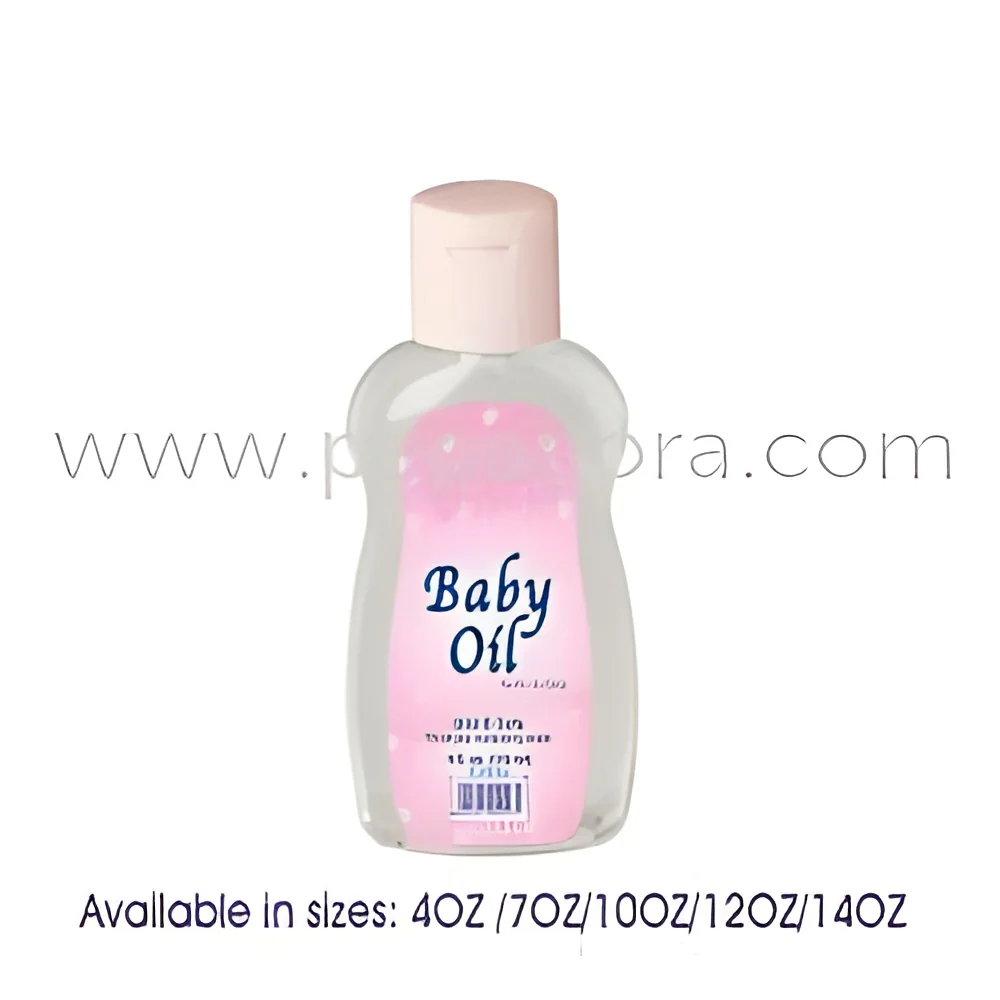
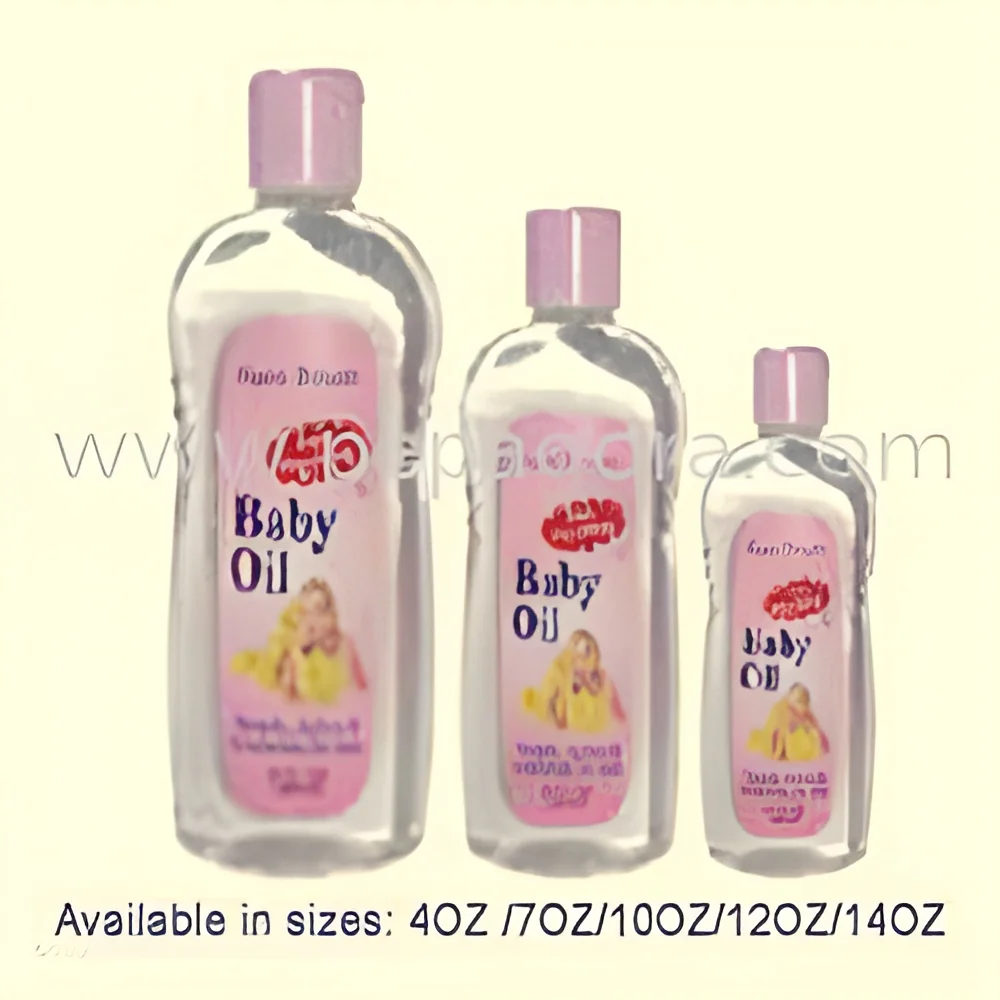
- Available in various sizes, often in bottles or tubes.
- Child-proof packaging options are available for safety.
6. Certifications
- Many products are CE certified, ensuring compliance with safety standards.
- Organic certifications may also be available for specific products.
7. Origin
- Sourced from regions known for quality oil production.
- Sustainable sourcing practices are increasingly common.
In summary, baby oils offer a range of features that cater to the needs of both infants and parents. Understanding these specifications helps buyers make informed decisions when sourcing these essential products.
Common Applications and Use Cases
Baby oils have diverse applications across various industries, making them versatile products for businesses.
1. Cosmetics Industry: Baby oils are widely used as a base ingredient in skincare and cosmetic products, including lotions and creams aimed at sensitive skin.
2. Personal Care Products: Manufacturers incorporate baby oils into items like baby wipes and shampoos to enhance moisture and provide gentle cleansing without irritation.
3. Massage Therapy: These oils are popular among massage therapists for infant massages, promoting bonding while ensuring the baby's skin remains soft and hydrated.
4. Health and Wellness: Baby oils are often used in aromatherapy, where their natural properties contribute to soothing and calming environments for both babies and parents.
5. Baby Care Products: Companies create specialized baby care products that combine baby oils with other natural ingredients to address specific skin concerns, such as diaper rash.
6. Home Care: Some households use baby oils for cleaning and conditioning wood furniture or as a natural lubricant for squeaky items.
7. Pet Care: Natural baby oils are sometimes used in pet grooming products, catering to the care of sensitive skin in pets.
Product Variants and Subcategories
Baby oils come in various forms, catering to different preferences and uses.
Coconut Oil Variant
This variant is known for its antibacterial and antifungal properties. It is often used in baby massage oils and can help soothe dry skin. Its lightweight texture makes it a popular choice among parents.
Almond Oil Variant
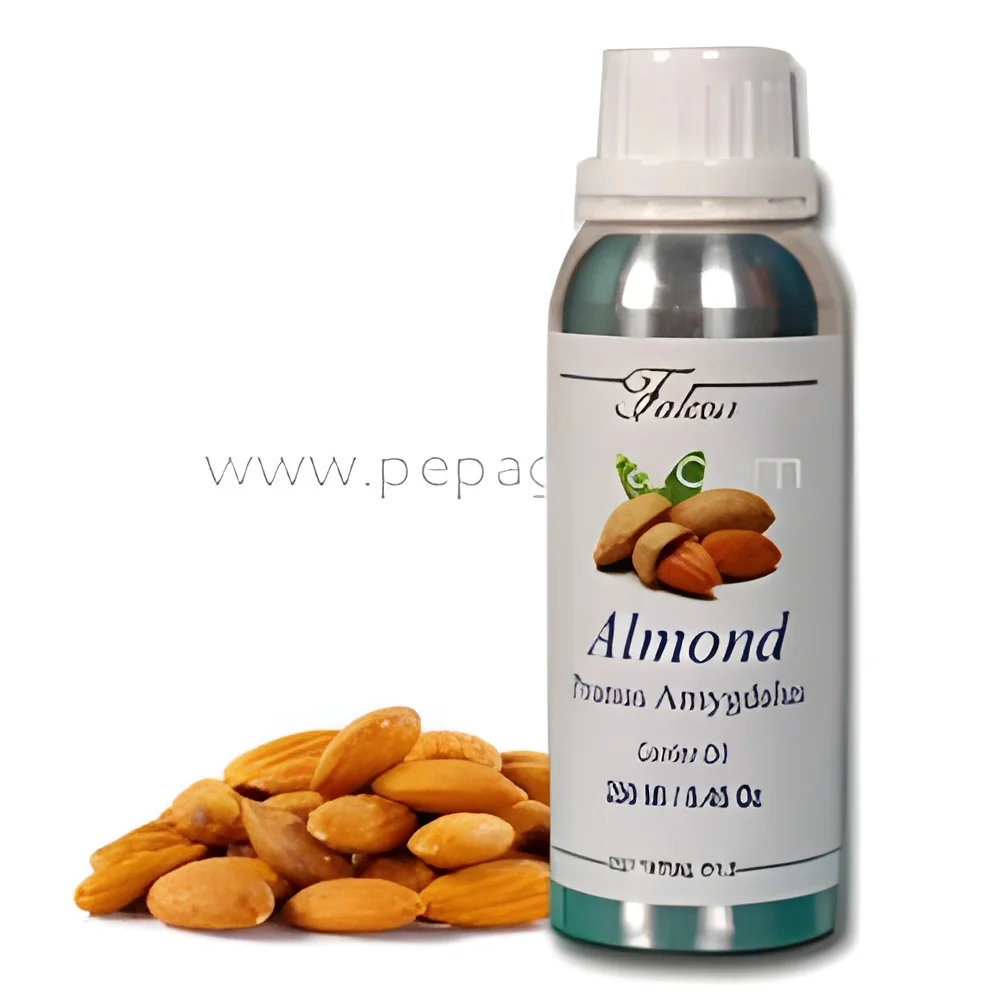
Almond oil is rich in vitamins A and E, making it an excellent moisturizer for sensitive skin. It is commonly used in baby lotions and creams, providing a nourishing effect that promotes healthy skin.
Olive Oil Variant
Known for its deep moisturizing capabilities, olive oil is often included in formulations for dry skin conditions. Its natural antioxidants help protect the skin, making it a favored ingredient in baby care products.
Benefits and Advantages
Baby oils provide numerous benefits for both infants and their caregivers.
Key benefits include:
1. Gentle Moisturization: Baby oils effectively hydrate the skin without causing irritation, making them safe for daily use.
2. Natural Ingredients: These oils are typically derived from natural sources, reducing the risk of allergic reactions and skin sensitivities.
3. Soothing Properties: Many baby oils have calming effects, which can help soothe fussy babies during massages or skincare routines.
4. Versatile Uses: Baby oils can be used for various applications, from skincare to household cleaning, making them a cost-effective choice.
5. Enhanced Bonding: Using baby oil during massage fosters bonding between parents and their infants, promoting emotional connection.
6. Eco-Friendly Options: Many brands offer organic and sustainably sourced baby oils, appealing to environmentally conscious consumers.
Buying Guide for B2B Buyers
When sourcing Baby Oils (Coconut, Almond, Olive), it is crucial to consider several key factors to make informed purchasing decisions.
1. Quality Assessment: Review the quality of the oils by checking for certifications and conducting sensory evaluations. Look for oils that are free from harmful additives and contaminants.
2. Supplier Verification: Vet suppliers by checking their reputation, reviews, and compliance with safety standards. Establishing a strong relationship with reliable suppliers ensures consistent product quality.
3. Pricing and MOQ: Understand the pricing structure and minimum order quantities (MOQ) required by suppliers. Compare costs across different vendors to find competitive pricing.
4. Delivery and Lead Times: Discuss logistics and delivery schedules with suppliers. Timely delivery is essential for maintaining inventory levels and meeting customer demands.
5. Compliance Requirements: Ensure that the products meet regional and international compliance standards. This may include safety testing and adherence to regulations specific to baby products.
Compliance and Certifications
Compliance and certifications are critical components when sourcing baby oils.
Relevant quality standards such as ISO 9001 ensure that manufacturers maintain high-quality management systems throughout production processes. These standards help guarantee that products are consistently produced and controlled according to quality measures.
Industry certifications like CE indicate that products meet European health, safety, and environmental protection standards. This certification reassures buyers about the safety and quality of the oils.
Additionally, safety and testing requirements must be met to ensure the oils are safe for use on infants. This includes thorough testing for allergens and potential irritants.
Buyers should also consider regional compliance factors, as different countries may have specific regulations governing the use of baby oils in consumer products.
Why Source Baby Oils (Coconut, Almond, Olive) from Pepagora?
Pepagora provides a trusted platform for sourcing Baby Oils (Coconut, Almond, Olive) with several key advantages.
Verified Supplier Network: Pepagora connects buyers with a network of verified suppliers, ensuring that all products meet necessary safety and quality standards. This reduces the risk associated with sourcing from unknown vendors.
Streamlined RFQ Process: The quotation system at Pepagora simplifies the procurement process. Buyers can easily request quotes from multiple suppliers, allowing for quick comparisons and informed decision-making.
Trade Assurance and Support: Pepagora offers trade assurance programs that protect buyers by ensuring product quality and timely delivery. This support fosters confidence in the purchasing process.
Regional Coverage: With a strong presence in India, the GCC, and Southeast Asia, Pepagora provides extensive regional coverage, making it easier for buyers to source baby oils that meet local market needs.


 India




 India
 India
Frequently Asked Questions
What are Baby Oils (Coconut, Almond, Olive)?
Baby oils are gentle oils specifically formulated for use on infants' sensitive skin. The most common types include coconut oil, almond oil, and olive oil, each offering unique benefits for hydration and nourishment.
What are the different types of Baby Oils (Coconut, Almond, Olive)?
The primary types of baby oils include coconut oil, almond oil, and olive oil. Coconut oil is known for its moisturizing properties, almond oil for its vitamin E content, and olive oil for its rich antioxidants.
How do I choose the right Baby Oils (Coconut, Almond, Olive)?
When selecting baby oils, consider the baby's skin type and any potential allergies. It is advisable to choose oils that are free from additives and have been dermatologically tested for safety.
What are the standard specifications for Baby Oils (Coconut, Almond, Olive)?
Standard specifications for baby oils typically include purity levels, viscosity, and absence of harmful chemicals. Quality assurance tests should confirm that the oils meet safety guidelines for infant use.
What is the price range for Baby Oils (Coconut, Almond, Olive)?
The price range for baby oils can vary significantly based on the brand, quality, and packaging. Generally, prices can range from approximately INR 100 to INR 1000 per bottle.
What quality standards apply to Baby Oils (Coconut, Almond, Olive)?
Quality standards for baby oils include compliance with safety regulations set by health authorities. These standards ensure that the oils are free from contaminants and suitable for infant use.
Where can I find Baby Oils (Coconut, Almond, Olive) suppliers in India?
You can find baby oil suppliers in India through B2B marketplaces like Pepagora.com, trade shows, and industry directories. It is advisable to verify supplier credentials and product quality before purchasing.
Can Baby Oils (Coconut, Almond, Olive) be customized?
Yes, many manufacturers offer customization options for baby oils, including fragrance, packaging, and formulation. It is best to discuss specific requirements directly with the supplier.
What is the typical minimum order quantity for Baby Oils (Coconut, Almond, Olive)?
The typical minimum order quantity (MOQ) for baby oils varies by supplier, but it usually ranges from 100 to 500 units. It's advisable to check with individual suppliers for their specific MOQs.
What is the typical lead time for Baby Oils (Coconut, Almond, Olive)?
The typical lead time for baby oils is usually between 1 to 4 weeks, depending on the supplier and order size. It's important to confirm lead times during the ordering process to ensure timely delivery.
Why Businesses Trust Pepagora
Thousands of companies trust Pepagora to source smarter and sell faster
Expand Your Sales Globally

Source Smarter,Grow Faster
