Key Features and Specifications
Automated Optical Inspection (AOI) systems come equipped with a range of features designed to enhance their efficiency and effectiveness. The following specifications are critical when evaluating an AOI system:
1. Image Resolution
- High-definition imaging capabilities
- Typically ranges from 720p to 4K
2. Inspection Speed
- Rapid processing speeds to minimize downtime
- Can inspect thousands of components per hour
3. Defect Detection Algorithms
- Advanced algorithms for high accuracy
- Capable of identifying various defect types
4. User Interface
- Intuitive software for easy operation and configuration
- Customizable dashboards for real-time monitoring
5. Connectivity
- Integration with existing manufacturing systems
- Supports Industry 4.0 protocols for data sharing
6. Size and Footprint
- Compact designs suitable for various production environments
- Options for standalone or inline setups
7. Environmental Controls
- Designed to operate in diverse conditions
- May include features for temperature and humidity control
8. Maintenance Requirements
- Low-maintenance systems with user-friendly upkeep
- Support for remote diagnostics and troubleshooting
In summary, understanding the key features and specifications of AOI systems is essential for businesses looking to implement this technology effectively. Investing in the right AOI system can lead to significant improvements in product quality and operational efficiency.
Common Applications and Use Cases
Automated Optical Inspection (AOI) is utilized across various industries to enhance quality control and ensure compliance with standards.
1. Electronics Manufacturing: In this sector, AOI is used to inspect printed circuit boards (PCBs) for defects such as soldering issues and component misalignment. This ensures electronic devices function correctly and meet consumer expectations.
2. Automotive Assembly: AOI systems help verify the assembly of components and subassemblies, ensuring that parts are correctly installed and functioning as intended, which is vital for safety and performance.
3. Medical Device Manufacturing: AOI is crucial in the production of medical devices, where precision and reliability are paramount. It aids in detecting defects that could compromise product safety.
4. Consumer Goods: Companies in this sector use AOI to inspect packaging and labeling, ensuring that products are correctly identified and compliant with regulations.
5. Aerospace: In aerospace manufacturing, AOI is used to inspect components for quality and compliance with rigorous standards, helping to ensure safety in aviation.
6. Food and Beverage: AOI technology can be applied to monitor packaging integrity and labeling accuracy, contributing to food safety and regulatory compliance.
7. Textiles: AOI systems are implemented to inspect fabric for defects and ensure quality in textile production, enhancing product appeal and reducing returns.
Product Variants and Subcategories
Automated Optical Inspection (AOI) systems come in various configurations to suit different operational needs and environments.
High-Speed AOI Systems: These variants are designed for rapid inspection in high-volume production lines. They feature advanced imaging technology and fast processing capabilities to ensure minimal impact on production speed.
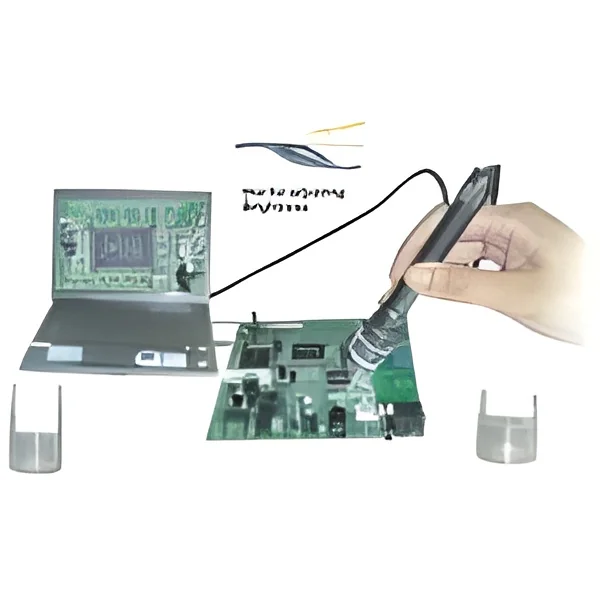
Desktop AOI Systems: These are compact systems ideal for smaller manufacturing environments or R&D labs. They provide flexibility in inspection processes without the need for extensive floor space.
Portable AOI Systems: Designed for on-the-go inspection, these systems are lightweight and easy to transport. They are particularly useful for field inspections or in situations where space is constrained.
Standalone AOI Systems: These units operate independently and are suitable for environments where integration with existing manufacturing systems is not feasible.
Benefits and Advantages
Automated Optical Inspection (AOI) offers numerous benefits that enhance manufacturing processes and product quality.
1. Improved Quality Control: AOI systems provide consistent and reliable inspections, significantly reducing the likelihood of defects in finished products.
2. Increased Efficiency: By automating the inspection process, AOI reduces the time required for quality checks, allowing for faster production cycles.
3. Cost Savings: Early detection of defects minimizes waste and rework costs, leading to significant savings over time.
4. Enhanced Data Collection: AOI systems generate valuable data on production quality, enabling manufacturers to identify trends and improve processes.
5. Flexibility: AOI systems can adapt to various manufacturing environments and products, making them suitable for a wide range of applications.
6. Compliance Support: Implementing AOI helps companies meet industry standards and regulations, facilitating easier compliance with quality assurance requirements.
Buying Guide for B2B Buyers
When sourcing Automated Optical Inspection (AOI) systems, businesses should carefully consider several key factors to ensure they select the right solution.
1. Quality Assessment: Evaluate the quality of the AOI systems based on past performance and customer reviews. Look for proven reliability and accuracy in defect detection.
2. Supplier Verification: Vet potential suppliers by checking their credentials, certifications, and track record in the industry. It is important to choose a reputable provider that offers support and service.
3. Pricing and MOQ: Consider the cost of the AOI systems in relation to your budget. Be aware of any minimum order quantities (MOQ) that may apply, as these can impact purchasing decisions.
4. Delivery and Lead Times: Assess the expected delivery times for the AOI systems. Timely delivery is crucial for maintaining production schedules.
5. Compliance Requirements: Ensure that the AOI systems meet relevant industry standards and regulatory requirements. This helps in achieving quality assurance and compliance.
Compliance and Certifications
Automated Optical Inspection (AOI) systems are subject to various quality standards and certifications that ensure their reliability and performance.
ISO 9001 is a widely recognized standard that establishes criteria for a quality management system. Compliance with this standard indicates that the AOI systems are produced under stringent quality control processes.
CE certification signifies that the AOI systems meet European safety, health, and environmental protection standards. This certification is crucial for manufacturers aiming to enter European markets.
In addition to these standards, AOI systems may also need to comply with safety and testing requirements specific to the industries in which they are used. Regional compliance considerations may vary, and manufacturers should ensure that their AOI systems adhere to local regulations.
Why Source Automated Optical Inspection (AOI) from Pepagora?
Pepagora is a trusted platform for sourcing Automated Optical Inspection (AOI) systems, offering several key advantages to B2B buyers.
Our verified supplier network ensures that buyers have access to reputable and reliable manufacturers. Each supplier is vetted for quality and performance, providing confidence in the sourcing process.
The streamlined RFQ process simplifies the quotation system, allowing buyers to easily compare options and make informed decisions. This efficiency helps in securing the best deals without unnecessary delays.
Pepagora also offers trade assurance and support to protect buyers throughout the sourcing process. Our commitment to buyer protection ensures that transactions are secure and transparent.
With extensive regional coverage, particularly in India, the GCC, and Southeast Asia, Pepagora connects buyers with suppliers across these markets. This geographic reach facilitates access to a diverse range of AOI solutions tailored to specific industry needs.

 IN
IN
 India
India