What are PCB Soldering Services?
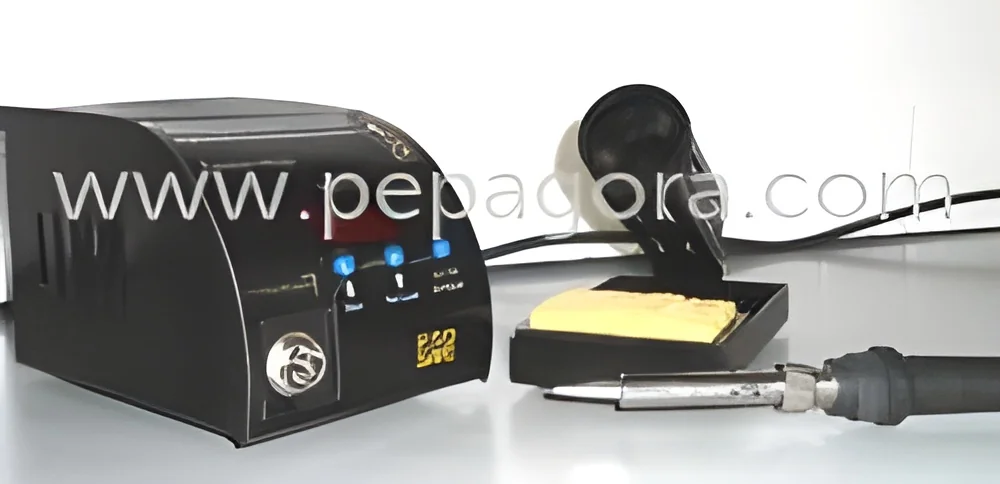
PCB soldering services involve the process of attaching electronic components to printed circuit boards (PCBs) using solder. This process is essential for creating functional electronic devices, as it ensures reliable electrical connections between components. Soldering can be performed using various techniques, including manual, wave, and reflow soldering, depending on the complexity of the assembly and the specific requirements of the project.
These services are widely used across numerous sectors, including consumer electronics, telecommunications, automotive, and medical industries. Businesses often require PCB soldering for the mass production of electronic devices or for prototyping new designs. The growing demand for electronic products has led to an increase in the need for high-quality soldering services, making it a critical component of the manufacturing process.
In today's competitive market, the relevance of PCB soldering services is heightened by the advancement of electronics technology. As devices become more complex and compact, the need for precision in soldering increases. Companies are also seeking reliable partners who can meet strict quality standards and compliance requirements to ensure product integrity and performance.
Key Features and Specifications
PCB soldering services come with a range of features that cater to various industrial needs. These specifications help businesses ensure that they receive high-quality soldering that meets their project requirements.
Key specifications include:
1. Soldering Techniques
- Various methods such as manual, wave, and reflow soldering.
- Suitable for different production volumes and complexity levels.
2. Component Types
- Capability to solder through-hole, surface-mount, and mixed technologies.
- Support for a wide array of electronic components.
3. Quality Control Measures
- Implementation of rigorous testing and inspection protocols.
- Use of automated optical inspection (AOI) for defect detection.
4. Production Capacity
- Ability to handle small batches to large-scale production runs.
- Flexibility to adjust production levels based on client needs.
5. Lead-Free Solder Options
- Availability of lead-free solder to comply with environmental regulations.
- Enhanced safety for end-users and compliance with RoHS standards.
6. Customization Options
- Ability to tailor services to meet specific project requirements.
- Options for specialized soldering techniques and materials.
7. Turnaround Time
- Fast lead times to meet urgent project deadlines.
- Efficient processes that streamline production.
8. Technical Support
- Access to expert advice and support throughout the project.
- Assistance with design for manufacturability (DFM) considerations.
In summary, understanding these specifications is crucial for businesses seeking PCB soldering services. Quality, flexibility, and technical expertise are key factors that influence the choice of service provider.
Common Applications and Use Cases
PCB soldering services are applicable in multiple sectors, each with distinct needs.
1. Consumer Electronics: Companies in this sector rely on precise soldering for devices such as smartphones, tablets, and wearables. The demand for compact and reliable products drives the need for high-quality soldering.
2. Telecommunications: Telecom equipment often features complex PCBs that require advanced soldering techniques. Reliable connections are pivotal for ensuring signal integrity in devices like routers and switches.
3. Automotive Industry: Modern vehicles incorporate numerous electronic systems, from infotainment to safety features. Effective PCB soldering is essential for ensuring the reliability of these critical components.
4. Medical Devices: The medical sector mandates stringent quality standards. PCB soldering services are crucial in the production of devices like diagnostic equipment and monitoring systems where precision is vital.
5. Industrial Automation: Automation systems often integrate various electronic components. Quality soldering ensures that these systems function efficiently and reliably.
6. Aerospace: In the aerospace industry, soldering processes must adhere to rigorous safety standards. High-quality soldering is essential for ensuring the performance of avionics and control systems.
7. Home Appliances: Many household devices, such as smart appliances, rely on PCBs for functionality. Quality soldering contributes to the durability and performance of these products.
Product Variants and Subcategories
While there are no distinct subcategories for PCB soldering services, the diversity in service offerings allows businesses to find tailored solutions for their specific needs.
Standard PCB Soldering Services
These services cater to general needs across industries, providing reliable soldering for a variety of component types and applications. They are typically suitable for both small and large production runs.
Prototype Soldering Services
Focused on the initial development phase, these services aim to assist companies in creating prototypes for testing and evaluation. Quick turnaround and flexibility in design modifications are key characteristics.
Volume Production Soldering Services
Tailored for businesses needing large-scale production, these services emphasize efficiency and consistency in quality. They often include automated processes to maintain high output rates.
Benefits and Advantages
Sourcing PCB soldering services offers numerous advantages for businesses looking to enhance their production capabilities.
Key benefits include:
1. Improved Quality Assurance: Utilizing experienced providers ensures that soldering meets high standards, resulting in fewer defects and rework.
2. Cost Efficiency: Engaging professional soldering services can reduce labor costs and minimize material waste, enhancing overall production efficiency.
3. Access to Expertise: Partnering with specialists allows businesses to leverage technical knowledge, improving design and manufacturing processes.
4. Scalability: Reliable soldering services can adapt to production needs, whether for small prototypes or large production runs, providing flexibility as projects evolve.
5. Compliance with Standards: Professional services often adhere to industry regulations, ensuring that products meet necessary quality and safety standards.
6. Enhanced Product Performance: Quality soldering results in better electrical connectivity and device performance, leading to increased customer satisfaction.
Buying Guide for B2B Buyers
When sourcing PCB soldering services, businesses should evaluate several critical factors to ensure they select the right provider.
1. Quality Assessment: Look for suppliers that implement rigorous quality control measures, including testing and inspection protocols. Certifications such as ISO 9001 can also indicate a commitment to quality.
2. Supplier Verification: Conduct thorough research on potential suppliers. Check their reputation, past performance, and customer reviews to ensure reliability.
3. Pricing and MOQ: Understand pricing structures and minimum order quantities (MOQ) to ensure alignment with budget and production needs. Request detailed quotes to compare options.
4. Delivery and Lead Times: Evaluate the supplier's ability to meet deadlines. Timely delivery is crucial for maintaining production schedules and meeting market demands.
5. Compliance Requirements: Ensure that the selected provider meets all relevant regulatory and safety standards. This is especially important in industries like medical and automotive, where compliance is non-negotiable.
Compliance and Certifications
Compliance and certifications play a vital role in ensuring the quality and safety of PCB soldering services. Relevant quality standards such as ISO 9001 demonstrate a commitment to continuous improvement and customer satisfaction. This standard signifies that a company has established effective quality management systems.
Industry certifications, like CE marking, indicate compliance with European health, safety, and environmental protection standards. Such certifications are essential for companies looking to market their products in the European Union.
Safety and testing requirements are paramount in industries like medical and aerospace, where product failure can have severe consequences. Adhering to these standards ensures that products are safe for end-users.
Regional compliance considerations may vary, so it is essential for businesses to be aware of local regulations that impact PCB soldering services. This can include specific environmental regulations or safety standards that must be followed.
Why Source PCB Soldering Services from Pepagora?
Pepagora provides a trusted platform for sourcing PCB soldering services, offering several key advantages to businesses.
Verified Supplier Network: Pepagora ensures that all suppliers are thoroughly vetted for quality and reliability. This gives buyers confidence in their sourcing decisions.
Streamlined RFQ Process: The platform features an efficient request for quotation (RFQ) system that simplifies the process of obtaining quotes from multiple suppliers. This saves time and helps businesses compare options effectively.
Trade Assurance and Support: Pepagora offers trade assurance to protect buyers, ensuring that transactions are secure and that suppliers meet their commitments. Additionally, dedicated support is available to assist with any issues that may arise.
Regional Coverage: With a strong presence in India, the GCC, and Southeast Asia, Pepagora connects businesses to a wide geographic network of suppliers. This regional coverage enhances accessibility to quality PCB soldering services tailored to diverse industry needs.

 IN
IN