What are Prototype PCB Assembly?
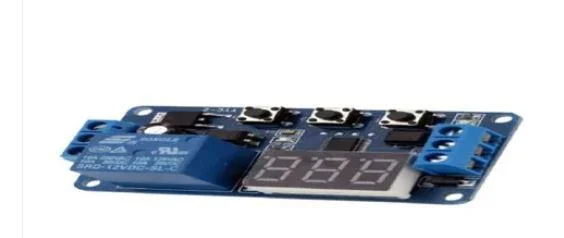
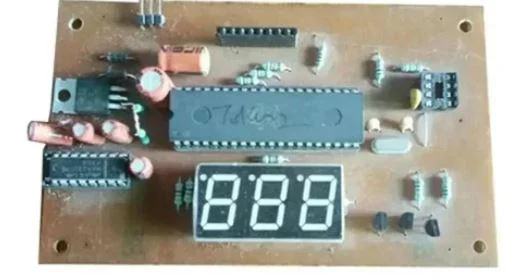
Prototype PCB assembly refers to the process of fabricating and assembling printed circuit boards (PCBs) for testing and validation purposes prior to mass production. This typically involves creating a small batch of PCBs that include the necessary components, allowing engineers and designers to evaluate functionality, performance, and design accuracy. The prototype stage is crucial because it helps identify potential issues and facilitates design modifications before full-scale manufacturing begins.
The primary uses of prototype PCB assembly span various sectors, including electronics, automotive, telecommunications, and medical devices. Businesses utilize prototypes to test new product concepts, refine existing designs, and ensure compliance with industry standards. The rapid prototyping capabilities enable companies to bring innovations to market faster while minimizing risks and costs associated with large production runs.
In today's fast-paced market, the relevance of prototype PCB assembly continues to grow. As technology evolves, industries require quick iterations and modifications to meet consumer demands. This has led to increased investment in prototyping services, making it an essential part of the product development lifecycle across many sectors.
Key Features and Specifications
Prototype PCB assembly services provide various key features designed to meet the diverse needs of businesses. These features contribute to efficiency, accuracy, and quality in the assembly process.
Key specifications include:
1. Assembly Type
- Options may include surface mount technology (SMT) or through-hole assembly.
- Each type offers unique benefits based on design requirements.
2. Component Sourcing
- Ability to source components from various manufacturers.
- Ensures availability of both standard and specialized components.
3. Board Thickness
- Common thicknesses range from 0.8 mm to 1.6 mm.
- Thickness impacts durability and performance.
4. Layer Count
- Prototypes can range from single-layer to multi-layer boards.
- Higher layer counts allow for more complex designs.
5. Testing Capabilities
- Services may include electrical testing, functional testing, and quality inspection.
- Ensures prototypes meet specified performance standards.
6. Turnaround Time
- Rapid prototyping options can deliver assemblies within days.
- Quick turnaround supports agile development processes.
7. Volume Flexibility
- Services can accommodate small to medium batch sizes.
- Ideal for companies needing limited runs without excess inventory.
8. Customization Options
- Ability to customize designs based on specific project needs.
- Enhances adaptability for unique applications.
In summary, the features and specifications of prototype PCB assembly services play a vital role in supporting the development of innovative electronics. Understanding these aspects helps businesses make informed decisions about their prototyping needs.
Common Applications and Use Cases
Prototype PCB assembly serves various industries, demonstrating its versatility and importance in product development.
1. Electronics: In the consumer electronics sector, prototypes are used to test new gadgets, ensuring that all electronic components function seamlessly before mass production.
2. Automotive: Automotive companies use prototype assemblies to develop and validate electronic control units and dashboard displays, critical for vehicle performance and safety.
3. Telecommunications: Prototypes are essential for testing communication devices like routers and signal boosters, allowing for adjustments based on performance feedback.
4. Medical Devices: The medical field relies on prototypes for devices such as monitors and diagnostic instruments, ensuring they meet strict regulatory standards before being introduced to the market.
5. Aerospace: Prototyping is crucial in aerospace applications, where precision and reliability are paramount for components used in navigation and control systems.
6. Industrial Equipment: Companies develop prototypes for machinery control boards, ensuring that they operate efficiently under various conditions.
7. Internet of Things (IoT): As IoT devices proliferate, prototype assemblies help in creating smart devices and sensors, allowing for rapid testing and iteration.
Product Variants and Subcategories
Prototype PCB assembly services are diverse, catering to various project requirements and industry needs.
Standard Prototype Assembly: This variant offers a basic assembly service for small to medium-sized projects, focusing on standard components and designs.
Advanced Prototype Assembly: This variant supports complex designs with multi-layer boards, specialized components, and advanced testing capabilities, ideal for high-tech industries.
Low-Volume Production Runs: This service is tailored for businesses needing limited quantities of prototypes, providing flexibility while maintaining quality standards.
Benefits and Advantages
Prototype PCB assembly offers numerous benefits for businesses looking to innovate and refine their products.
Key benefits include:
1. Cost Efficiency: By using prototypes, companies can identify design flaws early, reducing costs associated with large-scale production errors.
2. Time Savings: Rapid prototyping allows for quicker iterations, enabling faster time-to-market for new products.
3. Risk Mitigation: Testing prototypes helps mitigate risks by identifying potential issues before full-scale manufacturing.
4. Flexibility: The ability to customize prototypes allows businesses to adapt to changing project requirements and market demands.
5. Improved Quality: Prototyping includes rigorous testing, ensuring that final products meet quality standards and specifications.
6. Enhanced Collaboration: Prototyping fosters collaboration between design, engineering, and production teams, leading to more cohesive product development.
Buying Guide for B2B Buyers
When sourcing prototype PCB assembly, it is essential to consider various factors to ensure the best outcome for your project.
1. Quality Assessment: Evaluate the quality of materials and assembly processes. Look for suppliers that adhere to recognized quality standards to ensure reliability and performance.
2. Supplier Verification: Conduct thorough research on potential suppliers, checking their credentials, customer reviews, and industry experience to ensure they meet your requirements.
3. Pricing and MOQ: Understand the pricing structure and minimum order quantities. This helps in budget planning and ensures that the supplier can accommodate your needs.
4. Delivery and Lead Times: Inquire about delivery schedules and lead times. Quick turnaround can be crucial for maintaining project timelines.
5. Compliance Requirements: Ensure that the supplier understands and adheres to relevant regulatory standards and certifications needed for your industry.
Compliance and Certifications
Compliance and certifications are critical in the prototype PCB assembly process, ensuring that products meet industry standards and safety requirements.
Relevant quality standards such as ISO 9001 help ensure that manufacturers maintain consistent quality in their production processes. This standard focuses on quality management systems and customer satisfaction.
Industry certifications, like CE, indicate that products conform to European safety, health, and environmental protection standards. This certification is essential for market access in Europe and is a mark of quality assurance.
Safety and testing requirements are paramount in sectors like medical devices and automotive. Prototyping must include rigorous testing to ensure that all components function correctly and safely.
Regional compliance considerations may vary based on geographic location. It is crucial to be aware of local regulations and standards applicable in the markets where the products will be sold.
Why Source Prototype PCB Assembly from Pepagora?
Pepagora provides a trusted platform for sourcing prototype PCB assembly with several key advantages that cater to the needs of businesses.
Verified Supplier Network: Pepagora ensures that all suppliers in its network undergo thorough verification processes. This guarantees that clients work with reputable and experienced manufacturers, reducing risks associated with sourcing.
Streamlined RFQ Process: The request for quotation process on Pepagora is designed to be efficient and user-friendly. Clients can easily submit their project requirements and receive competitive quotes, allowing for informed decision-making.
Trade Assurance and Support: Pepagora offers trade assurance, providing buyers with protection during transactions. This includes support for resolving disputes and ensuring that products meet agreed-upon specifications.
Regional Coverage: With a strong presence in regions like India, the GCC, and Southeast Asia, Pepagora can connect businesses with local suppliers. This enhances accessibility and promotes faster delivery times, which is crucial for maintaining project schedules.

 IN
IN