
 IN
Reflow Soldering Services
9 products available
What are Reflow Soldering Services?
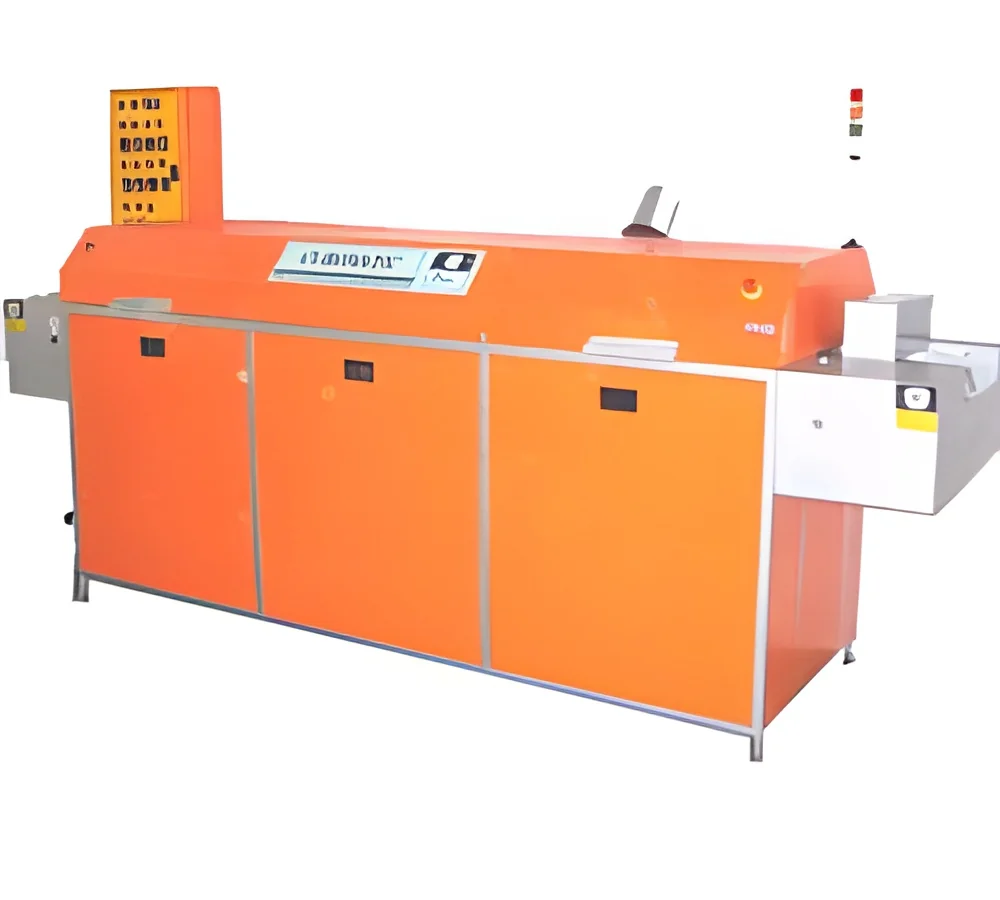
Reflow soldering services are essential processes in the electronics manufacturing industry, used primarily for attaching surface mount components to printed circuit boards (PCBs). This technique involves applying solder paste onto the PCB, placing the components, and then heating the assembly in a controlled manner to melt the solder, allowing it to flow and create reliable electrical connections. The reflow process is crucial for achieving consistent quality and performance in electronic devices.
These services are widely utilized in various applications, including consumer electronics, automotive components, and industrial equipment. Businesses rely on reflow soldering for its efficiency and ability to handle complex circuit designs with high component density. As technology advances, manufacturers are increasingly adopting this process to meet the growing demand for compact and high-performance electronic products.
In today's competitive market, reflow soldering services play a vital role in ensuring product reliability and longevity. As industries continue to evolve, the need for precision in soldering techniques becomes paramount. Companies that specialize in reflow soldering are positioned to support a diverse range of sectors, ultimately contributing to innovation and quality in electronic manufacturing.
Key Features and Specifications
Reflow soldering services come with a variety of features designed to enhance efficiency and reliability. Below are key specifications that outline the capabilities of these services.
Key specifications include:
1. Temperature Control
- Precise temperature profiles to ensure optimal solder flow
- Capability to handle various solder materials
2. Humidity Control
- Environmentally regulated settings to prevent defects
- Monitoring systems to maintain stable conditions
3. Inspection Techniques
- Automated Optical Inspection (AOI) for quality assurance
- X-ray inspection for hidden solder joints
4. Production Capacity
- High-volume production capabilities for bulk orders
- Flexibility to accommodate small batch runs
5. Component Handling
- Advanced pick-and-place technology for accurate placement
- Compatibility with a wide range of component sizes
6. Compliance Standards
- Adherence to international quality standards
- Certification for industry-specific requirements
7. Lead-Free Solder Availability
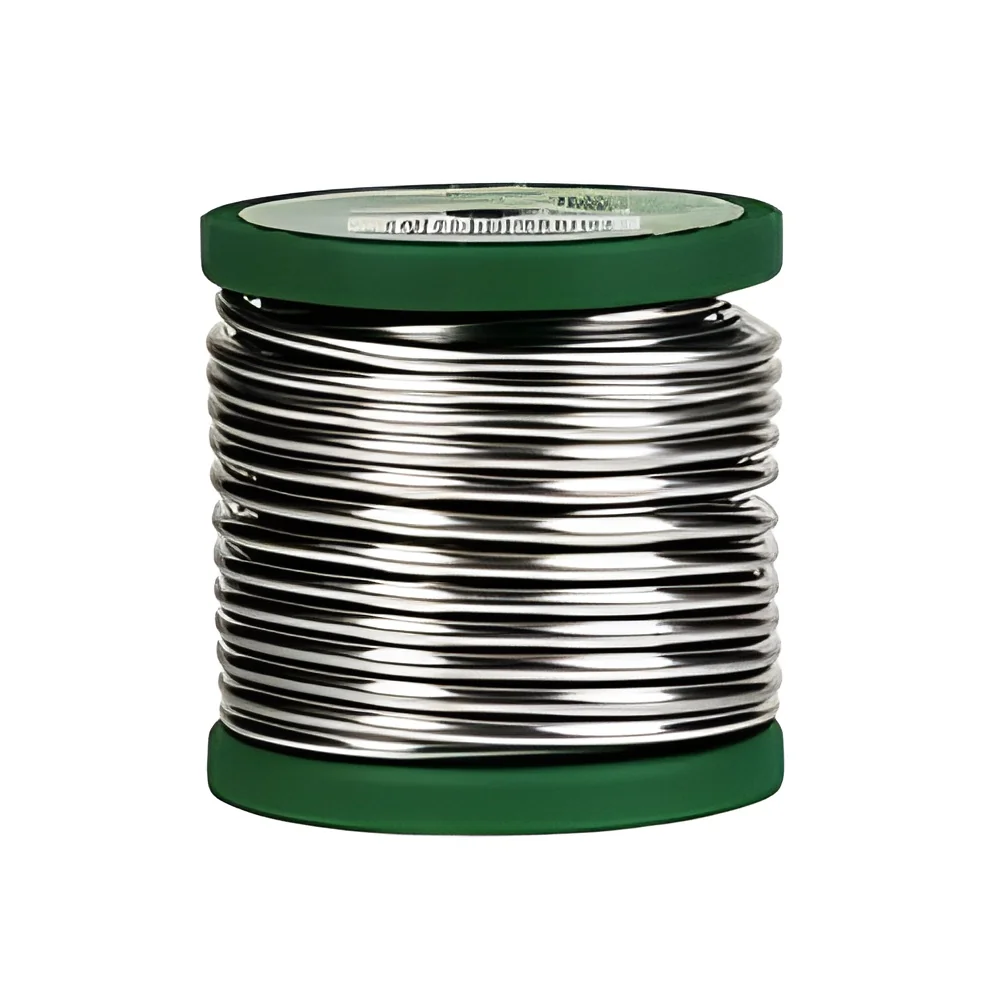
- Options for lead-free solder to meet environmental regulations
- Support for RoHS compliance
8. Customization Options
- Tailored solutions for specific project needs
- Adaptability for unique PCB designs
In summary, these features and specifications ensure that reflow soldering services meet the diverse demands of modern electronics manufacturing, providing businesses with reliable, high-quality assembly solutions.
Common Applications and Use Cases
Reflow soldering services are utilized across numerous industries, reflecting their versatility and essential role in modern manufacturing.
1. Consumer Electronics: Reflow soldering is used in smartphones, tablets, and laptops, where precision and compactness are vital for performance.
2. Automotive Industry: This process is critical for manufacturing electronic control units (ECUs), sensors, and infotainment systems that require high reliability.
3. Industrial Automation: Many automated systems rely on complex circuitry, making reflow soldering a key component in the production of control boards and robotics.
4. Telecommunications: Reflow soldering is used in devices such as routers and switches, where efficient thermal management and reliability are crucial.
5. Medical Devices: Precision soldering is essential in the production of diagnostic and therapeutic equipment, ensuring functionality and compliance with safety standards.
6. Aerospace: The aerospace industry demands high-reliability soldering for avionics and control systems, where failure is not an option.
7. Renewable Energy: Solar inverters and wind turbine controls benefit from the reliability of reflow soldering in their electronic assemblies.
Product Variants and Subcategories
Reflow soldering services offer a range of options to meet the varying needs of different projects. Although specific subcategories are not available, the diversity in service offerings allows for tailored solutions.
Standard Reflow Soldering Service
This variant provides comprehensive reflow soldering capabilities, accommodating a wide range of PCBs and component types while ensuring quality and efficiency.
Advanced Reflow Soldering Service
This service focuses on high-precision applications, utilizing advanced technologies and techniques for more complex designs, such as those found in aerospace and medical devices.
Prototyping Reflow Soldering Service
This variant is designed for companies needing small-batch runs or prototypes. It enables rapid turnaround times while maintaining quality standards, ideal for testing new designs.
Benefits and Advantages
Utilizing reflow soldering services offers numerous benefits for businesses in the electronics sector.
Key benefits include:
1. Improved Quality: Reflow soldering ensures consistent solder joints, reducing the likelihood of defects and enhancing overall product reliability.
2. Increased Efficiency: The automated nature of reflow soldering speeds up production times, allowing businesses to meet tight deadlines.
3. Cost-Effectiveness: By minimizing material waste and rework, companies can achieve significant cost savings over time.
4. Flexibility: Reflow soldering can accommodate various PCB designs and component types, making it suitable for diverse projects.
5. Compliance Assurance: Partnering with certified service providers ensures adherence to industry standards and regulations, enhancing product marketability.
6. Technical Support: Access to expert knowledge and assistance can help businesses navigate complex soldering challenges more effectively.
Buying Guide for B2B Buyers
When sourcing reflow soldering services, businesses should consider several key factors to ensure they select the right provider.
1. Quality Assessment: It is crucial to evaluate the quality control measures in place, including inspection techniques and adherence to industry standards to ensure reliable products.
2. Supplier Verification: Thoroughly vet potential suppliers by checking their certifications, industry reputation, and customer reviews to ensure they meet your specific needs.
3. Pricing and MOQ: Understand the pricing structure and minimum order quantities (MOQ) required by the supplier, as this can impact budget and project feasibility.
4. Delivery and Lead Times: Assess the supplier's ability to meet delivery schedules and lead times, particularly for critical projects that require timely execution.
5. Compliance Requirements: Ensure that the provider complies with necessary regulatory standards, such as CE certification, to avoid complications during product launch.
Compliance and Certifications
Compliance with industry standards is critical in reflow soldering services to ensure product quality and safety. Many service providers adhere to ISO 9001, ensuring a high level of quality management and continuous improvement processes.
Additionally, certifications such as CE signify that products meet European safety, health, and environmental protection requirements, which is particularly important for electronics sold in international markets.
Safety and testing requirements must also be considered, with rigorous standards in place to prevent defects and ensure reliability. Depending on the region, compliance with local regulations may also apply, further emphasizing the need for thorough supplier evaluation and certification verification.
Why Source Reflow Soldering Services from Pepagora?
Pepagora offers a robust platform for sourcing reflow soldering services, providing several key advantages to businesses.
Verified Supplier Network: All suppliers within the Pepagora network undergo a thorough verification process, ensuring that buyers can trust their capabilities and quality standards.
Streamlined RFQ Process: The request for quotation (RFQ) system is designed to facilitate quick and efficient communication between buyers and suppliers, simplifying the sourcing process.
Trade Assurance and Support: Pepagora provides trade assurance, protecting buyers against potential risks and ensuring a secure transaction environment.
Regional Coverage: With a presence in India, the GCC, and Southeast Asia, Pepagora connects buyers with suppliers across these regions, enhancing accessibility and choice for businesses seeking quality reflow soldering services.

Frequently Asked Questions
What are Reflow Soldering Services?
Reflow soldering services are specialized processes used in electronics manufacturing to join electronic components to printed circuit boards (PCBs). This method involves applying solder paste to the PCB, placing components, and then heating the assembly to melt the solder, creating a reliable electrical connection.
What are the different types of Reflow Soldering Services?
There are several types of reflow soldering services, including convection reflow, infrared reflow, and laser reflow. Each type utilizes different heating methods to ensure effective soldering, catering to various production needs and design specifications.
How do I choose the right Reflow Soldering Services?
To select the right reflow soldering services, consider factors such as the complexity of your PCB design, production volume, and specific soldering requirements. It's also essential to evaluate the supplier's experience, technology, and quality assurance practices.
What are the standard specifications for Reflow Soldering Services?
Standard specifications for reflow soldering services typically include temperature profiles, solder paste types, and component tolerances. These specifications ensure that the soldering process meets industry standards and results in reliable electronic assemblies.
What is the price range for Reflow Soldering Services?
The price range for reflow soldering services can vary widely based on factors such as the complexity of the assembly, volume of production, and the supplier's capabilities. Generally, prices may start from a few hundred rupees for small runs to several thousand rupees for large-scale production.
What quality standards apply to Reflow Soldering Services?
Reflow soldering services are often subject to quality standards such as IPC-A-610, IPC-J-STD-001, and ISO 9001. These standards ensure that the soldering process meets technical requirements for reliability and performance in electronic assemblies.
Where can I find Reflow Soldering Services suppliers in India?
You can find reflow soldering services suppliers in India through online B2B marketplaces like Pepagora, industry trade shows, and local electronics manufacturing associations. Conducting thorough research and reading reviews can help you identify reputable suppliers.
Can Reflow Soldering Services be customized?
Yes, reflow soldering services can often be customized to meet specific project requirements. This may include adjustments to the soldering process, selection of materials, and modifications to accommodate unique PCB designs.
What is the typical minimum order quantity for Reflow Soldering Services?
The typical minimum order quantity (MOQ) for reflow soldering services varies by supplier and project complexity. Generally, MOQs can range from a few units for prototyping to hundreds or thousands for mass production.
What is the typical lead time for Reflow Soldering Services?
The typical lead time for reflow soldering services can range from a few days to several weeks, depending on the complexity of the assembly and the supplier's production schedule. It's advisable to discuss lead times with your chosen supplier to set realistic expectations.
Why Businesses Trust Pepagora
Thousands of companies trust Pepagora to source smarter and sell faster
Expand Your Sales Globally

Source Smarter,Grow Faster
