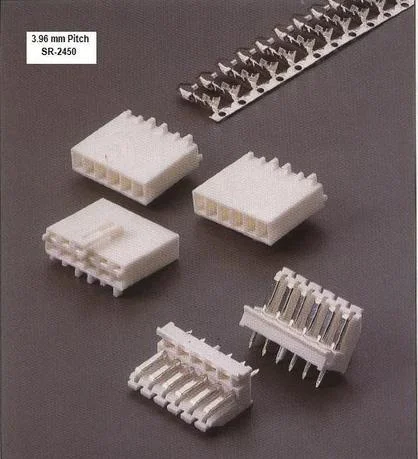
What are Electromechanical Assembly?
Electromechanical assembly refers to the intricate process of integrating electrical components with mechanical systems to create functional devices. This assembly typically combines wiring, motors, sensors, and circuit boards, resulting in products that perform specific tasks. These assemblies are crucial in various applications where mechanical movement must be accurately controlled by electrical signals.
Businesses across multiple sectors rely on electromechanical assemblies to enhance their operations. Common applications include robotics, automotive systems, consumer electronics, and industrial machinery. The versatility of electromechanical assemblies allows them to meet diverse functional requirements while ensuring reliability and efficiency. In the current market, demand for these assemblies continues to grow as industries seek automation and improved performance in their products.
Key Features and Specifications
Electromechanical assemblies possess several key features that enhance their functionality and reliability. Understanding these specifications is vital for businesses looking to implement these systems effectively.
Key specifications include:
1. Electrical Connectivity
- Ensures proper connection between components
- Typically includes various types of connectors and wiring harnesses
2. Mechanical Tolerance
- Defines the precision required for component fitting
- Important for applications requiring high accuracy
3. Operating Voltage
- Specifies the electrical voltage range for optimal function
- Common ranges include low voltage (5-48V) and high voltage (above 48V)
4. Load Capacity
- Indicates the maximum weight or force the assembly can handle
- Essential for applications that involve lifting or movement
5. Environmental Resistance
- Defines the assembly's ability to withstand harsh conditions
- May include moisture, dust, and temperature resistance
6. Assembly Techniques
- Involves methods like soldering, crimping, and welding
- Affects the durability and longevity of the assembly
7. Testing Standards
- Specifies the criteria for quality assurance
- Includes electrical and mechanical testing procedures
8. Compliance Certifications
- Ensures adherence to industry standards
- Common certifications include CE for safety and performance
In summary, understanding these features and specifications is crucial for selecting the right electromechanical assembly for specific applications.
Common Applications and Use Cases
Electromechanical assemblies are utilized across a wide range of industries due to their adaptability and functionality.
1. Automotive: Electromechanical assemblies are used in automotive systems for power steering, braking, and engine management, enhancing safety and performance.
2. Robotics: In the robotics sector, these assemblies enable precise movement and control, essential for automated manufacturing and assembly lines.
3. Consumer Electronics: Devices such as printers, cameras, and home appliances leverage electromechanical assemblies to provide enhanced functionality and user experience.
4. Industrial Automation: These assemblies play a vital role in machinery and equipment for manufacturing processes, improving efficiency and reducing labor costs.
5. Aerospace: In aerospace applications, electromechanical assemblies are critical for control systems and instrumentation, ensuring safety and reliability in flight operations.
6. Medical Devices: Electromechanical assemblies are integral to medical devices like infusion pumps and diagnostic equipment, where precision is paramount.
7. Telecommunications: These assemblies support communication devices by managing signals and power distribution effectively.
Product Variants and Subcategories
Electromechanical assemblies are diverse, catering to various applications and industry needs.
Standard Electromechanical Assembly
This variant encompasses a wide range of applications, integrating electrical and mechanical components tailored for general use in industries like automotive and manufacturing.
Custom Electromechanical Assembly
Custom assemblies are designed specifically for unique applications, allowing businesses to address specific challenges and requirements with tailored solutions.
Modular Electromechanical Assembly
Modular systems offer flexibility, allowing for easy upgrades and modifications. This design is beneficial for industries that require adaptability in their equipment.
Benefits and Advantages
Electromechanical assemblies offer several advantages that enhance operational efficiency and product performance.
1. Enhanced Efficiency: These assemblies improve the precision of mechanical operations, resulting in better overall efficiency.
2. Versatility: Electromechanical assemblies can be customized for a wide range of applications, making them suitable for various industries.
3. Cost-Effectiveness: Implementing these systems can reduce labor costs and increase productivity, leading to significant savings.
4. Reliability: High-quality electromechanical assemblies are designed for durability, ensuring long-term operational reliability.
5. Improved Safety: These assemblies often include safety features that help prevent accidents and equipment failures.
6. Faster Time to Market: With standardized assemblies, businesses can accelerate product development and reduce time to market.
Buying Guide for B2B Buyers
When sourcing electromechanical assemblies, companies should consider several key factors to ensure they select the right products for their needs.
1. Quality Assessment: Evaluate the quality of the assemblies by checking adherence to industry standards and conducting tests to ensure reliability.
2. Supplier Verification: Vet suppliers by examining their track record, customer reviews, and certifications, ensuring they can meet your quality and delivery needs.
3. Pricing and MOQ: Consider the cost of the assemblies and minimum order quantities to ensure they align with your budget and purchasing capabilities.
4. Delivery and Lead Times: Assess suppliers’ logistics capabilities to ensure that they can deliver products in a timely manner, meeting your project deadlines.
5. Compliance Requirements: Verify that the assemblies meet any necessary regulatory and compliance standards for your industry to avoid potential legal issues.
Compliance and Certifications
Electromechanical assemblies must adhere to various quality standards and certifications to ensure safety and performance in their applications.
ISO 9001 is a widely recognized standard that focuses on quality management systems. Compliance with this standard indicates that a manufacturer has established processes to ensure consistent quality and continuous improvement.
CE certification is essential for electromechanical assemblies sold in Europe, signifying that they meet safety, health, and environmental protection standards.
Additionally, assemblies may be subject to safety and testing requirements, ensuring they operate reliably under specified conditions.
Regional compliance considerations may vary, so businesses should be aware of local regulations regarding electrical and mechanical devices in their target markets.
Why Source Electromechanical Assembly from Pepagora?
Pepagora provides a trusted platform for sourcing electromechanical assemblies, offering several key advantages for businesses.
Verified Supplier Network: Our platform connects buyers with verified suppliers, ensuring quality and reliability in sourcing. Each supplier undergoes a thorough vetting process to guarantee adherence to industry standards.
Streamlined RFQ Process: Pepagora simplifies the request for quotation process, allowing buyers to receive competitive bids from multiple suppliers quickly. This system enhances transparency and helps businesses make informed decisions.
Trade Assurance and Support: Buyers benefit from trade assurance services that protect their purchases, ensuring that they receive the products as specified. Our dedicated support team is always available to assist with any inquiries.
Regional Coverage: With extensive reach across India, the GCC, and Southeast Asia, Pepagora facilitates sourcing from a wide array of suppliers, catering to the diverse needs of businesses in different regions.

 IN
IN