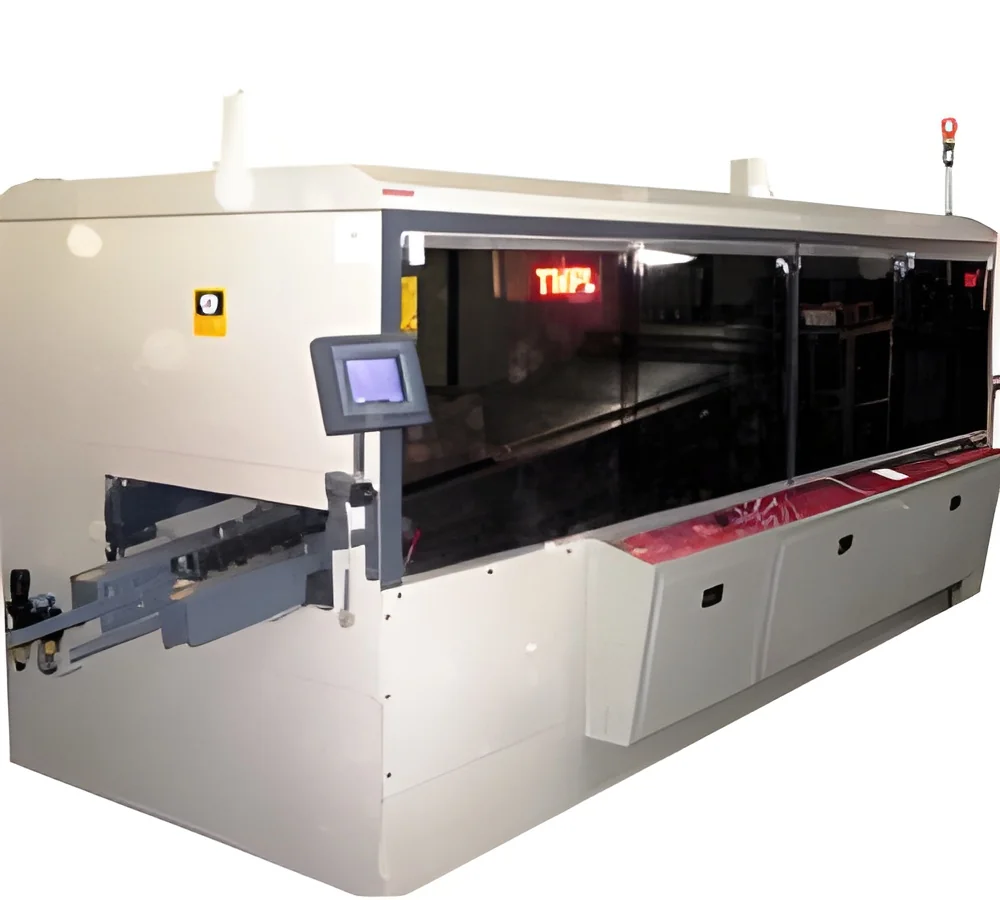
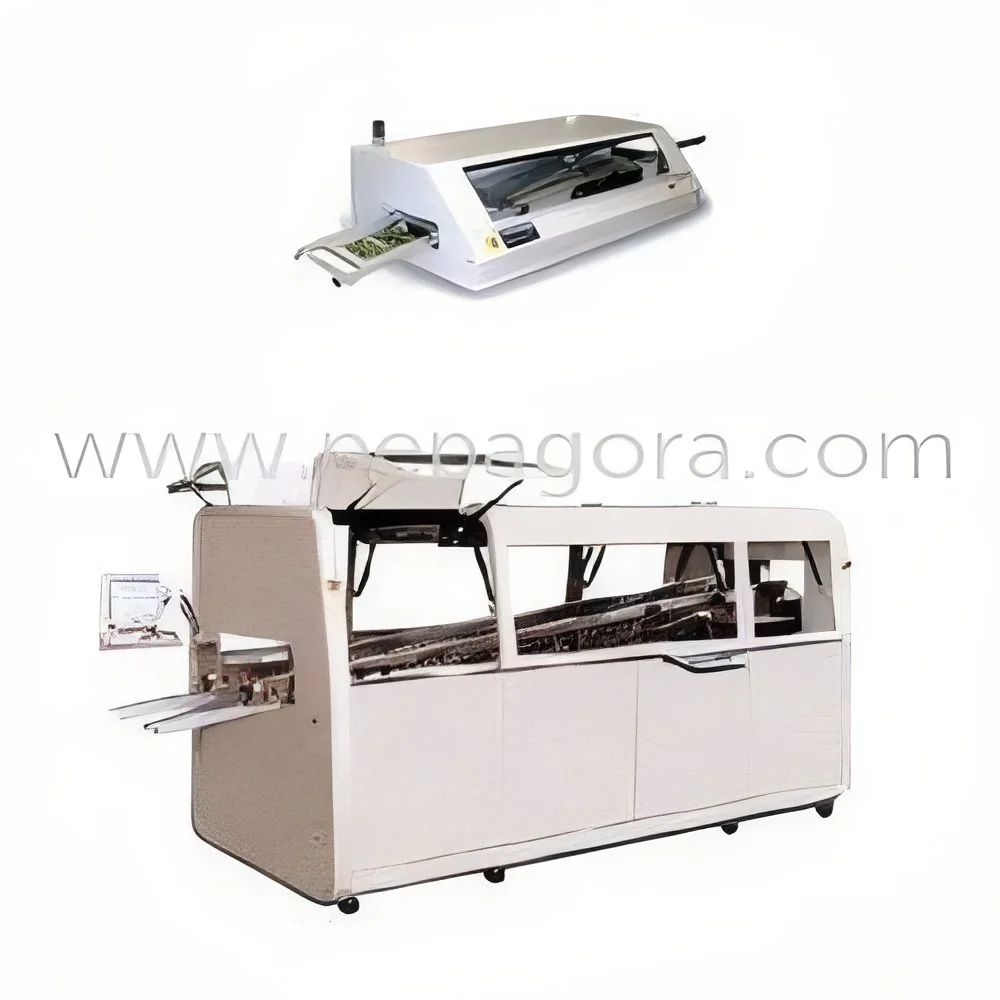
What are Wave Soldering Services?
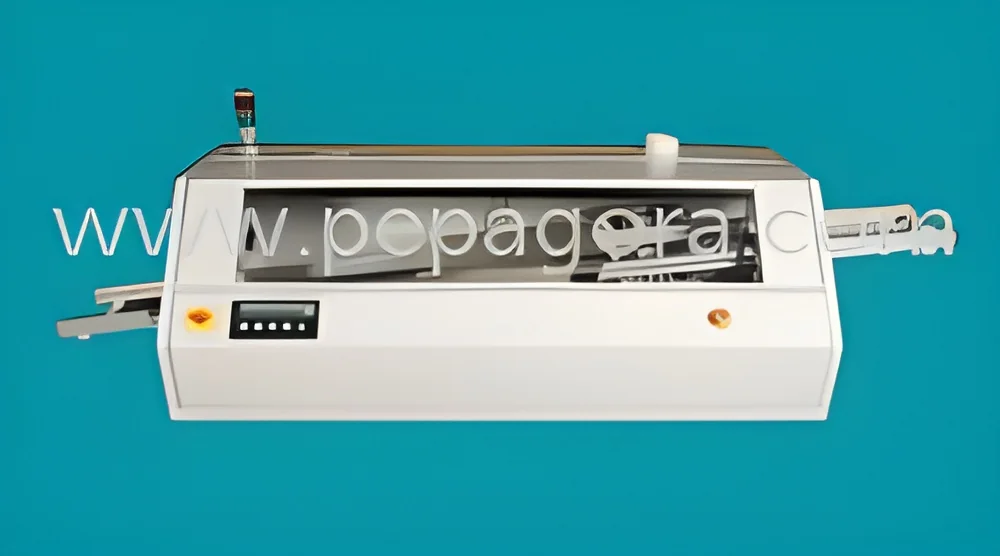
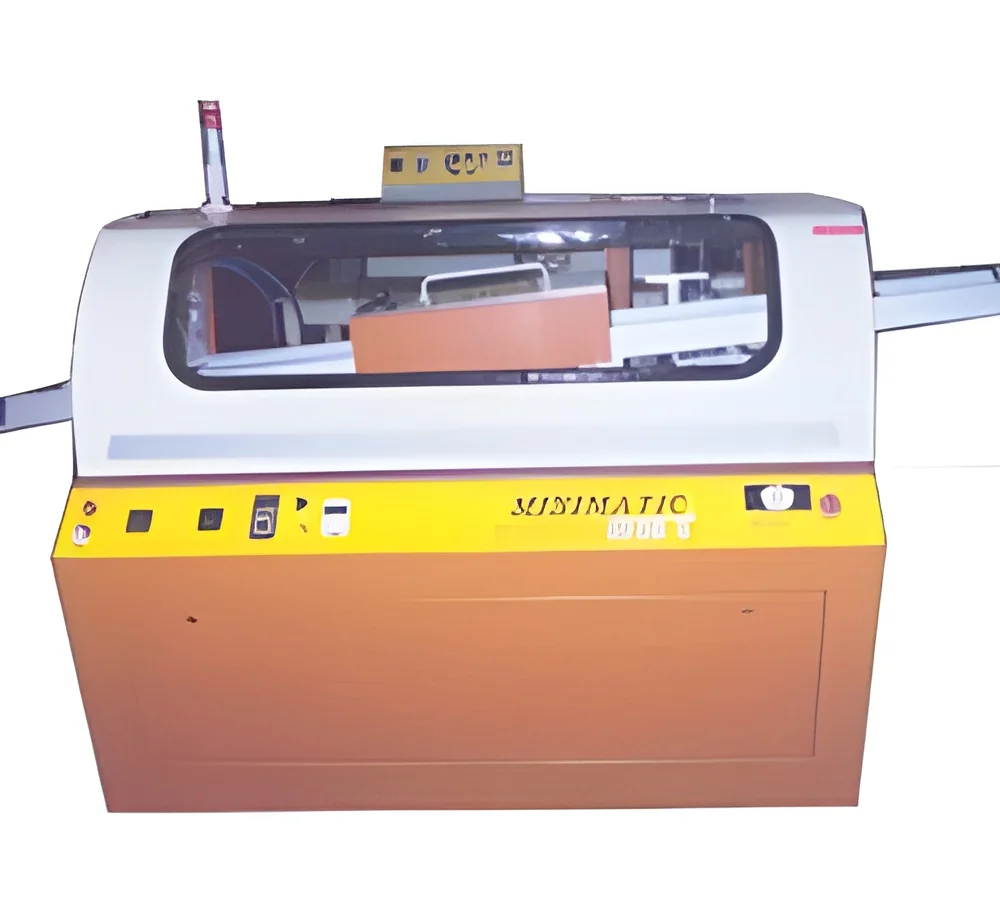
Wave soldering services refer to a specialized manufacturing process used primarily in the electronics industry to solder electronic components onto printed circuit boards (PCBs). This technique involves passing a PCB over a wave of molten solder, which securely attaches the components to the board. Wave soldering is favored for its efficiency, consistency, and ability to handle high-volume production runs, making it a vital service for companies looking to produce electronic devices at scale.
The primary applications of wave soldering services include the assembly of various electronic devices such as consumer electronics, industrial equipment, and automotive components. Companies that require reliable and durable solder joints often turn to wave soldering for its ability to produce robust connections that can withstand thermal and mechanical stress. This process is particularly relevant in industries where reliability and performance are critical, such as telecommunications, healthcare, and aerospace.
The wave soldering market is influenced by the growing demand for electronic devices and increasing automation in manufacturing processes. As technology advances, wave soldering services continue to evolve, incorporating newer technologies and methodologies to enhance quality and efficiency. This relevance positions wave soldering as a key service for businesses aiming to maintain competitive advantages in the rapidly changing electronics landscape.
Key Features and Specifications
Wave soldering services come with a range of features and specifications that ensure quality and efficiency in the soldering process. Understanding these specifications is crucial for businesses looking to select the right service provider.
Key specifications include:
1. Solder Type
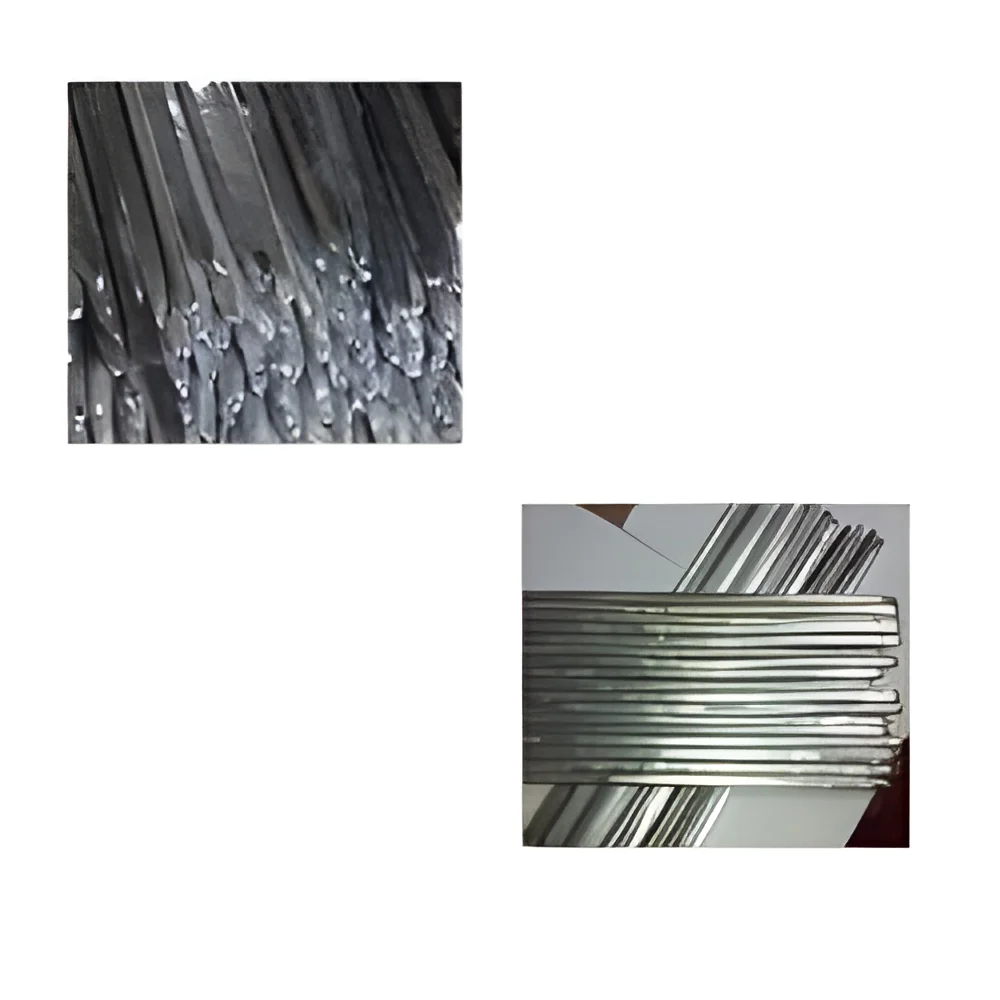
- Commonly used solders include lead-free and tin-lead alloys.
- Selection depends on the application and environmental regulations.
2. Board Size Compatibility
- Services cater to various PCB sizes, from small to large formats.
- Dimensions can impact the soldering process and equipment used.
3. Component Type Handling
- Capable of handling a broad range of components, including through-hole and surface-mount devices.
- Ensures versatility in PCB assembly.
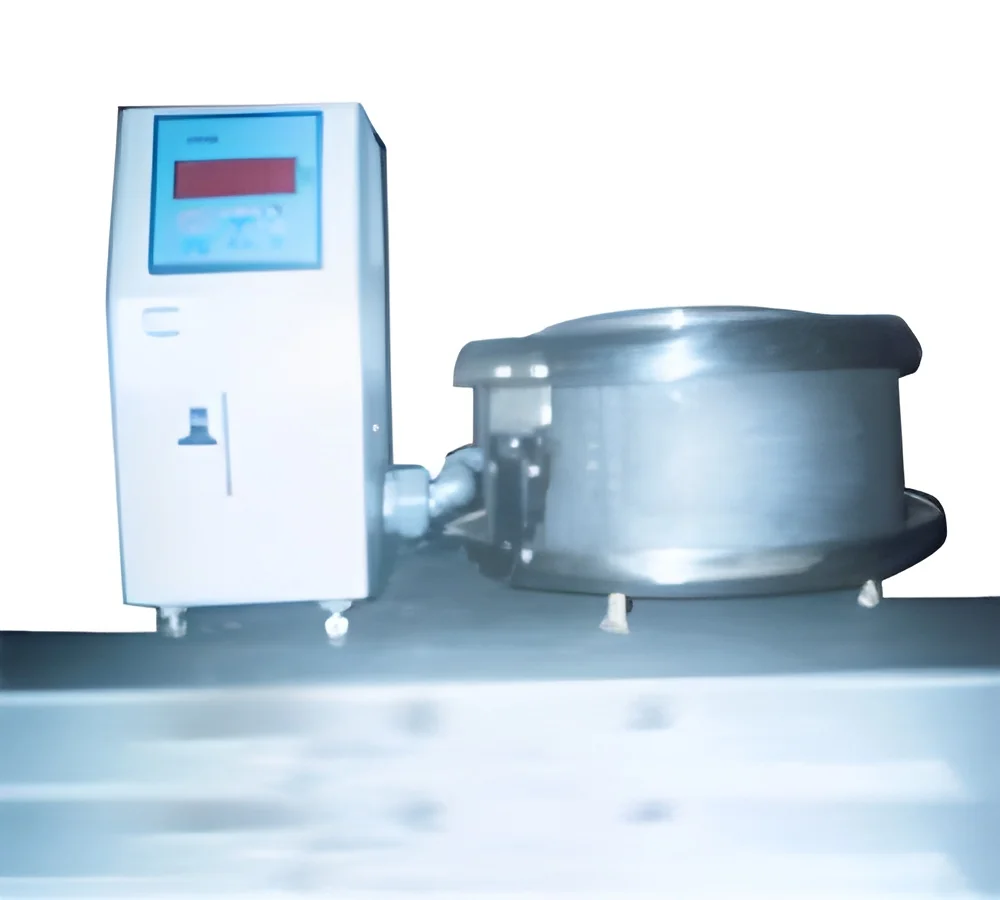
4. Temperature Control
- Precision in temperature settings is crucial for optimal soldering.
- Typical temperature ranges are not specified but must align with solder type.
5. Flux Application Method
- Various methods, including pre-fluxing or post-fluxing, are used to enhance solder adhesion.
- The choice depends on the specific requirements of the PCB.
6. Production Capacity
- Services may vary in their capability to meet high-volume demands.
- Important for businesses with large-scale production needs.
7. Quality Assurance Protocols
- Implementation of stringent quality checks during the process.
- Ensures compliance with industry standards.
8. Compliance Standards
- Adherence to relevant quality standards such as ISO 9001 and CE certification.
- Essential for meeting market regulations and customer expectations.
In summary, wave soldering services provide a robust solution for PCB assembly, featuring a variety of specifications that cater to diverse manufacturing needs. Understanding these specifications helps businesses make informed decisions regarding their soldering service requirements.
Common Applications and Use Cases
Wave soldering services are utilized across multiple industries due to their efficiency and reliability in soldering electronic components.
1. Consumer Electronics: Wave soldering is widely used in the production of devices like televisions, smartphones, and laptops, where high-quality solder joints are crucial for device performance.
2. Automotive: The automotive industry employs wave soldering for electronic assemblies in vehicles, ensuring that components such as sensors and control units are securely attached for reliability under varying conditions.
3. Telecommunications: In telecommunications, wave soldering is vital for assembling network equipment and infrastructure, where durability and performance are essential.
4. Industrial Equipment: Many industrial machines and tools utilize wave soldering for their electronic controls and interfaces, benefiting from the process's ability to handle complex assemblies.
5. Medical Devices: Wave soldering is employed in the manufacture of medical equipment, where precision and reliability in electronic components are paramount for patient safety.
6. Aerospace: The aerospace sector relies on wave soldering for critical electronic systems in aircraft, ensuring that all components meet stringent safety and performance standards.
7. Home Appliances: Wave soldering is also common in the assembly of various home appliances, contributing to the reliable operation of electronic controls and features.
Product Variants and Subcategories
Wave soldering services can vary significantly based on the specific needs of different industries and applications. These variants allow businesses to select the most suitable option for their requirements.
Standard Wave Soldering
This variant provides traditional wave soldering processes for a wide range of electronic assemblies. It is suitable for high-volume production and offers robust solder joints for various applications.
Selective Wave Soldering
Selective wave soldering is tailored for assemblies with mixed component types, allowing for the soldering of specific areas on a PCB without affecting surrounding components. This method is ideal for complex designs.
Lead-Free Wave Soldering
With increasing regulations on lead usage, this variant focuses on using lead-free solders. It meets environmental standards while providing high-quality solder joints for electronic products.
Benefits and Advantages
Choosing wave soldering services offers numerous advantages for businesses looking to enhance their manufacturing processes.
Key benefits include:
1. High Efficiency: Wave soldering allows for rapid processing of PCBs, significantly reducing assembly time compared to manual soldering methods.
2. Consistent Quality: The automated nature of wave soldering ensures uniform solder joints, minimizing defects and enhancing the reliability of electronic products.
3. Scalability: This process is well-suited for high-volume production, making it ideal for businesses that need to scale their manufacturing operations effectively.
4. Cost-Effectiveness: By automating the soldering process, companies can reduce labor costs and improve overall production efficiency, leading to lower costs per unit.
5. Versatility: Wave soldering can accommodate a variety of PCB sizes and component types, providing flexibility for different manufacturing needs.
6. Regulatory Compliance: Many wave soldering services adhere to industry standards and certifications, ensuring that products meet safety and quality requirements.
Buying Guide for B2B Buyers
When sourcing wave soldering services, it is crucial for B2B buyers to consider several factors to ensure they select a reliable provider.
1. Quality Assessment: Evaluate the quality control measures implemented by the service provider. Look for certifications such as ISO 9001 that demonstrate a commitment to quality standards.
2. Supplier Verification: Conduct thorough research on potential suppliers. Check their history, customer reviews, and industry reputation to ensure reliability.
3. Pricing and MOQ: Understand the cost structure of the services offered, including any minimum order quantities. This helps in budgeting and assessing the feasibility of sourcing.
4. Delivery and Lead Times: Inquire about the expected lead times for production and delivery. Timely service is crucial for maintaining production schedules.
5. Compliance Requirements: Ensure that the service provider meets all relevant compliance and regulatory standards, which may vary by industry and region.
Compliance and Certifications
Compliance is a critical aspect of wave soldering services, ensuring that the processes meet industry standards and regulations. Key quality standards include ISO 9001, which focuses on quality management systems, ensuring consistent product quality and customer satisfaction.
Additionally, wave soldering services may hold certifications such as CE, indicating compliance with European safety and environmental standards. This is particularly important for products intended for international markets.
Safety and testing requirements are also paramount in this industry. Services must adhere to safety regulations to prevent accidents and ensure product reliability.
Moreover, businesses must consider regional compliance, which can impact the choice of materials and processes used in wave soldering. Understanding these compliance aspects is essential for maintaining quality and meeting market expectations.
Why Source Wave Soldering Services from Pepagora?
Pepagora stands out as a trusted platform for sourcing wave soldering services, offering several key advantages that benefit B2B buyers.
One of the primary advantages is the verified supplier network. Pepagora thoroughly vets its suppliers to ensure they meet high standards of quality and reliability. This gives buyers confidence in the capabilities of their chosen service providers.
Moreover, Pepagora features a streamlined RFQ process, allowing businesses to request quotes efficiently. This system simplifies the sourcing process, enabling buyers to compare options quickly and make informed decisions.
Trade assurance and support is another significant benefit offered by Pepagora. Buyers can enjoy protections that safeguard their investments, ensuring a smooth transaction from start to finish.
Additionally, Pepagora provides regional coverage across India, the GCC, and Southeast Asia. This geographic reach enables businesses to access a diverse range of wave soldering services tailored to their specific needs, enhancing their operational capabilities and market competitiveness.

 IN
IN