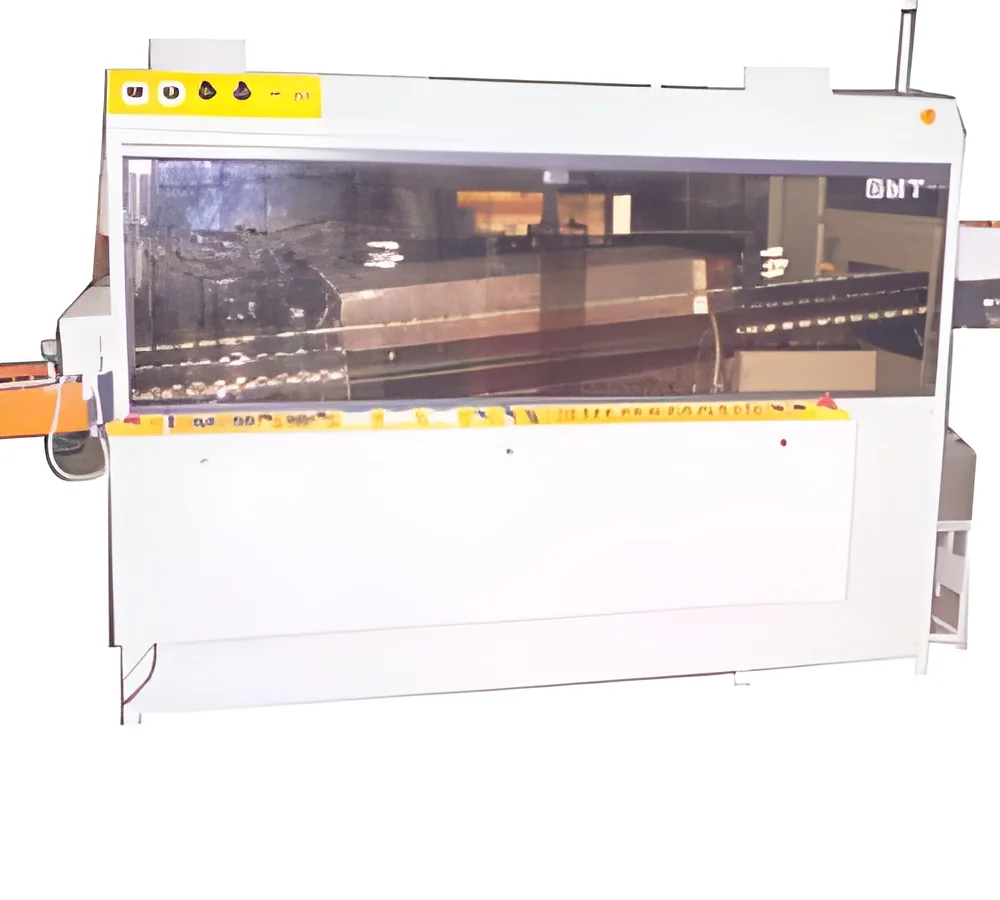
What are Surface Mount Technology (SMT) Assembly?
Surface Mount Technology (SMT) assembly is a method used for the manufacturing of electronic circuits. It involves placing components directly onto the surface of printed circuit boards (PCBs), allowing for a more compact design and higher circuit density compared to traditional through-hole technology. SMT uses smaller components, which can be mounted on both sides of the PCB, enhancing the efficiency and performance of electronic devices.
SMT is widely utilized in various sectors, including consumer electronics, automotive, telecommunications, and industrial equipment. Its applications range from smartphones and computers to medical devices and automation systems. The ability to produce smaller, lighter, and more efficient electronics makes SMT a preferred choice in the fast-paced electronics market, where demand for miniaturization and reliability is ever-increasing.
The SMT assembly market has seen significant growth due to advancements in technology and the increasing demand for compact electronic devices. As industries continue to innovate, the relevance of SMT in facilitating high-performance electronics remains critical. Companies that adopt SMT benefit from improved product quality, reduced manufacturing costs, and faster time-to-market.
๐๐ฒ๐ ๐๐ฒ๐ฎ๐๐๐ฟ๐ฒ๐ ๐ฎ๐ป๐ฑ ๐ฆ๐ฝ๐ฒ๐ฐ๐ถ๐ณ๐ถ๐ฐ๐ฎ๐๐ถ๐ผ๐ป๐
Surface Mount Technology assembly offers a variety of features that enhance manufacturing efficiency and product performance. These specifications are essential for businesses looking to implement SMT in their production processes.
Key specifications include:
1. Component Size
- Typical component sizes range from 01005 to 2512.
- Smaller sizes lead to increased circuit density.
2. PCB Thickness
- Standard PCB thickness options are typically between 0.6 mm to 1.6 mm.
- Thinner boards allow for more compact designs.
3. Assembly Speed
- Average cycle times can vary but often range from 10,000 to 50,000 components per hour.
- High speed improves overall production efficiency.
4. Placement Accuracy
- Placement accuracy is generally within ยฑ0.1 mm.
- High precision ensures better soldering quality and reliability.
5. Reflow Soldering Temperature
- Typical reflow soldering temperatures range from 220ยฐC to 250ยฐC.
- Proper temperature management is critical for solder quality.
6. Minimum Lead Spacing
- Minimum lead spacing is often around 0.3 mm.
- Smaller spacing enables denser component layouts.
7. Humidity Control
- Humidity levels should be maintained below 60% during assembly.
- Control helps prevent moisture-related defects.
8. Compliance with CE Certification
- SMT assemblies must adhere to CE standards.
- Ensures compliance with European safety and environmental requirements.
In summary, SMT assembly incorporates advanced features and specifications that optimize electronic manufacturing processes. Companies that leverage these capabilities can achieve superior product quality and operational efficiency.
๐๐ผ๐บ๐บ๐ผ๐ป ๐๐ฝ๐ฝ๐น๐ถ๐ฐ๐ฎ๐๐ถ๐ผ๐ป๐ ๐ฎ๐ป๐ฑ ๐จ๐๐ฒ ๐๐ฎ๐๐ฒ๐
Surface Mount Technology assembly is versatile and applicable across various industries, providing tailored solutions for specific needs.
1. Consumer Electronics: SMT is extensively used in smartphones, tablets, and laptops, where space-saving design and efficiency are paramount.
2. Automotive: In the automotive sector, SMT is utilized for control units, sensors, and infotainment systems, ensuring reliability and performance in demanding environments.
3. Telecommunications: SMT plays a crucial role in the production of network equipment, such as routers and switches, facilitating high-speed data transmission.
4. Medical Devices: SMT is essential for compact medical equipment, including diagnostic tools and wearable health monitors, where precision and reliability are critical.
5. Industrial Automation: SMT is used in manufacturing systems and robotics, allowing for the integration of advanced electronics in automated processes.
6. Aerospace: In aerospace applications, SMT is employed for navigation systems and instrumentation, where performance and miniaturization are vital.
7. Military and Defense: SMT is utilized in defense electronics for communication and control systems, ensuring robust performance in challenging conditions.
๐ฃ๐ฟ๐ผ๐ฑ๐๐ฐ๐ ๐ฉ๐ฎ๐ฟ๐ถ๐ฎ๐ป๐๐ ๐ฎ๐ป๐ฑ ๐ฆ๐๐ฏ๐ฐ๐ฎ๐๐ฒ๐ด๐ผ๐ฟ๐ถ๐ฒ๐
Surface Mount Technology assembly encompasses a range of variants tailored to meet diverse industry needs.
Standard SMT Assembly: This variant focuses on high-volume production of standard electronic components. It emphasizes efficiency and cost-effectiveness, suitable for mass-market products.
High-Precision SMT Assembly: This variant is designed for applications requiring extreme accuracy and reliability, such as medical devices and aerospace components. It employs advanced machinery and techniques to ensure quality.
Lead-Free SMT Assembly: This variant adheres to environmental regulations by using lead-free materials. It is increasingly favored in industries concerned with sustainability and compliance.
Custom SMT Assembly: This flexible option allows for tailored solutions based on specific client requirements. It can accommodate unique component types and configurations for specialized applications.
๐๐ฒ๐ป๐ฒ๐ณ๐ถ๐๐ ๐ฎ๐ป๐ฑ ๐๐ฑ๐๐ฎ๐ป๐๐ฎ๐ด๐ฒ๐
Choosing Surface Mount Technology assembly offers numerous advantages that can significantly enhance manufacturing outcomes.
Key benefits include:
1. Space Efficiency: SMT allows for a more compact design, maximizing the use of PCB space and enabling smaller products.
2. Higher Circuit Density: The ability to place components on both sides of the PCB increases circuit density, leading to improved performance.
3. Enhanced Reliability: SMT components are less prone to damage from vibrations and shocks, resulting in greater durability and lifespan.
4. Faster Production Times: High-speed machinery used in SMT assembly accelerates the manufacturing process, reducing time-to-market.
5. Cost-Effective Manufacturing: The efficiency of SMT assembly can lower production costs, making it an attractive option for high-volume production.
6. Flexibility in Design: SMT accommodates a wide range of component types and sizes, allowing for innovative product designs.
๐๐๐๐ถ๐ป๐ด ๐๐๐ถ๐ฑ๐ฒ ๐ณ๐ผ๐ฟ ๐๐ฎ๐ ๐๐๐๐ฒ๐ฟ๐
When sourcing Surface Mount Technology (SMT) assembly, it is crucial to consider several key factors to ensure a successful partnership with suppliers.
1. Quality Assessment: Evaluate the quality of SMT assembly by reviewing supplier certifications, past performance, and customer feedback. Ensure they meet industry standards and specifications.
2. Supplier Verification: Conduct thorough background checks on potential suppliers. Verify their experience, reputation, and production capabilities to ensure reliability.
3. Pricing and MOQ: Consider the pricing structure and minimum order quantities (MOQ) offered by suppliers. Evaluate the cost-effectiveness of their services in relation to your production needs.
4. Delivery and Lead Times: Assess the supplier's ability to meet your delivery timelines. Understand their logistics capabilities and how they manage production schedules.
5. Compliance Requirements: Ensure that suppliers adhere to relevant regulatory standards and certifications. This includes environmental regulations and quality standards applicable to your industry.
๐๐ผ๐บ๐ฝ๐น๐ถ๐ฎ๐ป๐ฐ๐ฒ ๐ฎ๐ป๐ฑ ๐๐ฒ๐ฟ๐๐ถ๐ณ๐ถ๐ฐ๐ฎ๐๐ถ๐ผ๐ป๐
Compliance with industry standards and certifications is essential for Surface Mount Technology assembly. Key standards include ISO 9001, which ensures quality management systems are in place, and CE certification, which indicates conformity with safety and environmental requirements in Europe.
Additionally, adherence to safety and testing requirements is critical. This includes rigorous quality control processes during manufacturing to identify and mitigate potential defects. Compliance with regional regulations must also be considered, as different markets may have specific requirements related to environmental impact and product safety.
Ensuring that SMT assembly processes meet these compliance standards not only enhances product reliability but also builds trust with customers and partners.
Why Source Surface Mount Technology (SMT) Assembly from Pepagora?
Pepagora offers a reliable platform for sourcing Surface Mount Technology assembly, providing significant advantages for businesses.
Verified Supplier Network: Pepagora connects buyers with a network of verified suppliers, ensuring that you can find trusted partners for your SMT assembly needs. This verification process helps mitigate risks associated with supplier selection.
Streamlined RFQ Process: The request for quotation (RFQ) process on Pepagora is designed to be user-friendly, allowing buyers to easily compare quotes from multiple suppliers. This efficiency saves time and enhances decision-making.
Trade Assurance and Support: Pepagora provides trade assurance features that protect buyers during transactions. This includes support in case of disputes, ensuring a secure sourcing experience.
Regional Coverage: With a strong presence in India, the GCC, and Southeast Asia, Pepagora facilitates connections across diverse markets. This regional coverage enables buyers to tap into local suppliers while benefiting from competitive pricing and reduced lead times.