
 IN
Antiseptic Creams & Sprays
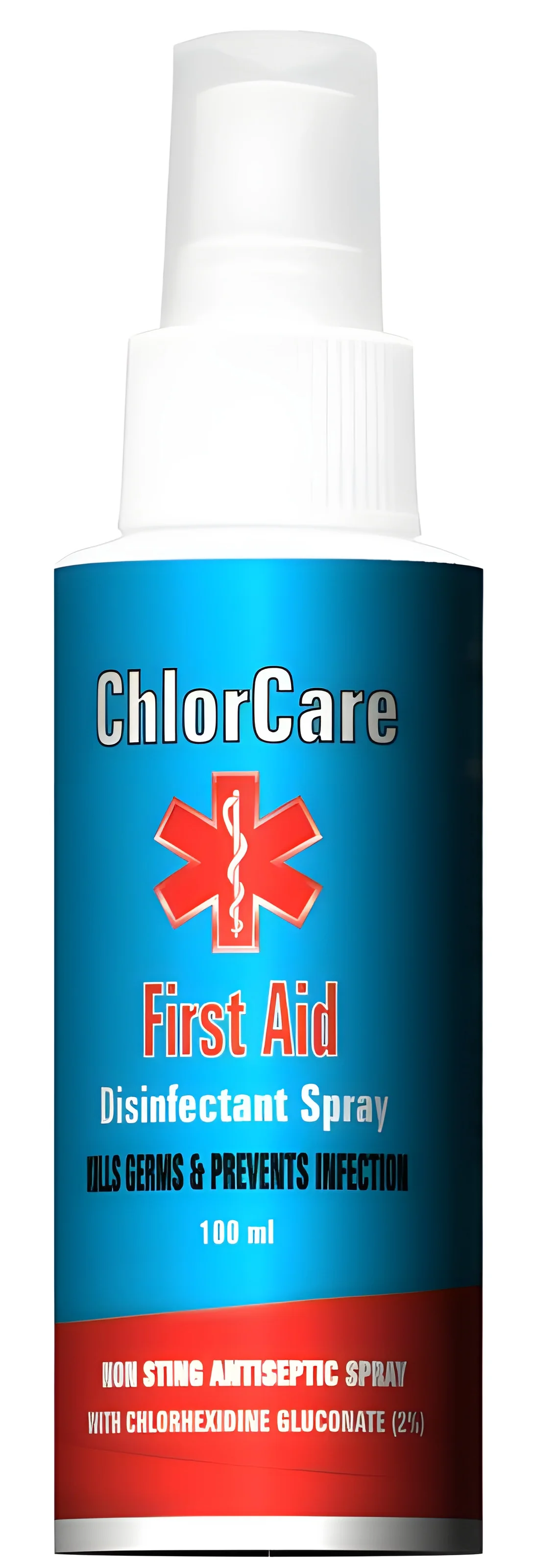
1 products available
What are Antiseptic Creams & Sprays?
Antiseptic creams and sprays are topical products designed to prevent infection in minor cuts, scrapes, and burns. They contain active ingredients that inhibit the growth of bacteria and fungi, providing a protective barrier over the wound. These formulations can vary in texture, consistency, and delivery method, with creams typically providing a thicker layer of protection, while sprays offer quick and easy application.
The primary uses of antiseptic creams and sprays extend across various sectors, including healthcare, pharmaceuticals, food processing, and personal care. In medical environments, they are crucial for treating minor injuries and preventing infection during surgical procedures. In the food industry, they are used to sanitize minor wounds among employees, ensuring hygiene standards are maintained. Businesses benefit from using these products as they help reduce healthcare costs associated with infections and promote employee safety.
In terms of market context, the demand for antiseptic creams and sprays has surged due to increasing awareness of hygiene and infection control, particularly in the wake of global health crises. Industries are increasingly recognizing the need for effective antiseptics to enhance safety protocols and comply with health regulations.
Key Features and Specifications
Antiseptic creams and sprays boast a range of features designed to ensure effective wound care and ease of use. These specifications reflect the quality and performance of the products, helping businesses make informed purchasing decisions.
Key specifications include:
1. Active Ingredients
- Common ingredients include benzalkonium chloride, chlorhexidine, and iodine.
- Each ingredient serves specific antimicrobial functions.
2. Formulation Type
- Available in cream, spray, gel, and ointment forms.
- Each formulation offers distinct application methods suited for various environments.
3. pH Level
- Typically formulated to be skin-friendly, with a pH range of 5.5 to 7.
- Ensures compatibility with skin to prevent irritation.
4. Packaging Options
- Available in tubes, bottles, and spray cans.
- Packaging designed for ease of use and storage convenience.
5. Shelf Life
- Generally ranges from 1 to 3 years depending on the formulation.
- Important for stock management and effective usage.
6. Compliance with Standards
- Must meet industry standards such as CE certification.
- Ensures safety and efficacy for end users.
7. Volume Capacity
- Common sizes include 30ml, 100ml, and 500ml.
- Variability allows businesses to choose according to their needs.
8. Temperature Stability
- Formulations are stable within a range of 15°C to 30°C.
- Essential for maintaining product integrity during storage and transport.
These features collectively enhance the usability and effectiveness of antiseptic creams and sprays in various business applications.
Common Applications and Use Cases
Antiseptic creams and sprays are versatile products with applications across multiple industries.
1. Healthcare: Widely used in hospitals and clinics for treating minor wounds, cuts, and surgical sites to prevent infection.
2. Food Processing: Essential for maintaining hygiene among food handlers, ensuring minor cuts do not contaminate food products.
3. Pharmaceuticals: Used in topical formulations to ensure safe application on skin and mucous membranes.
4. Personal Care: Commonly found in first aid kits for home use, promoting quick recovery from minor injuries.
5. Industrial: Used in manufacturing settings where workers may sustain minor injuries, ensuring safety compliance.
6. Sports: Athletes use antiseptic creams and sprays to treat and protect minor injuries during physical activities.
7. Veterinary Care: Employed in animal care settings to prevent infections in minor wounds of pets and livestock.
Product Variants and Subcategories
Antiseptic creams and sprays come in various formulations, catering to specific needs and preferences.
Antiseptic Creams
These creams offer a thick consistency, providing a protective layer over wounds. They are suitable for use in healthcare and personal care settings, where moisture retention is essential for healing.
Antiseptic Sprays
Designed for quick application, antiseptic sprays are ideal for treating larger areas or hard-to-reach spots. Their convenience makes them popular in both industrial and home environments.
Antiseptic Gels
Typically used in medical and personal care, gels provide a non-greasy option for users. They are often preferred for their quick absorption and cooling effect on the skin.
Antiseptic Ointments
These products offer a thicker barrier than creams, making them ideal for prolonged protection against contaminants. They are often used in veterinary care and personal first aid.
Benefits and Advantages
Antiseptic creams and sprays provide numerous benefits to businesses and end-users alike.
1. Infection Prevention: They effectively inhibit the growth of bacteria and fungi, reducing the risk of infection in minor wounds.
2. Easy Application: The variety of formulations allows for quick and easy application, enhancing user convenience.
3. Versatility: Suitable for use in various settings, including healthcare, food processing, and personal care.
4. Cost-Effective: By preventing infections, businesses can save on potential healthcare costs associated with wound care.
5. Compliance Support: Helps organizations meet hygiene and safety regulations in their respective industries.
6. User-Friendly Packaging: Designed for easy handling and storage, facilitating regular use in both professional and personal environments.
Buying Guide for B2B Buyers
When sourcing antiseptic creams and sprays, businesses should consider several key factors to ensure they make informed decisions.
1. Quality Assessment: Evaluate the quality of products by reviewing ingredient lists and safety data sheets. Ensure that they meet applicable industry standards.
2. Supplier Verification: Research suppliers thoroughly to confirm their reliability. Look for certifications and customer reviews to gauge their reputation.
3. Pricing and MOQ: Compare pricing across different suppliers while considering minimum order quantities. Ensure pricing aligns with your budget and volume requirements.
4. Delivery and Lead Times: Understand the logistics involved, including delivery schedules and lead times. This information is crucial for maintaining stock levels.
5. Compliance Requirements: Verify that the products comply with local regulations and standards relevant to your industry. This step is vital for avoiding legal issues.
Compliance and Certifications
Compliance and certifications play a crucial role in the efficacy and safety of antiseptic creams and sprays. Adherence to quality standards such as ISO 9001 ensures consistent quality management practices across manufacturing processes. Additionally, certifications like CE indicate that the products meet European health, safety, and environmental protection standards.
Safety and testing requirements are essential to confirm the effectiveness of antiseptic products. These include microbiological testing to validate antimicrobial claims and dermatological testing to ensure skin compatibility.
Regional compliance considerations also come into play, as different markets may have unique regulatory requirements. Businesses should ensure that the products they source comply with these regulations to avoid disruptions in their supply chain.
Why Source Antiseptic Creams & Sprays from Pepagora?
Pepagora provides a trusted platform for sourcing antiseptic creams and sprays with several key advantages that benefit B2B buyers.
Verified Supplier Network: Pepagora ensures that all suppliers are thoroughly vetted for quality and reliability. This verification process helps businesses find reputable sources for their antiseptic needs.
Streamlined RFQ Process: The platform offers a user-friendly request for quotation system, enabling buyers to quickly compare offers and choose the best options based on their requirements.
Trade Assurance and Support: Buyers benefit from trade assurance policies that protect their investments. Pepagora’s support team is available to assist with any issues that may arise during the purchasing process.
Regional Coverage: With a strong presence in India, the GCC, and Southeast Asia, Pepagora provides comprehensive regional coverage, ensuring that businesses can access quality antiseptic products regardless of their location.

 India
Frequently Asked Questions
What are Antiseptic Creams & Sprays?
Antiseptic creams and sprays are topical formulations designed to prevent infection in minor cuts, scrapes, and burns. They contain active ingredients that inhibit the growth of bacteria and promote healing of the affected area.
What are the different types of Antiseptic Creams & Sprays?
Antiseptic creams and sprays can be categorized into various types based on their active ingredients. Common types include those containing alcohol, iodine, and silver sulfadiazine, each offering unique properties and benefits for different types of wounds.
How do I choose the right Antiseptic Creams & Sprays?
When selecting antiseptic creams or sprays, consider the type of wound, the active ingredients, and any potential allergies. It's also important to evaluate the product's effectiveness, user reviews, and whether it meets your specific needs.
What are the standard specifications for Antiseptic Creams & Sprays?
Standard specifications for antiseptic creams and sprays typically include pH level, viscosity, active ingredient concentration, and shelf life. Compliance with safety and efficacy regulations is also essential in ensuring product quality.
What is the price range for Antiseptic Creams & Sprays?
The price range for antiseptic creams and sprays can vary widely based on brand, formulation, and packaging. Generally, prices can range from INR 50 to INR 500 or more per unit in the Indian market.
What quality standards apply to Antiseptic Creams & Sprays?
Antiseptic creams and sprays must comply with quality standards set by regulatory bodies such as the Drugs Controller General of India (DCGI). These standards ensure that the products are safe, effective, and manufactured under good manufacturing practices (GMP).
Where can I find Antiseptic Creams & Sprays suppliers in India?
Antiseptic creams and sprays suppliers in India can be found through various channels, including online B2B marketplaces like Pepagora, trade shows, and industry directories. It is advisable to evaluate suppliers based on their reputation, product range, and customer reviews.
Can Antiseptic Creams & Sprays be customized?
Yes, many manufacturers offer customization options for antiseptic creams and sprays. Customization may include changes in formulation, packaging, or branding to meet specific requirements or preferences of businesses.
What is the typical minimum order quantity for Antiseptic Creams & Sprays?
The typical minimum order quantity (MOQ) for antiseptic creams and sprays can vary by supplier and product type. Generally, MOQs can range from 100 to 1000 units, depending on the manufacturer and the specific formulation.
What is the typical lead time for Antiseptic Creams & Sprays?
The typical lead time for antiseptic creams and sprays can range from 2 to 4 weeks, depending on the supplier, order size, and whether the products are customized. It's advisable to confirm lead times with the supplier during the ordering process.
Why Businesses Trust Pepagora
Thousands of companies trust Pepagora to source smarter and sell faster
Expand Your Sales Globally

Source Smarter,Grow Faster
