What are Anti-Corrosive Coatings?
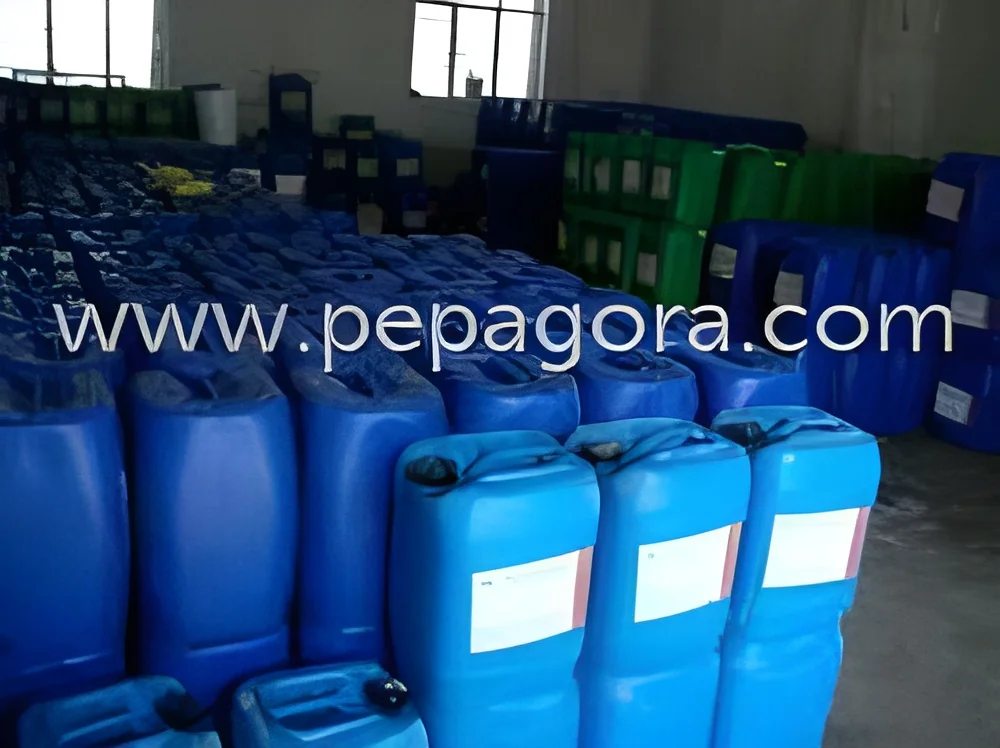
Anti-corrosive coatings are specialized protective layers applied to surfaces to prevent corrosion caused by environmental factors such as moisture, chemicals, and temperature fluctuations. These coatings serve as barriers that isolate the substrate from corrosive agents and can be formulated from various materials, including epoxy, polyurethane, and zinc. Their primary function is to extend the lifespan of structures and equipment, thereby reducing maintenance costs and improving safety.
These coatings are widely used across numerous sectors, including construction, manufacturing, marine, and automotive industries. They are essential for protecting steel structures, pipelines, and machinery from deterioration. In addition to their protective capabilities, anti-corrosive coatings can also enhance the aesthetic appeal of products. As industries become more aware of the financial implications of corrosion, the demand for anti-corrosive coatings continues to rise, making them a critical component in asset management strategies.
Key Features and Specifications
Anti-corrosive coatings come with a range of features that cater to different industrial needs. When selecting a coating, it is essential to consider the specific requirements of the application, including environmental conditions and substrate types. The following specifications outline some key characteristics of anti-corrosive coatings.
Key specifications include:
1. Chemical Resistance
- Ability to withstand exposure to various chemicals
- Suitable for use in environments with harsh chemicals
2. Temperature Stability
- Performance under extreme temperatures
- Ideal for both high and low-temperature applications
3. Adhesion Strength
- Strong bond to the substrate
- Critical for preventing delamination and wear
4. Drying Time
- Time required for the coating to cure
- Important for minimizing downtime during application
5. Thickness
- Recommended film thickness for optimal performance
- Varies based on application and environmental exposure
6. UV Resistance
- Protection against UV degradation
- Essential for outdoor applications
7. Flexibility
- Ability to expand and contract with the substrate
- Reduces the risk of cracking and peeling
8. Application Method
- Options for spray, brush, or roller application
- Considerations for ease of use and efficiency
In summary, understanding these specifications is crucial for selecting the right anti-corrosive coating for specific applications, ensuring durability and effectiveness.
Common Applications and Use Cases
Anti-corrosive coatings are utilized in various industries, each with specific applications that highlight their importance.
1. Marine Industry: Coatings are applied to ships and offshore structures to protect against saltwater and marine growth.
2. Oil and Gas: Pipelines and storage tanks utilize anti-corrosive coatings to withstand harsh chemicals and environmental conditions.
3. Construction: Steel beams and reinforcements are treated with coatings to prevent rust and extend the life of buildings and infrastructure.
4. Automotive: Vehicle components are coated to resist corrosion from road salts and environmental exposure.
5. Power Generation: Equipment and structures in power plants are protected from corrosive elements, ensuring operational reliability.
6. Manufacturing: Machinery and tools are coated to enhance durability and reduce maintenance requirements.
7. Infrastructure: Bridges and tunnels are treated with coatings to protect against moisture and chemical exposure, ensuring safety and longevity.
Product Variants and Subcategories
Anti-corrosive coatings are available in various formulations to meet different industrial needs. Each variant offers unique properties and applications.
Epoxy Coatings: Known for their excellent adhesion and chemical resistance. They are commonly used in industrial environments and are ideal for steel structures.
Polyurethane Coatings: These coatings provide superior weather resistance and flexibility, making them suitable for exterior applications and automotive finishes.
Zinc-Rich Coatings: Containing a high percentage of zinc, these coatings offer cathodic protection and are often used for galvanizing steel surfaces.
Alkyd Coatings: Known for their ease of application and good weather resistance, alkyd coatings are often used in less demanding environments.
Benefits and Advantages
Anti-corrosive coatings offer numerous benefits that make them essential in various industries.
1. Cost Savings: By preventing corrosion, these coatings reduce the need for frequent repairs and replacements, leading to lower maintenance costs.
2. Extended Asset Life: Coatings protect structures and equipment, significantly increasing their lifespan and operational efficiency.
3. Enhanced Safety: Reducing corrosion minimizes the risk of structural failure, promoting a safer working environment.
4. Aesthetic Improvement: Coatings can enhance the appearance of surfaces, making them more visually appealing while providing protection.
5. Versatile Applications: Suitable for a wide range of substrates and environments, anti-corrosive coatings are adaptable to various industrial needs.
6. Environmental Resistance: These coatings can withstand harsh environmental conditions, ensuring reliable performance in diverse settings.
Buying Guide for B2B Buyers
When sourcing anti-corrosive coatings, it is essential for buyers to consider various factors to ensure the right selection.
1. Quality Assessment: Evaluate the quality of the coatings by reviewing technical data sheets and performance tests to confirm suitability for specific applications.
2. Supplier Verification: Conduct background checks on suppliers to ensure they have a good reputation and can deliver high-quality products consistently.
3. Pricing and MOQ: Understand pricing structures and minimum order quantities to make informed purchasing decisions that align with budget constraints.
4. Delivery and Lead Times: Consider logistics and delivery schedules to ensure timely availability of coatings for projects.
5. Compliance Requirements: Verify that the coatings meet relevant industry standards and regulatory requirements to avoid compliance issues.
Compliance and Certifications
Compliance with quality standards and regulations is crucial when selecting anti-corrosive coatings. Relevant standards, such as ISO 9001, ensure that manufacturers maintain high-quality production processes. Additionally, certifications like CE demonstrate that products meet European safety and performance standards.
Safety and testing requirements are also essential, as they ensure that coatings are safe for use in various environments. Regional compliance considerations may vary, so it is crucial to understand local regulations to ensure that the chosen coatings meet all necessary guidelines.
Why Source Anti-Corrosive Coatings from Pepagora?
Pepagora offers a trusted platform for sourcing anti-corrosive coatings, providing several key advantages for B2B buyers.
Verified Supplier Network: Our platform connects buyers with a network of verified suppliers, ensuring access to high-quality products and reliable service.
Streamlined RFQ Process: The request for quotation process is efficient, allowing buyers to easily compare options and make informed purchasing decisions.
Trade Assurance and Support: We offer buyer protection services to ensure secure transactions and a smooth purchasing experience.
Regional Coverage: With a focus on India, the GCC, and Southeast Asia, Pepagora provides extensive geographic reach, making it convenient for businesses to source anti-corrosive coatings in these regions.

 IN
IN

 India
India