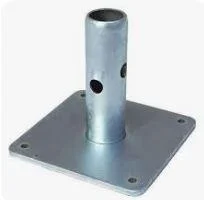
What are Anchor Bolts & Base Plates?
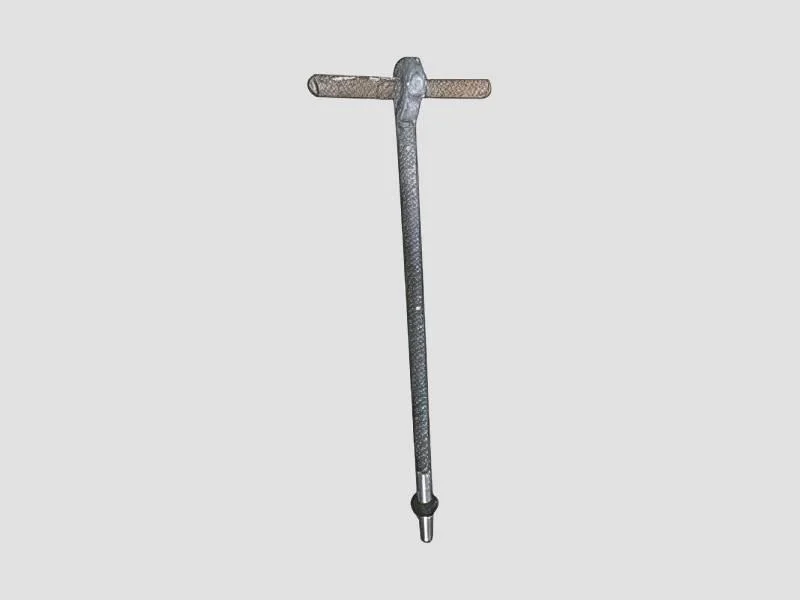
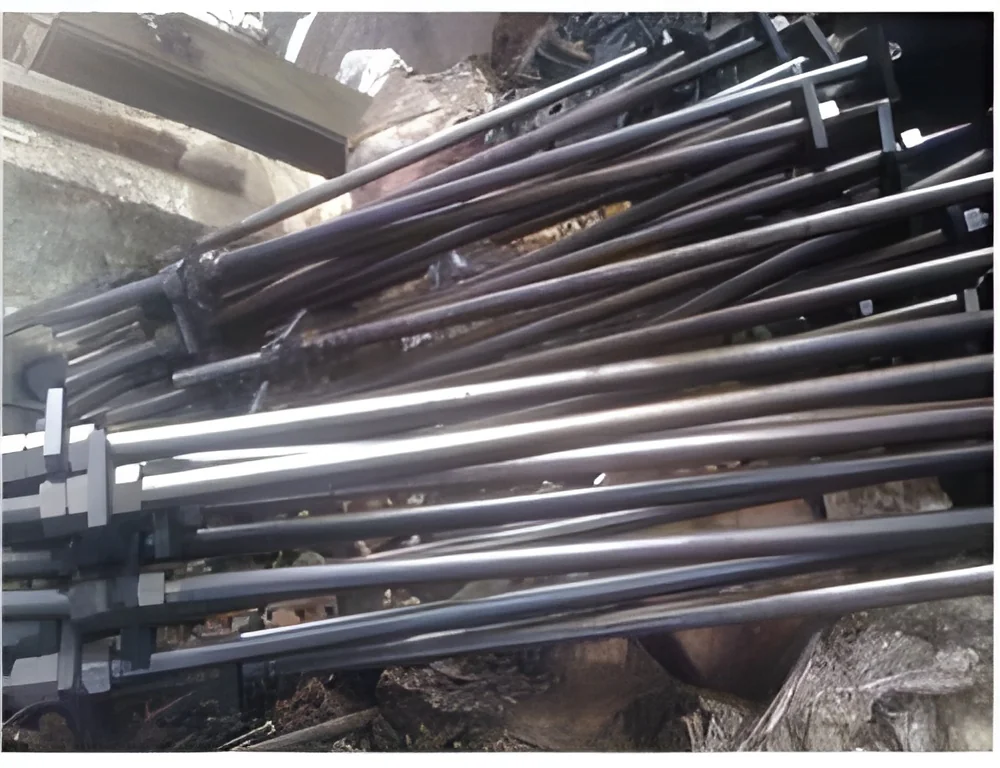
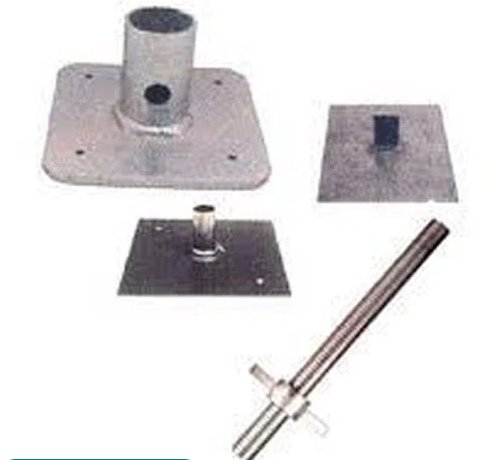
Anchor bolts and base plates are essential components used in construction and industrial applications to secure structures to their foundations. Anchor bolts are typically embedded into concrete, providing a secure connection for various structures. Base plates, on the other hand, are flat plates that distribute the load of a structure, ensuring stability and alignment. Together, they form a crucial part of the foundation system in various types of construction.
The primary uses of anchor bolts and base plates span several industries, including construction, manufacturing, and infrastructure. They are commonly used to secure machinery, support structural steel, and anchor utility poles and towers. Businesses rely on these products to ensure safety and structural integrity in their projects. Their relevance is underscored by the growing demand for robust construction practices and the need for reliable anchoring solutions in an ever-evolving market.
In the current industrial landscape, the need for high-quality anchor bolts and base plates is critical. Companies are increasingly focusing on compliance with international standards and safety regulations. This trend highlights the importance of selecting the right products that can withstand various environmental conditions and mechanical stresses, making anchor bolts and base plates vital for successful project execution.
Key Features and Specifications
Anchor bolts and base plates come with essential features that ensure their effectiveness and reliability in various applications. Understanding these specifications is crucial for making informed purchasing decisions.
Key specifications include:
1. Material Composition
- Typically made from carbon steel, stainless steel, or other alloys
- Varies based on environmental exposure and load requirements
2. Sizes and Dimensions
- Available in various diameters and lengths
- Custom sizes can often be manufactured to meet specific project needs
3. Load Capacity
- Rated for tensile and shear strengths based on size and material
- Important for determining suitability for specific applications
4. Coating and Finishing
- Options include galvanized, epoxy-coated, or plain finishes
- Coatings enhance corrosion resistance and longevity
5. Thread Type
- Commonly available in standard coarse or fine threads
- Thread types are chosen based on the application and connection requirements
6. Compliance Standards
- Must meet industry-specific standards such as CE certification
- Ensures reliability and safety in various applications
7. Installation Methods
- Can be cast-in, through-bolted, or post-installed
- Installation method affects load distribution and performance
8. Environmental Resistance
- Some products are designed for specific environmental conditions, such as high humidity or extreme temperatures
- Considerations include chemical exposure and weather resistance
In summary, understanding the key features and specifications of anchor bolts and base plates is vital for selecting the right products for your business needs. This knowledge not only aids in compliance with safety standards but also ensures the long-term reliability of your structural applications.
Common Applications and Use Cases
Anchor bolts and base plates are widely utilized across various industries, highlighting their versatility in securing structures and equipment.
1. Construction: In construction, anchor bolts are essential for securing steel frames, columns, and other structural components. Base plates provide stability for these structures, ensuring they can withstand dynamic loads.
2. Manufacturing: In manufacturing settings, these components are used to anchor heavy machinery and equipment to the floor. This prevents movement during operation and enhances workplace safety.
3. Infrastructure: Utility poles and telecommunications towers rely on anchor bolts and base plates for stability. They help maintain vertical alignment and ensure that these structures can withstand environmental stresses.
4. Renewable Energy: In wind and solar energy installations, anchor bolts secure turbines and solar panels to their foundations. This is crucial for operational efficiency and safety.
5. Transportation: In transportation infrastructure, anchor bolts secure bridges and railings, providing safety for vehicles and pedestrians alike. Proper anchoring is vital to withstand forces from traffic and weather conditions.
6. Oil and Gas: In the oil and gas sector, anchor bolts are used to secure drilling rigs and platforms. Their ability to withstand harsh environmental conditions is essential for operational success.
7. Heavy Equipment: Heavy construction equipment often requires anchoring solutions to prevent movement during operation. Anchor bolts are crucial for securing these machines in place.
Product Variants and Subcategories
Anchor bolts and base plates come in various forms, each designed for specific applications and needs. Understanding these variants helps in selecting the right product for your project.
Standard Anchor Bolts: These are the most commonly used type, designed for general construction and industrial applications. They are available in a range of sizes and materials, making them versatile for various projects.
L-Bolts: L-bolts feature a bent end that provides added holding power. They are commonly used in applications where additional anchoring strength is needed, such as in heavy machinery settings.
J-Bolts: J-bolts have a hook shape that is ideal for securing objects with a tie-down mechanism. They are often used in applications where tension is a factor, providing reliable anchorage.
Expansion Bolts: Designed for use in concrete, expansion bolts expand upon installation, creating a secure grip. They are ideal for applications requiring a strong hold in solid materials.
Chemical Anchors: These utilize a chemical adhesive to secure the bolt in place. They are often used in situations where traditional anchoring methods are inadequate, providing strong and reliable performance.
Benefits and Advantages
Anchor bolts and base plates offer numerous benefits that enhance their value in various applications.
Key benefits include:
1. Structural Integrity: These products provide essential support for structures, enhancing their overall safety and durability.
2. Versatility: Available in various sizes and configurations, they can be tailored to meet specific project requirements across different industries.
3. Easy Installation: Most anchor bolts and base plates can be installed quickly, reducing labor costs and project timelines.
4. Corrosion Resistance: With various coatings available, these products can withstand harsh environmental conditions, prolonging their lifespan.
5. Compliance Assurance: Many anchor bolts and base plates meet industry standards, ensuring that projects adhere to safety regulations.
6. Load Distribution: Base plates effectively distribute loads over a wider area, reducing stress on concrete and enhancing stability.
Buying Guide for B2B Buyers
When sourcing anchor bolts and base plates, several factors should be considered to ensure a successful purchase.
1. Quality Assessment: Look for products that comply with industry standards and certifications. Check for material specifications and load ratings to ensure they meet your project’s demands.
2. Supplier Verification: Vet suppliers to ensure they have a history of providing high-quality products. Request references and check reviews to gauge reliability.
3. Pricing and MOQ: Understand the cost implications and minimum order quantities (MOQ) from suppliers. This helps in budgeting and ensures you get the best deal for your needs.
4. Delivery and Lead Times: Inquire about lead times for delivery to ensure that your project timelines are met. Reliable suppliers should provide clear shipping and logistics information.
5. Compliance Requirements: Make sure that the products you are sourcing meet any regional compliance or safety regulations. This is crucial for avoiding legal issues and ensuring safety on the job site.
Compliance and Certifications
Compliance with industry standards is critical for anchor bolts and base plates. Many manufacturers adhere to quality standards such as ISO 9001, which ensures that products meet rigorous quality management guidelines.
Certifications like CE indicate that the products comply with European safety, health, and environmental protection standards. These certifications provide assurance that the products are reliable and safe to use.
Safety and testing requirements are also essential to consider. Products must undergo rigorous testing to ensure they can withstand specified loads and environmental conditions.
Regional compliance considerations may vary, so it is important to be aware of local regulations that apply to anchor bolts and base plates. Ensuring compliance with these requirements mitigates risks and enhances overall safety.
Why Source Anchor Bolts & Base Plates from Pepagora?
Pepagora provides a trusted platform for sourcing anchor bolts and base plates, offering several key advantages that set it apart from competitors.
Verified Supplier Network: Pepagora partners with verified suppliers who meet strict quality standards. This ensures that buyers receive high-quality products that adhere to industry specifications.
Streamlined RFQ Process: The Request for Quotation (RFQ) process is simplified, allowing buyers to quickly gather quotes from multiple suppliers. This efficiency saves time and helps in making informed purchasing decisions.
Trade Assurance and Support: Buyers benefit from trade assurance programs that protect their purchases. Pepagora offers support to ensure satisfaction throughout the buying process, providing peace of mind.
Regional Coverage: With a strong presence in India, GCC, and Southeast Asia, Pepagora caters to a wide geographic area. This regional coverage enables businesses to source products locally while benefiting from competitive pricing and quality assurance.

 IN
IN



 India
India