IN
IN₹
Apparel & Fashion

Description
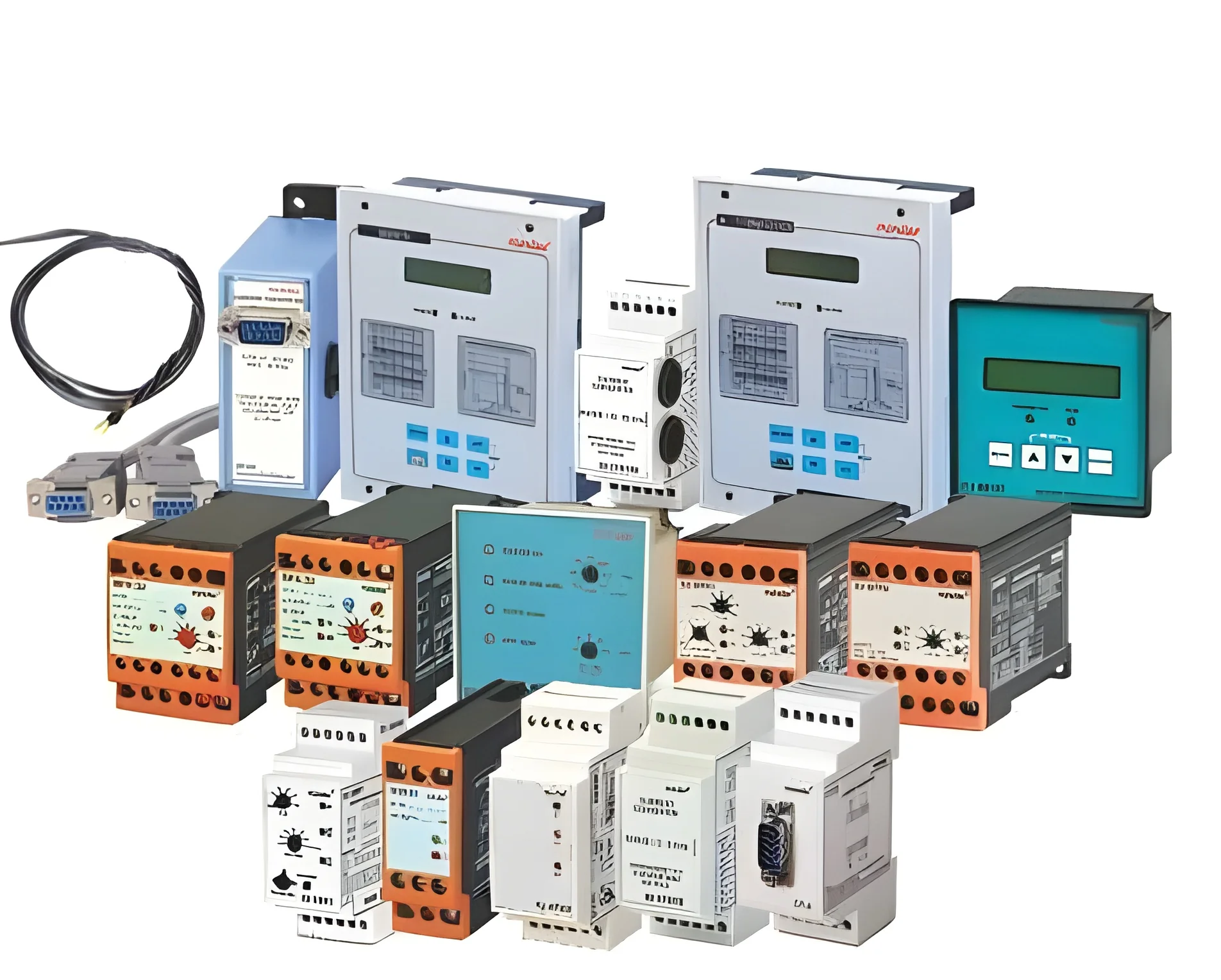
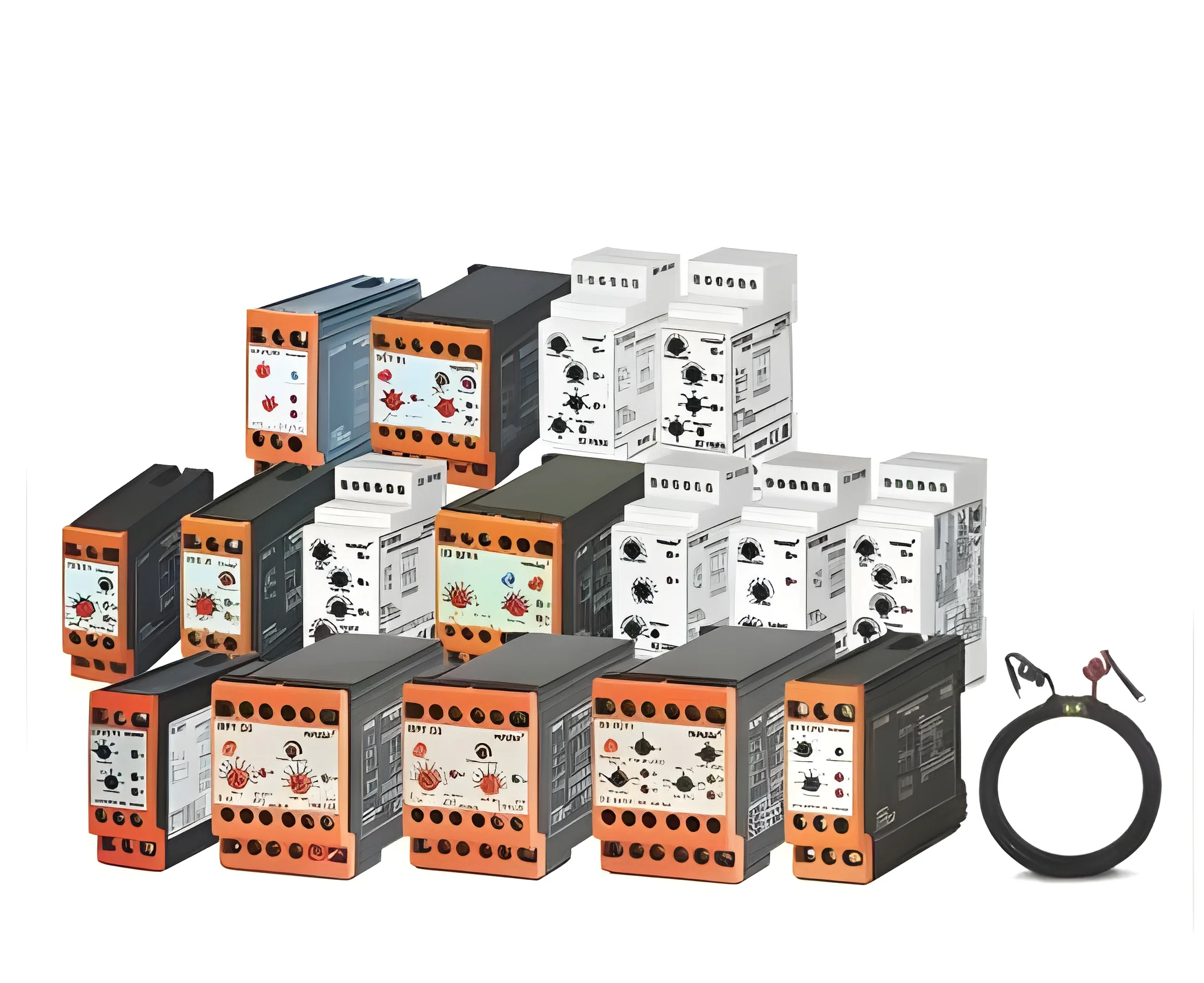
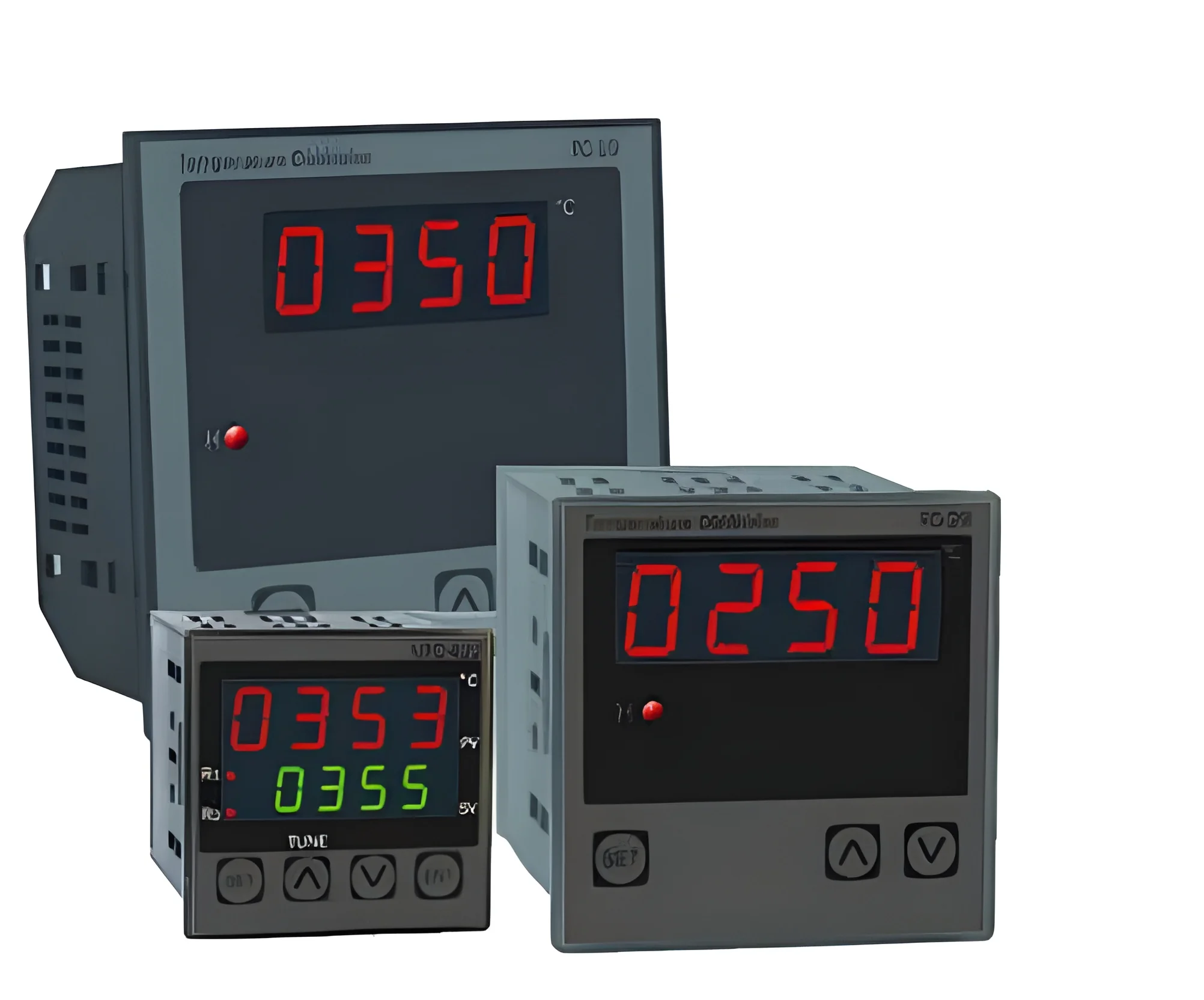
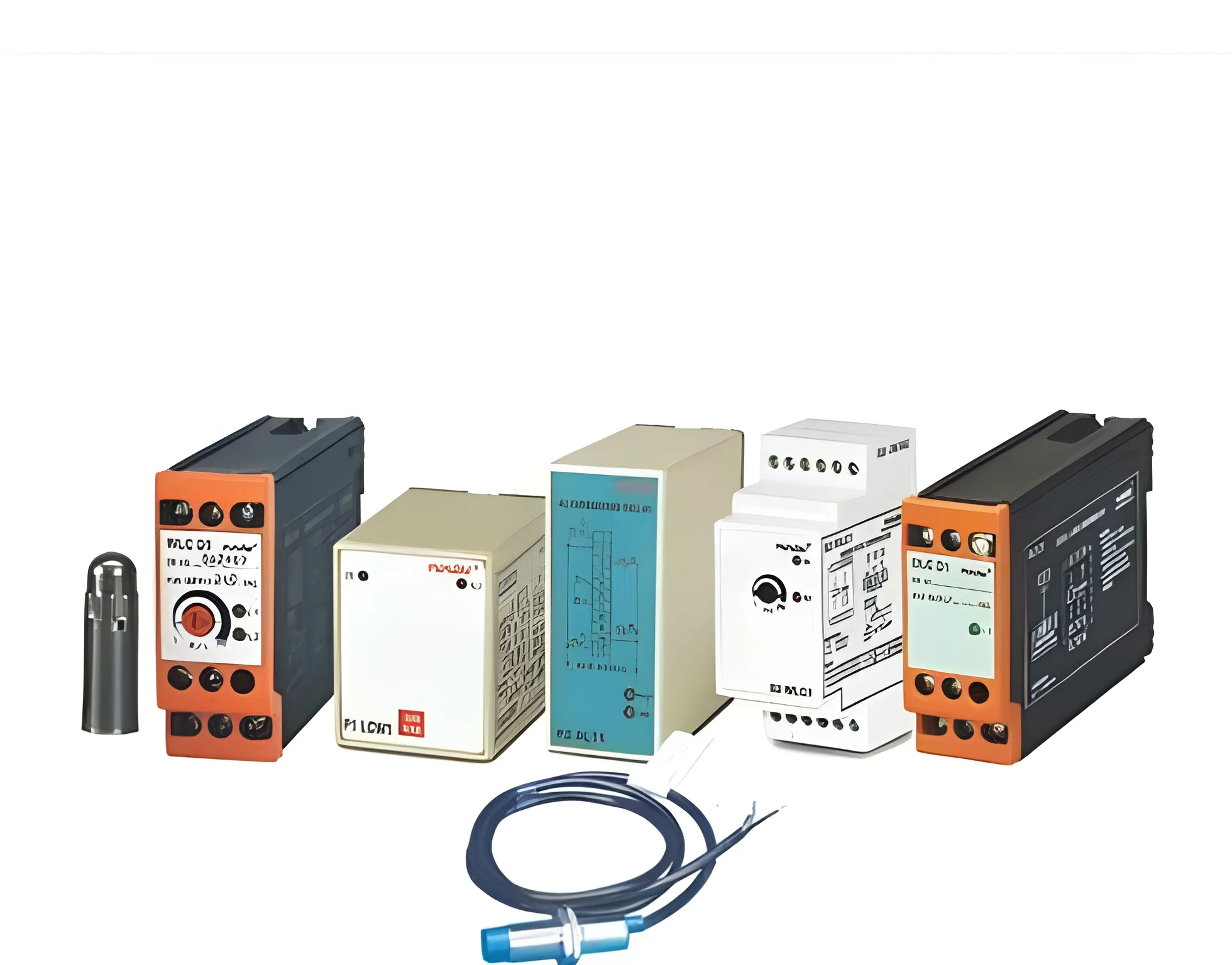
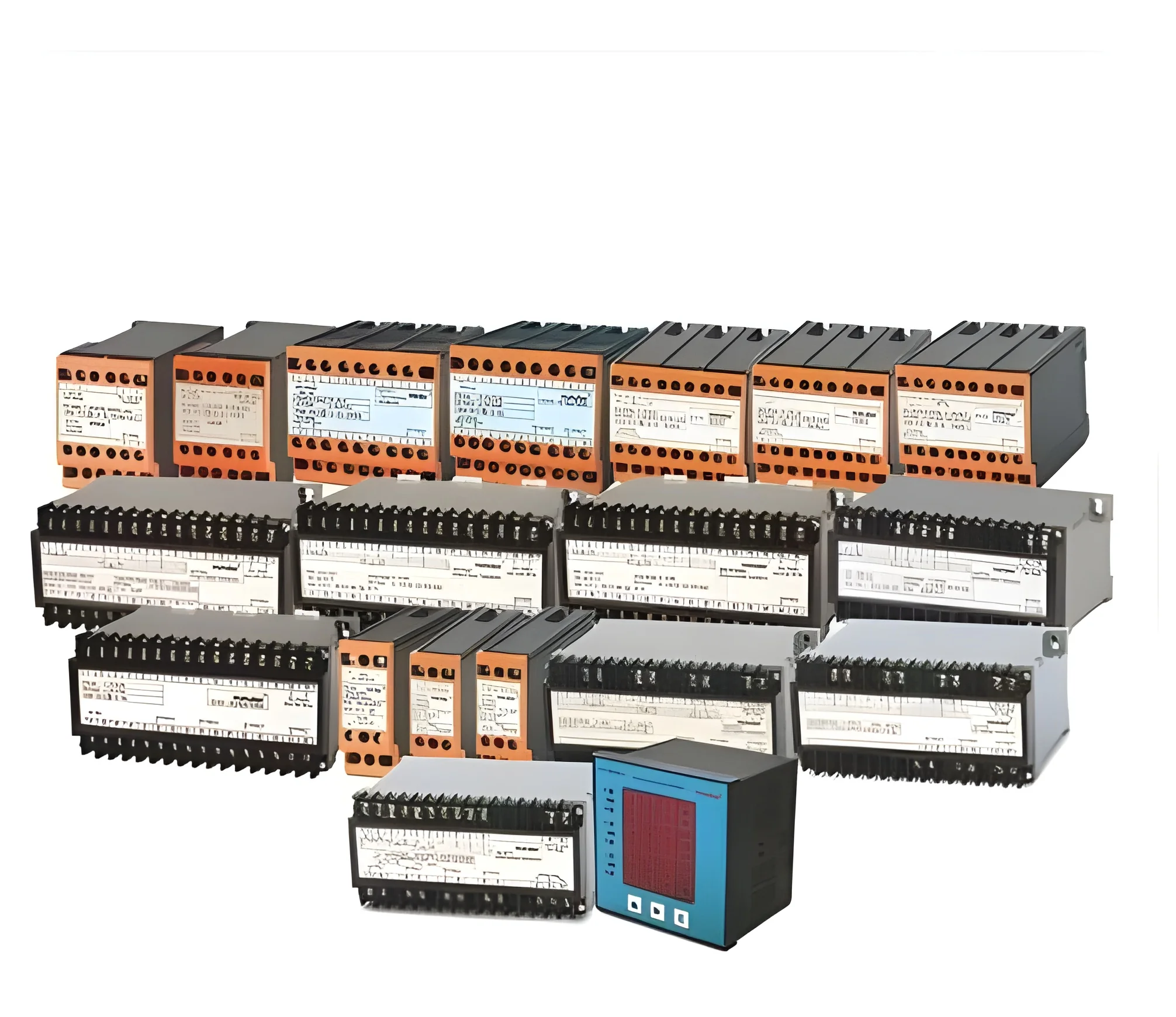
Alarm annunciators represent sophisticated monitoring solutions designed to detect and signal abnormal conditions in industrial equipment and processes. These systems continuously monitor critical parameters and immediately alert operators through visual indicators like flashing lights and audible signals such as horns or buzzers when deviations occur. This instant notification enables rapid response to equipment malfunctions, process upsets, or safety-critical situations that could otherwise lead to production losses, equipment damage, or hazardous conditions. Modern annunciators incorporate advanced electronics and programmable logic, allowing for customized alarm sequences, priority settings, and integration with broader control systems. Their robust construction ensures reliable operation even in challenging industrial environments with temperature variations, vibration, and electrical interference.

Across industrial sectors, alarm annunciators play vital roles in maintaining oper...
Alarm annunciators represent sophisticated monitoring solutions designed to detect and signal abnormal conditions in industrial equipment and processes. These systems continuously monitor critical parameters and immediately alert operators through visual indicators like flashing lights and audible signals such as horns or buzzers when deviations occur. This instant notification enables rapid response to equipment malfunctions, process upsets, or safety-critical situations that could otherwise lead to production losses, equipment damage, or hazardous conditions. Modern annunciators incorporate advanced electronics and programmable logic, allowing for customized alarm sequences, priority settings, and integration with broader control systems. Their robust construction ensures reliable operation even in challenging industrial environments with temperature variations, vibration, and electrical interference.

Across industrial sectors, alarm annunciators play vital roles in maintaining operational integrity and safety compliance. In manufacturing plants, they monitor production machinery, conveyor systems, and processing equipment to prevent unexpected downtime. Power generation facilities rely on them to oversee turbine operations, transformer performance, and distribution networks. Water treatment plants utilize annunciators to track filtration processes, chemical dosing systems, and pump stations. The oil and gas industry depends on these systems for pipeline monitoring, refinery operations, and offshore platform safety. Commercial buildings implement them in HVAC systems, fire safety networks, and elevator controls. Each industry benefits from tailored configurations that address specific operational risks and regulatory requirements.

The business value of implementing reliable alarm annunciators extends beyond immediate safety benefits to significant operational advantages. These systems reduce equipment repair costs by enabling early intervention before minor issues escalate into major failures. They minimize production losses by preventing extended downtime through timely fault identification. The customization options available allow businesses to adapt the technology to their specific operational needs, ensuring optimal performance without unnecessary complexity. The reliability of well-designed annunciators translates to reduced maintenance requirements and long service life, delivering excellent return on investment. Furthermore, their integration capabilities with existing control systems mean they enhance overall operational visibility without requiring complete system overhauls, making them a cost-effective upgrade for both new installations and legacy systems.

Key Features:
- Continuous monitoring of multiple process parameters and equipment status
- Visual and audible alarm indication for immediate operator awareness
- Customizable alarm sequences and priority levels for different fault conditions
- Robust construction suitable for harsh industrial environments
- Integration capability with existing control systems and SCADA networks

Benefits:
- Enhanced operational safety through immediate hazard notification
- Reduced equipment downtime and maintenance costs
- Improved process efficiency and quality control
- Compliance with industry safety standards and regulations
- Scalable solutions that grow with your operational needs
Specifications
| Additional Information | |
|---|---|
| Country of Origin | India |
Application
Alarm annunciators serve as essential monitoring systems across numerous industrial sectors where equipment reliability and process safety are paramount. They continuously track operational parameters and immediately signal deviations, allowing personnel to address issues before they escalate into costly downtime or hazardous situations. These systems are particularly valuable in environments with complex machinery, remote operations, or multiple processes running simultaneously where manual monitoring would be impractical or insufficient.
From manufacturing plants to utility services, these devices provide the first line of defense against equipment failure and process upsets. Their implementation spans industries where operational continuity, safety compliance, and asset protection are critical business priorities. The flexibility of modern annunciators allows customization to specific industry requirements, making them adaptable to unique operational challenges and regulatory standards across different sectors. Real-world applications:
Real-world applications:
- Monitoring critical pumps, motors, and rotating equipment in manufacturing facilities to prevent unexpected shutdowns
- Overseeing power generation and distribution systems to maintain grid stability and prevent blackouts
- Managing water treatment processes to ensure water quality standards and environmental compliance
- Controlling HVAC systems in commercial buildings to maintain optimal environmental conditions and energy efficiency
- Safeguarding oil and gas processing operations to prevent leaks, spills, and process safety incidents
Trade Details
| Available Stock | In Stock |
| Sample Availability | No |
Payment Terms
| Payment Terms |
|
Company Profile

Advancve Power Controls, Gujarat
 Gujarat, India
Gujarat, IndiaElectronics & Electrical•Manufacturer•Retailer
Factory Details
Factory SizeBelow 1000 sqm
Industrial Safety Alarm Annunciators For Critical Equipment Monitoring
Alarm annunciators provide critical visual and audible alerts for abnormal equipment conditions, enabling rapid operator response to faults and safety hazards across industrial and commercial applications.
Min. Order Quantity: 1
Shipping
Shipping fee and delivery date to be negotiated. Contact supplier now for more details.
Advancve Power Controls
 Gujarat, India
Gujarat, IndiaElectronics & ElectricalManufacturer