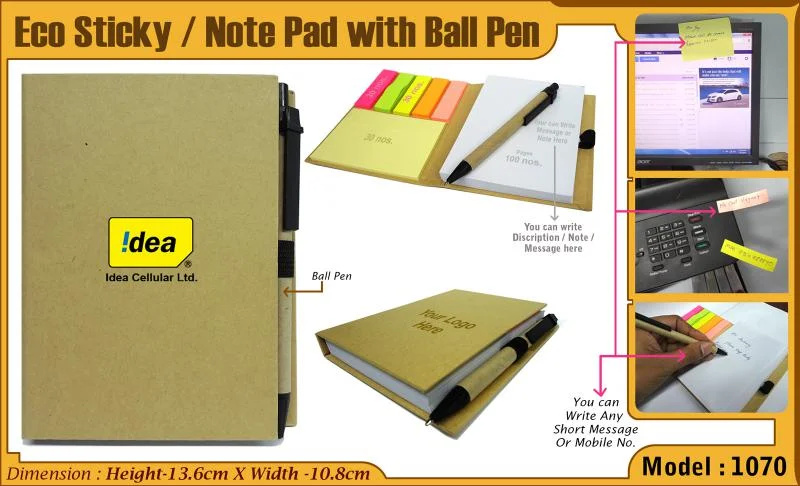
𝗪𝗵𝗮𝘁 𝗮𝗿𝗲 𝗣𝗮𝗽𝗲𝗿 𝗣𝗿𝗼𝗱𝘂𝗰𝘁𝘀?
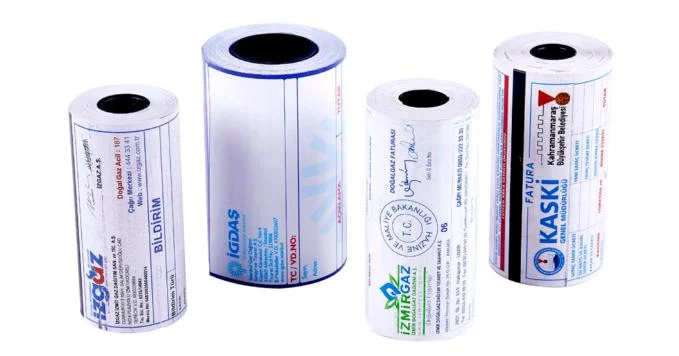
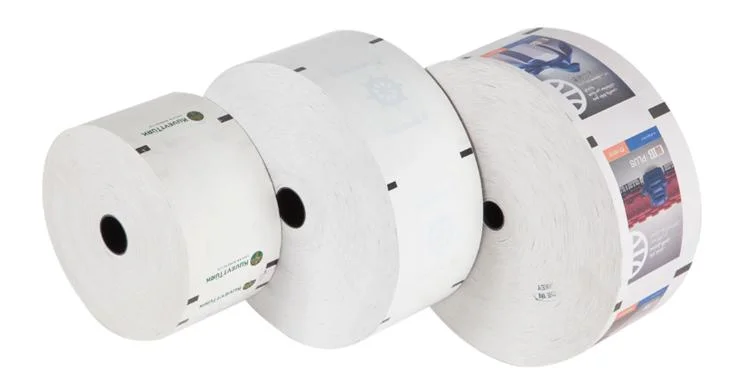
Paper products encompass a wide range of items made primarily from paper, which is derived from wood pulp. These products can vary significantly in their composition, thickness, and intended use. Common types include paper sheets, rolls, and specialty papers designed for specific applications. The versatility of paper products makes them a staple in numerous industries, contributing to their widespread use in both commercial and industrial settings.
In business applications, paper products serve essential functions such as packaging, printing, and documentation. They are widely used in offices for printing documents, in manufacturing for packaging goods, and in retail for promotional materials. As industries continue to evolve, the demand for sustainable and eco-friendly paper products has also increased, driving innovations in production methods and materials.
The paper products market is influenced by various factors, including technological advancements and environmental concerns. As businesses seek to reduce their carbon footprint, the industry is shifting towards sustainable practices. This has led to an increase in the production of recycled paper products and those made from alternative materials. Overall, the relevance of paper products in today's market remains strong, as they continue to play a vital role across multiple sectors.
𝗞𝗲𝘆 𝗙𝗲𝗮𝘁𝘂𝗿𝗲𝘀 𝗮𝗻𝗱 𝗦𝗽𝗲𝗰𝗶𝗳𝗶𝗰𝗮𝘁𝗶𝗼𝗻𝘀
Paper products come with a variety of features and specifications tailored to meet the needs of different industries. Understanding these specifications is crucial for buyers looking to source the right products for their applications.
Key specifications include:
1. Weight
- The weight of paper products is typically measured in grams per square meter (GSM).
- Common ranges include 70 GSM for standard office paper to 300 GSM for heavier card stock.
2. Brightness
- Brightness measures the reflectance of light from the paper surface.
- It is usually indicated on a scale from 1 to 100, with higher values indicating brighter paper.
3. Finish
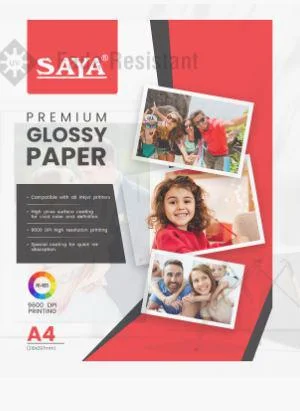
- Paper finishes can vary from matte to gloss, affecting both appearance and texture.
- Different finishes are suitable for different printing techniques and applications.
4. Size
- Standard sizes include A4, A3, and letter sizes, but custom dimensions are often available.
- Sizing options can impact usability in various printing and packaging applications.
5. Composition
- Paper products can be made from virgin fibers or recycled materials.
- The choice of composition affects sustainability and cost.
6. Color
- Paper products come in a variety of colors, which can be used for branding and design.
- Custom color options are often available for specific needs.
7. Moisture Resistance
- Some paper products are treated to resist moisture, making them suitable for specific environments.
- This feature is particularly relevant in packaging applications.
8. Certification
- Many paper products are certified for environmental sustainability, such as FSC or PEFC.
- Certification can enhance a company's green credentials.
In summary, understanding the key features and specifications of paper products is essential for making informed purchasing decisions. These specifications guide buyers in selecting products that best fit their operational needs.
𝗖𝗼𝗺𝗺𝗼𝗻 𝗔𝗽𝗽𝗹𝗶𝗰𝗮𝘁𝗶𝗼𝗻𝘀 𝗮𝗻𝗱 𝗨𝘀𝗲 𝗖𝗮𝘀𝗲𝘀
Paper products are integral to various industries, providing solutions for numerous applications.
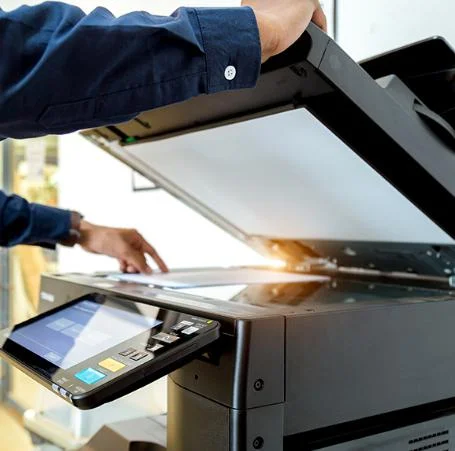
1. Office Supplies: In corporate environments, paper products are utilized for printing, copying, and documentation. Common items include copy paper, envelopes, and notepads.
2. Packaging: The packaging industry relies on paper products for shipping and storage. Paperboard and corrugated boxes are widely used for packaging goods.
3. Retail: Retail businesses use paper products for promotional materials, including flyers, brochures, and shopping bags, to enhance customer engagement.
4. Publishing: The publishing industry depends on high-quality paper for books, magazines, and newspapers, focusing on print fidelity and durability.
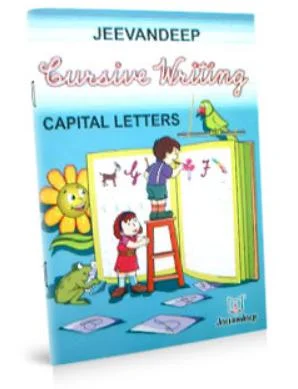
5. Education: Educational institutions use paper products for textbooks, worksheets, and notebooks, supporting the learning process across all levels.
6. Food Services: Paper products, such as food wrappers and take-out containers, are essential in the food industry for hygiene and convenience.
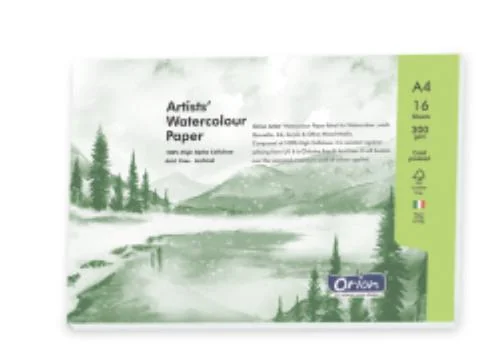
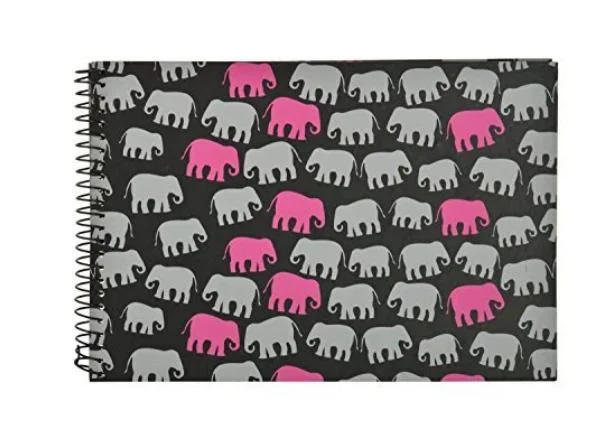
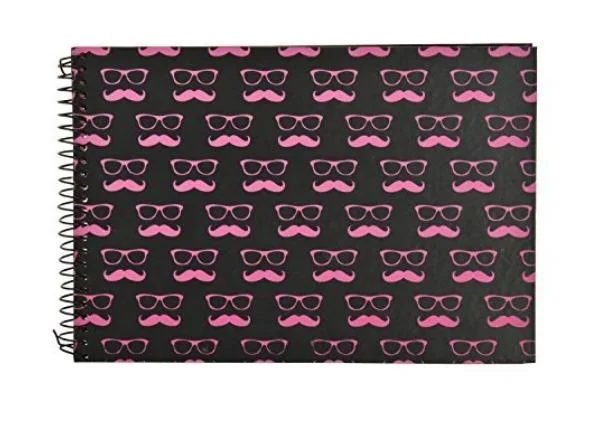
7. Arts and Crafts: Hobbyists and professionals use specialty paper products for various crafts, including scrapbooking, card making, and art projects.
These applications highlight the versatility of paper products across numerous sectors, emphasizing their role in everyday business operations.
𝗣𝗿𝗼𝗱𝘂𝗰𝘁 𝗩𝗮𝗿𝗶𝗮𝗻𝘁𝘀 𝗮𝗻𝗱 𝗦𝘂𝗯𝗰𝗮𝘁𝗲𝗴𝗼𝗿𝗶𝗲𝘀
Paper products come in a diverse range of variants designed to meet specific needs.
Copy Paper
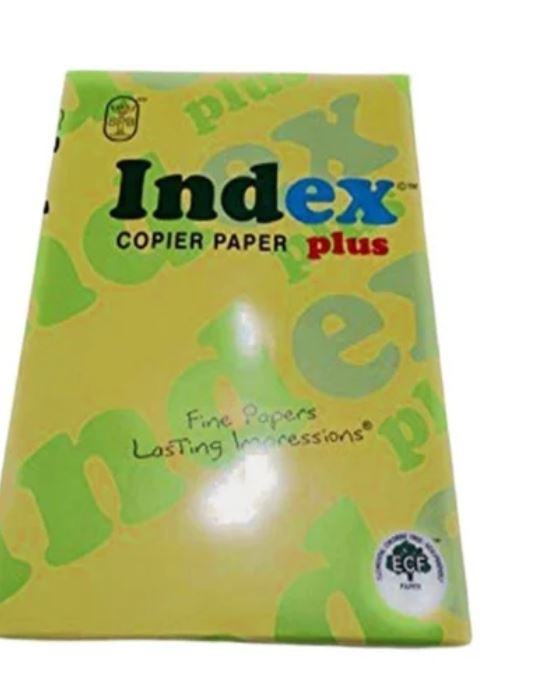
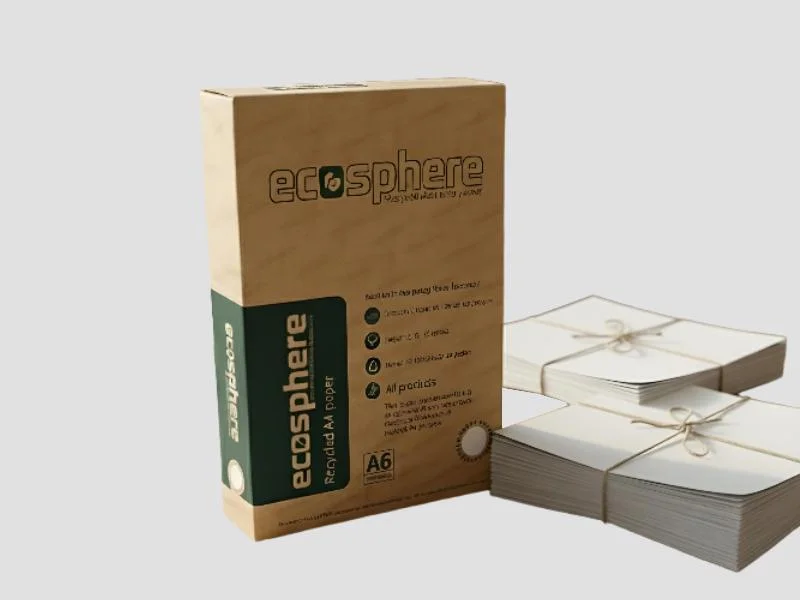
This is a standard paper variant used in offices for printing and copying. It typically has a smooth finish and a weight of around 80 GSM, making it ideal for everyday use.
Card Stock
Heavier than standard paper, card stock is used for creating business cards, invitations, and packaging. It usually ranges from 200 to 300 GSM in weight.
Specialty Paper
This category includes textured, colored, and coated papers used for artistic and professional purposes. Specialty paper is often used in premium printing and crafting.
Packaging Paper
Designed for strength and durability, packaging paper is used in manufacturing and logistics. It comes in various forms, such as kraft paper and corrugated sheets.
Recycled Paper
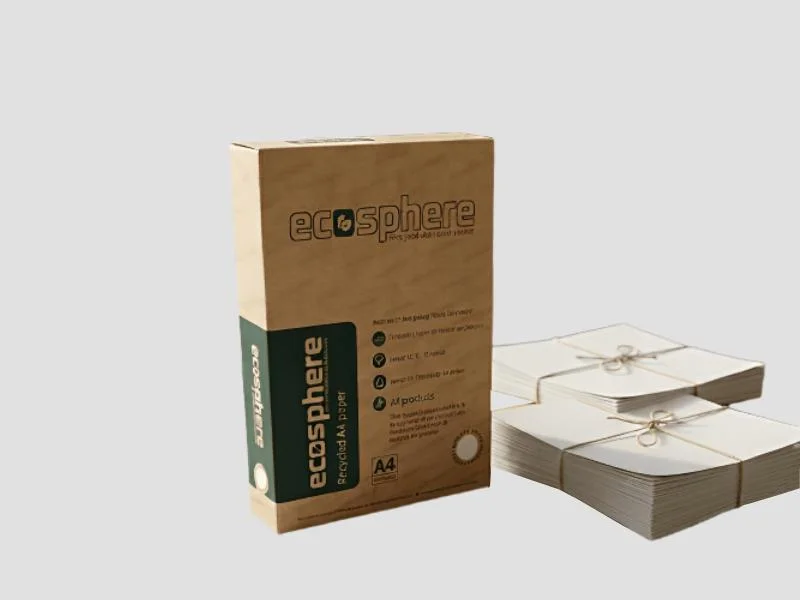
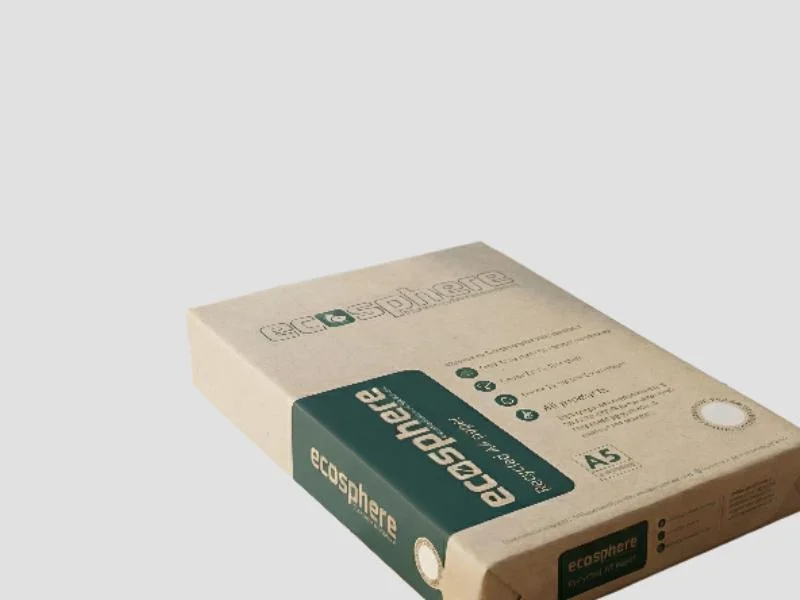
Made from post-consumer waste, recycled paper is an eco-friendly option. It is used in various applications, from office supplies to packaging materials.
𝗕𝗲𝗻𝗲𝗳𝗶𝘁𝘀 𝗮𝗻𝗱 𝗔𝗱𝘃𝗮𝗻𝘁𝗮𝗴𝗲𝘀
Choosing the right paper products offers numerous benefits for businesses.
1. Cost-Effectiveness: Paper products are generally affordable, making them a practical choice for various applications, from office supplies to packaging.
2. Versatility: With a wide range of options available, paper products can be tailored to meet specific needs across different industries.
3. Eco-Friendly Options: The availability of recycled and sustainably sourced paper products allows businesses to reduce their environmental impact.
4. Customization: Many paper products can be customized in terms of size, color, and finish, allowing businesses to create tailored solutions.
5. Accessibility: Paper products are widely available from numerous suppliers, ensuring a consistent supply for businesses.
6. Branding Opportunities: Customized paper products can enhance brand visibility and recognition through unique design and presentation.
In summary, the benefits of sourcing paper products are significant, providing valuable advantages for businesses across various sectors.
𝗕𝘂𝘆𝗶𝗻𝗴 𝗚𝘂𝗶𝗱𝗲 𝗳𝗼𝗿 𝗕𝟮𝗕 𝗕𝘂𝘆𝗲𝗿𝘀
When sourcing paper products, B2B buyers should consider several crucial factors to ensure they make informed purchasing decisions.
1. Quality Assessment: Evaluate the quality of paper products based on specifications such as weight, brightness, and finish. Request samples to assess performance and suitability.
2. Supplier Verification: Conduct due diligence on suppliers to confirm their credibility and reliability. Check for customer reviews, certifications, and industry experience.
3. Pricing and MOQ: Understand the pricing structure and minimum order quantities (MOQ) from suppliers. This information is essential for budgeting and planning.
4. Delivery and Lead Times: Inquire about delivery timelines and logistics capabilities. Timely delivery is critical to maintaining operational efficiency.
5. Compliance Requirements: Ensure that paper products meet relevant regulatory and safety standards. Verify certifications that demonstrate compliance with industry requirements.
𝗖𝗼𝗺𝗽𝗹𝗶𝗮𝗻𝗰𝗲 𝗮𝗻𝗱 𝗖𝗲𝗿𝘁𝗶𝗳𝗶𝗰𝗮𝘁𝗶𝗼𝗻𝘀
Compliance with industry standards is essential for ensuring the quality and safety of paper products. Key quality standards include ISO 9001, which sets requirements for quality management systems, and HACCP, which focuses on food safety in packaging applications.
Additionally, paper products may be certified by organizations such as CE, indicating compliance with European safety, health, and environmental protection legislation.
Safety and testing requirements are paramount, especially for products used in sensitive applications, such as food packaging.
Regional compliance considerations may vary, so it is important for buyers to be aware of local regulations and standards applicable to their specific market.
𝗪𝗵𝘆 𝗦𝗼𝘂𝗿𝗰𝗲 𝗣𝗮𝗽𝗲𝗿 𝗣𝗿𝗼𝗱𝘂𝗰𝘁𝘀 𝗳𝗿𝗼𝗺 𝗣𝗲𝗽𝗮𝗴𝗼𝗿𝗮?
Pepagora provides a trusted platform for sourcing paper products, offering several key advantages to B2B buyers.
Verified Supplier Network: Pepagora features a network of verified suppliers, ensuring that buyers can connect with reputable companies that meet their quality and compliance standards.
Streamlined RFQ Process: The platform simplifies the quotation process, allowing buyers to request and receive multiple quotes from suppliers efficiently, saving time and resources.
Trade Assurance and Support: Pepagora offers trade assurance programs that protect buyers from risks associated with transactions. This includes support for resolving disputes and ensuring product quality.
Regional Coverage: With a broad geographic reach across India, the GCC, and Southeast Asia, Pepagora connects buyers with suppliers in various markets, facilitating a seamless sourcing experience.
In conclusion, Pepagora stands out as a reliable partner for businesses looking to source high-quality paper products. The platform's commitment to supplier verification, efficiency, and buyer protection makes it an excellent choice for B2B purchasing.

 IN
IN