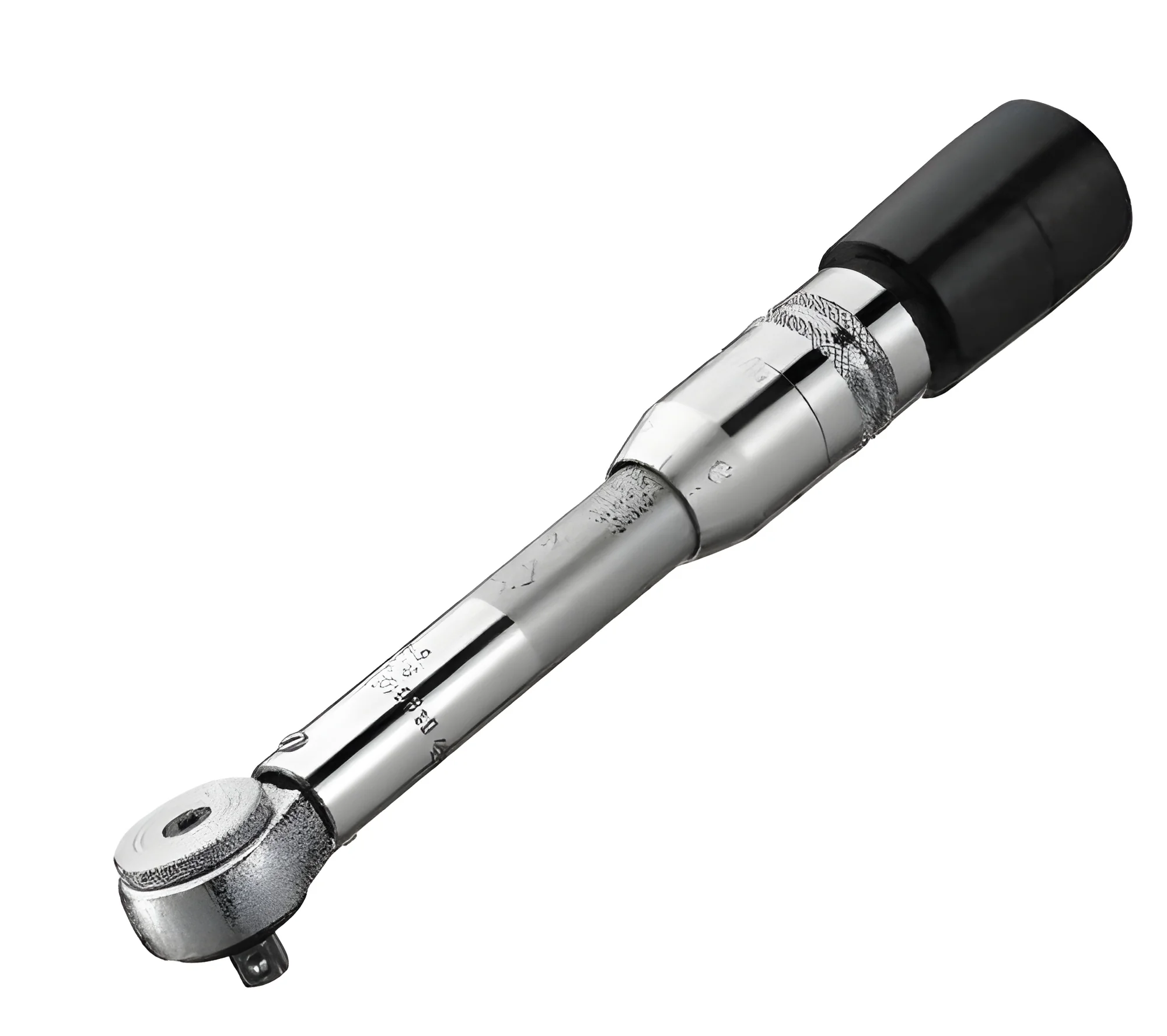
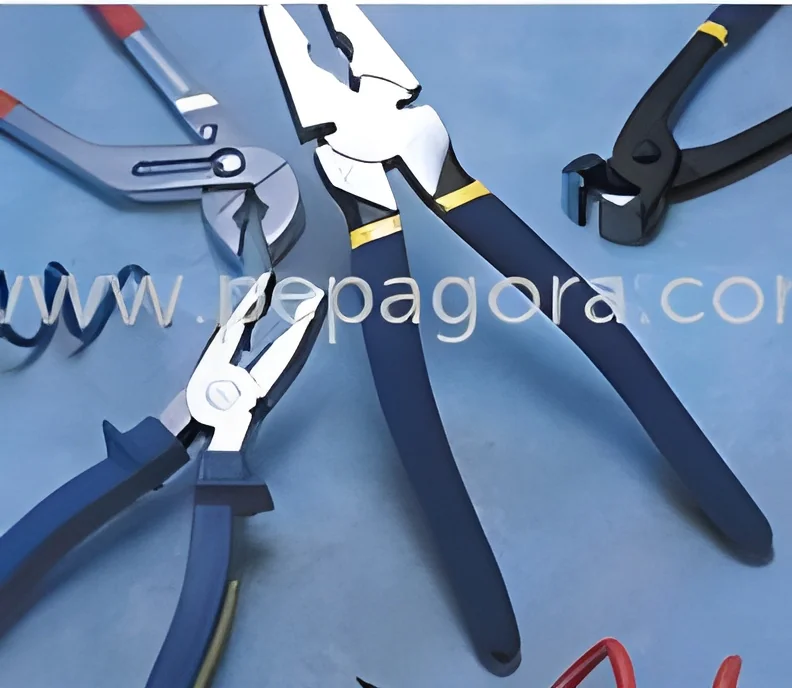
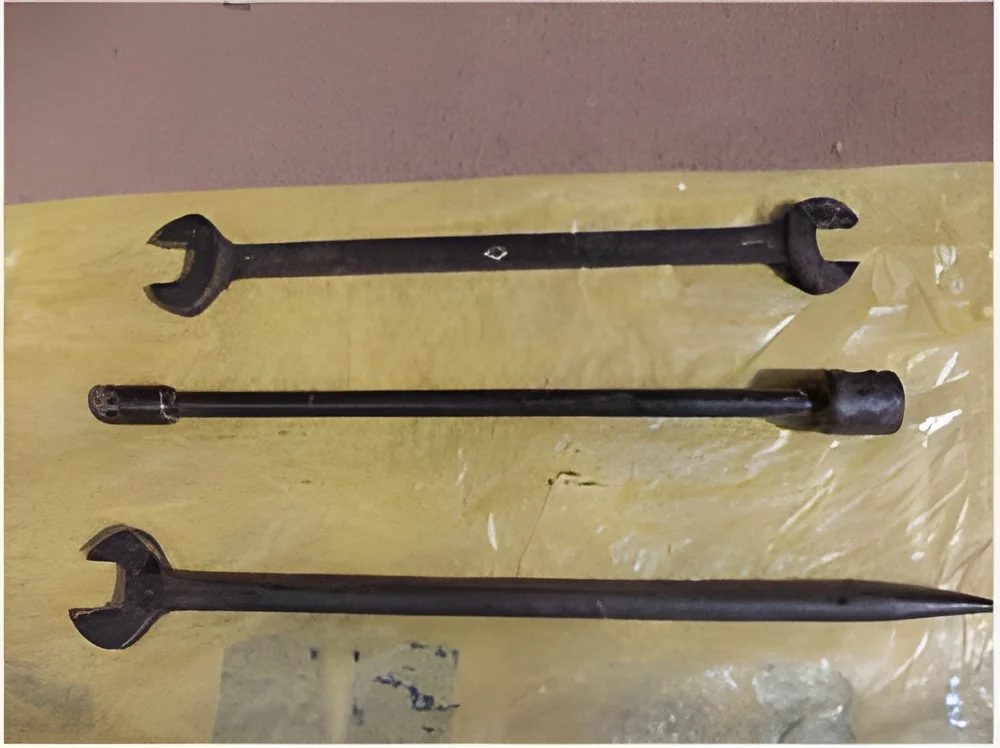
𝗪𝗵𝗮𝘁 𝗮𝗿𝗲 𝗠𝗮𝗶𝗻𝘁𝗲𝗻𝗮𝗻𝗰𝗲 & 𝗥𝗲𝗽𝗮𝗶𝗿 𝗧𝗼𝗼𝗹𝘀?
Maintenance and repair tools are essential instruments used in various industries to perform upkeep, repair, and servicing tasks. These tools encompass a wide range of equipment, including hand tools, power tools, diagnostic tools, and specialized instruments designed for specific applications. Their primary function is to ensure that machinery, equipment, and infrastructure operate efficiently and remain in good working condition.
These tools are crucial in industries such as manufacturing, construction, automotive, and facilities management. Businesses use maintenance and repair tools for routine inspections, repairs, and maintenance tasks to avoid costly downtime and ensure optimal performance. In addition, regular maintenance can extend the lifespan of equipment and improve safety standards in the workplace. The market for maintenance and repair tools continues to grow as industries increasingly prioritize reliability and efficiency.
𝗞𝗲𝘆 𝗙𝗲𝗮𝘁𝘂𝗿𝗲𝘀 𝗮𝗻𝗱 𝗦𝗽𝗲𝗰𝗶𝗳𝗶𝗰𝗮𝘁𝗶𝗼𝗻𝘀
Maintenance and repair tools have several key features and specifications that define their performance and usability. Understanding these specifications is essential for selecting the right tools for specific applications.
Key specifications include:
1. Material Quality
- High-quality materials ensure durability and longevity.
- Tools are often made from steel, titanium, or composite materials.
2. Ergonomic Design
- Ergonomically designed tools promote user comfort and reduce fatigue.
- Features may include soft grips and anti-slip designs.
3. Precision and Accuracy
- Tools designed for precise measurements and adjustments.
- Calibration ranges may vary based on tool type.
4. Power Source
- Tools can be manual, pneumatic, hydraulic, or electric.
- Each type has specific power requirements and applications.
5. Size and Weight
- Tools come in various sizes for different applications.
- Compact tools are often favored for ease of handling.
6. Warranty and Support
- Many tools come with warranties for added assurance.
- Manufacturer support can be crucial for maintenance.
7. Compliance Standards
- Tools may adhere to industry standards for safety and performance.
- Certifications like CE indicate meeting specific criteria.
8. Versatility
- Many tools are designed for multi-purpose use.
- This can reduce the need for multiple specialized tools.
These specifications are vital for ensuring that maintenance and repair tools meet the demands of various applications and industries.
𝗖𝗼𝗺𝗺𝗼𝗻 𝗔𝗽𝗽𝗹𝗶𝗰𝗮𝘁𝗶𝗼𝗻𝘀 𝗮𝗻𝗱 𝗨𝘀𝗲 𝗖𝗮𝘀𝗲𝘀
Maintenance and repair tools are utilized across numerous sectors to ensure the reliability of equipment and infrastructure.
1. Manufacturing: Tools are used for machinery maintenance, assembly line repairs, and routine inspections to minimize downtime.
2. Automotive: Mechanics rely on specialized tools for vehicle repairs, diagnostics, and maintenance tasks to ensure safety and performance.
3. Construction: Tools are essential for building projects, including framing, finishing, and general repairs on job sites.
4. Facilities Management: Maintenance teams use tools for routine building upkeep, including plumbing, electrical work, and HVAC repairs.
5. Aerospace: Precision tools are critical in maintaining aircraft and performing detailed inspections to meet safety regulations.
6. Marine: Tools are used for the maintenance of ships and boats, ensuring that all systems are functioning correctly.
7. Agriculture: Farmers use maintenance tools for the upkeep of machinery and equipment necessary for efficient crop production.
𝗣𝗿𝗼𝗱𝘂𝗰𝘁 𝗩𝗮𝗿𝗶𝗮𝗻𝘁𝘀 𝗮𝗻𝗱 𝗦𝘂𝗯𝗰𝗮𝘁𝗲𝗴𝗼𝗿𝗶𝗲𝘀
Maintenance and repair tools come in various forms to cater to different needs and applications. Each variant offers unique features suited for specific tasks.
Hand Tools
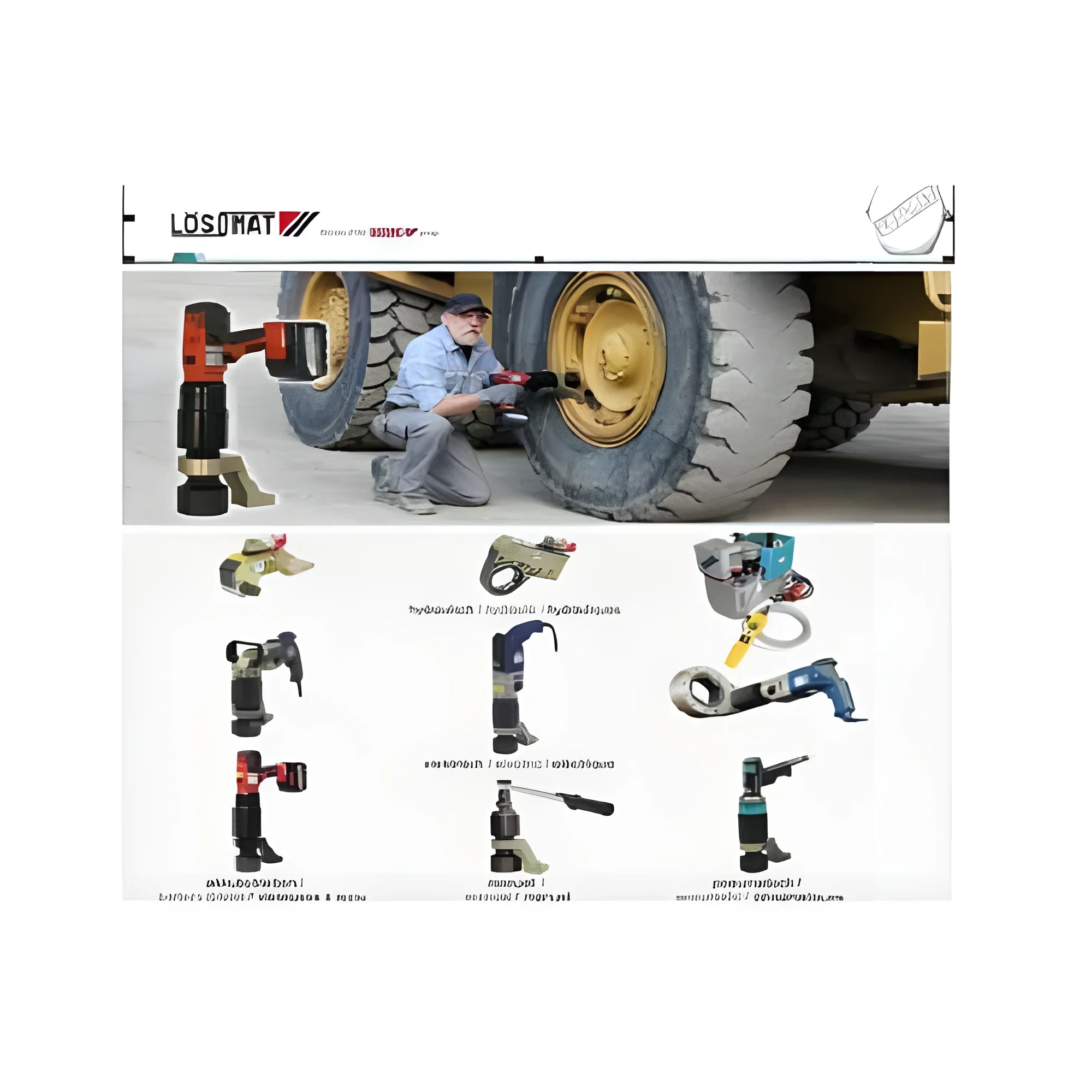
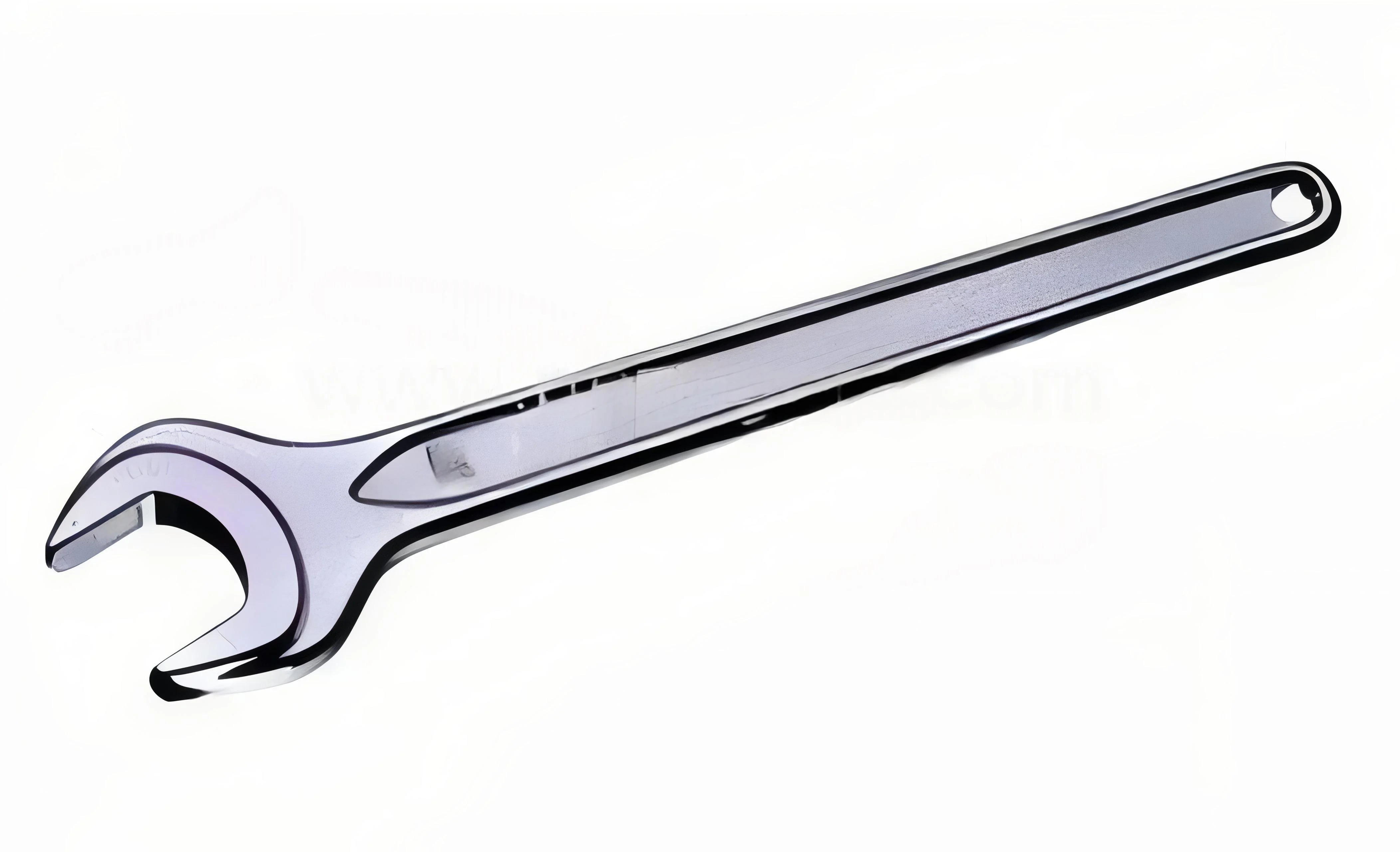
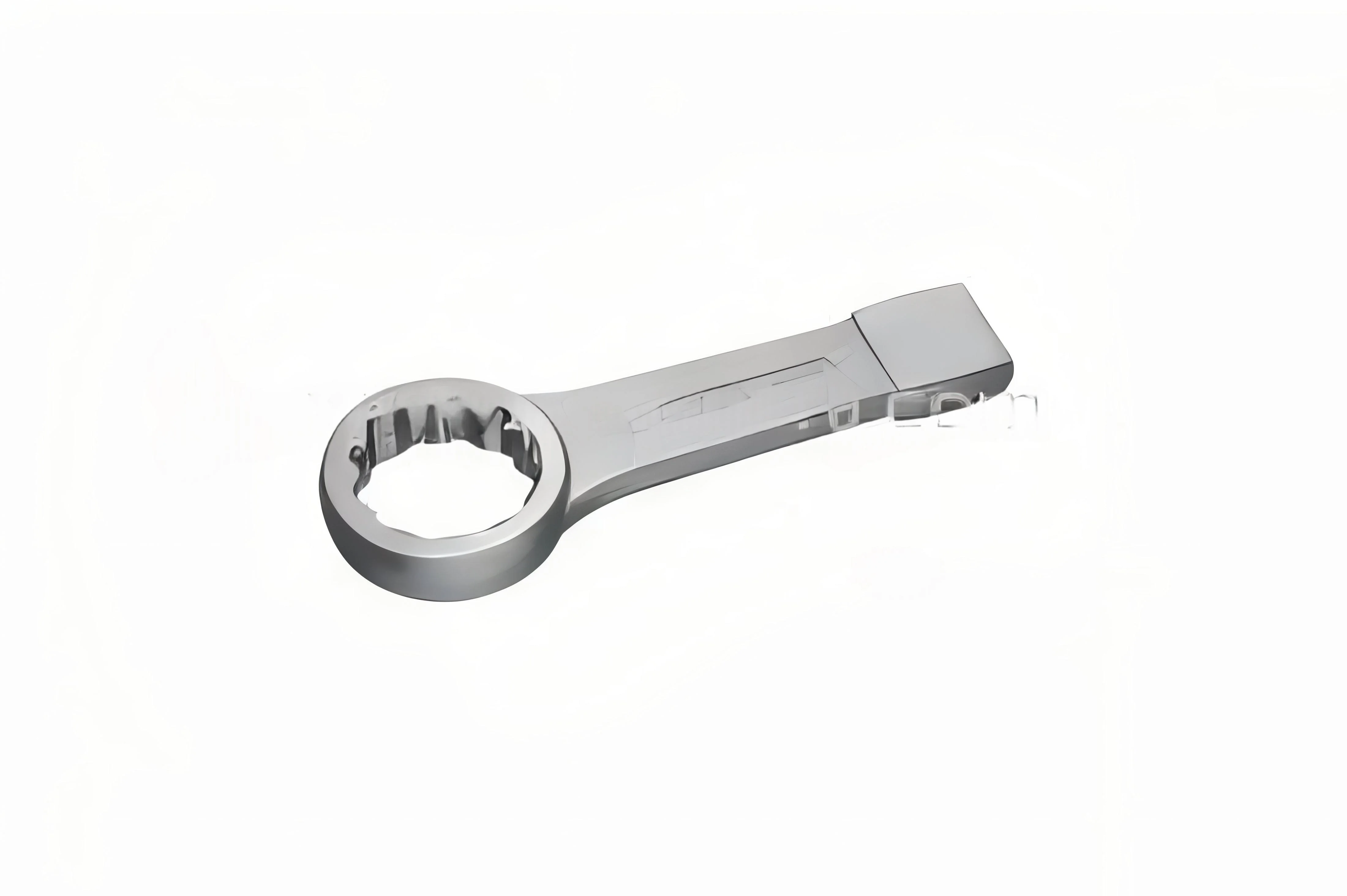
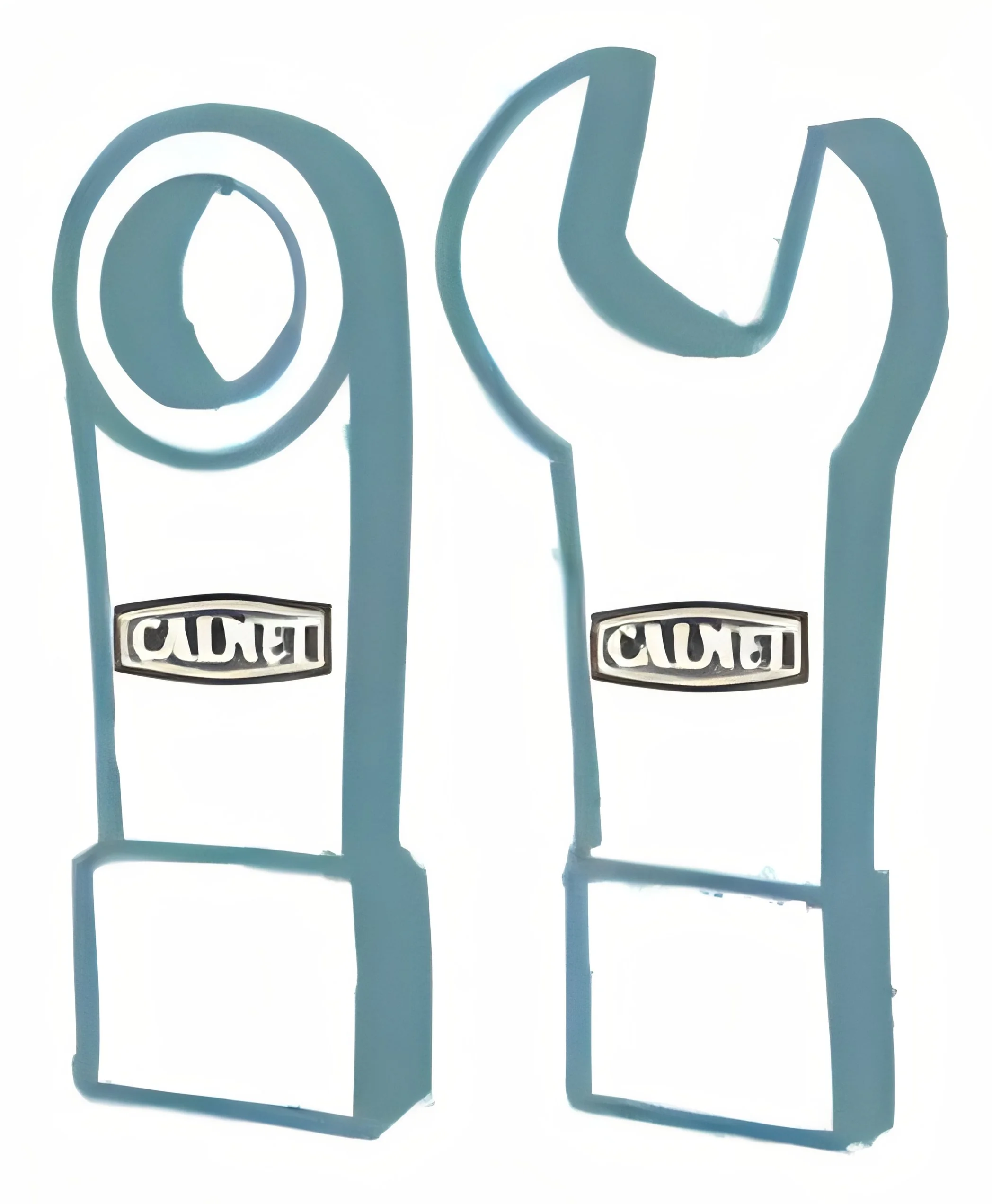
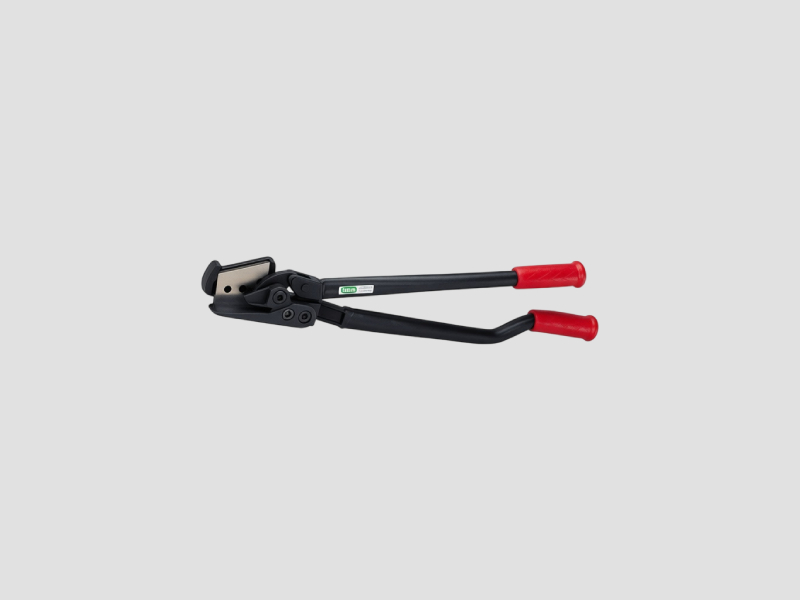
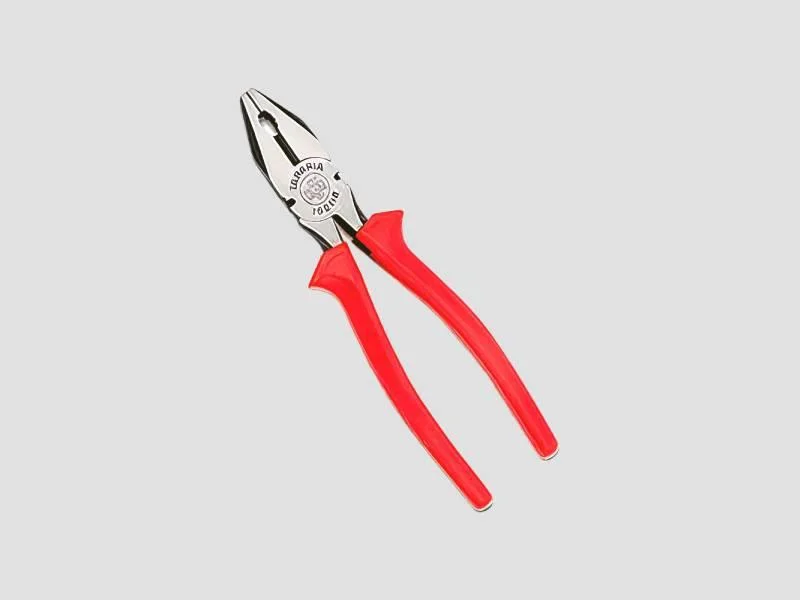
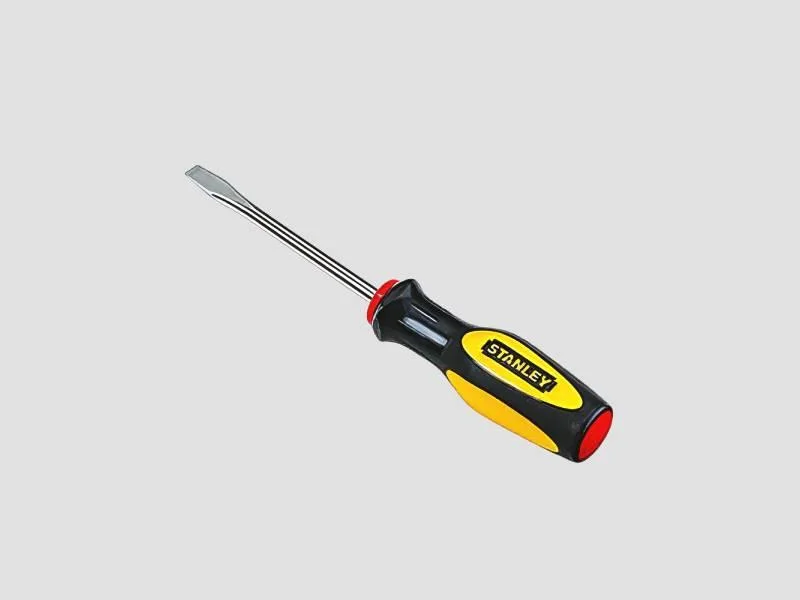
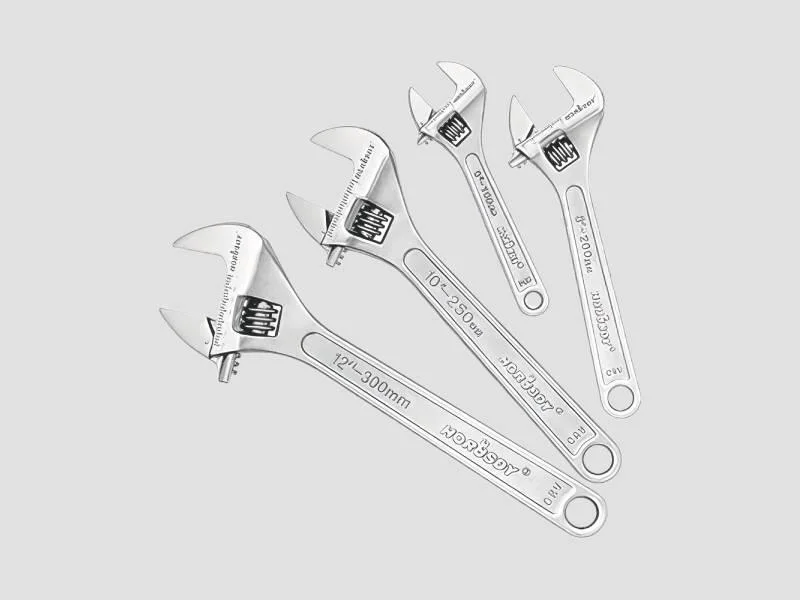
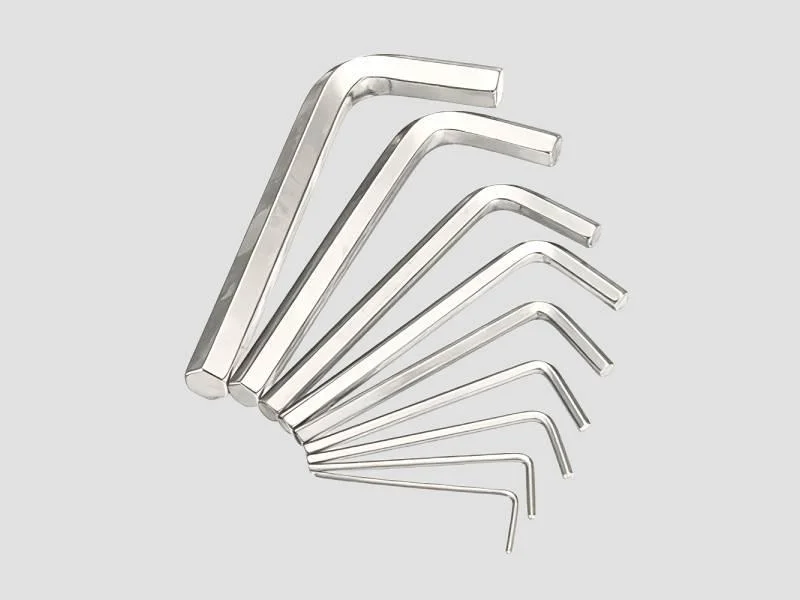
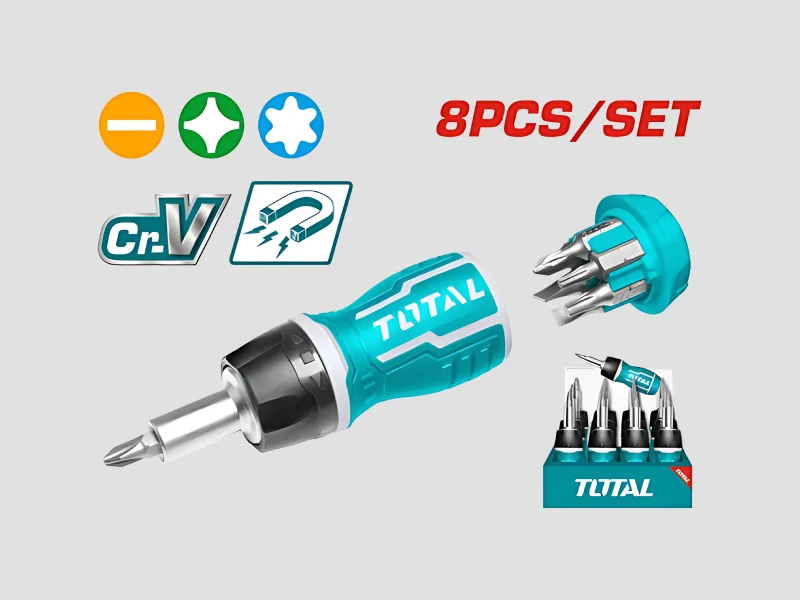
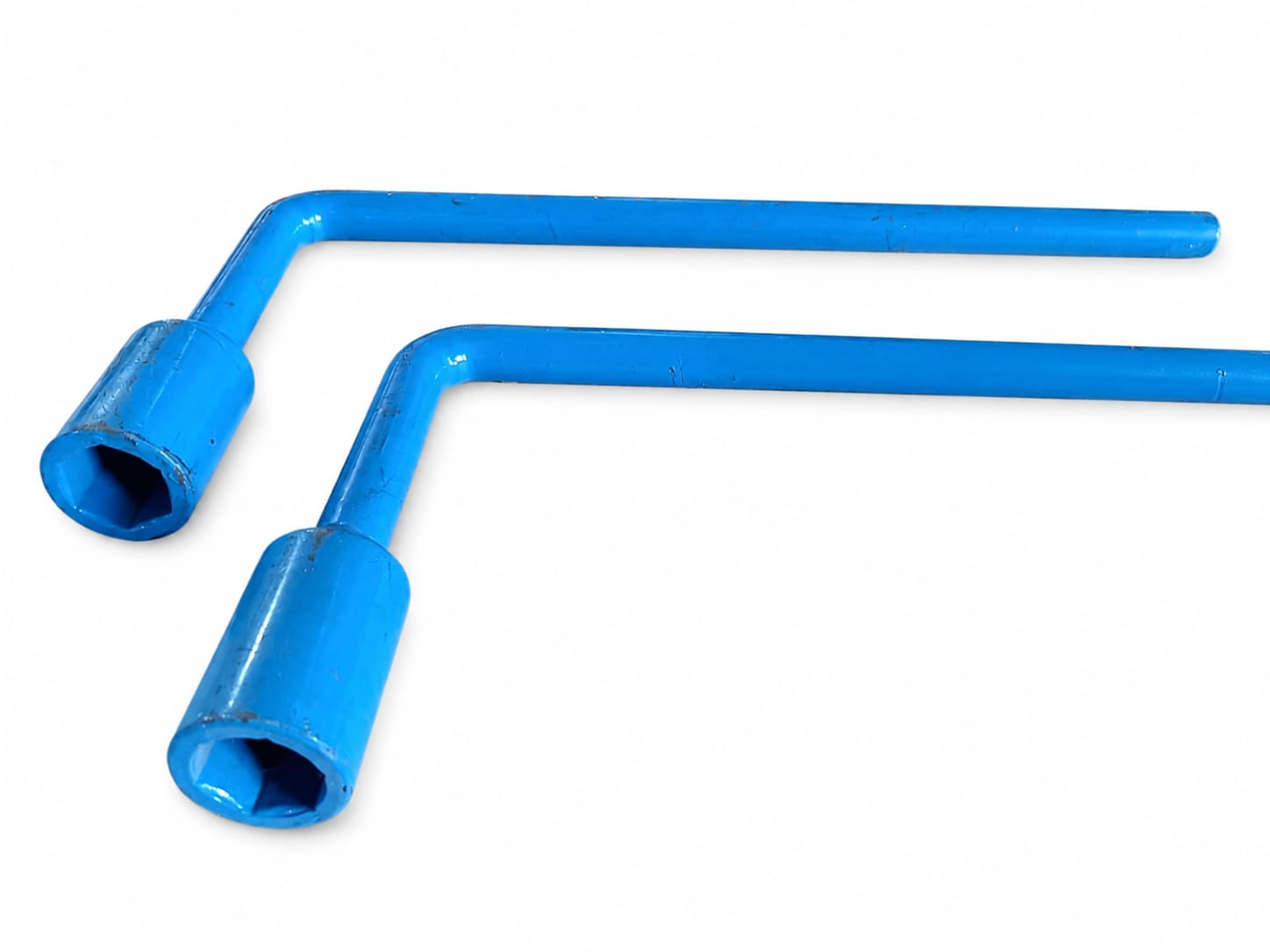
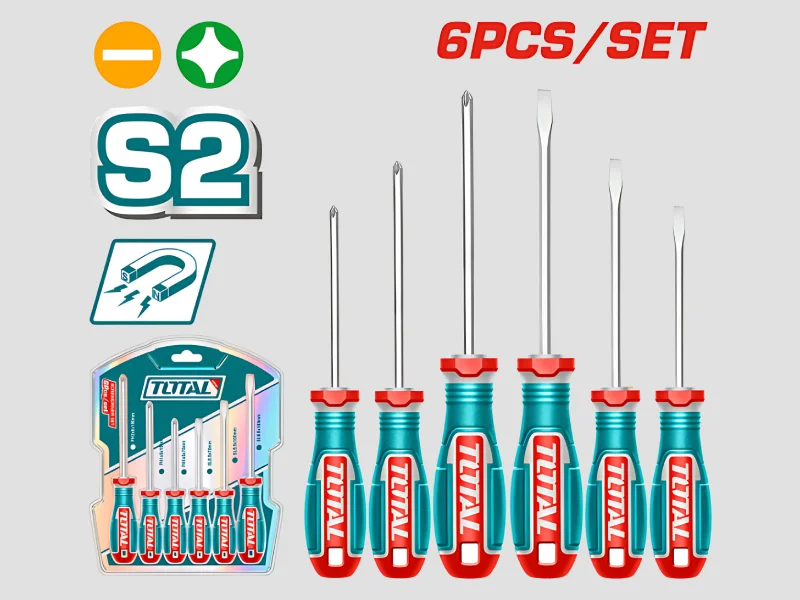
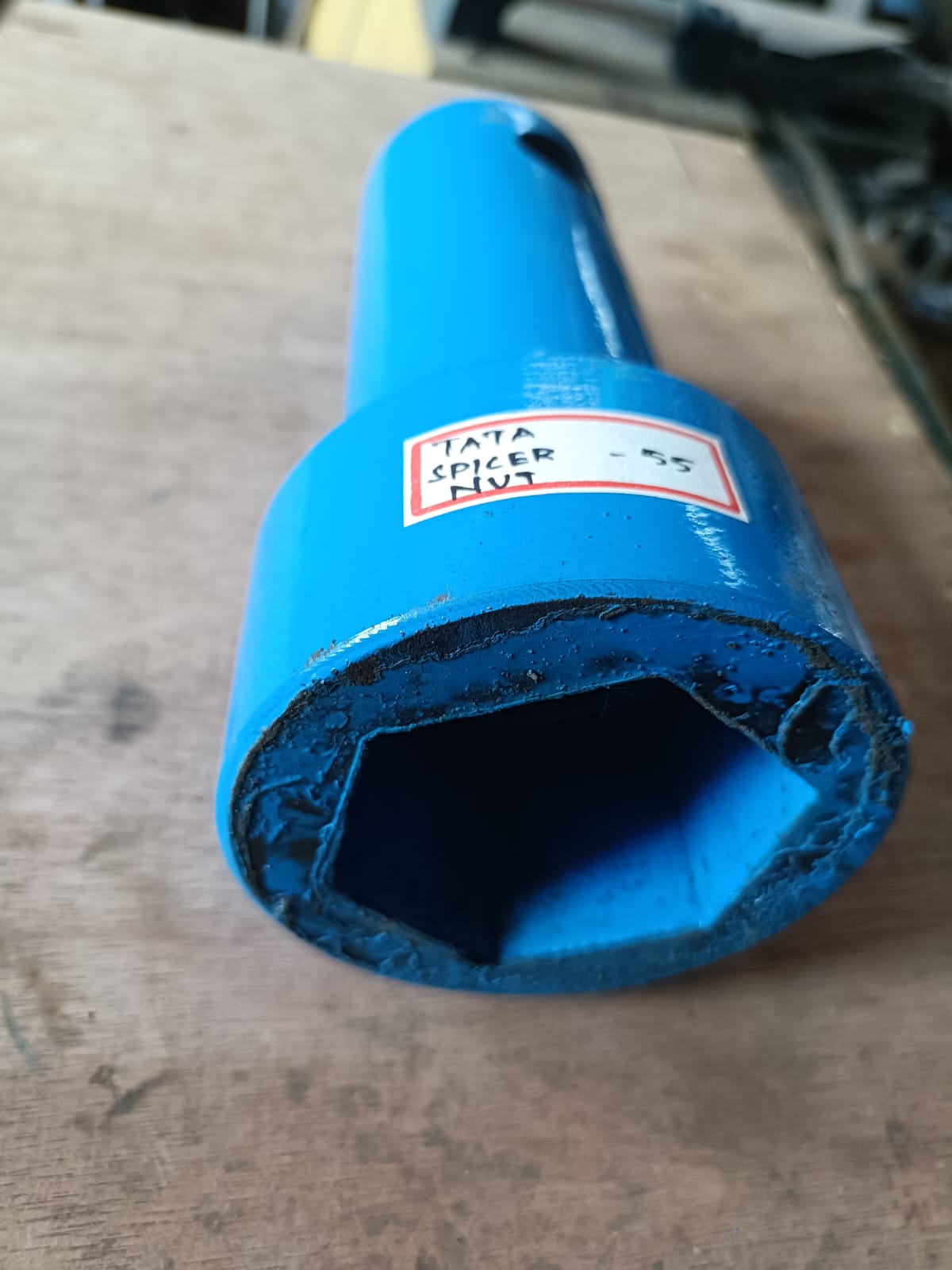
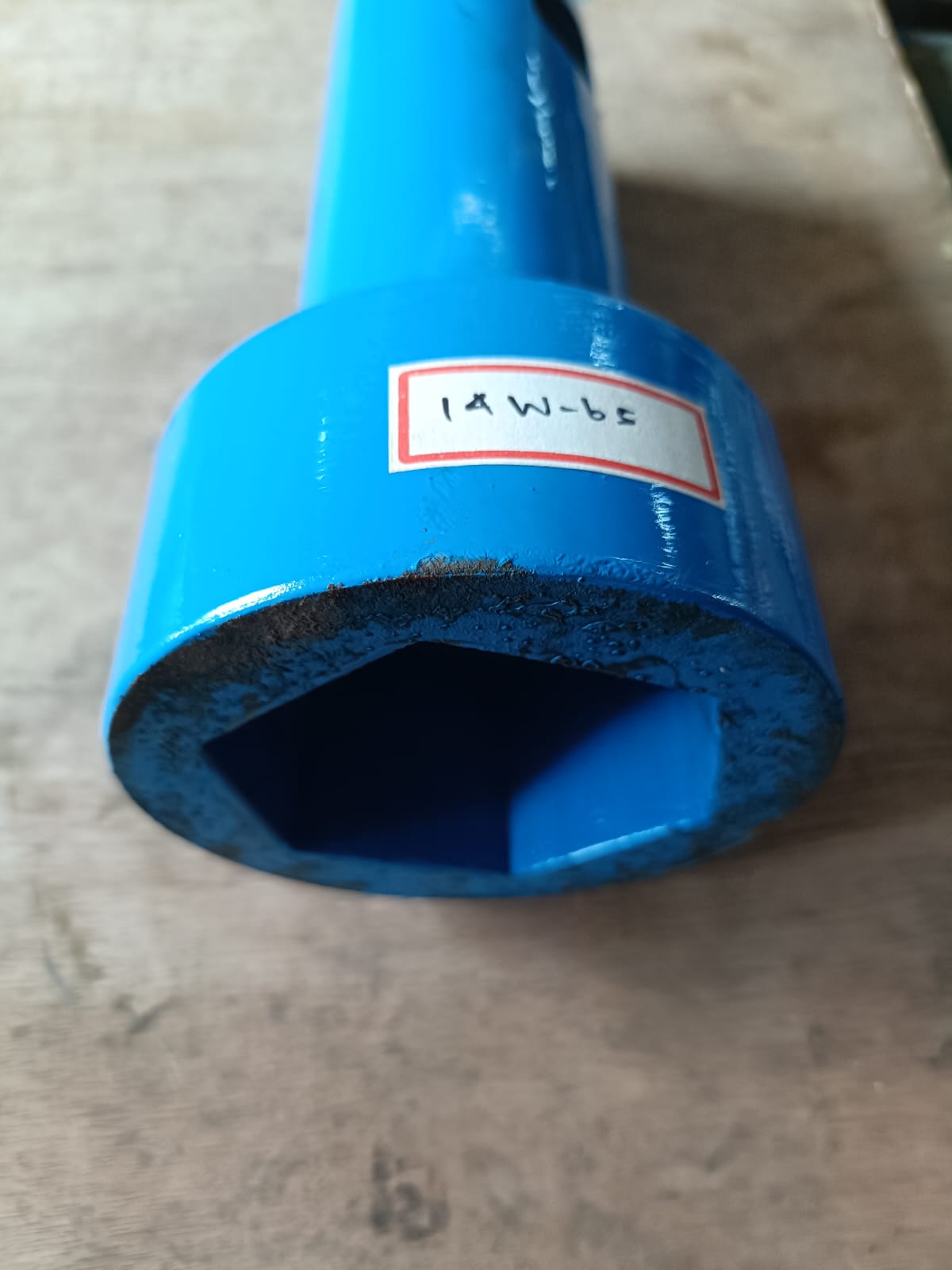
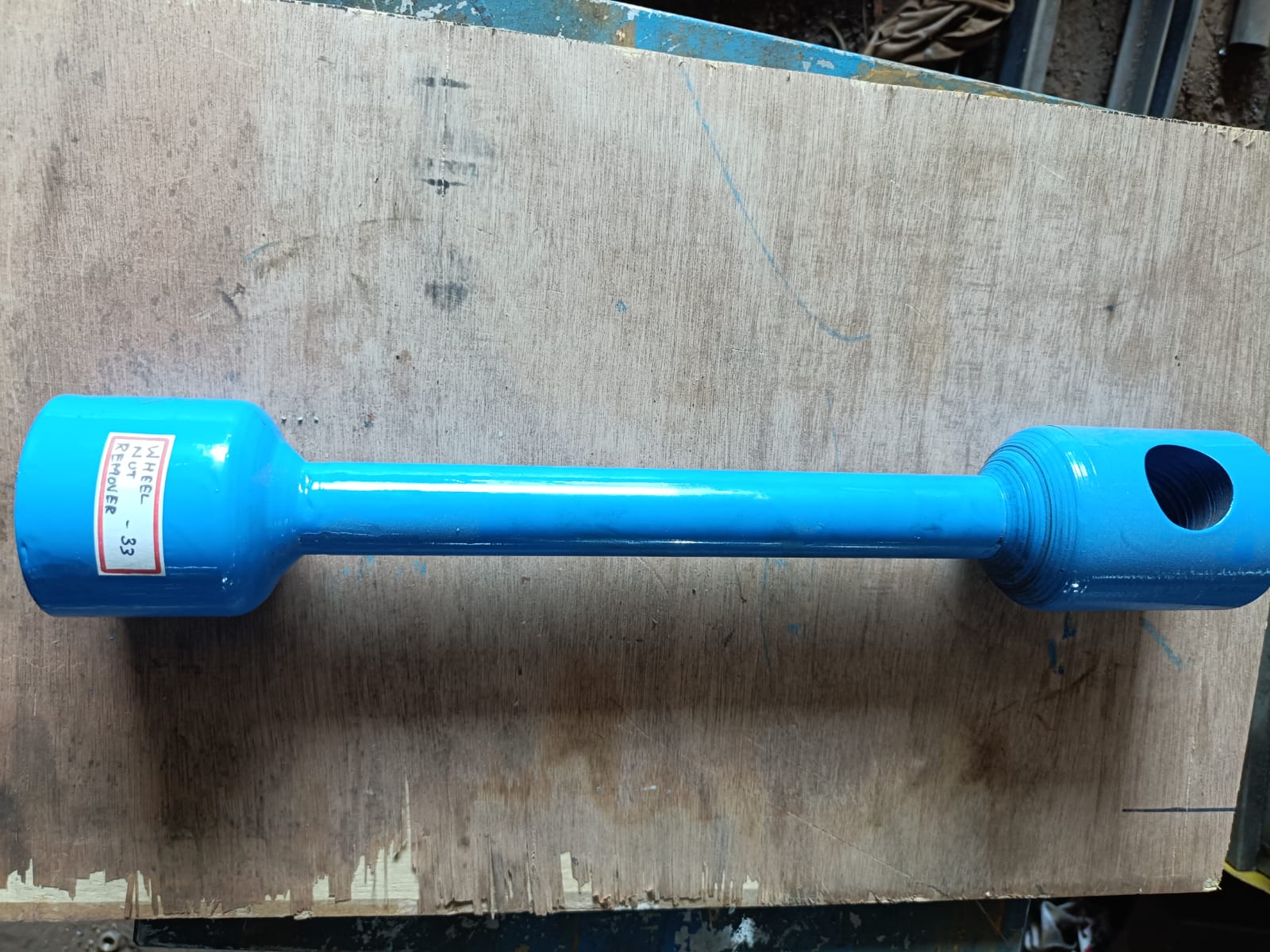
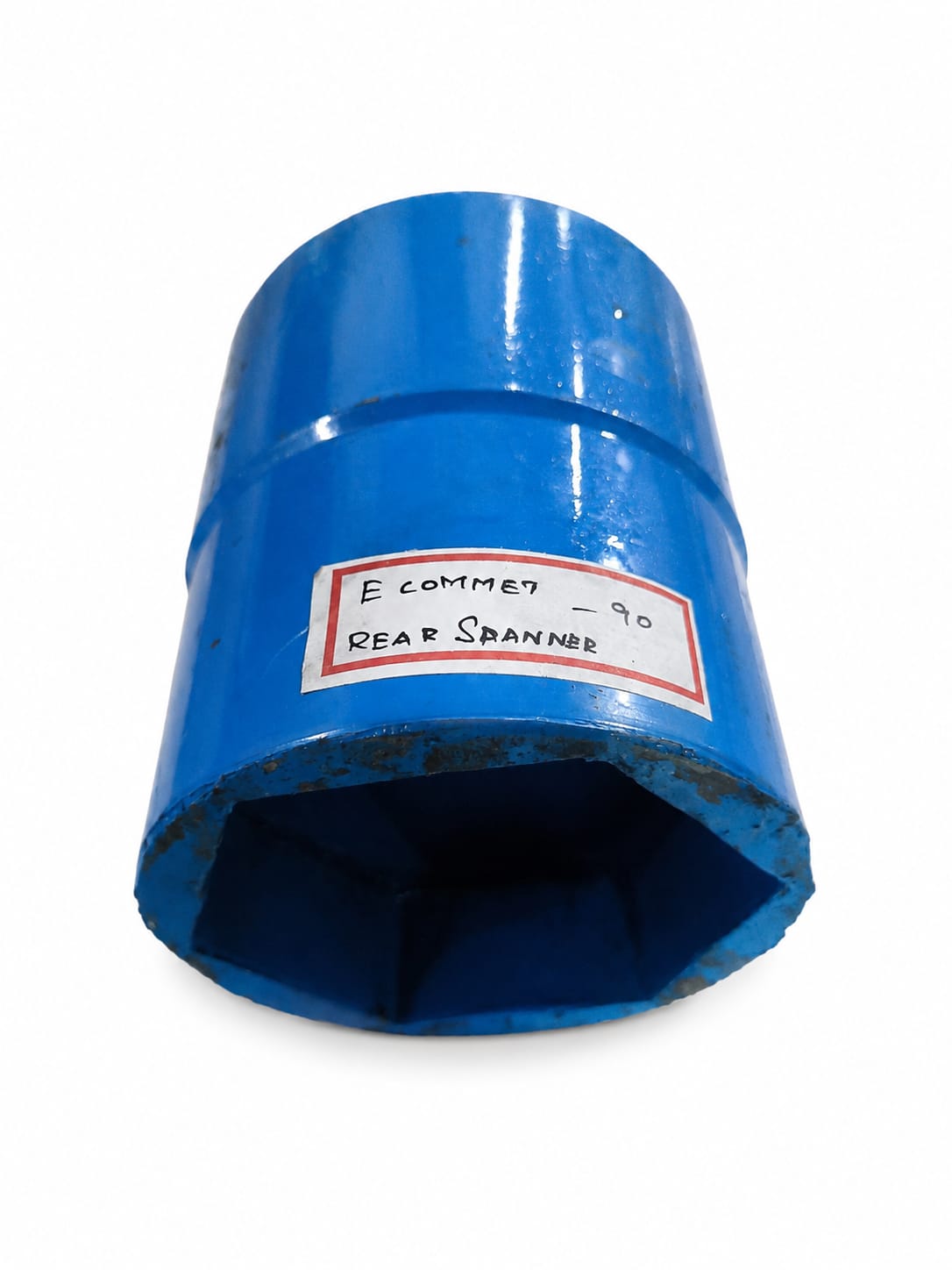
Hand tools are fundamental in maintenance and repair tasks. They include wrenches, screwdrivers, pliers, and hammers. These tools provide precision and control for various manual applications.
Power Tools
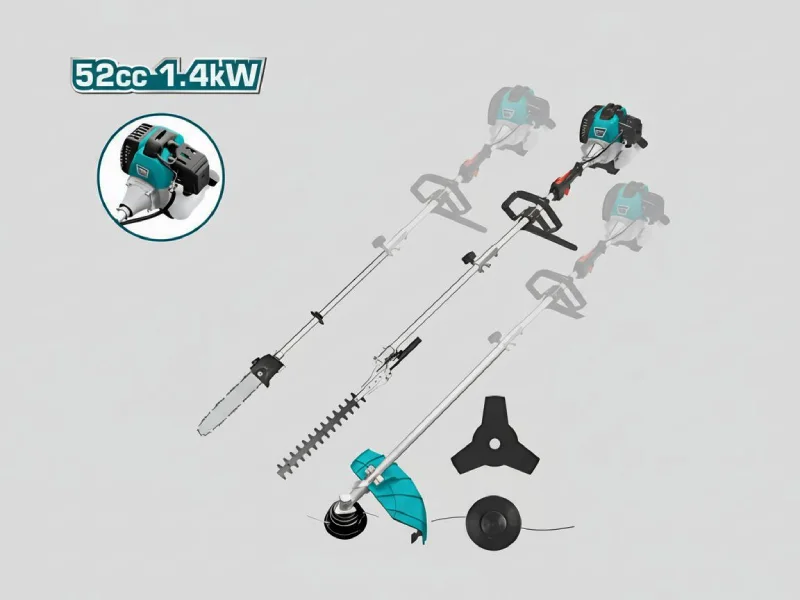
Power tools enhance efficiency and reduce labor intensity. Common types include drills, saws, and grinders. They are ideal for heavy-duty tasks and can significantly expedite work processes.
Diagnostic Tools
Diagnostic tools are essential for troubleshooting and assessing equipment performance. These may include multimeters, oscilloscopes, and specialized software used in various industries.
𝗕𝗲𝗻𝗲𝗳𝗶𝘁𝘀 𝗮𝗻𝗱 𝗔𝗱𝘃𝗮𝗻𝘁𝗮𝗴𝗲𝘀
Investing in maintenance and repair tools offers several advantages for businesses.
1. Increased Efficiency: Quality tools enable faster repairs and maintenance, reducing downtime and improving productivity.
2. Cost Savings: Regular maintenance using the right tools can prevent costly repairs and replacements in the long run.
3. Enhanced Safety: Proper tools ensure that tasks are completed safely, reducing the risk of accidents and injuries.
4. Improved Quality: High-quality tools lead to better workmanship, resulting in more reliable equipment and systems.
5. User Comfort: Ergonomically designed tools reduce strain on workers, promoting a healthier work environment.
6. Long-Term Value: Durable tools provide lasting performance, making them a wise investment for businesses.
𝗕𝘂𝘆𝗶𝗻𝗴 𝗚𝘂𝗶𝗱𝗲 𝗳𝗼𝗿 𝗕𝟮𝗕 𝗕𝘂𝘆𝗲𝗿𝘀
When sourcing maintenance and repair tools, buyers should consider several important factors to make informed decisions.
1. Quality Assessment: Evaluate the quality of tools based on material, design, and manufacturer reputation. Look for tools that meet industry standards for durability and reliability.
2. Supplier Verification: Vet suppliers by checking their credentials, customer reviews, and certifications. Reliable suppliers will offer guarantees and support.
3. Pricing and MOQ: Understand pricing structures and minimum order quantities. Compare costs across different suppliers to ensure competitive pricing.
4. Delivery and Lead Times: Assess logistics capabilities to ensure timely delivery of tools. Consider lead times when planning projects.
5. Compliance Requirements: Verify that tools meet relevant compliance and regulatory standards for safety and performance in your industry.
𝗖𝗼𝗺𝗽𝗹𝗶𝗮𝗻𝗰𝗲 𝗮𝗻𝗱 𝗖𝗲𝗿𝘁𝗶𝗳𝗶𝗰𝗮𝘁𝗶𝗼𝗻𝘀
Compliance and certifications are critical aspects of maintenance and repair tools. Many tools must adhere to quality standards such as ISO 9001, which focuses on quality management systems. This ensures that manufacturers follow rigorous quality control processes.
In addition, industry certifications like CE indicate that the tools meet specific European safety and health regulations. Safety and testing requirements are usually established by industry standards, ensuring the tools are safe for use and perform as intended.
Regional compliance considerations are essential for businesses operating in multiple jurisdictions. Understanding local regulations can help avoid legal issues and ensure tools are suitable for specific markets.
𝗪𝗵𝘆 𝗦𝗼𝘂𝗿𝗰𝗲 𝗠𝗮𝗶𝗻𝘁𝗲𝗻𝗮𝗻𝗰𝗲 & 𝗥𝗲𝗽𝗮𝗶𝗿 𝗧𝗼𝗼𝗹𝘀 𝗳𝗿𝗼𝗺 𝗣𝗲𝗽𝗮𝗴𝗼𝗿𝗮?
Pepagora provides a trusted platform for sourcing maintenance and repair tools, offering several key advantages for B2B buyers.
Verified Supplier Network: Pepagora features a network of verified suppliers, ensuring that buyers can source high-quality tools from reputable manufacturers. This reduces the risk of purchasing substandard products.
Streamlined RFQ Process: The platform simplifies the request for quotation process, allowing buyers to quickly compare offers from multiple suppliers. This enhances decision-making efficiency.
Trade Assurance and Support: Pepagora offers trade assurance, providing buyers with protection against non-compliance and ensuring that transactions are secure. Customer support is also readily available to assist with inquiries.
Regional Coverage: With a presence in India, the GCC, and Southeast Asia, Pepagora enables businesses to connect with suppliers across multiple regions, enhancing their sourcing capabilities and market reach.

 IN
IN









_832303027_1484.webp)