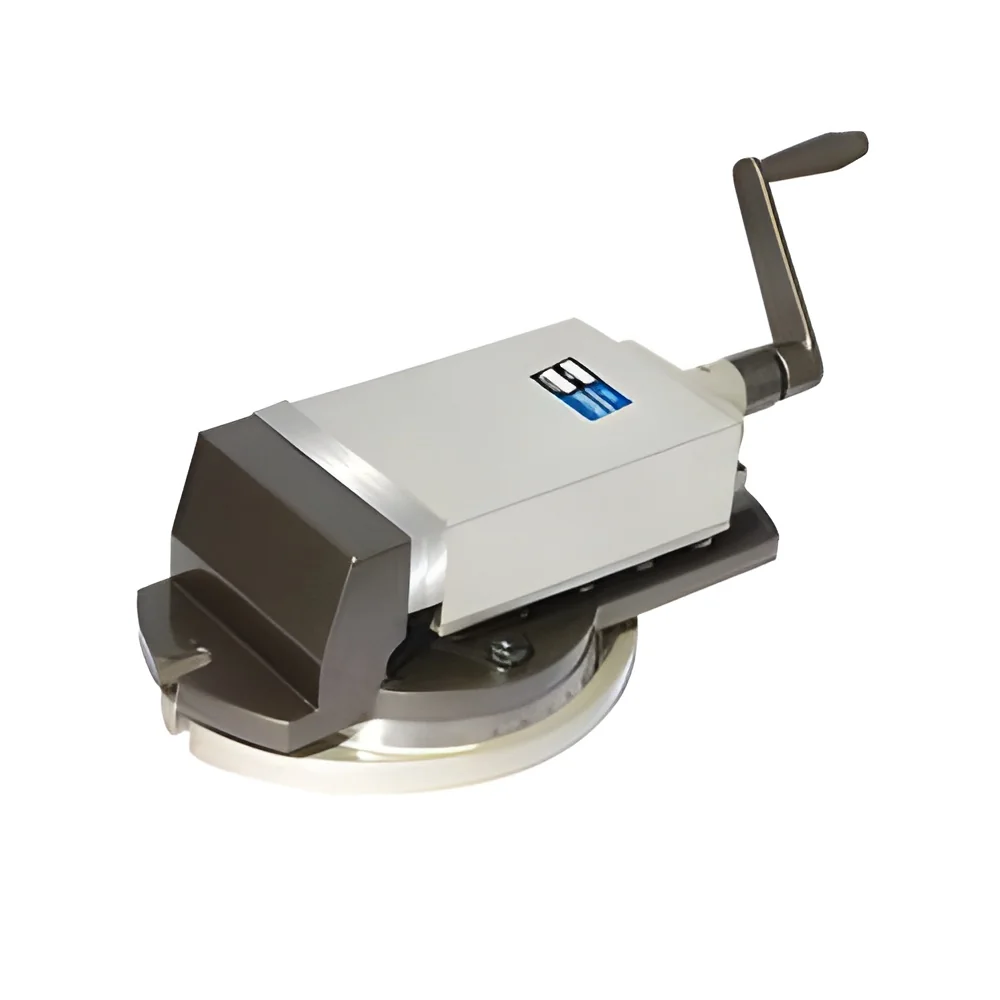
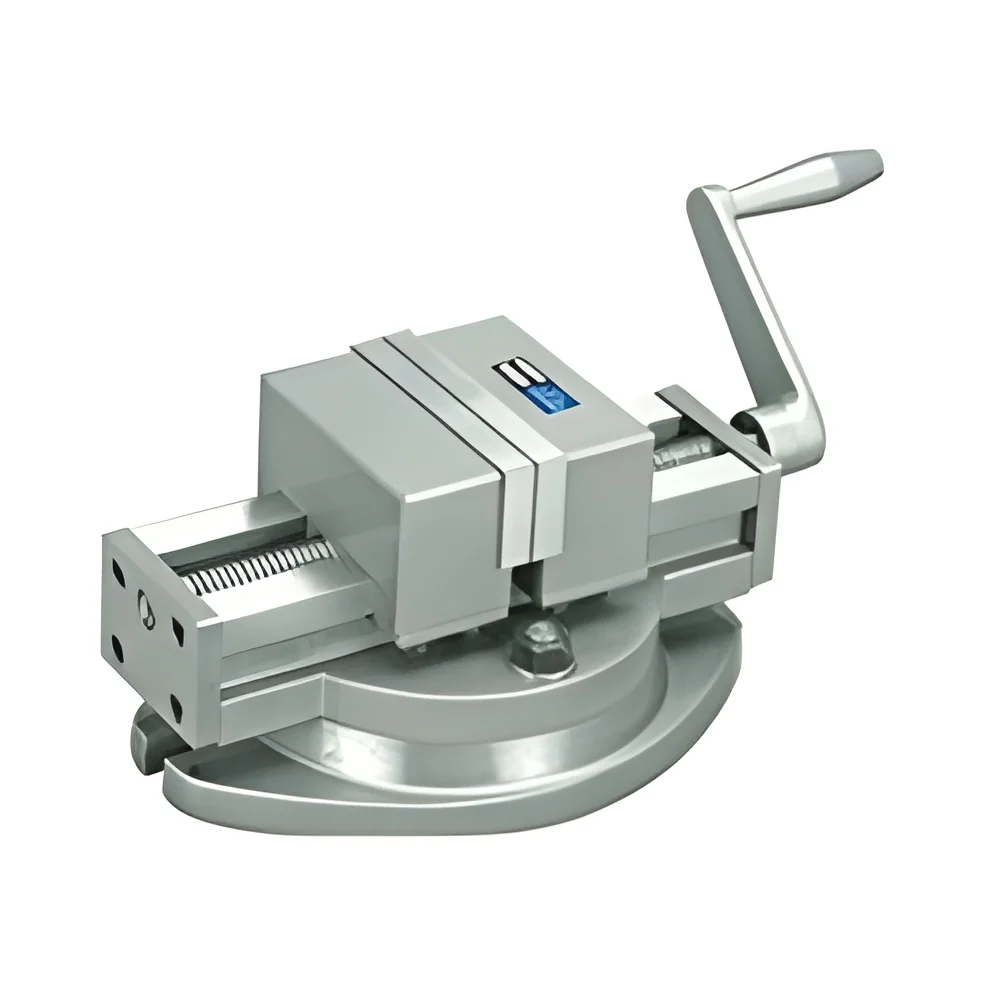
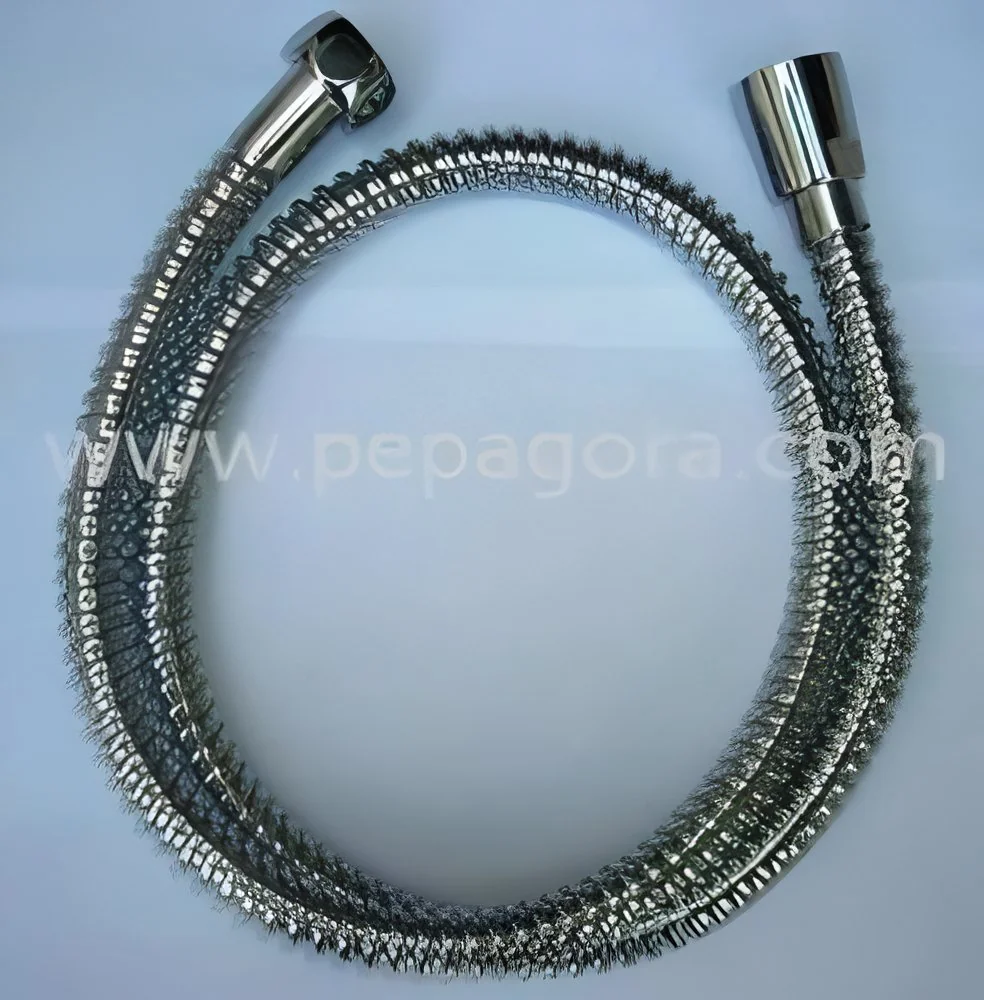
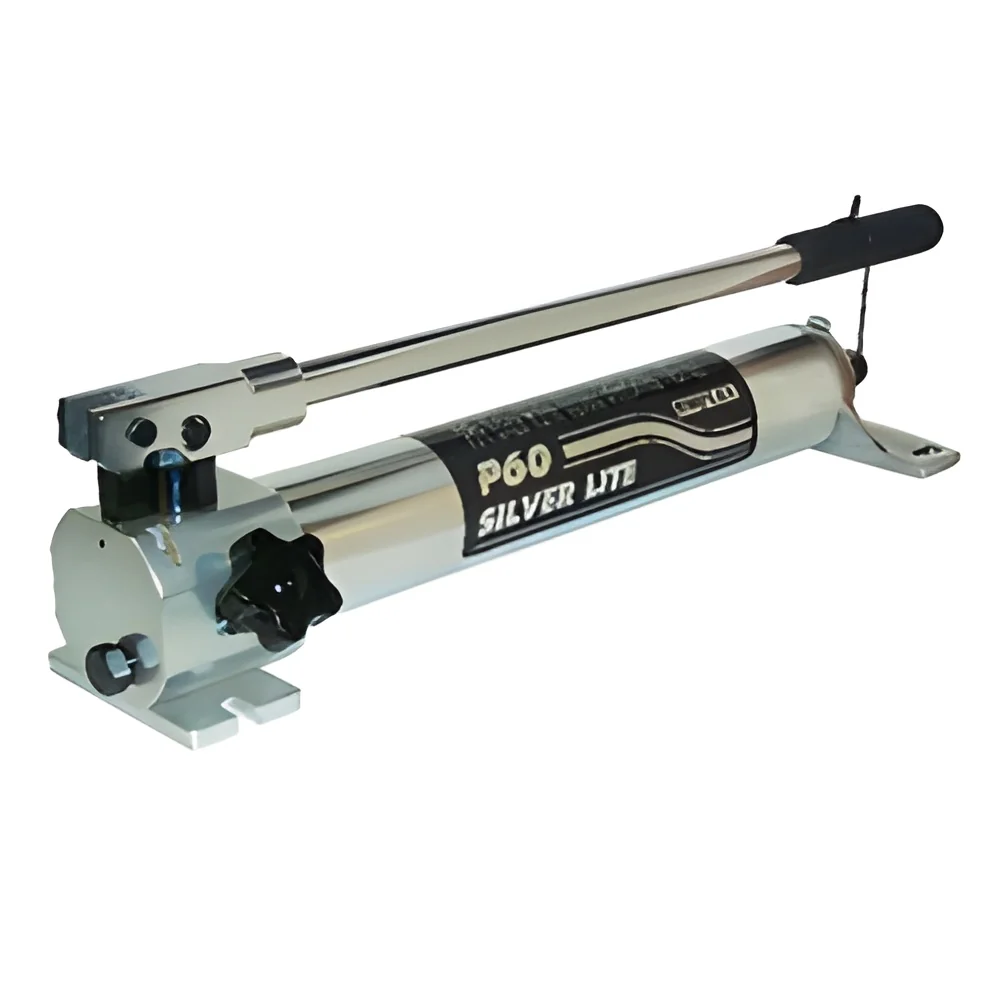
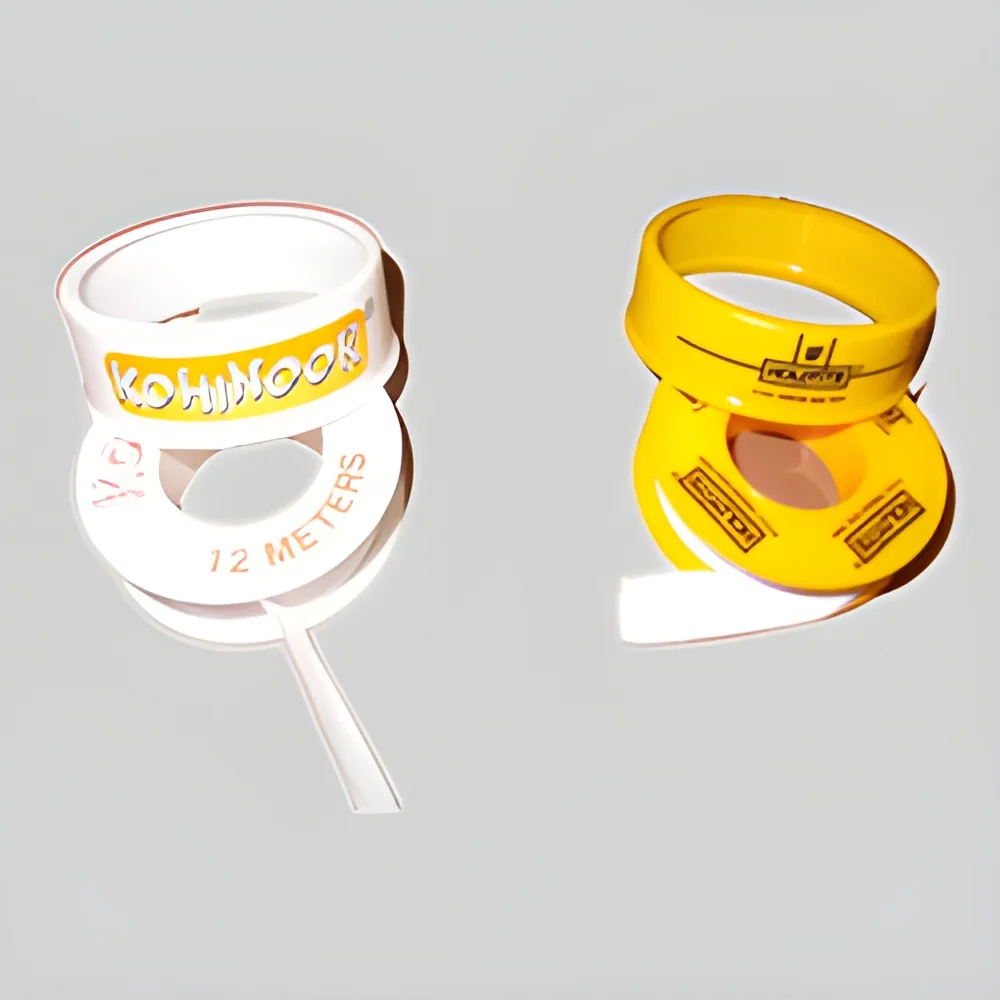
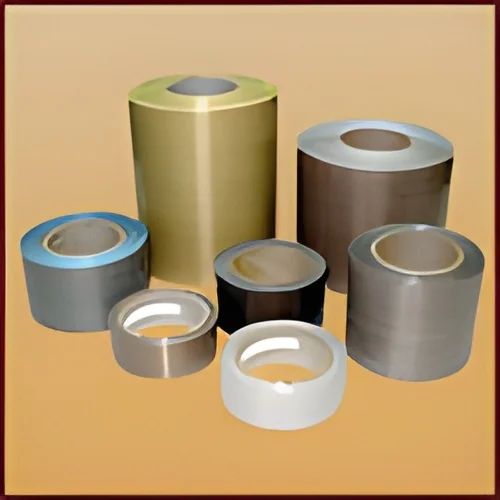
𝗪𝗵𝗮𝘁 𝗮𝗿𝗲 𝗣𝗹𝘂𝗺𝗯𝗶𝗻𝗴 𝗧𝗼𝗼𝗹𝘀?
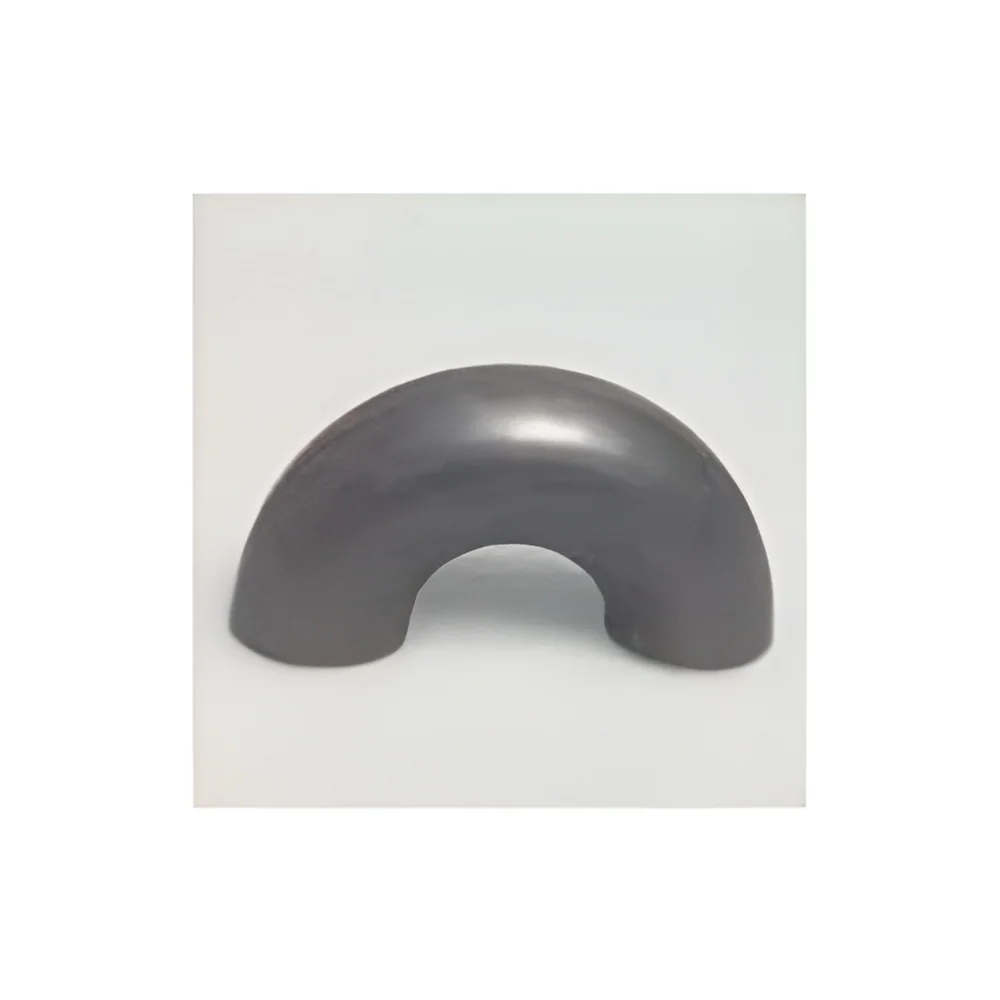
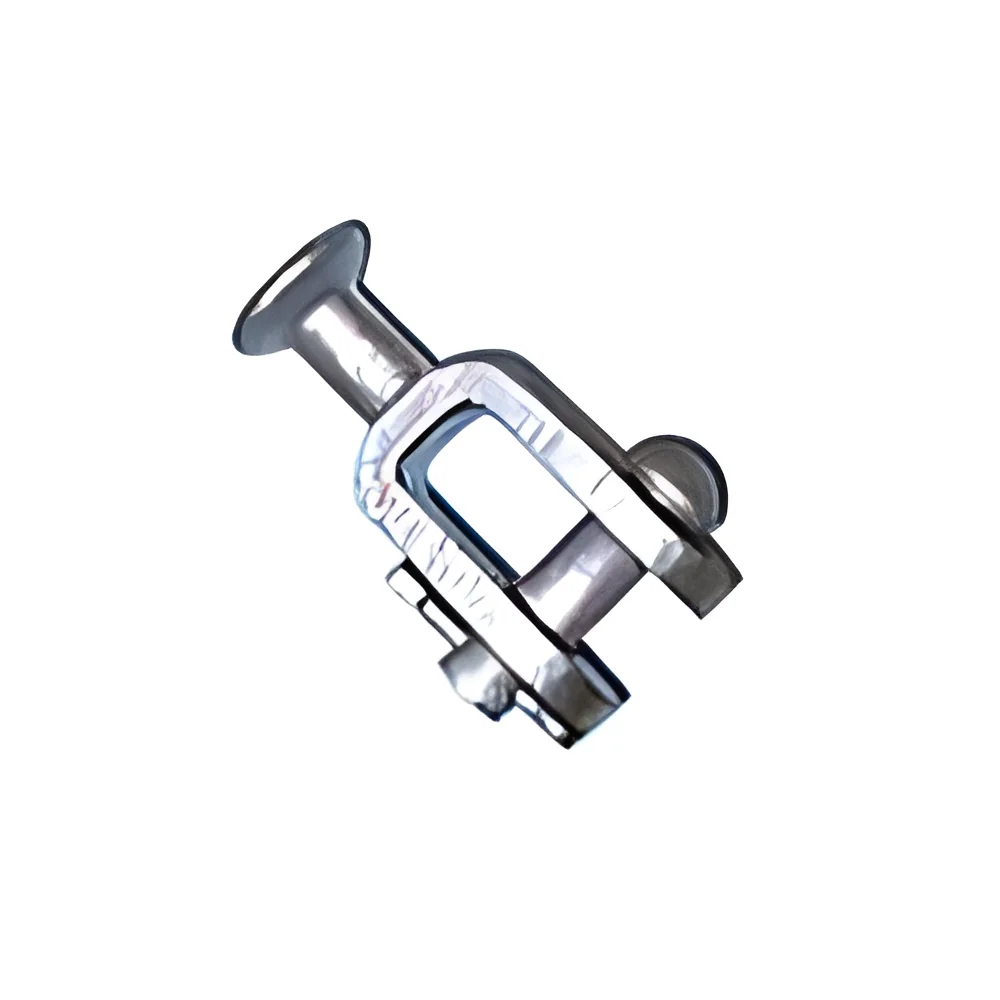
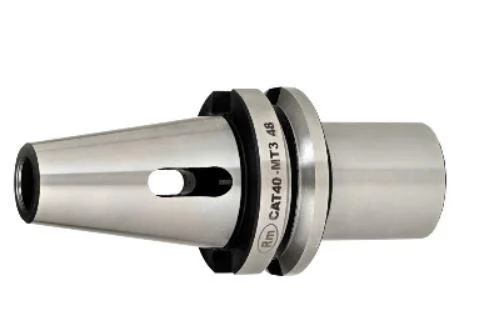
Plumbing tools are essential instruments used in the installation, maintenance, and repair of plumbing systems. These tools range from basic hand tools, such as wrenches and pliers, to specialized equipment like pipe cutters and drain snakes. They are crucial for ensuring that water supply and waste systems function correctly and efficiently. Plumbing tools are designed to handle various tasks, including tightening fittings, cutting pipes, and clearing blockages.
In business applications, plumbing tools are utilized by plumbers, contractors, and facility maintenance personnel. They play a vital role in both residential and commercial settings, addressing issues such as leaks, pipe obstructions, and system installations. The demand for quality plumbing tools is significant in the construction and facilities management industries, where reliable plumbing systems are essential for operational efficiency. As infrastructure development continues to grow globally, the relevance of plumbing tools in the market remains strong.
𝗞𝗲𝘆 𝗙𝗲𝗮𝘁𝘂𝗿𝗲𝘀 𝗮𝗻𝗱 𝗦𝗽𝗲𝗰𝗶𝗳𝗶𝗰𝗮𝘁𝗶𝗼𝗻𝘀
When considering plumbing tools, it is important to understand their key features and specifications. These details can help buyers select the right tools for their specific needs.
Key specifications include:
1. Tool Type
- Various categories include hand tools, power tools, and specialized tools.
- Each type is designed for specific plumbing tasks.
2. Material Quality
- Common materials include stainless steel, brass, and high-carbon steel.
- Durability and resistance to corrosion are critical factors.
3. Size Range
- Tools come in different sizes to accommodate various pipe diameters.
- Sizes can range from small hand tools to larger equipment.
4. Grip Design
- Ergonomic grips are essential for comfort during extended use.
- Non-slip features enhance usability.
5. Weight
- Tools vary in weight depending on their design and purpose.
- Lighter tools are easier to handle, while heavier tools may provide more leverage.
6. Compliance Standards
- Many plumbing tools meet industry standards for safety and performance.
- Certification may include CE marking.
7. Warranty Period
- Warranty durations can indicate the manufacturer's confidence in the product.
- Common warranties range from one to five years.
In summary, when selecting plumbing tools, it is important to consider their specifications and features to ensure they meet the required performance standards.
𝗖𝗼𝗺𝗺𝗼𝗻 𝗔𝗽𝗽𝗹𝗶𝗰𝗮𝘁𝗶𝗼𝗻𝘀 𝗮𝗻𝗱 𝗨𝘀𝗲 𝗖𝗮𝘀𝗲𝘀
Plumbing tools are utilized across various industries, each with unique applications.
1. Residential Plumbing: These tools are essential for home repairs, including fixing leaks, installing fixtures, and unclogging drains.
2. Commercial Plumbing: In commercial settings, plumbing tools are used for larger installations and maintenance tasks in facilities such as hotels, offices, and retail spaces.
3. Construction: Plumbing tools are integral during the construction phase, assisting in the installation of plumbing systems in new buildings.
4. Industrial Applications: In factories and plants, specialized plumbing tools are used for maintaining and repairing complex piping systems.
5. Municipal Services: Plumbing tools are employed by municipal workers to maintain public water supply and sewage systems.
6. Maintenance Services: Facility maintenance teams use plumbing tools for routine inspections and emergency repairs.
7. Automotive: Certain plumbing tools are adapted for use in automotive applications, particularly in cooling systems and fluid exchanges.
𝗣𝗿𝗼𝗱𝘂𝗰𝘁 𝗩𝗮𝗿𝗶𝗮𝗻𝘁𝘀 𝗮𝗻𝗱 𝗦𝘂𝗯𝗰𝗮𝘁𝗲𝗴𝗼𝗿𝗶𝗲𝘀
Plumbing tools offer a range of variants designed for specific tasks and applications.
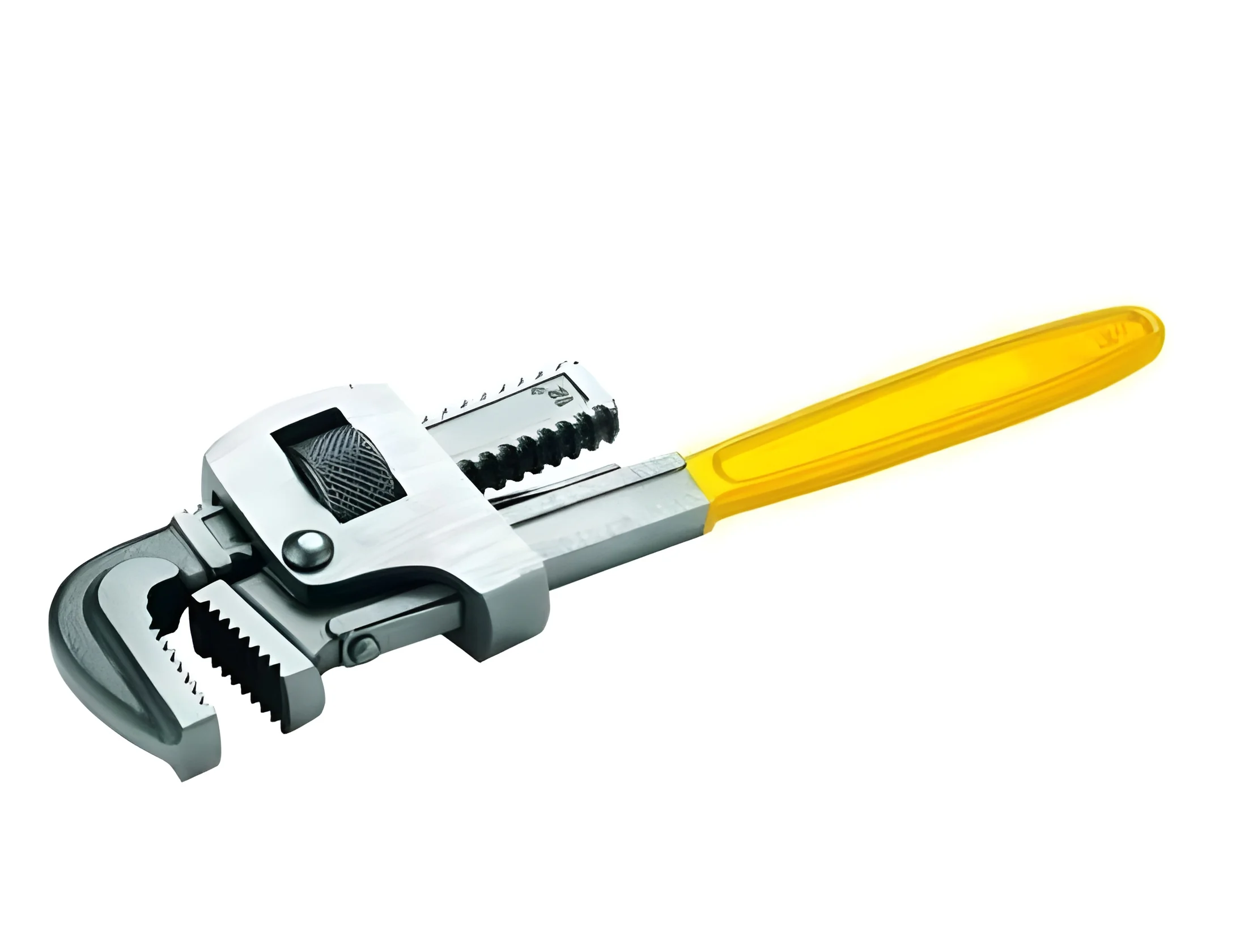
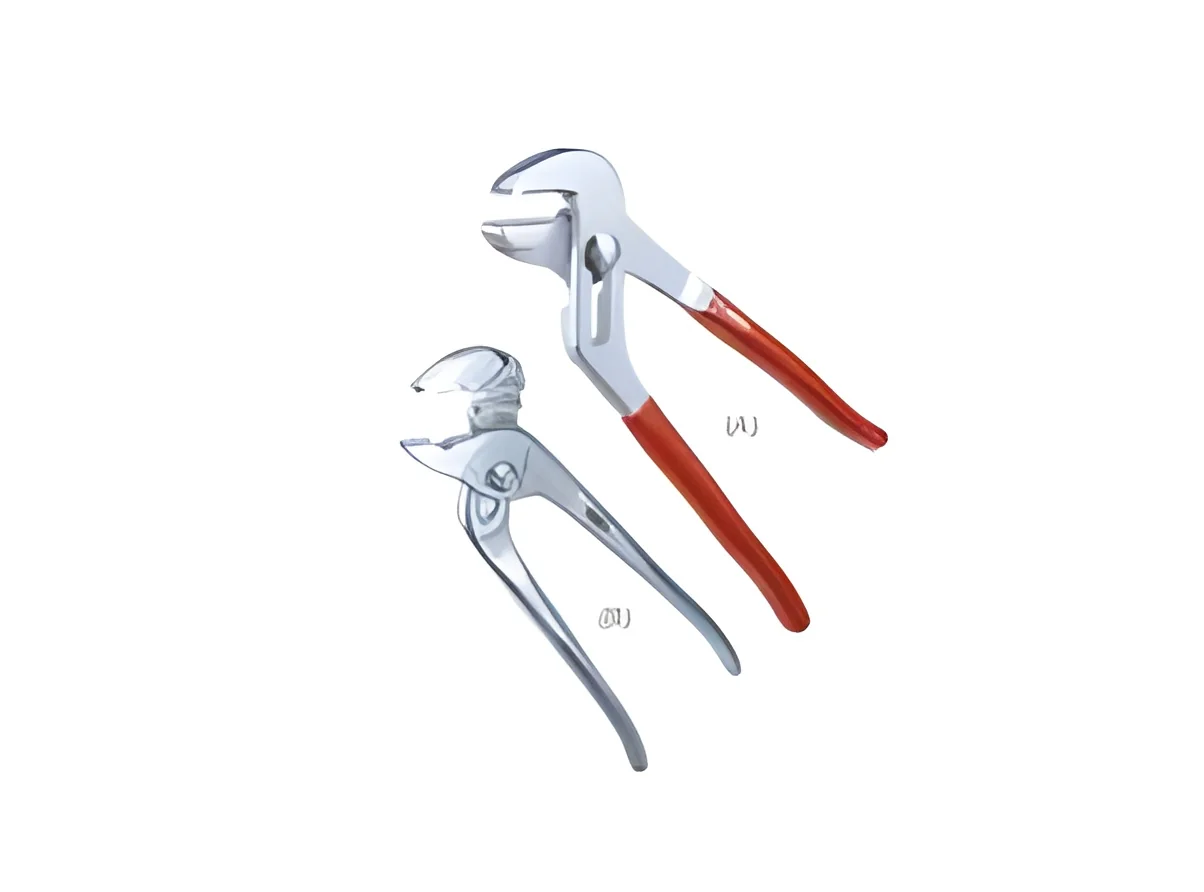
Pipe Wrenches
Pipe wrenches are essential for gripping and turning pipes during installation and repair. Their adjustable jaws accommodate different pipe sizes, making them versatile for various plumbing jobs.
Drain Cleaning Tools
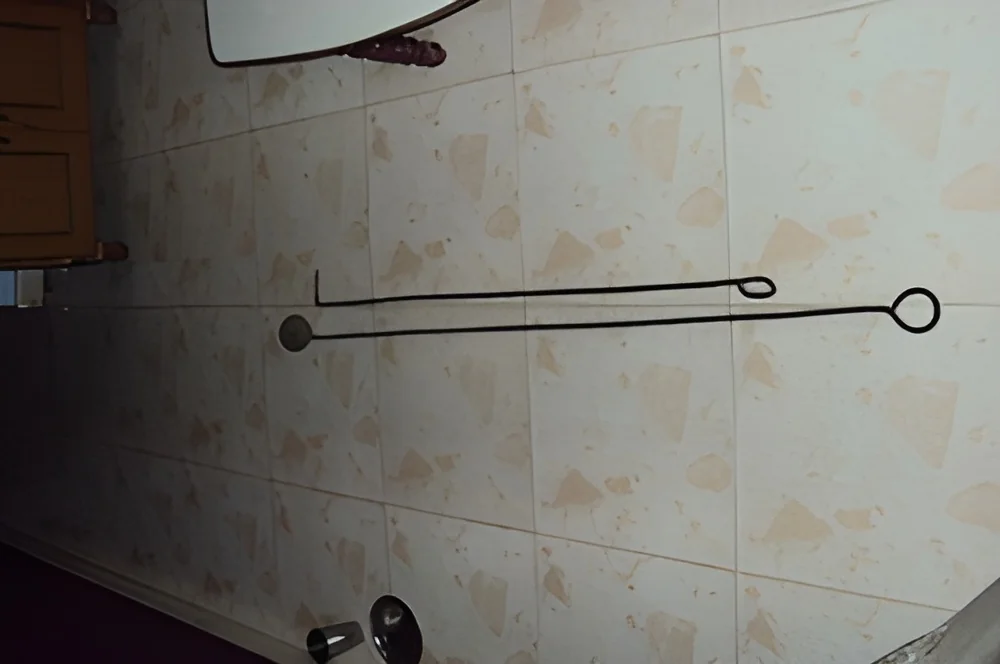
These tools, including augers and snakes, are designed to clear blockages in drains and pipes. They are critical for maintaining drainage systems in residential and commercial buildings.
Pipe Cutting Tools
Pipe cutters are specifically designed for cutting pipes cleanly and accurately. They are used in both installation and repair tasks to ensure proper fit and function of plumbing systems.
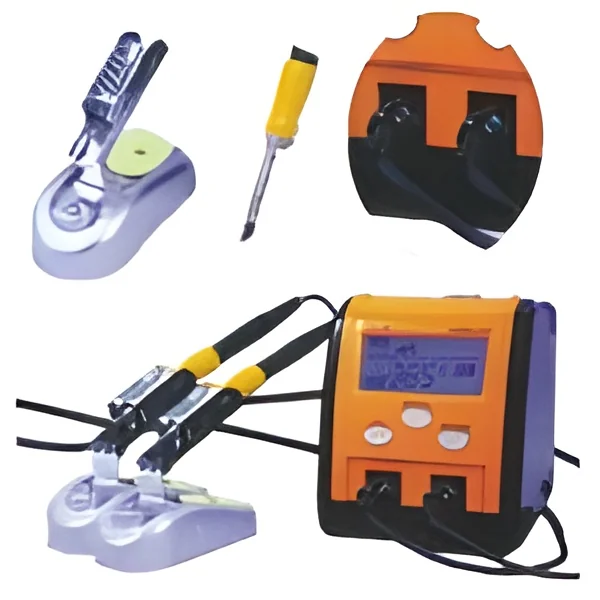
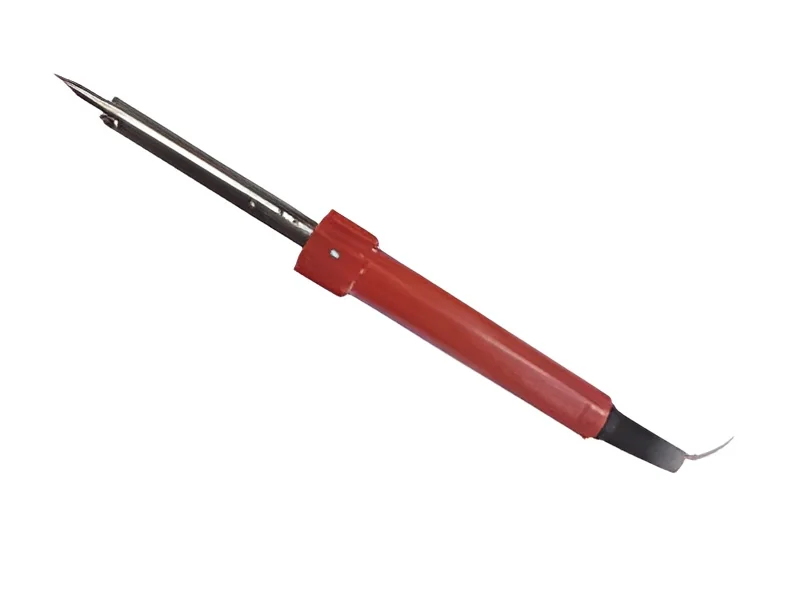
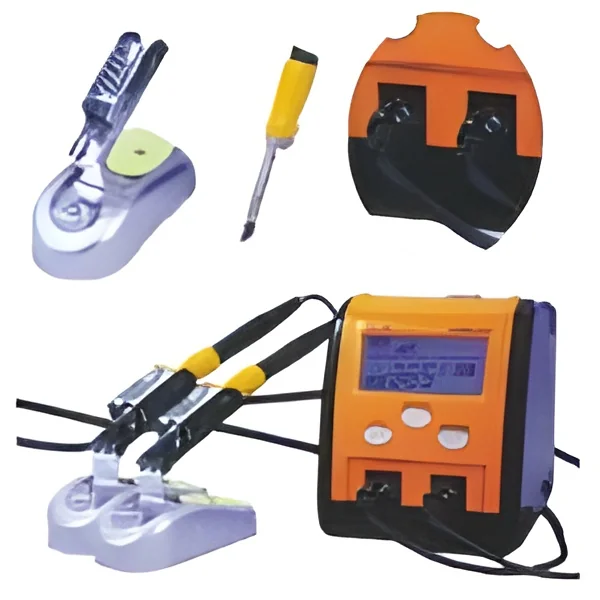
Soldering and Welding Tools
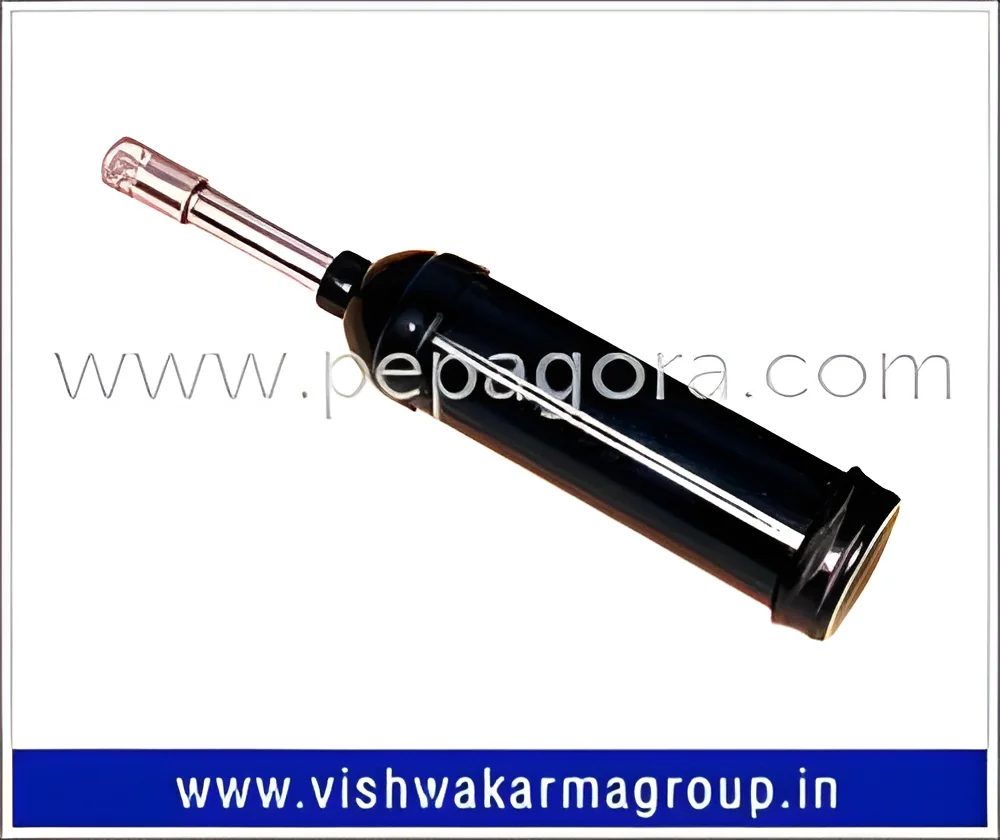
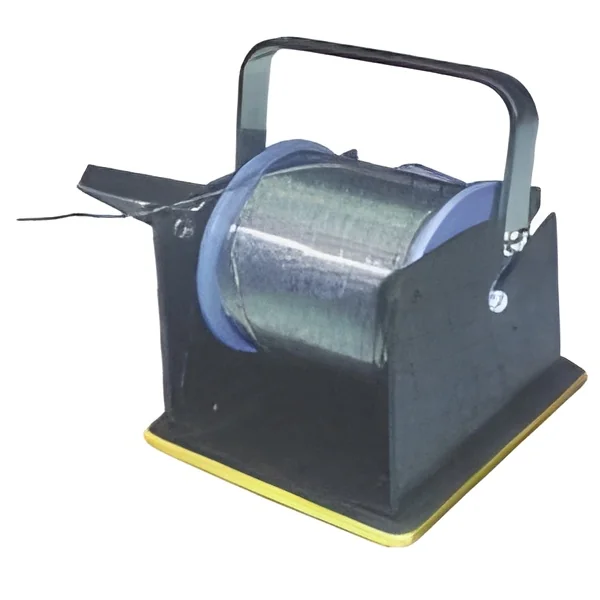
These tools are used for joining metal pipes and fittings. They include soldering irons and torches, which are essential for creating strong, leak-proof connections.
𝗕𝗲𝗻𝗲𝗳𝗶𝘁𝘀 𝗮𝗻𝗱 𝗔𝗱𝘃𝗮𝗻𝘁𝗮𝗴𝗲𝘀
Investing in high-quality plumbing tools offers several benefits that can enhance operational efficiency.
1. Durability: Quality plumbing tools are designed to withstand rigorous use, reducing the frequency of replacements.
2. Efficiency: Specialized tools save time and effort, allowing professionals to complete tasks more quickly.
3. Precision: Tools designed for specific tasks ensure accurate results, minimizing the risk of errors.
4. Safety: High-quality tools often come with safety features that reduce the risk of accidents during use.
5. Ergonomics: Tools designed with user comfort in mind help prevent strain and fatigue during prolonged use.
6. Cost-Effectiveness: Investing in reliable tools can lead to long-term savings by reducing the need for repairs and replacements.
𝗕𝘂𝘆𝗶𝗻𝗴 𝗚𝘂𝗶𝗱𝗲 𝗳𝗼𝗿 𝗕𝟮𝗕 𝗕𝘂𝘆𝗲𝗿𝘀
When sourcing plumbing tools, B2B buyers should consider multiple factors to ensure they make informed decisions.
1. Quality Assessment: Buyers should evaluate the quality of materials and craftsmanship. Look for tools that meet industry standards for durability and performance.
2. Supplier Verification: Vetting suppliers is crucial to ensure they are reputable and reliable. Check for certifications and customer reviews to gauge their credibility.
3. Pricing and MOQ: Understand the pricing structure and minimum order quantities. This can vary significantly between suppliers, affecting overall purchasing costs.
4. Delivery and Lead Times: Consider logistics, including shipping options and estimated delivery times. Timely delivery is critical for project schedules.
5. Compliance Requirements: Be aware of local regulations and compliance standards that may apply to plumbing tools. Ensure that products meet these requirements to avoid legal issues.
𝗖𝗼𝗺𝗽𝗹𝗶𝗮𝗻𝗰𝗲 𝗮𝗻𝗱 𝗖𝗲𝗿𝘁𝗶𝗳𝗶𝗰𝗮𝘁𝗶𝗼𝗻𝘀
Compliance and certifications are vital considerations for plumbing tools. Many tools adhere to international quality standards such as ISO 9001, which ensures consistent quality management practices. Additionally, industry certifications like CE marking indicate compliance with European safety standards.
Safety and testing requirements are crucial for ensuring that plumbing tools are safe to use and perform effectively. This may include testing for durability, functionality, and user safety.
Regional compliance considerations can impact the selection of plumbing tools. Different regions may have specific regulations that must be met, especially in industries like construction and municipal services.
𝗪𝗵𝘆 𝗦𝗼𝘂𝗿𝗰𝗲 𝗣𝗹𝘂𝗺𝗯𝗶𝗻𝗴 𝗧𝗼𝗼𝗹𝘀 𝗳𝗿𝗼𝗺 𝗣𝗲𝗽𝗮𝗴𝗼𝗿𝗮?
Pepagora provides a trusted platform for sourcing plumbing tools with several key advantages.
Verified Supplier Network: Pepagora ensures that all suppliers in its network undergo rigorous verification processes. This gives buyers confidence in the quality and reliability of the tools they purchase.
Streamlined RFQ Process: The Request for Quotation (RFQ) process is designed to be efficient, allowing buyers to receive competitive quotes from multiple suppliers quickly. This helps in making informed purchasing decisions.
Trade Assurance and Support: Pepagora offers trade assurance programs that protect buyers during transactions. This includes support for dispute resolution and guarantees on product quality.
Regional Coverage: Pepagora has a wide geographic reach, covering regions such as India, the GCC, and Southeast Asia. This ensures that buyers have access to a diverse range of plumbing tools and suppliers, catering to different market needs.

 IN
IN