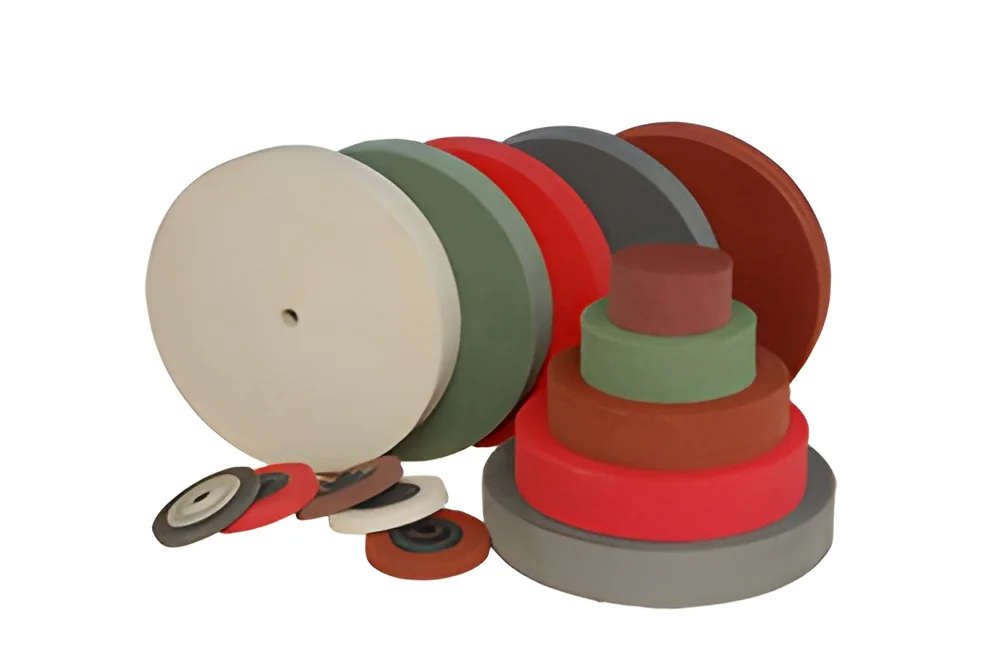
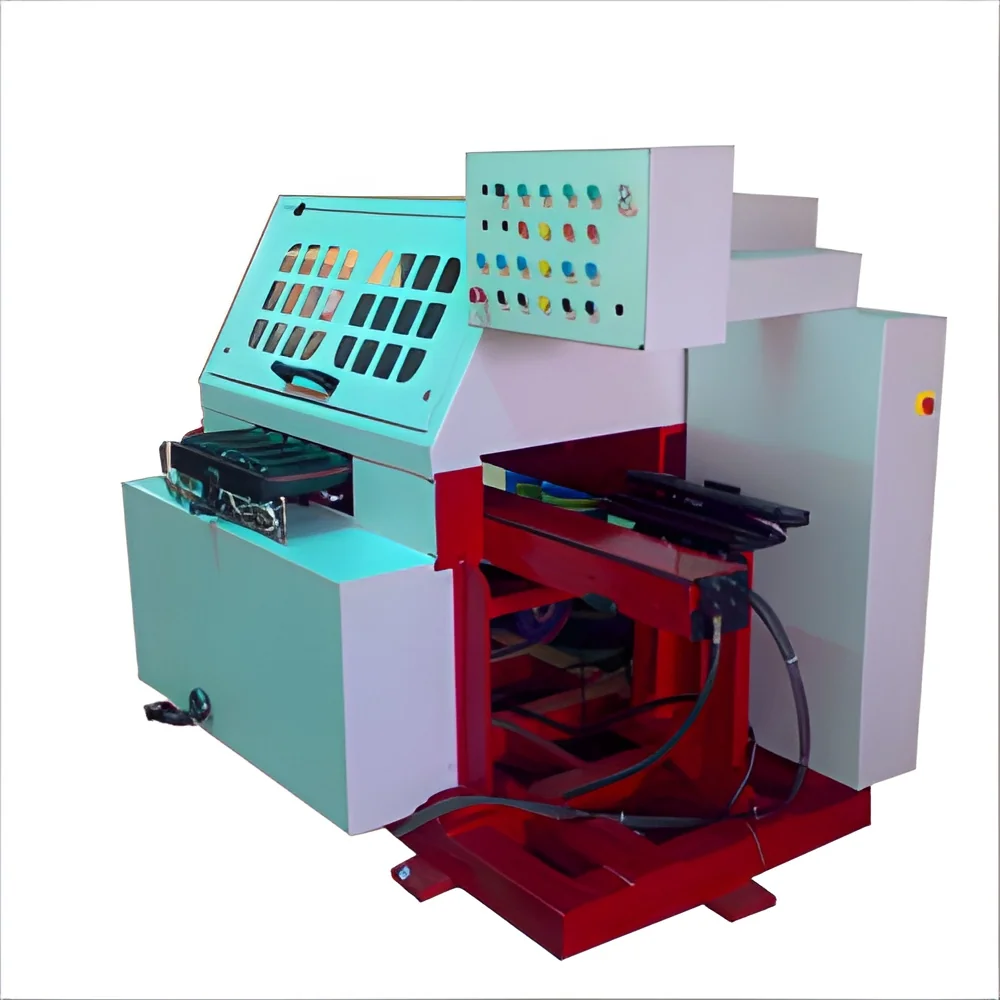
What are Deburring Tools?
Deburring tools are specialized instruments designed to remove burrs, sharp edges, and imperfections from the surfaces of machined parts. Burrs are typically created during the manufacturing process, such as cutting, drilling, or grinding, and can pose safety risks or interfere with the functionality of the components. Deburring tools are essential in achieving a smooth finish, enhancing the safety and performance of the final products.
These tools are used across various industries including manufacturing, automotive, aerospace, and construction. In manufacturing, deburring tools ensure that parts fit together correctly, reducing wear and tear and improving overall efficiency. In the automotive sector, they help maintain safety standards by eliminating sharp edges that could cause injuries. As industries continue to prioritize quality and safety, the relevance of deburring tools in the market remains high, making them a crucial consideration for manufacturers.
Key Features and Specifications
Deburring tools come with a range of features and specifications tailored to meet specific industry needs. Understanding these specifications is crucial for selecting the right tool for your applications.
Key specifications include:
1. Tool Type
- Manual or powered options available
- Various designs for specific applications
2. Material Composition
- Made from high-speed steel, carbide, or other durable materials
- Resistance to wear and corrosion
3. Cutting Edge Design
- Various geometries to suit different surfaces
- Options for single or multiple cutting edges
4. Size and Weight
- Range of sizes for different parts and applications
- Lightweight options for ease of use
5. Compatibility
- Designed to work with various materials such as metal, plastic, and wood
- Versatility across different manufacturing processes
6. Safety Features
- Ergonomic handles and guards
- Compliance with safety standards
7. Operating Speed
- Recommended RPM ranges for powered tools
- Efficiency in material removal
8. Finish Type
- Options for fine or rough finishes
- Ability to produce a polished surface
Choosing the right specifications ensures optimal performance and efficiency in your operations.
Common Applications and Use Cases
Deburring tools serve various industries with distinct applications.
1. Manufacturing: In manufacturing, deburring tools ensure that machined components are free of sharp edges, allowing for safer assembly and operation.
2. Automotive: The automotive industry utilizes deburring tools to enhance the safety and performance of vehicles by removing burrs from engine parts and body panels.
3. Aerospace: In aerospace, precision is critical. Deburring tools help maintain the integrity of components, ensuring they meet stringent safety and performance standards.
4. Construction: Deburring tools are used to smooth edges on metal and plastic components, reducing the risk of injury during installation.
5. Electronics: In electronics, deburring tools help in refining circuit boards and metal casings, contributing to better product quality and reliability.
6. Medical Devices: Deburring tools are essential in the medical industry for creating safe and reliable equipment, ensuring that all edges are smooth and free of potential hazards.
7. Furniture Manufacturing: In furniture manufacturing, these tools are used to ensure that surfaces are smooth and safe for handling.
Product Variants and Subcategories
Deburring tools come in various forms to cater to different needs.
Handheld Deburring Tools: These manual tools are designed for precision work and allow users to control the deburring process closely. They are ideal for small-scale jobs and detailed applications.
Power Deburring Tools: These tools use electricity or compressed air to enhance speed and efficiency. They are suitable for larger manufacturing operations where time and volume are critical.
Rotary Deburring Tools: Designed to be used with power drills, these tools can quickly remove material from a surface. They are effective for high-volume production environments.
Scraper Deburring Tools: These are specialized tools for removing burrs from specific surfaces or shapes, providing a precise finish.
Benefits and Advantages
Deburring tools offer numerous benefits that enhance manufacturing processes.
1. Enhanced Safety: By removing sharp edges, deburring tools significantly reduce the risk of injuries during handling and operation.
2. Improved Product Quality: A smooth finish ensures better fit and function of components, enhancing the overall quality of the final products.
3. Increased Efficiency: Deburring tools speed up the finishing process, allowing for quicker production times and reduced labor costs.
4. Versatility: These tools can be used on various materials, making them suitable for multiple industries and applications.
5. Cost-Effectiveness: Investing in quality deburring tools can lead to long-term savings by reducing scrap rates and rework.
6. Compliance with Standards: Using deburring tools helps manufacturers meet safety and quality standards required in many industries.
Buying Guide for B2B Buyers
When sourcing deburring tools, it is essential to consider various factors to ensure a successful purchase.
1. Quality Assessment: Evaluate the quality of the tools by checking the materials used and the manufacturer's reputation. Look for tools that meet industry standards to ensure durability.
2. Supplier Verification: Vet suppliers to ensure they have a reliable track record. Check for customer reviews and industry certifications to confirm their credibility.
3. Pricing and MOQ: Understand the pricing structures and minimum order quantities. Comparing quotes from multiple suppliers can help find the best deal.
4. Delivery and Lead Times: Confirm the supplier's ability to meet your delivery requirements. Timely delivery is crucial to maintaining production schedules.
5. Compliance Requirements: Ensure that the tools comply with relevant safety and quality regulations applicable in your sector.
Compliance and Certifications
Deburring tools must adhere to various compliance and certification standards to ensure quality and safety.
Relevant quality standards include ISO 9001, which focuses on quality management systems, ensuring that manufacturers maintain consistent quality in their products. Certifications such as CE are essential, indicating that products meet European safety and environmental standards.
Safety and testing requirements are critical in the manufacturing process. Tools should undergo rigorous testing to verify their reliability and safety for end-users. Additionally, regional compliance considerations may vary, so it is vital to stay informed about local regulations that could impact the use of deburring tools in specific markets.
Why Source Deburring Tools from Pepagora?
Pepagora offers a trusted platform for sourcing deburring tools, providing several key advantages for businesses.
Verified Supplier Network: Pepagora features a network of verified suppliers, ensuring that buyers can access high-quality deburring tools from reputable manufacturers. This reduces the risk associated with sourcing products.
Streamlined RFQ Process: The platform simplifies the request for quotation (RFQ) process, allowing buyers to compare prices and specifications from multiple suppliers quickly. This efficiency leads to informed purchasing decisions.
Trade Assurance and Support: Pepagora provides trade assurance, offering buyer protection and support throughout the purchasing process. This commitment to customer satisfaction enhances the overall experience.
Regional Coverage: With a strong presence in India, the GCC, and Southeast Asia, Pepagora ensures that businesses can easily source deburring tools regardless of their location, facilitating smoother transactions and logistics.

 IN
IN