IN
IN₹
Apparel & Fashion
Description
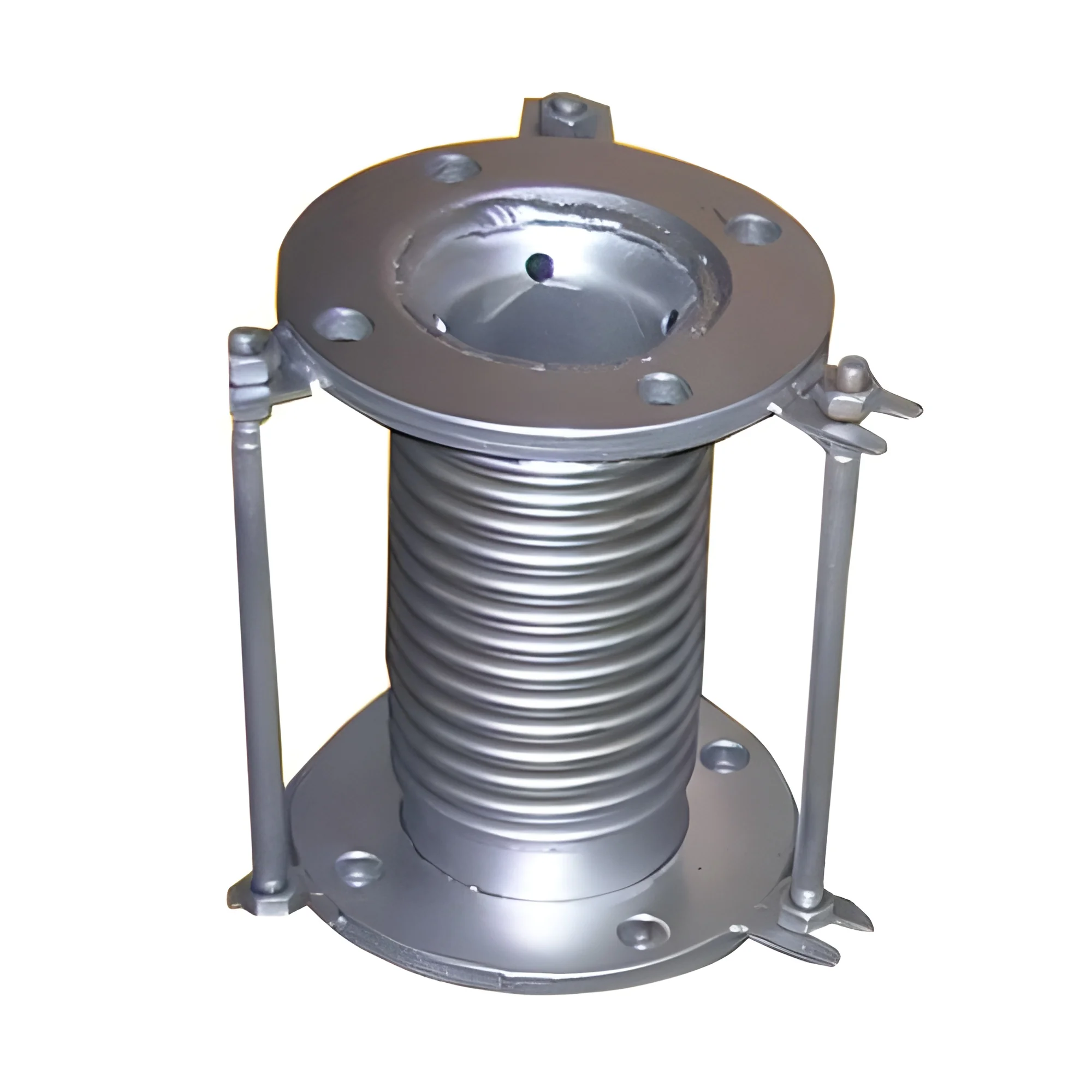
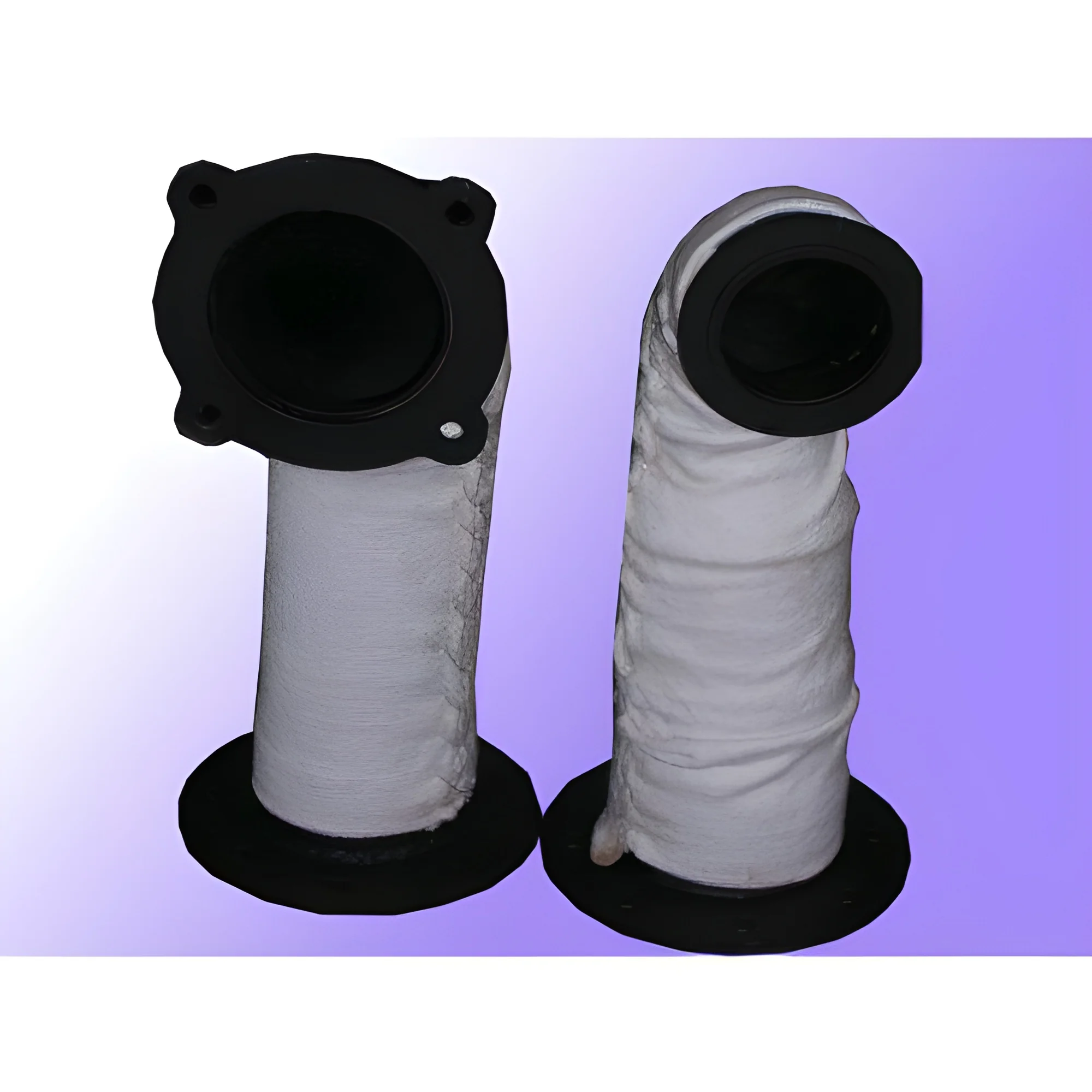
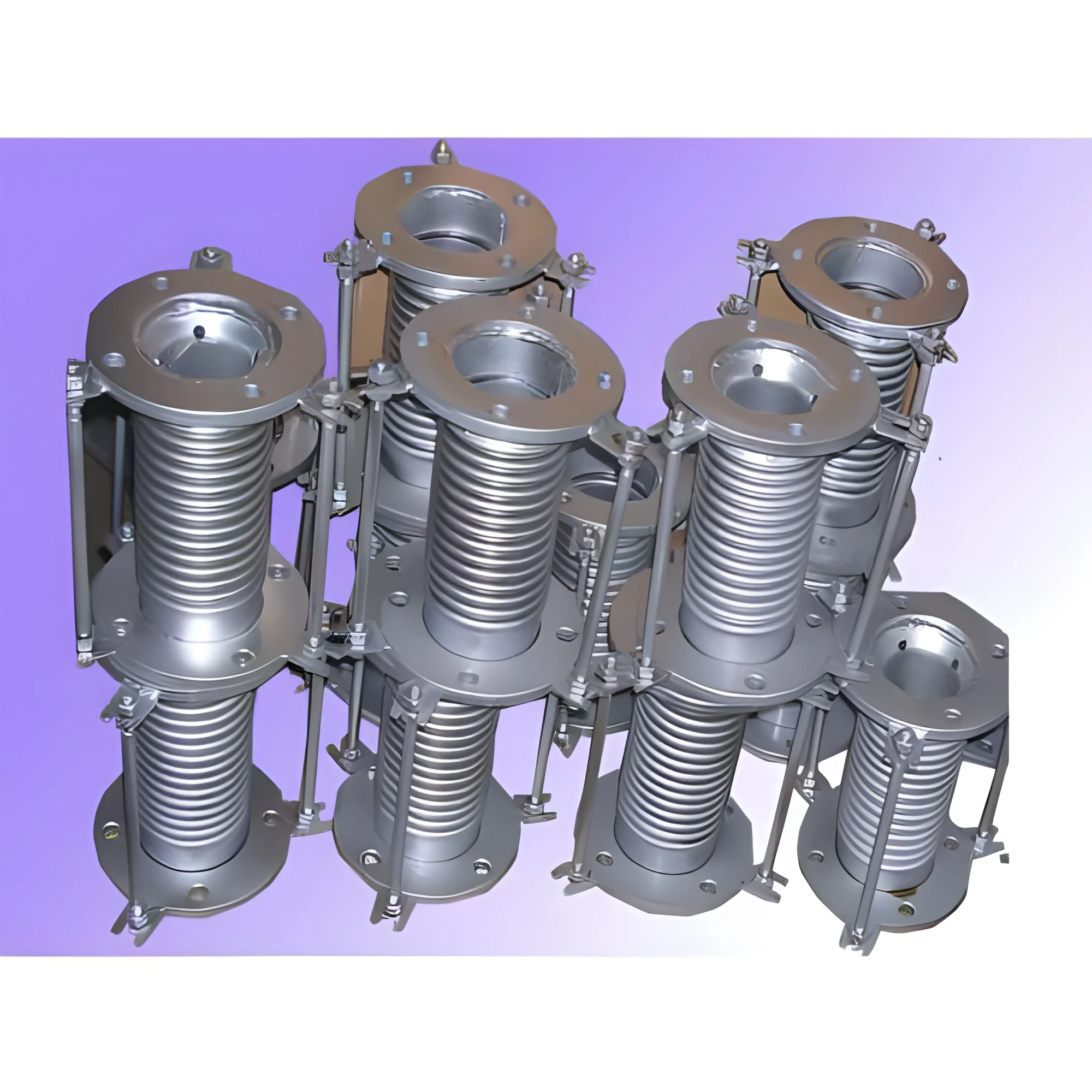
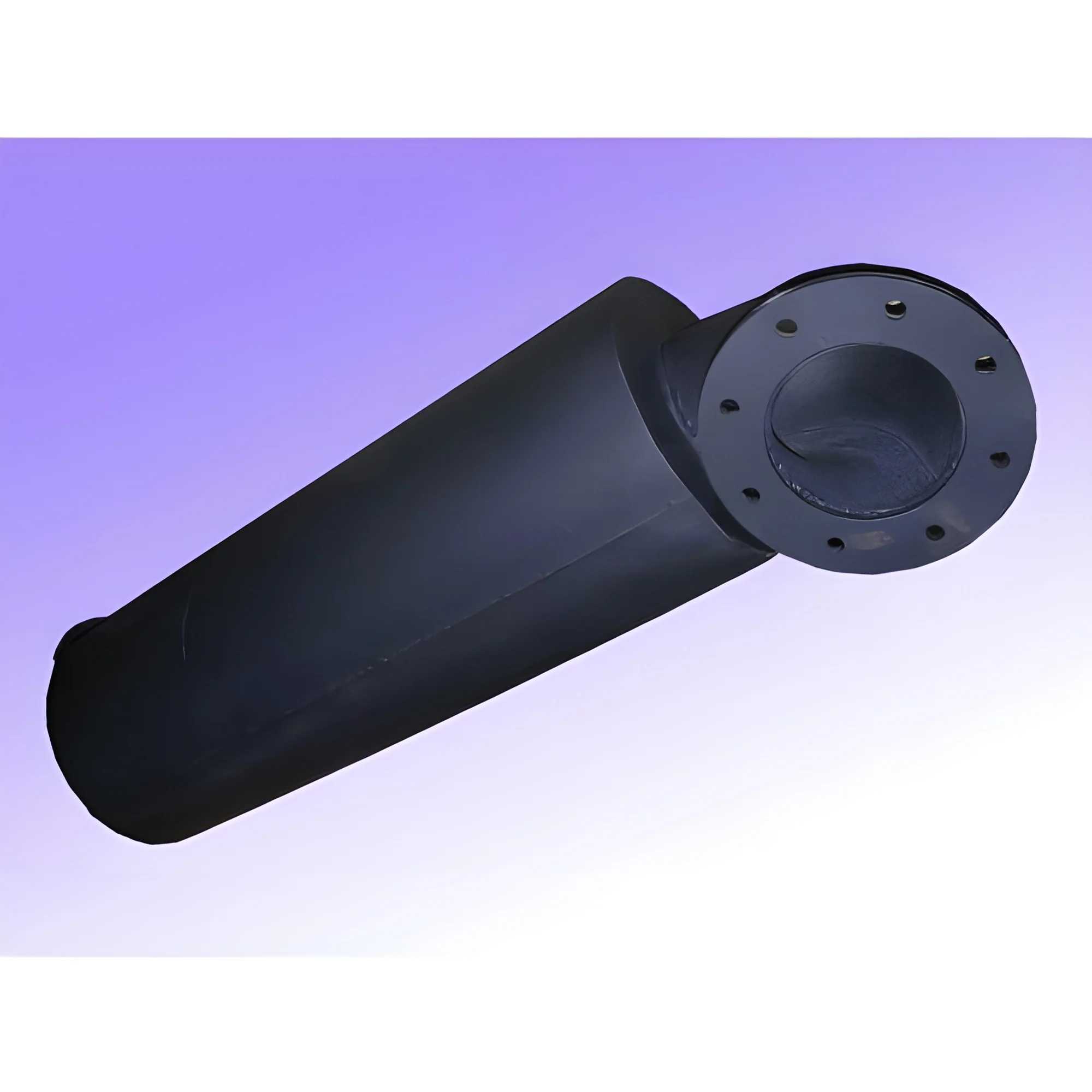
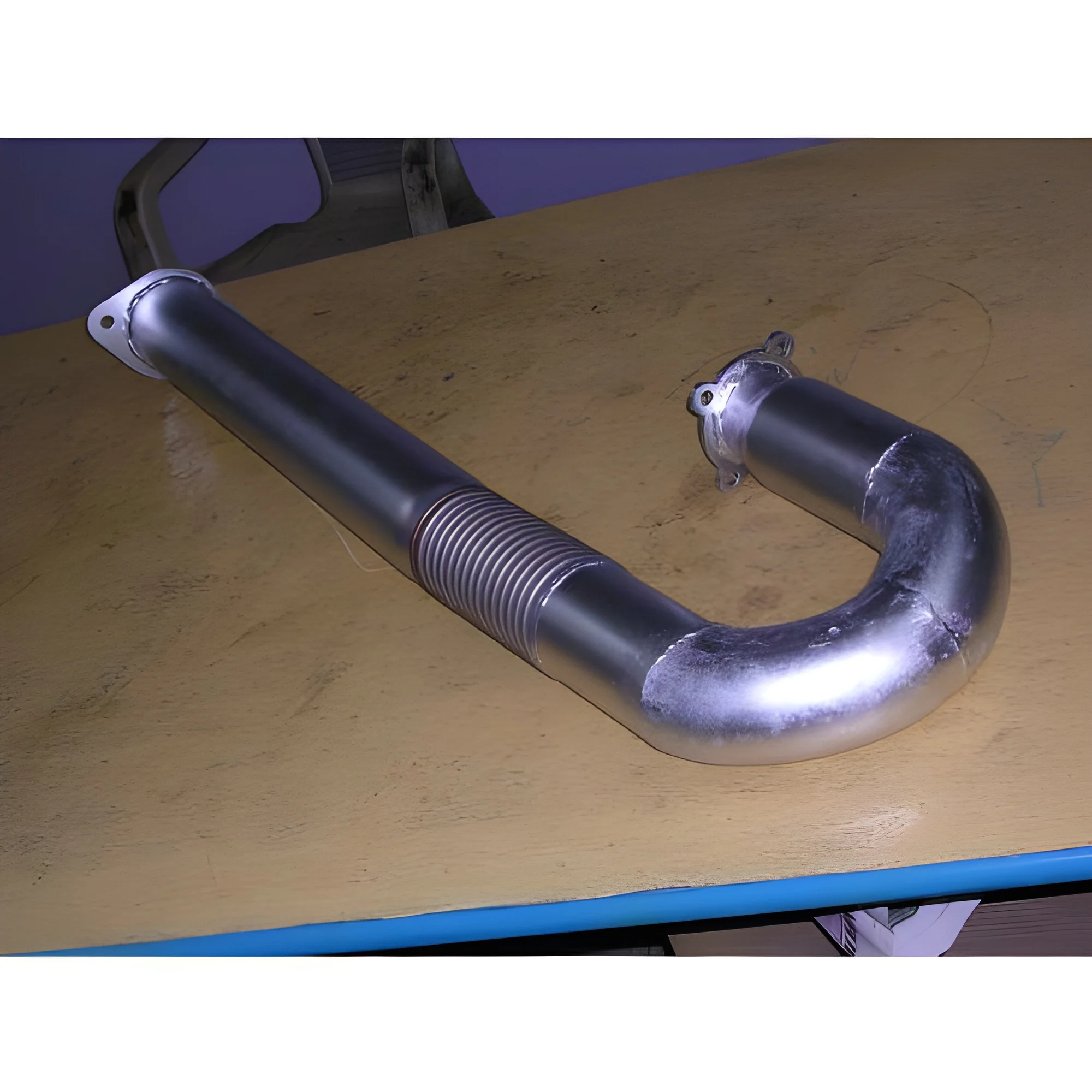
Industrial bellow pipes represent specialized flexible connectors engineered for reliability in demanding fluid transfer applications. Unlike standard piping, these components are designed to accommodate movement, vibration, and thermal expansion while maintaining secure, leak-proof connections. Manufactured from durable rubber compounds selected for specific operational requirements, they provide essential flexibility where rigid systems would fail. Their corrugated design allows for axial, lateral, and angular movement absorption, protecting connected equipment from stress damage. These pipes are built to withstand challenging conditions including pressure variations, temperature extremes, and exposure to various industrial media, making them critical components for systems where connection integrity cannot be compromised.

These flexible connectors find extensive application across industries where fluid systems face dynamic operating conditions. In chemical processing, they safely ...
Industrial bellow pipes represent specialized flexible connectors engineered for reliability in demanding fluid transfer applications. Unlike standard piping, these components are designed to accommodate movement, vibration, and thermal expansion while maintaining secure, leak-proof connections. Manufactured from durable rubber compounds selected for specific operational requirements, they provide essential flexibility where rigid systems would fail. Their corrugated design allows for axial, lateral, and angular movement absorption, protecting connected equipment from stress damage. These pipes are built to withstand challenging conditions including pressure variations, temperature extremes, and exposure to various industrial media, making them critical components for systems where connection integrity cannot be compromised.

These flexible connectors find extensive application across industries where fluid systems face dynamic operating conditions. In chemical processing, they safely handle aggressive fluids while accommodating pump vibrations and pipeline movements. Water treatment facilities utilize them throughout processing stages where corrosion resistance and flexibility are essential for long-term reliability. Manufacturing plants integrate bellow pipes into equipment requiring vibration dampening, particularly around pumps, compressors, and machinery with moving components. HVAC systems benefit from their ability to handle thermal expansion in heating and cooling lines, while infrastructure projects rely on them for durable connections in piping networks that must withstand environmental stresses and operational demands across various service conditions.

The business value of these industrial bellow pipes extends beyond basic functionality to encompass operational reliability and cost efficiency. By providing flexible connections that absorb system stresses, they prevent equipment damage and reduce maintenance requirements. Their durable construction minimizes replacement frequency, lowering total ownership costs over system lifespan. The availability of specific rubber compounds ensures compatibility with various fluids and operating conditions, reducing the risk of material failure. These components contribute to system safety by maintaining connection integrity under challenging conditions, preventing leaks that could lead to operational hazards or environmental concerns. Their reliable performance supports continuous operations, minimizing downtime and maintaining productivity in industrial settings where system failures have significant financial implications.

Key Features:
- Flexible rubber construction accommodating movement and vibration
- Durable design for demanding industrial fluid transfer applications
- Corrugated structure allowing axial, lateral, and angular movement
- Quality rubber compounds selected for specific operational requirements
- Engineered to withstand pressure variations and temperature extremes

Benefits:
- Prevents equipment damage by absorbing system stresses and vibrations
- Reduces maintenance requirements with durable, long-lasting construction
- Maintains leak-proof connections under challenging operating conditions
- Compatible with various industrial fluids through material selection
- Supports continuous operations by minimizing system downtime risks
Specifications
| Additional Information | |
|---|---|
| Country of Origin | India |
Application
These industrial bellow pipes are essential components where standard rigid piping cannot accommodate movement, vibration, or thermal expansion. They maintain secure, leak-proof connections in pressurized fluid systems while absorbing stresses that would damage conventional pipes. Their flexible design prevents system failures caused by misalignment, equipment movement, or temperature fluctuations in demanding operational environments.
Manufactured from quality rubber compounds, these pipes handle challenging fluids including chemicals, water, and industrial media. They serve critical functions across infrastructure where durability and flexibility are non-negotiable. From processing plants to mechanical systems, they provide reliable performance where connection integrity directly impacts operational safety, efficiency, and maintenance costs in continuous industrial operations.
- Chemical processing plants for safe transfer of corrosive and aggressive fluids
- Water treatment facilities connecting pumps, filters, and processing equipment
- HVAC systems accommodating thermal expansion in heating and cooling lines
- Manufacturing equipment requiring vibration isolation for pumps and compressors
- Industrial machinery needing flexible connections for hydraulic and pneumatic systems
Trade Details
| Available Stock | In Stock |
| Sample Availability | No |
Payment Terms
| Payment Terms |
|
Company Profile
Consul Tech Combines Private Limited, Maharashtra
 Maharashtra, India
Maharashtra, IndiaIndustrial Equipment & Machinery•Manufacturer•Trading Company
Factory Details
Factory SizeBelow 1000 sqm
Annual Production Capacity0
Main Markets
Domestic
Industrial Bellow Pipes For Fluid Systems Flexible Durable Rubber
Industrial bellow pipes provide flexible, durable rubber connections for demanding fluid transfer systems. Engineered for reliability across chemical, water treatment, HVAC, and manufacturing applications.
Min. Order Quantity: 1 unit
Shipping
Shipping fee and delivery date to be negotiated. Contact supplier now for more details.
Consul Tech Combines Private Limited
 Maharashtra, India
Maharashtra, IndiaIndustrial Equipment & MachineryManufacturer