
 IN
Pipe Wrenches
4 products available
What are Pipe Wrenches?
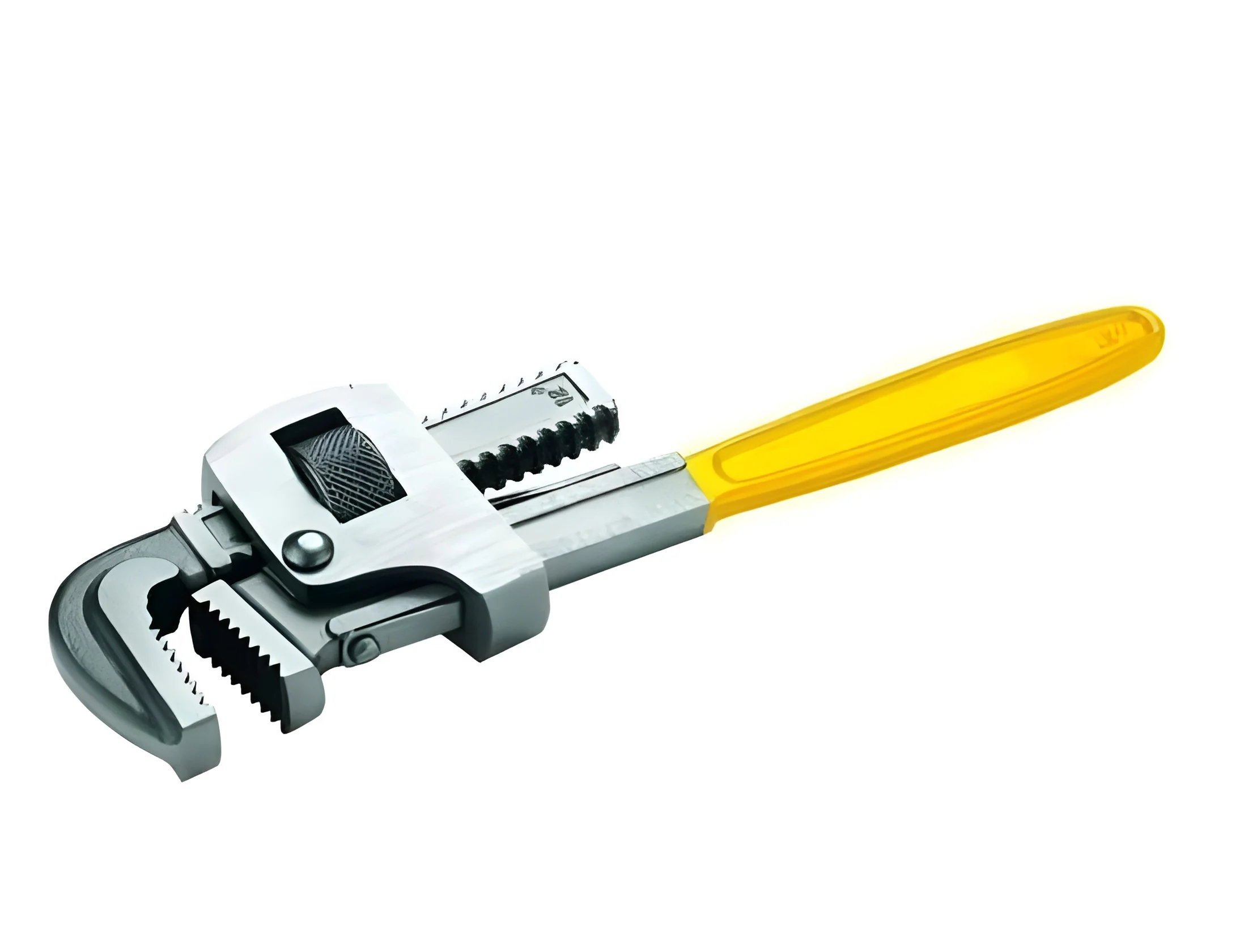
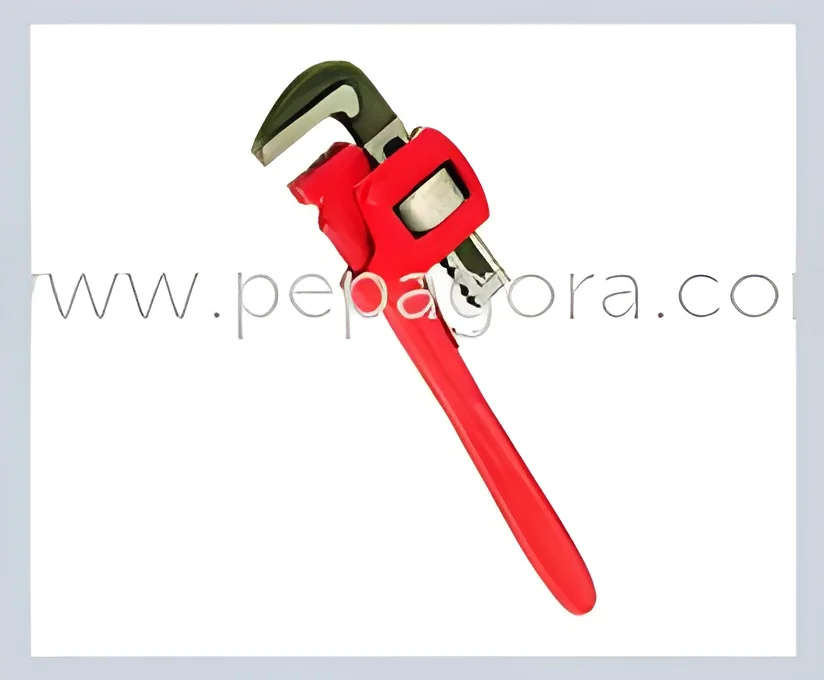
Pipe wrenches are specialized tools used primarily for gripping and turning pipes and fittings. They feature a unique design with serrated jaws that provide a strong grip, allowing users to apply significant torque without slipping. Typically made from durable materials like steel, pipe wrenches are designed to withstand the rigors of industrial applications and provide reliable performance over time.
These tools are widely used in plumbing, HVAC, and construction industries. Professionals rely on pipe wrenches for installation, maintenance, and repair tasks. Whether tightening or loosening pipes, these wrenches are essential for ensuring secure connections and preventing leaks. The relevance of pipe wrenches in the market is underscored by their critical role in various applications, making them a staple in any toolkit for tradespeople and contractors.
Key Features and Specifications
Pipe wrenches come with several features that enhance their functionality and usability. Understanding these specifications helps buyers choose the right tool for their needs.
Key specifications include:
1. Jaw Capacity
- The maximum diameter of the pipe that the wrench can grip.
- Common ranges are typically from 1 inch to 2 inches.
2. Length
- The overall length of the wrench, which influences leverage and torque application.
- Lengths usually range from 10 inches to 48 inches.
3. Material
- The construction material which affects durability and weight.
- Most are made from high-strength steel or aluminum.
4. Weight
- The weight of the wrench can impact ease of use.
- Weights vary based on size, typically ranging from 1 to 5 pounds.
5. Handle Design
- The design of the handle can affect grip comfort and control.
- Features may include rubberized grips or ergonomic designs.
6. Jaw Design
- The configuration of the jaws, which affects how well they grip.
- Serrated jaws provide a non-slip grip on rounded surfaces.
7. Adjustable Mechanism
- The mechanism that allows users to adjust jaw openings.
- Most wrenches feature a rotating adjustment nut.
8. Finish
- The surface finish of the wrench, which can affect corrosion resistance.
- Options may include chrome plating or powder coating.
In summary, pipe wrenches are designed with features that enhance their effectiveness in gripping and turning pipes, making them vital tools for various industrial applications.
Common Applications and Use Cases
Pipe wrenches are versatile tools that cater to a variety of industries.
1. Plumbing: In plumbing, these wrenches are essential for installing and repairing pipes, fittings, and fixtures. They provide the leverage needed to tighten connections and prevent leaks.
2. HVAC: In heating, ventilation, and air conditioning, pipe wrenches are used to manipulate ductwork and piping systems, ensuring proper installation and maintenance.
3. Construction: During construction projects, pipe wrenches are employed for handling large pipes and fittings, crucial for tasks related to plumbing and piping systems.
4. Oil and Gas: In the oil and gas industry, these tools help in the assembly and disassembly of pipelines, ensuring safe and efficient operations.
5. Automotive: Mechanics use pipe wrenches to work on exhaust systems and fuel lines, where secure fittings are necessary for safety.
6. Manufacturing: In manufacturing facilities, pipe wrenches assist in the installation and maintenance of machinery that utilizes piping systems.
7. Utilities: Utility workers utilize pipe wrenches for managing water and gas pipelines, critical for public safety and service reliability.
Product Variants and Subcategories
Pipe wrenches come in various forms to meet different operational needs.
Standard Pipe Wrench
This is the most common variant, featuring a traditional design with adjustable jaws. It is ideal for general plumbing and maintenance tasks.
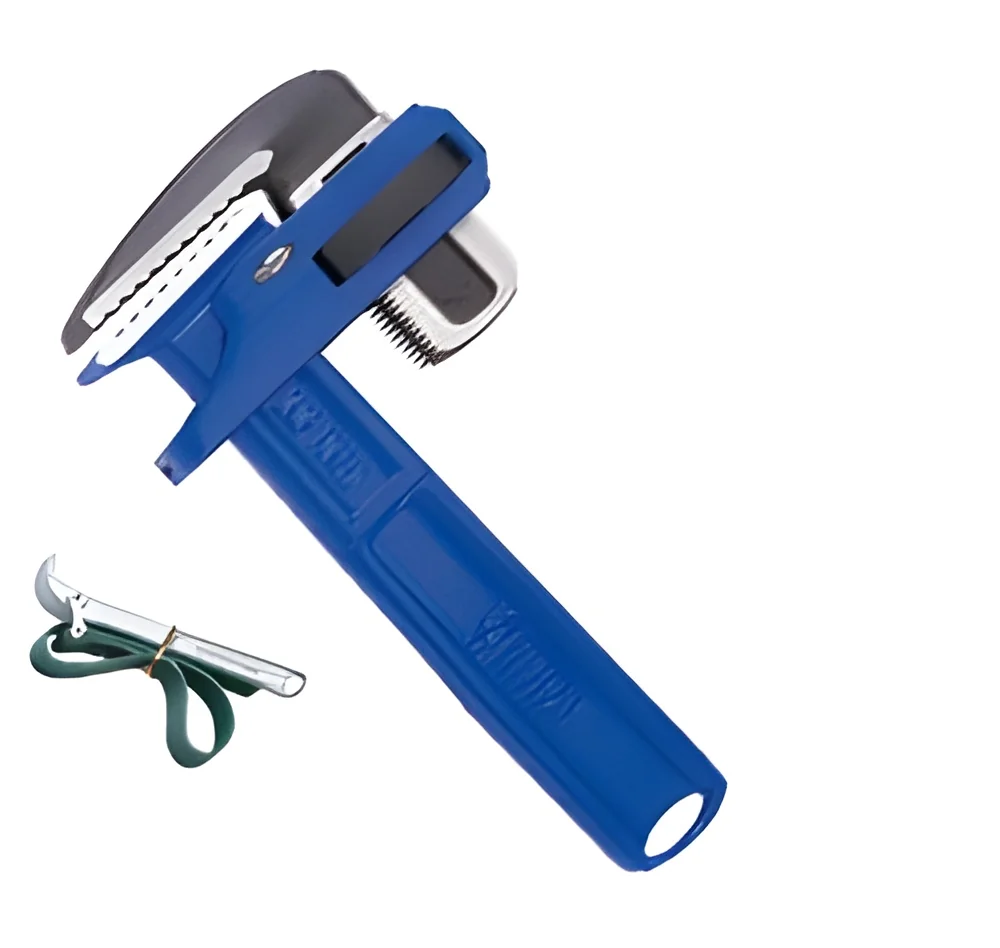
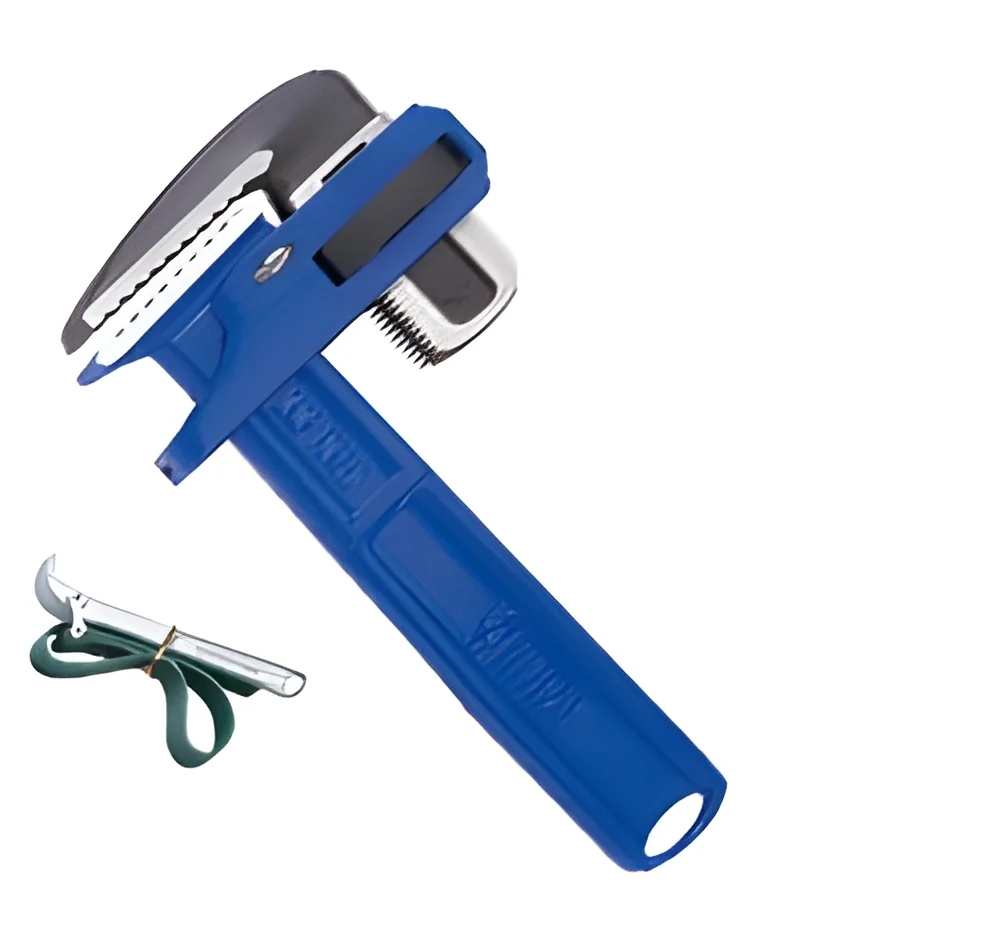
Chain Wrench
This variant uses a chain to grip irregular shapes and is particularly useful in industrial applications where standard wrenches may not fit.
Offset Pipe Wrench
Designed with a unique angle, this wrench allows users to work in tight spaces where a straight wrench would be ineffective.
Mini Pipe Wrench
A smaller version suitable for confined spaces, making it ideal for small plumbing jobs or delicate fittings.
Benefits and Advantages
Choosing the right pipe wrench offers several advantages to users and businesses.
1. Enhanced Grip: The serrated jaws provide a secure hold on pipes, minimizing slippage during use.
2. Increased Torque: Longer handles allow for greater leverage, enabling users to apply more torque when necessary.
3. Durability: Made from high-quality materials, pipe wrenches are built to withstand heavy use and harsh conditions.
4. Versatility: Suitable for various applications, these wrenches can handle different pipe sizes and types.
5. Improved Safety: A secure grip reduces the risk of accidents and injuries during pipe work.
6. Cost-Effective: Durable tools reduce the need for frequent replacements, providing long-term savings for businesses.
Buying Guide for B2B Buyers
When selecting pipe wrenches for business needs, several factors should be considered.
1. Quality Assessment: Look for tools made from high-quality materials that ensure durability and longevity. Check for manufacturer reputations and product reviews.
2. Supplier Verification: Vet suppliers to confirm their reliability and ability to deliver quality products consistently. Request references and check their track record.
3. Pricing and MOQ: Understand the pricing structure and minimum order quantities. Compare offers from different suppliers to find the best value.
4. Delivery and Lead Times: Confirm the expected delivery times and ensure they align with your project timelines. Consider logistics and transportation options.
5. Compliance Requirements: Verify that the tools meet relevant safety and quality standards specific to your industry to ensure compliance with regulations.
Compliance and Certifications
Pipe wrenches must meet various quality standards to ensure safety and reliability. ISO 9001 is a widely recognized standard that outlines quality management systems, ensuring products are consistently produced and controlled.
Additionally, the CE certification indicates compliance with European health, safety, and environmental protection standards. This certification is crucial for products marketed in Europe, assuring buyers of their quality and safety.
Safety requirements also dictate that pipe wrenches undergo rigorous testing to ensure they can withstand the forces applied during use. Regional compliance considerations may vary, so it is essential to understand the specific regulations that apply to your market.
Why Source Pipe Wrenches from Pepagora?
Pepagora offers a comprehensive platform for sourcing pipe wrenches, providing a range of advantages for buyers.
Verified Supplier Network: Pepagora connects you with a network of verified suppliers, ensuring that all products meet high-quality standards. This network helps eliminate the risks associated with unverified suppliers.
Streamlined RFQ Process: The Request for Quotation (RFQ) process on Pepagora is designed to be efficient and straightforward, allowing buyers to quickly receive competitive quotes from multiple suppliers.
Trade Assurance and Support: Buyers benefit from trade assurance programs that protect their purchases. This added layer of security gives buyers confidence in their sourcing decisions.
Regional Coverage: Pepagora operates across key regions, including India, the GCC, and Southeast Asia. This broad geographic reach ensures that buyers can find local suppliers that meet their specific needs.
By sourcing pipe wrenches through Pepagora, businesses can streamline their procurement processes while ensuring they receive quality products from trusted suppliers.

Frequently Asked Questions
What are Pipe Wrenches?
Pipe wrenches are specialized tools used for gripping and turning pipes and fittings. They feature serrated jaws that provide a strong grip, making them essential for plumbing and construction tasks.
What are the different types of Pipe Wrenches?
There are several types of pipe wrenches, including standard pipe wrenches, offset pipe wrenches, and chain pipe wrenches. Each type is designed for specific applications, such as accessing hard-to-reach areas or gripping larger pipes.
How do I choose the right Pipe Wrenches?
Choosing the right pipe wrench depends on factors such as the size of the pipes you will be working with and the type of job. It's essential to select a wrench that offers a good balance of length, weight, and grip to ensure efficiency and safety.
What are the standard specifications for Pipe Wrenches?
Standard specifications for pipe wrenches typically include length, jaw capacity, and material used in construction. Common materials include steel or aluminum, which provide durability and strength for heavy-duty applications.
What is the price range for Pipe Wrenches?
The price range for pipe wrenches can vary widely based on the brand, type, and specifications. Generally, you can expect to pay anywhere from INR 500 to INR 5,000 for quality pipe wrenches in the Indian market.
What quality standards apply to Pipe Wrenches?
Pipe wrenches should adhere to quality standards set by organizations such as ISO and ANSI. These standards ensure that the wrenches are safe to use and can withstand the rigors of professional applications.
Where can I find Pipe Wrenches suppliers in India?
You can find pipe wrench suppliers in India through various online B2B marketplaces, trade shows, and industrial supply stores. Websites like Pepagora.com can help connect you with reputable manufacturers and suppliers.
Can Pipe Wrenches be customized?
Yes, many manufacturers offer customization options for pipe wrenches, such as specific sizes, materials, and branding. It's advisable to contact suppliers directly to discuss your customization needs.
What is the typical minimum order quantity for Pipe Wrenches?
The typical minimum order quantity (MOQ) for pipe wrenches varies by supplier but usually ranges from 10 to 50 pieces. It's best to check with individual suppliers for their specific MOQ policies.
What is the typical lead time for Pipe Wrenches?
The typical lead time for pipe wrenches can vary depending on the supplier and whether the product is in stock or requires customization. Generally, lead times can range from a few days to several weeks.
Why Businesses Trust Pepagora
Thousands of companies trust Pepagora to source smarter and sell faster
Expand Your Sales Globally

Source Smarter,Grow Faster
