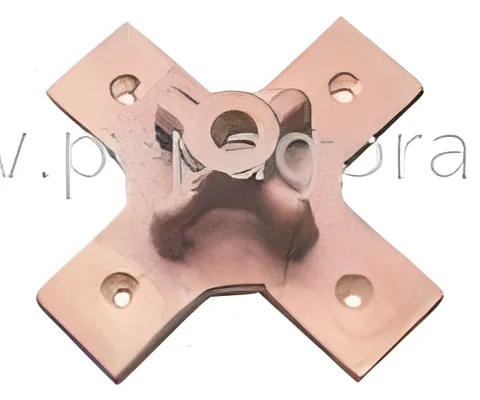
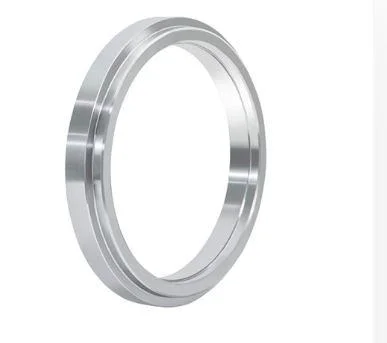
What are Pipe Alignment Tools?
Pipe alignment tools are specialized instruments designed to ensure the accurate positioning and alignment of pipes during installation or maintenance. These tools help prevent misalignment, which can lead to wear and tear, leaks, and other issues in piping systems. Proper alignment is crucial to maintain the integrity and efficiency of pipelines in various industrial applications.
The primary uses of pipe alignment tools include aligning pipes before welding, ensuring proper fit in piping systems, and facilitating the installation of various components such as valves and fittings. They are widely utilized in industries such as oil and gas, water treatment, manufacturing, and construction. With the growing demand for reliable and efficient pipeline systems, the market for pipe alignment tools is expanding, offering various solutions tailored to different operational needs.
Key Features and Specifications
Pipe alignment tools come with a variety of features designed to enhance their usability and effectiveness in ensuring precise pipe alignment. Understanding these features can help buyers select the right tools for their specific requirements.
Key specifications include:
1. Precision Level
- High accuracy for aligning pipes within a specified tolerance
- Typically ranges from ±0.5 mm to ±1.0 mm
2. Material Composition
- Made from durable materials such as steel or aluminum
- Provides strength and longevity in harsh environments
3. Weight Capacity
- Tools designed to handle various pipe sizes and weights
- Can support pipes weighing from a few kilograms to several tons
4. Ease of Use
- Ergonomic designs for operator comfort and efficiency
- Quick setup and adjustment features
5. Portability
- Lightweight and compact designs for easy transport
- Ideal for use in tight spaces or remote locations
6. Calibration
- Tools may come with built-in calibration features
- Ensures ongoing accuracy and reliability
7. Compatibility
- Usable with various pipe materials including PVC, steel, and copper
- Versatile for different application requirements
8. Safety Features
- Built-in safety mechanisms to protect operators
- Compliance with relevant safety standards
In summary, these specifications highlight the critical aspects of pipe alignment tools that buyers should consider to ensure they meet their operational needs effectively.
Common Applications and Use Cases
Pipe alignment tools are utilized across a range of industries, each with specific applications that highlight their importance.
1. Oil and Gas: These tools are essential for aligning pipes in drilling operations, refineries, and transport systems, ensuring safety and efficiency in the handling of hazardous materials.
2. Water Treatment: In water treatment facilities, pipe alignment tools help ensure accurate placement of pipes that transport clean and wastewater, preventing leaks and maintaining system integrity.
3. Manufacturing: In manufacturing settings, these tools are used for aligning pipes in various machinery and equipment, contributing to streamlined production processes.
4. Construction: During the construction of buildings and infrastructure, pipe alignment tools ensure that plumbing and HVAC systems are correctly installed, promoting functionality and compliance with building codes.
5. Power Generation: In power plants, accurate alignment of cooling and fuel pipes is critical, and alignment tools help in achieving optimal performance and safety.
6. Chemical Processing: In chemical facilities, precise alignment is vital for the transport of various substances, and alignment tools help mitigate risks associated with misaligned pipes.
7. HVAC Systems: Proper alignment of HVAC systems ensures efficient operation, and these tools aid in the installation of ductwork and piping.
Product Variants and Subcategories
Pipe alignment tools come in various forms to cater to different industrial needs. While specific subcategories are not available, some common variants include:
Manual Pipe Alignment Tools
These tools are operated by hand and are suitable for smaller projects or maintenance tasks. They are often lightweight and user-friendly, making them ideal for quick alignments in limited spaces.
Automated Pipe Alignment Tools
These advanced tools utilize technology to provide precise alignments with minimal operator input. They are best suited for large-scale projects where accuracy and efficiency are critical.
Digital Pipe Alignment Tools
Digital variants offer enhanced features such as electronic measurements and readouts. They provide real-time data and are particularly useful in high-precision applications.
Benefits and Advantages
Investing in pipe alignment tools offers several key benefits that enhance operational efficiency and safety.
1. Improved Accuracy: These tools ensure precise alignment, reducing the risk of leaks and wear in piping systems.
2. Increased Efficiency: Proper alignment minimizes downtime during installation and maintenance, allowing for quicker project completion.
3. Cost Savings: By preventing misalignment-related issues, businesses can save on repair costs and extend the lifespan of their piping systems.
4. Enhanced Safety: Accurate alignment reduces the risk of accidents and failures, promoting a safer working environment.
5. Versatility: Pipe alignment tools can be used across various industries and applications, making them a valuable addition to any toolkit.
6. Ease of Use: Many tools are designed with user-friendliness in mind, making them accessible for operators with varying levels of experience.
Buying Guide for B2B Buyers
When sourcing pipe alignment tools, several factors should be considered to ensure a suitable purchase.
1. Quality Assessment: Evaluate the quality of materials and construction to ensure durability and reliability. Look for tools that meet industry standards and have a good reputation in the market.
2. Supplier Verification: Vet suppliers to confirm their credibility and track record. Consider their experience in the industry and customer reviews to ensure a trustworthy partnership.
3. Pricing and MOQ: Understand the pricing structure and minimum order quantities. Compare quotes from multiple suppliers to find the best value while considering overall quality.
4. Delivery and Lead Times: Discuss logistics to ensure timely delivery. Consider the supplier's ability to meet your project deadlines and their shipping capabilities.
5. Compliance Requirements: Ensure that the tools meet any regulatory compliance standards relevant to your industry. This may include safety and manufacturing certifications.
Compliance and Certifications
Pipe alignment tools must adhere to various compliance and certification standards to ensure quality and safety. Key standards include ISO 9001, which focuses on quality management systems, ensuring that products meet customer and regulatory requirements.
Additionally, industry certifications like CE mark indicate conformity with European health, safety, and environmental protection standards. Compliance with these standards is essential for manufacturers and suppliers to demonstrate their commitment to quality and safety.
Safety and testing requirements vary by region and application, so it is important for buyers to verify that tools meet the specific regulations applicable to their industry. Regional compliance considerations may include local safety regulations and environmental guidelines that affect the manufacturing and use of these tools.
Why Source Pipe Alignment Tools from Pepagora?
Pepagora provides a trusted platform for sourcing pipe alignment tools, offering several key advantages for B2B buyers.
Verified Supplier Network: Pepagora connects buyers with a network of verified suppliers, ensuring that all vendors meet quality and reliability standards. This network helps buyers make informed decisions and choose trustworthy partners.
Streamlined RFQ Process: The platform offers an efficient request for quotation (RFQ) process, allowing buyers to quickly compare multiple suppliers and receive competitive quotes. This streamlined approach simplifies the purchasing process.
Trade Assurance and Support: Pepagora provides trade assurance, which protects buyers’ investments by ensuring that suppliers deliver as promised. The platform also offers support throughout the buying process to resolve any issues that may arise.
Regional Coverage: With a geographic reach that includes India, the GCC, and Southeast Asia, Pepagora caters to a wide range of buyers. This regional focus ensures that businesses can find local suppliers while benefiting from the platform's extensive network.

 IN
IN