
 IN
Grease Guns
16 products available
What are Grease Guns?
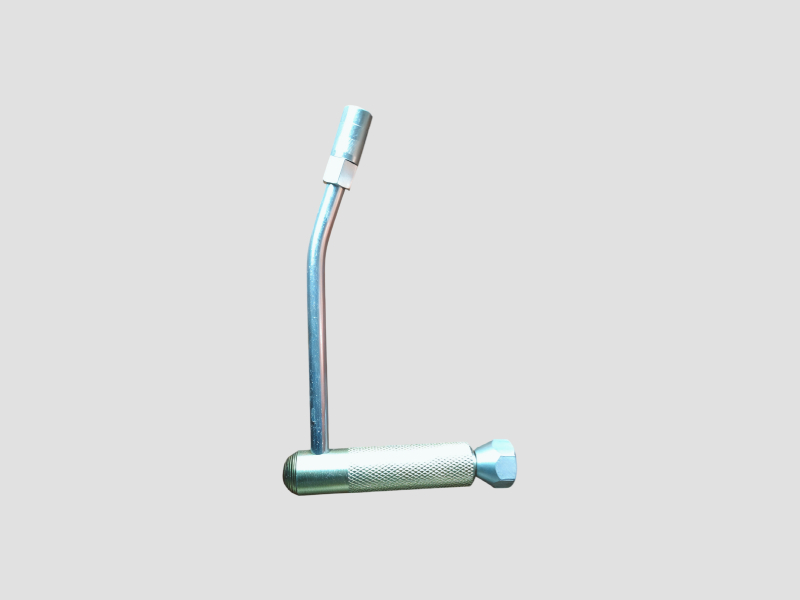
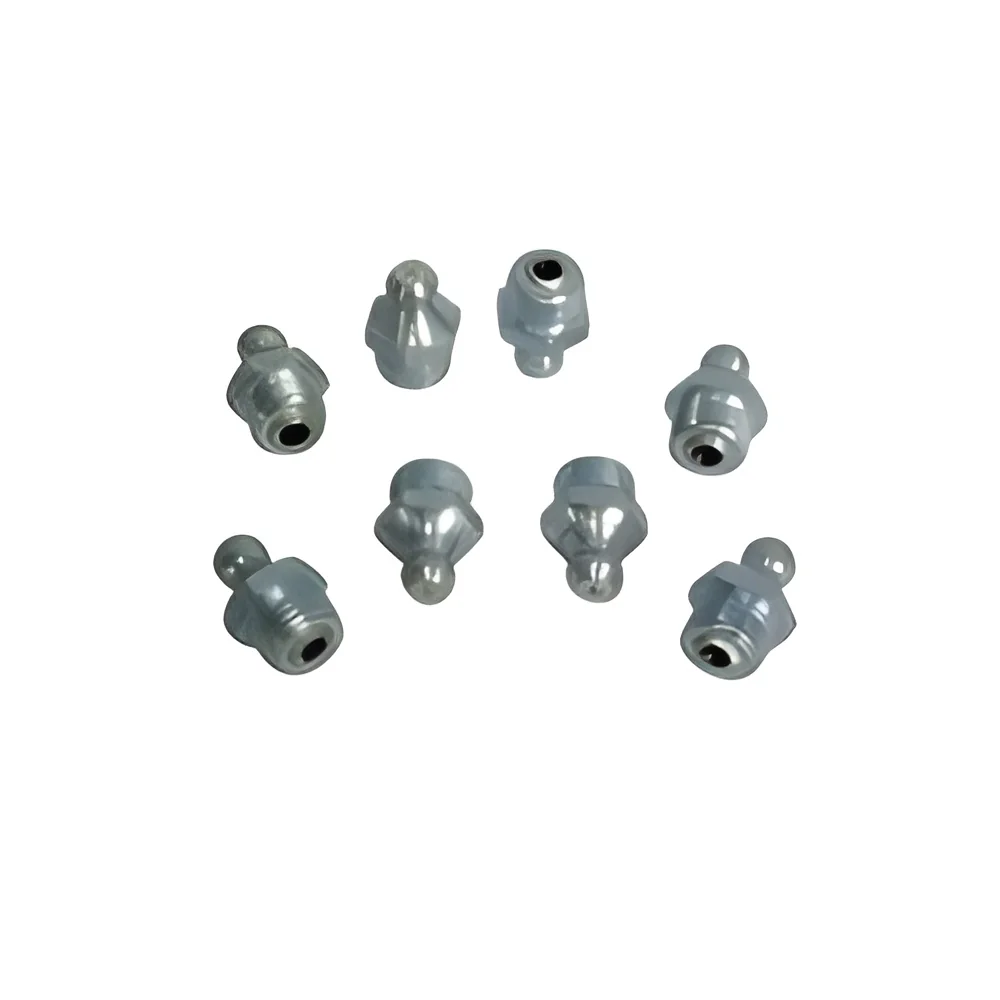
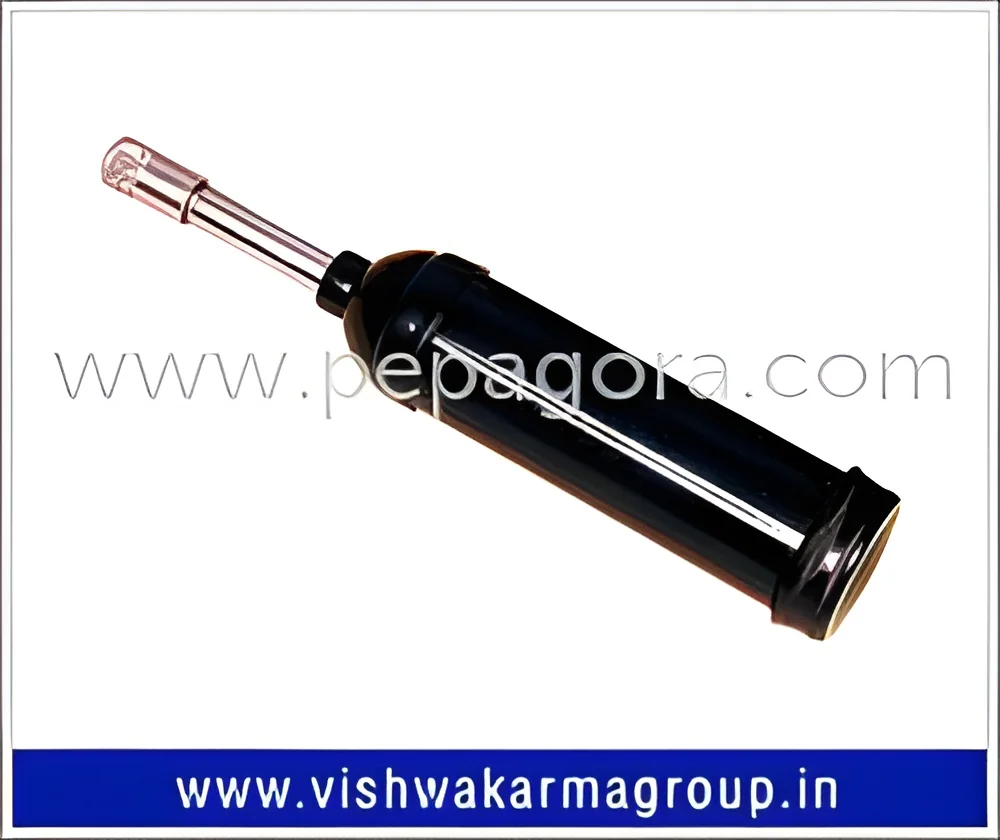
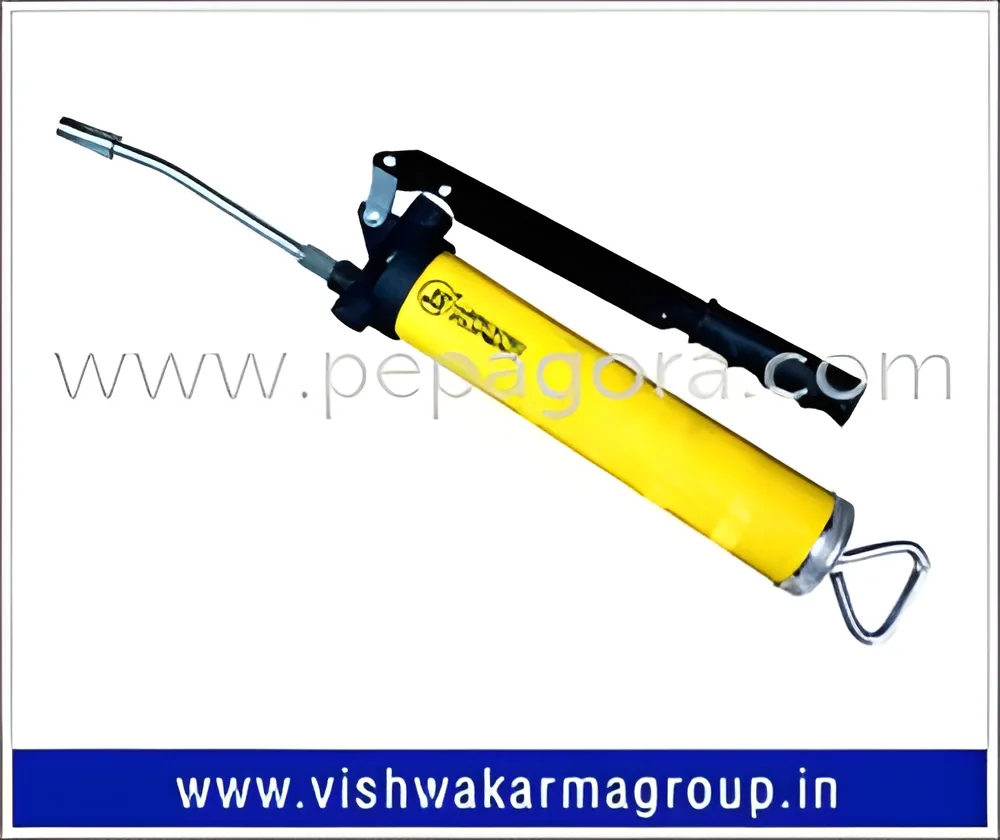
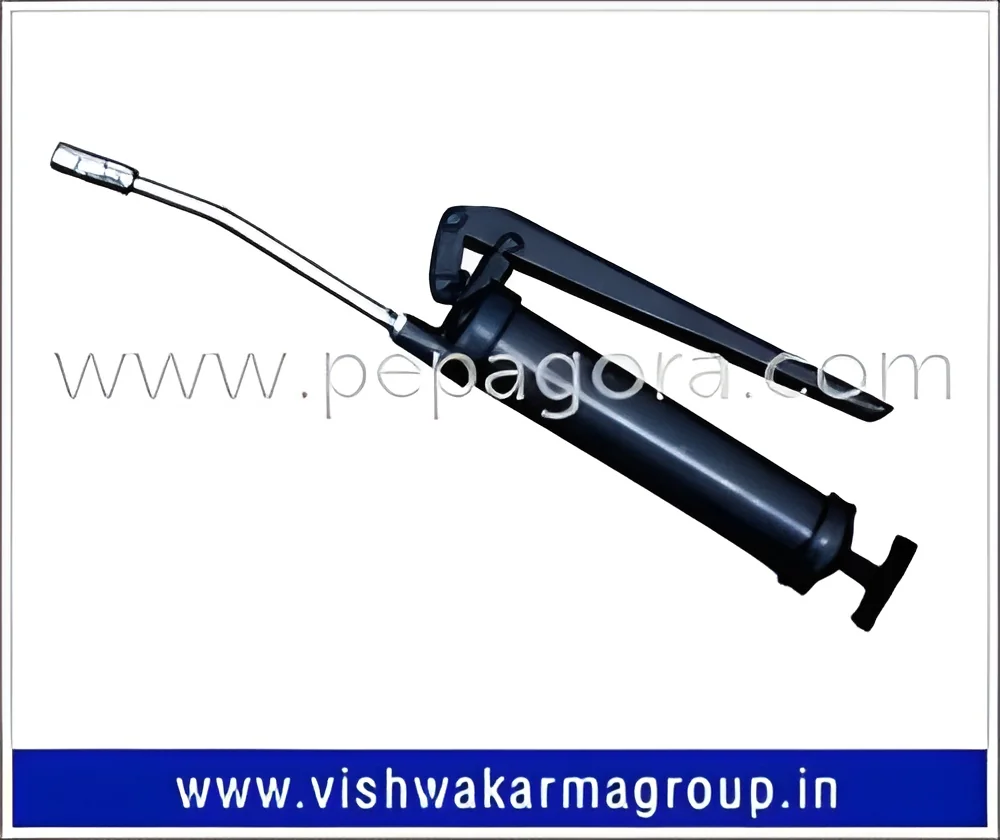
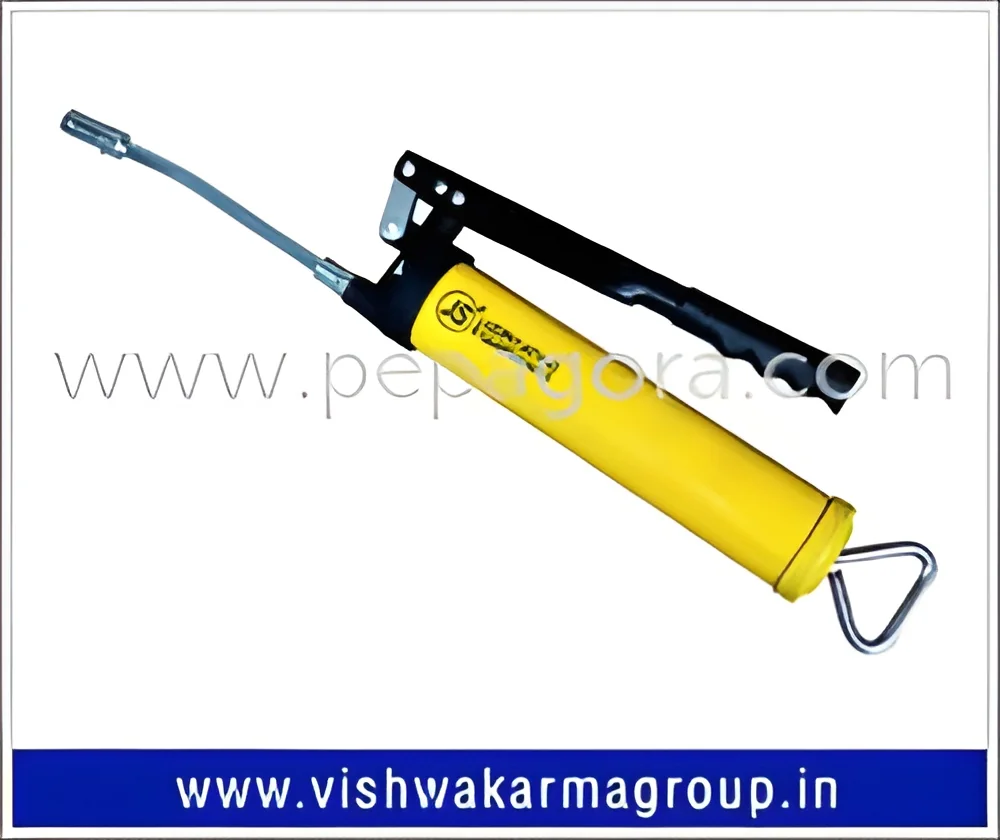
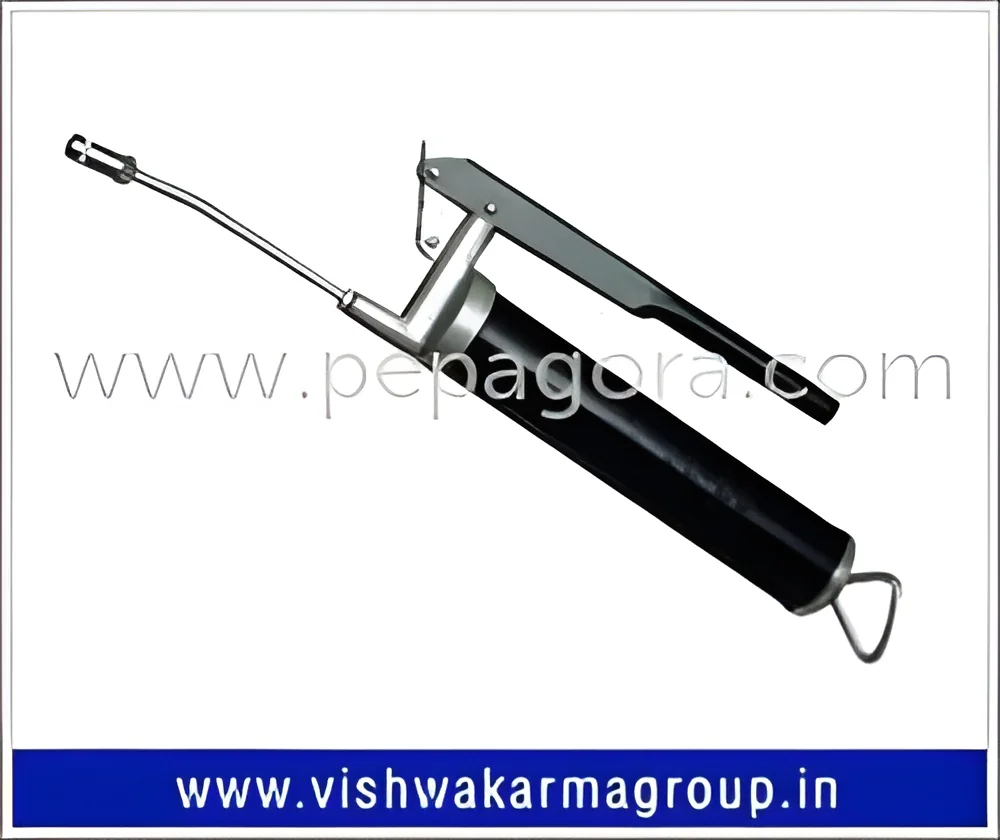
Grease guns are handheld tools designed for dispensing lubricants, primarily grease, into machinery and equipment. They are an essential part of maintenance operations across various industries, ensuring that moving parts are properly lubricated to reduce friction and wear. Grease guns come in multiple configurations, including manual, pneumatic, and electric, allowing users to choose the best option based on their specific needs and application environments.
The primary uses of grease guns include maintaining automotive components, industrial machinery, and agricultural equipment. They are especially beneficial in environments where regular lubrication is critical for operational efficiency and equipment longevity. Businesses across manufacturing, automotive, and agricultural sectors rely on grease guns to ensure their machinery operates smoothly and efficiently, ultimately reducing downtime and maintenance costs. With the increasing focus on machinery reliability and performance, grease guns hold significant relevance in today’s industrial landscape.
Key Features and Specifications
Grease guns offer a range of features designed to enhance performance, usability, and efficiency. Understanding these specifications is crucial for selecting the right grease gun for your operations.
Key specifications include:
1. Type of Grease Gun
- Manual, pneumatic, or electric configurations
- Each type offers different benefits based on application
2. Pressure Rating
- Measured in psi (pounds per square inch)
- Typically ranges from 3,000 to 10,000 psi for high-performance models
3. Capacity
- Refers to the amount of grease the gun can hold
- Common capacities are from 14 ounces to 30 ounces
4. Dispensing Method
- Options include cartridge, bulk, or suction
- Each method affects the ease of use and grease application
5. Hose Length
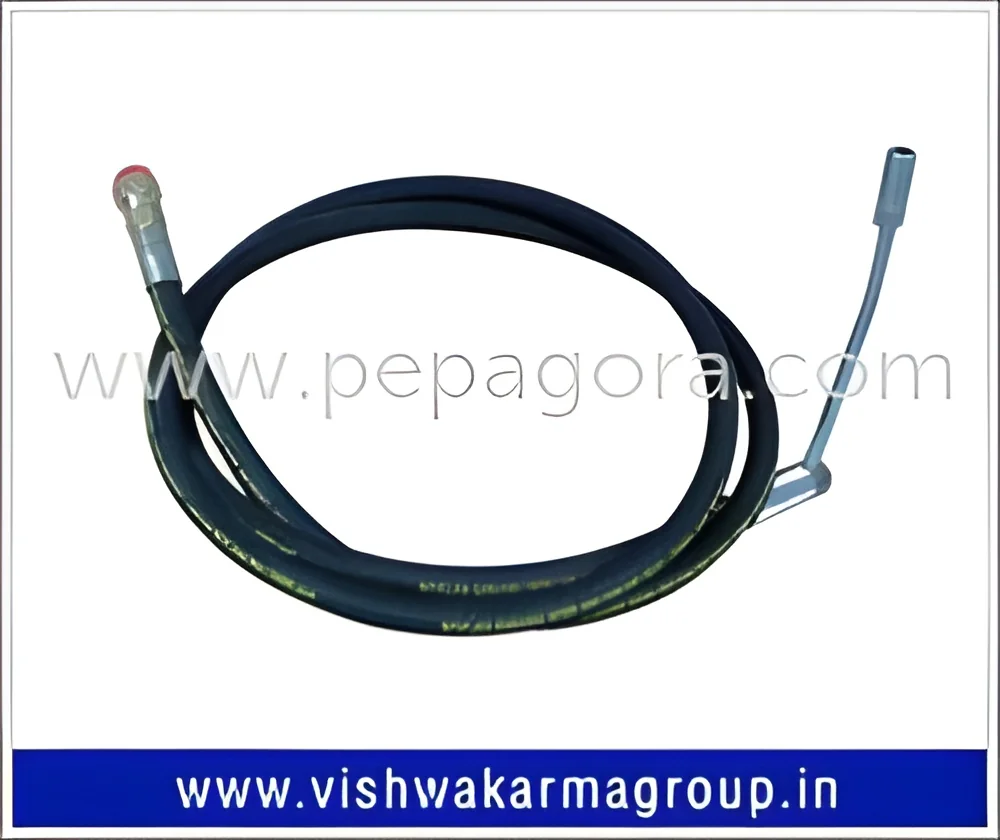
- Varying lengths to reach difficult areas
- Common lengths range from 12 inches to 36 inches
6. Weight
- Important for manual models to ensure ease of use
- Ranges from 2 to 5 pounds for most handheld models
7. Build Material
- Typically made from durable materials such as metal or high-strength plastic
- Affects longevity and resistance to wear and tear
8. Safety Features
- Includes pressure relief valves and ergonomic handles
- Important for user safety during operation
In summary, selecting a grease gun involves considering various specifications that match the intended application and operational needs.
Common Applications and Use Cases
Grease guns are utilized across numerous industries to ensure machinery operates effectively and efficiently.
1. Automotive: In the automotive industry, grease guns are used to maintain vehicles, ensuring that bearings, joints, and other components are properly lubricated to prevent wear.
2. Manufacturing: In manufacturing facilities, grease guns are essential for lubricating machinery such as conveyor belts and motors, which require regular maintenance to function optimally.
3. Agriculture: Agricultural equipment, including tractors and harvesters, relies on grease guns for lubrication, helping to prolong machinery life and enhance productivity.
4. Construction: Construction equipment such as excavators and bulldozers use grease guns to maintain hydraulic systems and moving parts, minimizing downtime.
5. Marine: In the marine industry, grease guns are employed to lubricate boat engines and trailer components, essential for ensuring safe and reliable operation.
6. Food Processing: In food processing plants, specialized grease guns with food-grade lubricants are used to maintain machinery while adhering to hygiene standards.
7. Mining: The mining sector uses grease guns to maintain heavy machinery operating in harsh environments, ensuring reliability and safety.
Product Variants and Subcategories
Grease guns come in various types, each suited for different applications and user preferences.
Manual Grease Gun: This variant is operated by hand and is ideal for small jobs where precision is needed. It is typically lightweight and easy to use, making it a popular choice for DIY enthusiasts and small workshops.
Pneumatic Grease Gun: Powered by compressed air, this variant is designed for high-volume applications. It provides consistent pressure and is ideal for larger machinery requiring frequent lubrication.
Electric Grease Gun: This variant is battery-operated, offering convenience and ease of use, especially in hard-to-reach areas. It is suitable for users who need to minimize manual effort during lubrication tasks.
Benefits and Advantages
Investing in grease guns offers numerous advantages for businesses seeking to improve their maintenance practices.
1. Improved Equipment Longevity: Regular lubrication reduces wear and tear on machinery, extending its operational life and reliability.
2. Increased Efficiency: Grease guns enable quick and accurate application of lubricants, minimizing downtime during maintenance tasks.
3. Enhanced Performance: Proper lubrication improves the efficiency of machinery, leading to better performance and productivity.
4. Cost Savings: By preventing mechanical failures through regular lubrication, businesses can save on repair costs and minimize unplanned downtime.
5. Ease of Use: Modern grease guns are designed for user comfort, featuring ergonomic handles and lightweight designs that make them easy to operate.
6. Versatility: Grease guns can be used across various industries and applications, making them a valuable tool for diverse maintenance tasks.
Buying Guide for B2B Buyers
When sourcing grease guns, it is essential to consider several factors to ensure the best fit for your business needs.
1. Quality Assessment: Look for grease guns that meet industry standards and feature durable materials. Quality ensures reliability and longevity in demanding environments.
2. Supplier Verification: Vetting suppliers is critical. Research their reputation, customer reviews, and the consistency of their product quality to ensure you receive reliable service.
3. Pricing and MOQ: Understand the pricing structure and minimum order quantities (MOQ) offered by suppliers. This helps in budgeting and planning procurement efficiently.
4. Delivery and Lead Times: Inquire about delivery schedules and lead times to ensure that your operations are not hindered due to delays in obtaining necessary tools.
5. Compliance Requirements: Ensure that the grease guns comply with relevant industry regulations and standards, which may vary based on your location and application.
Compliance and Certifications
Compliance and certifications are crucial in ensuring that grease guns meet industry standards for safety and performance. Common quality standards include ISO 9001, which signifies effective quality management systems. Additionally, grease guns may comply with specific industry certifications such as CE, indicating adherence to European safety standards.
Safety and testing requirements vary based on the application and region. It is essential to check for compliance with local regulations, which can differ significantly across geographic boundaries. Manufacturers should provide documentation of compliance to assure buyers of the product's reliability and safety.
When sourcing grease guns, understanding compliance requirements can help businesses avoid potential liabilities and ensure that they are using safe, effective tools in their operations.
Why Source Grease Guns from Pepagora?
Pepagora provides a trusted platform for sourcing grease guns, offering several key advantages to B2B buyers.
Verified Supplier Network: Pepagora connects buyers with a network of verified suppliers, ensuring that businesses receive high-quality products from reputable sources. This reliability contributes to overall operational efficiency.
Streamlined RFQ Process: The Request for Quotation (RFQ) process on Pepagora is designed to be straightforward, allowing buyers to quickly obtain quotes from multiple suppliers. This helps in making informed purchasing decisions promptly.
Trade Assurance and Support: Pepagora offers trade assurance, protecting buyers throughout the purchasing process. Their dedicated support team is available to assist with any inquiries, ensuring a smooth transaction experience.
Regional Coverage: With a strong presence in regions such as India, the Gulf Cooperation Council (GCC), and Southeast Asia, Pepagora provides extensive geographic reach. This enables businesses to source grease guns that meet their local needs while facilitating international trade.



Frequently Asked Questions
What are Grease Guns?
Grease guns are mechanical devices used to apply lubricant, typically grease, to machinery or equipment. They provide a controlled and precise way to deliver grease to specific points, ensuring efficient operation and reducing wear on components.
What are the different types of Grease Guns?
There are several types of grease guns, including manual, pneumatic, and electric models. Manual grease guns require physical effort to operate, while pneumatic models use compressed air for easier application. Electric grease guns offer convenience and efficiency, particularly for frequent or large-scale lubrication tasks.
How do I choose the right Grease Guns?
When selecting a grease gun, consider the application requirements, the type of grease needed, and the volume of grease to be dispensed. Evaluate the ease of use, portability, and whether you prefer a manual, pneumatic, or electric model to suit your specific needs.
What are the standard specifications for Grease Guns?
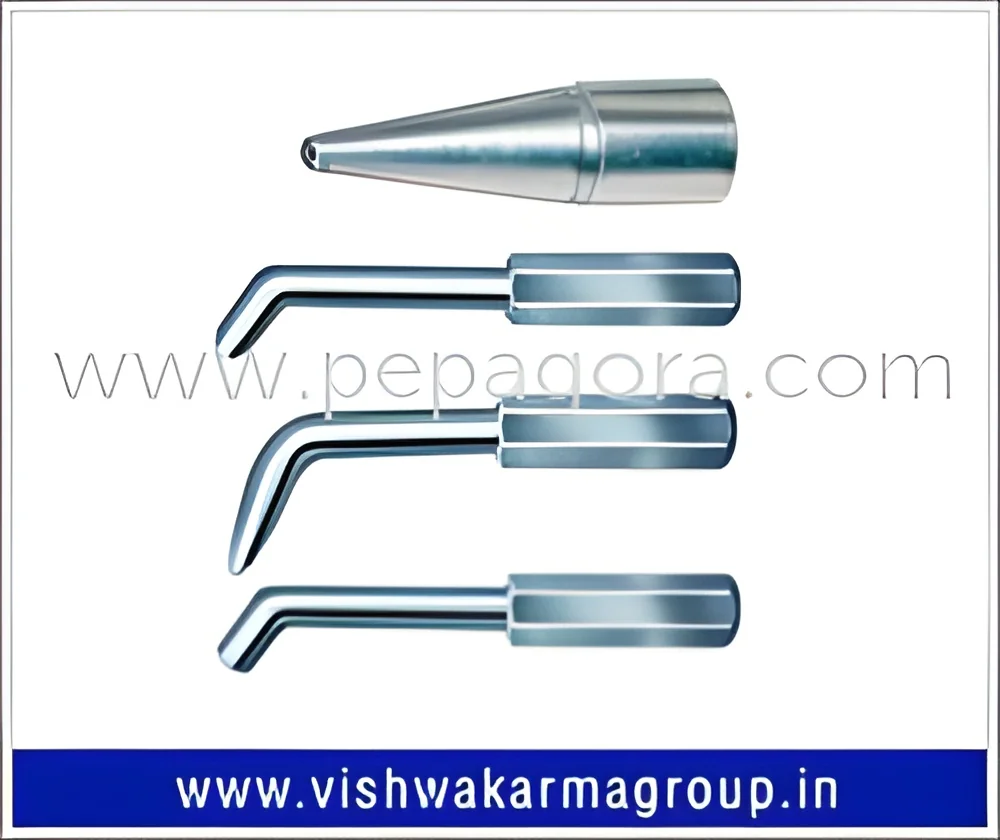
Standard specifications for grease guns typically include the maximum pressure rating, grease capacity, and the type of grease cartridges compatible with the gun. Other important specifications may include the hose length and nozzle type, which affect the versatility and ease of use.
What is the price range for Grease Guns?
The price of grease guns can vary widely based on the type, brand, and features. Generally, manual grease guns may range from INR 500 to INR 2,000, while electric and pneumatic models can cost between INR 2,500 and INR 10,000 or more.
What quality standards apply to Grease Guns?
Quality standards for grease guns often include compliance with ISO and ASTM specifications, which ensure reliability and durability. Manufacturers may also adhere to specific safety and performance standards to guarantee that the grease guns function effectively in various applications.
Where can I find Grease Guns suppliers in India?
You can find grease gun suppliers in India through online B2B marketplaces like Pepagora. Additionally, industry trade shows, local distributors, and manufacturer websites are valuable resources for sourcing grease guns.
Can Grease Guns be customized?
Yes, grease guns can often be customized to meet specific requirements, such as branding or modifications to design features. Customization options may vary depending on the manufacturer, so it's advisable to inquire directly with suppliers about available options.
What is the typical minimum order quantity for Grease Guns?
The minimum order quantity (MOQ) for grease guns typically ranges from 10 to 50 units, depending on the supplier and the specific model. It is advisable to check with the manufacturer or supplier for their specific MOQ requirements.
What is the typical lead time for Grease Guns?
The typical lead time for grease guns can vary based on the supplier and the order size but generally ranges from 1 to 4 weeks. Custom orders may take longer, so it is recommended to communicate directly with the supplier for accurate timelines.
Why Businesses Trust Pepagora
Thousands of companies trust Pepagora to source smarter and sell faster
Expand Your Sales Globally

Source Smarter,Grow Faster
