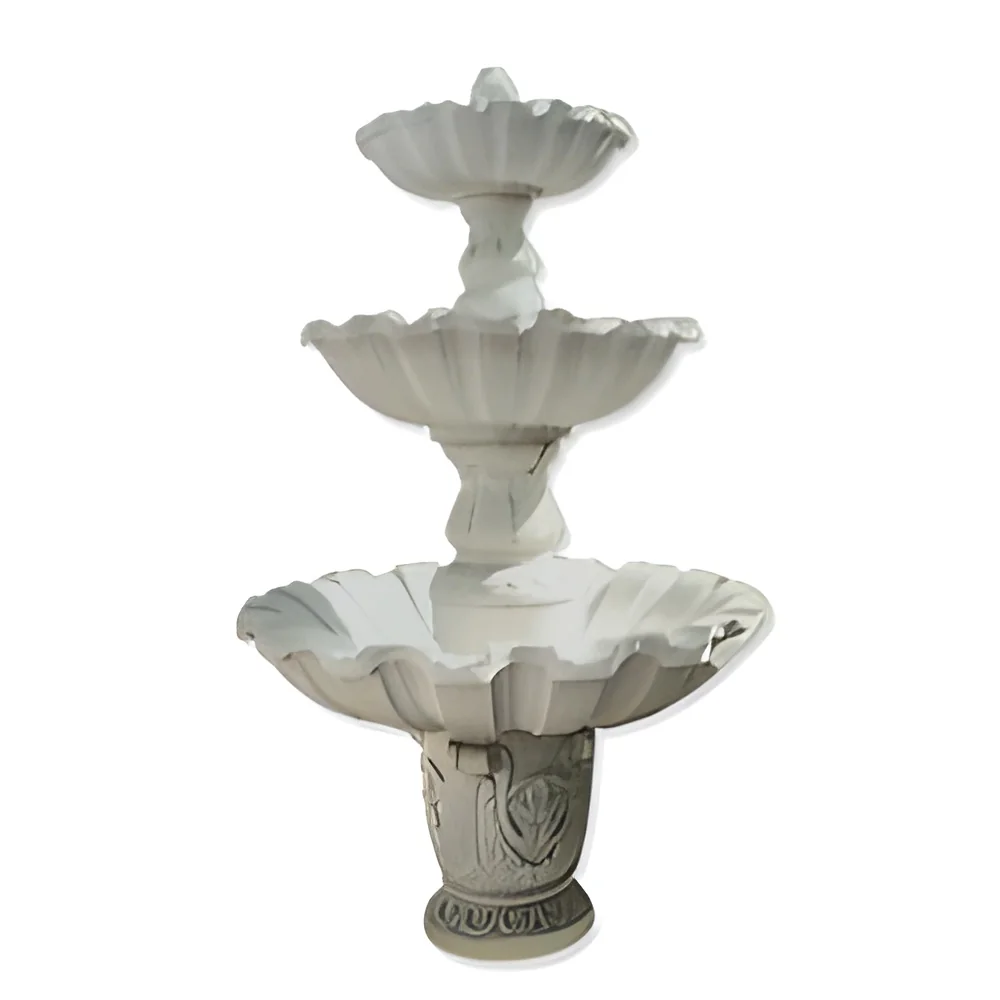
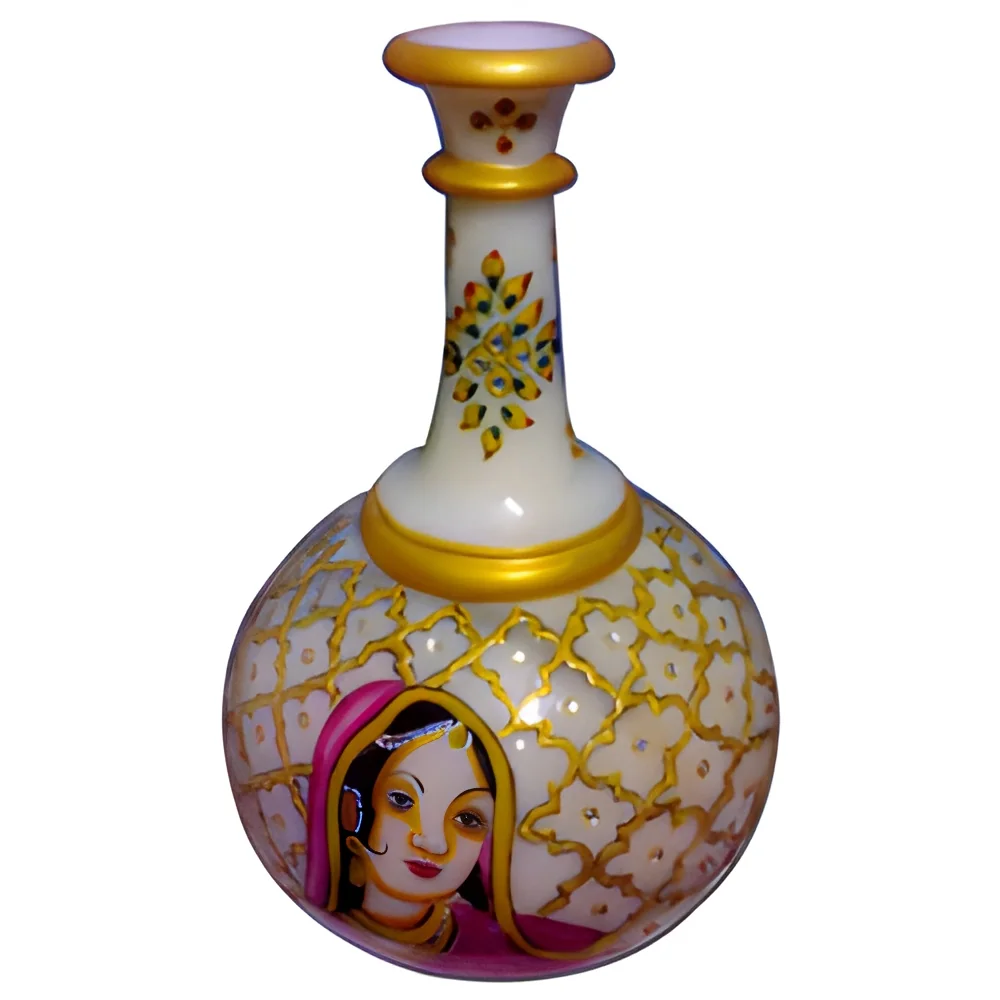
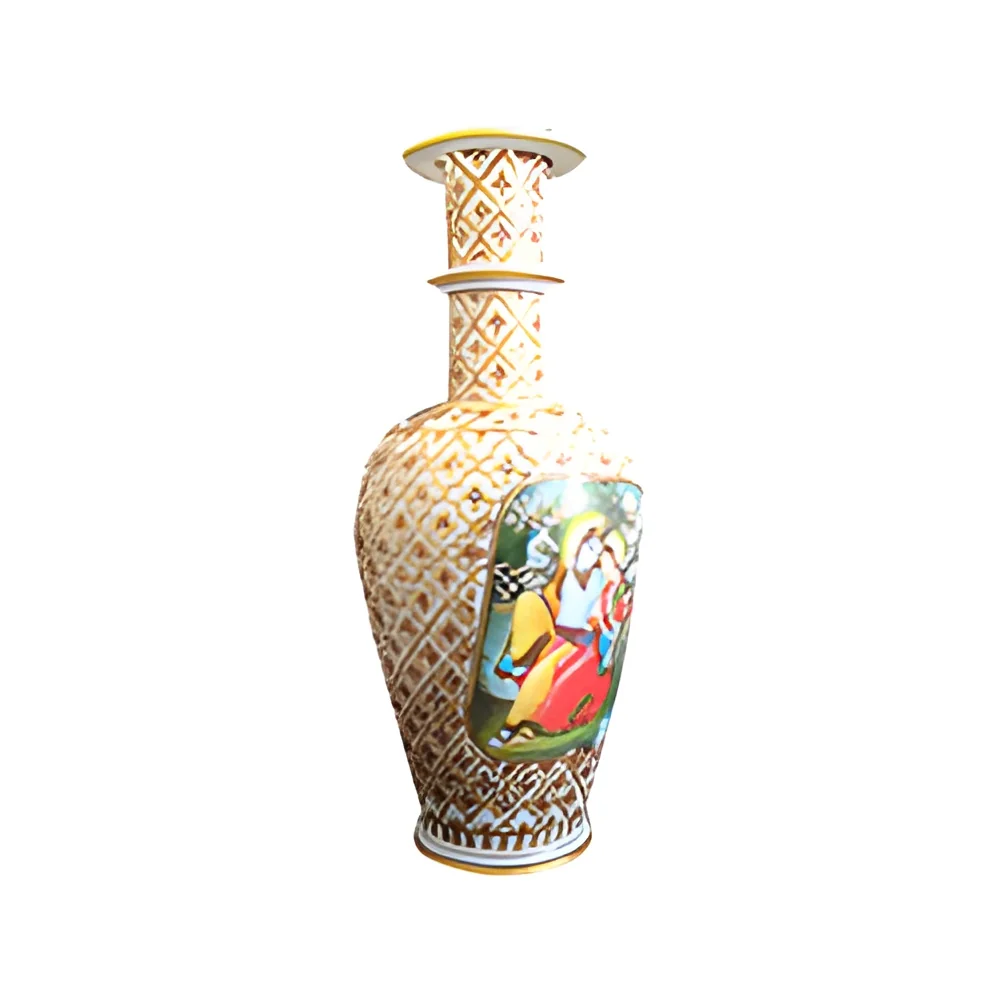
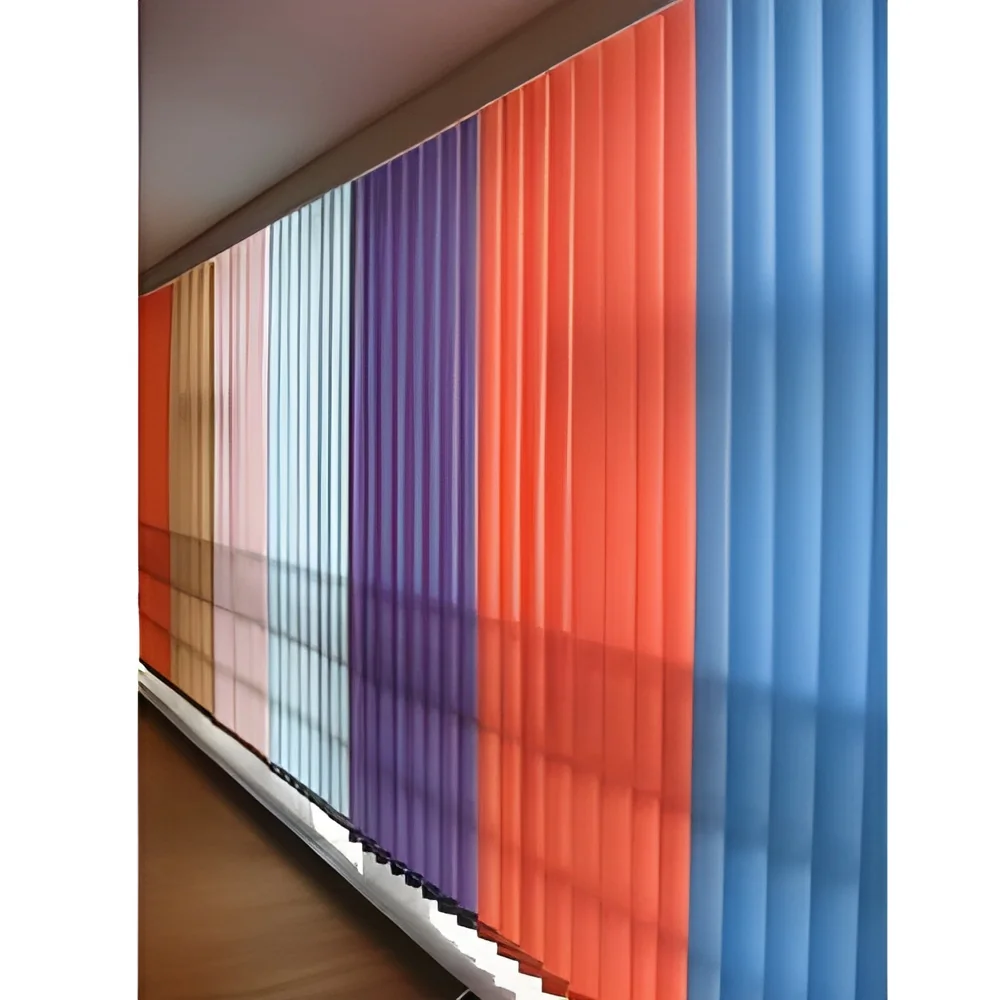
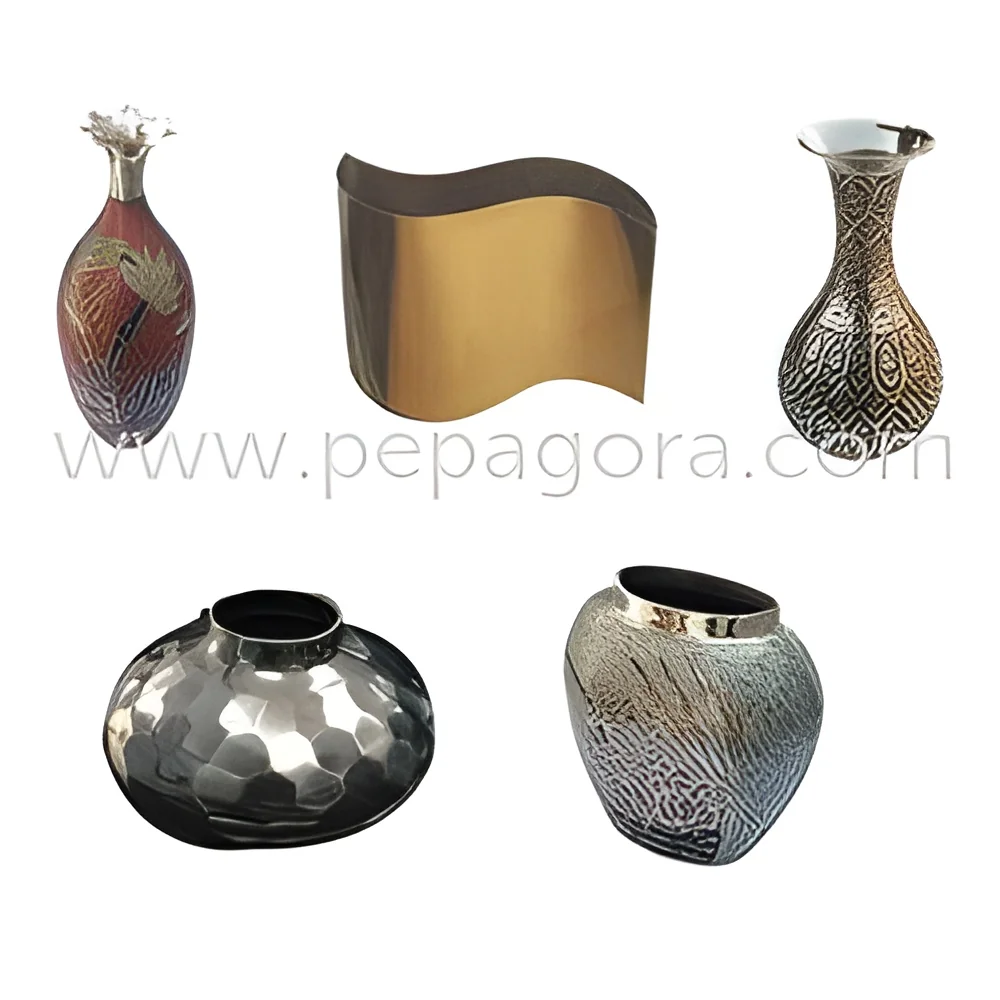
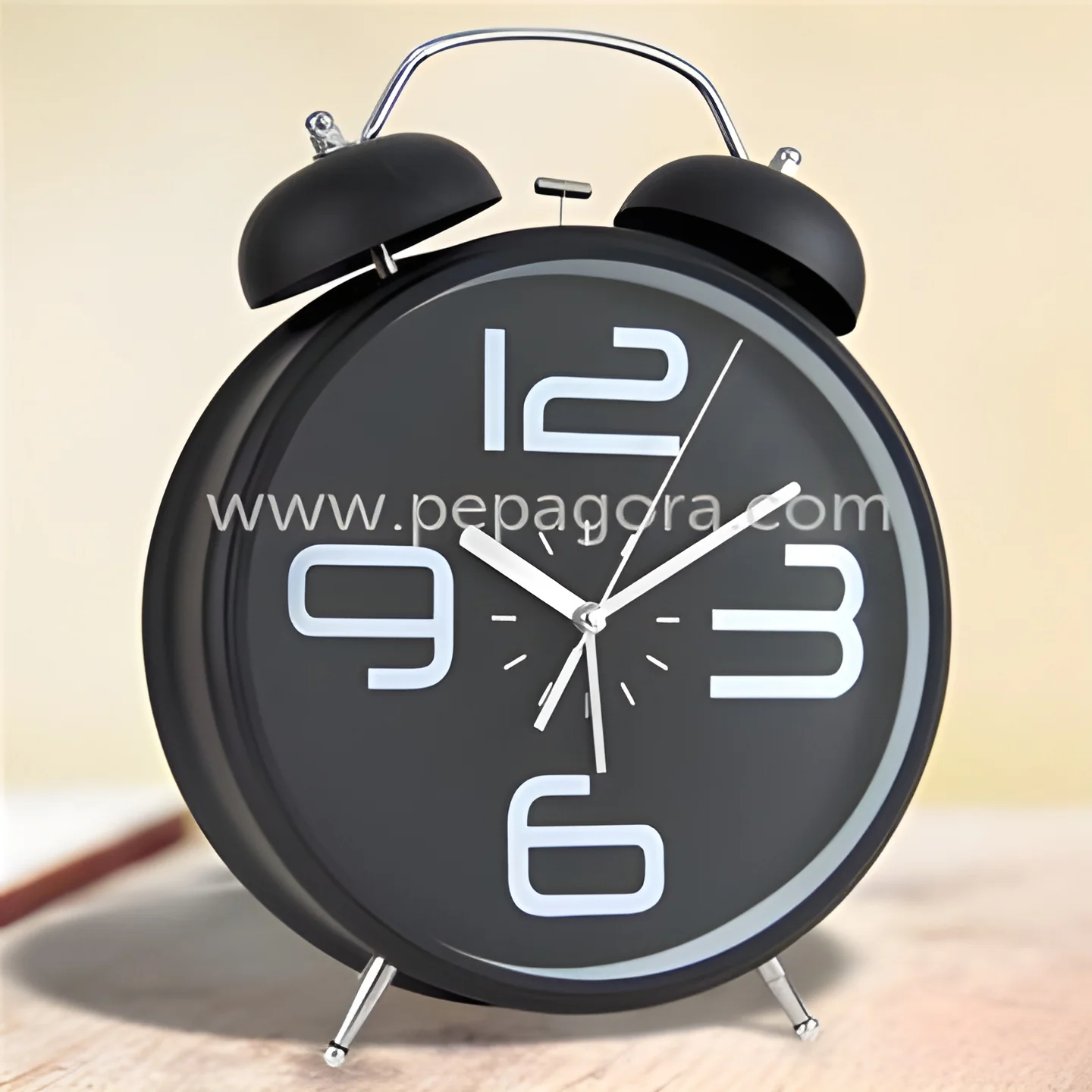
𝗪𝗵𝗮𝘁 𝗮𝗿𝗲 𝗢𝗳𝗳𝗶𝗰𝗲 𝗗𝗲𝗰𝗼𝗿?
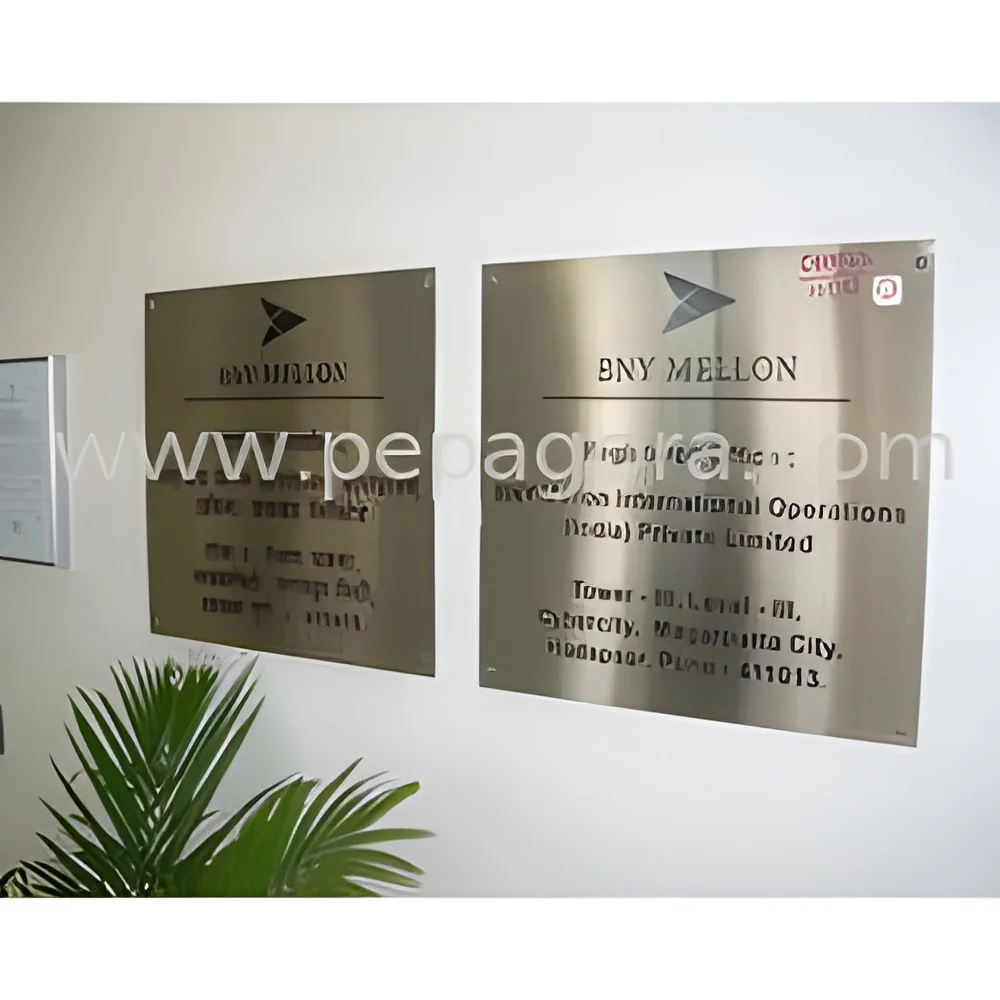
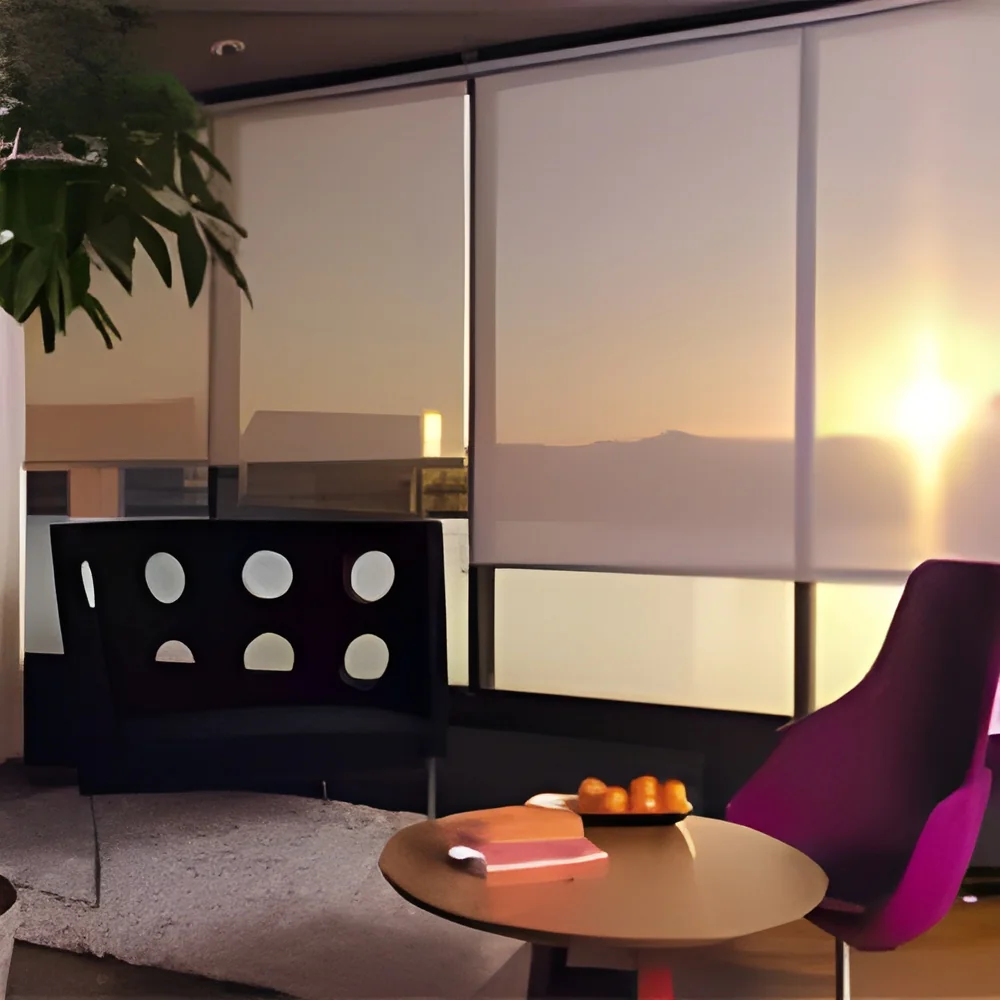
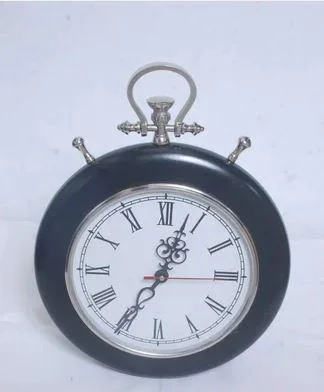
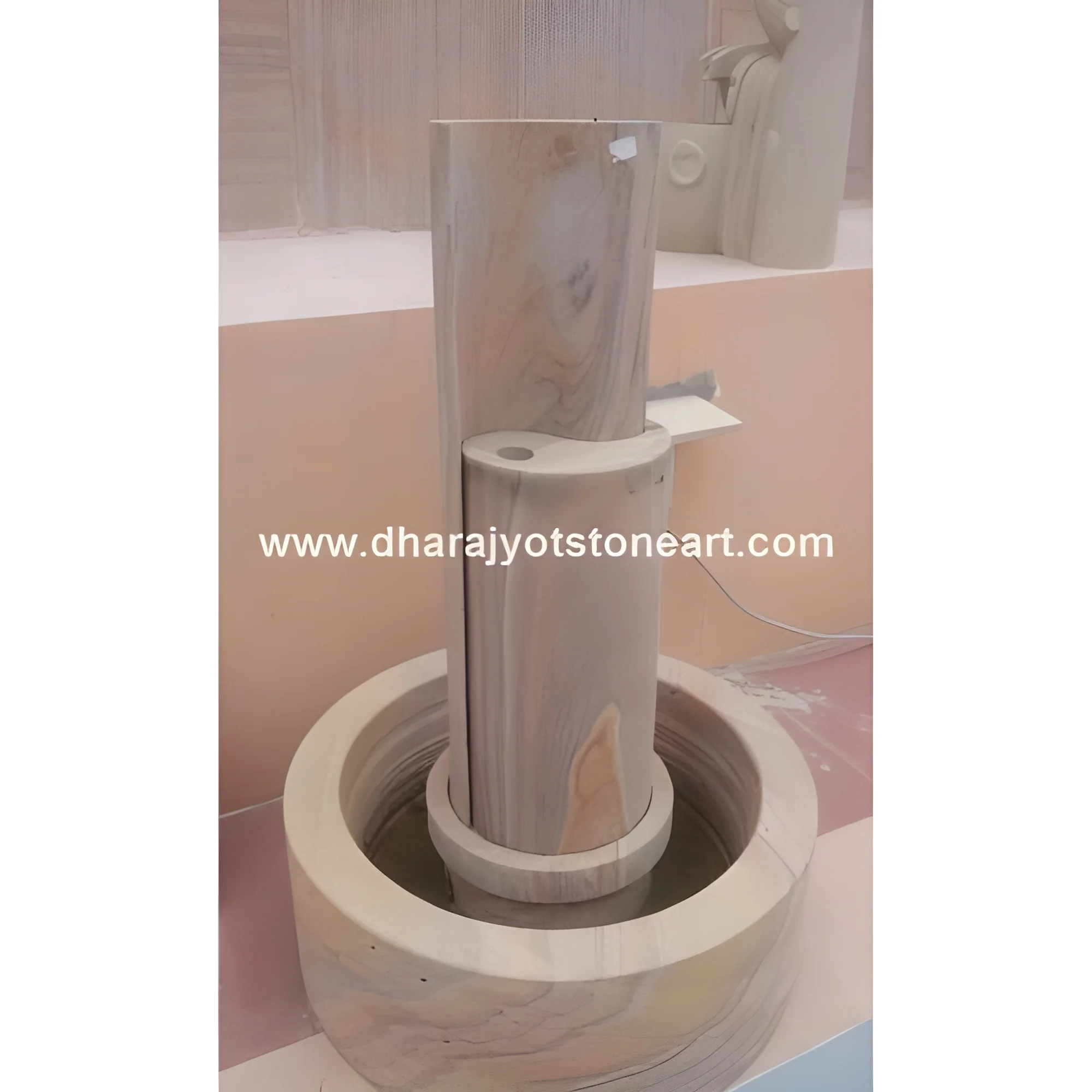
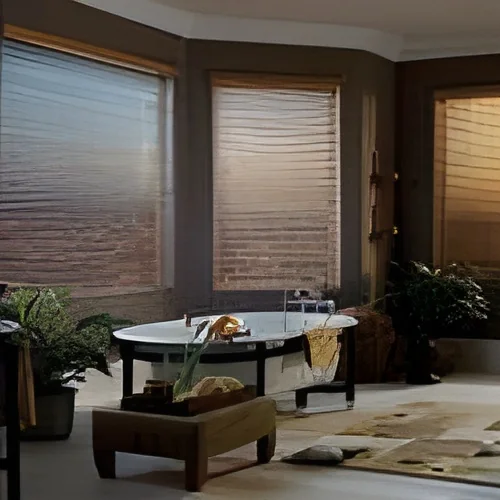
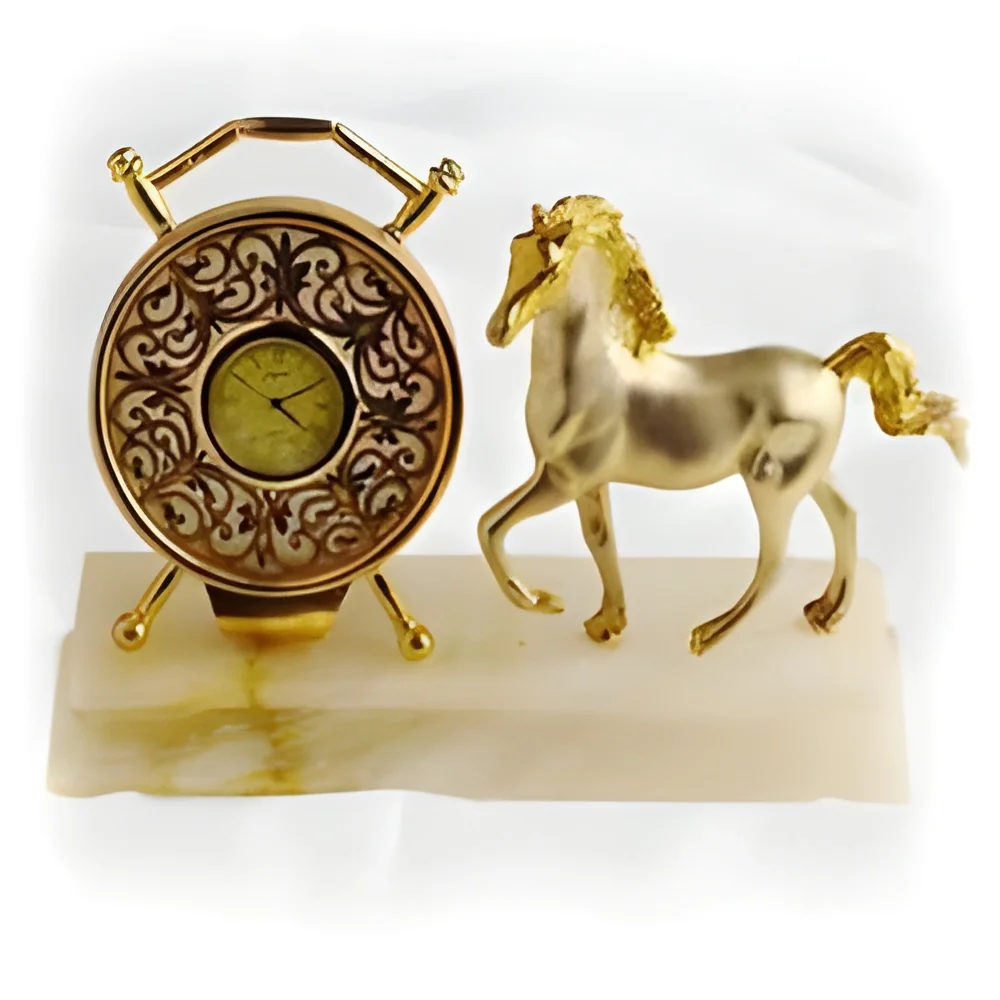
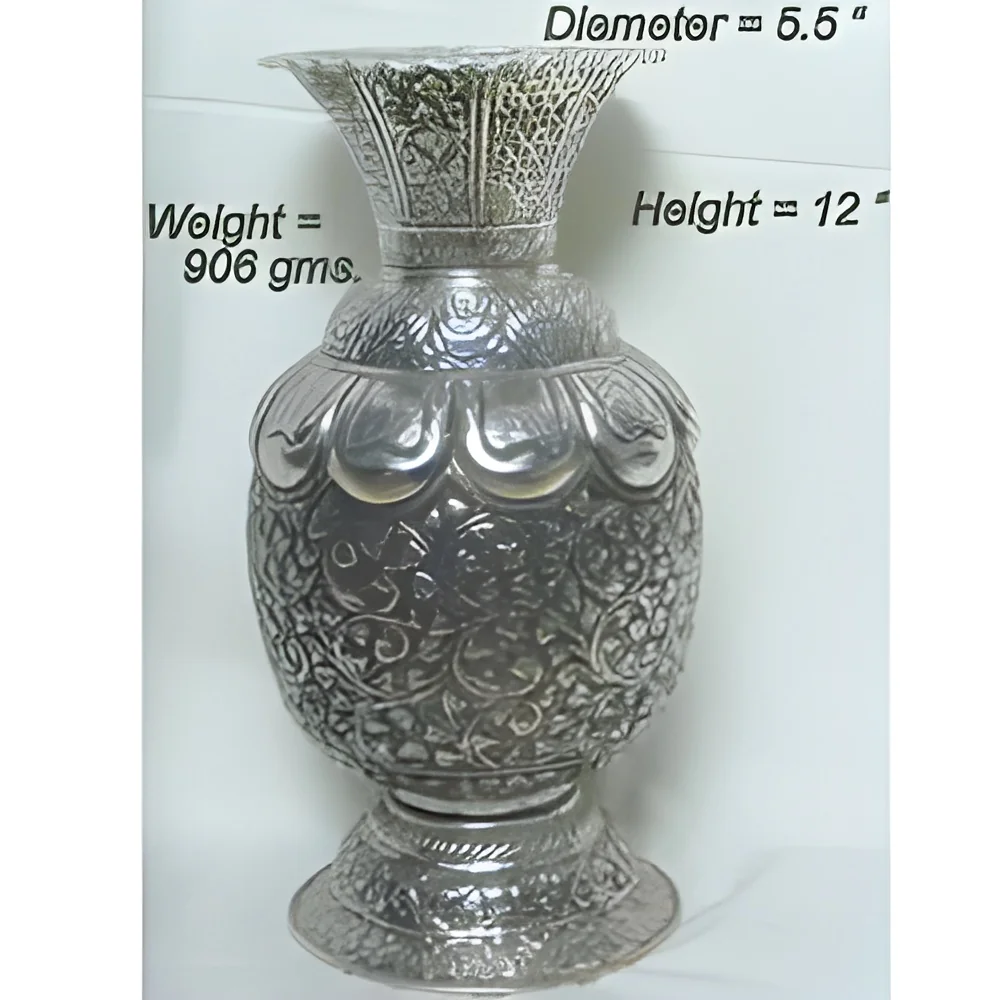
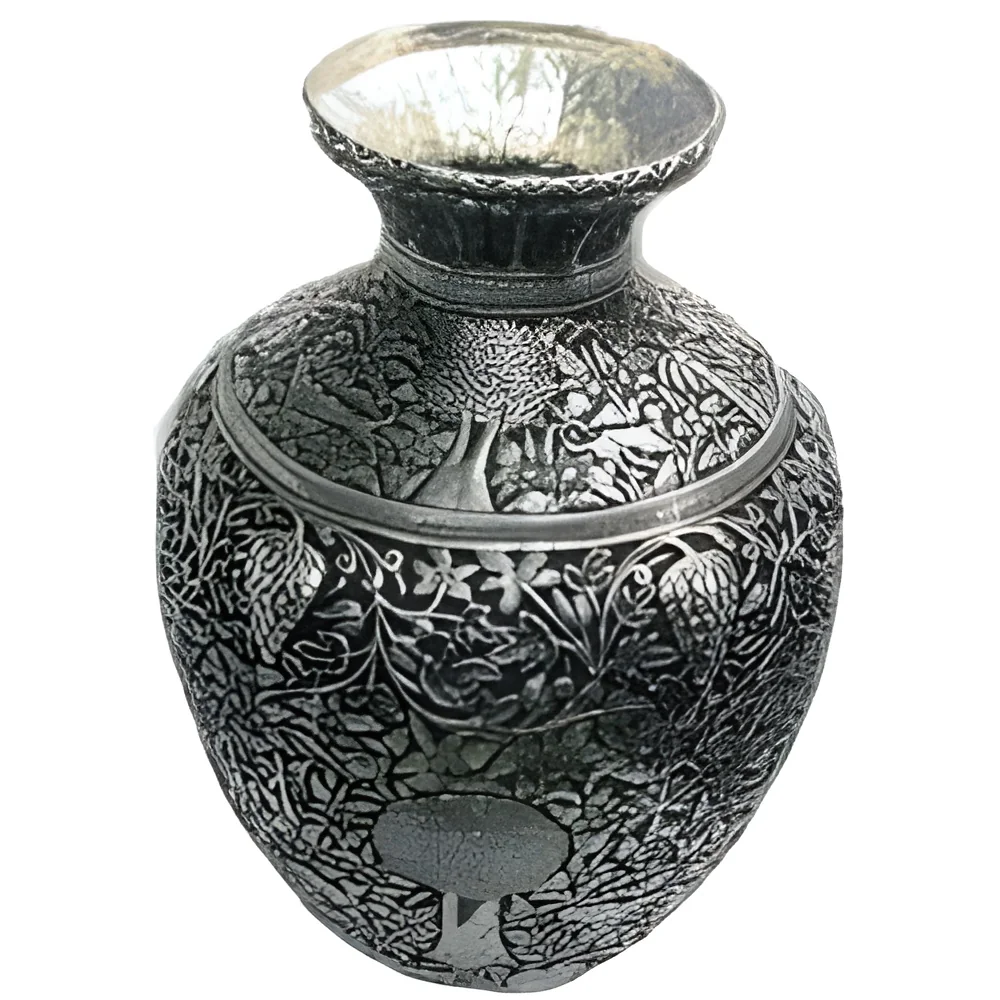
Office decor refers to various elements used to enhance the aesthetic and functional aspects of office environments. This includes furniture, wall art, plants, lighting, and accessories that contribute to the overall ambiance of a workspace. The purpose of office decor is not only to create a visually appealing atmosphere but also to foster productivity, creativity, and employee well-being.
The primary uses of office decor are to create a welcoming environment for employees and clients, support brand identity, and promote a positive corporate culture. Businesses apply these decorative elements in various spaces such as reception areas, conference rooms, and individual workstations. By carefully selecting and arranging decor items, companies can influence mood and engagement levels, thereby improving overall work performance.
In the current market context, the demand for office decor has grown as companies recognize the importance of their work environments. With more businesses focusing on employee satisfaction and branding, office decor has become a significant investment. Trends such as biophilic design and sustainable materials are gaining traction, making it essential for suppliers to stay updated on industry preferences and standards.
𝗞𝗲𝘆 𝗙𝗲𝗮𝘁𝘂𝗿𝗲𝘀 𝗮𝗻𝗱 𝗦𝗽𝗲𝗰𝗶𝗳𝗶𝗰𝗮𝘁𝗶𝗼𝗻𝘀
When considering office decor, it is crucial to understand its key features and specifications. These specifications can vary widely based on the type of decor items.
Key specifications include:
1. Material Quality
- High-quality materials ensure durability and aesthetic appeal.
- Common materials include wood, metal, fabric, and glass.
2. Design Styles
- Various styles such as modern, traditional, minimalist, and industrial cater to different business themes.
- Customization options may be available to align with brand identity.
3. Dimensions
- Products come in various sizes to fit different office layouts.
- Standard measurements should accommodate typical workspace dimensions.
4. Color Options
- A range of colors is available to match corporate branding.
- Color psychology can influence employee mood and productivity.
5. Maintenance Requirements
- Some materials require more upkeep than others.
- Easy-to-clean surfaces can enhance practicality in high-traffic areas.
6. Eco-Friendliness
- Sustainable decor options are increasingly popular.
- Certifications for materials may indicate eco-conscious manufacturing.
7. Warranty and Support
- Many products come with warranties for quality assurance.
- After-sales support can enhance customer satisfaction.
In summary, selecting the right office decor involves evaluating these specifications to ensure a cohesive and functional office environment.
𝗖𝗼𝗺𝗺𝗼𝗻 𝗔𝗽𝗽𝗹𝗶𝗰𝗮𝘁𝗶𝗼𝗻𝘀 𝗮𝗻𝗱 𝗨𝘀𝗲 𝗖𝗮𝘀𝗲𝘀
Office decor serves various industries, each with unique applications and considerations.
1. Corporate Offices: In corporate settings, decor often reflects the brand's identity and values. Elements like artwork and color schemes can enhance the corporate image and create a professional atmosphere.
2. Creative Agencies: For creative industries, office decor encourages innovation and collaboration. Open spaces with vibrant colors and unique furniture designs can stimulate creativity among teams.
3. Educational Institutions: Schools and universities utilize decor to create engaging learning environments. Wall art and comfortable seating areas promote a positive educational experience.
4. Healthcare Facilities: In healthcare settings, decor focuses on creating a calming environment. Soft colors and natural elements can help reduce stress for both patients and staff.
5. Hospitality Sector: Hotels and restaurants use decor to enhance guest experiences. Themed decor can create a memorable ambiance that aligns with the establishment's brand.
6. Retail Spaces: Retail environments often use decor to attract customers. Engaging displays and eye-catching designs can enhance the shopping experience.
7. Startups and Co-working Spaces: These spaces often feature eclectic decor to foster community and collaboration. Creative designs and flexible layouts can accommodate diverse workstyles.
𝗣𝗿𝗼𝗱𝘂𝗰𝘁 𝗩𝗮𝗿𝗶𝗮𝗻𝘁𝘀 𝗮𝗻𝗱 𝗦𝘂𝗯𝗰𝗮𝘁𝗲𝗴𝗼𝗿𝗶𝗲𝘀
Office decor encompasses a variety of product types, allowing businesses to select items that best suit their needs.
Wall Art
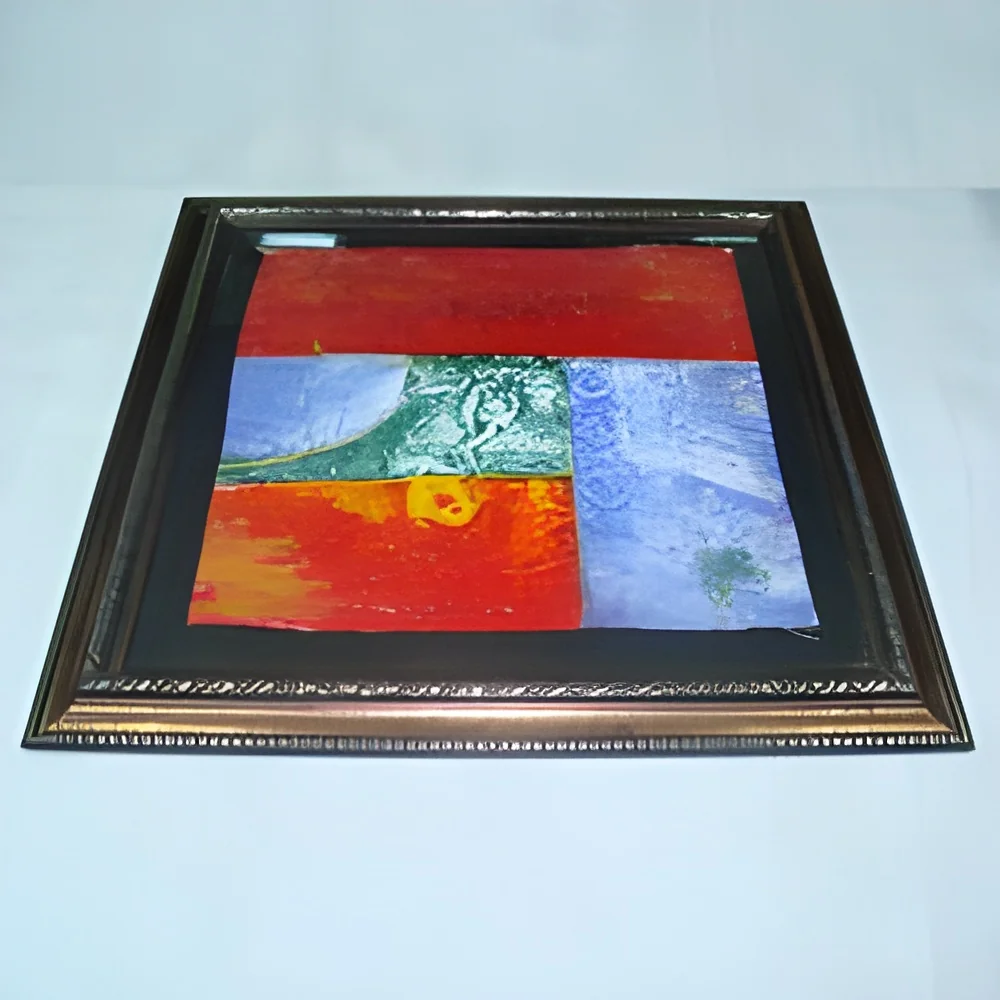
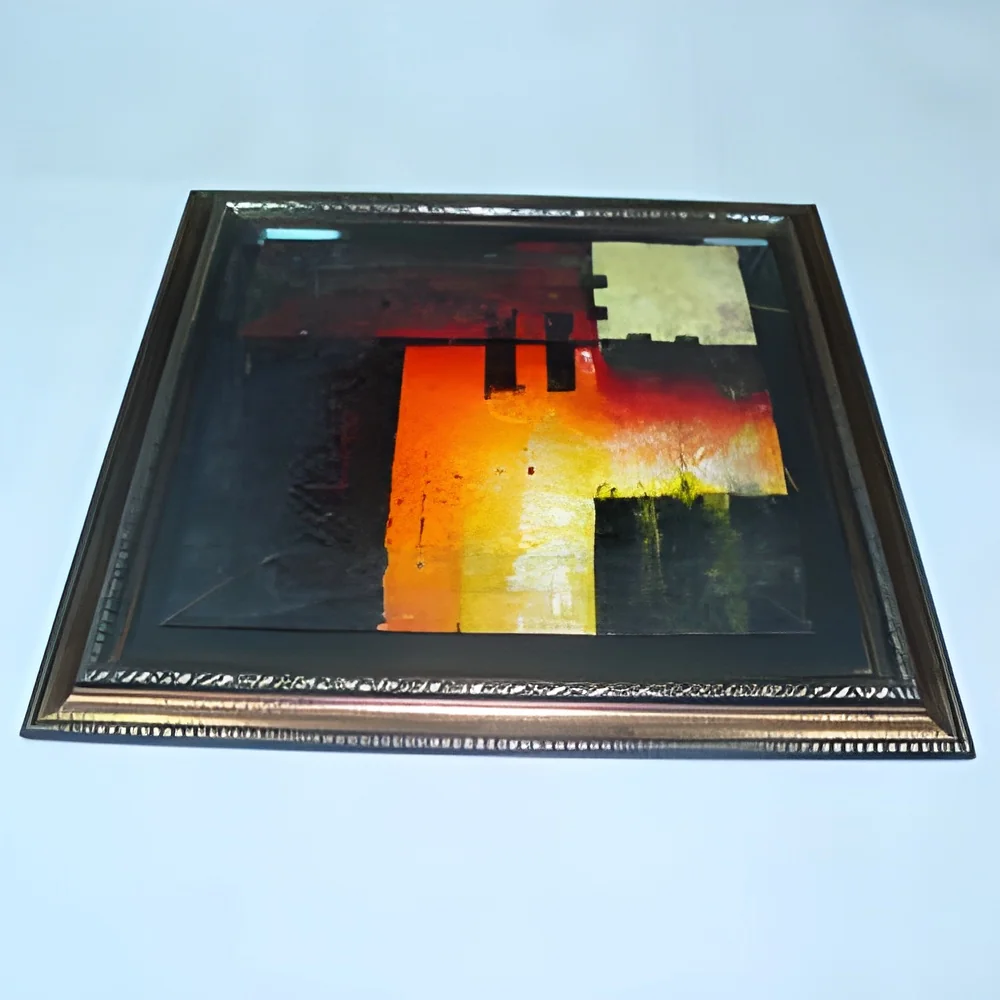
Wall art can include paintings, prints, or photographs that enhance office walls. These items add personality to the workspace and can be customized to reflect the company's values or mission.
Furniture
Office furniture includes desks, chairs, and storage solutions. Ergonomic furniture options are designed to promote health and comfort in the workplace.
Plants
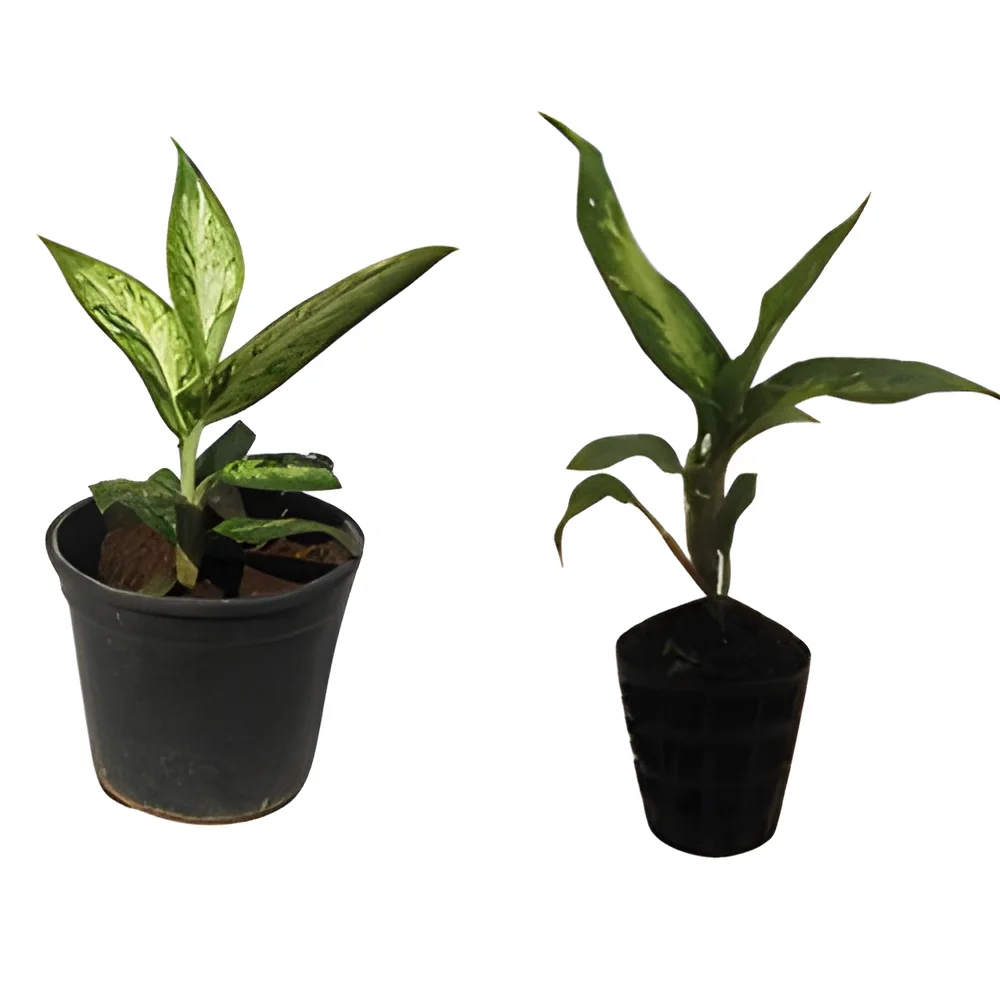
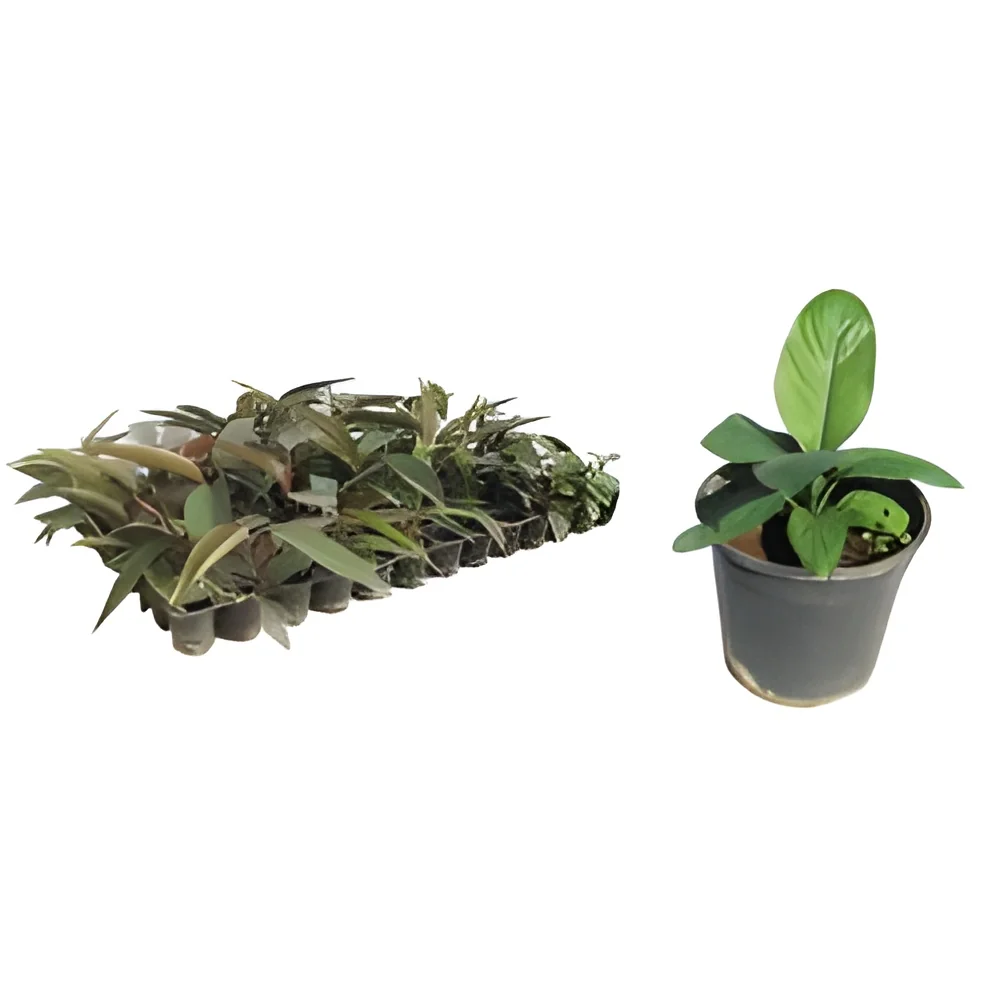
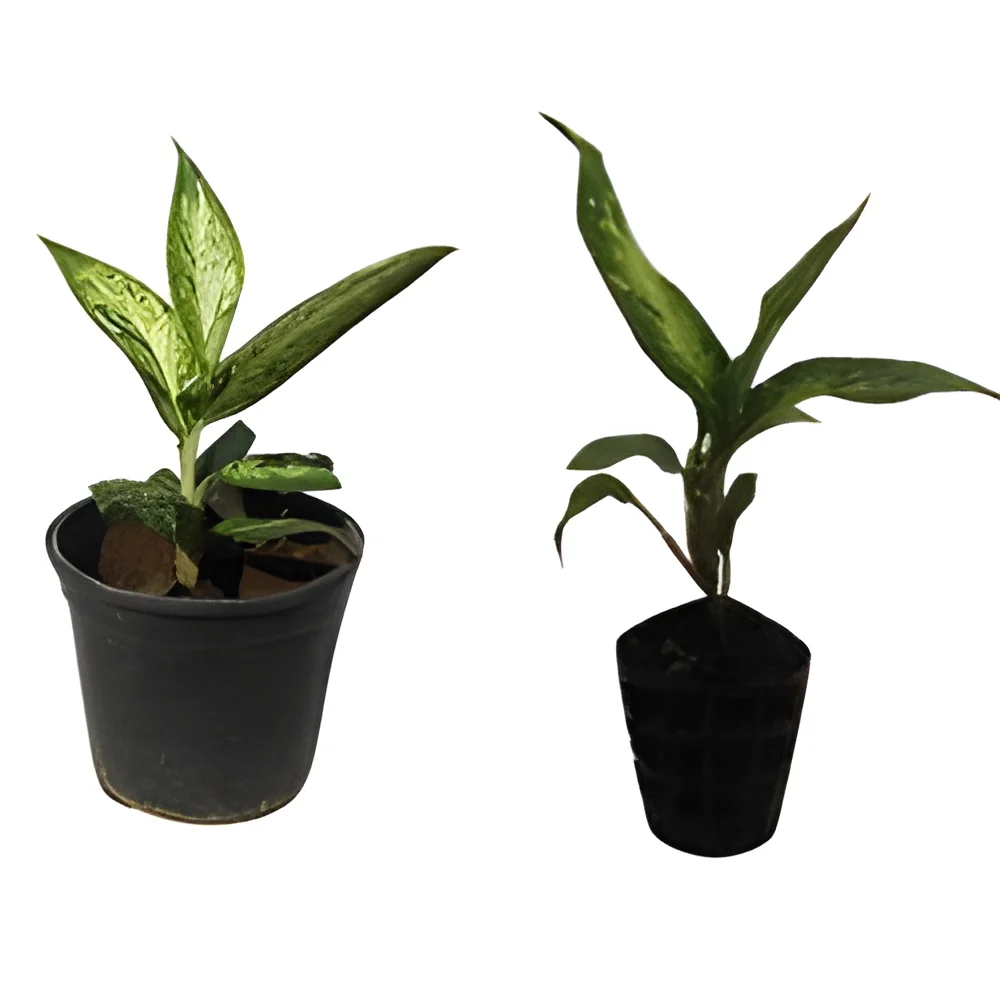
Indoor plants are popular for improving air quality and adding a natural element to the decor. They contribute to a calming atmosphere and can enhance employee well-being.
Lighting
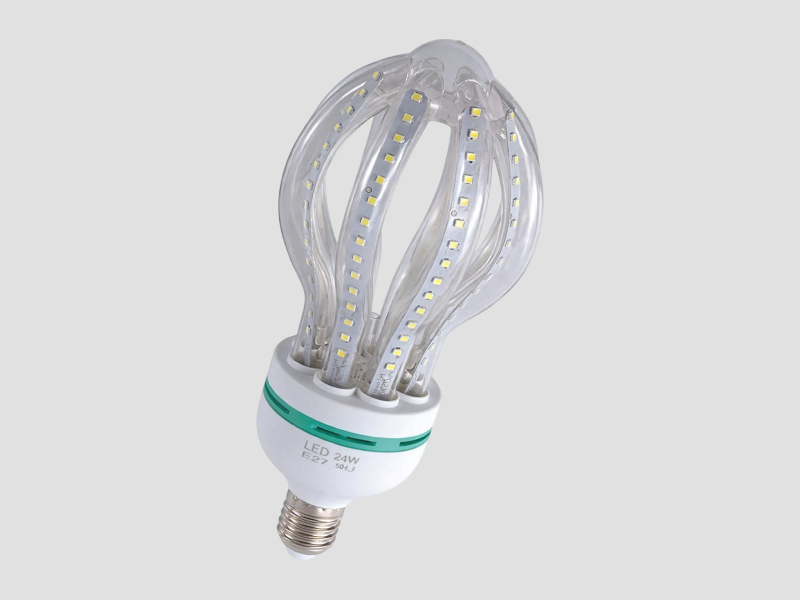
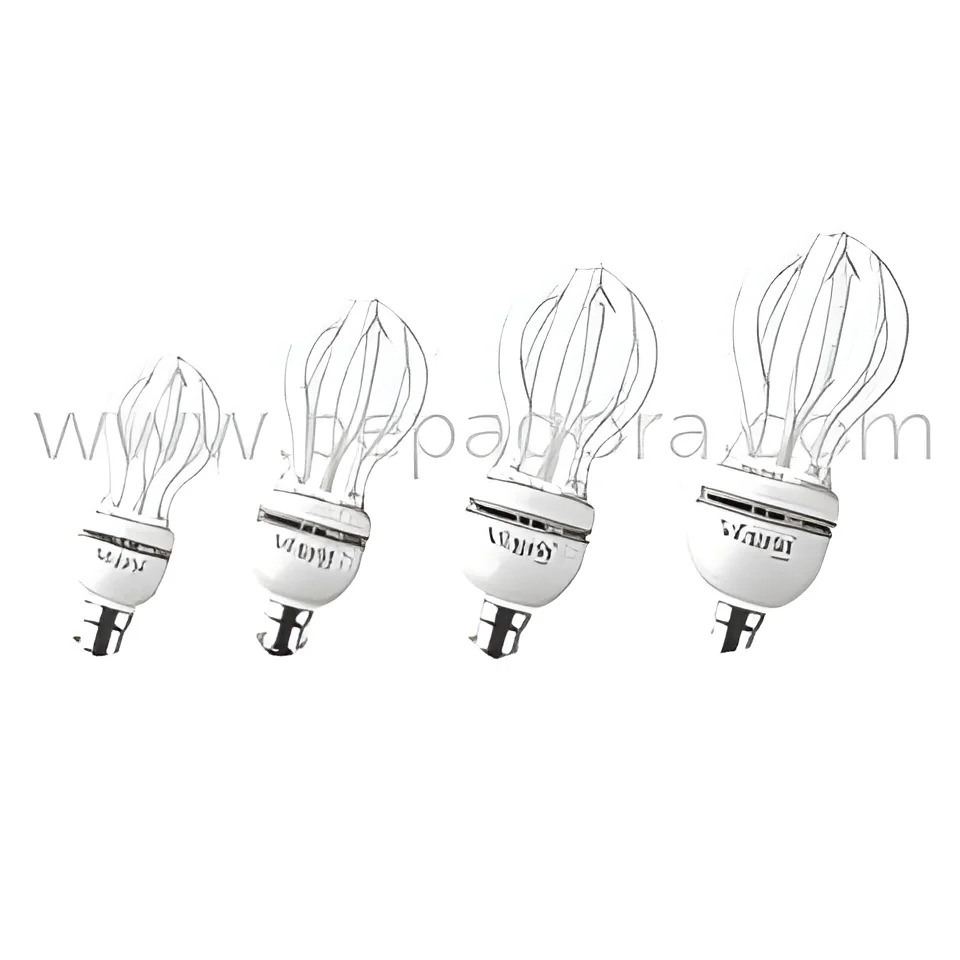
Lighting options, such as decorative lamps and energy-efficient fixtures, play a crucial role in setting the mood of an office space. Proper lighting can improve productivity and reduce eye strain.
Accessories
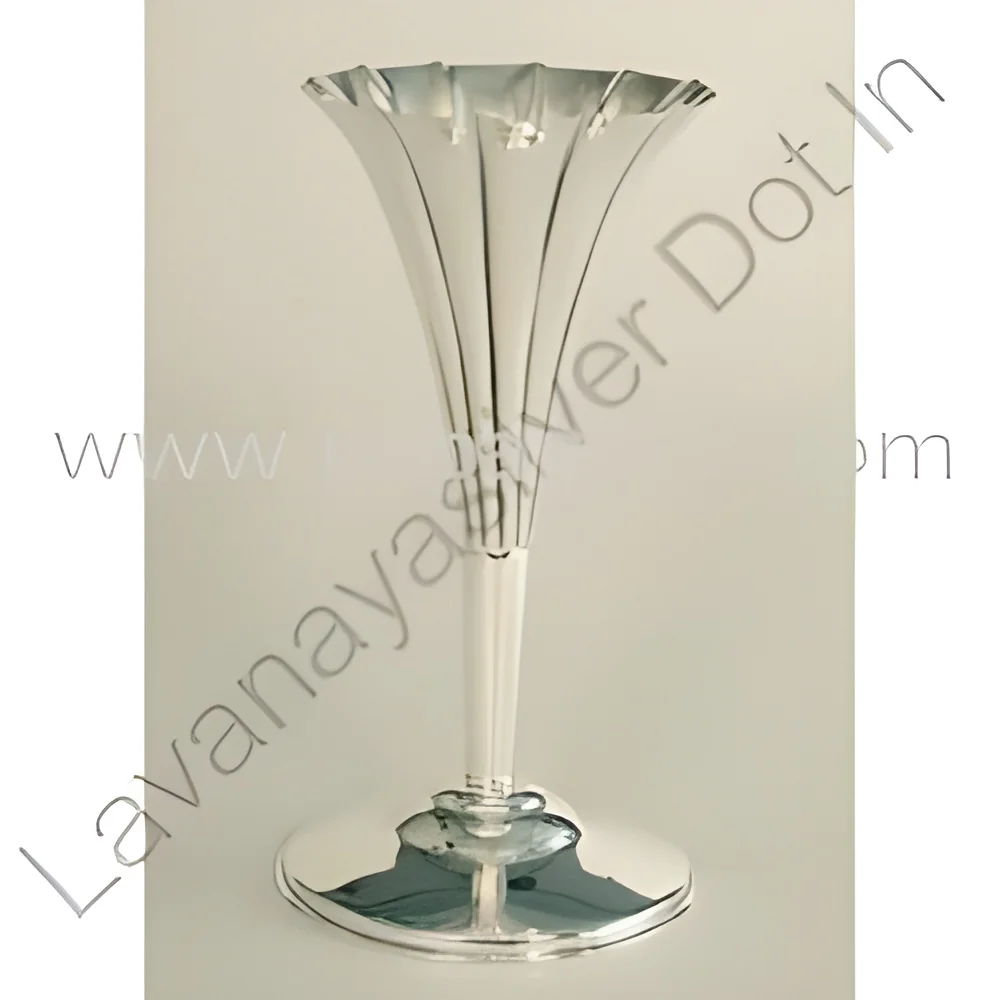
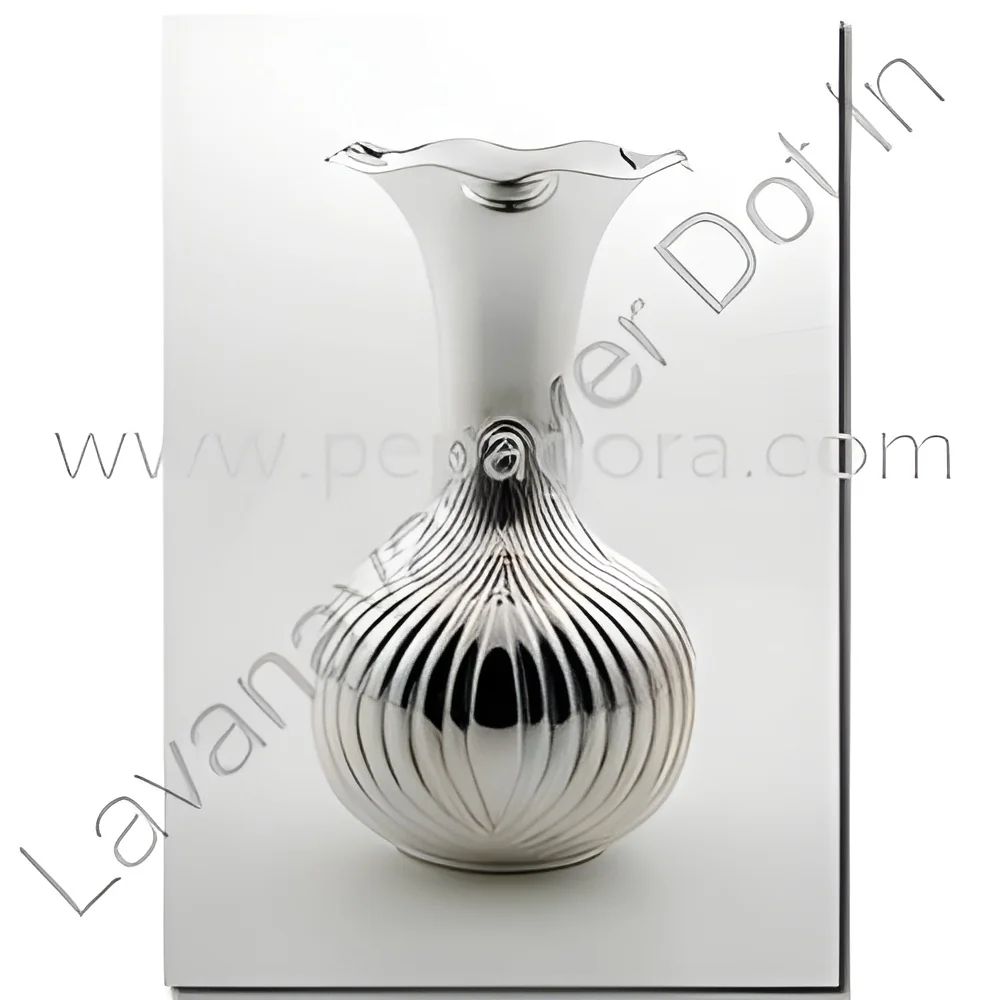
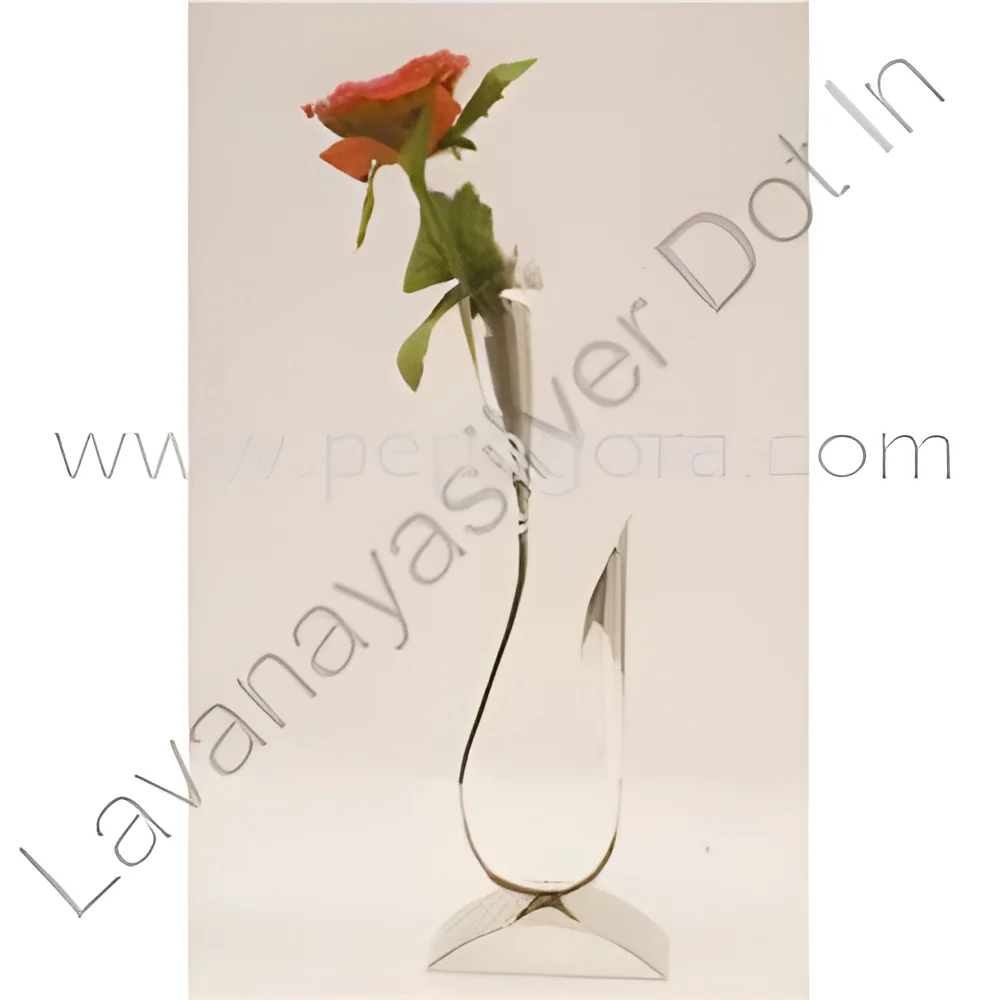
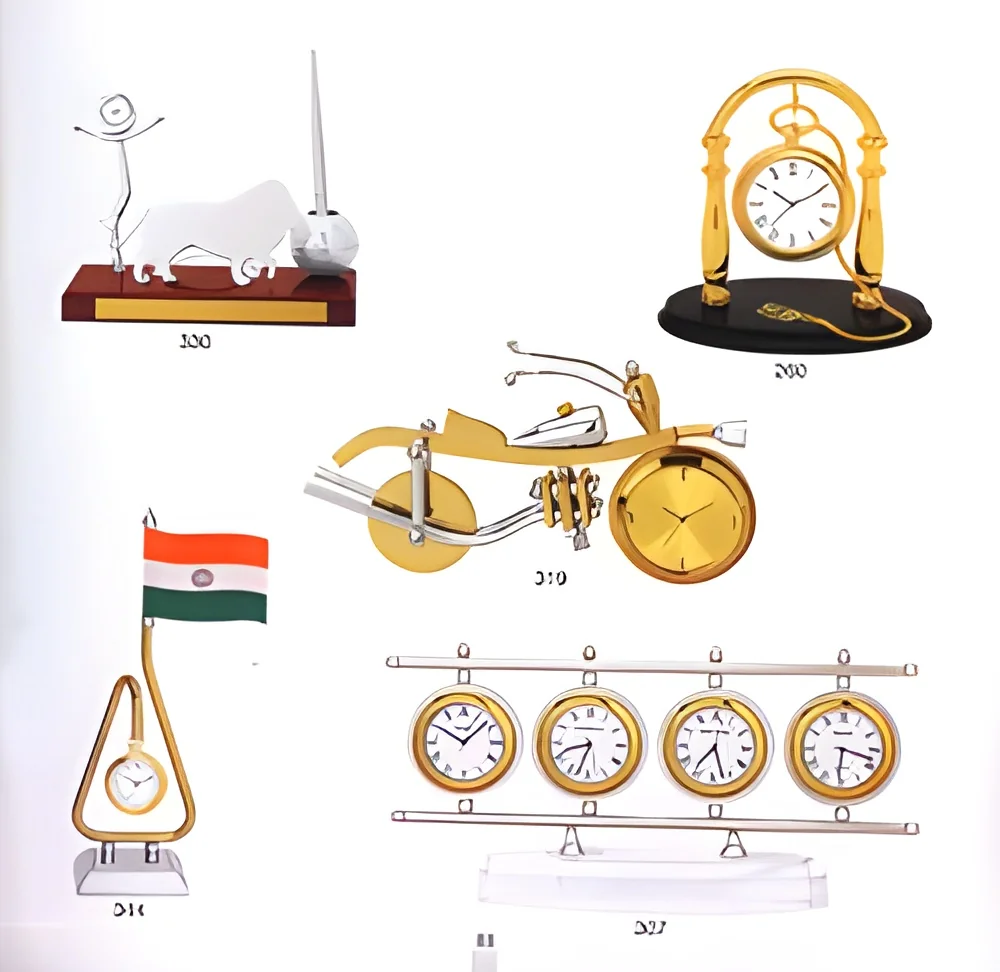
Accessories like rugs, cushions, and decorative items can tie a space together. These elements add warmth and comfort to the office environment.
𝗕𝗲𝗻𝗲𝗳𝗶𝘁𝘀 𝗮𝗻𝗱 𝗔𝗱𝘃𝗮𝗻𝘁𝗮𝗴𝗲𝘀
Investing in office decor yields several benefits that can enhance the overall workplace experience.
1. Improved Employee Morale: A well-decorated office can boost employee satisfaction and morale, leading to higher retention rates.
2. Increased Productivity: Thoughtful decor can create an inspiring atmosphere that encourages focus and creativity among employees.
3. Enhanced Brand Identity: Custom decor elements can reinforce brand values and create a cohesive corporate image that resonates with clients.
4. Better Client Impressions: A visually appealing office space can leave a positive impression on clients and visitors, reflecting professionalism and attention to detail.
5. Health and Well-being: Incorporating natural elements and ergonomic designs can promote better health and reduce stress among employees.
6. Flexibility and Adaptability: Modern office decor often includes modular and versatile designs that can adapt to changing work environments or team sizes.
𝗕𝘂𝘆𝗶𝗻𝗴 𝗚𝘂𝗶𝗱𝗲 𝗳𝗼𝗿 𝗕𝟮𝗕 𝗕𝘂𝘆𝗲𝗿𝘀
When sourcing office decor, B2B buyers should consider several important factors to ensure they make informed decisions.
1. Quality Assessment: Evaluate the durability and craftsmanship of decor items. Look for materials that are sturdy and withstand daily wear and tear.
2. Supplier Verification: Verify suppliers through credentials, references, and reviews. Ensure they have a reputable history of delivering quality products.
3. Pricing and MOQ: Understand the pricing structure and minimum order quantities. Look for competitive pricing while ensuring quality is not compromised.
4. Delivery and Lead Times: Inquire about delivery options and lead times. Timely delivery is critical to ensure projects stay on schedule.
5. Compliance Requirements: Ensure that products meet relevant industry standards and regulations. Compliance with safety and environmental guidelines is essential for long-term use.
𝗖𝗼𝗺𝗽𝗹𝗶𝗮𝗻𝗰𝗲 𝗮𝗻𝗱 𝗖𝗲𝗿𝘁𝗶𝗳𝗶𝗰𝗮𝘁𝗶𝗼𝗻𝘀
Compliance with quality standards and certifications is crucial in the office decor industry.
Relevant quality standards like ISO 9001 ensure that products meet international management standards, emphasizing quality control and continuous improvement.
Industry certifications such as CE indicate that the products are compliant with European health, safety, and environmental protection standards. This certification can enhance product credibility and marketability.
Safety and testing requirements are also essential for office decor, especially for items like furniture and lighting. Ensuring that products undergo rigorous testing can prevent potential hazards in the workplace.
Regional compliance considerations must also be taken into account. Different regions have varying regulations regarding materials and manufacturing processes, making it important for suppliers to stay informed.
𝗪𝗵𝘆 𝗦𝗼𝘂𝗿𝗰𝗲 𝗢𝗳𝗳𝗶𝗰𝗲 𝗗𝗲𝗰𝗼𝗿 𝗳𝗿𝗼𝗺 𝗣𝗲𝗽𝗮𝗴𝗼𝗿𝗮?
Pepagora provides a trusted platform for sourcing office decor with several key advantages.
Verified Supplier Network: Our platform connects buyers with a network of verified suppliers, ensuring quality and reliability. Each supplier undergoes a rigorous vetting process to maintain high standards.
Streamlined RFQ Process: Pepagora's Request for Quotation (RFQ) system simplifies the procurement process. Buyers can easily request quotes from multiple suppliers, facilitating comparison and decision-making.
Trade Assurance and Support: With trade assurance programs, buyers receive protection against unfulfilled orders. Our customer support team is always available to assist with any queries or issues.
Regional Coverage: Pepagora serves a broad geographic area, including India, the Gulf Cooperation Council (GCC) countries, and Southeast Asia. This extensive reach allows businesses to find suitable decor options tailored to their specific regional needs.

 IN
IN

 India
India