
 IN
Decorative Clocks
58 products available
What are Decorative Clocks?
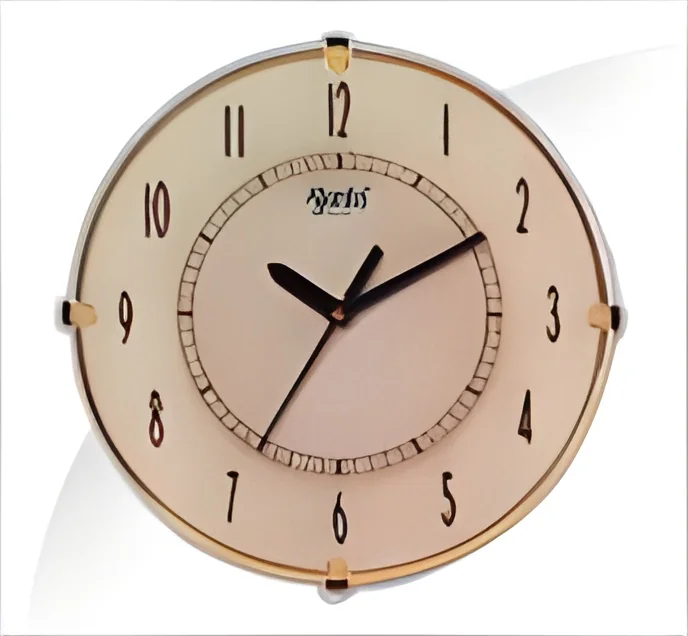
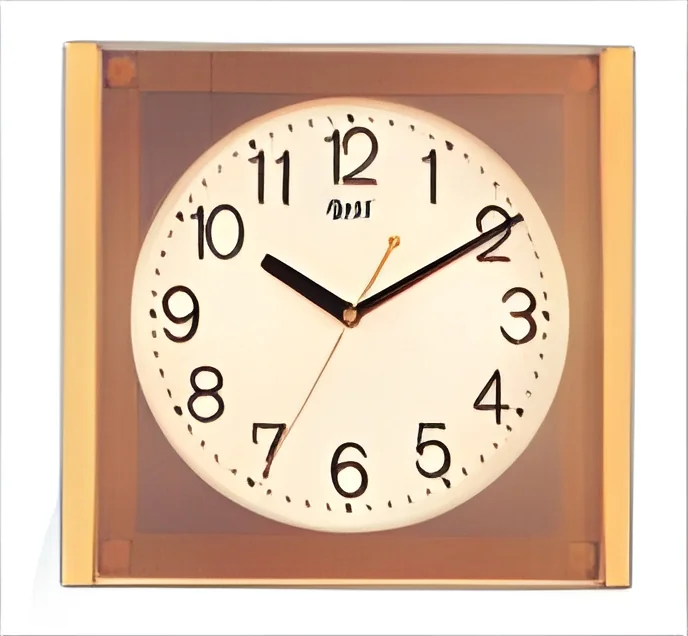
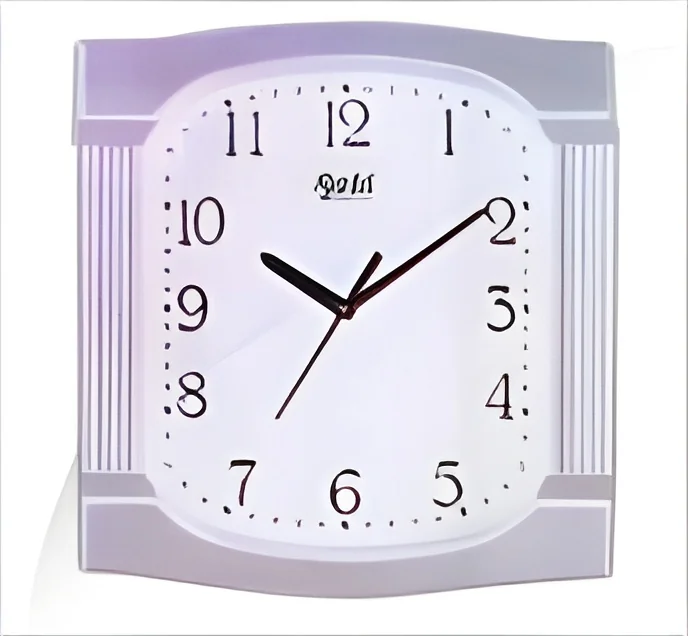
Decorative clocks are timekeeping devices that combine functionality with aesthetic appeal. Unlike standard clocks, these pieces are designed to enhance the visual ambiance of a space while providing accurate timekeeping. They come in various styles, materials, and sizes, allowing businesses to choose options that align with their branding and interior design.
These clocks are widely used in commercial environments, such as offices, hotels, and retail spaces. They serve not only as practical tools for time management but also as decor elements that can strengthen brand identity. By integrating decorative clocks into their environments, businesses can create a welcoming atmosphere that reflects their values and enhances customer experience.
In the current market, decorative clocks have gained traction as essential design elements. Industry trends show a growing demand for unique and customizable clocks that resonate with various consumer preferences. This has led to a wider range of options available for B2B buyers, making it easier to find products that fit specific needs and contexts.
Key Features and Specifications
Decorative clocks are characterized by a variety of features that contribute to their aesthetic and functional qualities. When selecting these products, it is important to understand the specifications that best meet business requirements.
Key specifications include:
1. Design Style
- Options range from modern to vintage, allowing for diverse interior compatibility.
2. Material Composition
- Clocks can be made from wood, metal, plastic, or glass, impacting durability and aesthetics.
3. Size Dimensions
- Available in various sizes, from small wall clocks to large statement pieces.
4. Power Source
- Options typically include battery-operated or electrically powered mechanisms.
5. Movement Type
- Clocks may feature quartz, mechanical, or digital movements, influencing maintenance needs.
6. Customization Options
- Many manufacturers offer customization in design, color, and branding features.
7. Finish Type
- Finishes can include matte, glossy, or textured surfaces, affecting the overall look.
8. Weight
- The weight can vary significantly, impacting installation and display choices.
In summary, understanding these key specifications is essential for selecting the right decorative clocks that meet both aesthetic and functional needs.
Common Applications and Use Cases
Decorative clocks find utility across various sectors, enhancing both functionality and design.
1. Hospitality Industry: Hotels and restaurants use decorative clocks to create inviting atmospheres while providing guests with easy access to time.
2. Retail Spaces: Stores often display decorative clocks as part of their merchandising strategy, enhancing the shopping experience and reinforcing brand identity.
3. Corporate Offices: Many businesses incorporate decorative clocks into their office environments to combine professionalism with a welcoming feel.
4. Educational Institutions: Schools and universities use decorative clocks to enhance common areas, providing students and staff with timekeeping solutions that are visually appealing.
5. Healthcare Facilities: Clinics and hospitals may use decorative clocks in waiting areas to create a calming environment for patients and visitors.
6. Residential Spaces: Home decor often features decorative clocks as statement pieces, combining style with practicality.
7. Event Venues: Decorative clocks can be utilized in event spaces to enhance the ambiance for special occasions while ensuring guests are aware of time management.
Product Variants and Subcategories
Decorative clocks come in a variety of styles and designs, each tailored to different preferences and environments.
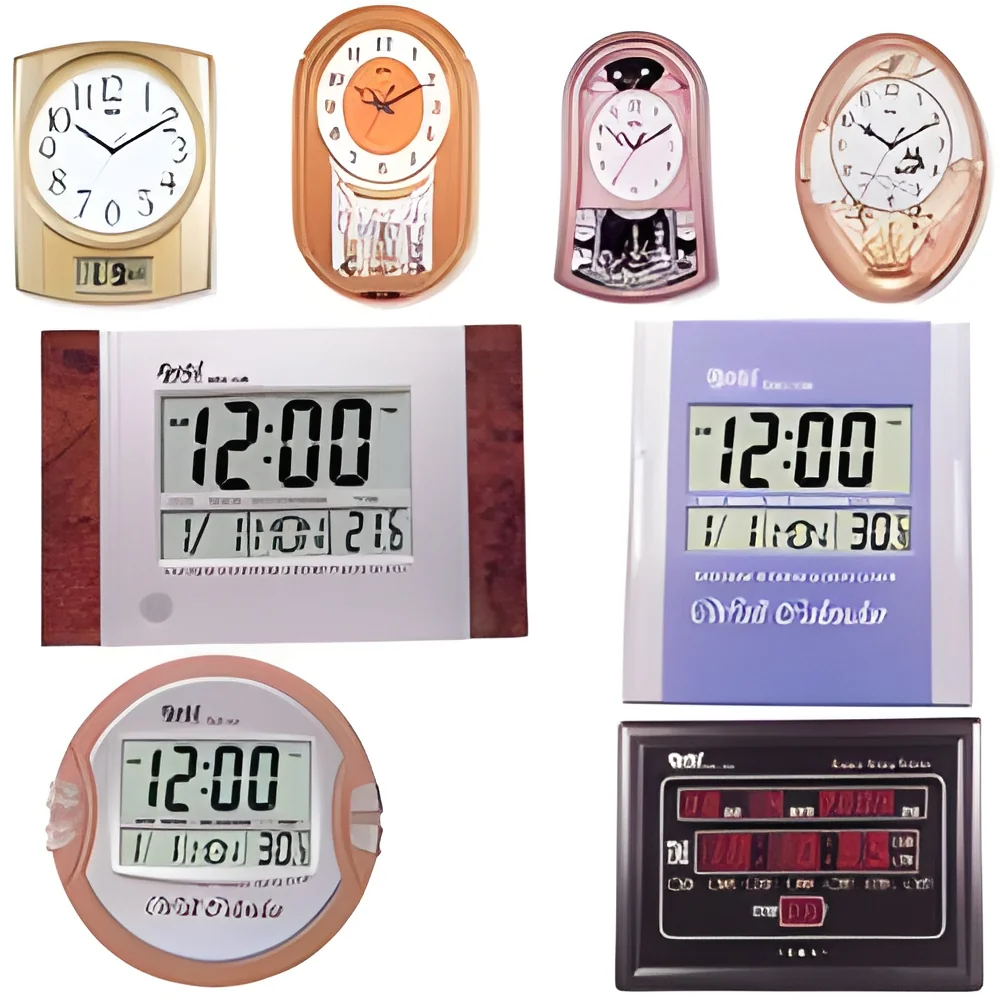
Wall Clocks
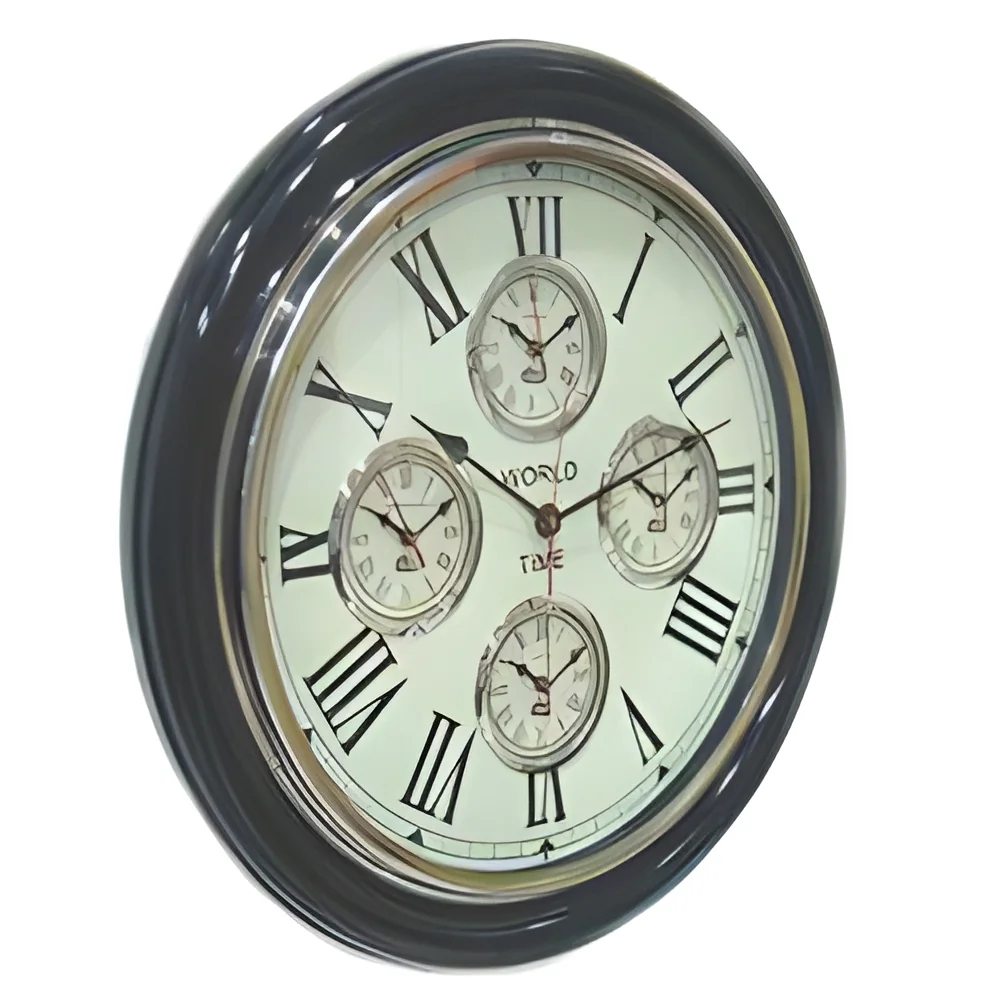
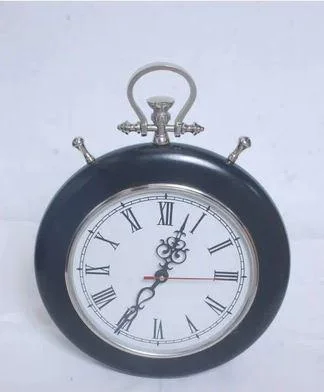
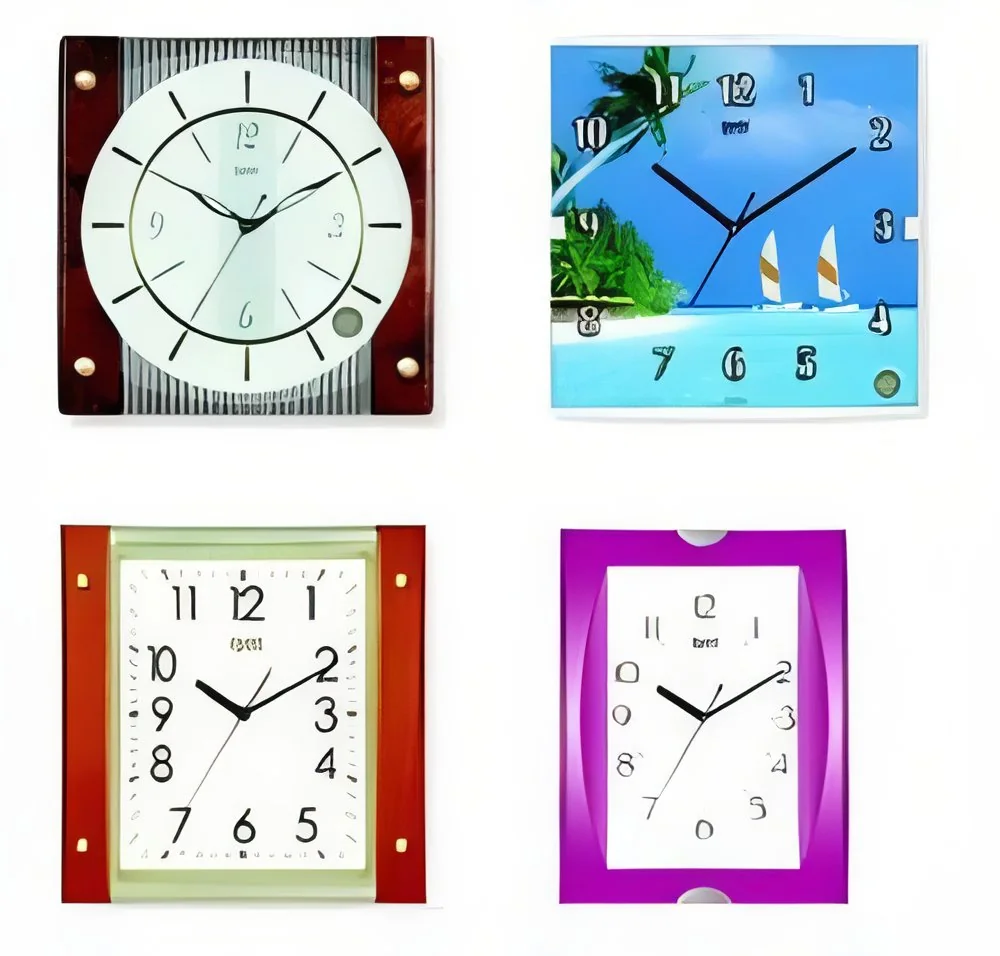
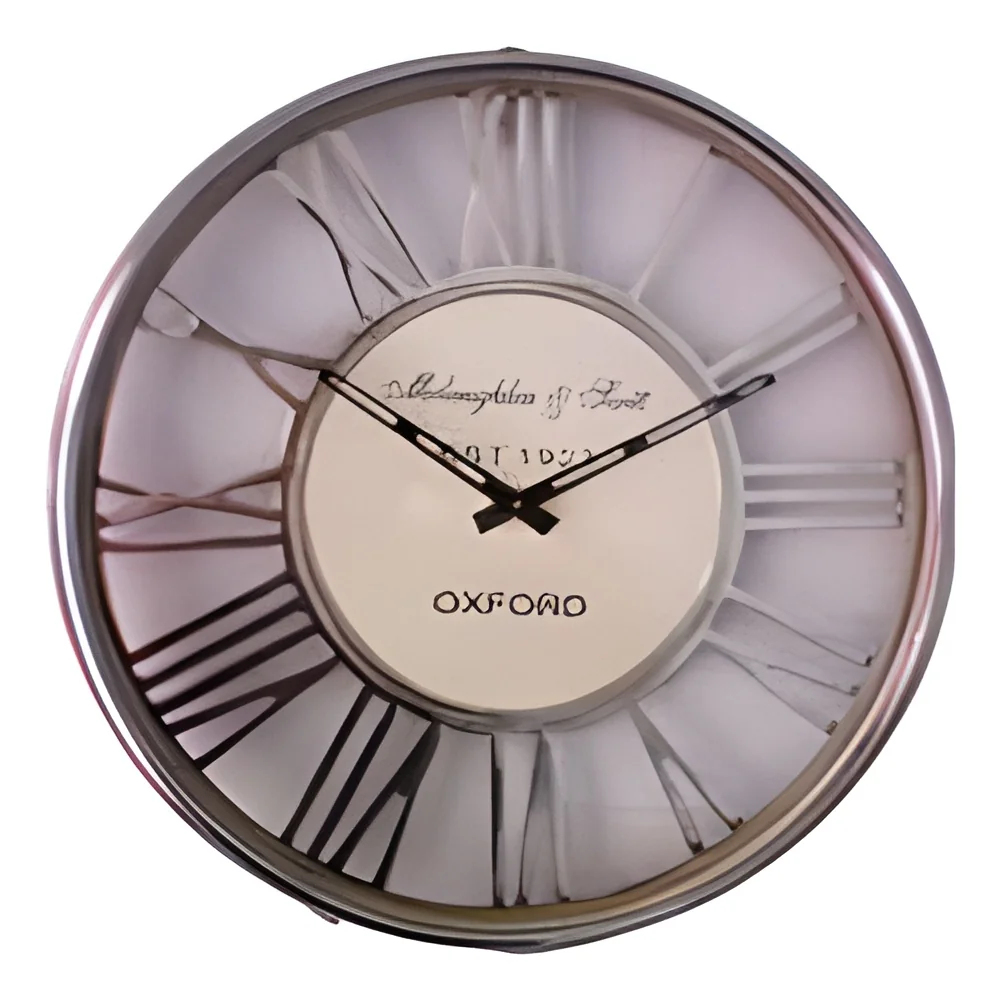
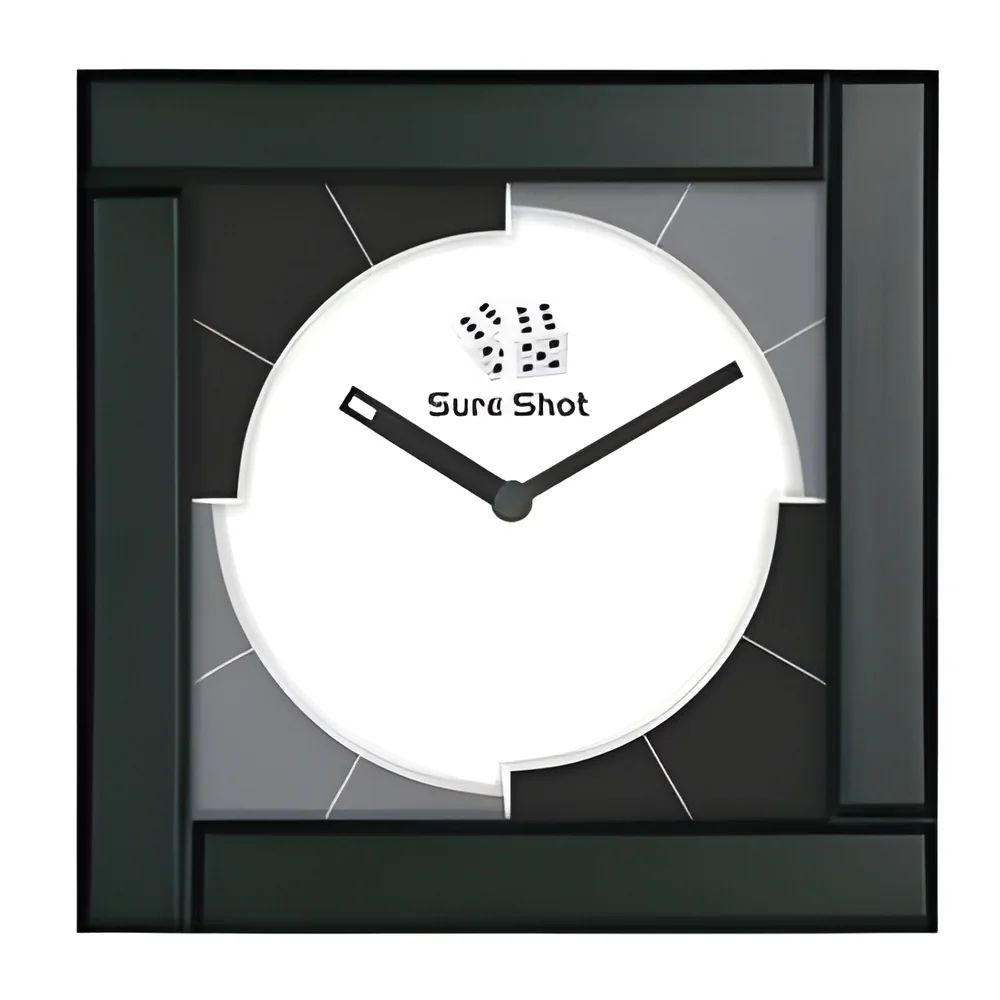
These clocks are designed to be mounted on walls, available in numerous designs ranging from minimalist to ornate. They serve as focal points in both residential and commercial spaces.
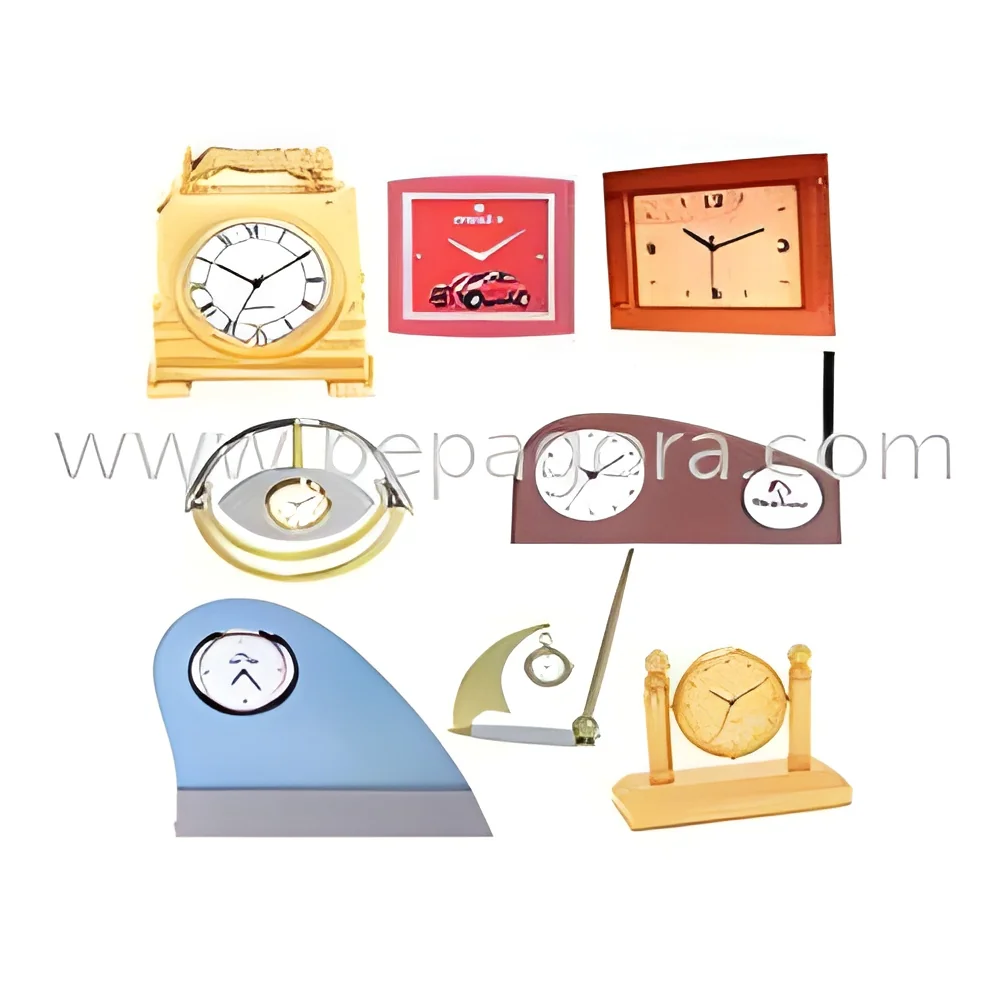
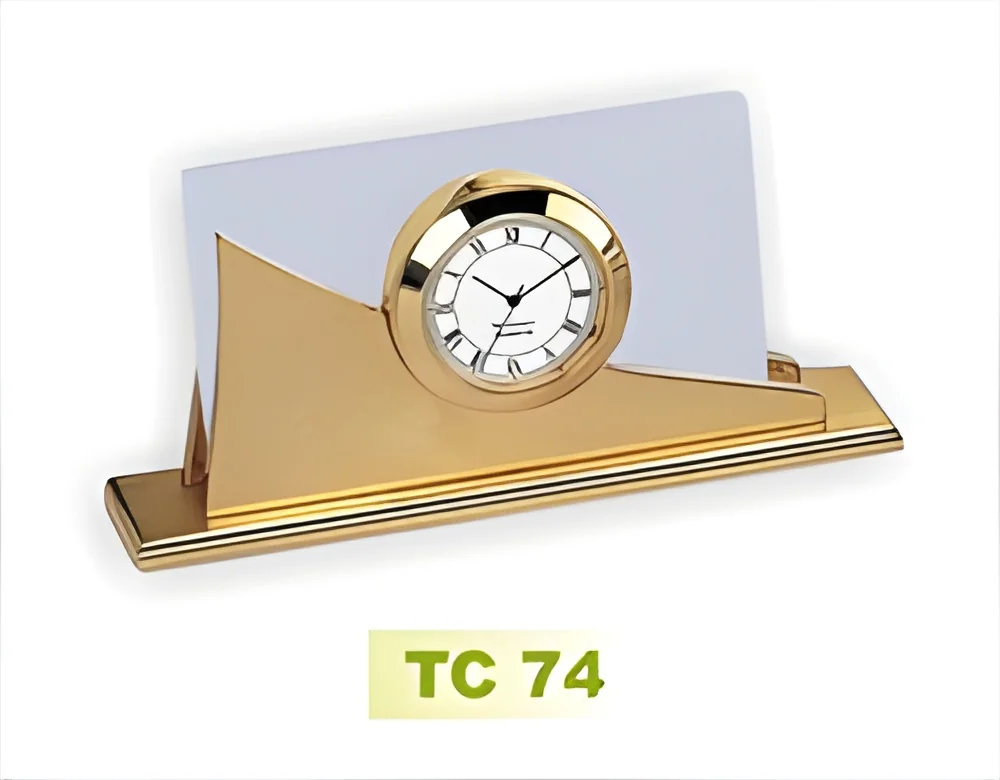
Table Clocks
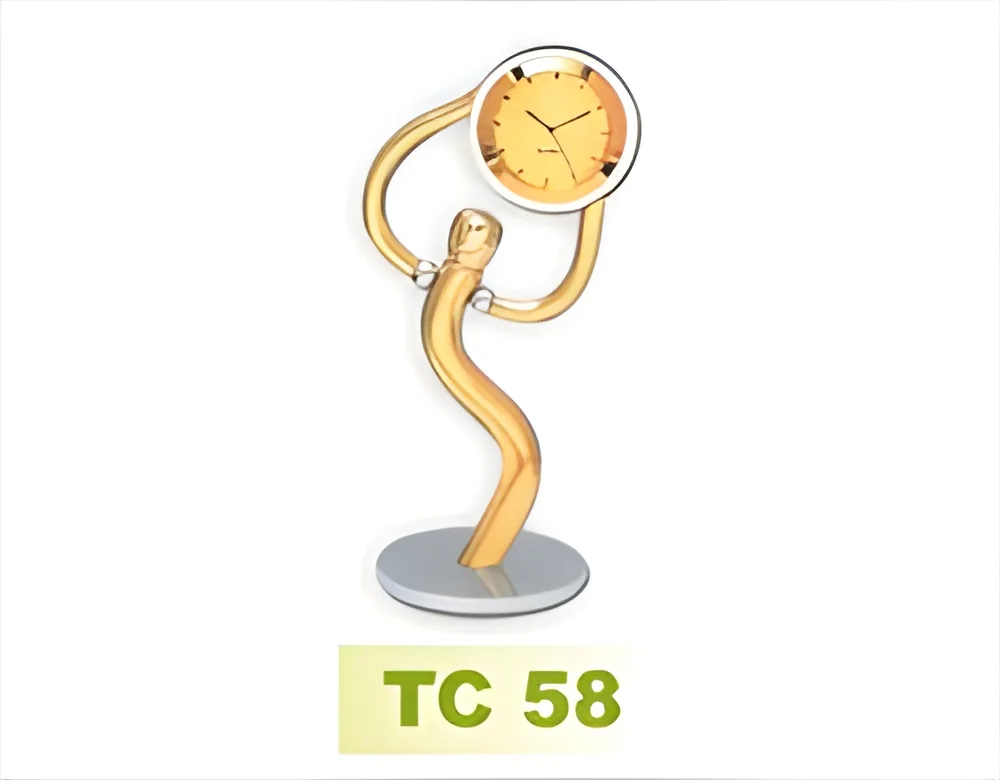
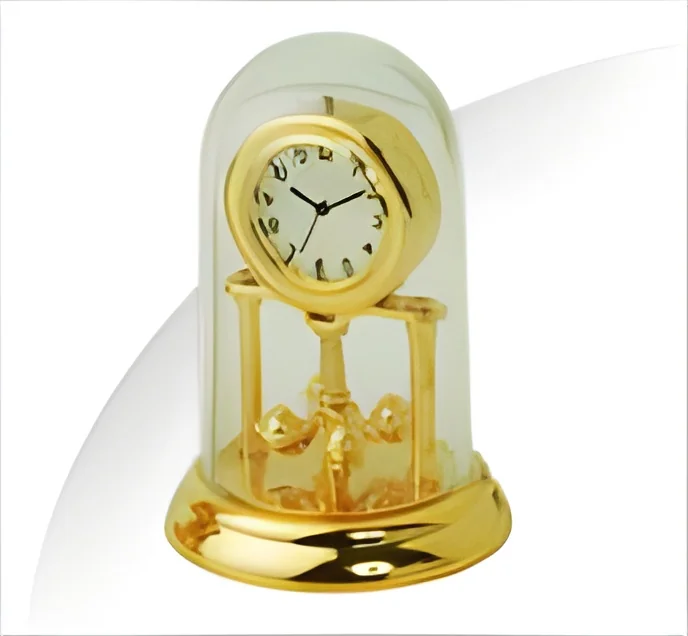
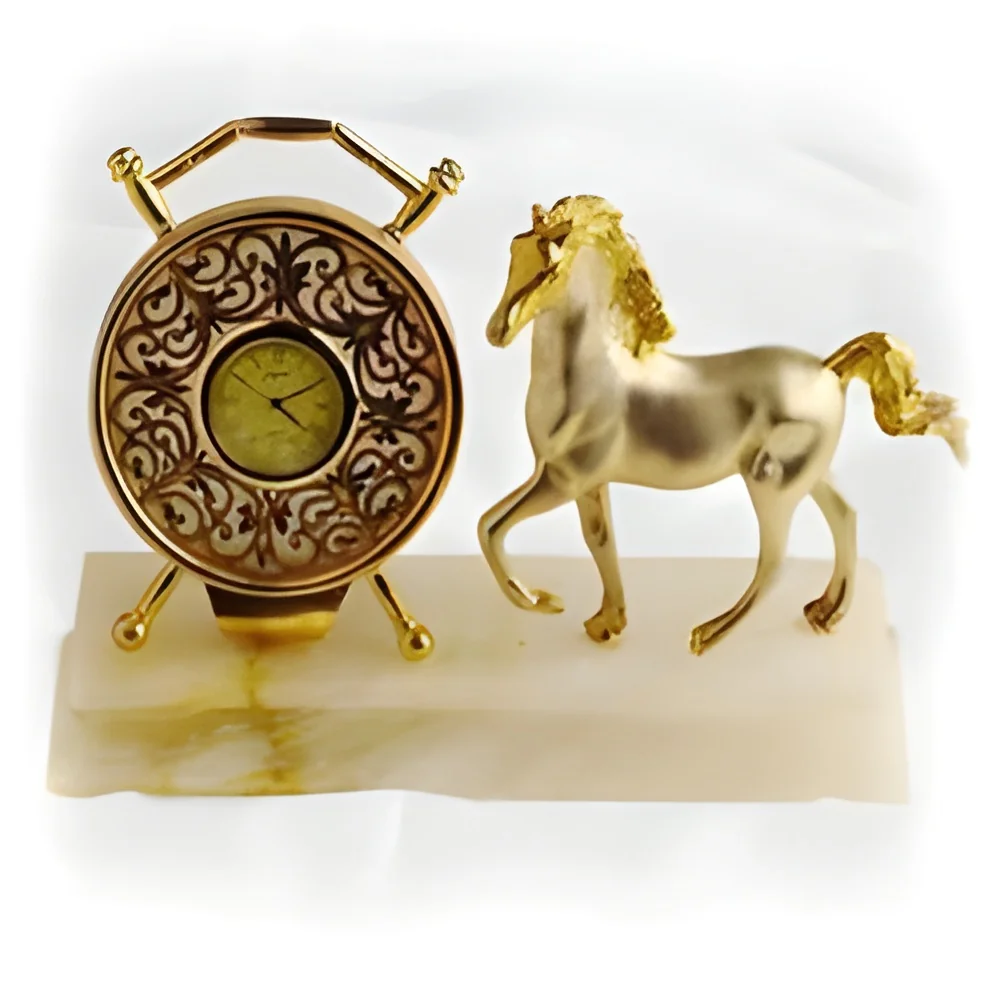
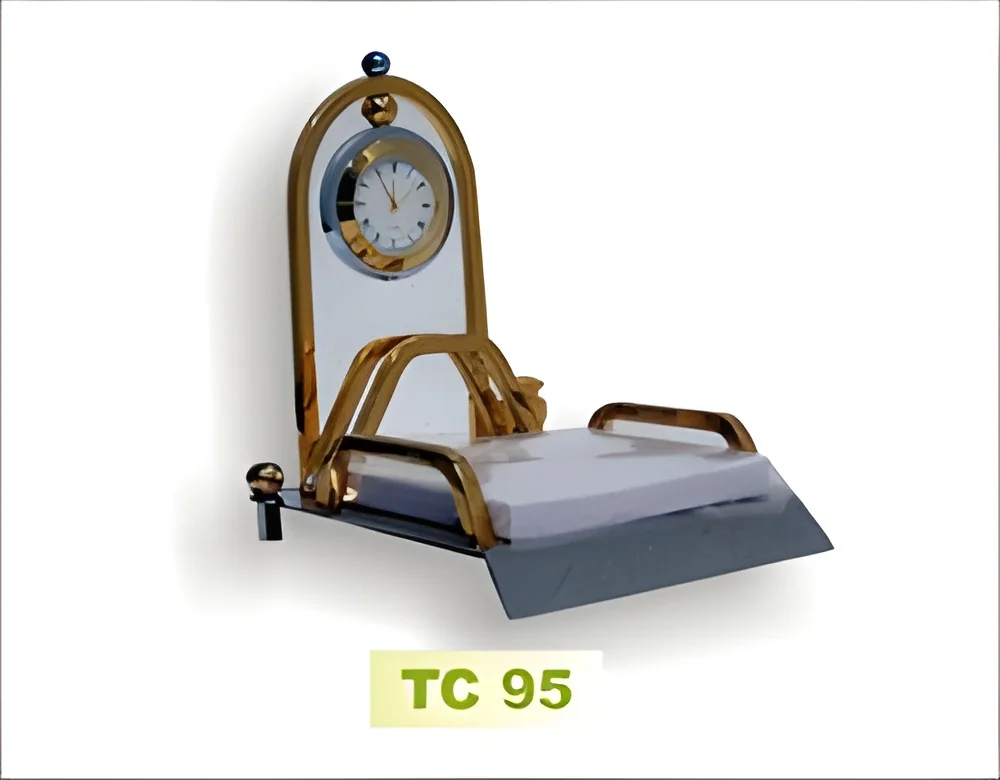
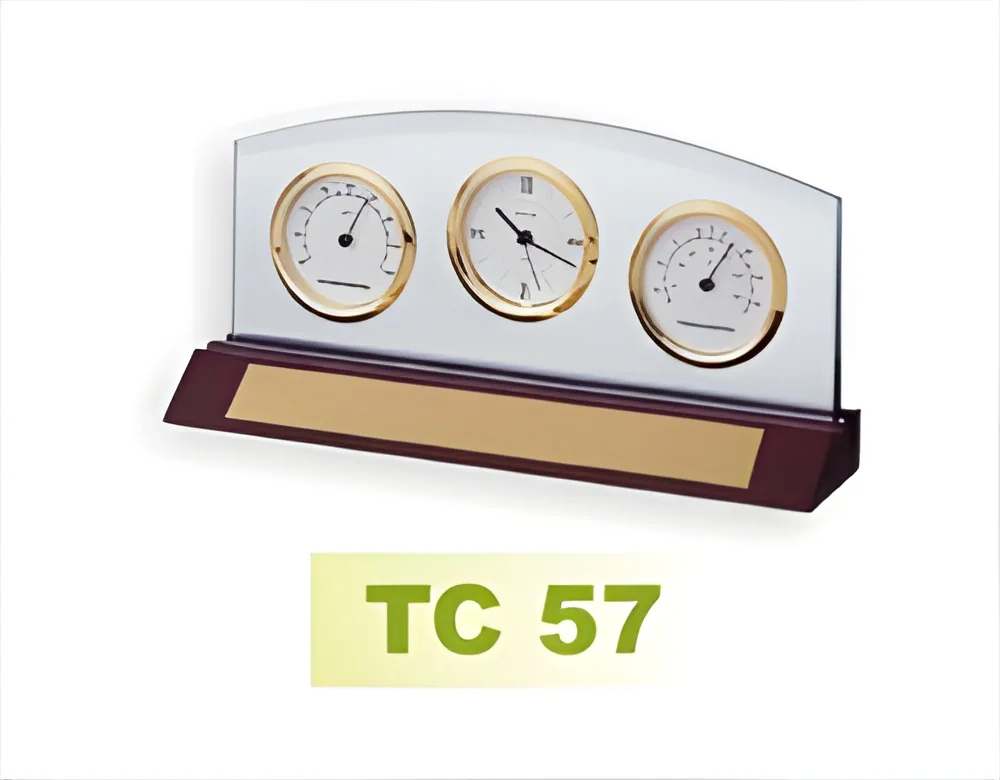
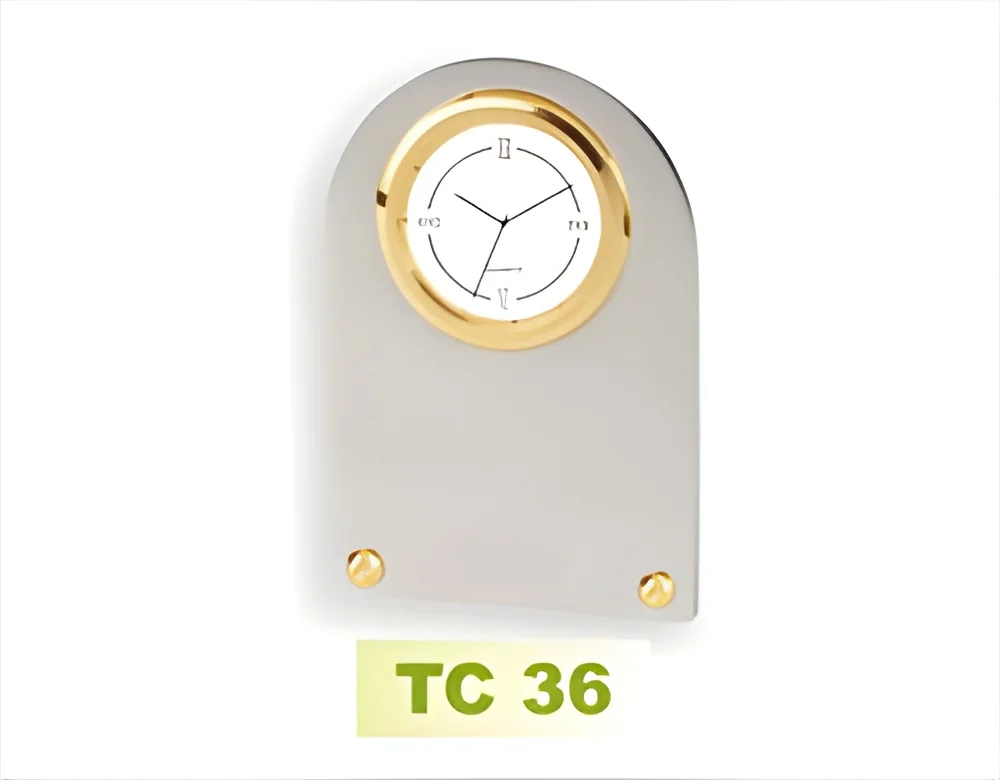
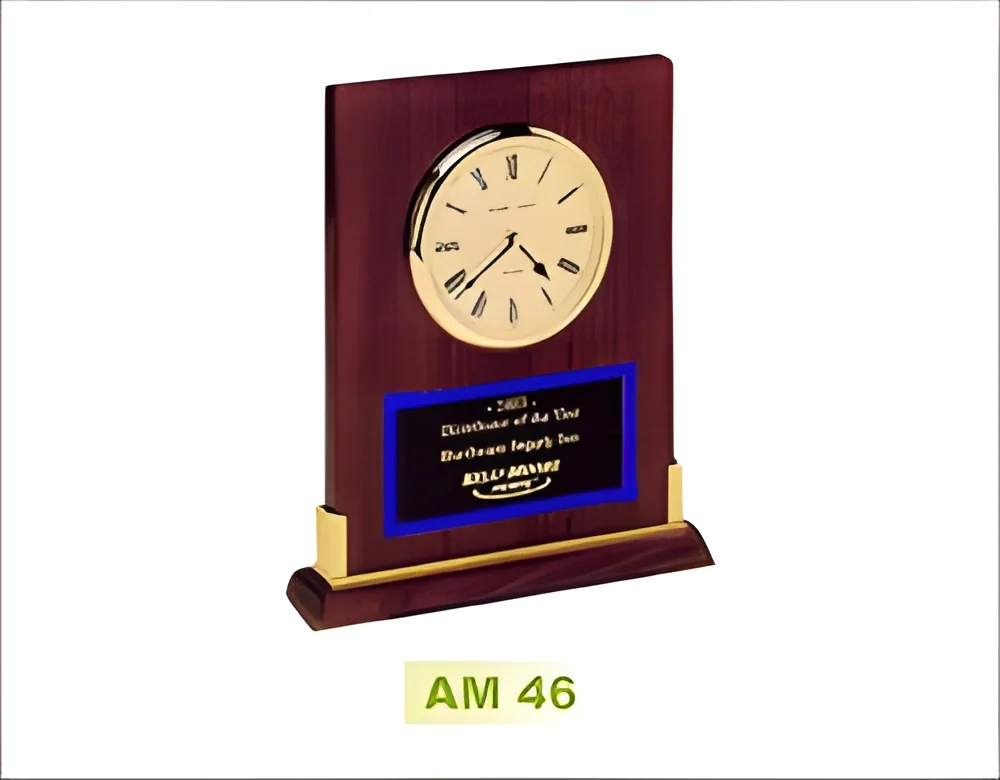
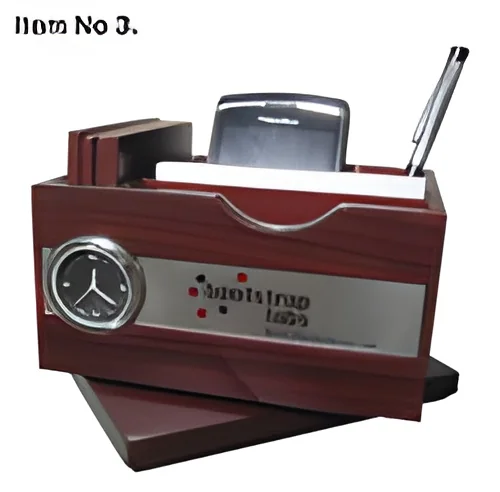
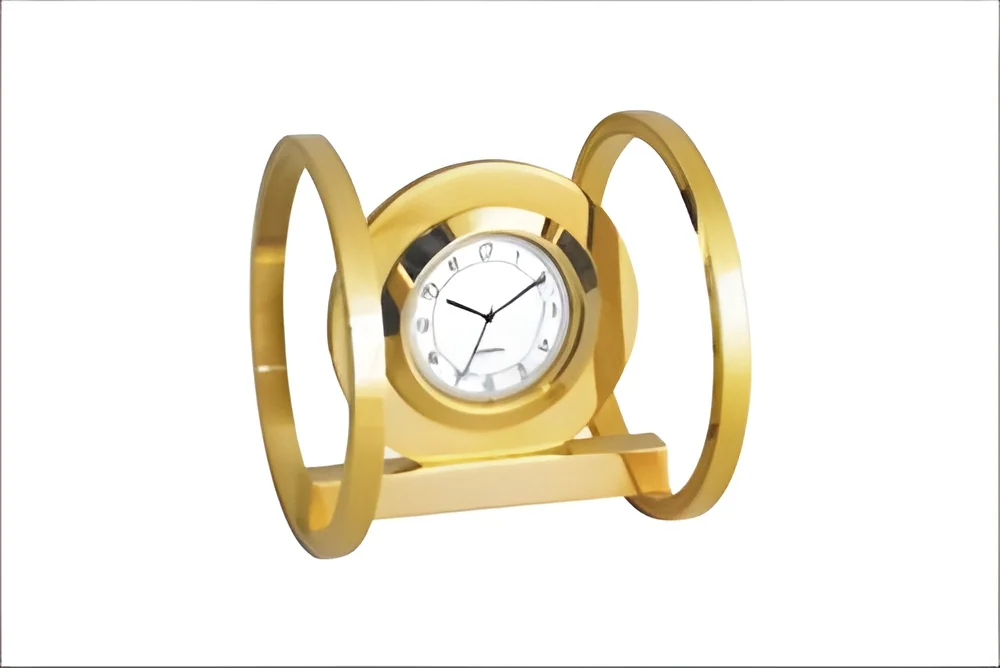
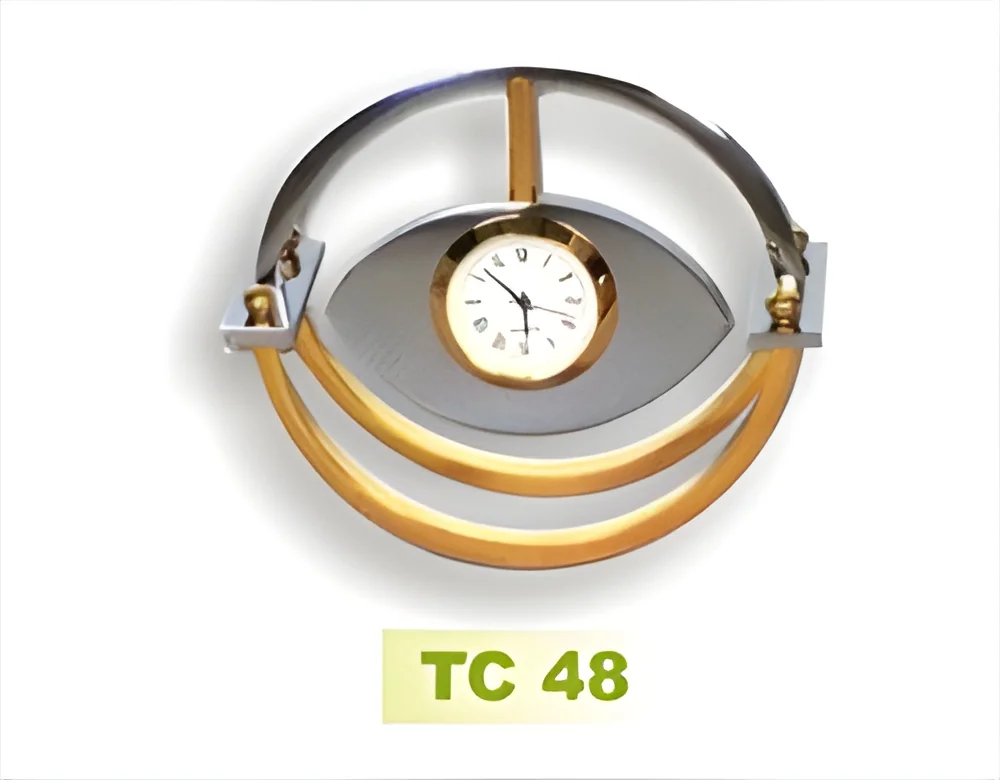
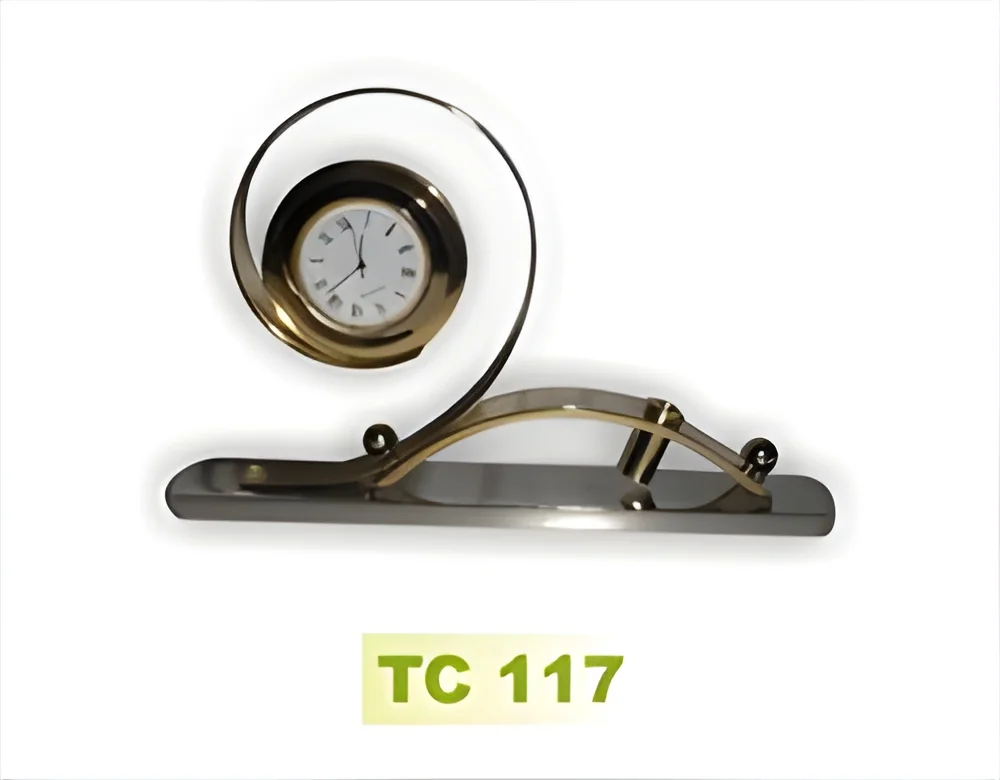
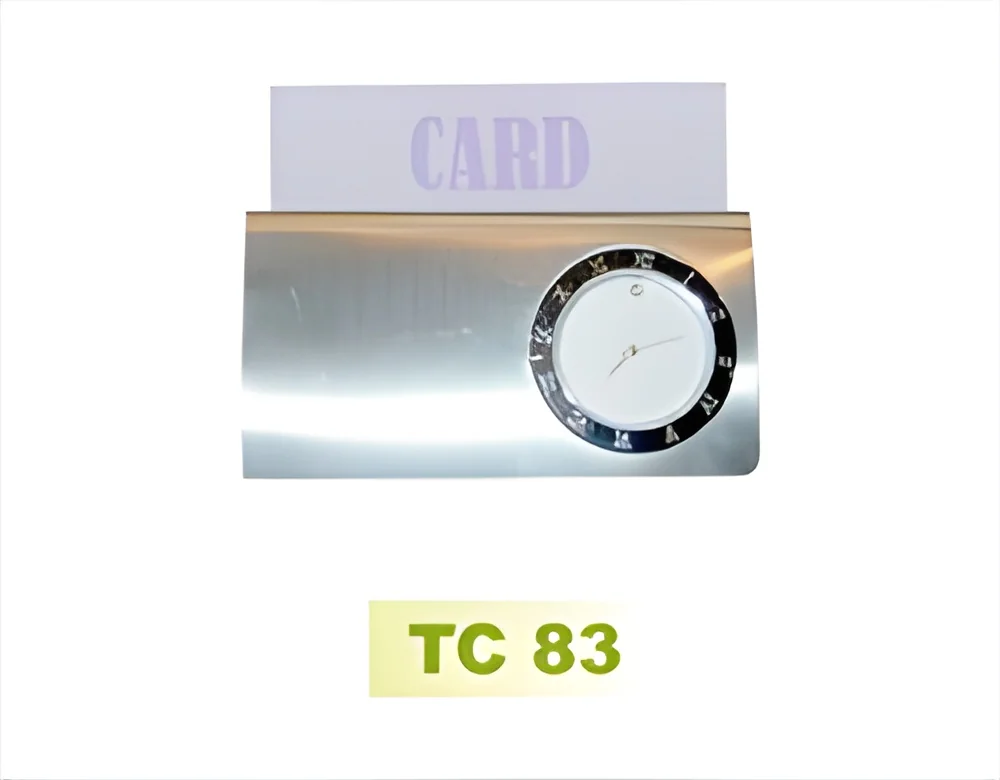
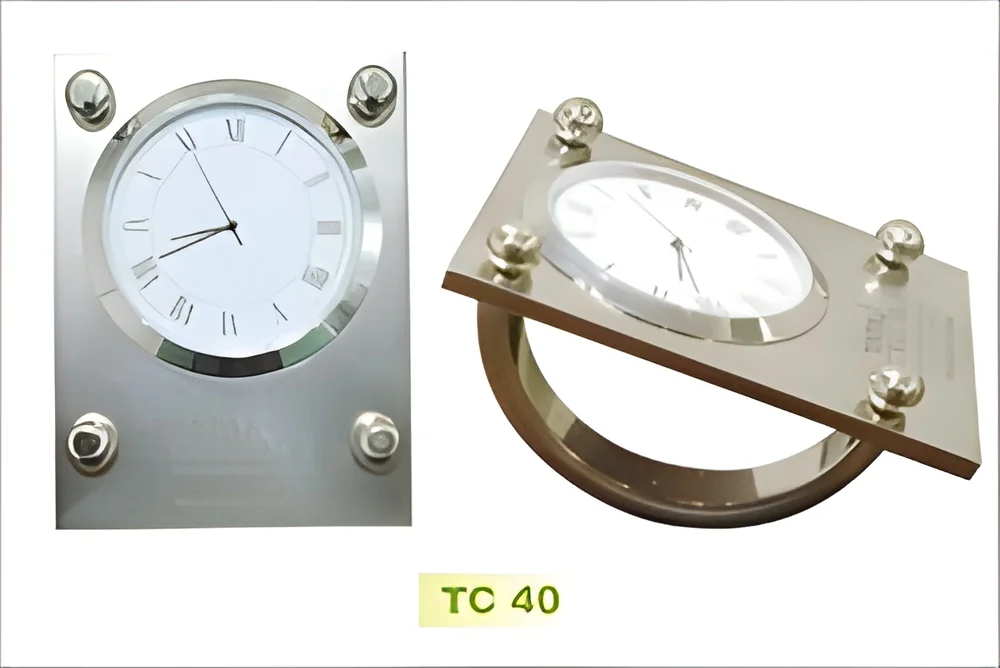
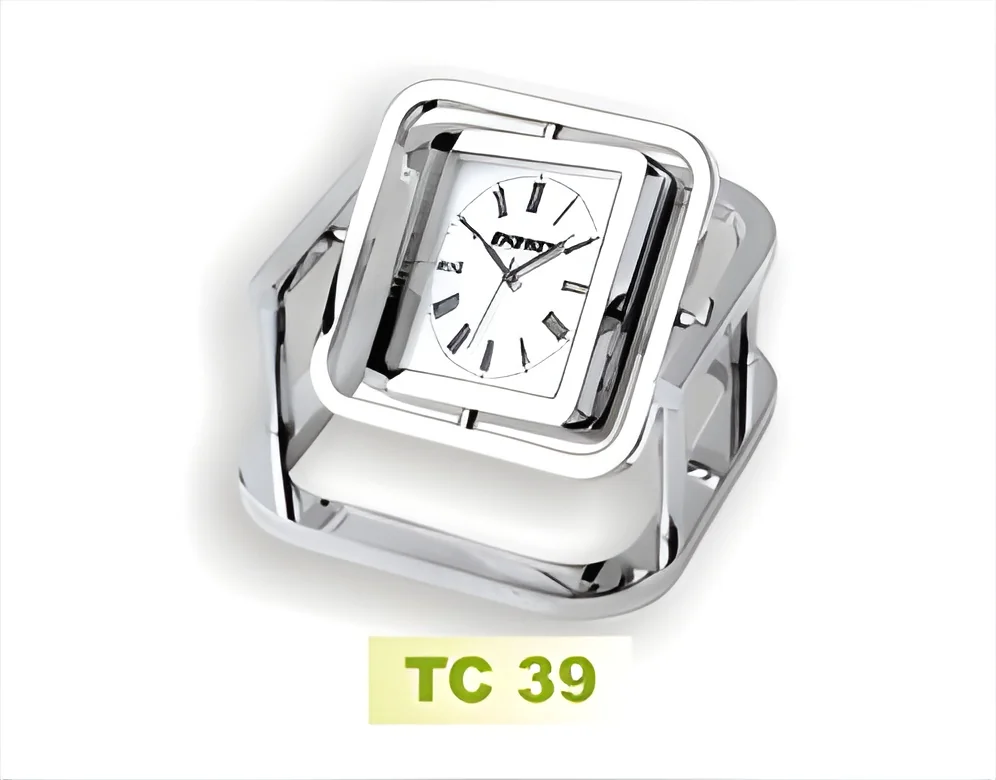
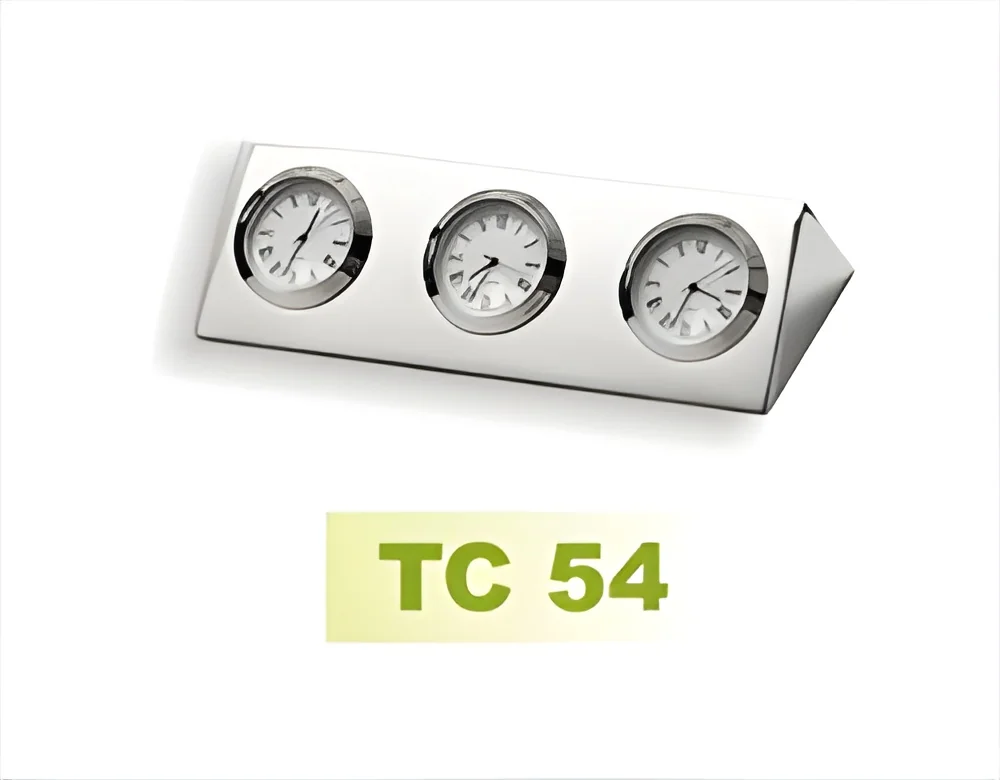
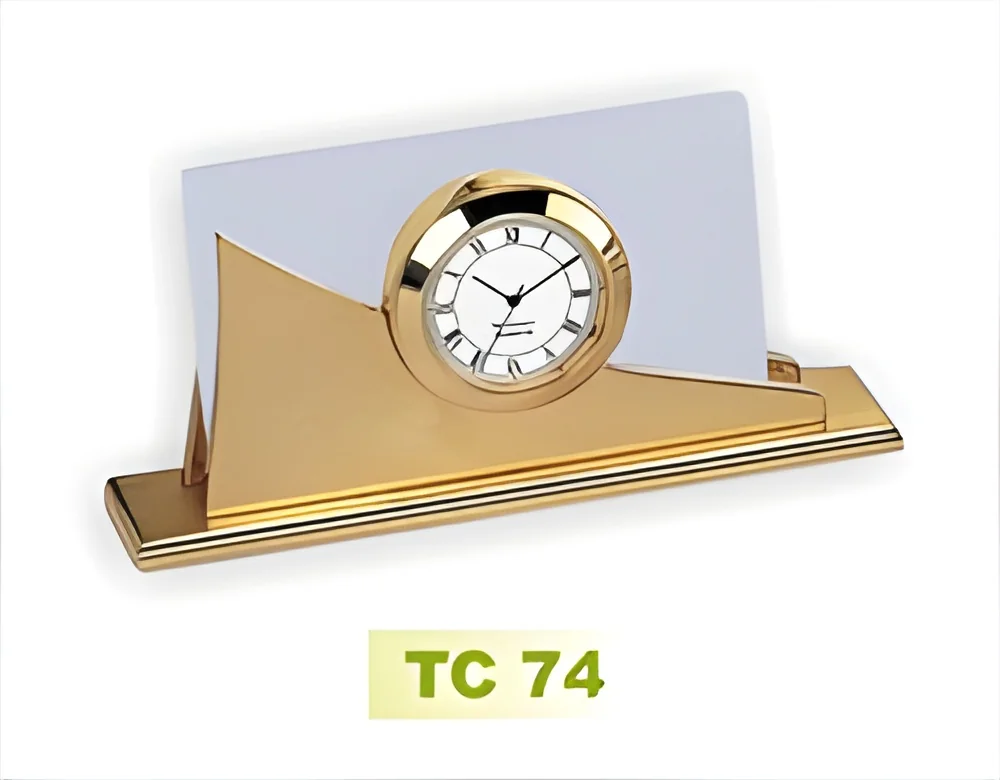
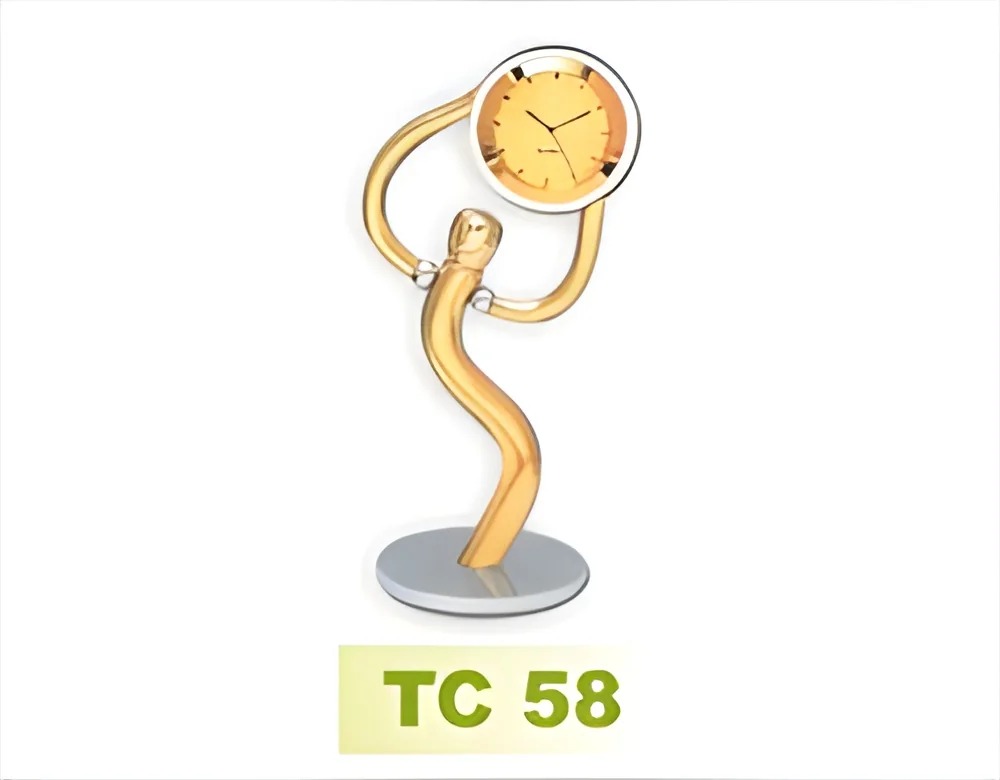
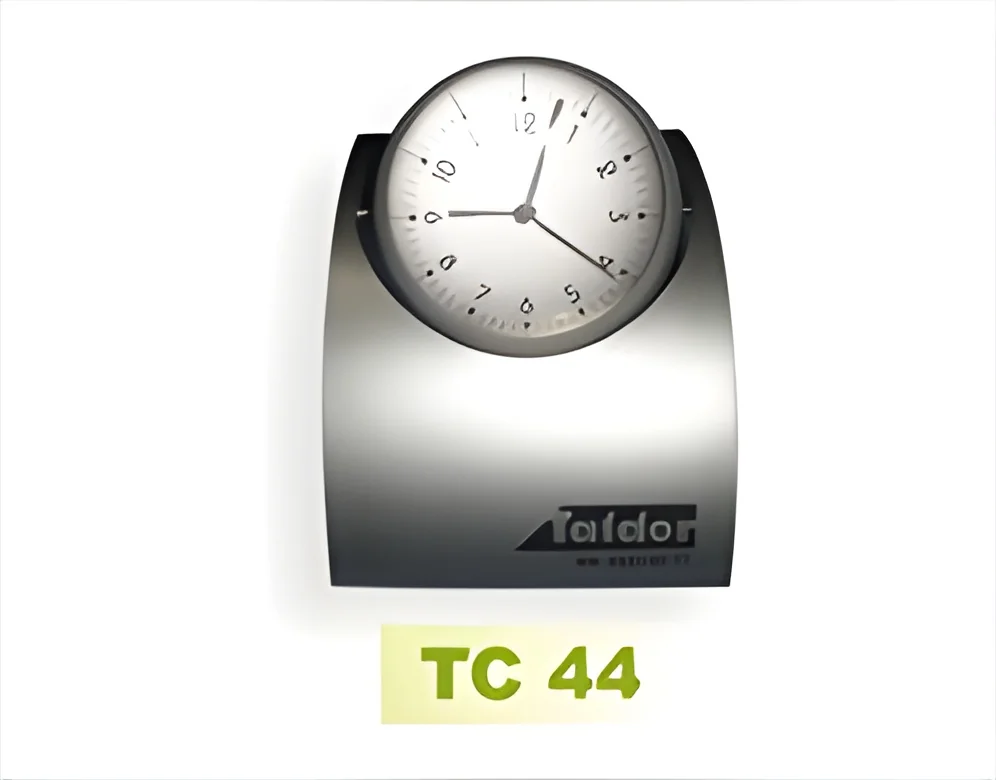
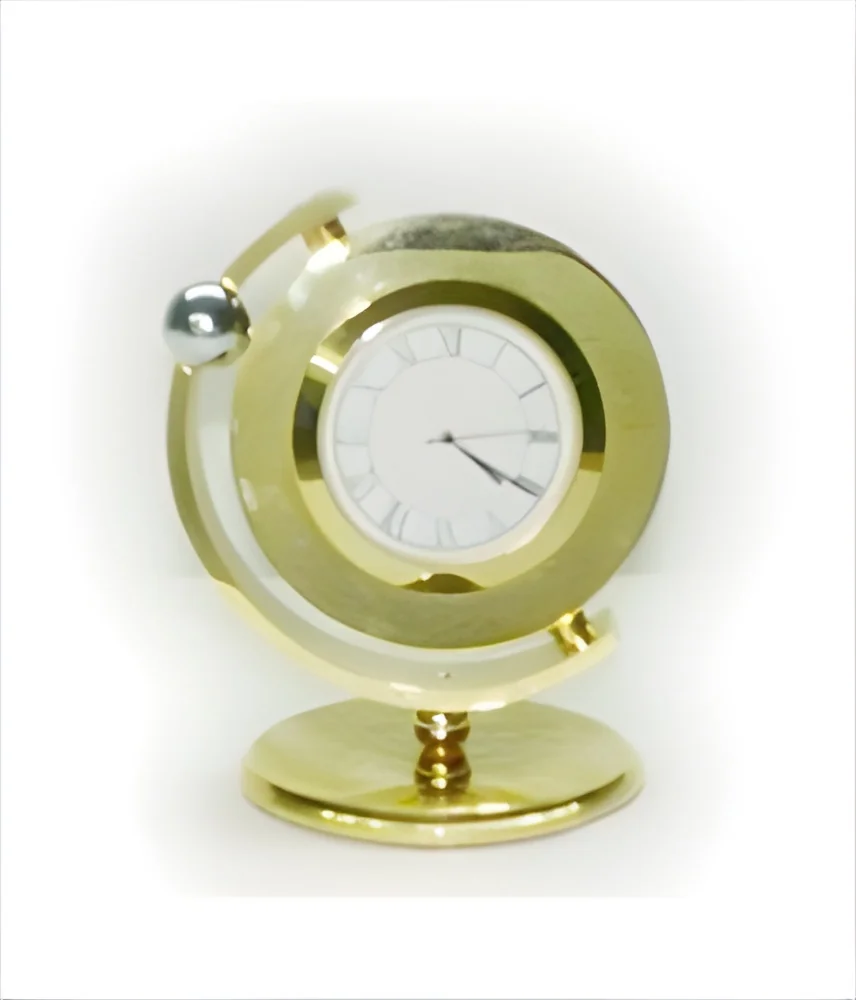
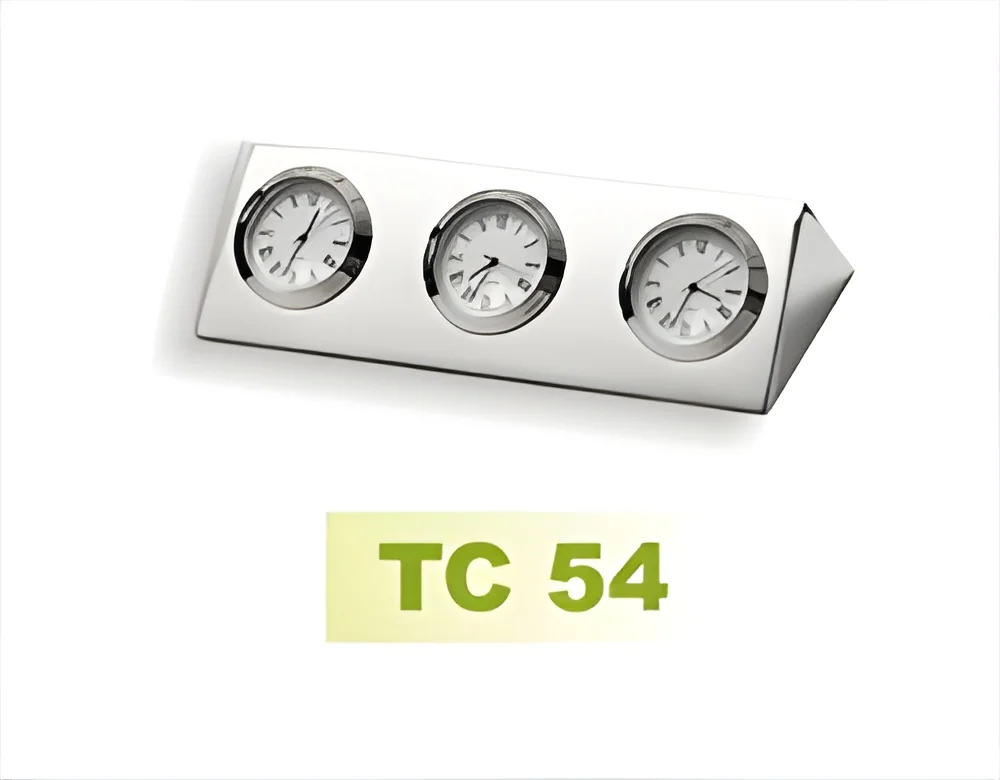
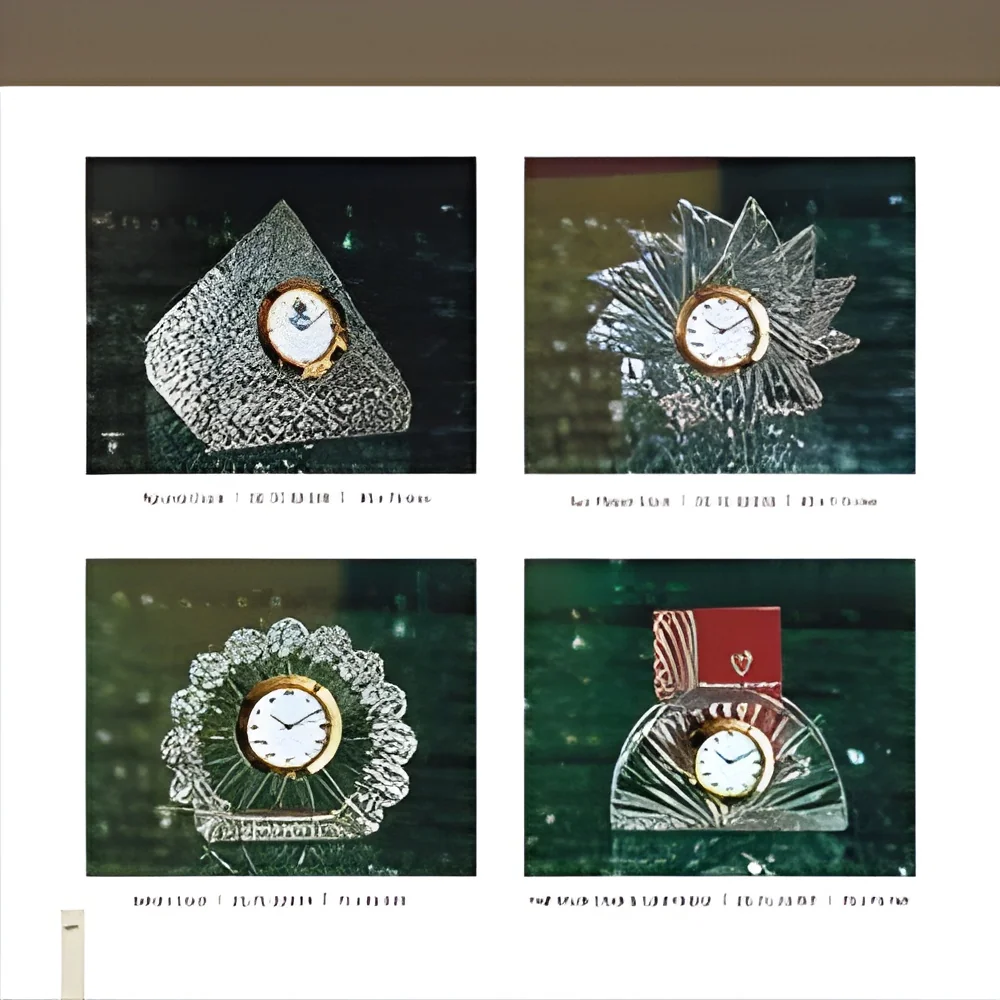
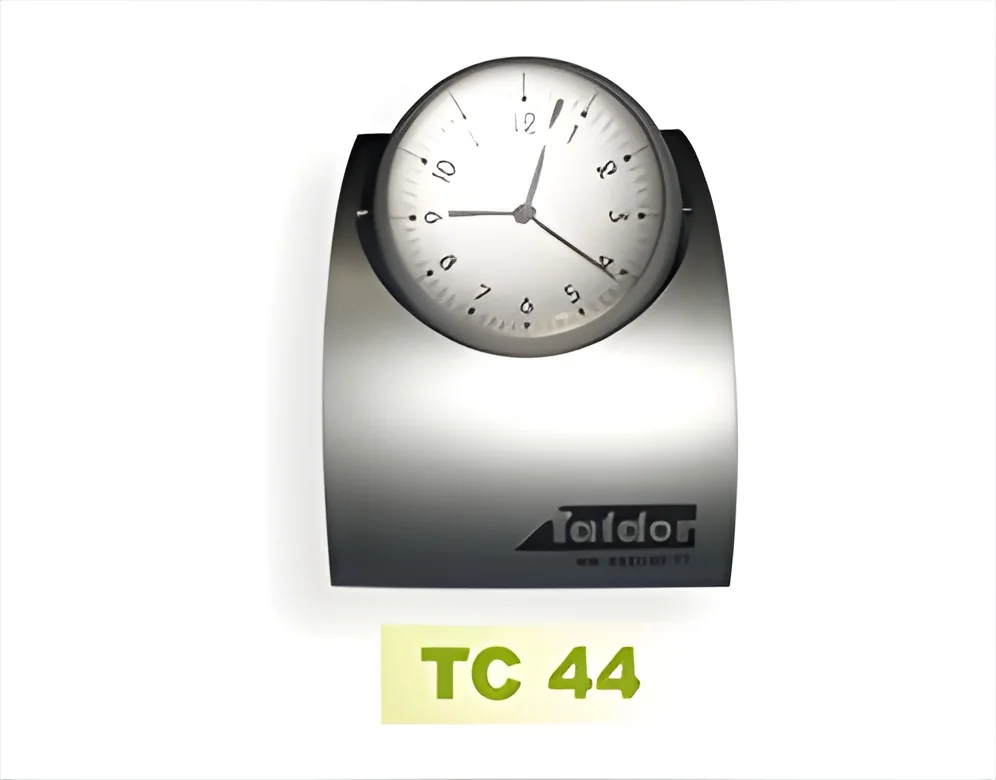
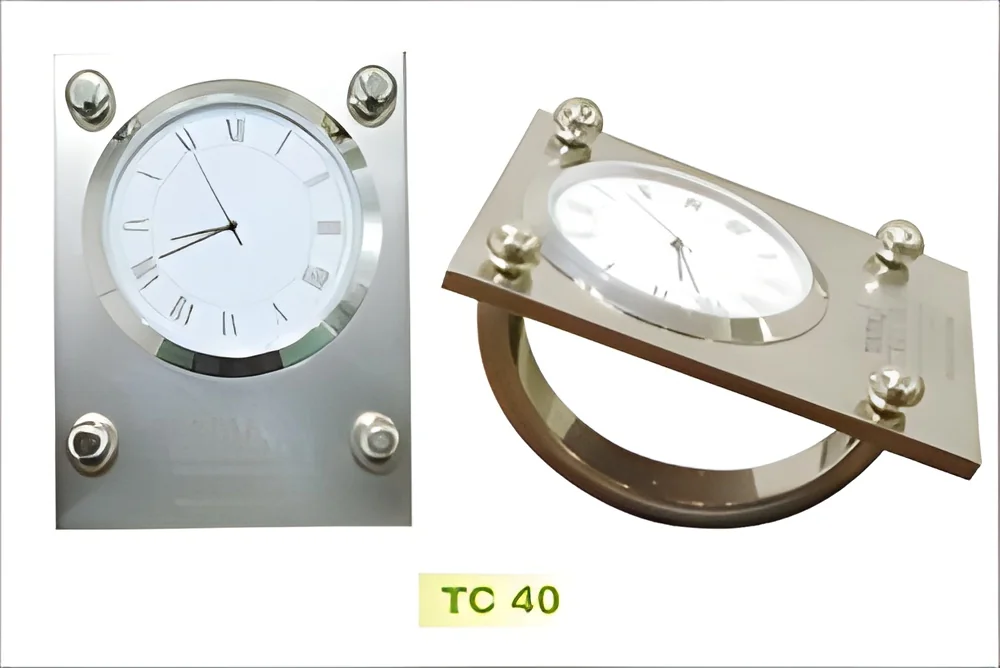
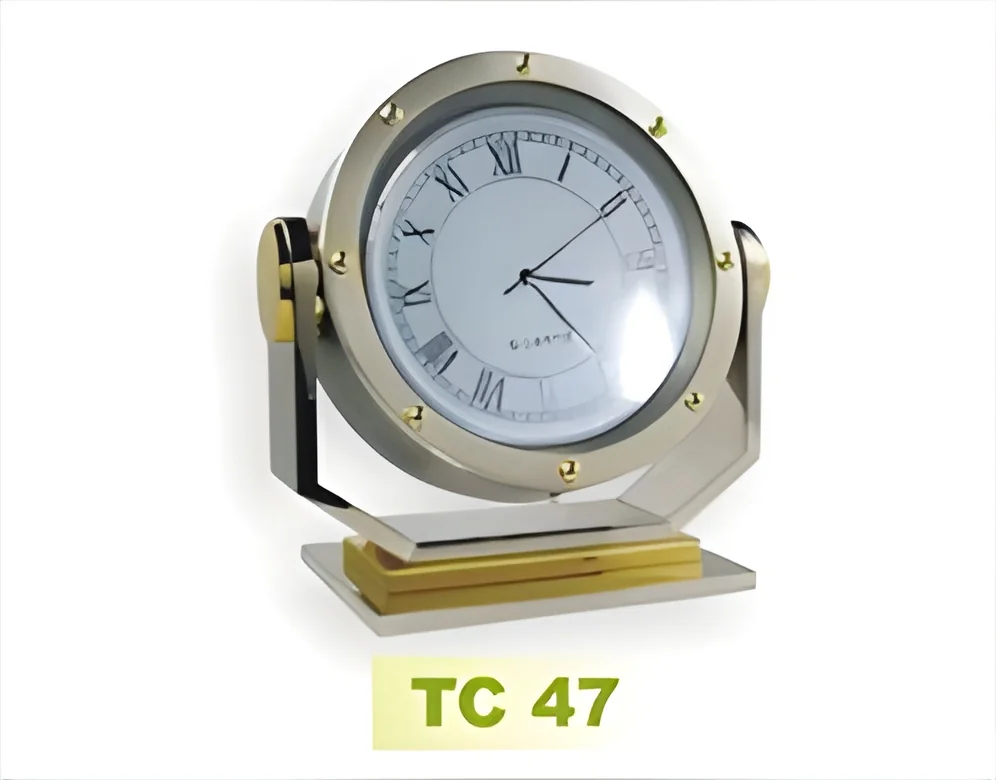
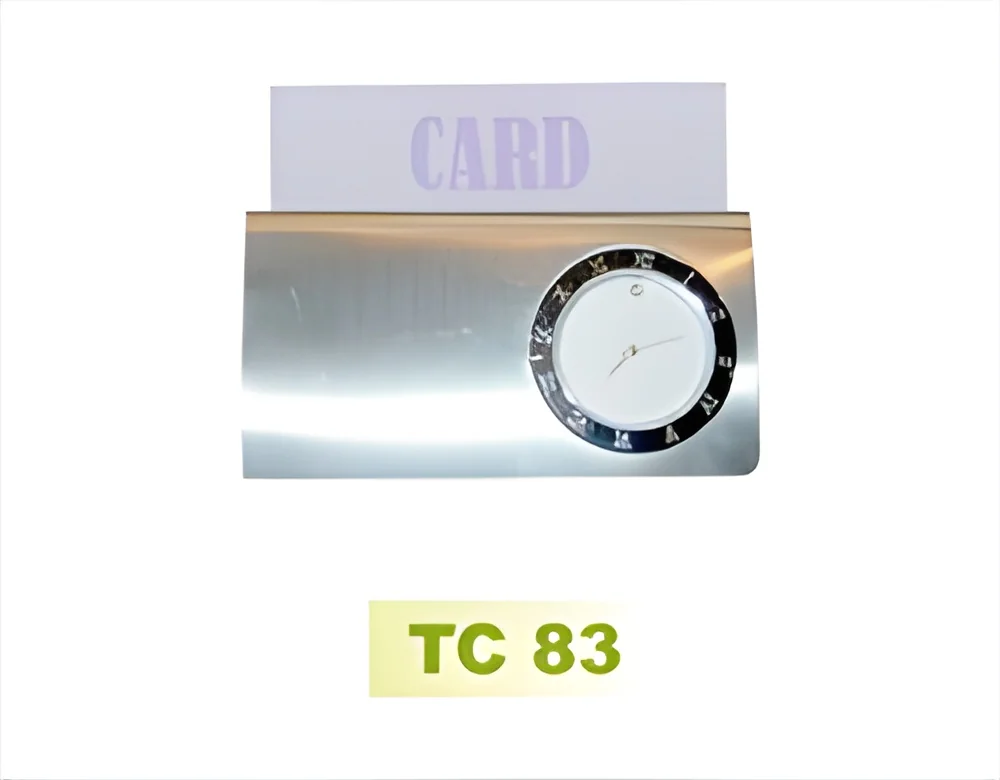
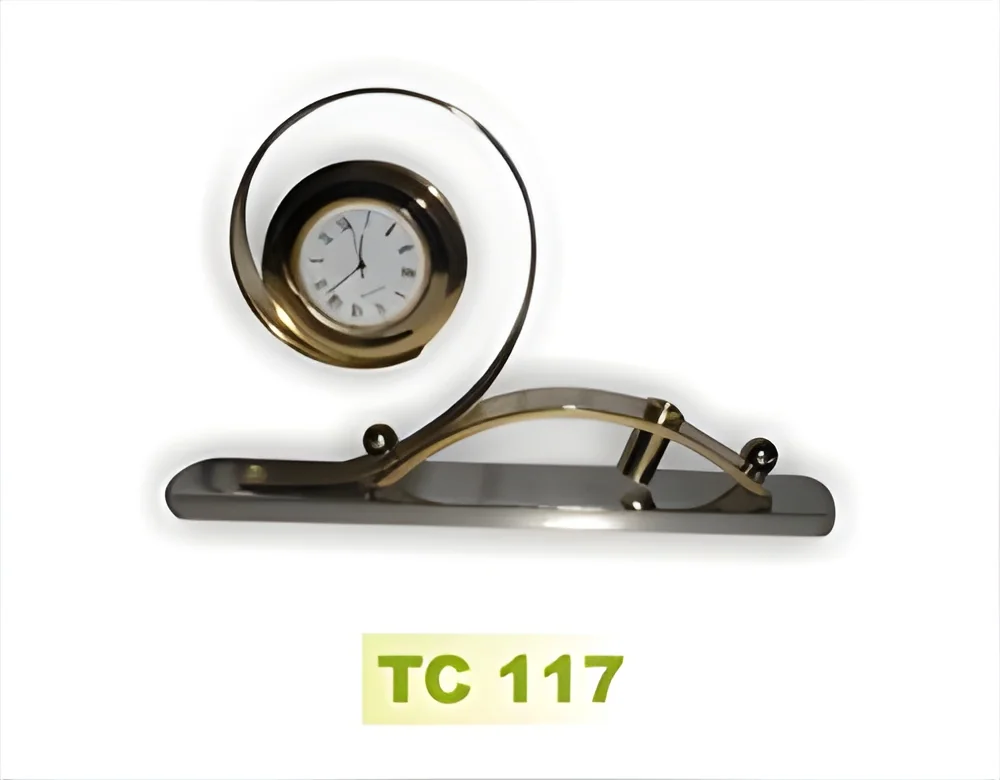
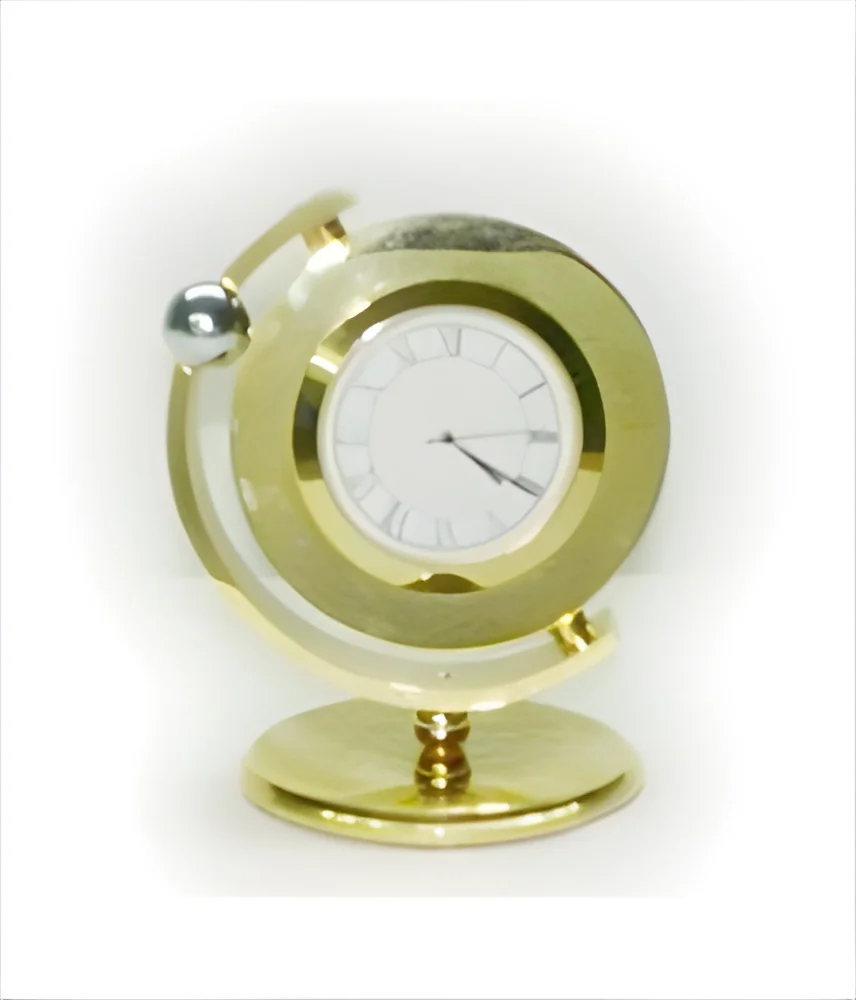
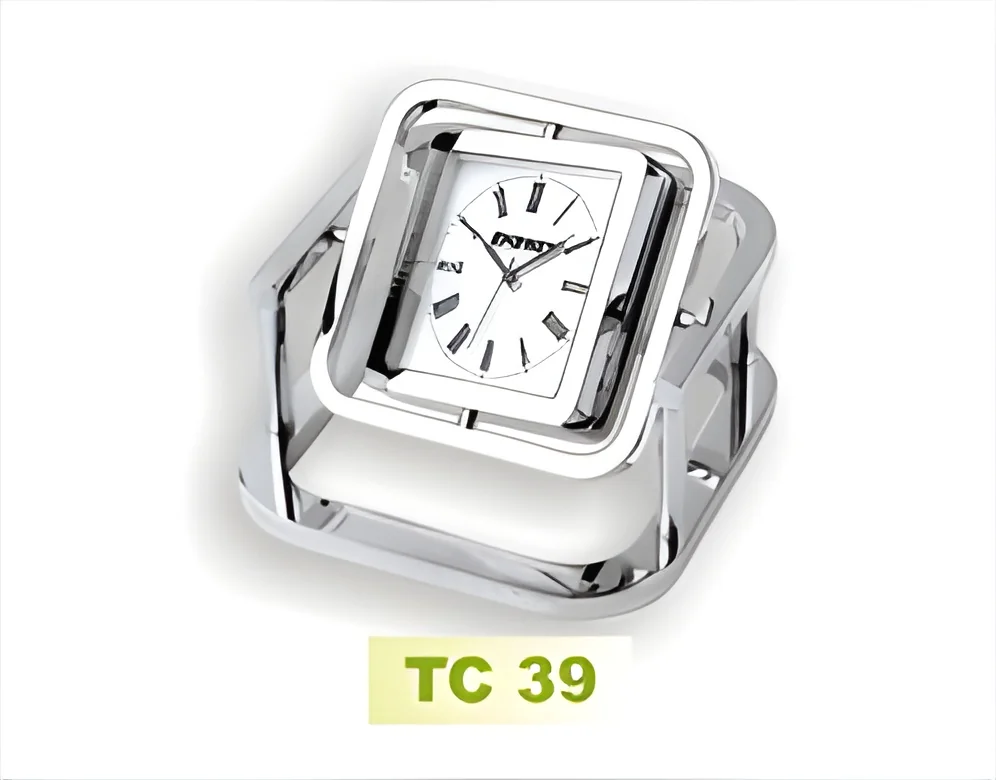
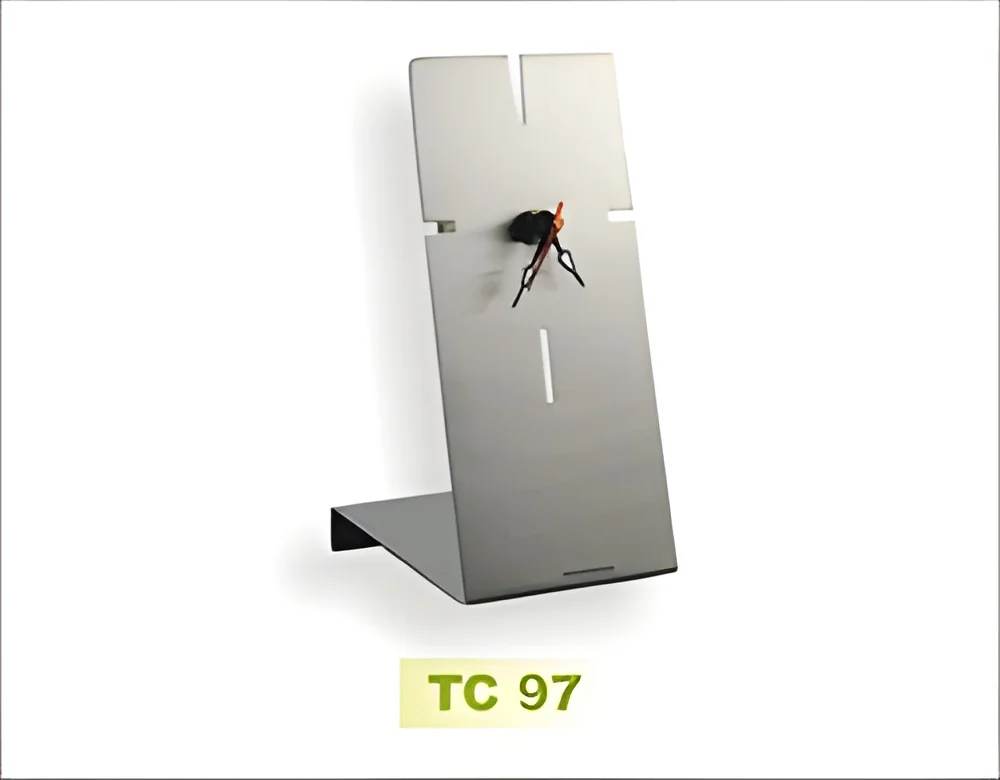
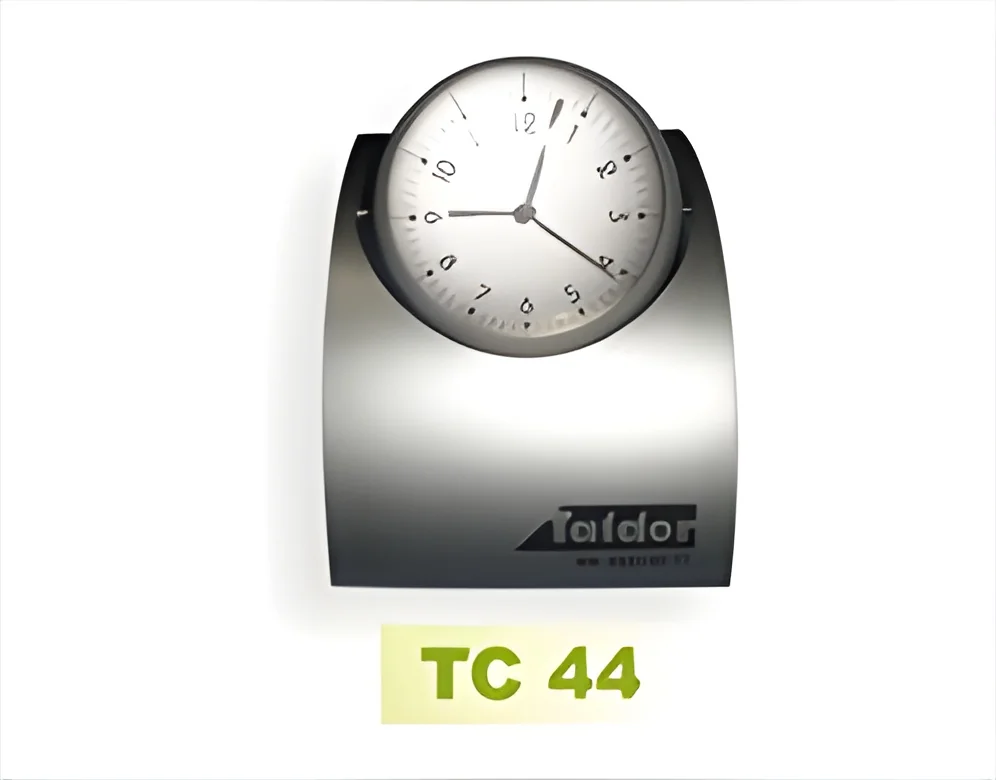
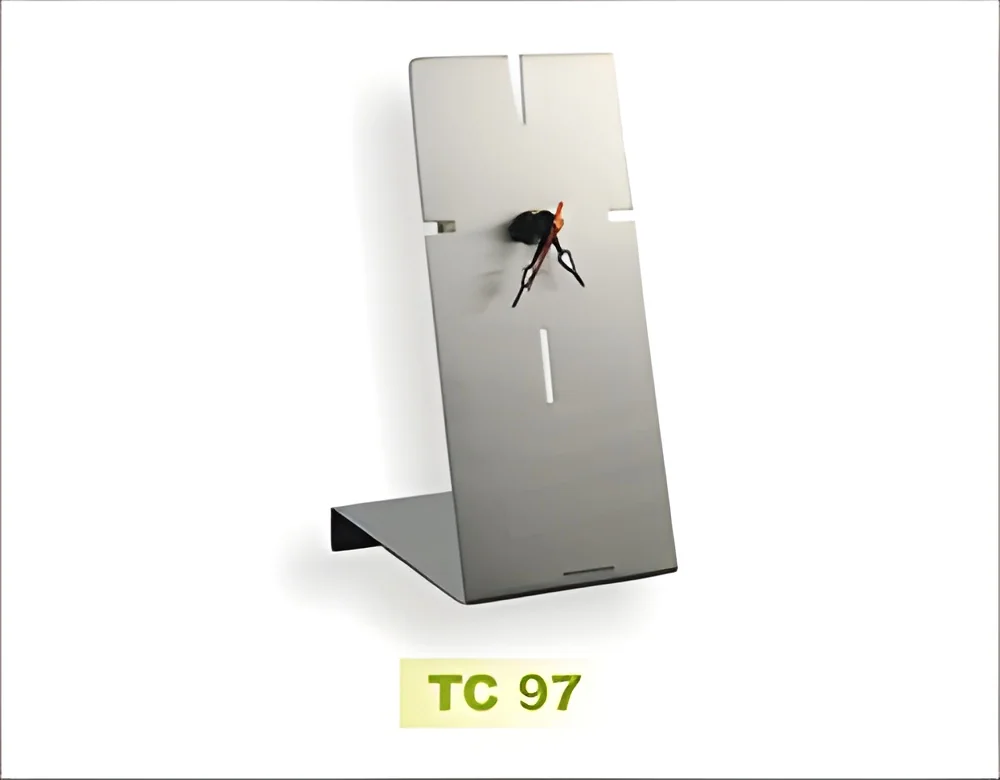
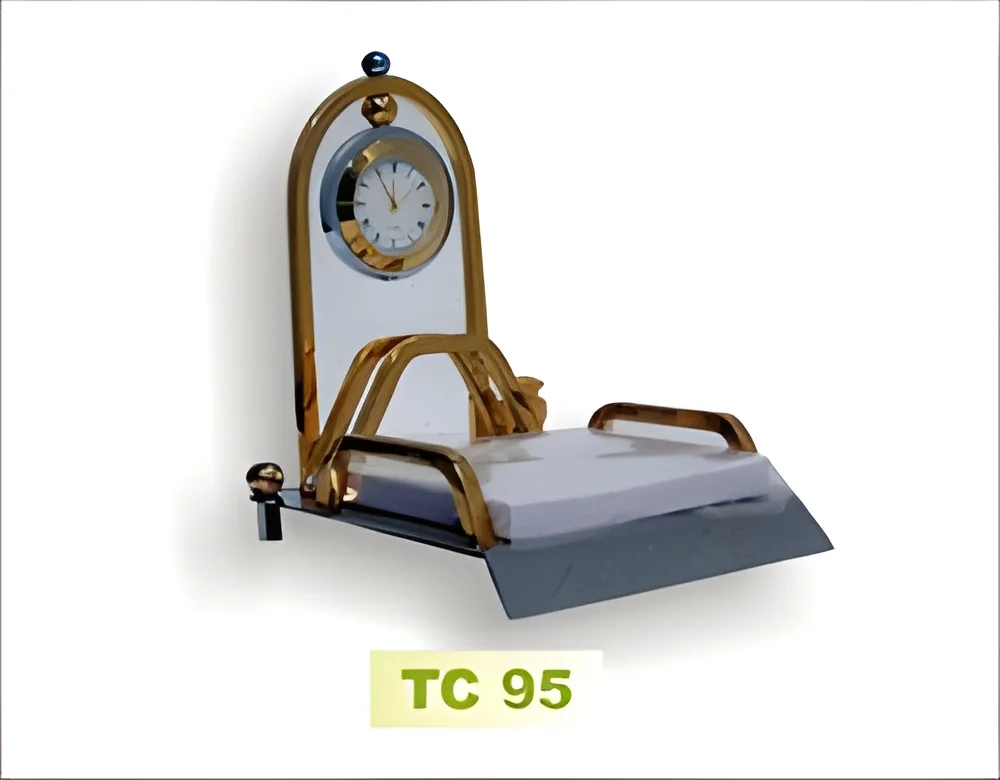
Table clocks are smaller, portable options ideal for desks or shelves. They blend functionality with decor, making them suitable for personal or professional use.
Floor Clocks
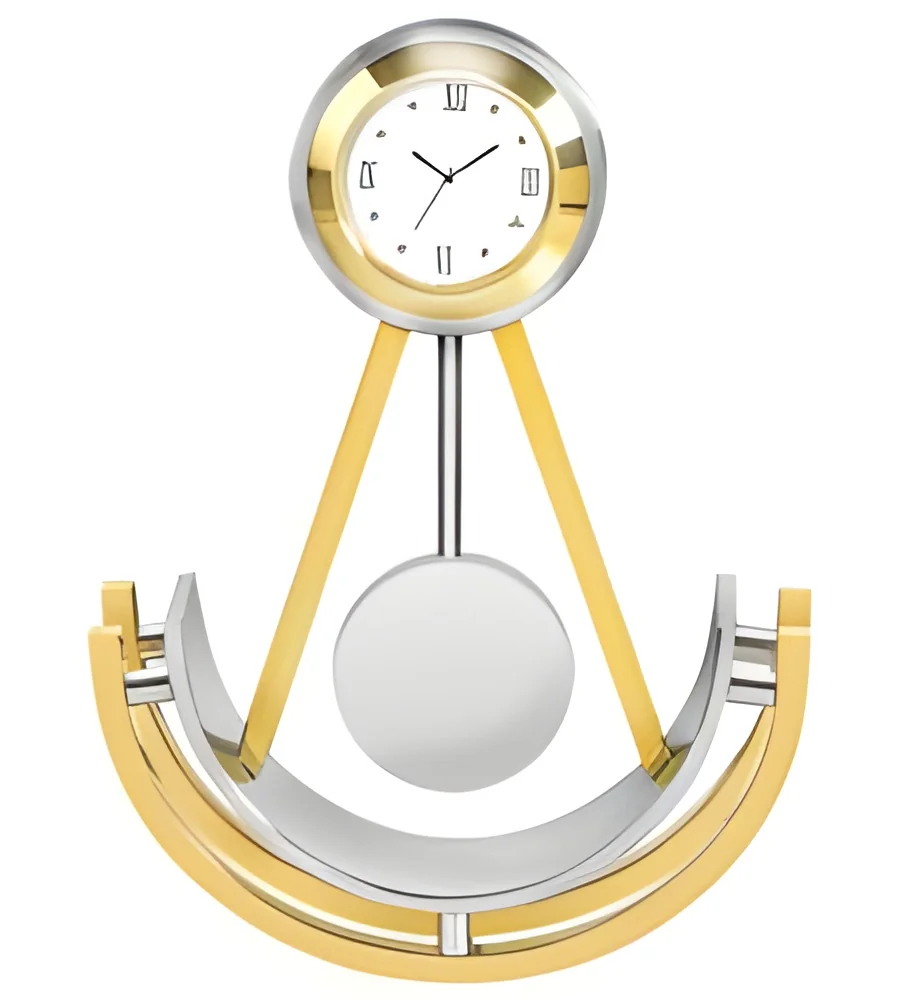
These larger pieces, often resembling traditional grandfather clocks, serve as statement items in spacious areas. They are perfect for adding a touch of elegance to homes or formal settings.
Digital Clocks
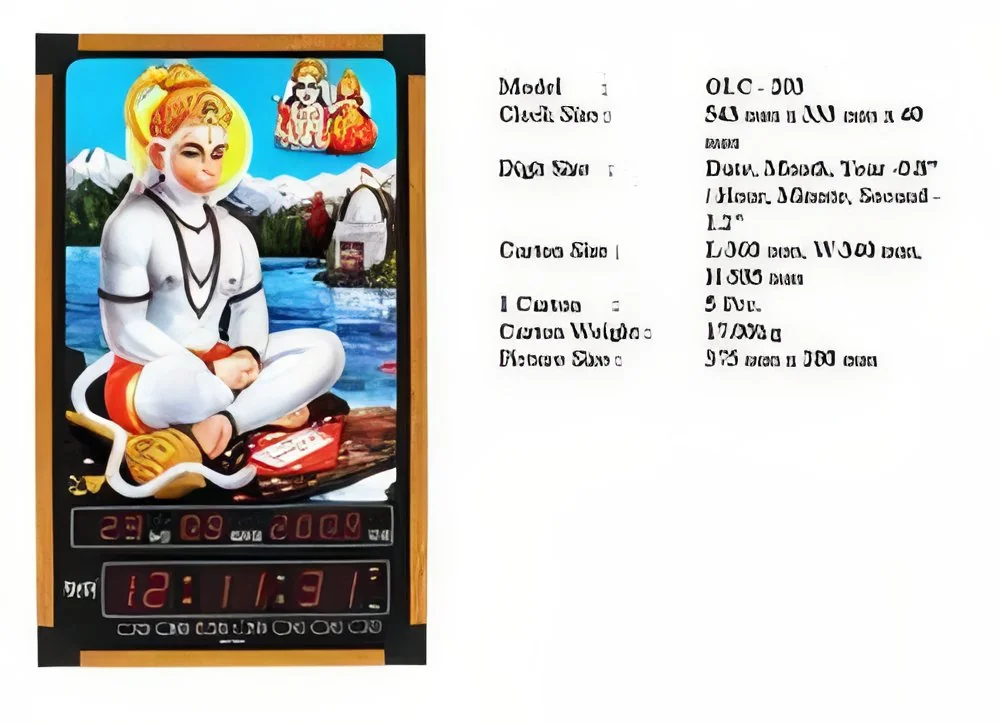
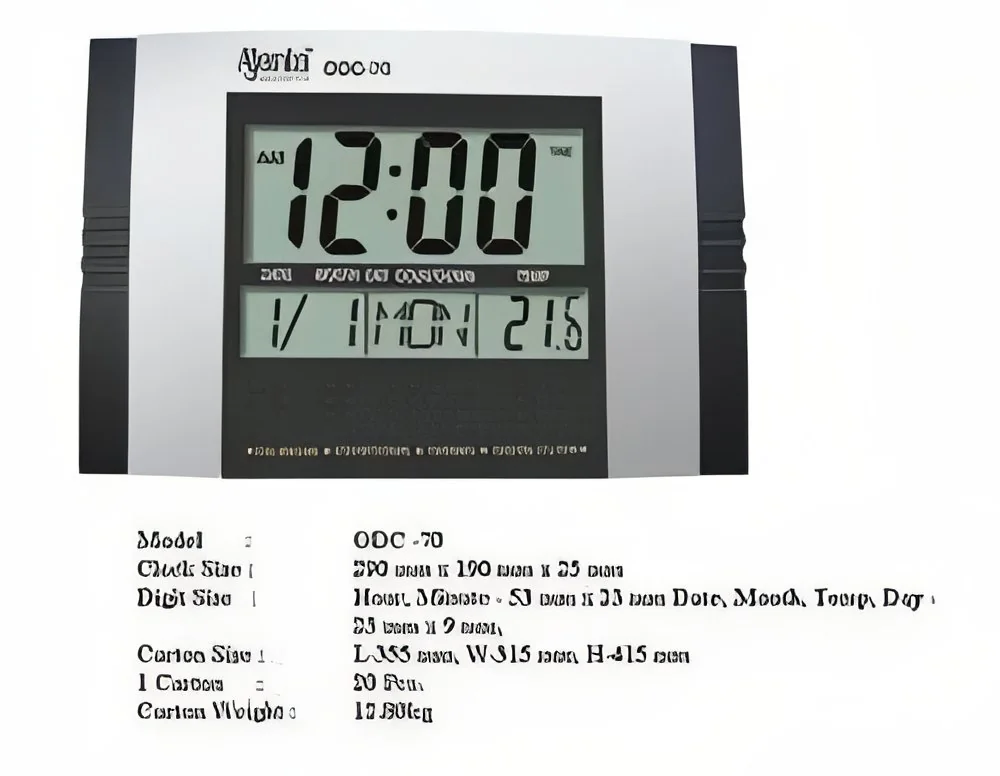
Combining modern technology with design, digital clocks provide time in a contemporary format. They are popular in tech-savvy environments and can include features like alarms and backlighting.
Benefits and Advantages
Decorative clocks offer numerous advantages to businesses looking to enhance their environments.
1. Aesthetic Enhancement: Clocks serve as unique decor items that can elevate the overall design of a space.
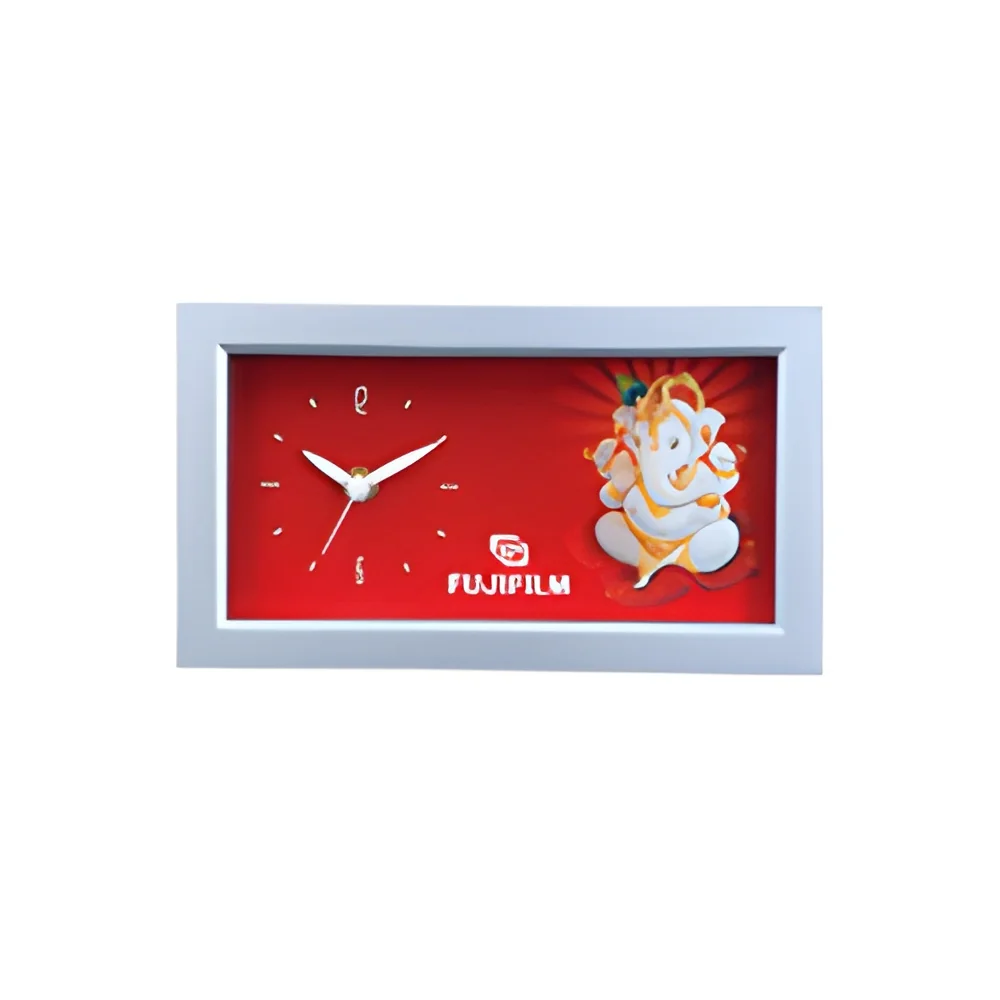
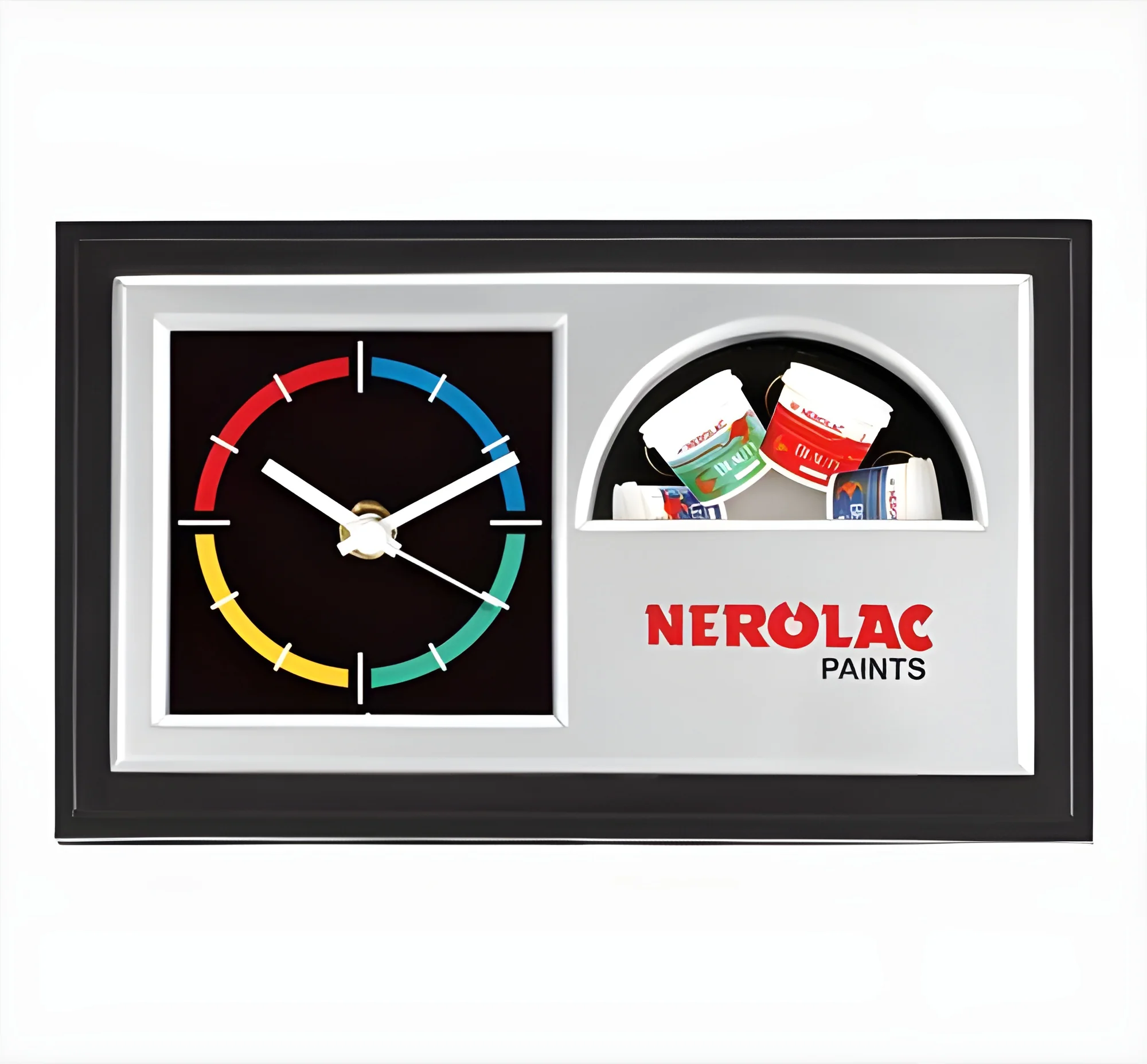
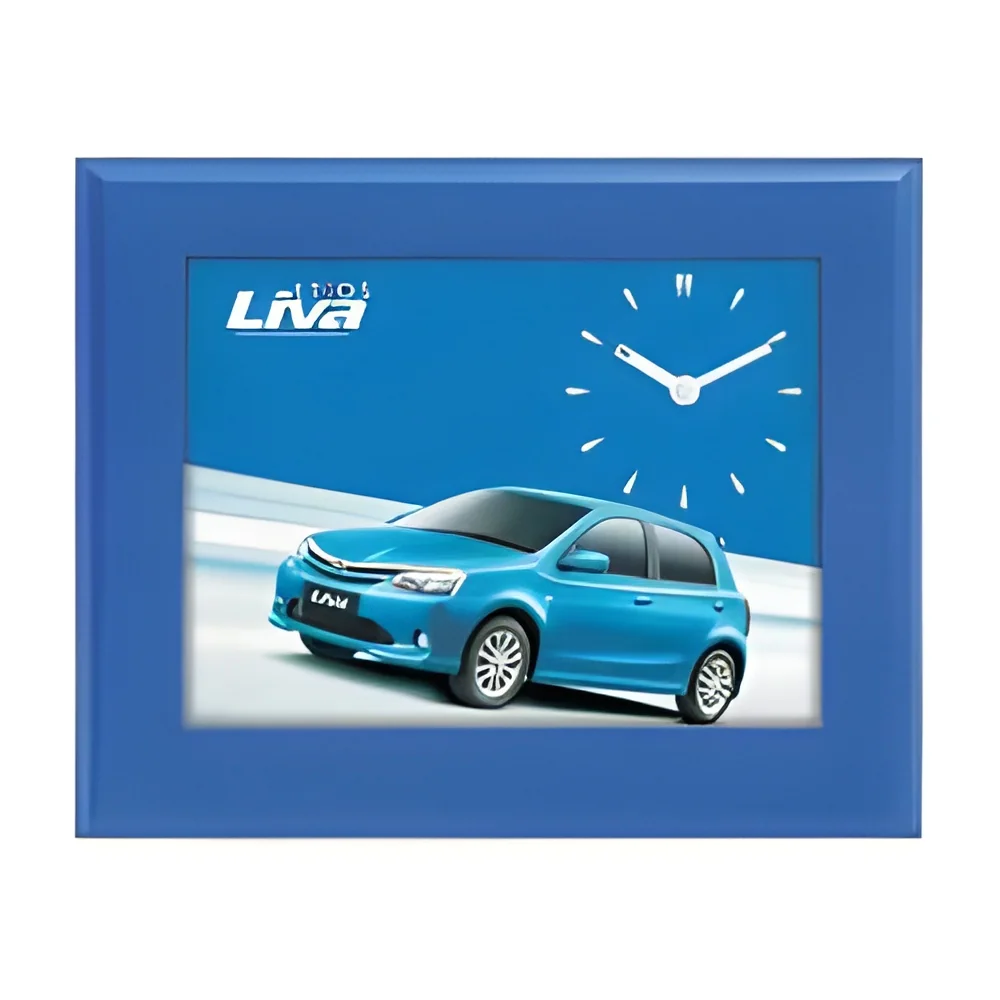
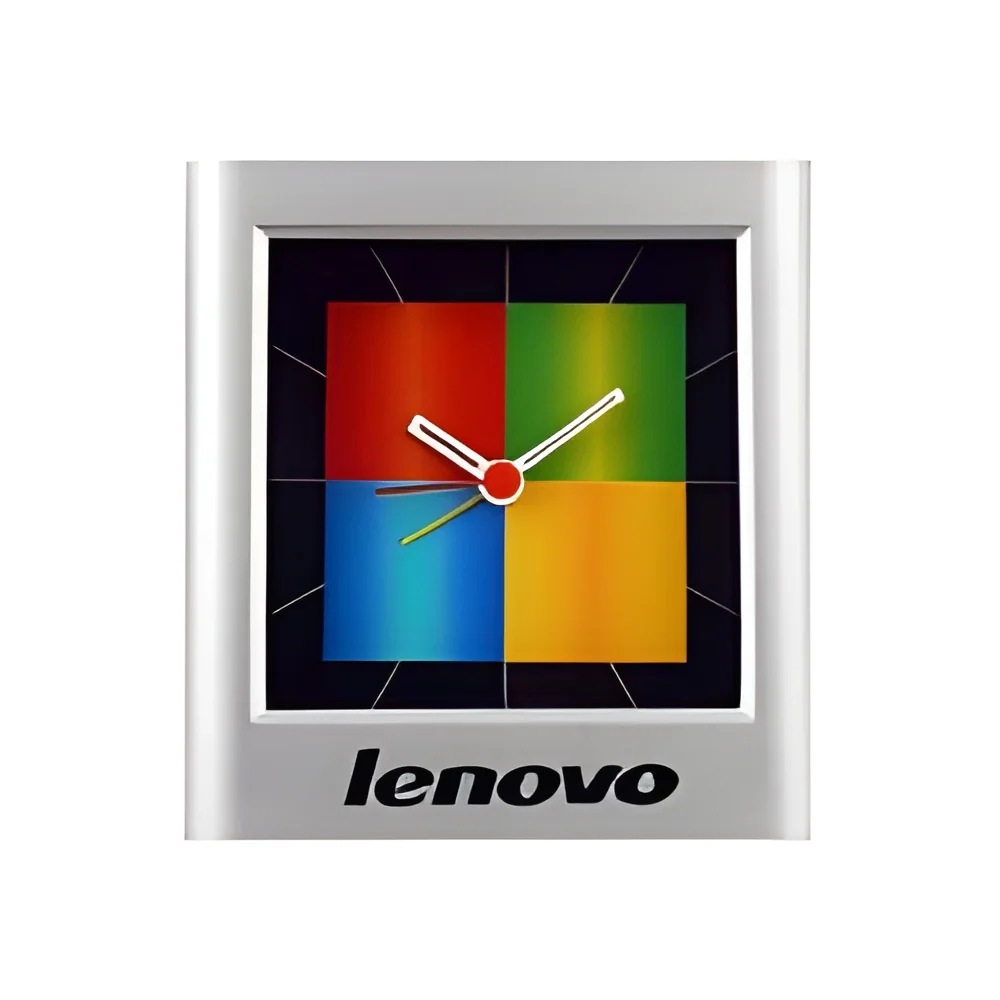
2. Branding Opportunities: Customizable options allow businesses to incorporate their logos and colors, reinforcing brand identity.
3. Practical Timekeeping: Beyond decoration, these clocks fulfill the essential function of keeping accurate time, improving organizational efficiency.
4. Diverse Styles: A wide range of designs ensures that there is a decorative clock suitable for any business context or personal preference.
5. Increased Customer Engagement: Visually appealing clocks can capture customer attention, creating a memorable experience.
6. Versatility: Decorative clocks can be used in various settings, from offices to homes, making them a flexible choice for buyers.
Buying Guide for B2B Buyers
When sourcing decorative clocks, businesses should consider several important factors.
1. Quality Assessment: Look for high-quality materials and craftsmanship to ensure durability and longevity. Review product samples or specifications before making a purchase.
2. Supplier Verification: Conduct thorough research on potential suppliers to confirm their credibility. Check for reviews, ratings, and previous client experiences.
3. Pricing and MOQ: Understand the cost structure and minimum order quantities to align with your budget and inventory needs. Compare prices across different suppliers for the best value.
4. Delivery and Lead Times: Factor in shipping costs and delivery timelines to ensure that clocks arrive on schedule for your project or event.
5. Compliance Requirements: Be aware of any regulatory standards relevant to the decorative clocks you are sourcing. Ensure that products meet applicable safety and quality certifications.
Compliance and Certifications
Compliance and certification are crucial aspects of sourcing decorative clocks. Many manufacturers adhere to quality standards such as ISO 9001, which ensures that production processes meet international quality management criteria. This helps guarantee that the clocks are reliable and well-made.
Additionally, industry certifications like CE indicate that products meet European safety and health requirements. This is essential for businesses looking to operate in international markets. It is advisable to verify that the decorative clocks meet these certifications to ensure compliance with safety regulations.
Furthermore, businesses should consider safety testing requirements to avoid any potential liabilities. This includes ensuring that materials used are safe and non-toxic. Lastly, regional compliance considerations may vary, so it is important to understand local regulations depending on where the clocks will be sold or displayed.
Why Source Decorative Clocks from Pepagora?
Pepagora offers a reliable platform for sourcing decorative clocks, providing several key advantages that benefit B2B buyers.
Verified Supplier Network: Pepagora has established a network of verified suppliers, ensuring that businesses can find reputable sources for quality decorative clocks. Each supplier is vetted for reliability and product quality.
Streamlined RFQ Process: The platform simplifies the request for quotation process, allowing buyers to easily compare options and obtain competitive pricing. This efficiency saves time and aids in making informed purchasing decisions.
Trade Assurance and Support: Buyers benefit from trade assurance features that protect their transactions. Pepagora provides support throughout the purchasing process, ensuring that buyers feel secure in their investments.
Regional Coverage: With a strong presence in India, the GCC, and Southeast Asia, Pepagora can connect businesses with suppliers across these regions. This broad geographic reach enhances sourcing opportunities and facilitates access to diverse products.
In conclusion, sourcing decorative clocks through Pepagora can offer businesses a combination of quality, variety, and peace of mind.

Frequently Asked Questions
What are Decorative Clocks?
Decorative clocks are timekeeping devices designed not only to serve the functional purpose of telling time but also to enhance the aesthetic appeal of a space. They come in various styles, materials, and designs, making them suitable for different interior decor themes.
What are the different types of Decorative Clocks?
There are several types of decorative clocks, including wall clocks, mantel clocks, table clocks, and grandfather clocks. Each type varies in design, size, and functionality, allowing buyers to choose based on their specific needs and preferences.
How do I choose the right Decorative Clocks?
To choose the right decorative clock, consider the style of your interior decor, the size of the space, and the intended function of the clock. It's also important to think about the materials used, as they can affect the overall look and durability of the clock.
What are the standard specifications for Decorative Clocks?
Standard specifications for decorative clocks typically include dimensions (height, width, and depth), weight, and power source (battery-operated or quartz movement). Additionally, features such as design style, material, and color options may also be specified.
What is the price range for Decorative Clocks?
The price range for decorative clocks can vary widely, typically starting from around INR 500 and going up to several thousand rupees, depending on the brand, materials, and craftsmanship. Custom or designer clocks may be priced even higher due to their unique features.
What quality standards apply to Decorative Clocks?
Quality standards for decorative clocks can include durability, accuracy in timekeeping, and the quality of materials used. Many manufacturers adhere to international standards to ensure safety and reliability in their products.
Where can I find Decorative Clocks suppliers in India?
You can find decorative clocks suppliers in India through online B2B marketplaces like Pepagora, industry trade shows, and local wholesalers. Researching online directories can also help you identify reputable manufacturers and suppliers.
Can Decorative Clocks be customized?
Yes, many suppliers offer customization options for decorative clocks, allowing you to choose specific designs, colors, and sizes to match your preferences. Customization may also include branding or personalized engravings.
What is the typical minimum order quantity for Decorative Clocks?
The typical minimum order quantity (MOQ) for decorative clocks can vary by supplier, but it often ranges from 10 to 50 pieces. It's advisable to check with individual suppliers for their specific MOQ requirements.
What is the typical lead time for Decorative Clocks?
The typical lead time for decorative clocks can range from 2 to 6 weeks, depending on the supplier and whether the clocks are in stock or need to be manufactured. Factors such as customization and order volume may also impact delivery time.
Why Businesses Trust Pepagora
Thousands of companies trust Pepagora to source smarter and sell faster
Expand Your Sales Globally

Source Smarter,Grow Faster
