What are Statues & Sculptures?
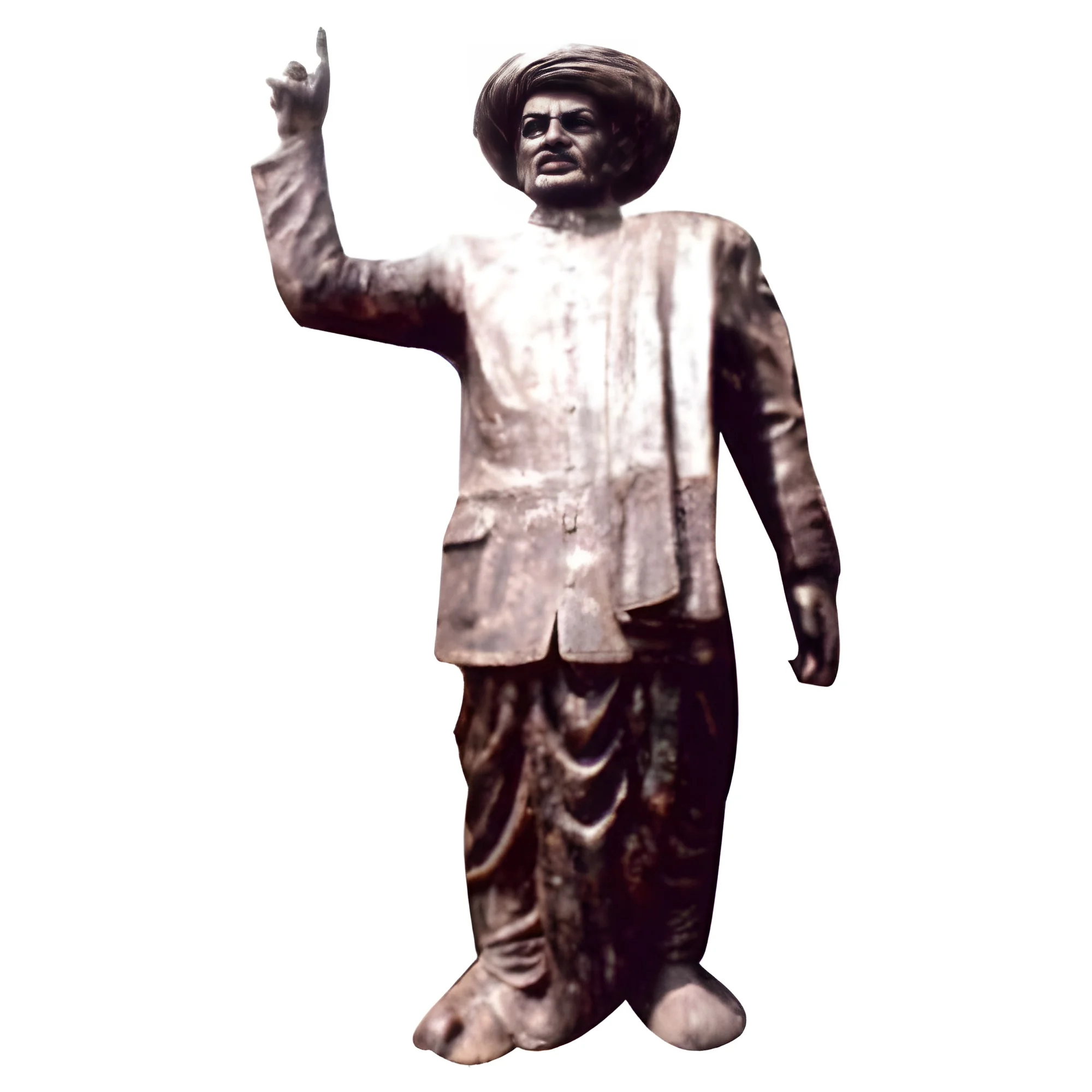
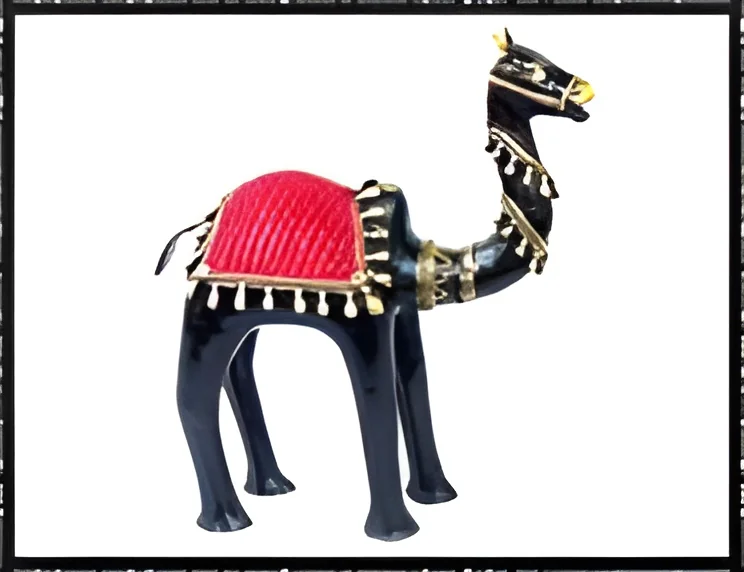
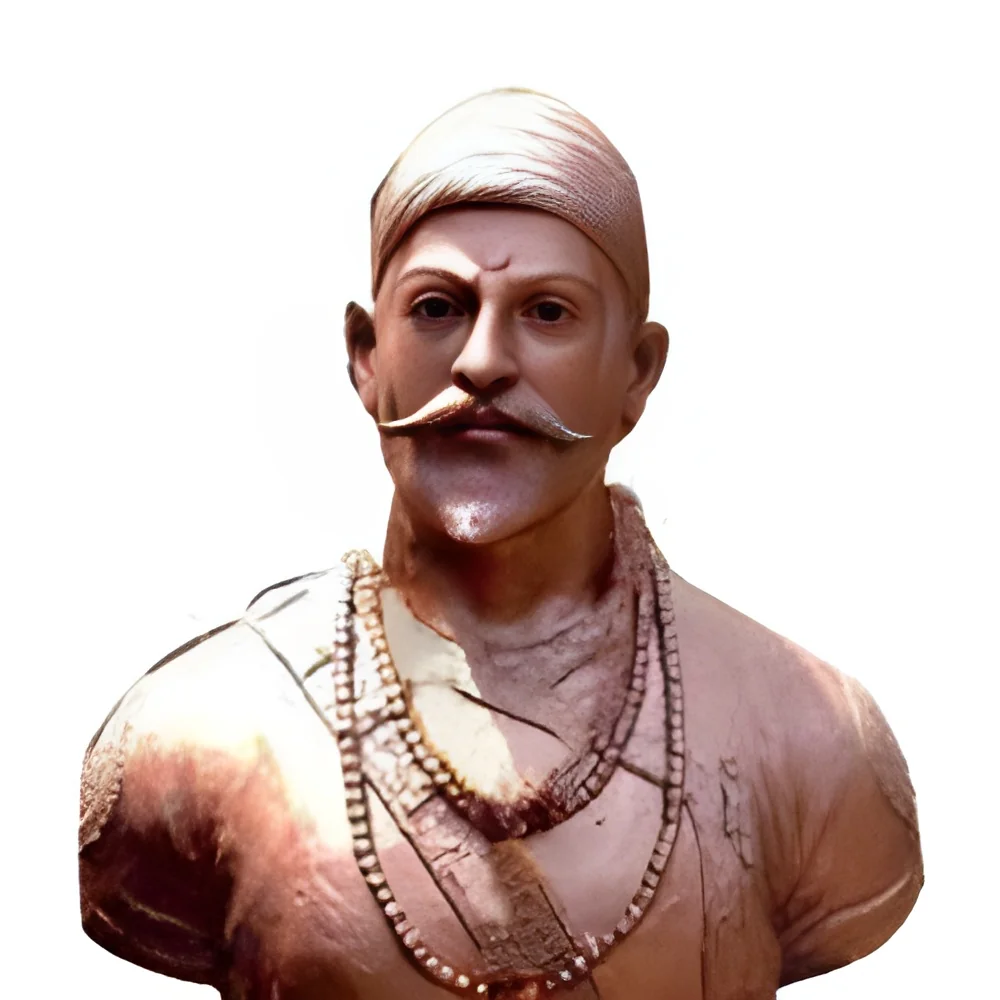
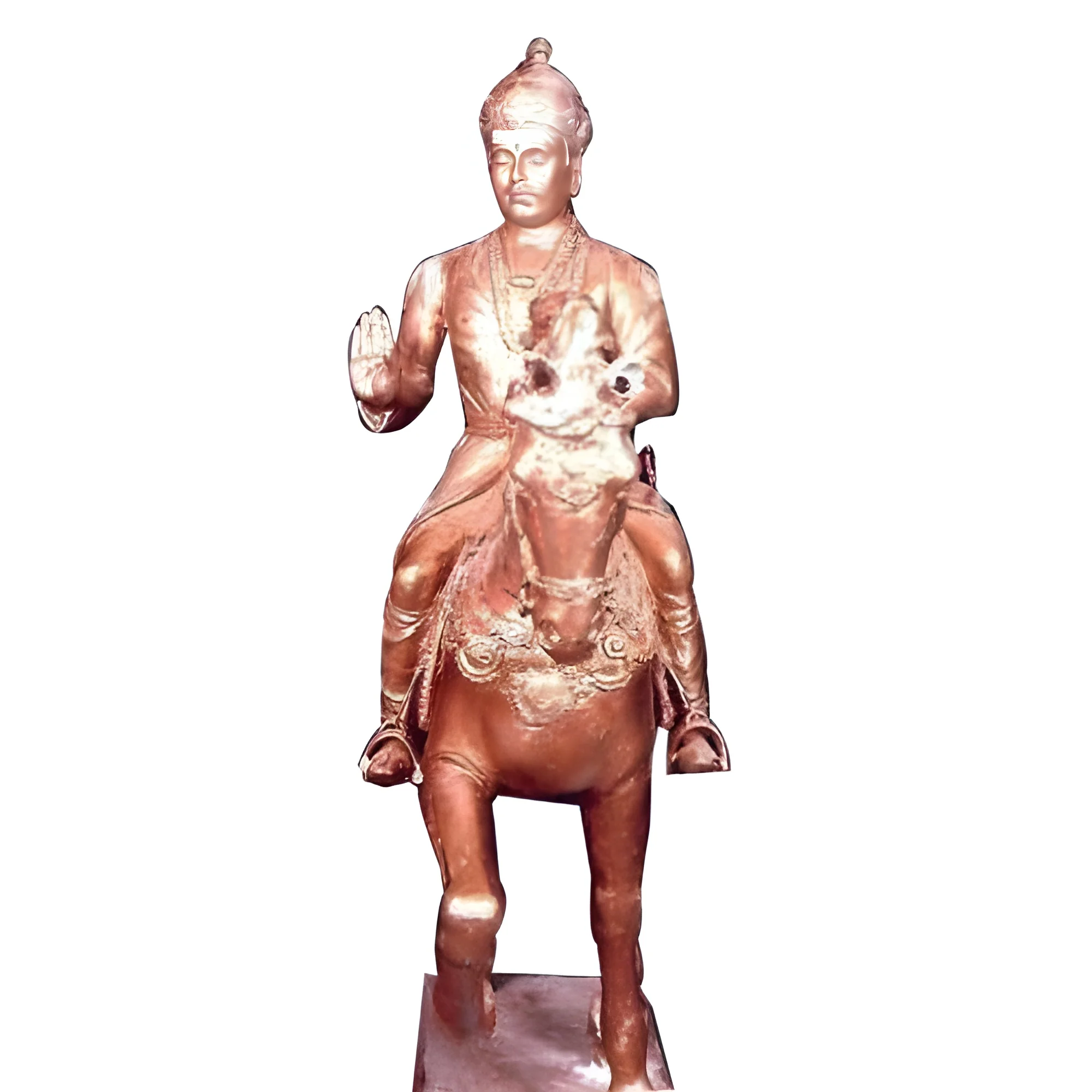
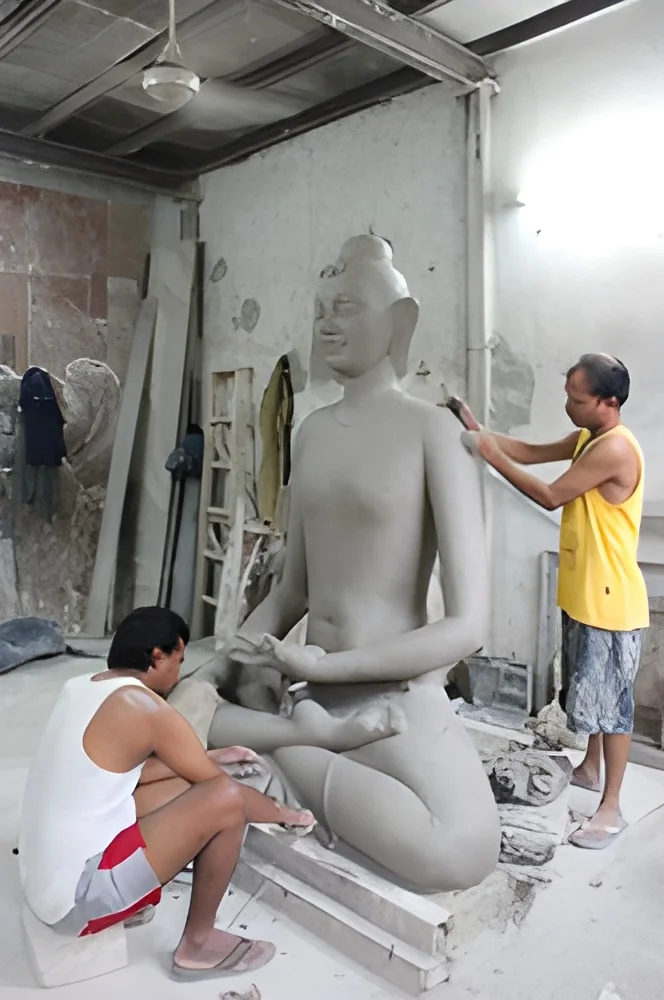
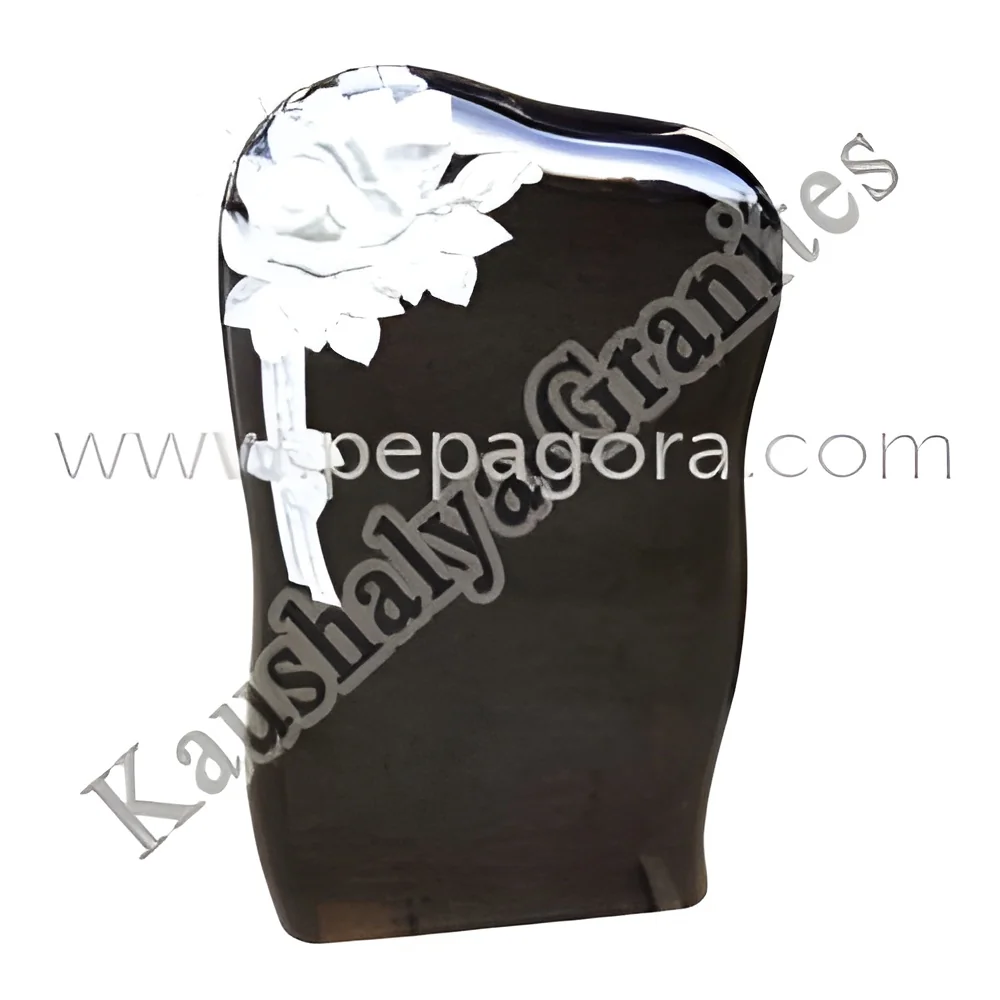
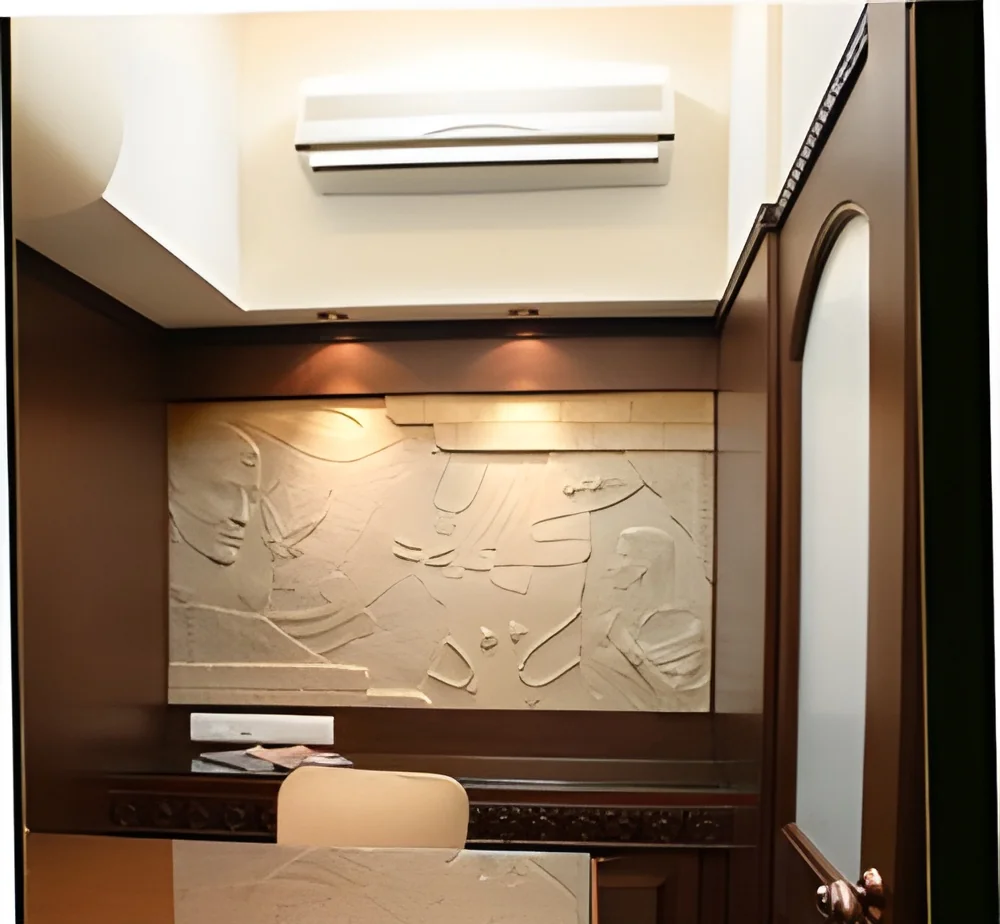
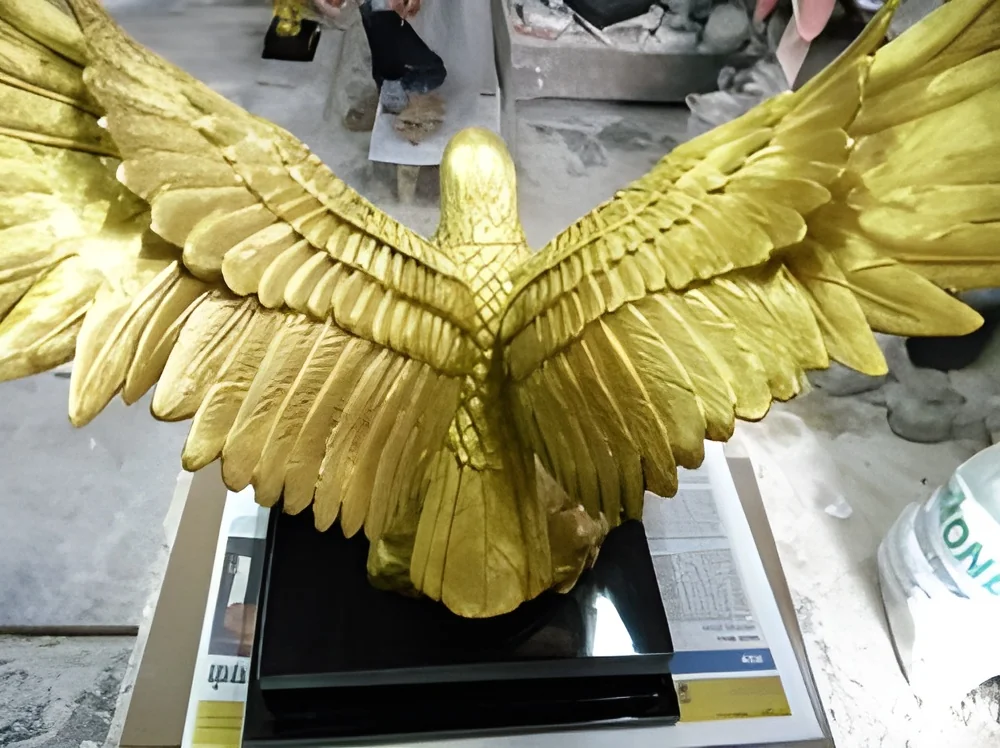
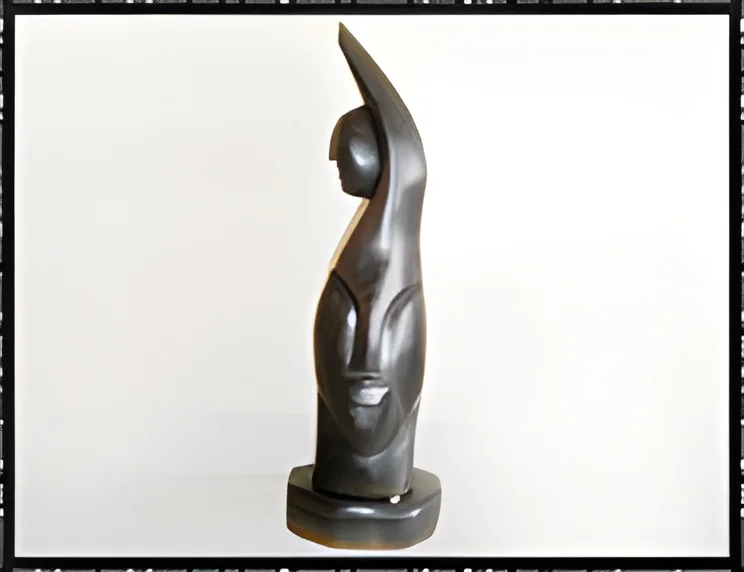
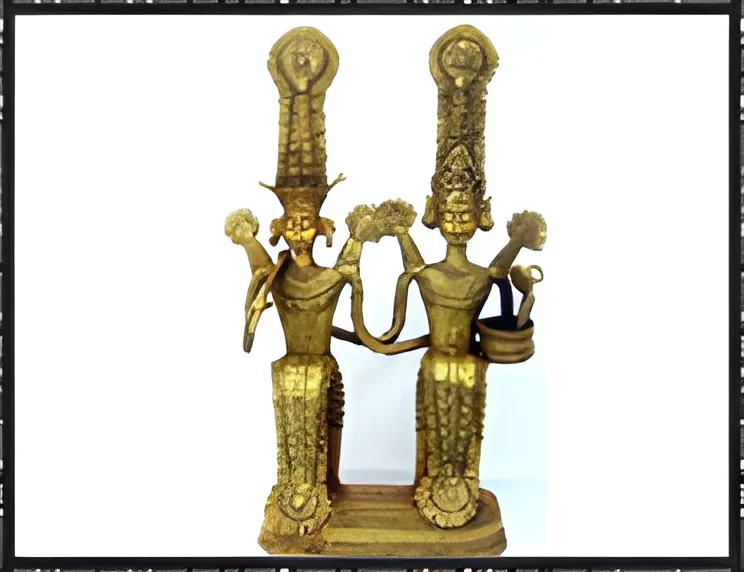
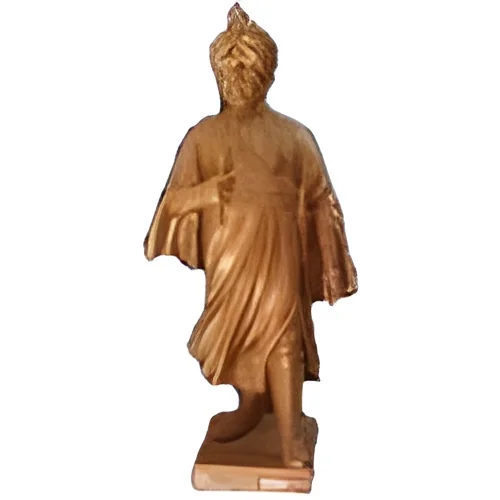
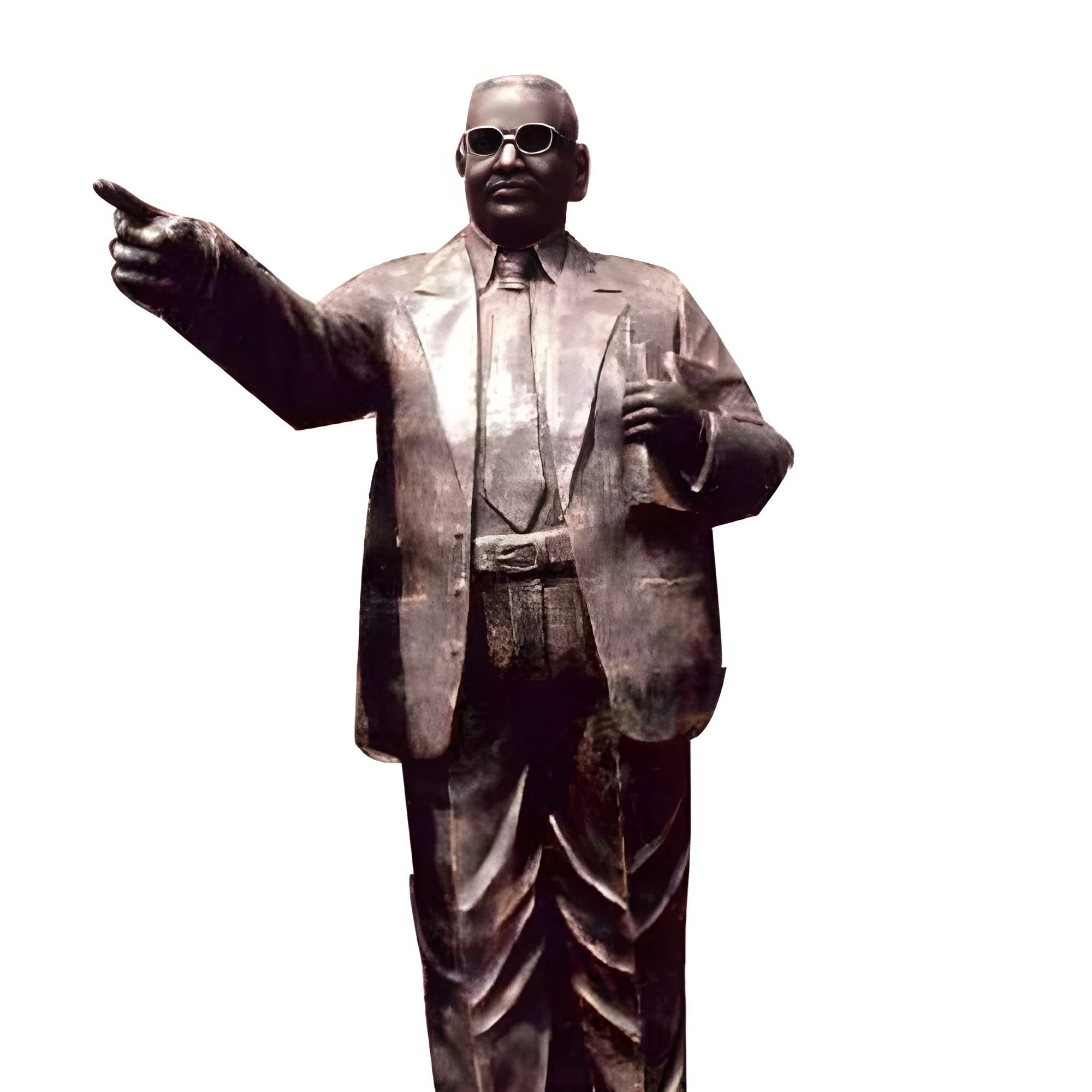
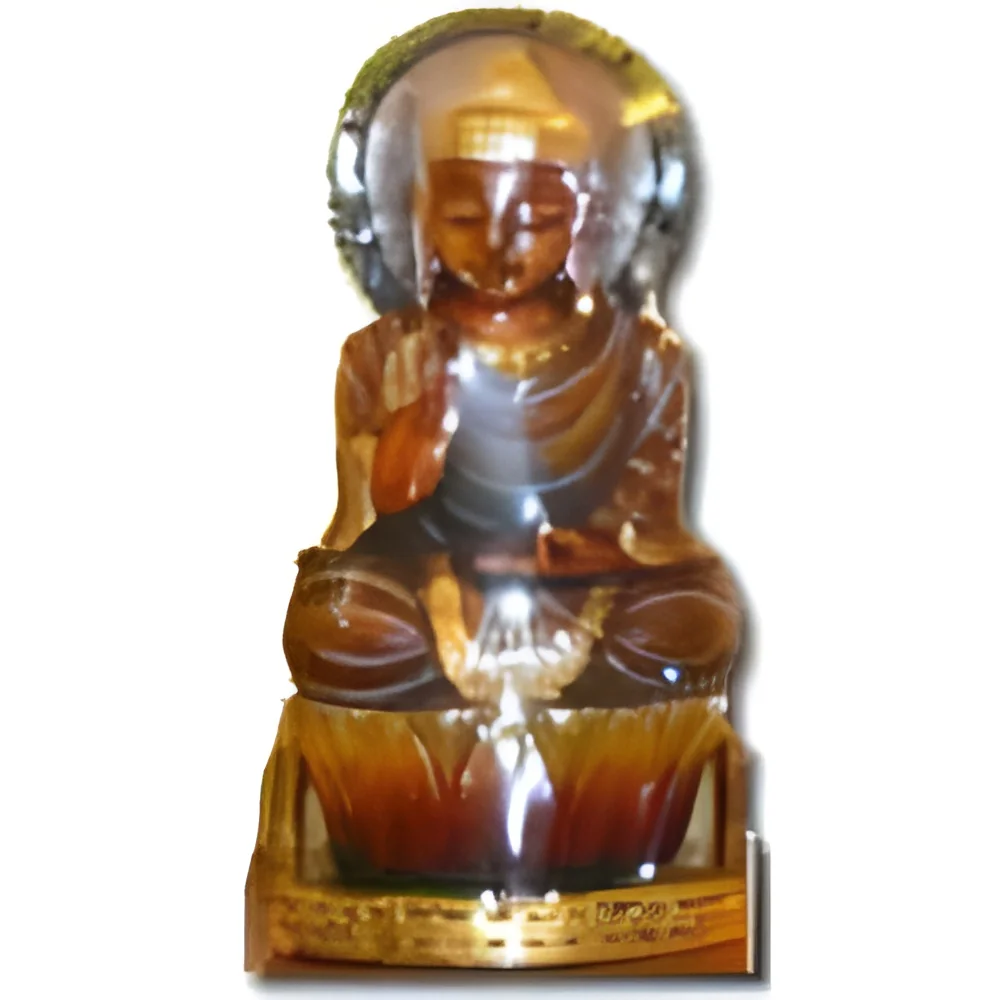
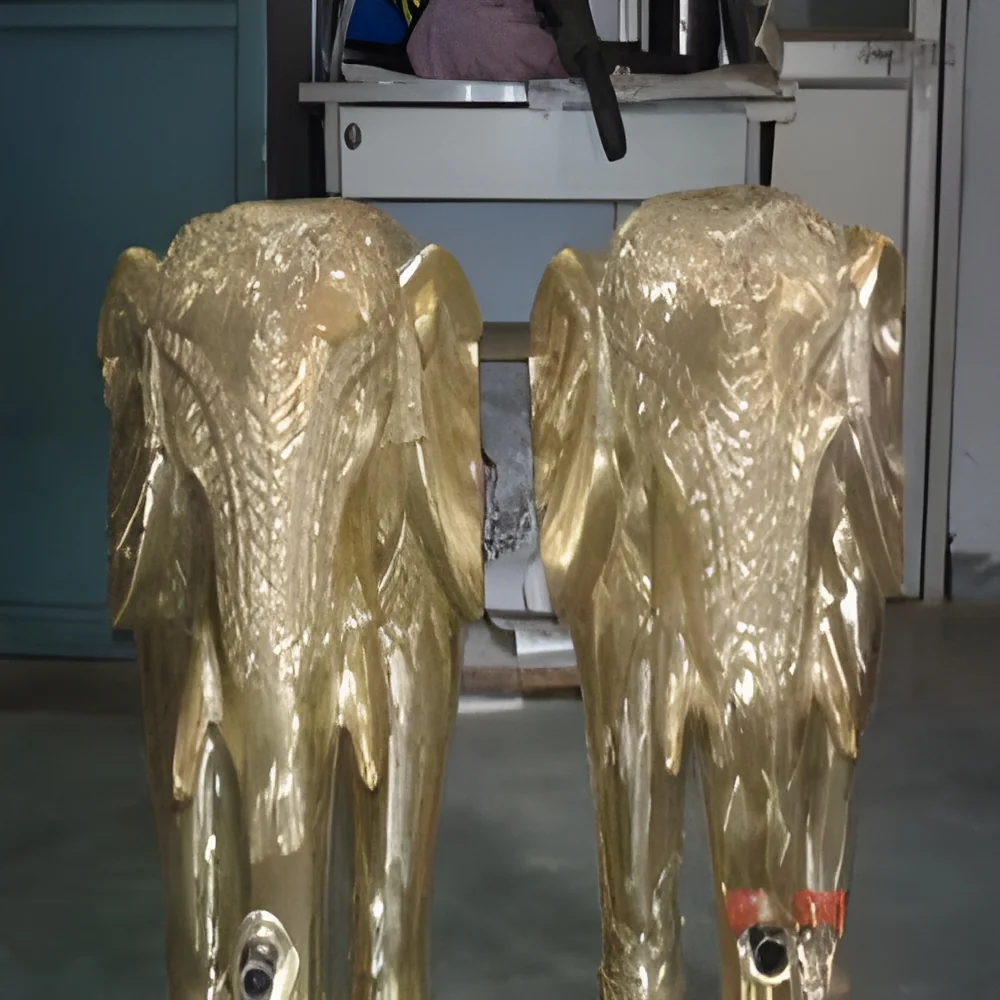
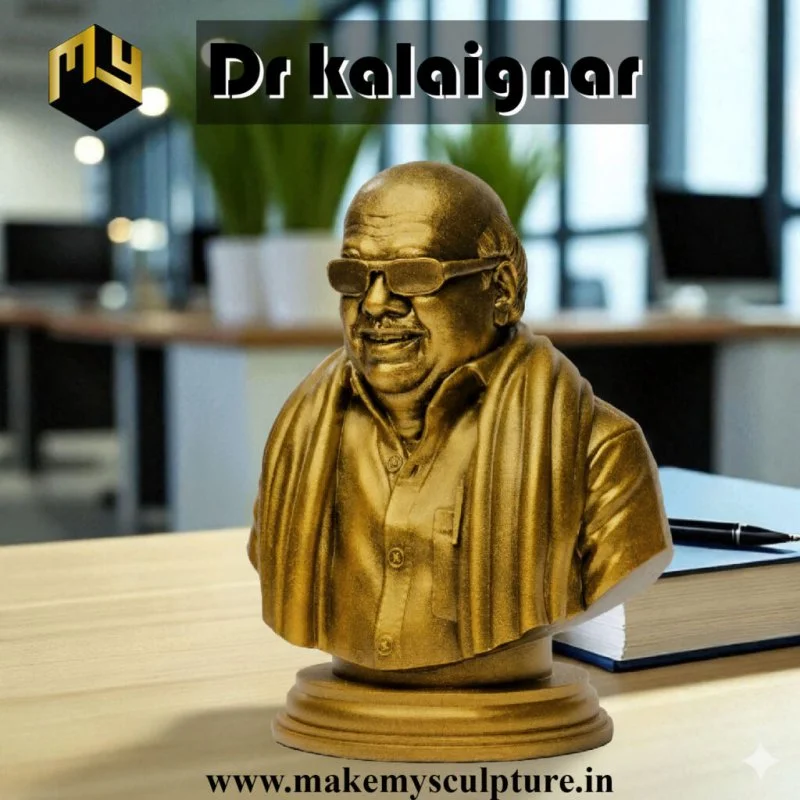
Statues and sculptures are three-dimensional works of art created from various materials such as stone, metal, wood, or resin. They can range from realistic human figures to abstract forms. Statues are often life-sized representations, while sculptures can vary in size and may also include reliefs that are attached to a background surface. These art pieces are crafted using techniques like carving, modeling, or assembling different materials.
In a business context, statues and sculptures serve a variety of purposes, from aesthetic enhancements in public spaces to branding tools for companies. They are commonly used in parks, museums, corporate offices, and commercial spaces to convey messages, celebrate cultural heritage, or enhance the overall environment. As industries increasingly invest in artistic elements to attract customers and create memorable experiences, the market for statues and sculptures continues to grow.
The relevance of statues and sculptures spans multiple industries, including architecture, hospitality, and public art projects. Their market presence is bolstered by a rising demand for unique and customized pieces that reflect brand identity and cultural significance. This trend highlights the importance of sourcing high-quality statues and sculptures that meet specific aesthetic and functional requirements.
Key Features and Specifications
Statues and sculptures possess distinct features that cater to various artistic and functional needs. Buyers should prioritize specifications that align with their project requirements.
Key specifications include:
1. Material
- Commonly used materials include stone, bronze, wood, and fiberglass.
- Each material offers unique properties regarding durability and aesthetic appeal.
2. Size and Dimensions
- Available in various dimensions, from tabletop pieces to large outdoor installations.
- Custom sizing options are often available for specific projects.
3. Finish
- Finishes may range from polished, matte, to textured surfaces.
- The finish affects both the visual appeal and durability of the piece.
4. Weight
- Weight varies significantly based on the material and size.
- Proper weight consideration is crucial for installation and placement.
5. Customization Options
- Many suppliers offer customization in design, size, and material.
- Custom pieces can reflect brand identity or specific themes.
6. Indoor vs. Outdoor Use
- Some sculptures are designed specifically for indoor use, while others are made to withstand outdoor conditions.
- Outdoor pieces often require weather-resistant materials and treatments.
7. Art Style
- Availability of various art styles, including classical, modern, and abstract.
- Style choice can significantly influence the final impact of the sculpture.
8. Lead Time
- Production and delivery times can vary based on complexity and customization requests.
- Typical lead times should be discussed with suppliers during the procurement process.
In summary, understanding these specifications helps buyers make informed choices, ensuring the selected statues and sculptures meet both aesthetic and functional needs.
Common Applications and Use Cases
Statues and sculptures find applications across diverse industries, serving both decorative and functional purposes.
1. Architecture: Statues are frequently incorporated into architectural designs, enhancing the aesthetic appeal of buildings and public spaces.
2. Hospitality: Hotels and resorts often utilize sculptures in their landscaping and interiors to create an inviting ambiance for guests.
3. Retail: Businesses use sculptures as part of their branding strategy, drawing attention and creating memorable experiences for customers.
4. Education: Educational institutions may display sculptures in courtyards or entryways, promoting cultural awareness and artistic appreciation.
5. Public Art: Cities and municipalities commission sculptures for public spaces, contributing to community identity and engagement.
6. Religious Institutions: Statues are commonly used in places of worship to represent deities or convey spiritual messages.
7. Corporate Offices: Companies often use art pieces in office settings to foster creativity and enhance workplace environments.
Product Variants and Subcategories
The diversity of statues and sculptures allows for numerous variants to suit different needs and preferences.
Garden Statues
Garden statues are designed for outdoor use, often made from weather-resistant materials. They serve as focal points in landscaping and can depict various themes, from animals to classical figures.
Decorative Sculptures
These sculptures are often used indoors and can be made from lighter materials like fiberglass. They are ideal for enhancing interiors and can vary in size and style to fit different environments.
Abstract Art Sculptures
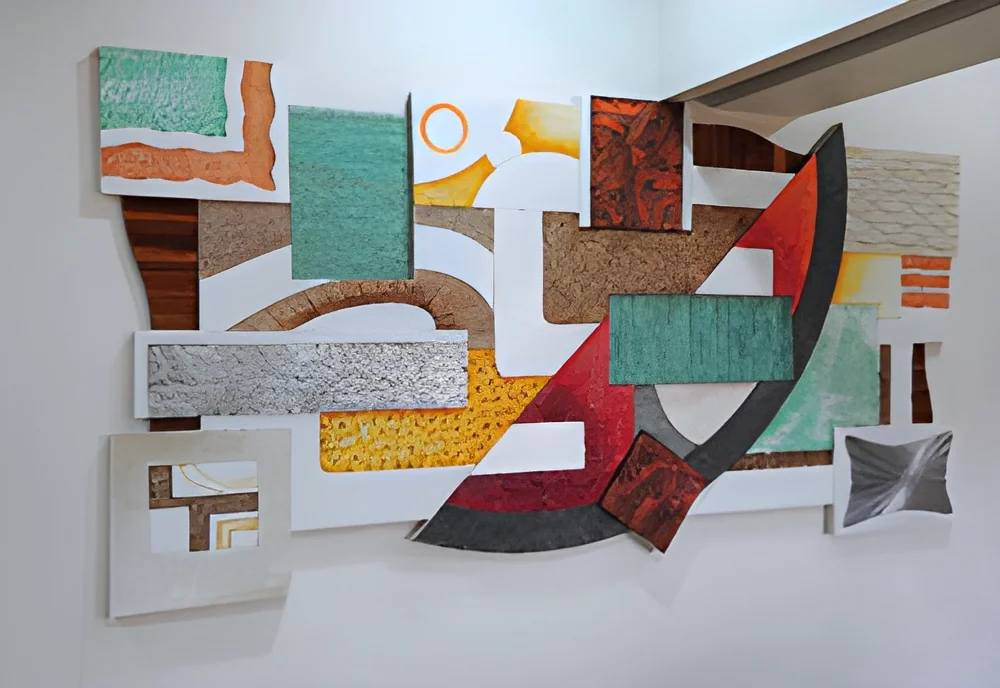
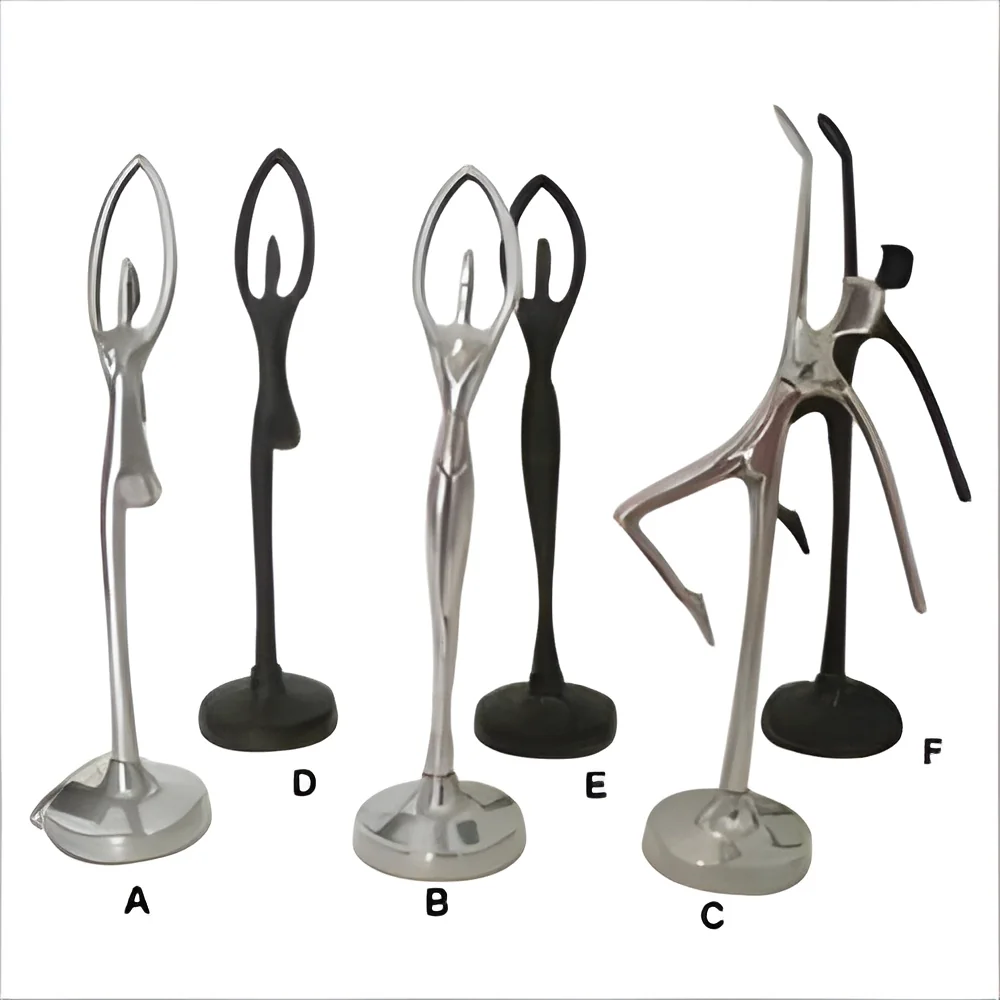
Abstract sculptures offer a modern touch and often serve as conversation starters. They can be composed of unconventional materials and feature unique designs that challenge traditional forms.
Figurative Statues
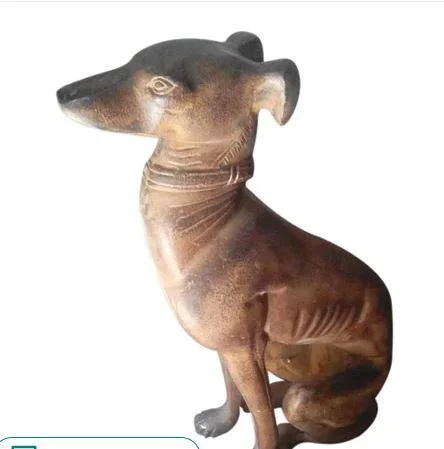
These pieces represent human figures or animals and are often crafted with attention to detail. Figurative statues are popular in both public spaces and private collections.
Benefits and Advantages
Sourcing statues and sculptures provides several advantages for businesses and organizations.
1. Aesthetic Appeal: Statues and sculptures enhance the visual landscape, creating inviting environments for customers and visitors.
2. Brand Identity: Custom sculptures can effectively communicate a brand’s values and identity, making a lasting impression on clients.
3. Cultural Significance: Incorporating art pieces can reflect cultural heritage and community values, fostering a sense of belonging.
4. Increased Engagement: Art installations in public spaces can attract attention and encourage community interaction.
5. Versatility: Statues and sculptures can be used in various settings, from corporate offices to public parks, offering flexibility in applications.
6. Investment Value: High-quality art pieces can appreciate over time, serving as a valuable investment for organizations.
Buying Guide for B2B Buyers
When sourcing statues and sculptures, businesses should take several factors into account to ensure a successful purchase.
1. Quality Assessment: Evaluate materials, craftsmanship, and design to ensure the product meets durability and aesthetic standards.
2. Supplier Verification: Research potential suppliers to verify their reputation, production capabilities, and experience in the industry.
3. Pricing and MOQ: Understand the pricing structure and minimum order quantities, as these can influence budget and procurement decisions.
4. Delivery and Lead Times: Discuss expected delivery schedules to align with project timelines and ensure timely installation.
5. Compliance Requirements: Be aware of any regulatory standards or certifications required for the intended use of the sculptures.
Compliance and Certifications
Statues and sculptures must adhere to certain quality standards and certifications to ensure safety and reliability. Relevant quality standards include ISO 9001, which ensures consistency in manufacturing processes. Industry certifications such as CE and UL may also apply, indicating compliance with safety and performance regulations.
Safety and testing requirements are essential, particularly for outdoor sculptures that may be exposed to environmental elements. Buyers should inquire about the materials used and whether they meet local regulations regarding safety and sustainability.
Regional compliance considerations are significant, as different countries and regions have varying standards for artistic products. Understanding these requirements is crucial for ensuring that the sourced sculptures meet all necessary guidelines.
Why Source Statues & Sculptures from Pepagora?
Pepagora offers a trusted platform for sourcing statues and sculptures, providing several key advantages for B2B buyers.
Verified Supplier Network: Pepagora connects buyers with a network of verified suppliers, ensuring that quality and reliability are prioritized. This verification process builds confidence in sourcing decisions.
Streamlined RFQ Process: The platform simplifies the request for quotation (RFQ) process, allowing buyers to easily compare offers from multiple suppliers. This efficiency helps in making informed purchasing decisions.
Trade Assurance and Support: Pepagora offers trade assurance features that protect buyers during transactions. This support includes mediation services in case of disputes, ensuring a secure buying experience.
Regional Coverage: With a wide geographic reach across India, the GCC, and Southeast Asia, Pepagora facilitates sourcing from diverse markets, enabling buyers to find unique and high-quality statues and sculptures that meet their specific needs.

 IN
IN