What are Curtains & Window Blinds?
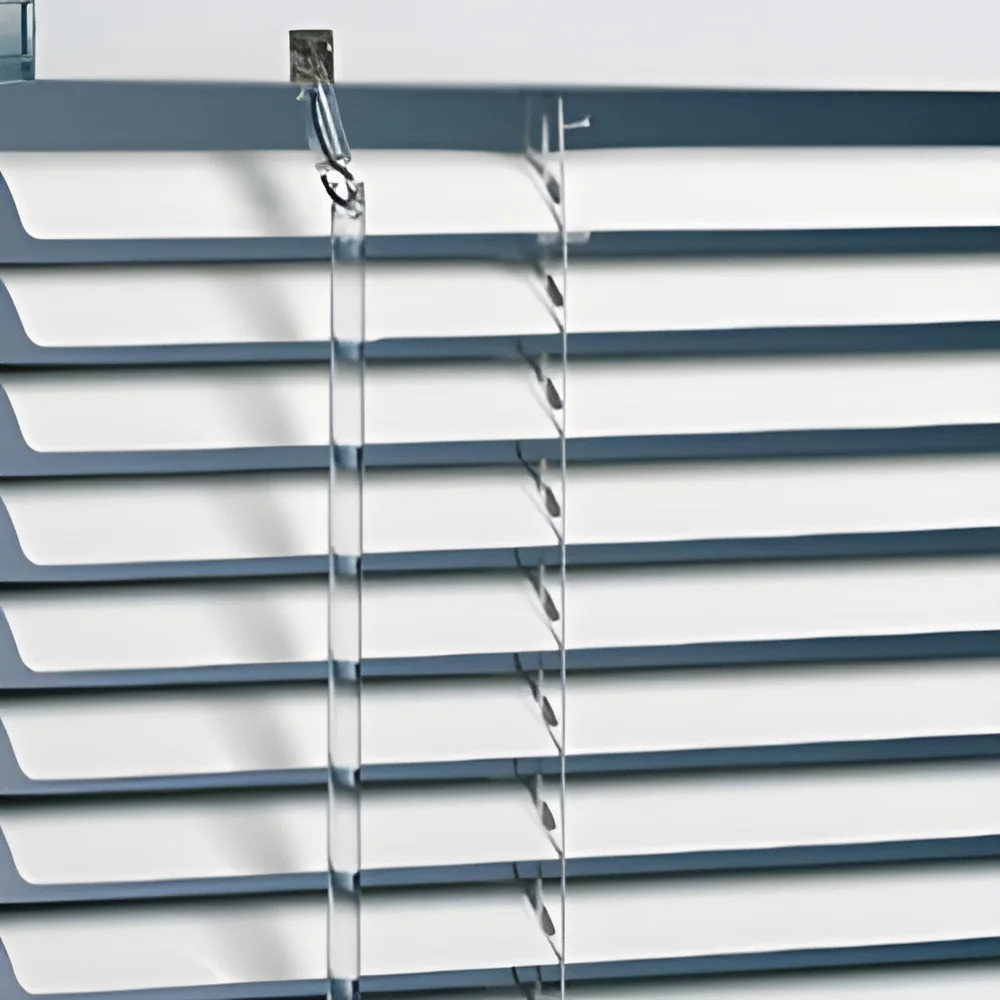
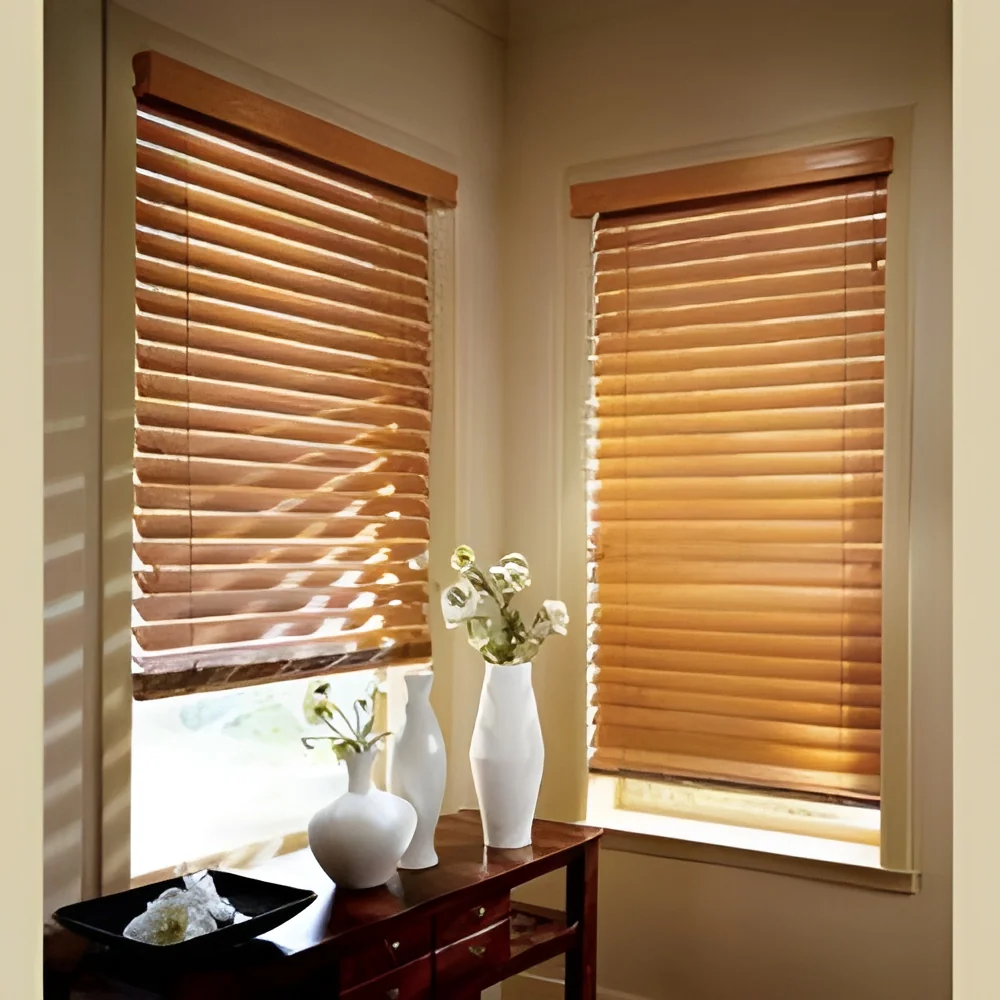
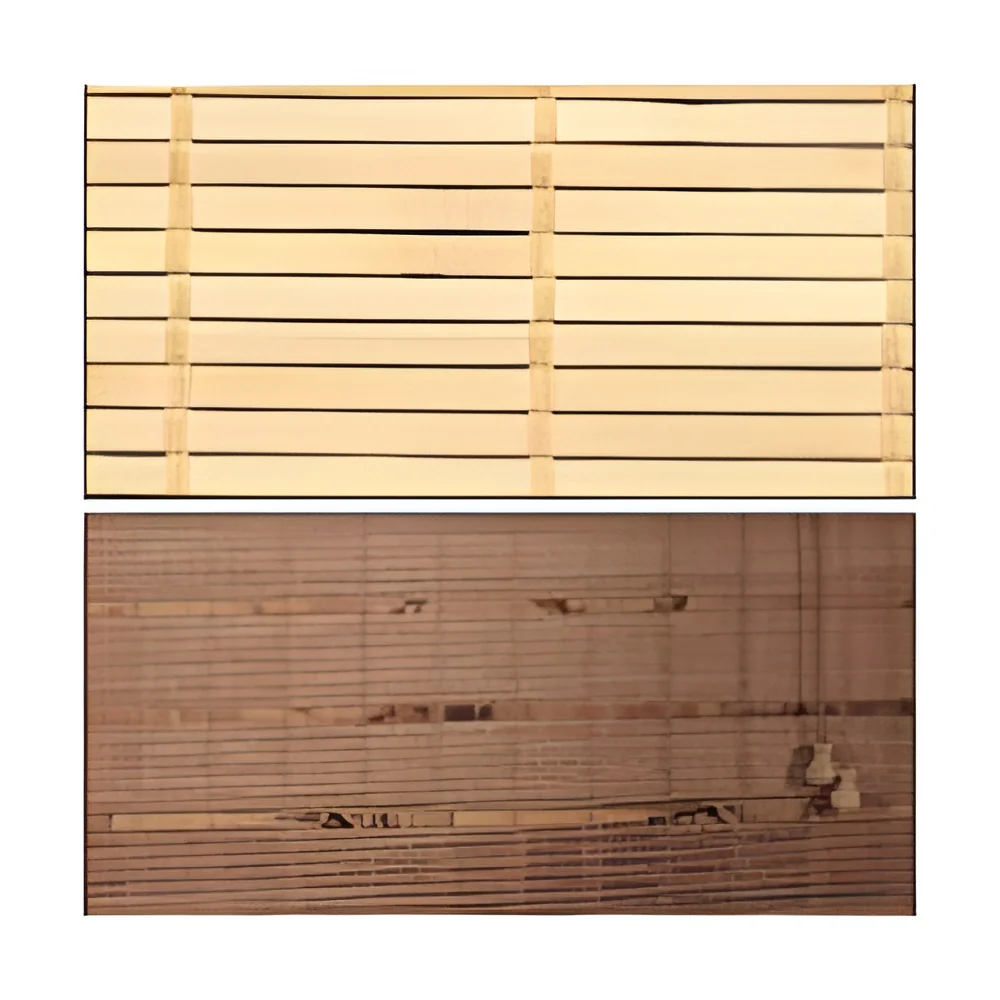
Curtains and window blinds are essential elements in both residential and commercial spaces. They serve multiple purposes, including light control, privacy, and aesthetic enhancement. Curtains are typically made from fabric and can be found in various styles, colors, and patterns. Window blinds, on the other hand, are usually constructed from materials such as wood, aluminum, or PVC and offer adjustable slats for light regulation.
These products are widely used in various business applications. In offices, they help create a comfortable working environment by controlling glare and heat. In retail spaces, they can enhance product displays while providing privacy. Furthermore, hotels and restaurants utilize curtains and blinds to elevate their interior design and create inviting atmospheres. The demand for these products continues to grow due to trends in interior design and the increasing focus on energy-efficient solutions.
Key Features and Specifications
Curtains and window blinds come with various features that cater to different needs and preferences. Understanding the specifications is crucial for making informed purchasing decisions.
Key specifications include:
1. Material Types
- Curtains can be made from fabrics such as polyester, cotton, or linen.
- Blinds are often constructed from slats of wood, aluminum, or synthetic materials.
2. Size Options
- Available in standard sizes or made-to-measure to fit specific window dimensions.
- Width and height measurements should be taken accurately to ensure a proper fit.
3. Light Control Features
- Curtains can be sheer, blackout, or light-filtering.
- Blinds can be adjusted to allow varying levels of light.
4. Operating Mechanisms
- Curtains may use rods, tracks, or hooks for hanging.
- Blinds can be operated via cords, chains, or motorized options.
5. Energy Efficiency
- Some products are designed to improve insulation and reduce heating and cooling costs.
- Thermal and blackout options are available for enhanced energy savings.
6. Customization Options
- Many manufacturers offer customization in terms of color, pattern, and functionality.
- Personalized designs can cater to branding needs for commercial spaces.
7. Maintenance Requirements
- Easy-to-clean materials may require simple dusting or occasional washing.
- Blinds often need minimal maintenance, with occasional wiping needed.
8. Safety Features
- Child-safe options include cordless designs and safety locks.
- Compliance with safety standards is essential for commercial applications.
The diverse features and specifications help businesses select the right curtains and blinds for their unique requirements.
Common Applications and Use Cases
Curtains and window blinds find applications across various industries, enhancing functionality and aesthetics.
1. Office Spaces: They are essential for light control, privacy, and creating a professional atmosphere. Adjustable blinds and elegant curtains can improve employee productivity by managing glare.
2. Hospitality: Hotels and restaurants use these products to create a welcoming environment. High-quality drapery adds sophistication while providing guests with privacy and comfort.
3. Retail: Curtains and blinds can enhance store displays while allowing for light management. They can be strategically used to highlight products or create a specific ambiance.
4. Healthcare: In hospitals and clinics, privacy curtains are necessary for patient confidentiality. Blinds in these settings must be easy to clean and maintain.
5. Education: Schools and universities utilize window treatments to manage natural light in classrooms. This helps create an optimal learning environment.
6. Residential: Homeowners use curtains and blinds for decorative purposes, energy savings, and privacy. Various styles can complement interior design themes.
7. Commercial Spaces: Retail shops and office buildings require durable and aesthetically pleasing window treatments to enhance their overall appearance.
Product Variants and Subcategories
Curtains and window blinds come in a variety of types, catering to different needs and preferences.
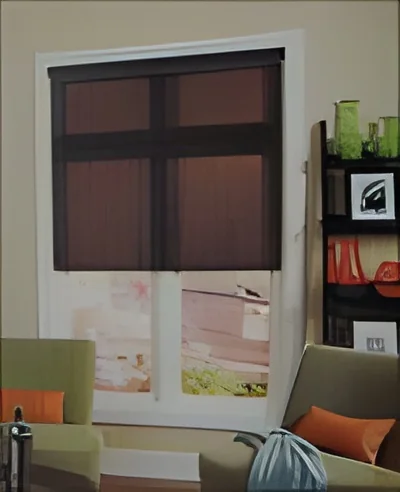
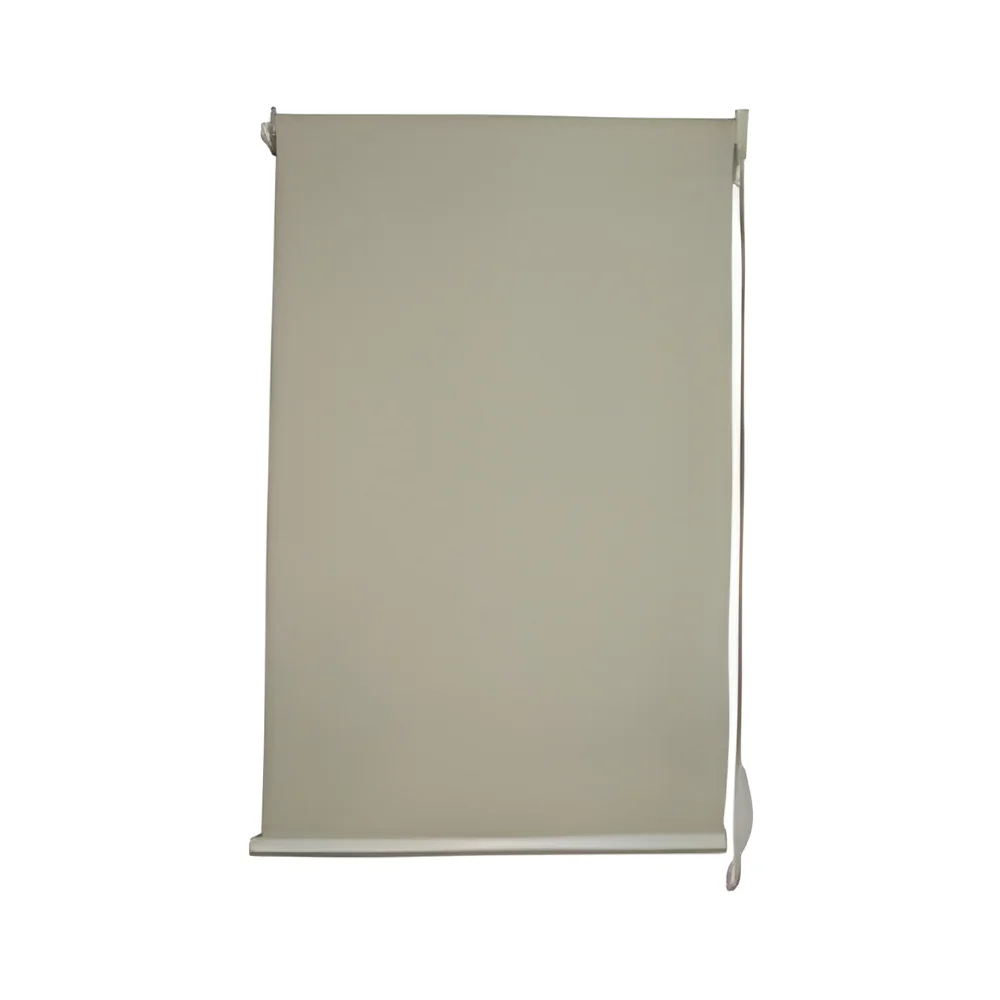
Roller Blinds: These are simple and functional, making them ideal for both residential and commercial spaces. They roll up and down easily and are available in various fabrics and colors.
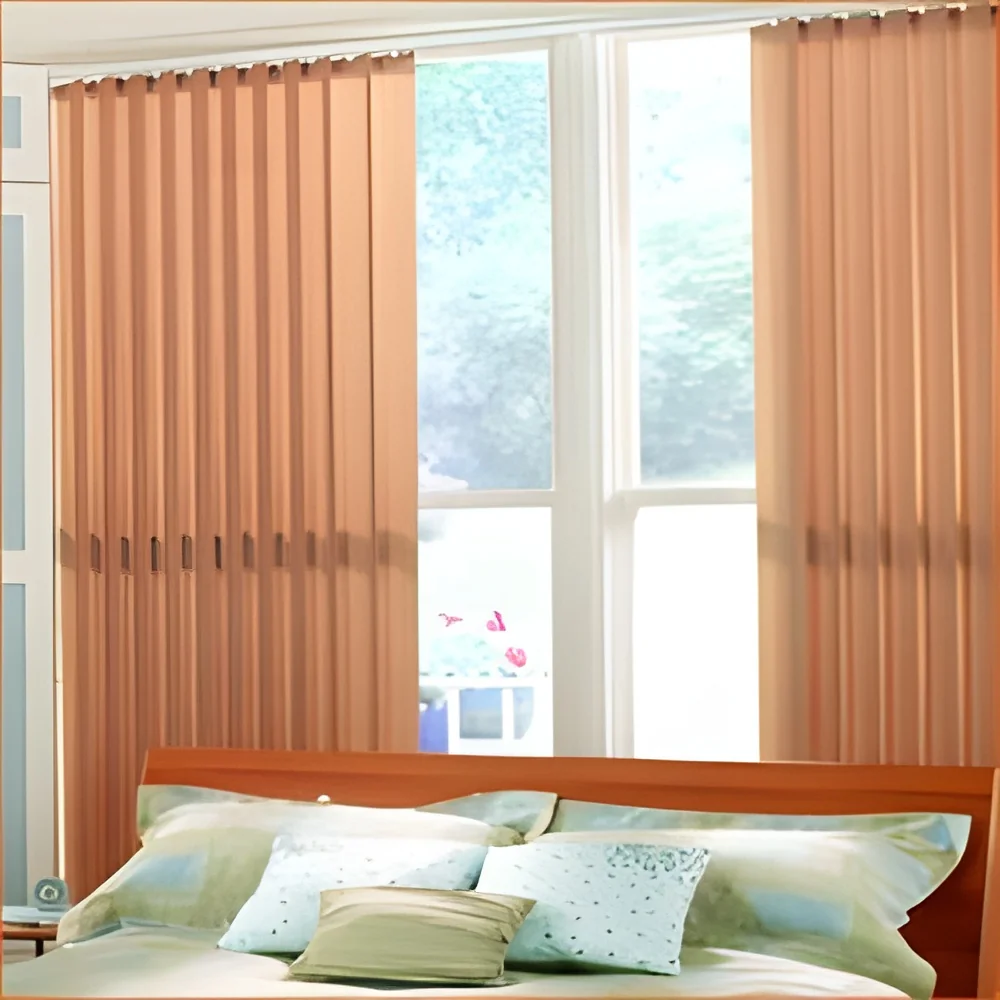
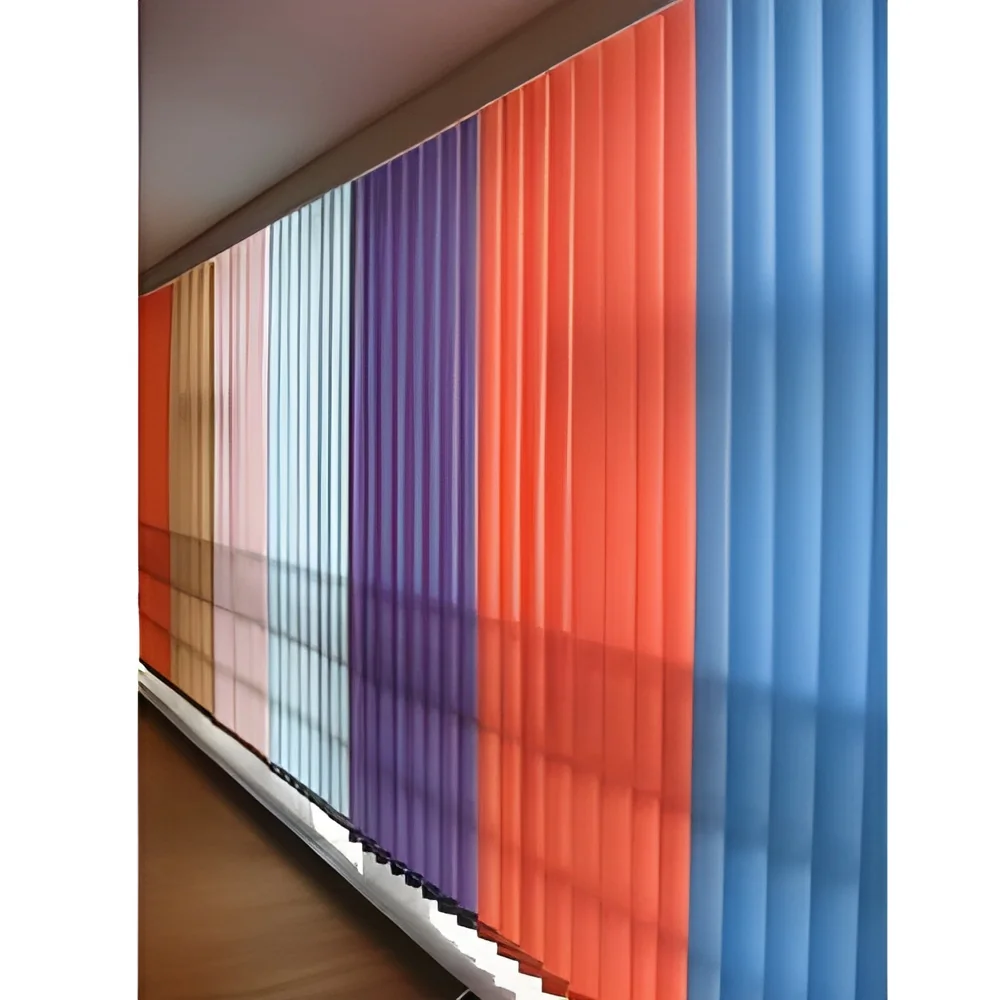
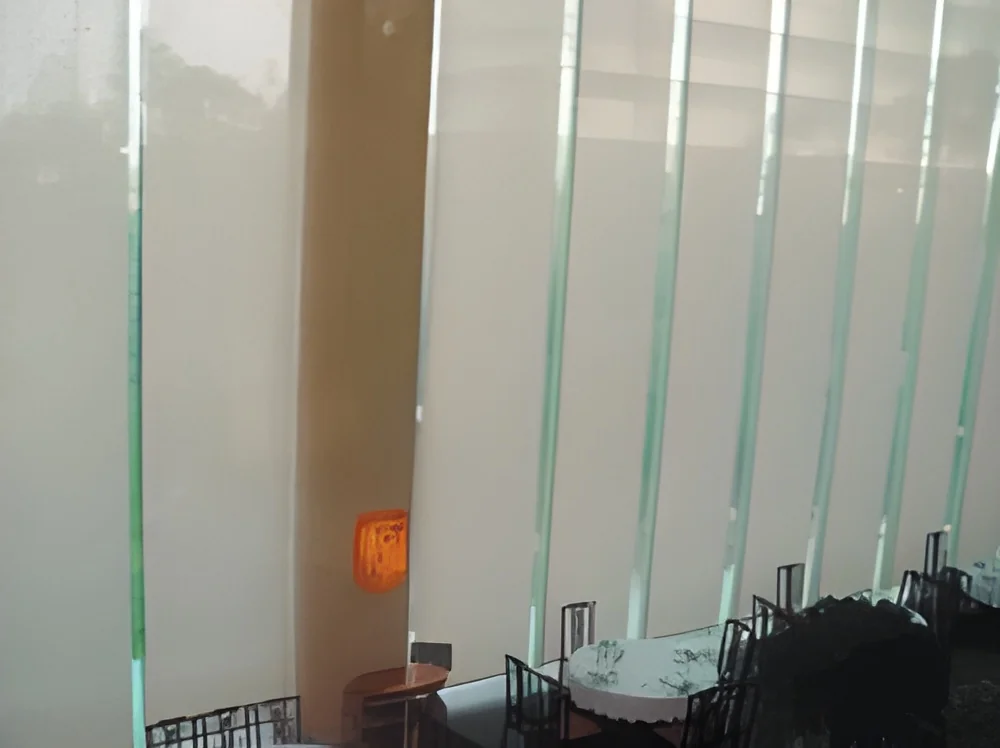
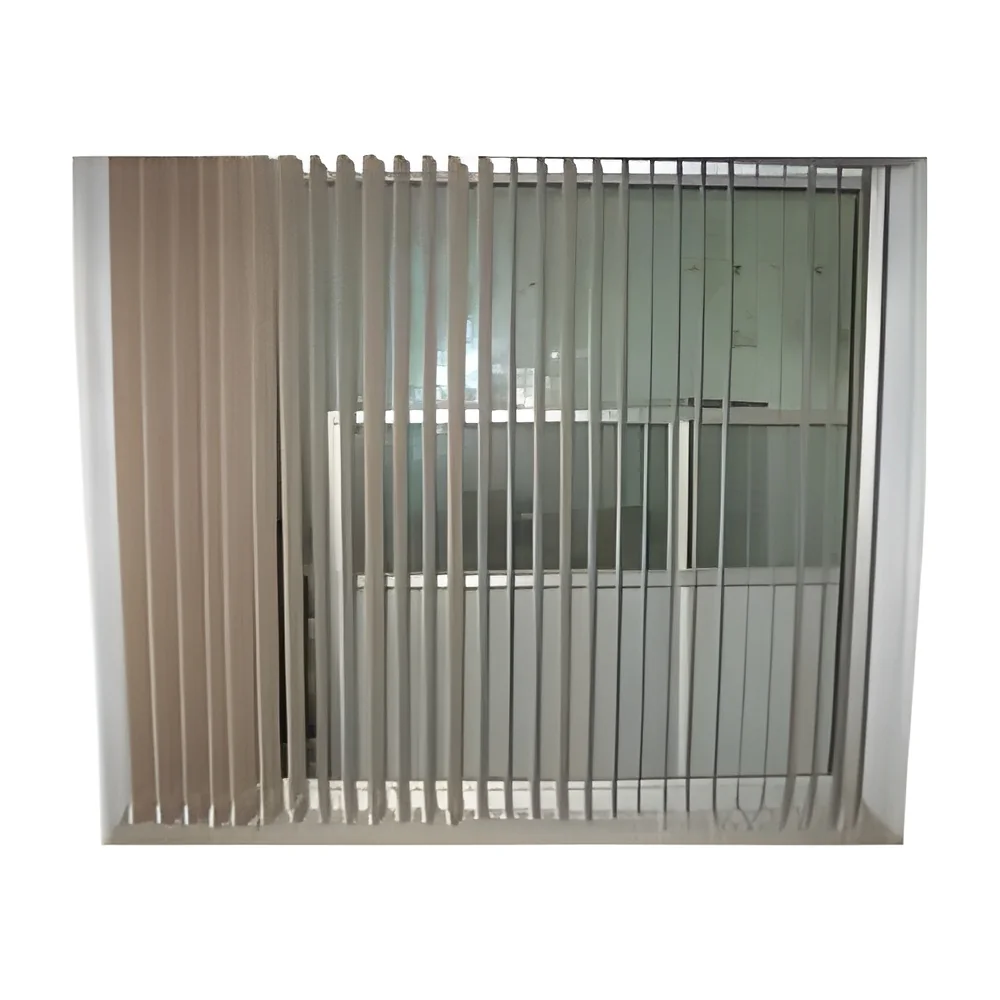
Vertical Blinds: Perfect for large windows and sliding doors, vertical blinds offer adjustable slats for effective light control. They are often used in offices for a modern look.
Roman Shades: These provide a soft and elegant look, folding up into pleats when raised. They are suitable for residential spaces and can come in various fabric choices.
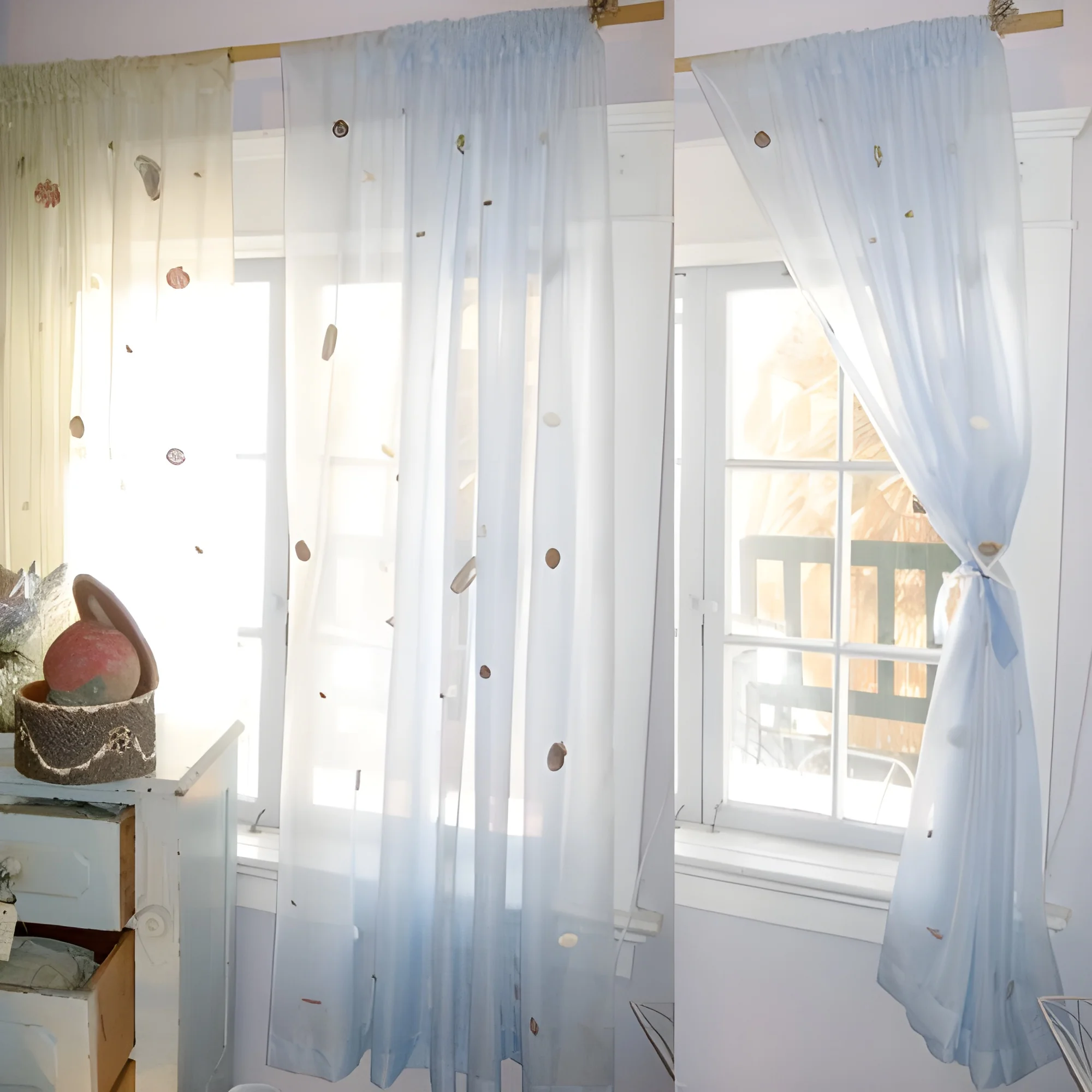
Sheer Curtains: These are lightweight and allow natural light to filter through while providing a level of privacy. Ideal for living rooms and dining areas, they add a delicate touch to decor.
Blackout Curtains: Designed to block out light completely, these curtains are excellent for bedrooms or media rooms. They help improve energy efficiency by insulating windows.
Benefits and Advantages
Curtains and window blinds offer numerous benefits that enhance their appeal for businesses.
1. Enhanced Privacy: They provide a level of privacy in both residential and commercial environments, making spaces more comfortable.
2. Light Control: Adjustable options allow users to manage natural light, reducing glare and improving visibility.
3. Energy Efficiency: Many products are designed to help insulate windows, potentially lowering heating and cooling costs.
4. Aesthetic Appeal: Available in various styles and colors, they can significantly enhance the visual appeal of any space.
5. Easy Maintenance: Curtains and blinds often require minimal upkeep, making them convenient for busy environments.
6. Customization: Many manufacturers offer tailored solutions to meet specific design and functional requirements.
Buying Guide for B2B Buyers
When sourcing curtains and window blinds, several factors should be considered to ensure a satisfactory purchase.
1. Quality Assessment: Evaluate the materials used and the construction quality. Look for products that meet industry standards for durability and functionality.
2. Supplier Verification: Research suppliers thoroughly. Check their reputation, customer feedback, and experience in the industry to ensure reliability.
3. Pricing and MOQ: Understand the pricing structure and minimum order quantities. Compare quotes from multiple suppliers to get the best value.
4. Delivery and Lead Times: Discuss logistics and delivery schedules. Ensure the supplier can meet your timeline requirements for projects.
5. Compliance Requirements: Ensure that the products meet relevant safety and quality standards. Compliance with regulations like CE certification is essential.
Compliance and Certifications
Curtains and window blinds must adhere to specific industry standards to ensure safety and quality. Relevant quality standards include ISO 9001, which focuses on quality management systems, ensuring consistent product quality and customer satisfaction.
Additionally, certifications such as CE indicate that the products meet European safety and health requirements. Compliance with safety and testing requirements is crucial, particularly in sectors like healthcare and education, where safety is paramount.
Regional compliance considerations may vary, so it is vital to be aware of local regulations governing materials and safety features. This helps businesses avoid potential legal issues and ensures that products are suitable for their intended use.
Why Source Curtains & Window Blinds from Pepagora?
Pepagora provides a trusted platform for sourcing curtains and window blinds, offering several key advantages to B2B buyers.
Verified Supplier Network: Pepagora connects buyers with a network of verified suppliers. This ensures that businesses can access high-quality products from reputable manufacturers, minimizing risk.
Streamlined RFQ Process: The platform features a user-friendly request for quotation (RFQ) system, allowing buyers to easily compare pricing and options from multiple suppliers. This simplifies the procurement process.
Trade Assurance and Support: Pepagora prioritizes buyer protection through its trade assurance policies. This provides peace of mind during transactions, ensuring that buyers receive what they expect.
Regional Coverage: With a strong presence in India, the GCC, and Southeast Asia, Pepagora offers extensive geographic reach. This allows businesses to source products locally or regionally, improving logistics and reducing shipping costs.

 IN
IN