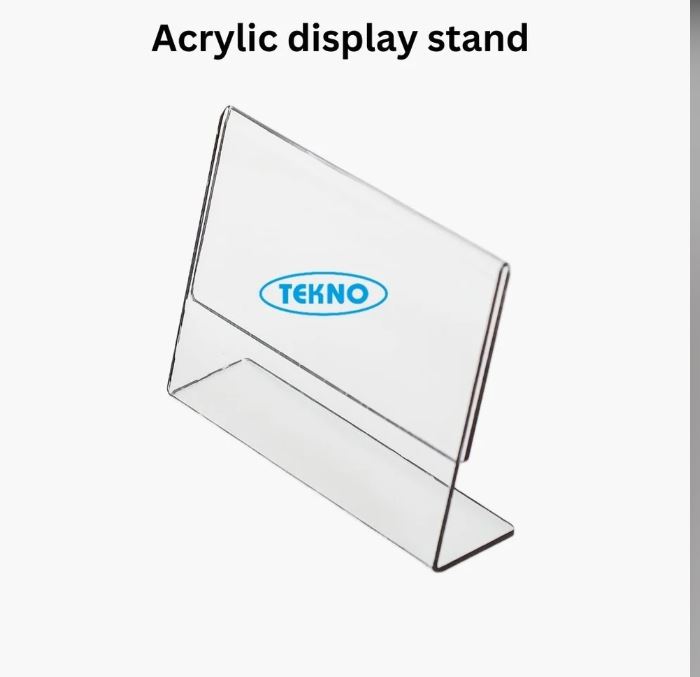
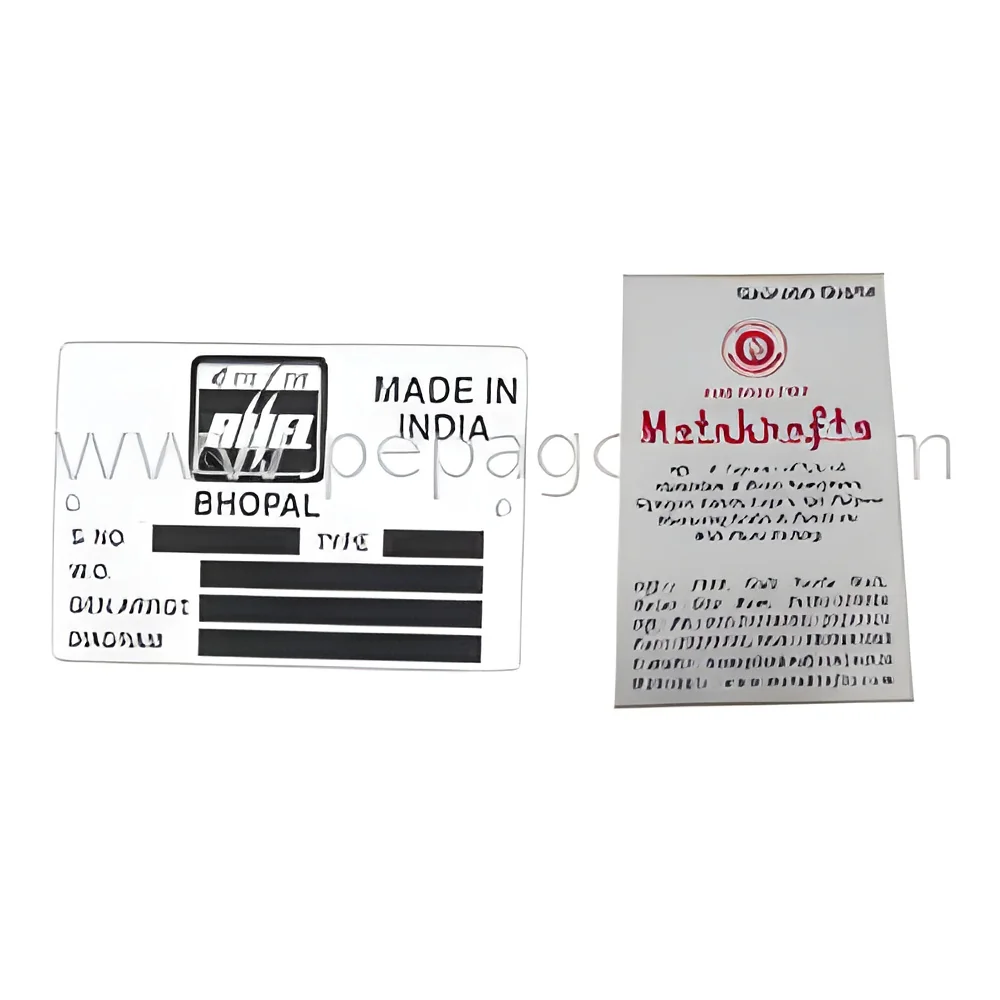
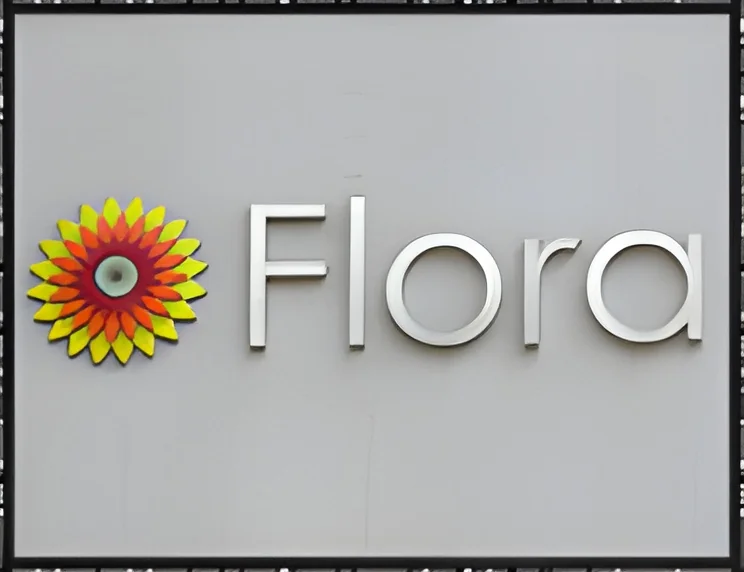
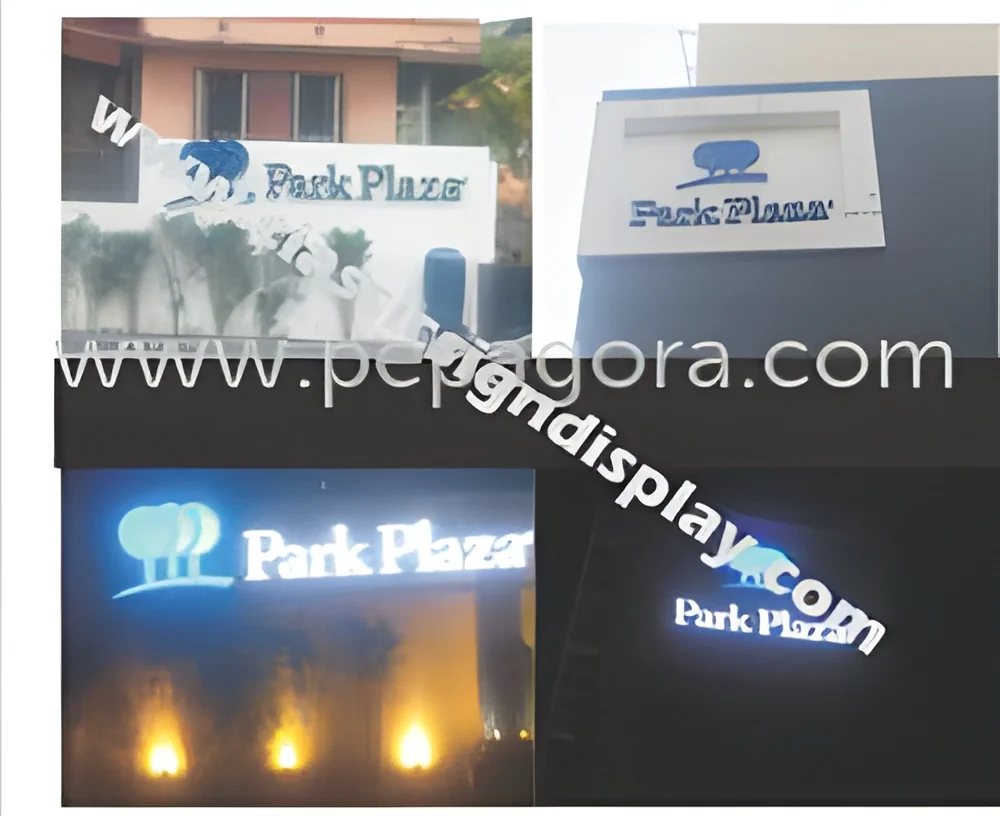
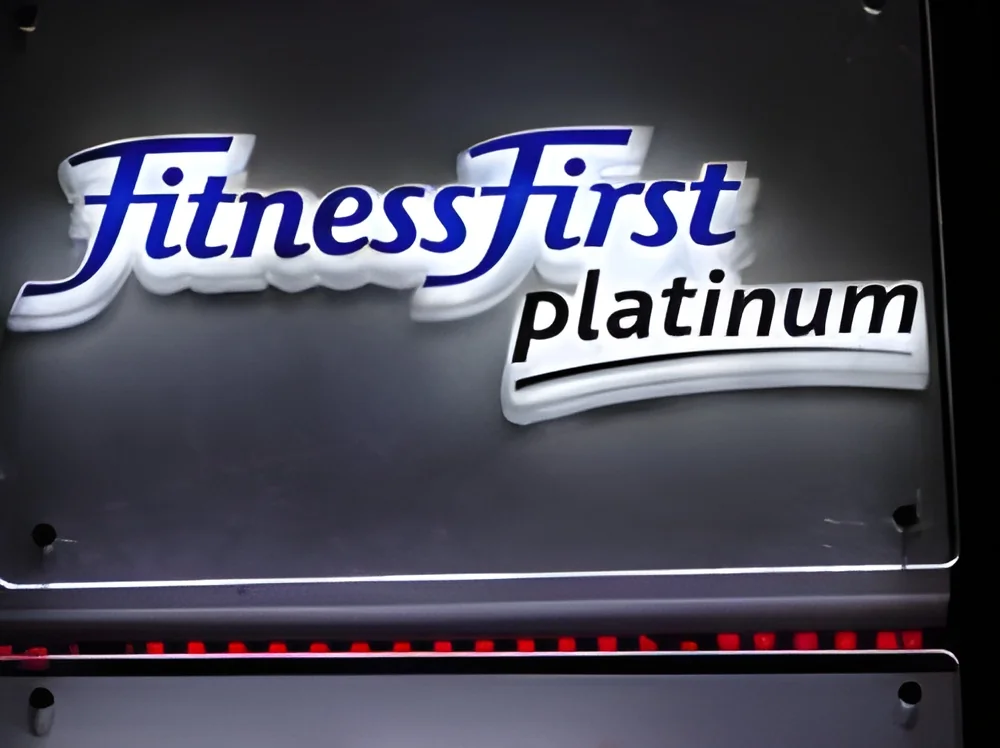
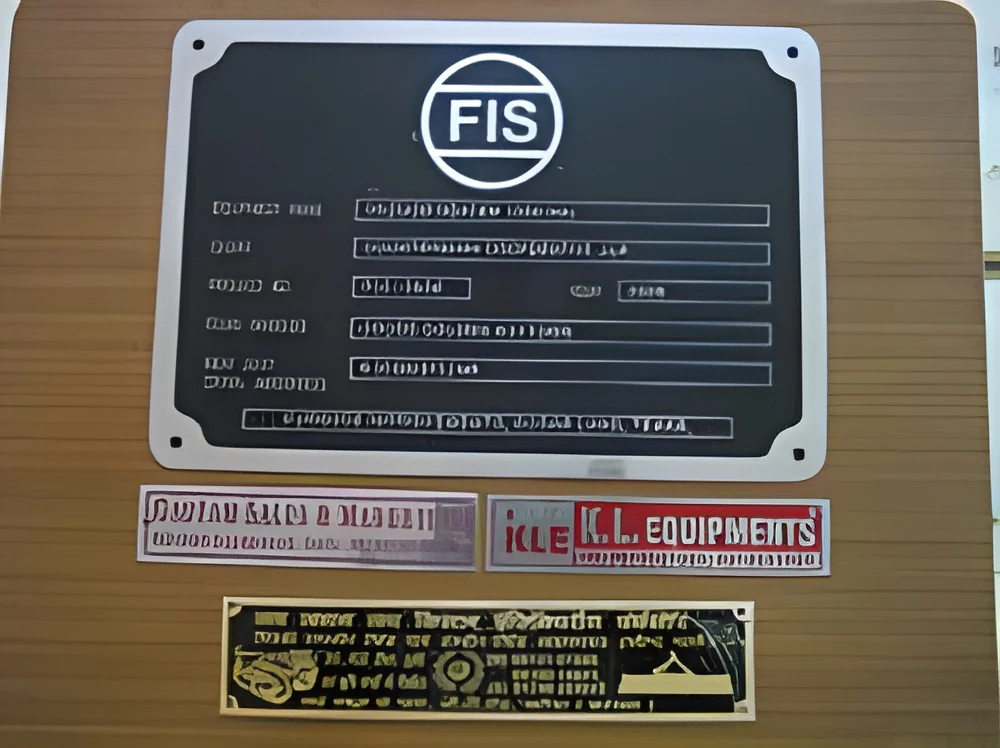
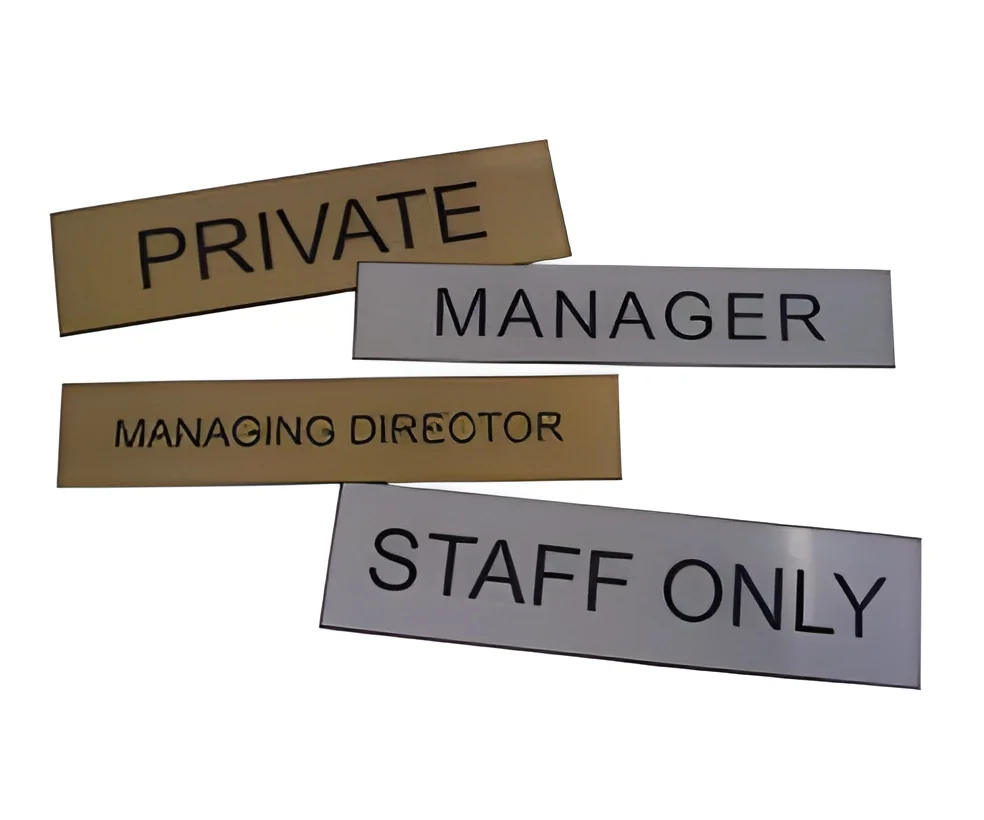
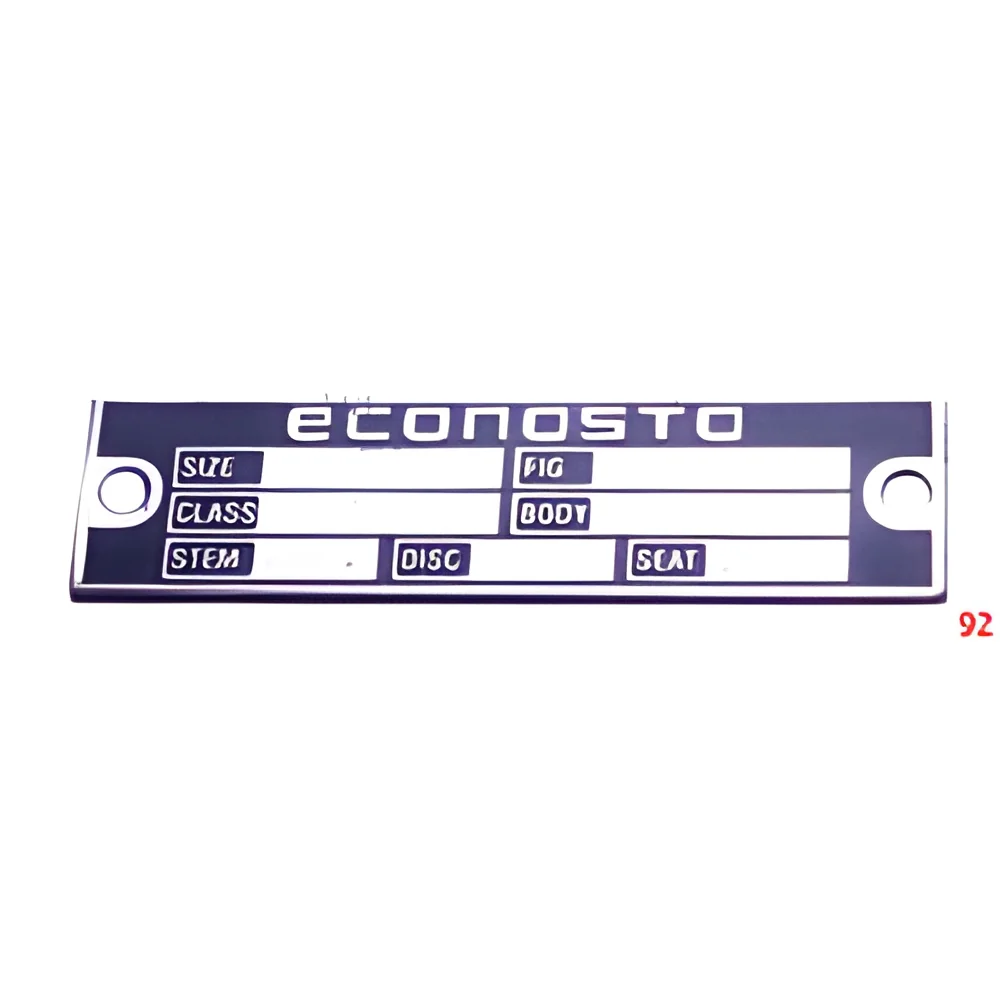
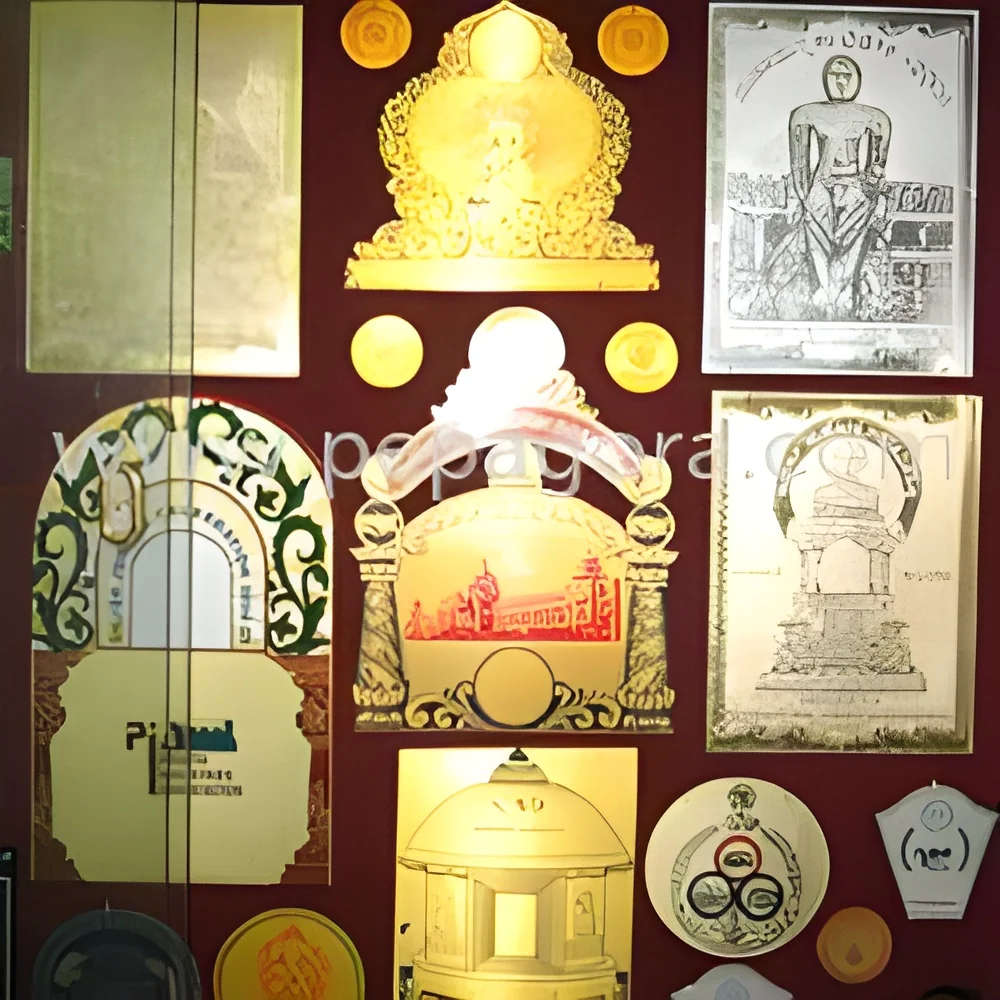
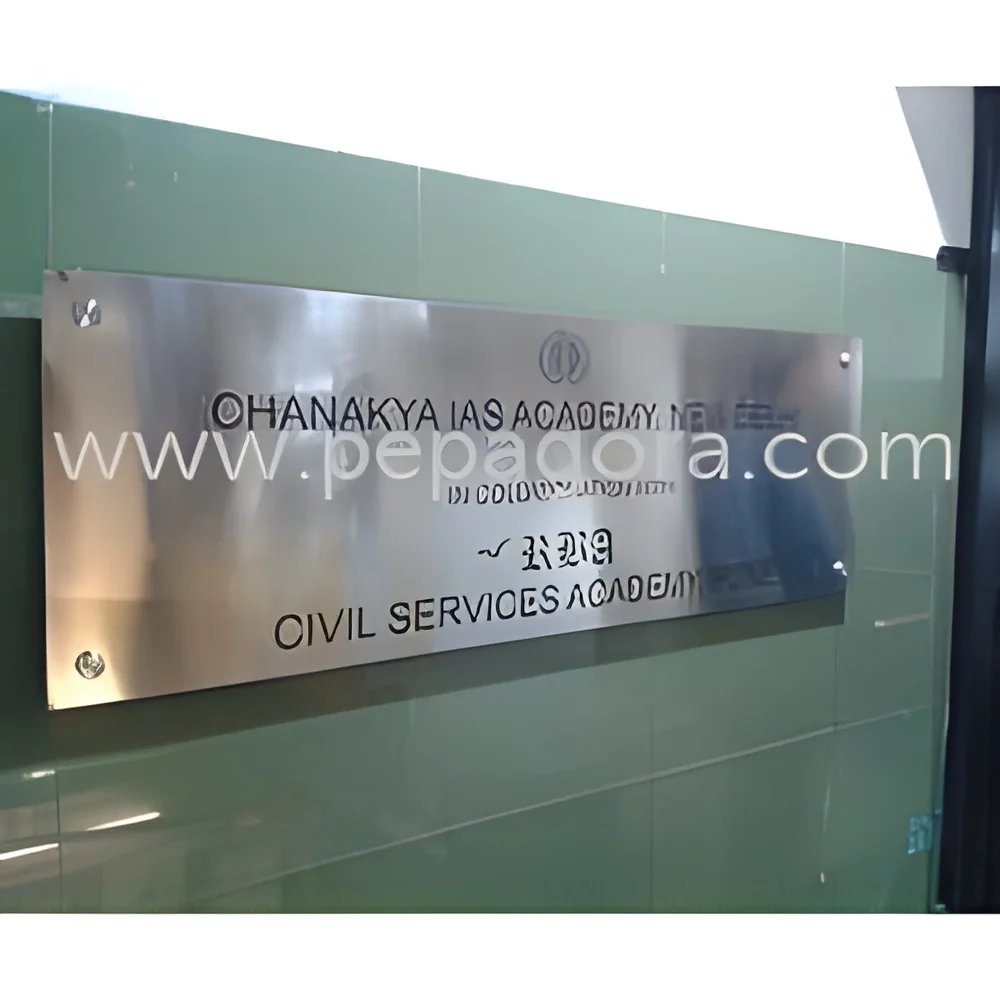
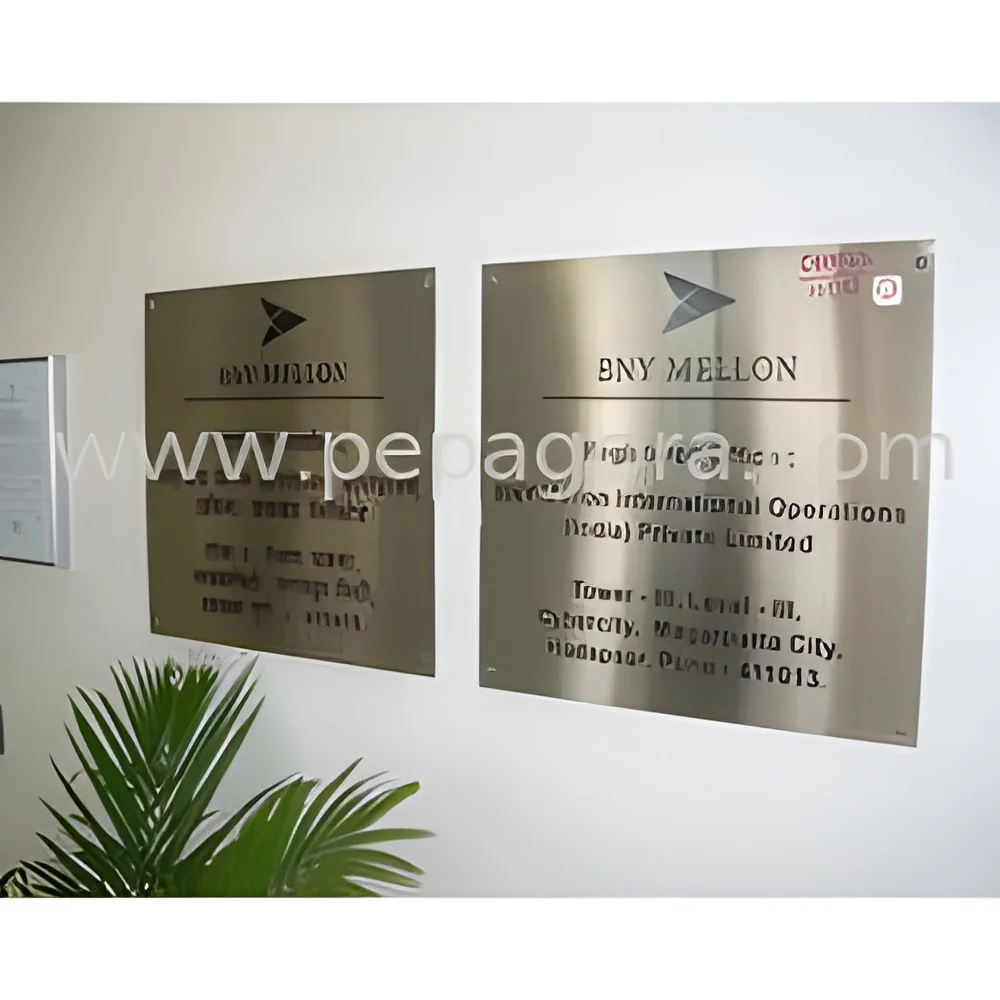
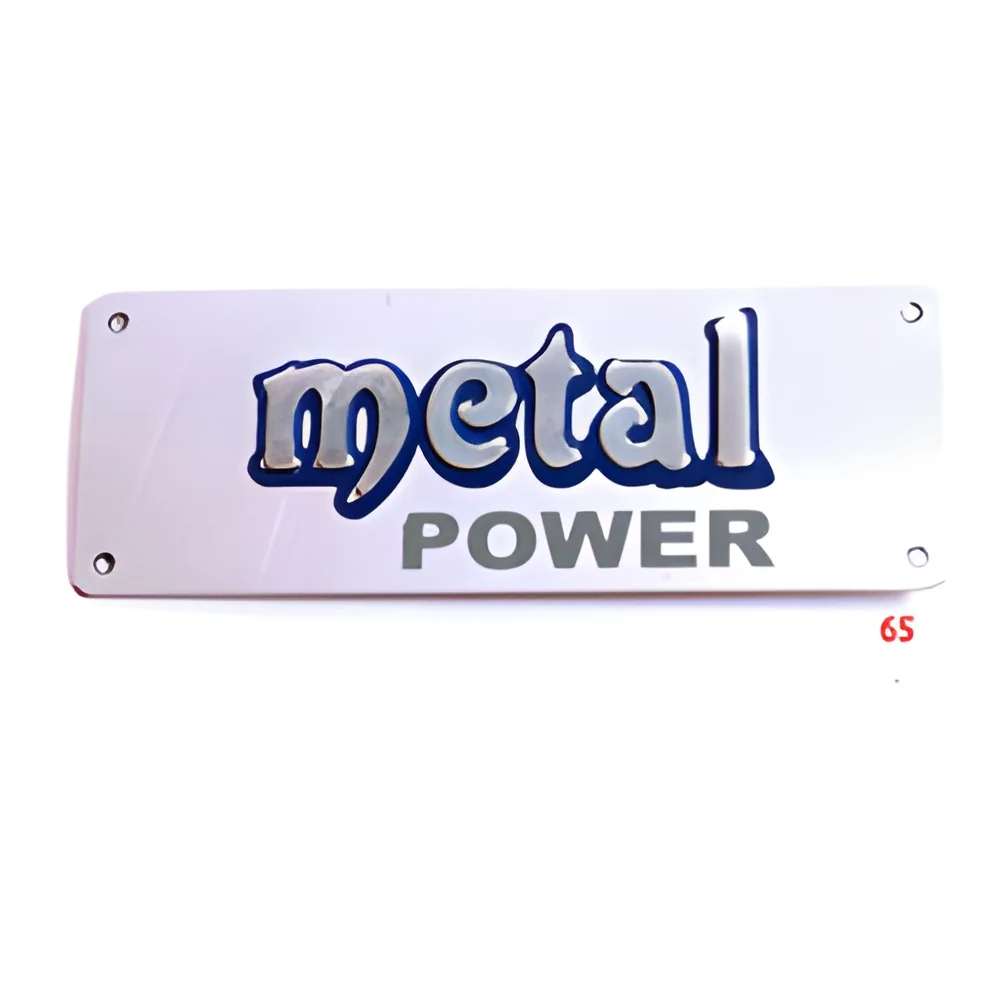
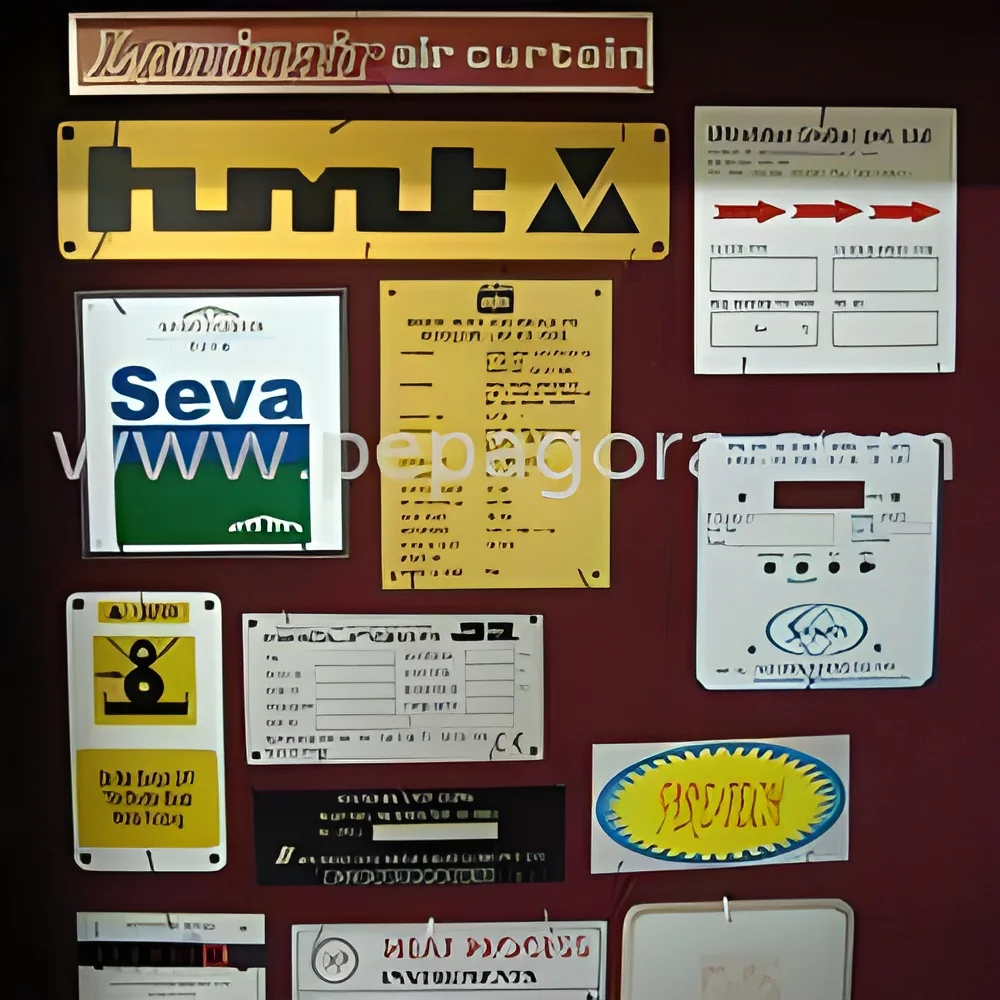
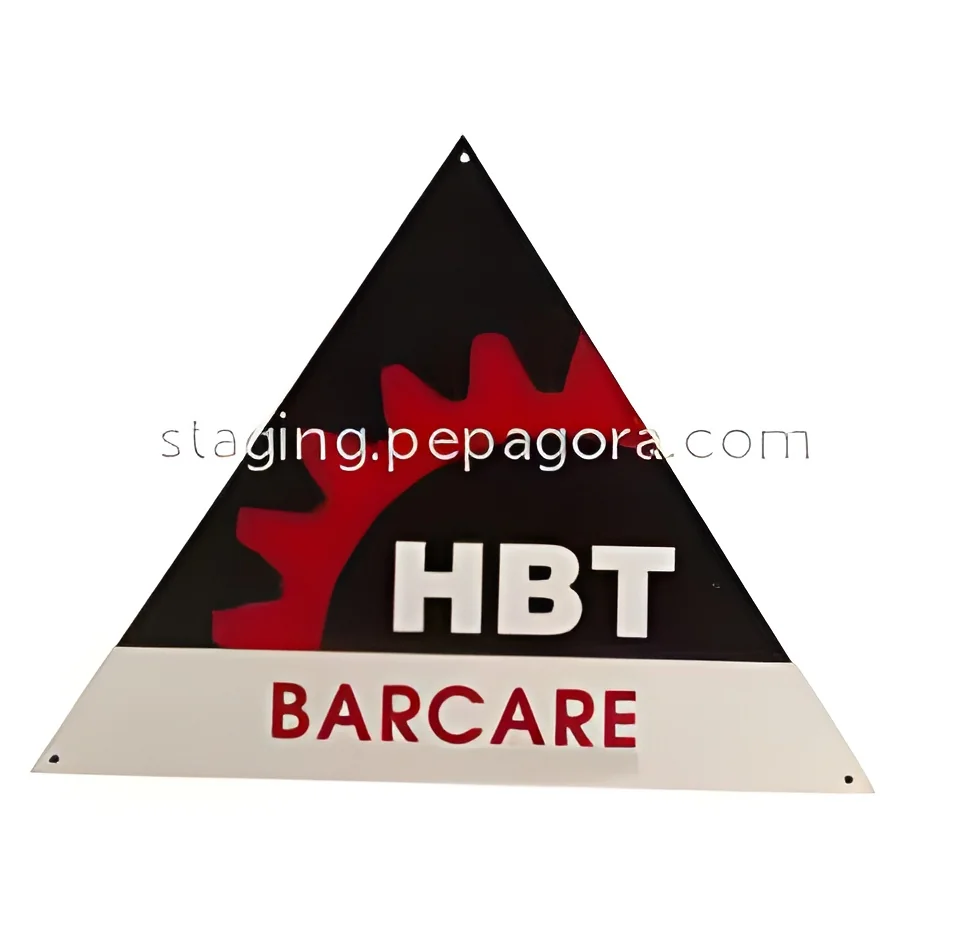
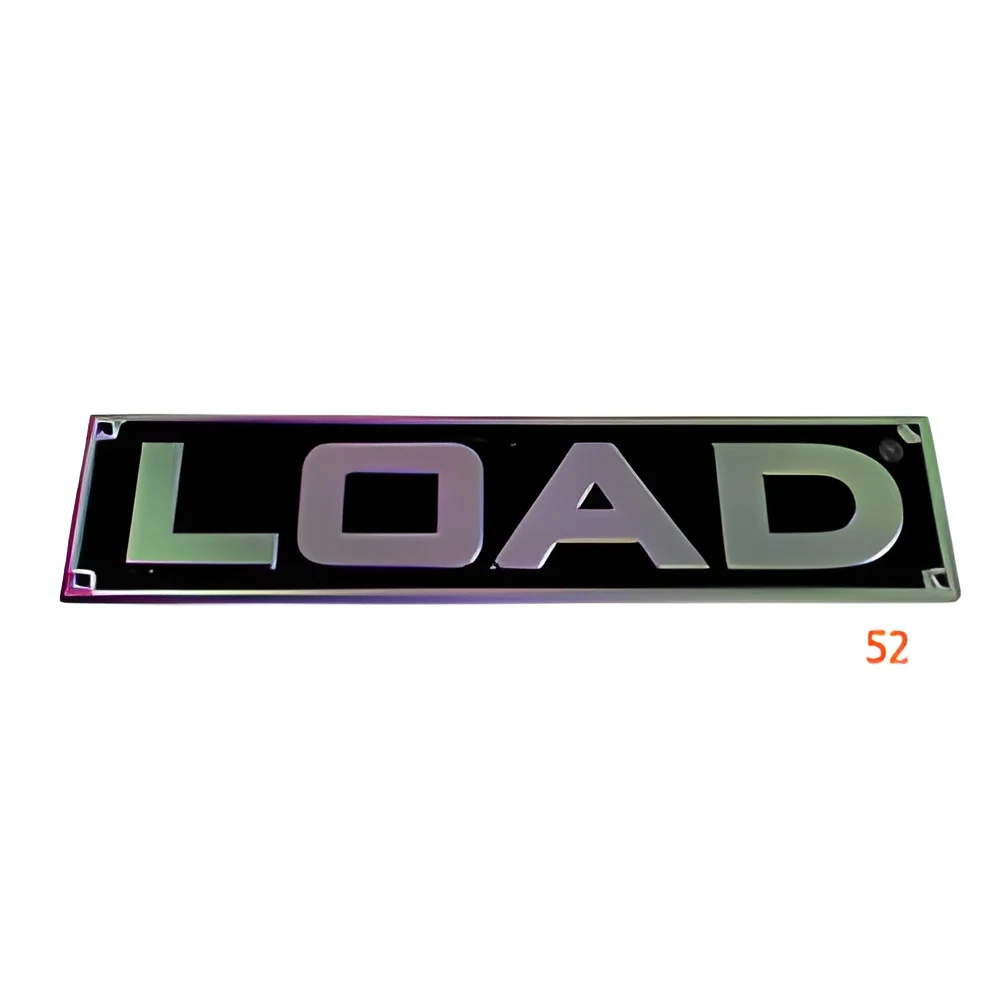
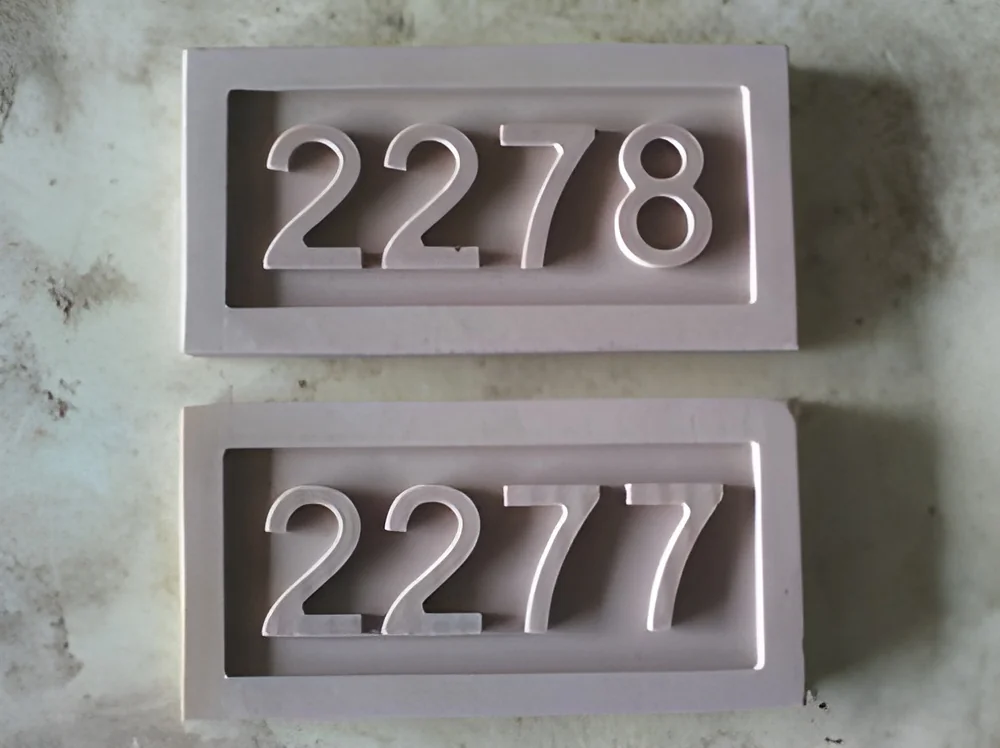
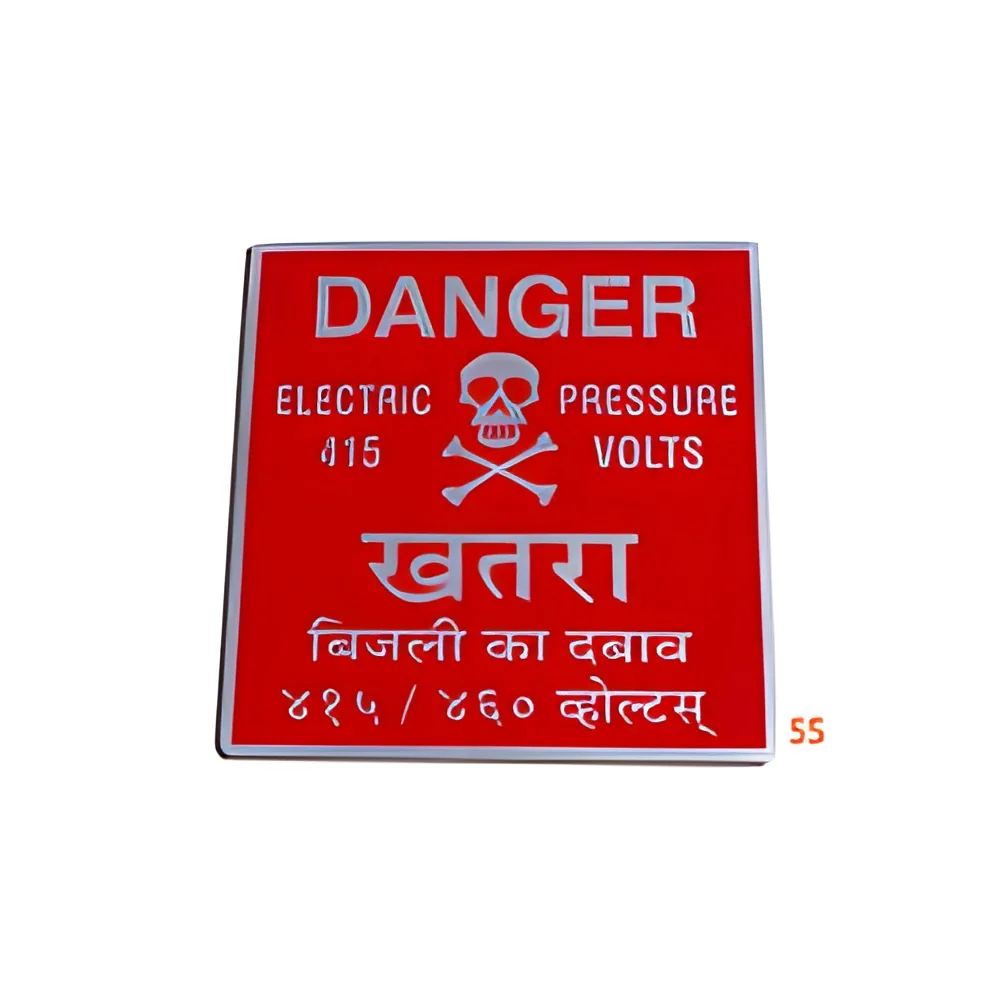
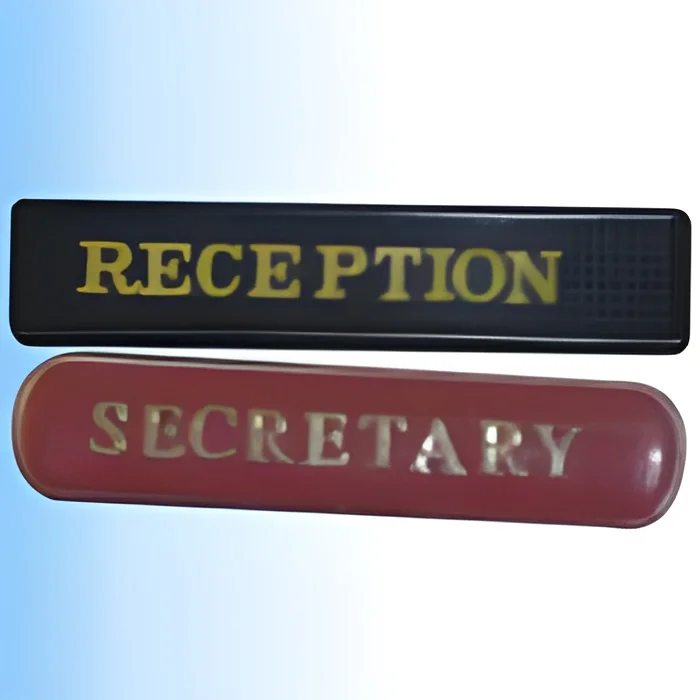
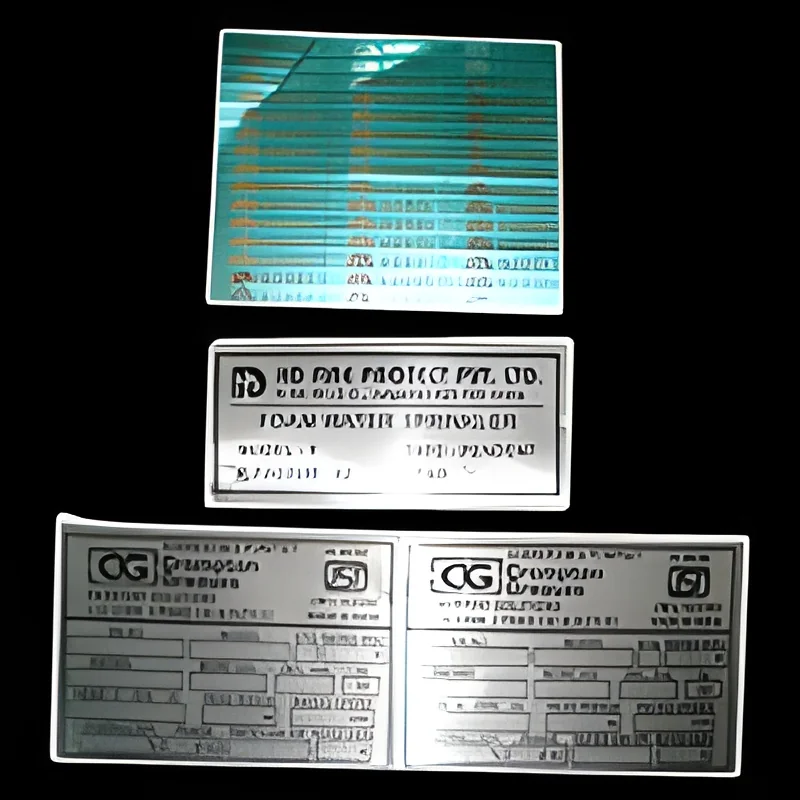
What are Name Plates & Signage?
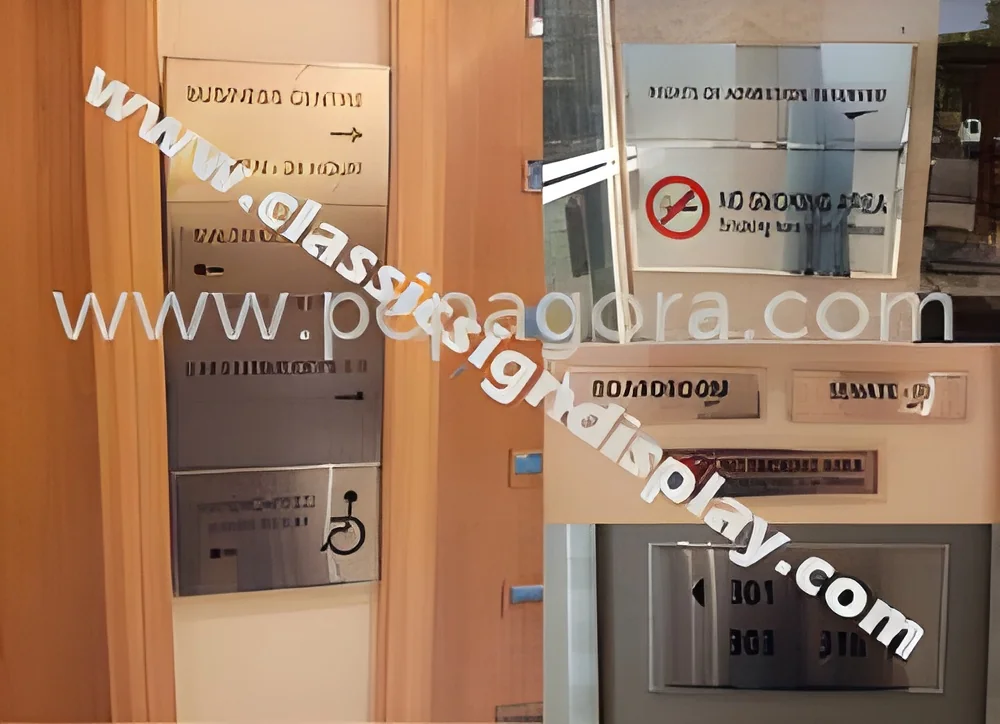
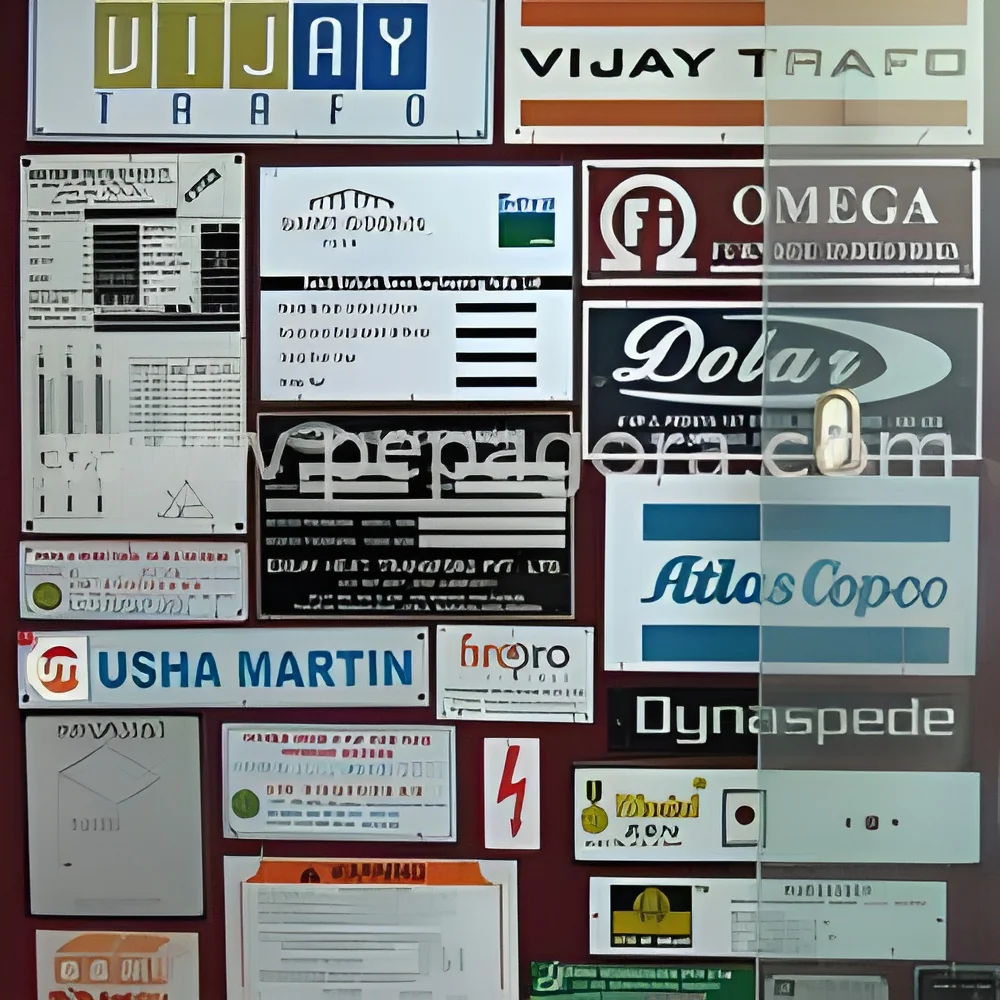
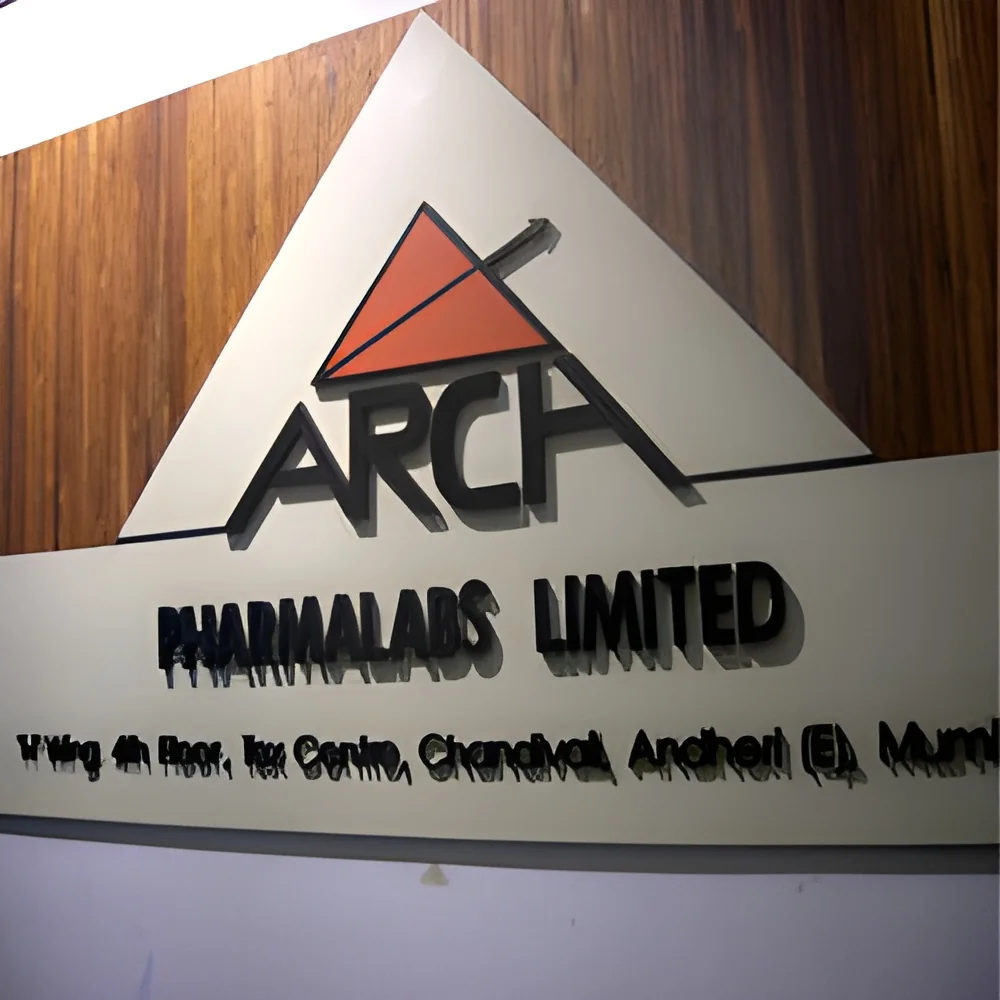
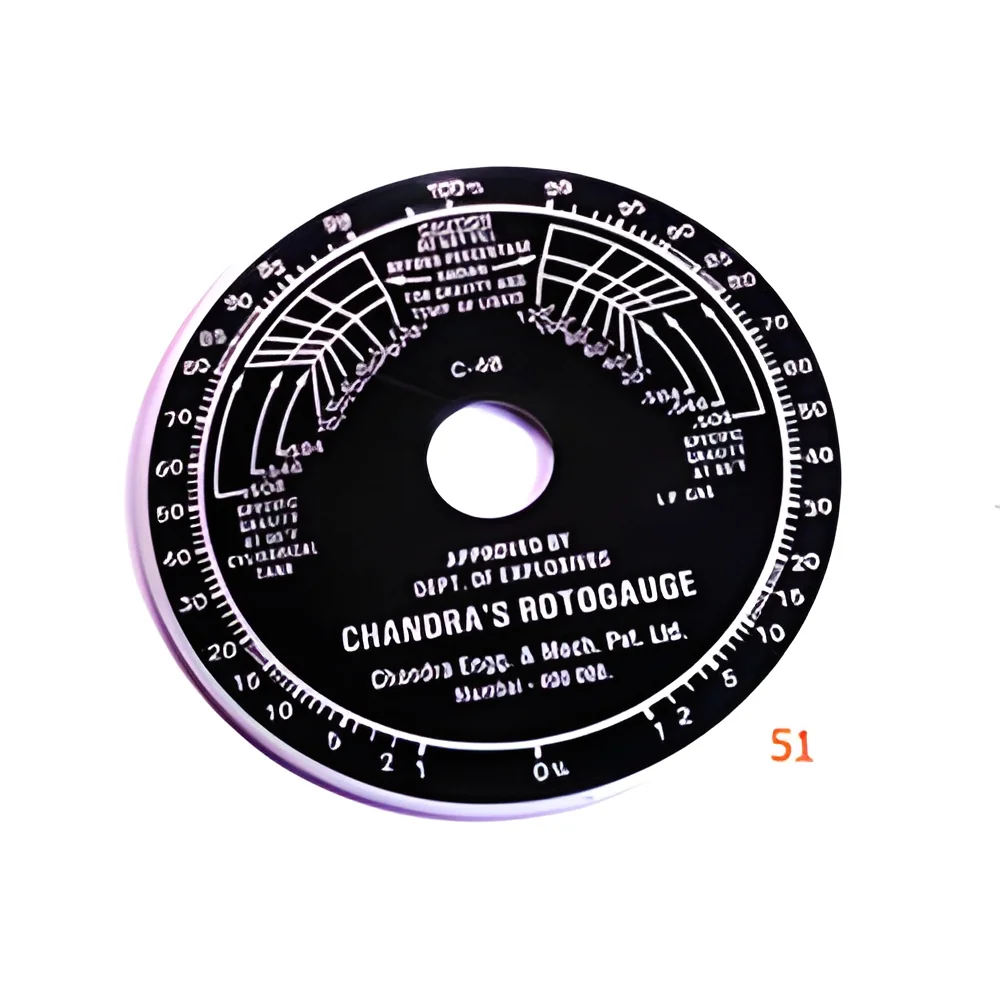
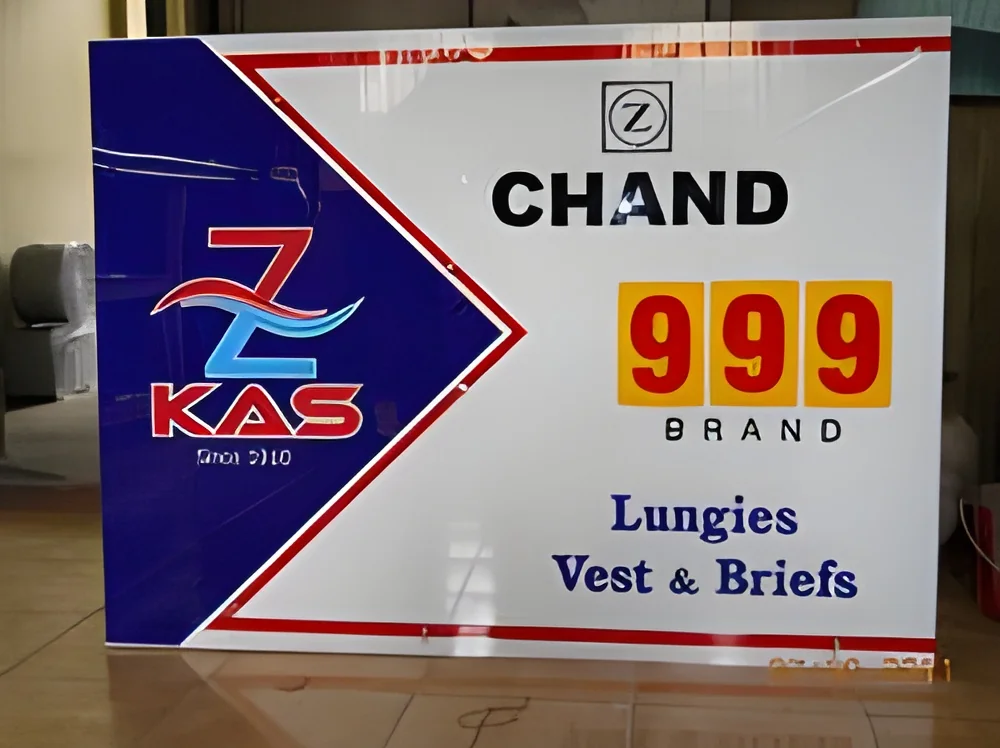
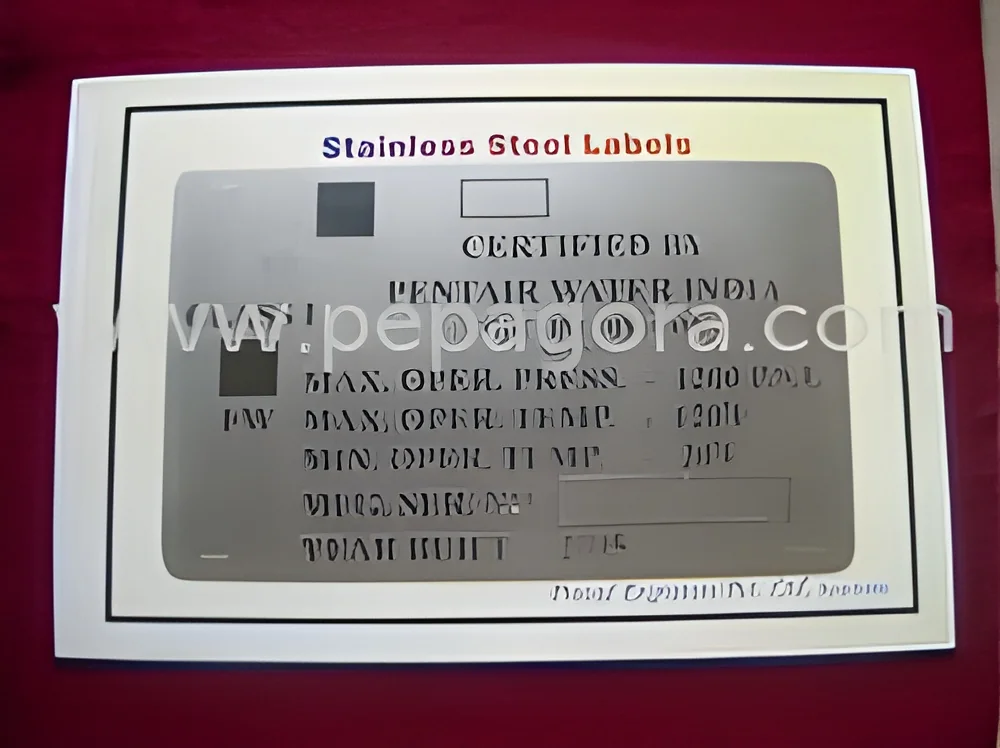
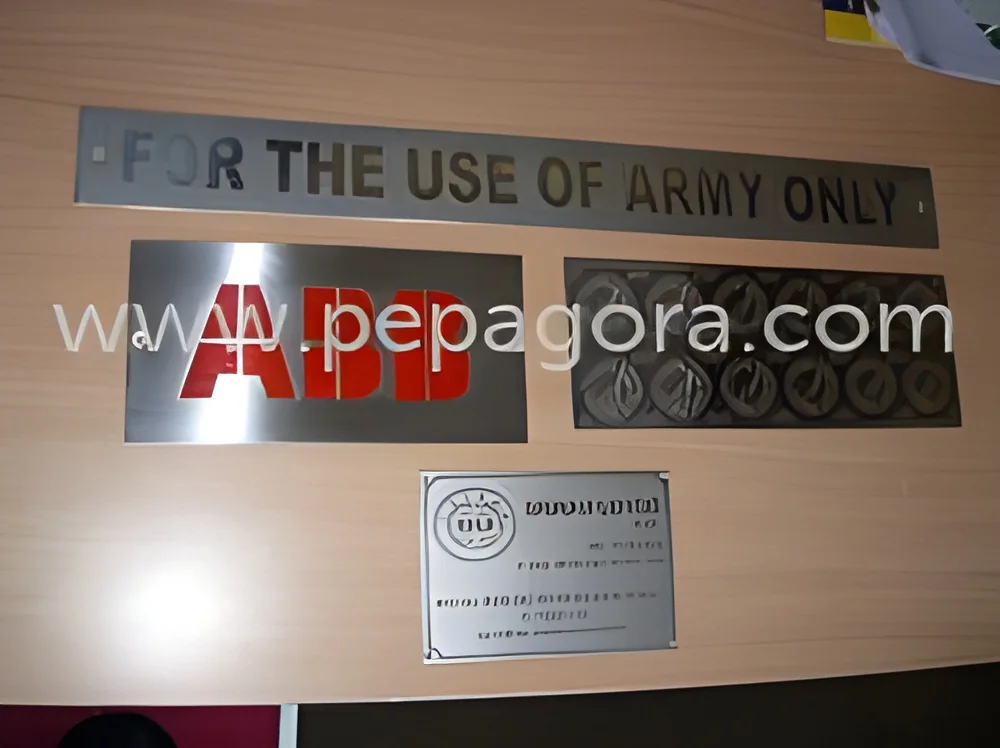
Name plates and signage are essential visual communication tools used in various business environments. They serve to identify individuals, departments, or functions within an organization and convey important information to both employees and visitors. Typically made from materials such as metal, plastic, or wood, these products can be customized with names, logos, and other relevant details to enhance brand visibility and professionalism.
The primary uses of name plates and signage range from office environments to industrial settings. In office spaces, they help designate offices and meeting rooms, while in manufacturing or warehouse environments, they may provide critical safety information or directional guidance. With businesses increasingly prioritizing clear communication and branding, the demand for effective signage solutions has surged across multiple industries.
Industries such as corporate, education, healthcare, and retail rely heavily on name plates and signage to facilitate communication and improve operational efficiency. As organizations continue to grow and evolve, the need for adaptable and visually appealing signage solutions becomes increasingly important in maintaining a professional image and ensuring safety.
Key Features and Specifications
Name plates and signage come with several key features that make them versatile and effective for various applications. Understanding these specifications helps businesses make informed choices when selecting the right products for their needs.
Key specifications include:
1. Material Type
- Common materials include metal, plastic, and wood.
- Each material offers different durability and aesthetic options.
2. Customization Options
- Signage can be personalized with names, logos, and graphics.
- Various printing methods available, such as engraving or digital printing.
3. Size and Dimensions
- Available in a wide range of sizes to fit different locations and purposes.
- Custom sizing options may be offered by suppliers.
4. Mounting Options
- Various mounting styles such as adhesive, screws, or hanging hardware.
- Flexibility in installation depending on the environment.
5. Durability and Weather Resistance
- Some signage options are designed for indoor use while others are weatherproof for outdoor applications.
- Resistance to fading, scratching, and corrosion may vary by material.
6. Compliance with Regulations
- Many name plates and signage meet industry standards for safety and accessibility.
- Important for ensuring compliance in public spaces.
7. Visibility and Readability
- Options for font styles and colors to enhance visibility from a distance.
- Contrast between text and background improves readability.
8. Weight and Thickness
- Variations in thickness and weight can affect installation and durability.
- Lightweight options may be preferred for easy mounting.
In summary, the features and specifications of name plates and signage greatly influence their functionality and suitability for different environments. Businesses should carefully evaluate these aspects to select the most effective solutions.
Common Applications and Use Cases
Name plates and signage are utilized across a multitude of industries, each with specific applications tailored to their unique environments.
1. Corporate: In office settings, name plates identify employees and designate offices and meeting spaces, fostering professionalism and clear communication.
2. Healthcare: Hospitals and clinics use signage for directional assistance, room identification, and safety information, ensuring patients and visitors can navigate effectively.
3. Retail: Stores utilize name plates for product labeling and employee identification, enhancing customer experience and service quality.
4. Education: Schools and universities employ signage for classroom identification, directional guidance, and safety protocols, creating a conducive learning environment.
5. Manufacturing: Industrial facilities rely on signage for safety warnings, equipment identification, and operational instructions, promoting safety and efficiency.
6. Hospitality: Hotels use name plates to identify rooms and amenities, improving guest navigation and experience.
7. Transportation: Airports and train stations implement signage for wayfinding and information dissemination, ensuring smooth operations.
In these applications, effective name plates and signage contribute to improved communication, safety, and branding across various business sectors.
Product Variants and Subcategories
Name plates and signage come in diverse forms to meet the varied needs of businesses. Each variant serves specific functions and applications.
Standard Name Plates
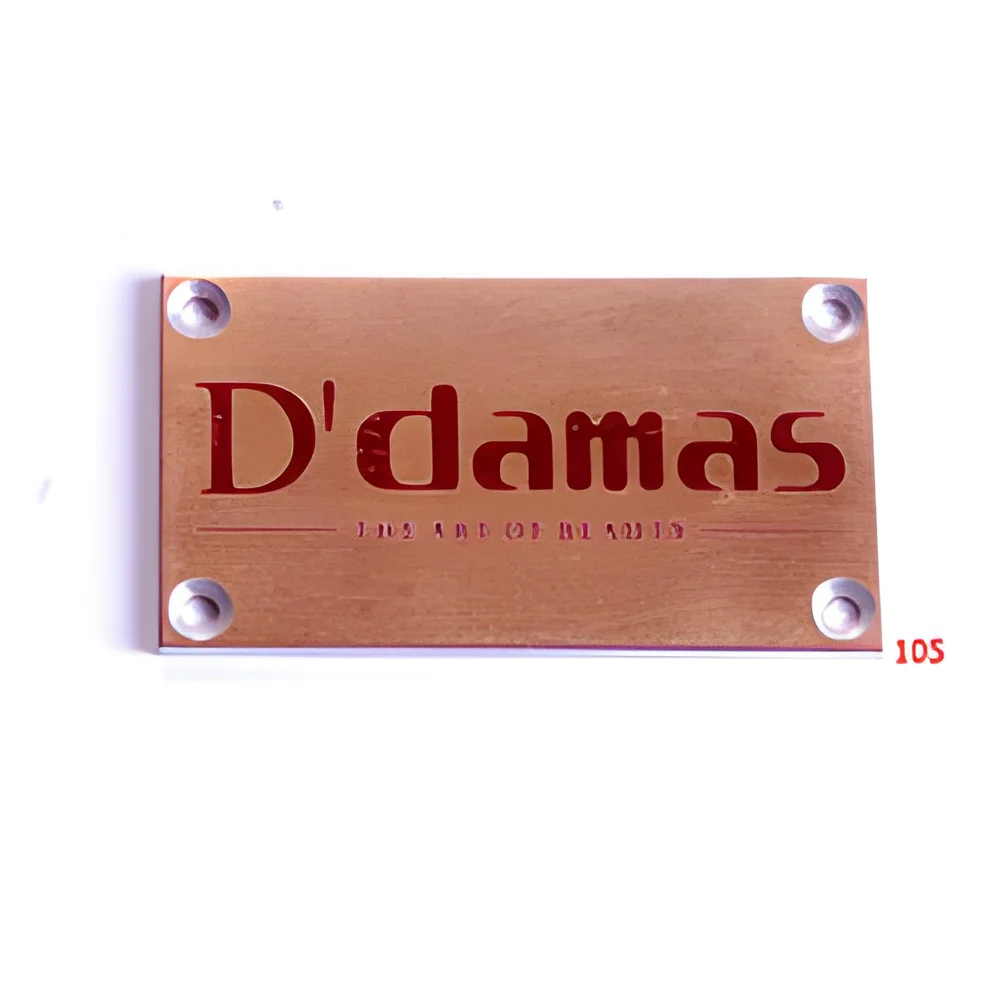
These are typically used for personal identification in office environments. They can be customized with names and titles, often made from materials like acrylic or metal for a professional appearance.
Informational Signage
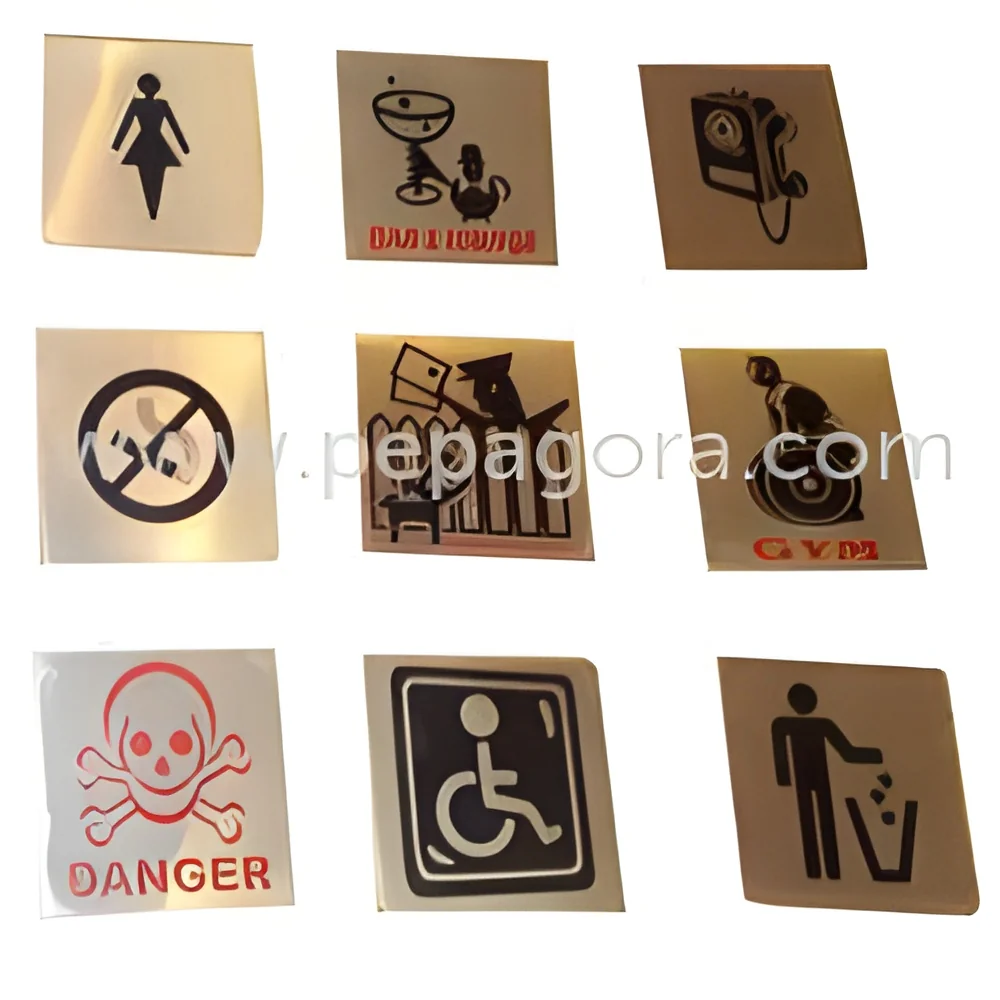
This variant provides essential information such as directions, safety instructions, or operational guidelines. They are often larger and designed to be easily visible from a distance.
Safety Signage
Designed to communicate safety protocols and hazard warnings, this type of signage is crucial in workplaces to ensure compliance with health and safety regulations.
Directional Signage
Used to guide individuals within a facility, directional signage helps improve navigation in large spaces like hospitals, malls, and corporate offices.
Custom Signage
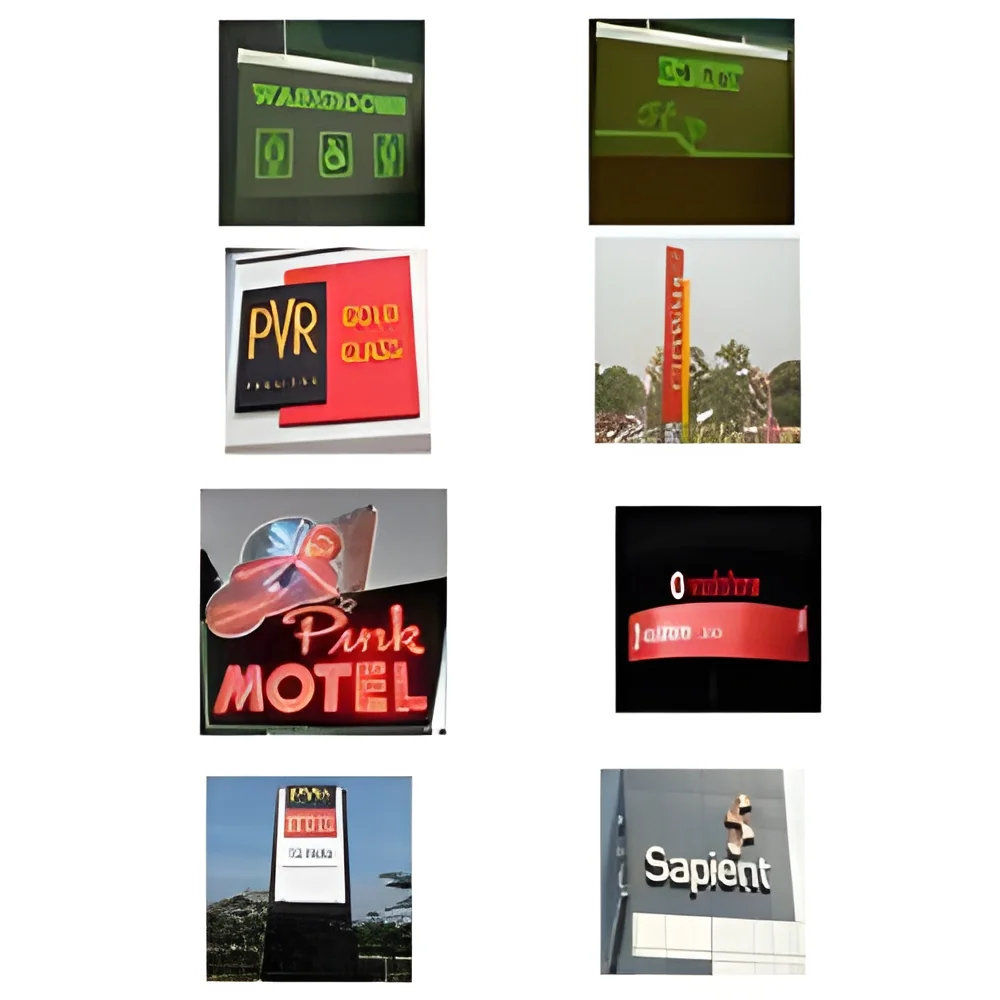
Businesses can opt for completely bespoke options that include unique shapes, sizes, and graphics tailored to their specific branding and messaging needs.
Benefits and Advantages
Investing in name plates and signage offers numerous advantages for businesses, enhancing both internal and external communication.
Key benefits include:
1. Enhanced Professional Image: Customized signage reflects professionalism and attention to detail, helping to build trust with clients and visitors.
2. Improved Communication: Clear identification of spaces and personnel facilitates better interaction among employees, clients, and visitors.
3. Increased Safety: Proper signage can mitigate accidents and ensure compliance with safety regulations, protecting both employees and customers.
4. Branding Opportunities: Custom signage reinforces brand identity through logos and color schemes, promoting recognition and loyalty.
5. Adaptability: Various materials and designs allow businesses to adapt signage to different environments and changing needs.
6. Cost-Effectiveness: Durable signage can reduce the need for frequent replacements, providing long-term value for businesses.
In conclusion, name plates and signage are valuable assets that contribute to effective communication, safety, and branding in various business environments.
Buying Guide for B2B Buyers
When sourcing name plates and signage, businesses should consider several key factors to ensure they select the appropriate products for their needs.
1. Quality Assessment: Evaluate the materials and manufacturing processes to ensure durability and longevity. Look for suppliers that offer high-quality products that can withstand the intended environment.
2. Supplier Verification: Vet potential suppliers by checking their credentials, customer reviews, and prior projects. A reliable supplier ensures timely delivery and adherence to quality standards.
3. Pricing and MOQ: Understand the pricing structures and minimum order quantities (MOQ) set by suppliers. Comparing prices among different suppliers helps in finding the best deal without compromising quality.
4. Delivery and Lead Times: Assess the supplier’s logistics capabilities, including shipping times and reliability. Timely delivery is crucial for maintaining project schedules.
5. Compliance Requirements: Ensure that the signage meets any relevant industry regulations or standards, such as safety protocols or accessibility guidelines. Compliance is vital to avoid potential legal issues.
Compliance and Certifications
Name plates and signage must adhere to various quality standards and certifications to ensure safety and effectiveness in their application.
Relevant quality standards include ISO 9001, which focuses on quality management systems, ensuring that products meet customer and regulatory requirements. Additionally, industry-specific standards such as HACCP for food safety may apply depending on the use case.
Certifications like CE indicate that products conform to health, safety, and environmental protection standards within the European Economic Area, ensuring they are safe for use.
Safety and testing requirements can vary based on the materials used. For example, signage intended for outdoor use should be tested for weather resistance and durability.
Finally, regional compliance considerations should be taken into account as different regions may have specific regulations regarding signage, particularly in public spaces where accessibility is a concern.
Why Source Name Plates & Signage from Pepagora?
Pepagora offers a trusted platform for sourcing name plates and signage, providing several key advantages for businesses looking to make informed purchasing decisions.
Verified Supplier Network: Pepagora features a network of verified suppliers, ensuring that buyers can trust the quality and reliability of the products offered. This builds confidence and reduces the risk of sourcing issues.
Streamlined RFQ Process: The request for quotation (RFQ) process on Pepagora is designed to be user-friendly, allowing buyers to receive competitive quotes quickly. This efficiency helps businesses make timely decisions.
Trade Assurance and Support: Buyers benefit from trade assurance, which protects transactions and provides support throughout the purchasing process. This ensures a smooth experience from inquiry to delivery.
Regional Coverage: Pepagora’s geographic reach spans India, the GCC, and Southeast Asia, allowing businesses to connect with suppliers that meet their specific regional needs. This extensive coverage enhances the sourcing process, making it easier to find suitable products locally.
By choosing Pepagora for name plates and signage, businesses gain access to a wealth of resources and support, ensuring they find the right solutions for their needs.

 IN
IN