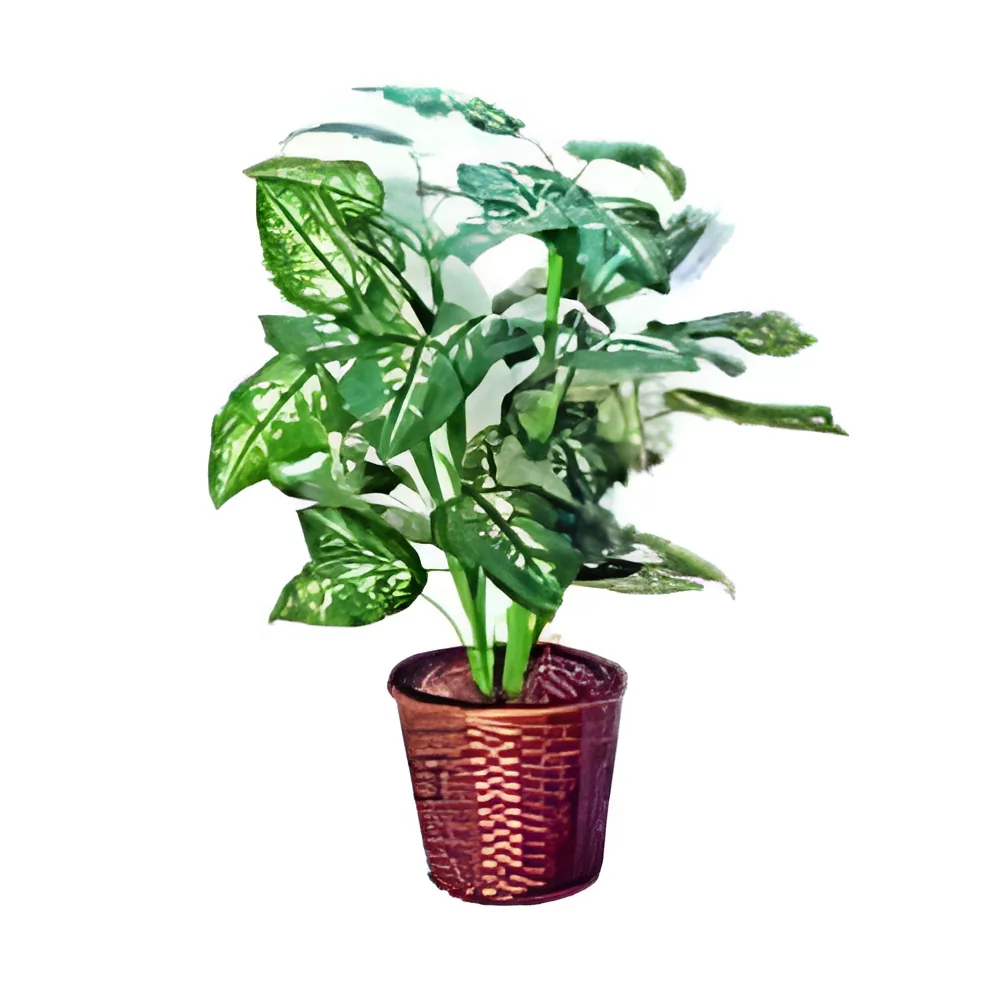
What are Indoor Plants & Planters?
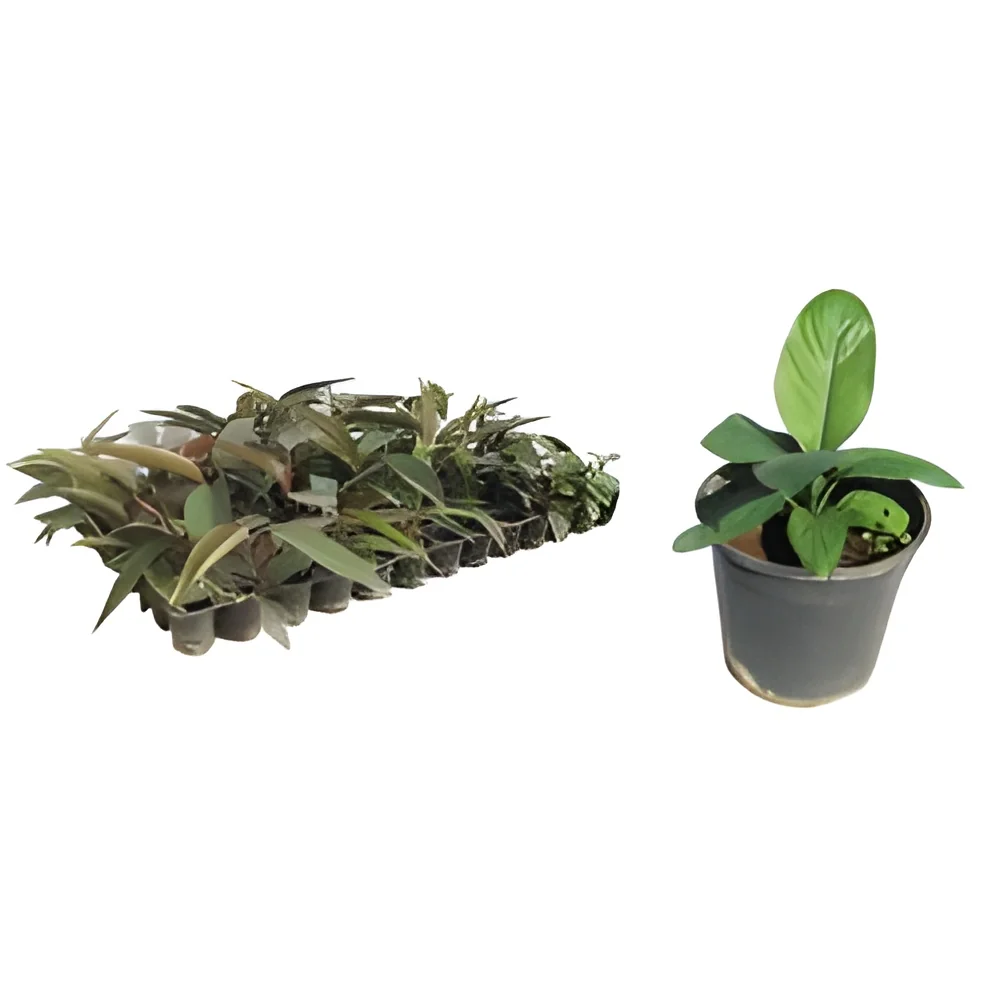
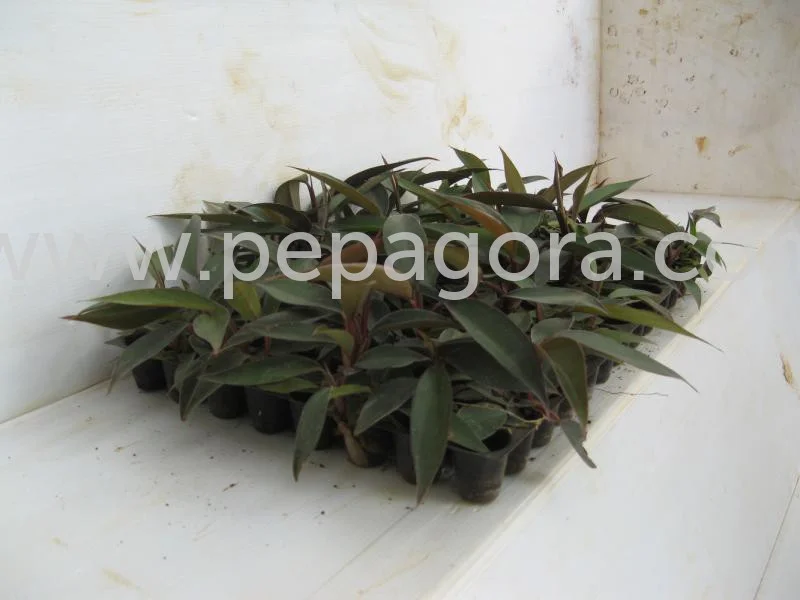
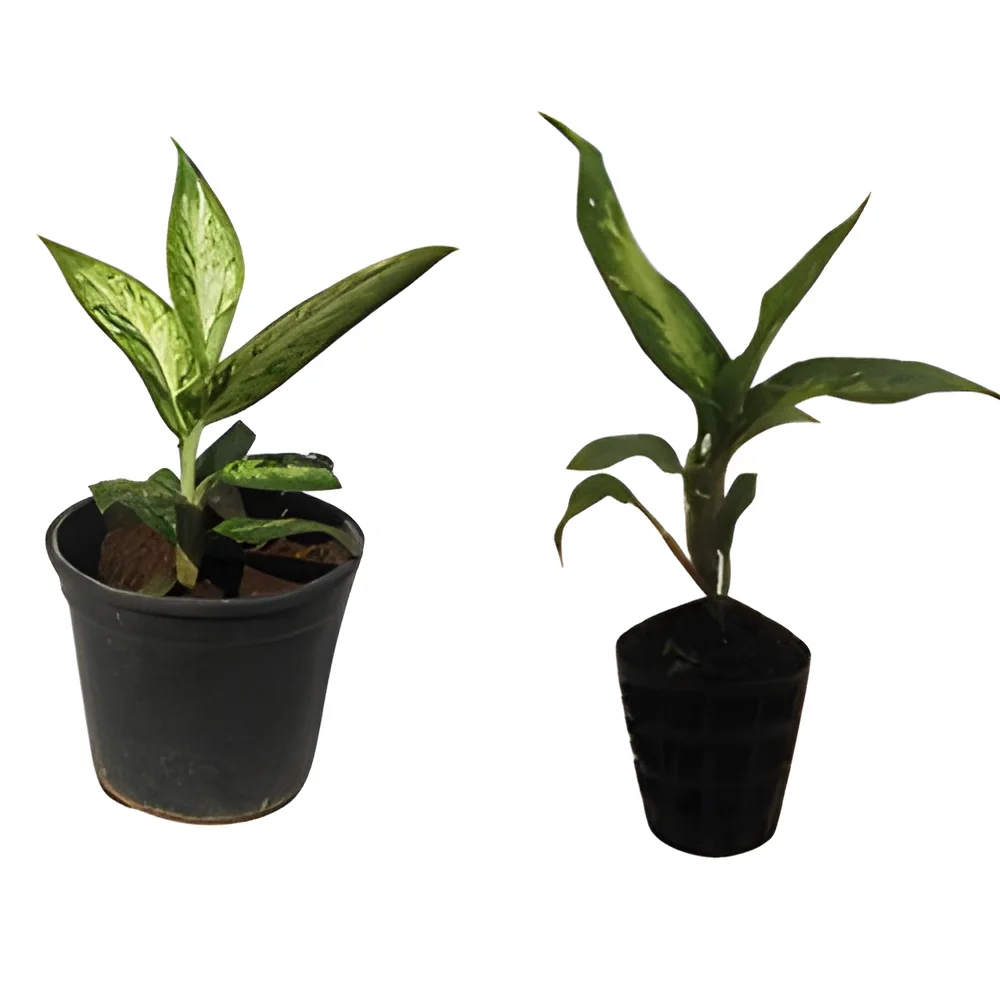
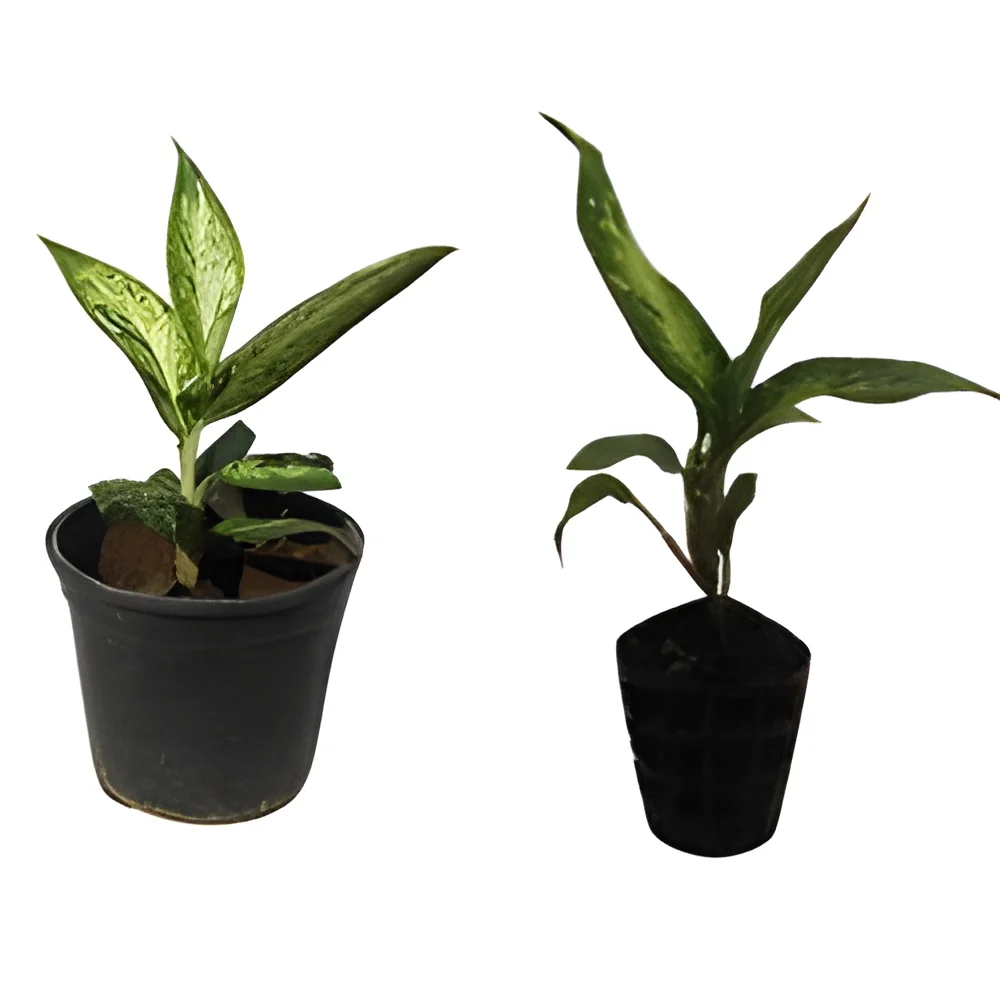
Indoor plants and planters are essential elements of interior landscaping, providing aesthetic appeal and enhancing air quality within indoor environments. Indoor plants refer to a variety of plants that thrive in low-light conditions and can be kept indoors, while planters are the containers designed to hold these plants. These products are available in various styles, sizes, and materials, catering to the diverse preferences of consumers and businesses alike.
In business applications, indoor plants and planters serve multiple purposes. They are commonly used in office spaces to improve employee well-being and productivity by creating a more inviting atmosphere. Additionally, they are utilized in retail settings to enhance visual merchandising and attract customers. The growing trend of biophilic design emphasizes the importance of incorporating nature into built environments, making indoor plants and planters increasingly relevant in various industries.
The market for indoor plants and planters is expanding, driven by rising consumer interest in home gardening and sustainable living. Businesses are recognizing the benefits of incorporating greenery into their spaces, contributing to increased demand for high-quality indoor plants and stylish planters. This market also reflects a growing investment in wellness-focused products, aligning with the broader trend of enhancing health and well-being through environmental design.
Key Features and Specifications
Indoor plants and planters come with a variety of features that cater to different needs and environments. Understanding these specifications can help businesses make informed purchasing decisions.
Key specifications include:
1. Size and Capacity
- Planters come in various sizes to accommodate different plant types.
- Capacity ranges from small desktop planters to large floor options.
2. Material Types
- Common materials include plastic, ceramic, metal, and biodegradable options.
- Each material offers different aesthetic qualities and durability.
3. Drainage Systems
- Effective drainage systems prevent water logging.
- Some planters include built-in drainage holes or reservoirs.
4. Style and Design
- Planters are available in modern, traditional, and decorative styles.
- Options include self-watering, hanging, and wall-mounted designs.
5. Indoor Plant Types
- Popular indoor plants include succulents, ferns, and peace lilies.
- Varieties cater to different light and humidity requirements.
6. Maintenance Requirements
- Some plants require low maintenance, while others need regular care.
- Planters with self-watering features reduce the need for frequent watering.
7. Customization Options
- Many suppliers offer customization in size, color, and branding.
- Custom planters can enhance corporate identity and branding efforts.
In summary, indoor plants and planters provide significant aesthetic and health benefits for indoor spaces. Selecting the right specifications can enhance the functionality and appeal of these products in various business environments.
Common Applications and Use Cases
Indoor plants and planters are versatile products applicable across numerous industries.
1. Office Spaces: Indoor plants improve air quality and create a calming atmosphere, leading to enhanced employee productivity and satisfaction.
2. Retail Environments: Planters can be strategically placed to attract customers and enhance product displays, contributing to a positive shopping experience.
3. Hospitality: Hotels and restaurants use indoor plants to create inviting spaces that enhance guest experiences and support wellness initiatives.
4. Healthcare Facilities: Plants are used in waiting areas and patient rooms to reduce stress and promote healing environments.
5. Educational Institutions: Schools and universities incorporate indoor plants to improve air quality and stimulate learning environments.
6. Residential Settings: Homeowners use indoor plants to beautify their living spaces and improve indoor air quality.
7. Interior Design: Designers incorporate plants and planters to create biophilic designs that connect occupants with nature.
Product Variants and Subcategories
Indoor plants and planters are available in a diverse range of variants to meet different needs and preferences.
Classic Planters
These planters are designed with traditional aesthetics in mind. They often feature classic materials like ceramic and terracotta. Ideal for both home and office use, they can complement various decor styles.
Self-Watering Planters
These innovative planters include a reservoir system that allows plants to absorb water as needed. They are perfect for busy professionals or those who may forget to water their plants regularly.
Hanging Planters
Hanging planters are designed to be suspended from ceilings or walls. They save space while adding visual interest to any room. Suitable for trailing plants, they create a unique look in homes and offices.
Wall-Mounted Planters
These planters attach directly to walls, allowing for vertical gardening. They are ideal for small spaces and can be used to create stunning living walls.
Benefits and Advantages
Indoor plants and planters offer numerous benefits that make them appealing for businesses and consumers alike.
1. Improved Air Quality: Indoor plants naturally filter pollutants and toxins from the air, enhancing overall indoor air quality.
2. Enhanced Aesthetics: Planters add beauty and style to indoor spaces, making environments more inviting and pleasant.
3. Increased Productivity: Research shows that the presence of plants can lead to improved focus and productivity among employees.
4. Stress Reduction: Indoor greenery has been linked to reduced stress levels, contributing to better mental health and well-being.
5. Versatility: Indoor plants and planters can be used in various settings, from homes to offices to retail spaces, making them highly adaptable.
6. Low Maintenance Options: Many indoor plants require minimal care, making them suitable for busy individuals and organizations.
Buying Guide for B2B Buyers
When sourcing indoor plants and planters, businesses should consider several key factors to ensure they make informed decisions.
1. Quality Assessment: Evaluate the quality of plants and planters by examining their durability and material composition. High-quality products will last longer and maintain aesthetic appeal.
2. Supplier Verification: Conduct thorough research to ensure suppliers have a good reputation and meet quality standards. Look for reviews and testimonials from previous customers.
3. Pricing and MOQ: Understand pricing structures and minimum order quantities. Compare prices from different suppliers to get the best value for your investment.
4. Delivery and Lead Times: Confirm logistics regarding delivery times and shipping methods. Ensure that suppliers can meet your timelines for project launches or events.
5. Compliance Requirements: Be aware of any regulatory standards that may apply to indoor plants and planters, particularly if they are to be used in specific industries like healthcare or education.
Compliance and Certifications
Indoor plants and planters must conform to various quality standards and certifications to ensure safety and reliability. Relevant quality standards may include ISO 9001, which emphasizes effective quality management systems. Additionally, certifications such as CE indicate compliance with European health, safety, and environmental protection standards.
Safety and testing requirements are critical in the production of indoor plants and planters. Products should undergo rigorous testing to ensure that they are free from harmful substances and suitable for indoor use.
Businesses should also consider regional compliance, which may vary based on local regulations. Understanding these compliance factors can help ensure that sourced products meet necessary legal and safety standards.
Why Source Indoor Plants & Planters from Pepagora?
Pepagora provides a trusted platform for sourcing indoor plants and planters, offering several key advantages for B2B buyers.
Verified Supplier Network: Pepagora has a comprehensive network of verified suppliers, ensuring that businesses can access high-quality products with confidence. Each supplier is vetted for quality and reliability.
Streamlined RFQ Process: The request for quotation (RFQ) process is designed to be straightforward and efficient. Buyers can easily communicate their needs and receive competitive pricing options from multiple suppliers.
Trade Assurance and Support: Pepagora offers trade assurance services to protect buyers throughout the purchasing process. This includes support for any issues that may arise, ensuring a smooth transaction.
Regional Coverage: Pepagora reaches a broad geographic area, including India, the GCC, and Southeast Asia. This regional coverage allows businesses to source products locally while benefiting from a global network of suppliers.
By choosing Pepagora, businesses can confidently source indoor plants and planters that meet their specific needs while enjoying a reliable and efficient purchasing experience.

 IN
IN