𝗪𝗵𝗮𝘁 𝗮𝗿𝗲 𝗛𝗲𝗮𝗹𝘁𝗵𝗰𝗮𝗿𝗲 𝗟𝗼𝗴𝗶𝘀𝘁𝗶𝗰𝘀 & 𝗖𝗼𝗹𝗱 𝗖𝗵𝗮𝗶𝗻?
Healthcare logistics and cold chain management refer to the processes involved in the storage and transportation of temperature-sensitive medical products, pharmaceuticals, and biological materials. This specialized segment of logistics ensures that products requiring specific temperature control, typically between 2°C to 8°C or lower, are handled properly throughout the supply chain. This includes everything from the point of manufacturing to the end user, ensuring product integrity and safety.
The primary applications of healthcare logistics and cold chain management include the distribution of vaccines, blood products, medical devices, and other pharmaceuticals that can degrade or lose efficacy if not kept within specific temperature ranges. Businesses in the healthcare sector, such as hospitals, clinics, and pharmaceutical companies, rely on efficient cold chain solutions to meet regulatory standards and ensure patient safety. Given the increasing demand for biopharmaceuticals and the global distribution of vaccines, the relevance of this sector continues to grow significantly.
The healthcare logistics and cold chain market is driven by regulatory requirements, the rise of personalized medicine, and advancements in technology that enhance tracking and monitoring of temperature-sensitive products. As healthcare continues to evolve, the importance of robust logistics solutions that can adapt to changing regulations and consumer demands remains critical.
𝗞𝗲𝘆 𝗙𝗲𝗮𝘁𝘂𝗿𝗲𝘀 𝗮𝗻𝗱 𝗦𝗽𝗲𝗰𝗶𝗳𝗶𝗰𝗮𝘁𝗶𝗼𝗻𝘀
Healthcare logistics and cold chain solutions come equipped with essential features that facilitate effective temperature management and product safety. These specifications are designed to meet the demands of various healthcare applications.
Key specifications include:
1. Temperature Control
- Maintains specified temperature ranges for sensitive products
- Typical ranges include 2°C to 8°C for refrigeration and -20°C for deep freeze applications
2. Humidity Control
- Regulates humidity levels to prevent product degradation
- Essential for products that are sensitive to moisture
3. Monitoring Systems
- Real-time tracking of temperature and humidity
- Alerts and notifications to ensure compliance with standards
4. Insulation Materials
- High-performance insulation for maintaining temperature
- Reduces energy consumption and enhances efficiency
5. Packaging Solutions
- Specialized materials designed to protect products during transport
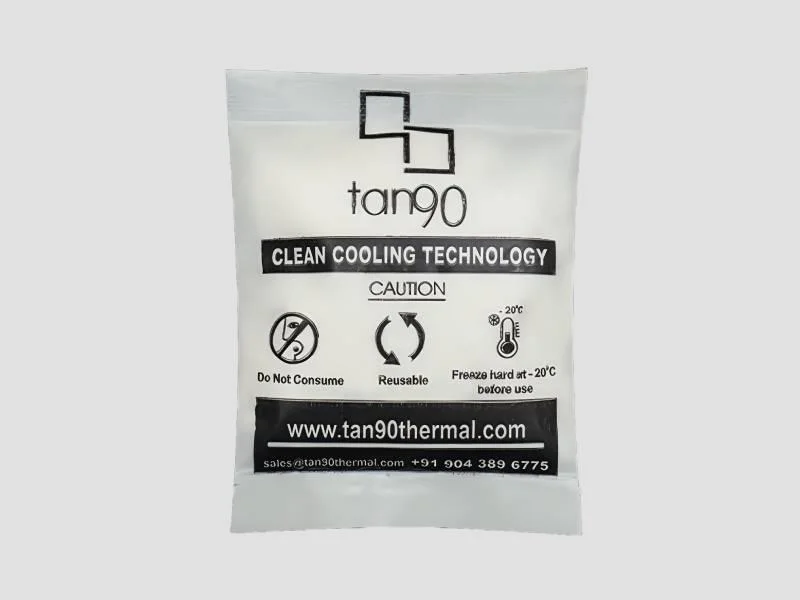
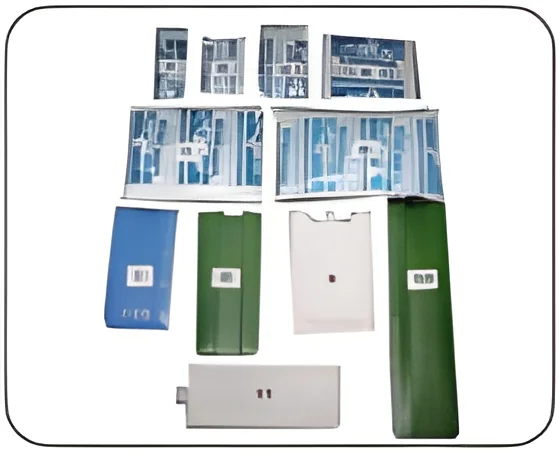
- Includes insulated containers and refrigerant packs
6. Compliance Features
- Meets industry standards such as ISO and CE certifications
- Ensures adherence to local and international regulations
7. Transport Solutions
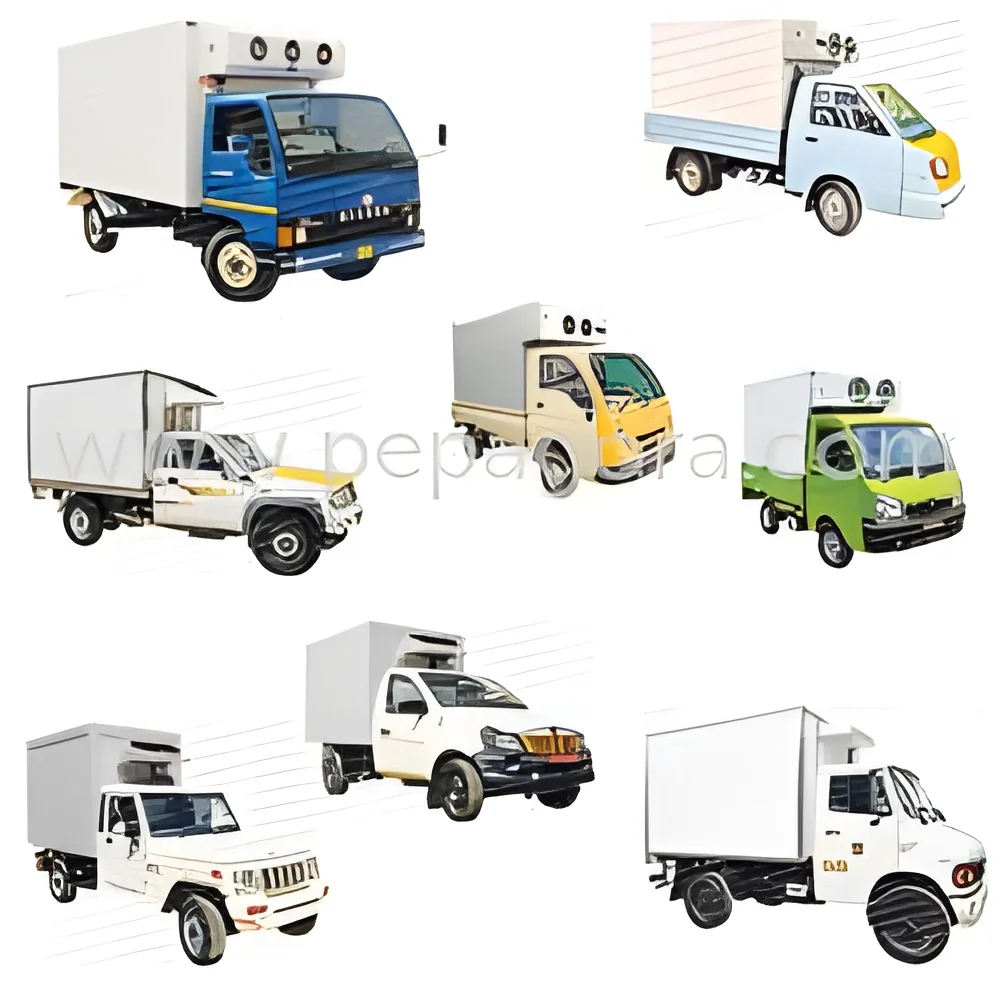
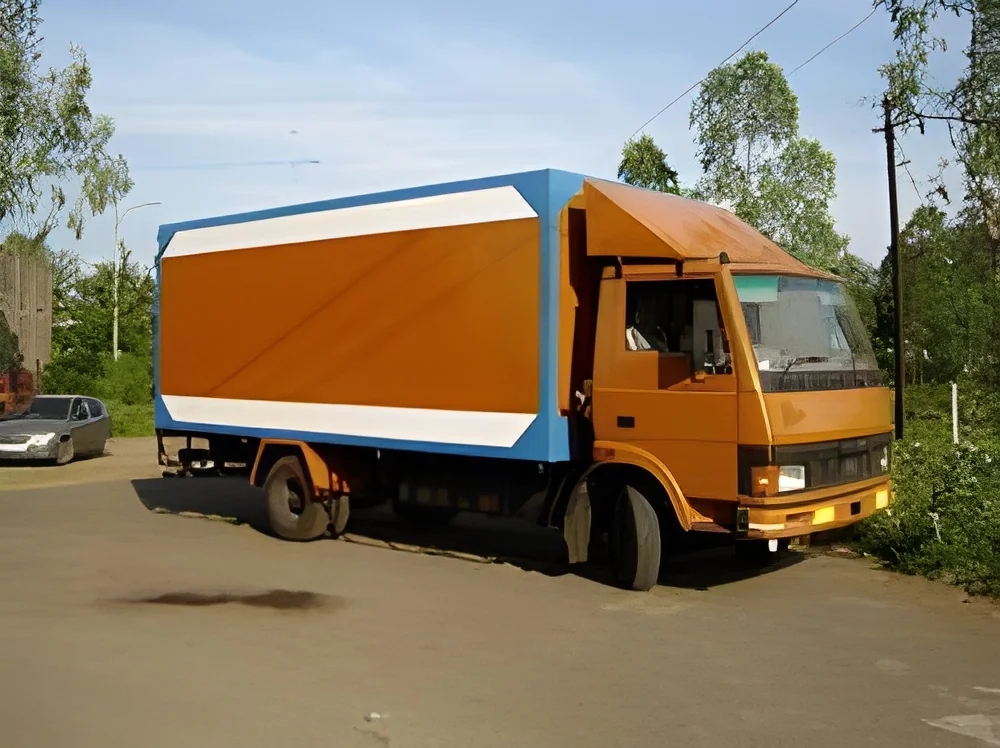
- Vehicles equipped with temperature control systems
- Options for both land and air transport
8. Scalability
- Flexible solutions that can adapt to varying shipment sizes
- Ideal for both small and large-scale distribution needs
In summary, these features and specifications are crucial for maintaining the integrity of healthcare products, ensuring compliance with regulations, and ultimately safeguarding patient safety.
𝗖𝗼𝗺𝗺𝗼𝗻 𝗔𝗽𝗽𝗹𝗶𝗰𝗮𝘁𝗶𝗼𝗻𝘀 𝗮𝗻𝗱 𝗨𝘀𝗲 𝗖𝗮𝘀𝗲𝘀
Healthcare logistics and cold chain solutions are vital across several industries, each with specific applications that underscore the importance of precise temperature management.
1. Pharmaceuticals: Cold chain logistics ensure the safe transportation of vaccines and medications that require strict temperature control to remain effective.
2. Biotechnology: Biopharmaceutical products often need refrigeration throughout the supply chain to maintain their therapeutic properties, making cold chain logistics essential.
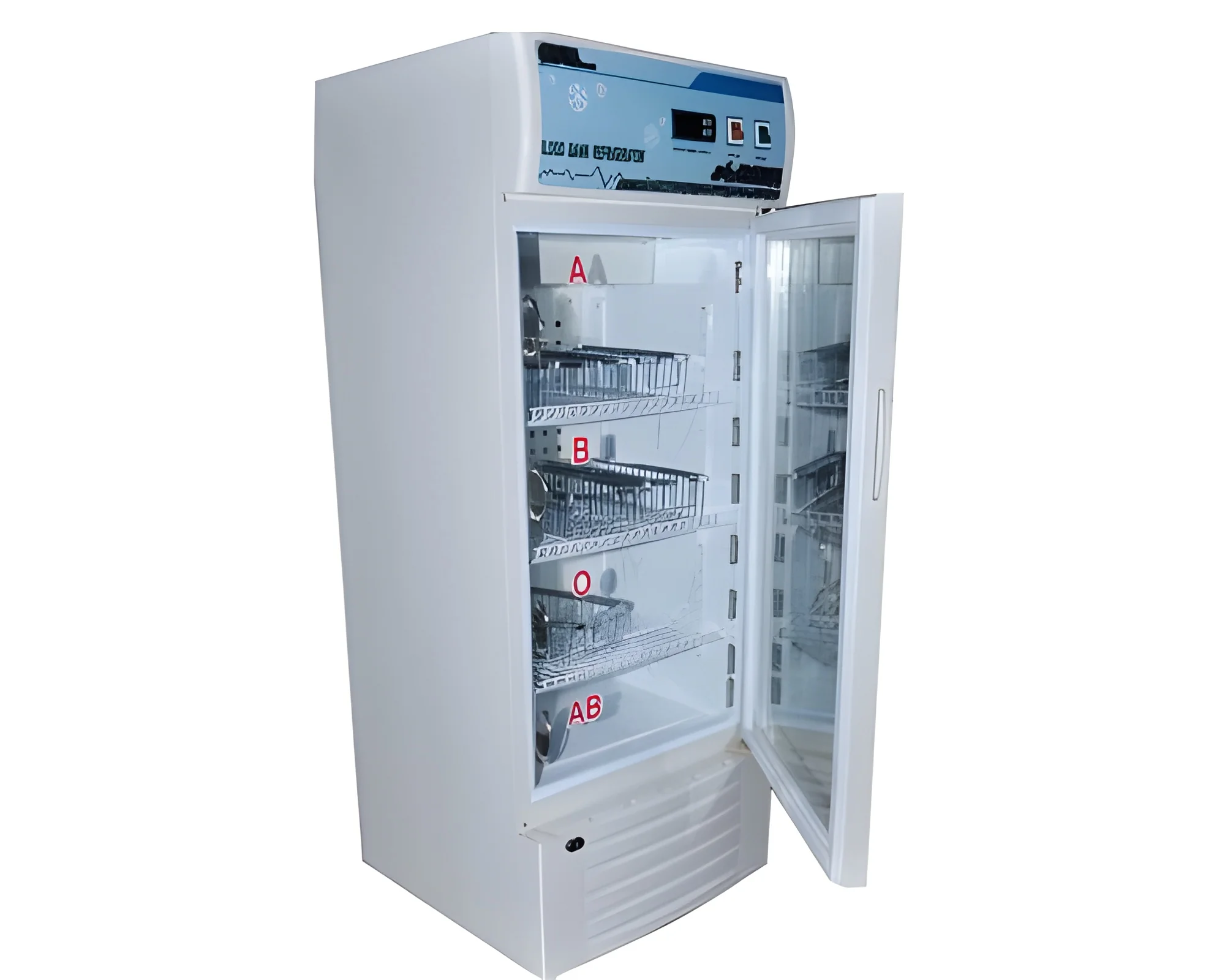
3. Blood and Tissue Banks: The transport of blood products and biological materials requires temperature control to preserve viability and safety.
4. Medical Devices: Certain medical devices, particularly those that incorporate biological components, may require temperature-sensitive handling during distribution.
5. Research Laboratories: Cold chain solutions are critical for the transport of samples and reagents that must remain at specific temperatures to ensure research integrity.
6. Clinical Trials: The logistics of handling temperature-sensitive products in clinical trials require stringent cold chain management to ensure compliance and data validity.
7. Veterinary Medicine: Similar to human healthcare, veterinary products such as vaccines and medications also rely on effective cold chain logistics for safe transport.
𝗣𝗿𝗼𝗱𝘂𝗰𝘁 𝗩𝗮𝗿𝗶𝗮𝗻𝘁𝘀 𝗮𝗻𝗱 𝗦𝘂𝗯𝗰𝗮𝘁𝗲𝗴𝗼𝗿𝗶𝗲𝘀
Healthcare logistics and cold chain solutions offer a variety of products tailored to different needs within the industry. While specific subcategories are not available, the diversity in logistics solutions allows for customization and adaptability.
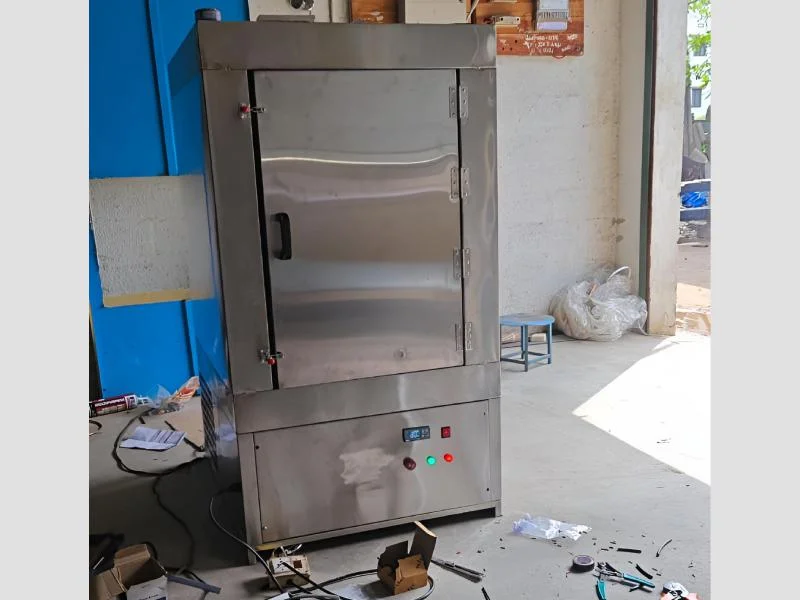
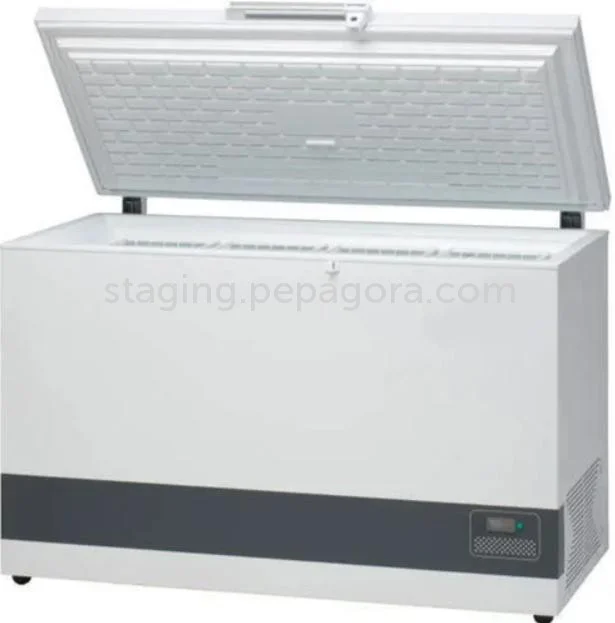
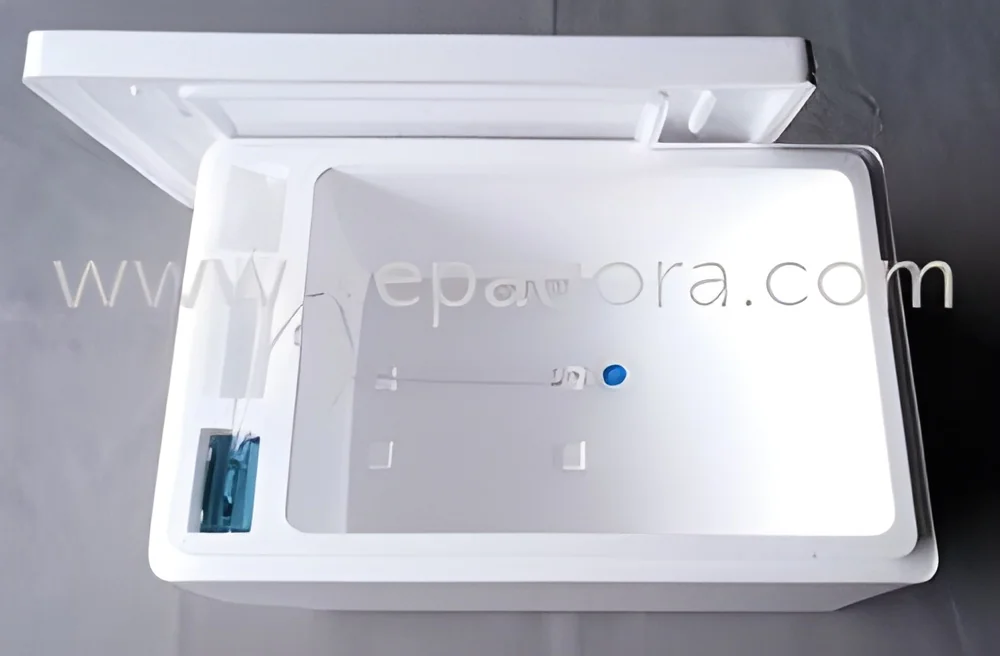
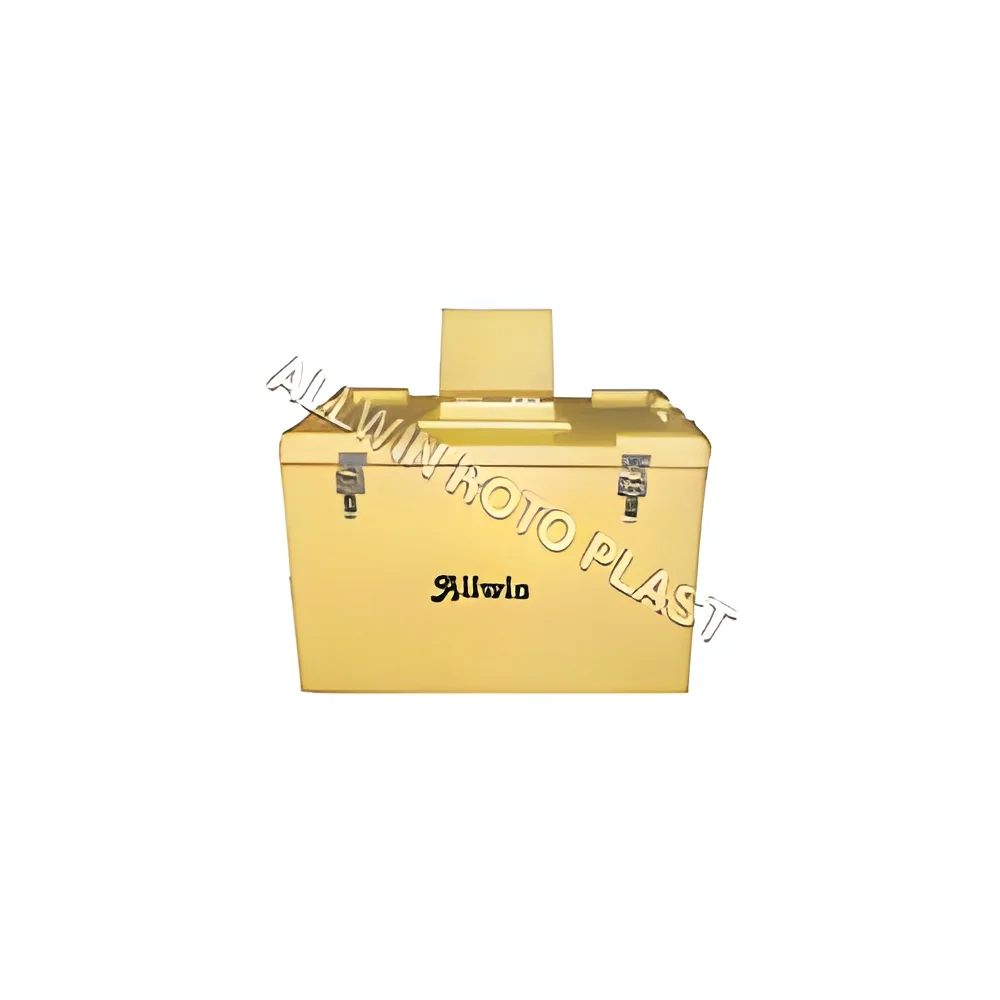
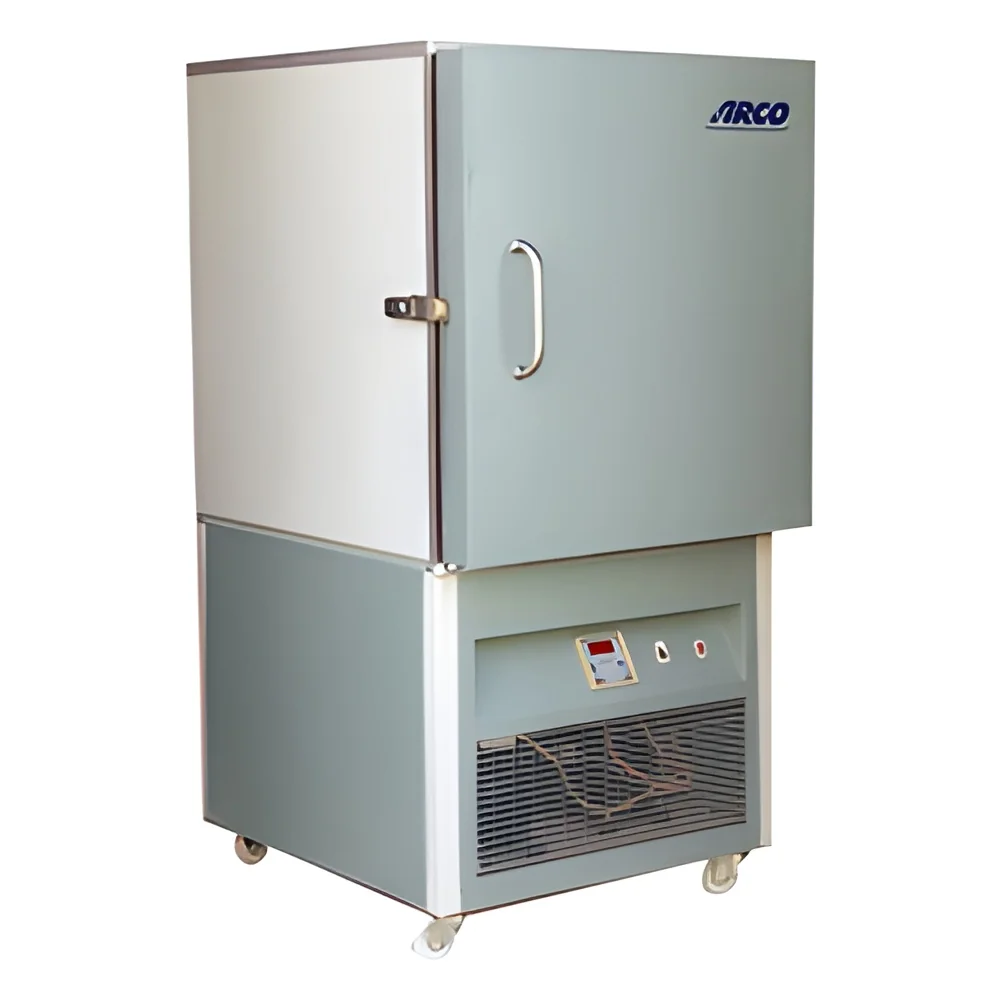
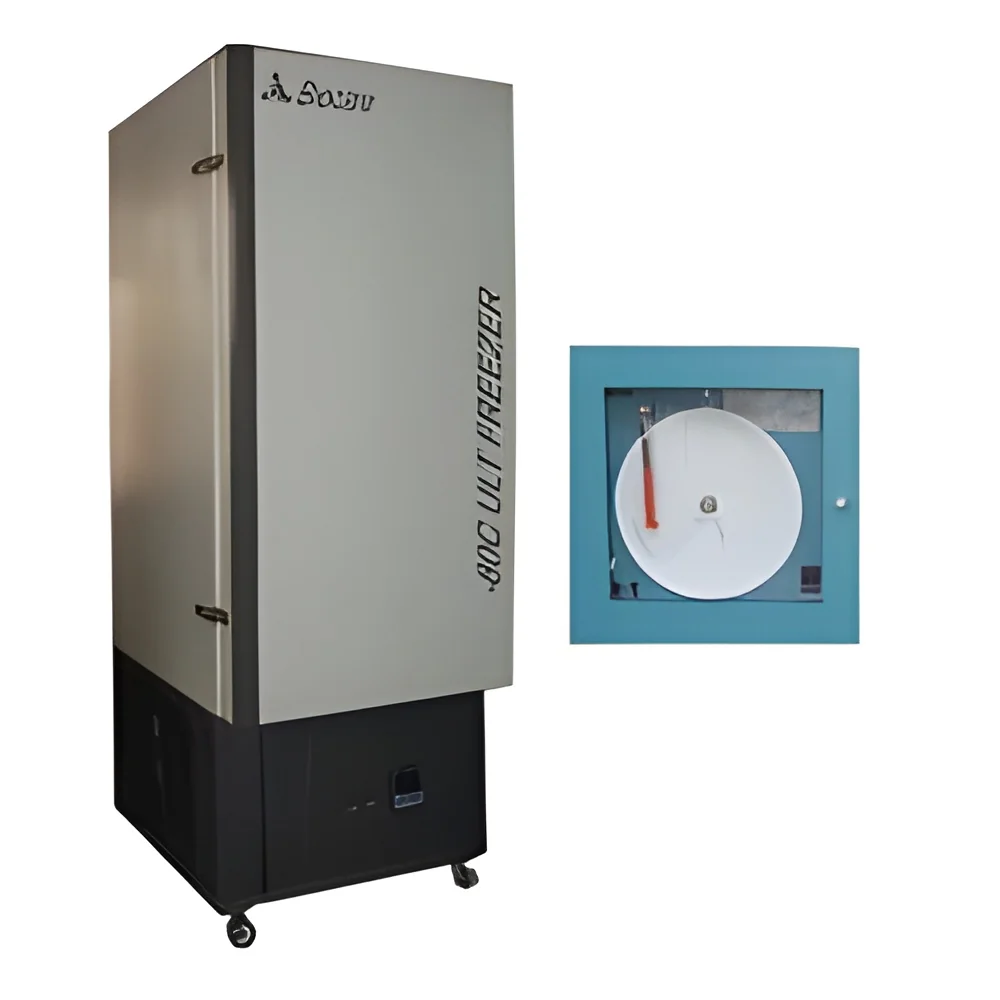
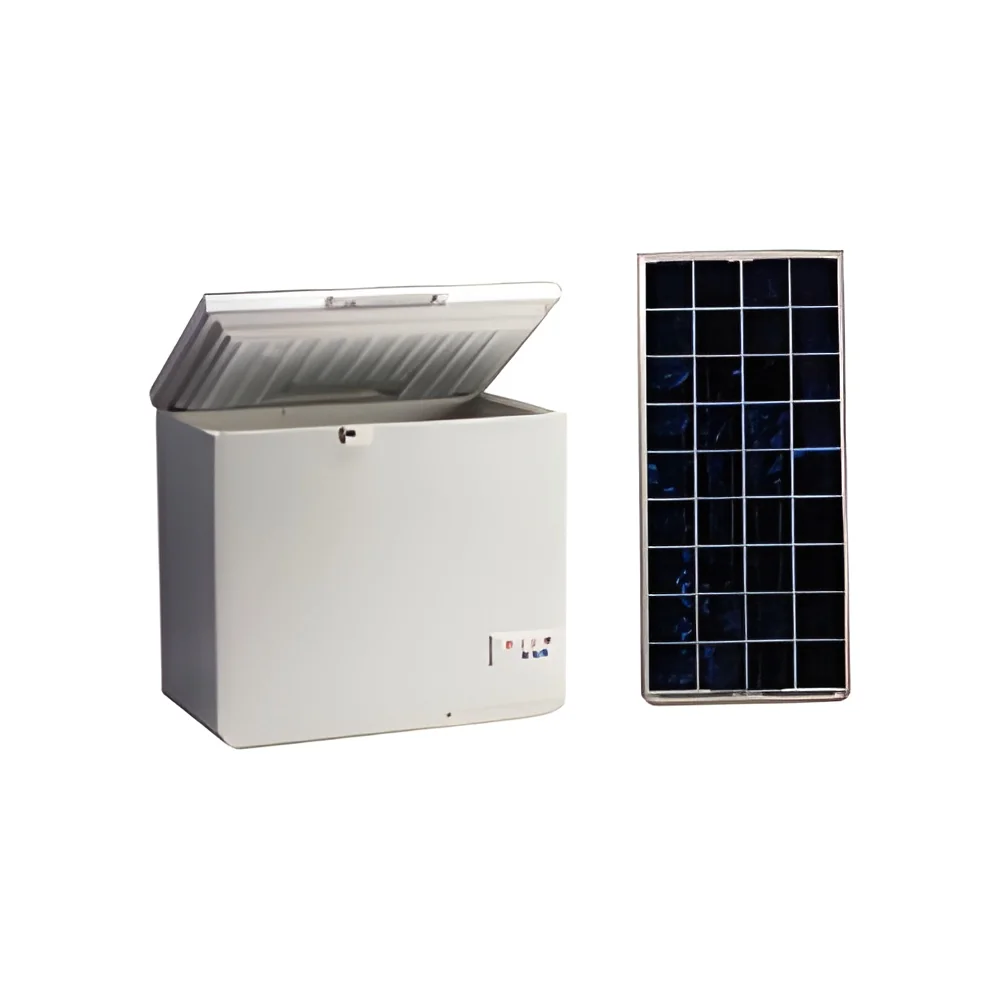
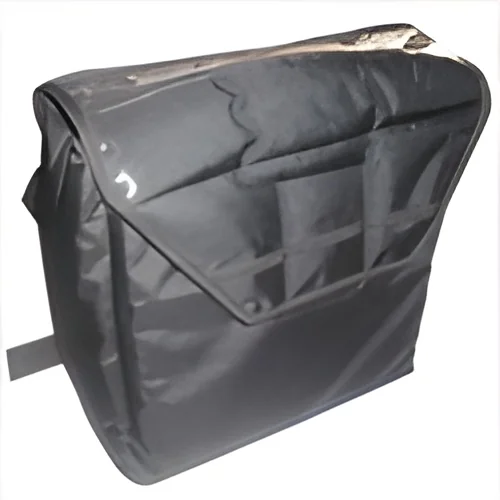
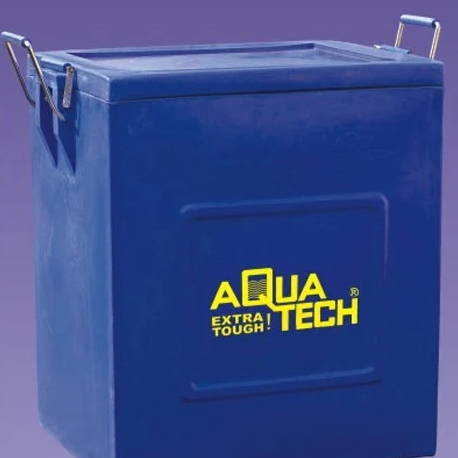
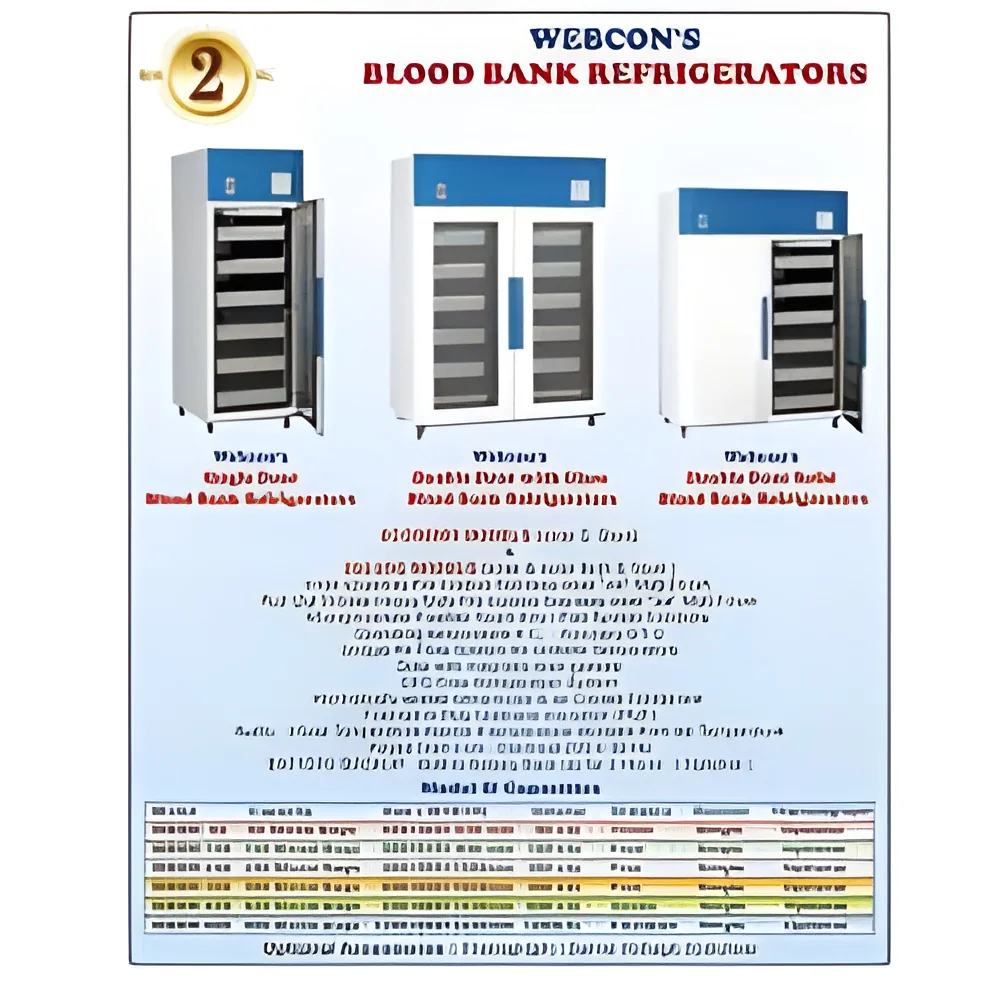
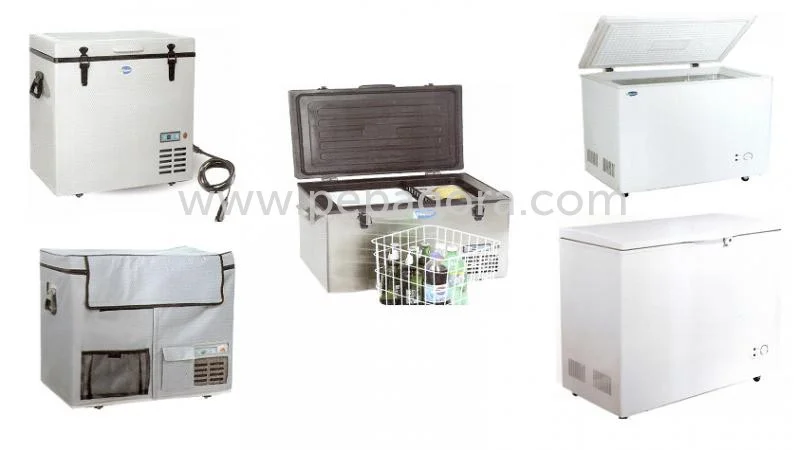
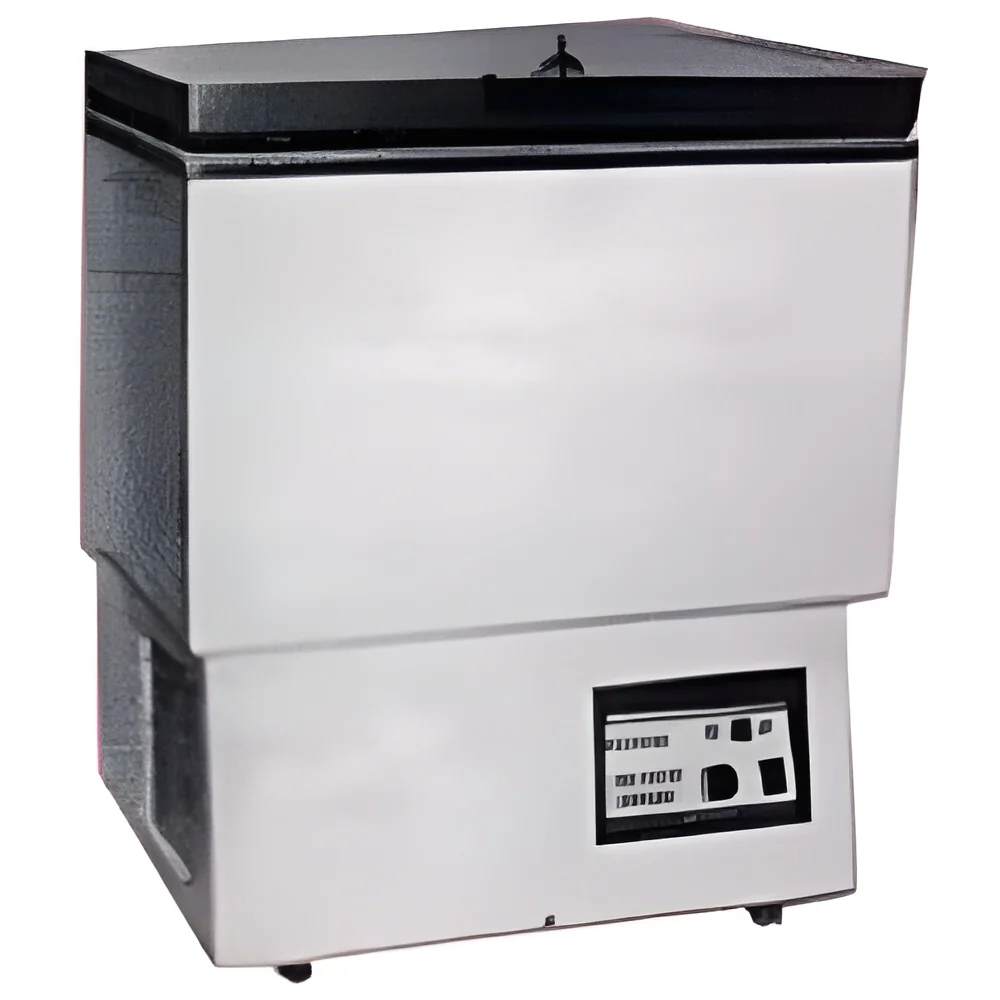
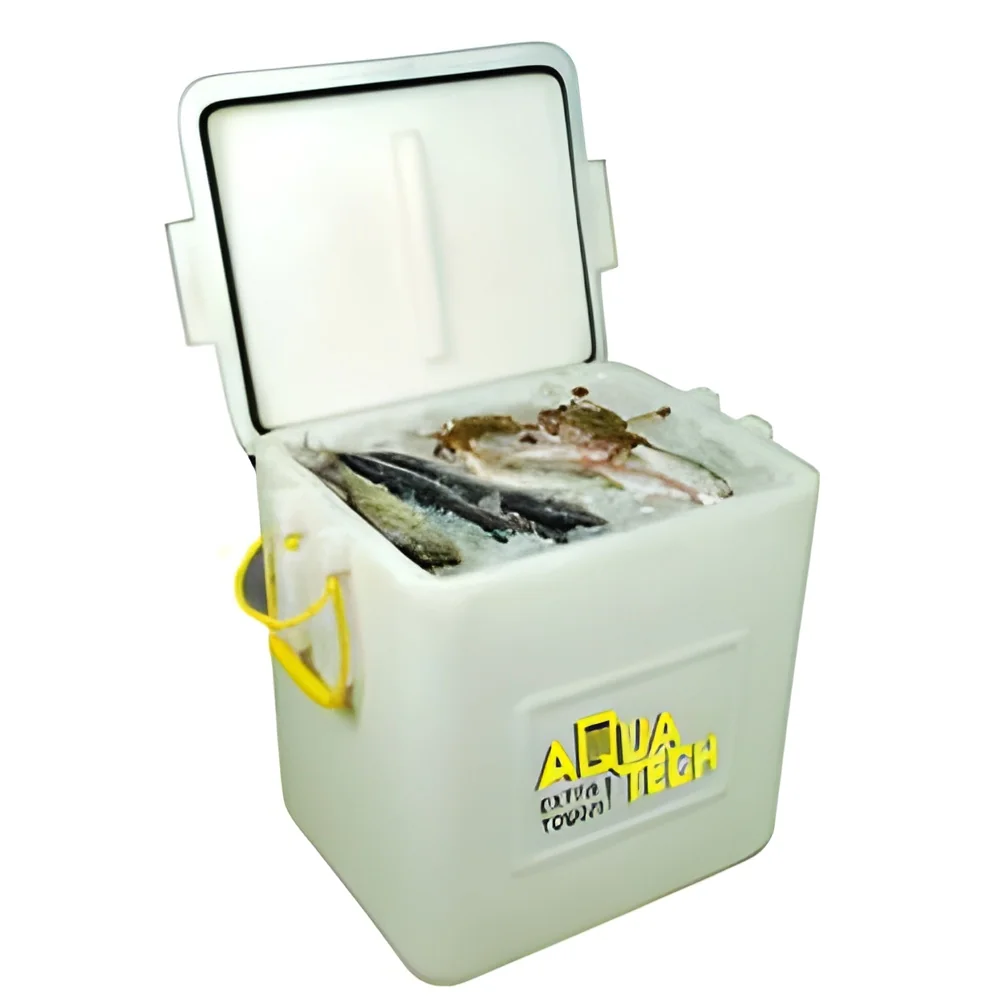
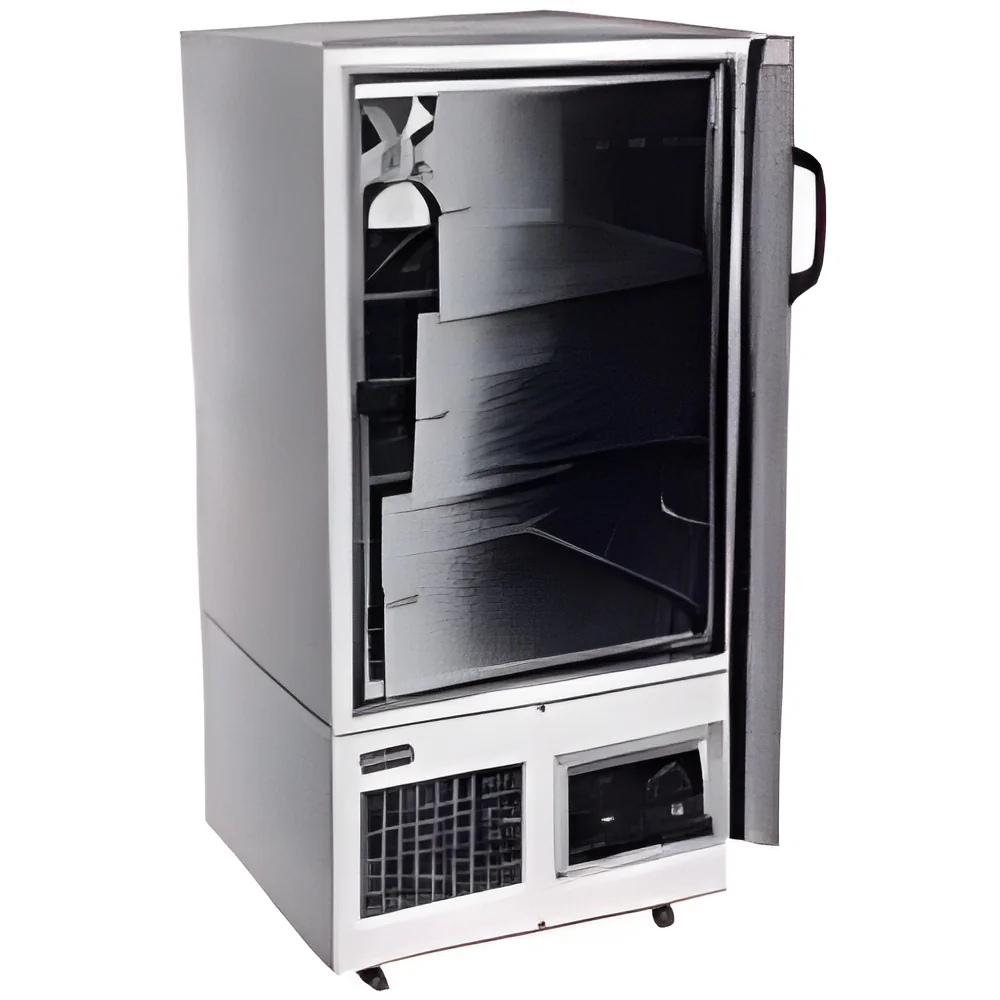
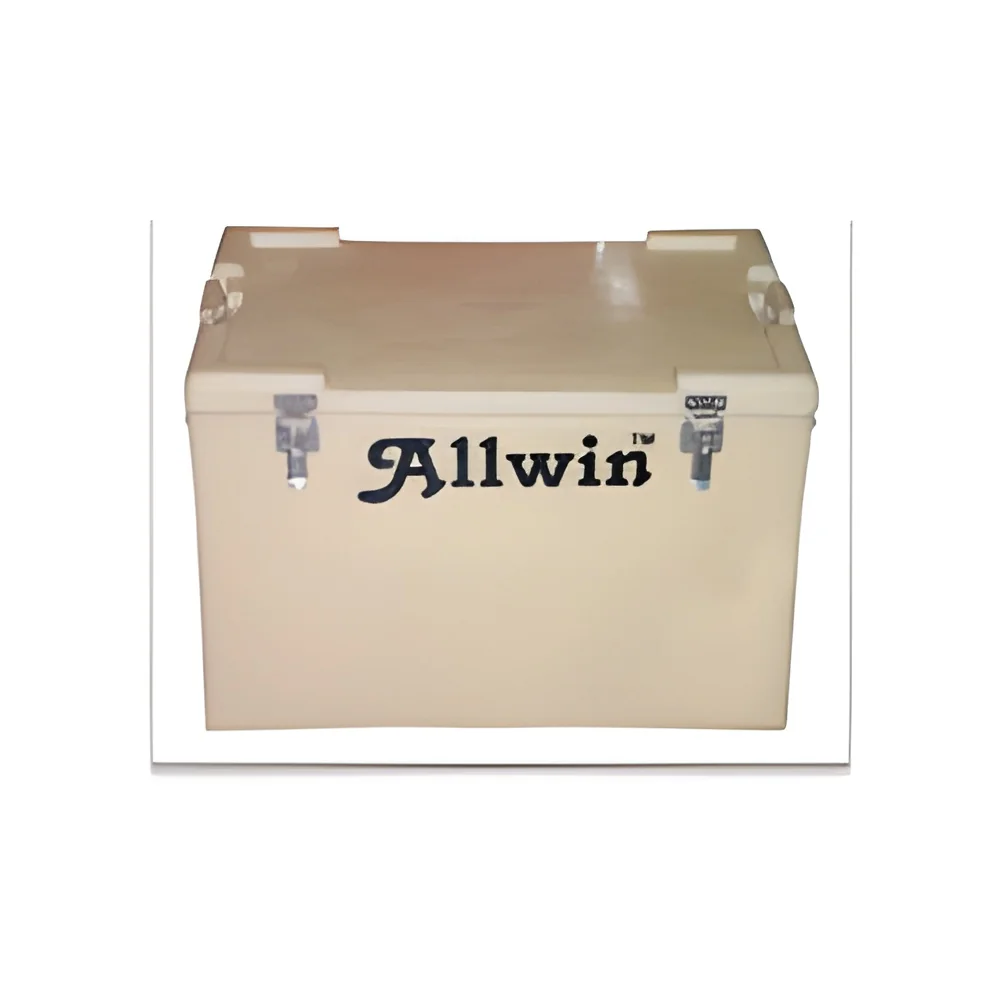
Temperature-Controlled Transport Containers: These containers are designed for the safe transport of temperature-sensitive products. They offer insulation and refrigeration options to maintain required temperatures during transit.
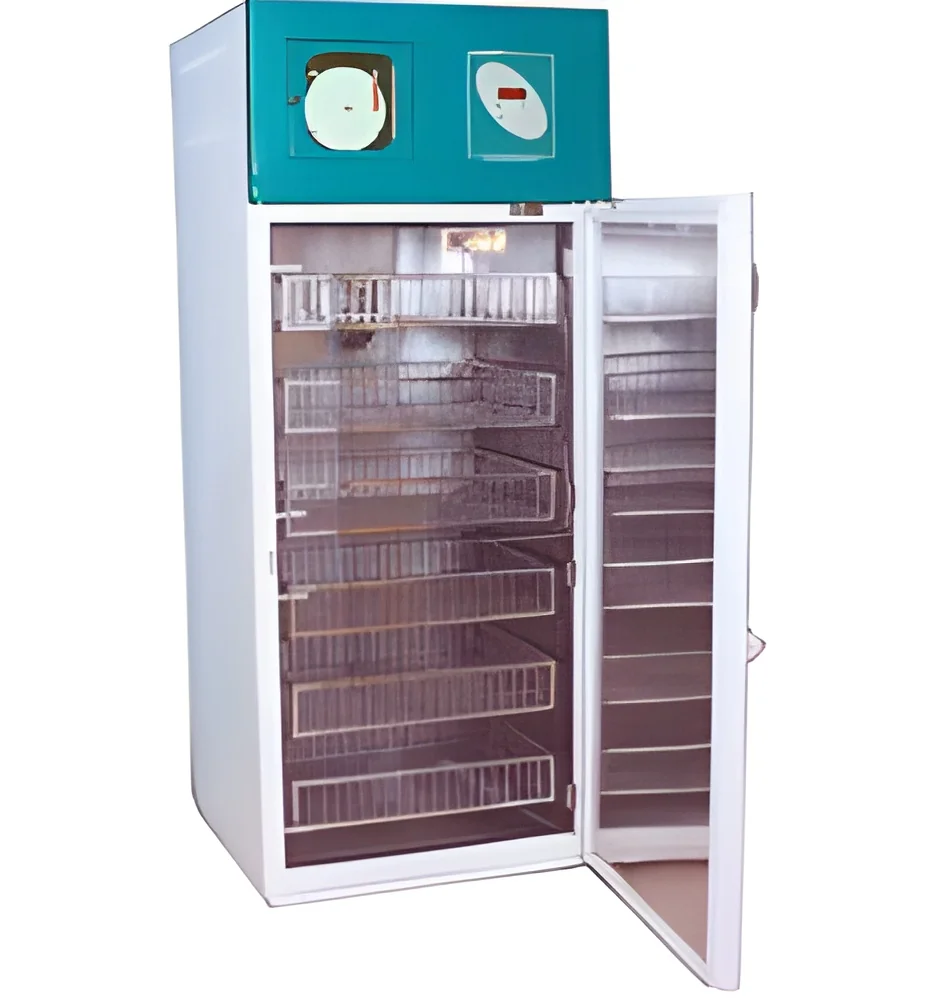
Monitoring and Tracking Systems: These systems provide real-time monitoring of temperature and humidity, ensuring that products remain within safe parameters throughout the shipping process.
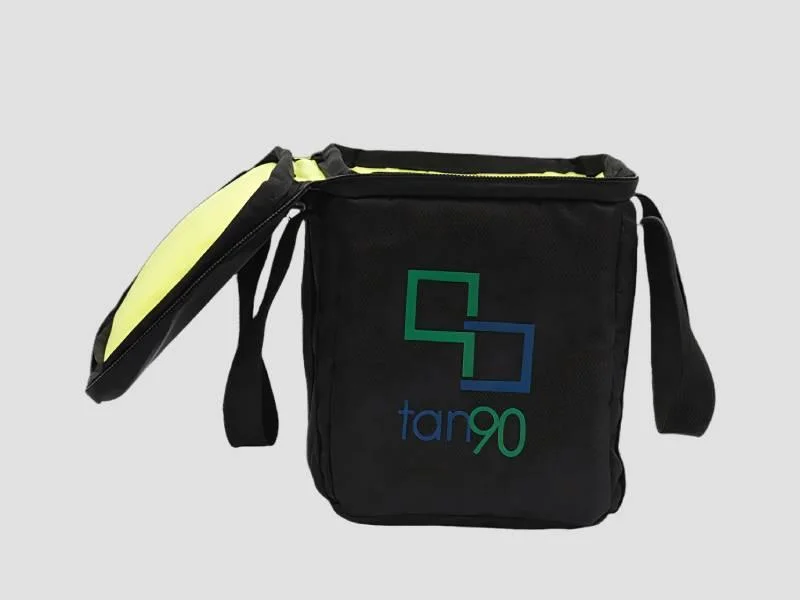
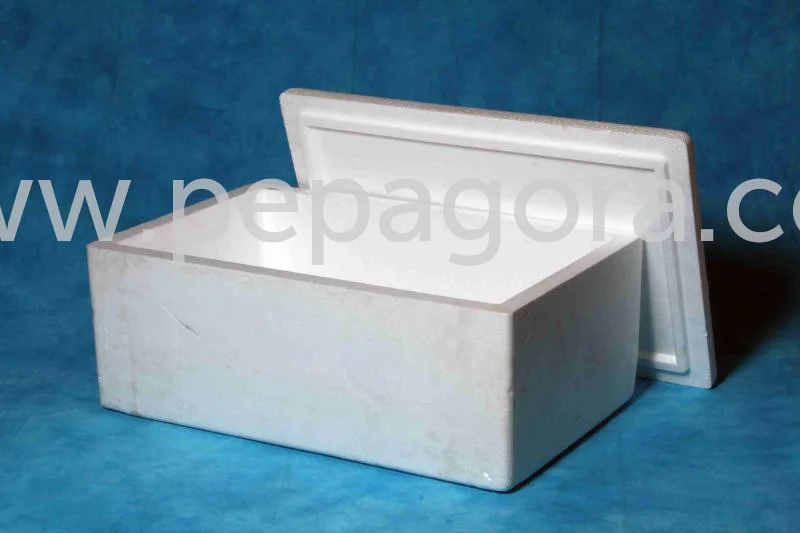
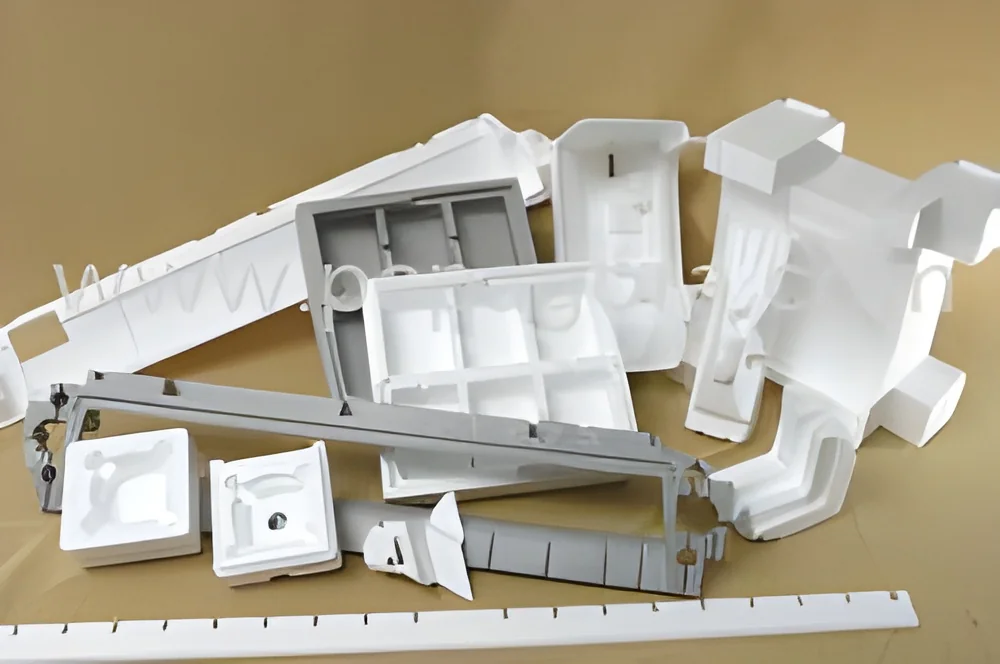
Insulated Packaging Solutions: Specialized packaging designed to protect products from temperature fluctuations and physical damage during transportation.
𝗕𝗲𝗻𝗲𝗳𝗶𝘁𝘀 𝗮𝗻𝗱 𝗔𝗱𝘃𝗮𝗻𝘁𝗮𝗴𝗲𝘀
Investing in healthcare logistics and cold chain solutions brings a range of benefits to businesses in the industry. These advantages contribute to improved operational efficiency and enhanced product safety.
Key benefits include:
1. Enhanced Product Safety: Proper temperature management reduces the risk of product degradation, ensuring that healthcare products remain effective.
2. Regulatory Compliance: Adhering to industry standards and regulations minimizes legal risks and enhances reputation within the market.
3. Improved Supply Chain Efficiency: Streamlined logistics processes reduce delays and improve the reliability of product delivery.
4. Real-Time Monitoring: Advanced tracking systems provide visibility into product conditions, allowing for proactive responses to potential issues.
5. Cost Savings: Efficient logistics can reduce waste and loss associated with temperature-sensitive products, leading to significant cost reductions.
6. Increased Customer Trust: Reliable logistics solutions enhance customer confidence in product quality and safety, fostering long-term relationships.
𝗕𝘂𝘆𝗶𝗻𝗴 𝗚𝘂𝗶𝗱𝗲 𝗳𝗼𝗿 𝗕𝟮𝗕 𝗕𝘂𝘆𝗲𝗿𝘀
When sourcing healthcare logistics and cold chain solutions, B2B buyers should consider various factors to ensure they select the right provider for their needs.
1. Quality Assessment: It is crucial to evaluate the quality of the logistics solutions. Look for providers with a proven track record and compliance with relevant industry standards.
2. Supplier Verification: Vetting suppliers is essential to ensure they have the necessary certifications and experience in handling temperature-sensitive products.
3. Pricing and MOQ: Understand the pricing structures and minimum order quantities to ensure that they align with your budget and operational needs.
4. Delivery and Lead Times: Consider the logistics provider’s delivery capabilities and lead times to ensure timely product availability.
5. Compliance Requirements: Ensure that the selected logistics solution meets all regulatory compliance requirements relevant to your industry and location.
𝗖𝗼𝗺𝗽𝗹𝗶𝗮𝗻𝗰𝗲 𝗮𝗻𝗱 𝗖𝗲𝗿𝘁𝗶𝗳𝗶𝗰𝗮𝘁𝗶𝗼𝗻𝘀
Compliance with industry standards is essential for healthcare logistics and cold chain management. Key quality standards include ISO 9001, which focuses on quality management systems, and HACCP (Hazard Analysis Critical Control Point), which emphasizes food safety and risk management. Compliance with Good Distribution Practices (GDP) is also critical for ensuring that products are consistently stored and transported under appropriate conditions.
Industry certifications, such as CE marking, indicate that products meet European safety and performance standards. Additionally, safety and testing requirements must be strictly followed to ensure that all products are reliable and safe for use.
Regional compliance considerations may vary based on local regulations. It is vital for businesses to stay updated on these requirements to maintain compliance and avoid potential legal issues.
𝗪𝗵𝘆 𝗦𝗼𝘂𝗿𝗰𝗲 𝗛𝗲𝗮𝗹𝘁𝗵𝗰𝗮𝗿𝗲 𝗟𝗼𝗴𝗶𝘀𝘁𝗶𝗰𝘀 & 𝗖𝗼𝗹𝗱 𝗖𝗵𝗮𝗶𝗻 𝗳𝗿𝗼𝗺 𝗣𝗲𝗽𝗮𝗴𝗼𝗿𝗮?
Pepagora offers a trusted platform for sourcing healthcare logistics and cold chain solutions, providing several key advantages to B2B buyers.
Verified Supplier Network: Pepagora connects buyers with a network of verified suppliers, ensuring that all providers meet stringent quality and safety standards. This verification process enhances buyer confidence in the suppliers’ capabilities.
Streamlined RFQ Process: The platform simplifies the request for quotation process, allowing businesses to efficiently obtain competitive pricing and detailed information from multiple suppliers.
Trade Assurance and Support: Pepagora offers buyer protection through trade assurance measures, providing peace of mind when engaging with suppliers. This support is crucial for building trust in the procurement process.
Regional Coverage: With a strong presence in India, the GCC, and Southeast Asia, Pepagora provides extensive regional coverage, making it easier for buyers to access reliable logistics solutions tailored to their specific market needs.
By choosing Pepagora, businesses can enhance their healthcare logistics and cold chain management, ensuring product integrity and safety while meeting the demands of the healthcare industry.

 IN
IN