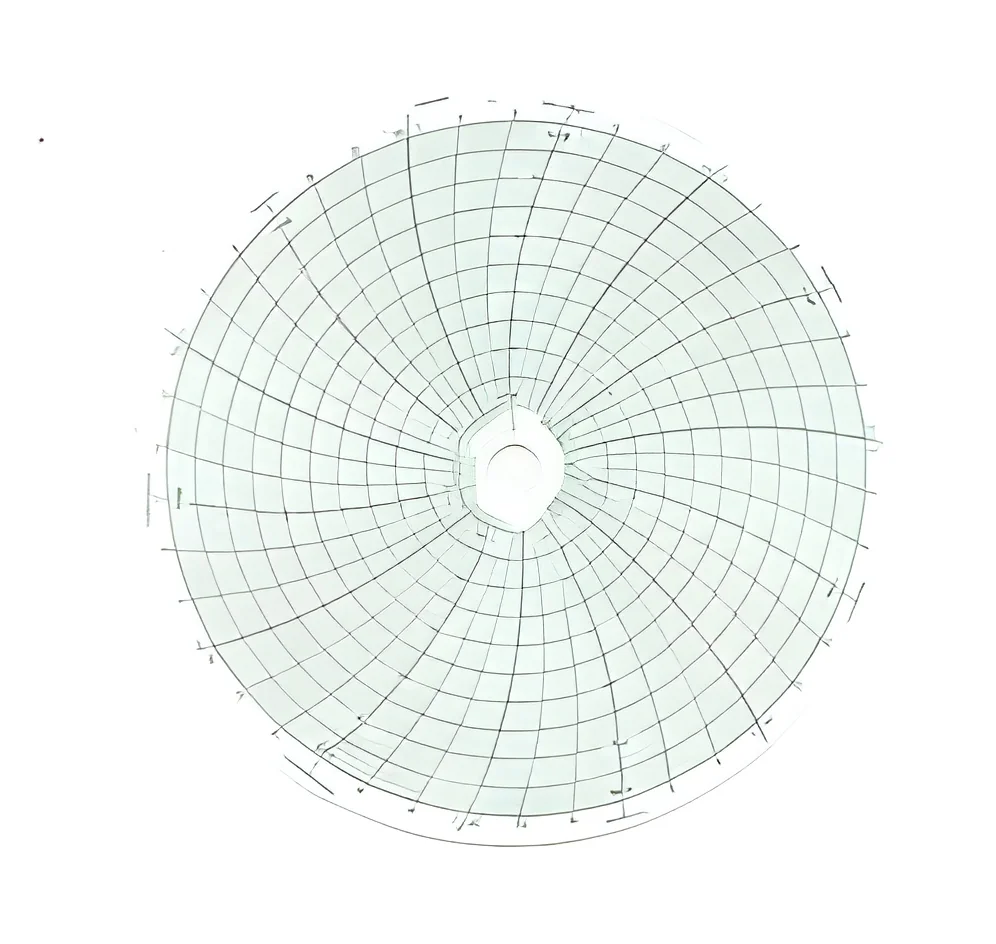
What are Cold Chain Temperature Monitoring Systems?
Cold Chain Temperature Monitoring Systems are specialized solutions designed to track and maintain the appropriate temperature conditions for perishable goods throughout the supply chain. These systems utilize various sensors and monitoring devices to ensure that products such as food, pharmaceuticals, and other sensitive materials are kept within specified temperature ranges during transportation and storage. By continuously recording temperature data, these systems help prevent spoilage, contamination, and potential loss of product quality.
The primary applications of Cold Chain Temperature Monitoring Systems are found in industries where temperature-sensitive products are prevalent. For example, in the food industry, these systems are crucial for monitoring the storage and transportation of meat, dairy, and produce. In the pharmaceutical sector, they ensure that vaccines and medications are stored at the right temperatures to maintain efficacy. As the demand for safe and reliable cold chain logistics increases, the relevance of these monitoring systems continues to grow, highlighting their critical role in various business operations.
Key Features and Specifications
Cold Chain Temperature Monitoring Systems come equipped with a range of features tailored to meet the needs of different industries. These features enhance operational efficiency and ensure compliance with industry standards.
Key specifications include:
1. Temperature Monitoring
- Continuous tracking of temperature levels
- Typically operates within a range of -20°C to +25°C
2. Data Logging
- Automatic recording of temperature data
- History logs for auditing and compliance purposes
3. Alerts and Notifications
- Real-time alerts for temperature deviations
- Notifications via SMS or email for immediate action
4. Remote Access
- Cloud-based systems for remote monitoring
- Access to data from any device with internet connectivity
5. Battery Backup
- Integrated power supply for uninterrupted monitoring
- Ensures functionality during power outages
6. Humidity Control
- Monitoring capabilities for humidity levels
- Vital for certain products sensitive to moisture
7. Compliance Features
- Built to meet industry regulations
- Supports ISO 9001 and other quality standards
8. User-Friendly Interface
- Intuitive dashboards for easy data interpretation
- Customizable settings for alerts and reports
In summary, these systems are characterized by their robust features and specifications that cater to the precise needs of various industries, ensuring product integrity and compliance.
Common Applications and Use Cases
Cold Chain Temperature Monitoring Systems serve a multitude of industries, each with specific applications that ensure the integrity of temperature-sensitive products.
1. Food Industry: In this sector, these systems are used to track the temperature of perishable items such as meat, dairy, and fresh produce during transportation and storage, preventing spoilage and ensuring food safety.
2. Pharmaceutical Industry: These systems play a critical role in monitoring vaccines and other medications that require strict temperature controls, ensuring they remain effective and safe for use.
3. Biotechnology: In biotechnology, temperature monitoring is essential for the storage and transport of sensitive biological materials and reagents, maintaining their viability throughout the supply chain.
4. Healthcare: Hospitals and clinics utilize these systems to monitor the storage of blood products and other temperature-sensitive medical supplies, ensuring patient safety.
5. Floral and Plant Industry: These systems help maintain optimal conditions for flowers and plants during transport, preserving their freshness and quality.
6. Chemical Industry: In this sector, temperature monitoring is vital for transporting chemicals that may be sensitive to temperature fluctuations, preventing hazardous situations.
7. E-commerce: Online grocery and food delivery services leverage these systems to ensure that products arrive at their destination in optimal condition, meeting customer expectations.
Product Variants and Subcategories
Cold Chain Temperature Monitoring Systems are available in various configurations to suit different operational needs.
Portable Temperature Loggers: These devices are designed for easy transport and can be used in multiple locations. They are ideal for short-term monitoring during transport.
Fixed Installation Systems: These systems are designed for permanent installation in warehouses and storage facilities, providing continuous monitoring of stored products.
Wireless Temperature Sensors: These sensors offer real-time data transmission to a centralized system, allowing for immediate response to any temperature fluctuations.
Data Loggers with Integrated Sensors: These loggers come equipped with multiple sensors to monitor both temperature and humidity, providing a comprehensive view of storage conditions.
Benefits and Advantages
Cold Chain Temperature Monitoring Systems offer numerous benefits that enhance operational efficiency and product quality.
1. Increased Product Integrity: By continuously monitoring temperature, businesses can ensure that their products remain within safe limits, reducing waste and spoilage.
2. Compliance with Regulations: These systems help organizations meet industry standards and regulations, minimizing the risk of legal issues related to product safety.
3. Real-Time Monitoring: The ability to access data in real-time allows for immediate corrective actions, preventing potential losses.
4. Cost Savings: By avoiding spoilage and ensuring product quality, businesses can save significant costs associated with waste and rework.
5. Enhanced Customer Trust: Reliable temperature monitoring fosters customer confidence, particularly in industries where product quality is paramount.
6. Streamlined Operations: Automated data logging reduces the need for manual checks, freeing up valuable resources for other tasks.
Buying Guide for B2B Buyers
When sourcing Cold Chain Temperature Monitoring Systems, it is essential for B2B buyers to consider several key factors to ensure they make informed purchasing decisions.
1. Quality Assessment: Evaluate the quality of the systems by reviewing certifications and industry standards. Look for systems that comply with ISO 9001 and other relevant quality benchmarks.
2. Supplier Verification: Conduct thorough research to vet suppliers. Check their reputation, customer reviews, and history in the industry to ensure reliability.
3. Pricing and MOQ: Understand the pricing structure and minimum order quantities (MOQ). Compare different suppliers to find the best value for your budget while ensuring quality.
4. Delivery and Lead Times: Inquire about delivery schedules and lead times. Timely delivery is crucial for maintaining the integrity of cold chain logistics.
5. Compliance Requirements: Ensure that the systems meet all necessary regulatory requirements for your industry. This includes understanding local and international compliance standards.
Compliance and Certifications
Cold Chain Temperature Monitoring Systems must adhere to several quality standards and certifications to ensure reliability and safety.
Relevant quality standards include ISO 9001, which outlines requirements for a quality management system. This standard is essential for businesses aiming to improve customer satisfaction and maintain consistent quality.
Additionally, compliance with HACCP (Hazard Analysis Critical Control Point) guidelines is critical in industries such as food and pharmaceuticals, where monitoring temperature is vital for preventing contamination.
Industry certifications like CE mark indicate that the products meet European safety, health, and environmental protection standards, providing assurance to buyers regarding quality and safety.
Companies should also consider regional compliance requirements, which may vary based on local regulations. Understanding these requirements is essential for ensuring that the systems are legally compliant in their respective markets.
Why Source Cold Chain Temperature Monitoring Systems from Pepagora?
Pepagora provides a trusted platform for sourcing Cold Chain Temperature Monitoring Systems, offering several key advantages that benefit B2B buyers.
Verified Supplier Network: Pepagora has established a network of verified suppliers, ensuring that buyers can access quality products from reputable sources. This verification process helps mitigate risks associated with supplier reliability.
Streamlined RFQ Process: The platform features an efficient Request for Quotation (RFQ) system that simplifies the procurement process. Buyers can easily request quotes from multiple suppliers, saving time and effort.
Trade Assurance and Support: Pepagora offers trade assurance policies that protect buyers from potential issues. This includes support services that assist in resolving any disputes or challenges during the purchasing process.
Regional Coverage: With a strong presence in India, the GCC, and Southeast Asia, Pepagora provides extensive geographic reach. This allows buyers to connect with local suppliers, ensuring timely access to Cold Chain Temperature Monitoring Systems tailored to their specific market needs.

 IN
IN