What are WHO PQS Certified Equipment?
WHO PQS Certified Equipment refers to products that meet the World Health Organization's Prequalification of Medicines Programme (PQS) standards. These standards ensure that the equipment is suitable for use in health care settings, particularly in low-resource environments. The certification process evaluates the quality, safety, and efficacy of the equipment, which is essential for maintaining public health, especially in vaccine storage and transportation.
These equipment types are primarily used in the healthcare sector to ensure proper storage and handling of vaccines and other temperature-sensitive medications. They are vital in various settings, including hospitals, clinics, and public health organizations. The reliability of WHO PQS Certified Equipment is crucial for effective immunization programs and emergency responses to public health crises.
In the current market, WHO PQS Certified Equipment holds significant relevance as countries strive to enhance their healthcare infrastructure. The increasing emphasis on vaccination programs, especially in developing nations, drives the demand for certified equipment that can maintain the integrity of temperature-sensitive pharmaceuticals. This focus ensures that the equipment not only meets international standards but also effectively supports global health initiatives.
Key Features and Specifications
WHO PQS Certified Equipment comes with a range of features and specifications that cater to the specific needs of healthcare providers. These specifications ensure that the equipment can perform optimally in various environments, particularly those with stringent temperature and humidity controls.
Key specifications include:
1. Temperature Range
- Equipment typically operates within a specified temperature range critical for vaccine storage.
- Parameters often include a range of 2°C to 8°C for refrigerated storage.
2. Humidity Control
- Designed to maintain stable humidity levels that protect sensitive pharmaceutical products.
- Specifications may require humidity levels to be kept below certain thresholds.
3. Monitoring Features
- Equipped with monitoring systems to track temperature and humidity continuously.
- Alerts can be triggered for deviations from set parameters.
4. Power Source Options
- Can operate on mains power, battery backup, or solar energy to ensure reliability.
- Flexibility in power options is essential for remote areas.
5. Storage Capacity
- Available in various sizes to accommodate different volumes of vaccines or medications.
- Specifications may range from small units for clinics to larger units for hospitals.
6. Portability
- Designed for easy transport to various locations as needed.
- Features may include wheels or lightweight materials.
7. Ease of Use
- User-friendly interfaces for monitoring and control functions.
- Training materials often accompany the equipment for easier adoption.
8. Safety Features
- Built-in safety mechanisms to prevent overheating or contamination.
- Compliance with safety standards to ensure user protection.
In summary, WHO PQS Certified Equipment is characterized by its adherence to strict specifications that ensure reliable performance in the health care sector.
Common Applications and Use Cases
WHO PQS Certified Equipment is utilized across a variety of industries, primarily in settings that require strict temperature control for pharmaceuticals.
1. Healthcare: Hospitals and clinics use certified equipment to store vaccines and medications safely, ensuring they remain within required temperature ranges.
2. Public Health: Health departments leverage this equipment for immunization campaigns, facilitating the safe transport and storage of vaccines in outreach programs.
3. Research Institutions: Laboratories use certified storage solutions to maintain the integrity of samples and sensitive biological materials.
4. Pharmaceutical Distribution: Companies involved in the distribution of vaccines and medications rely on certified equipment to ensure product viability during transportation.
5. Emergency Response: During health emergencies, certified equipment is crucial for delivering vaccines and medications to affected areas quickly and safely.
6. Veterinary Services: The veterinary sector also utilizes these solutions to store vaccines and medications for animals, ensuring their effectiveness.
7. Cold Chain Logistics: Companies specializing in cold chain logistics use certified equipment to manage the transportation of temperature-sensitive products.
Product Variants and Subcategories
WHO PQS Certified Equipment encompasses a range of variants designed to meet different operational needs. This diversity allows organizations to select the most suitable equipment for their specific applications.
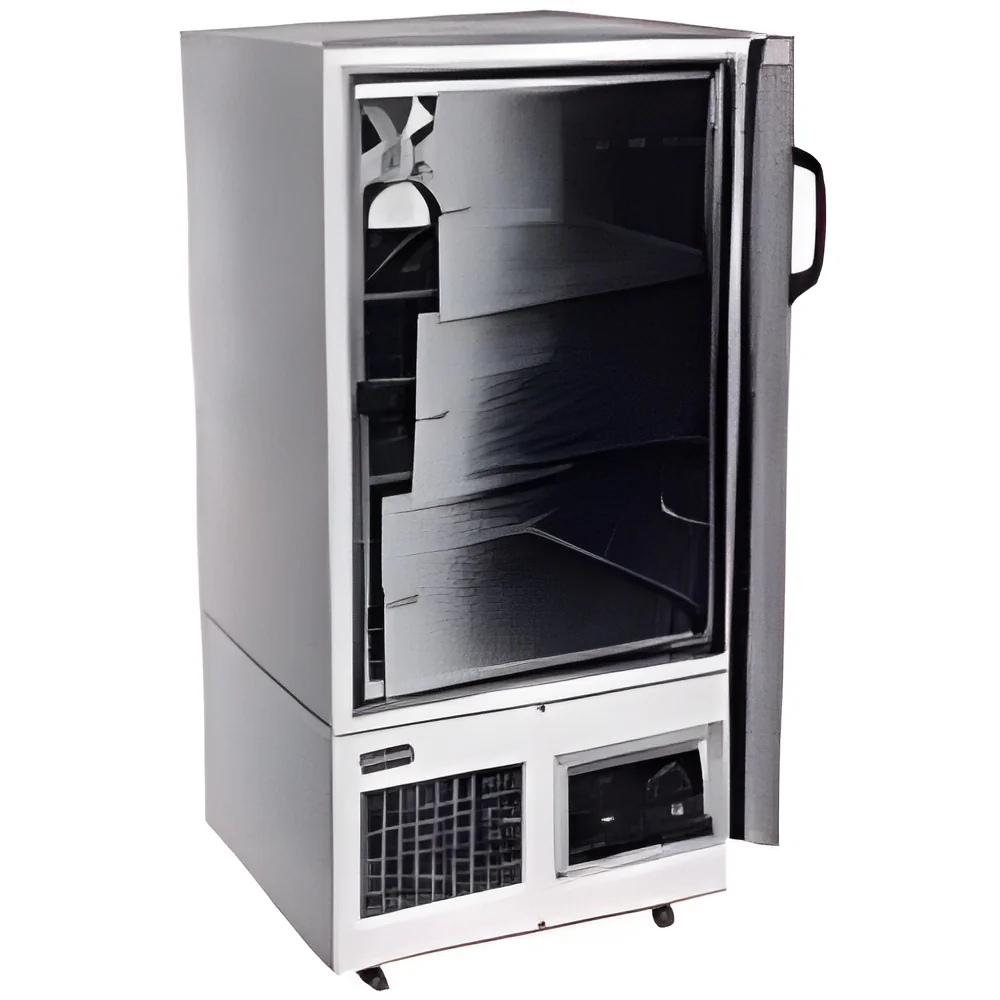
Vaccine Refrigerator
This variant is designed specifically for storing vaccines, ensuring that they are kept within the required temperature range. It features an advanced monitoring system that alerts users to any deviations.
Portable Vaccine Carrier
Ideal for outreach programs, this carrier allows for safe transportation of vaccines. It is lightweight, easy to handle, and designed to maintain the required temperature during transit.
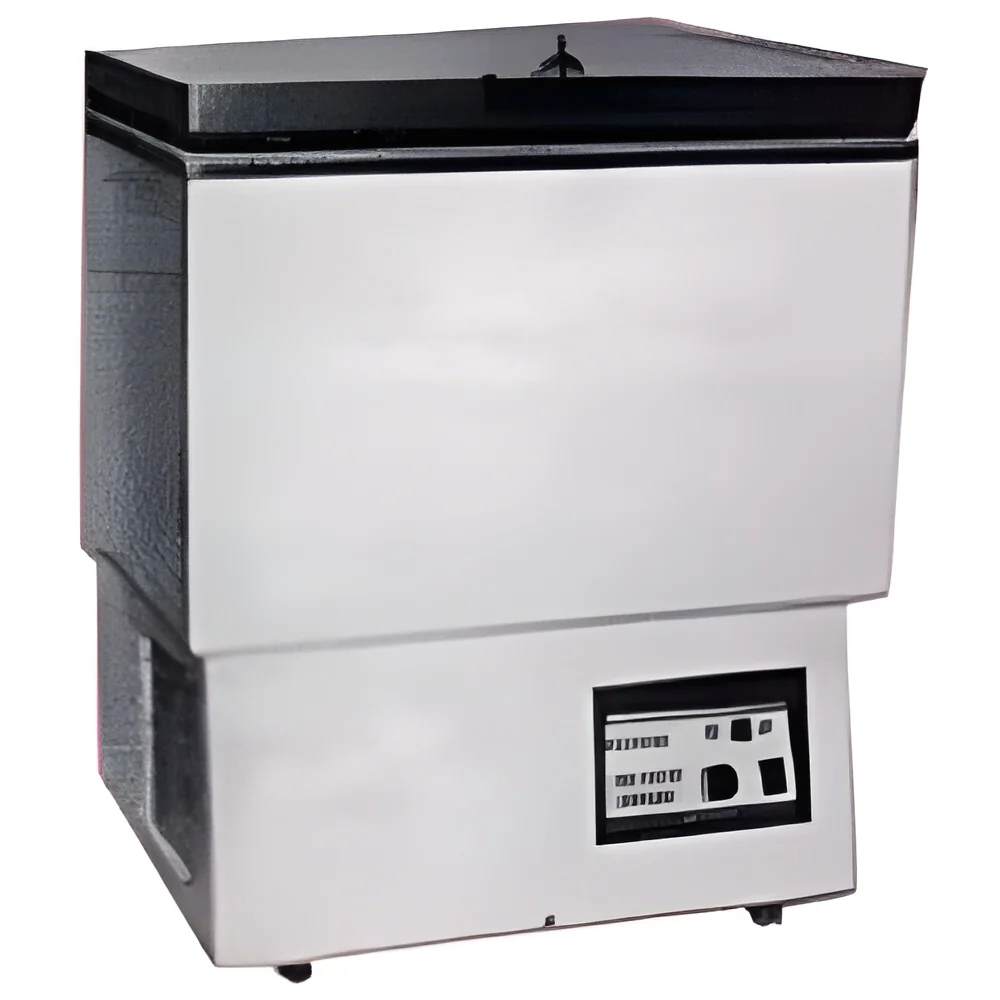
Refrigerated Vaccine Storage Unit
These larger units are suitable for hospitals and clinics with higher storage needs. They come equipped with robust safety features and can handle larger volumes of vaccines.
Benefits and Advantages
Sourcing WHO PQS Certified Equipment offers numerous advantages for healthcare providers and organizations involved in public health.
Key benefits include:
1. Assurance of Quality: Certification guarantees that the equipment meets international health standards, providing peace of mind for users.
2. Enhanced Vaccine Efficacy: Proper storage conditions help maintain the potency and effectiveness of vaccines, crucial for successful immunization programs.
3. Compliance with Regulations: Sourcing certified equipment ensures adherence to governmental and international regulations regarding vaccine storage and transportation.
4. Reduced Risk of Spoilage: Reliable monitoring systems minimize the risk of temperature excursions, protecting valuable medical supplies.
5. Versatility in Applications: The diverse range of equipment available can meet various needs across different healthcare settings.
6. Improved Operational Efficiency: User-friendly designs and robust features enhance efficiency in managing vaccine storage and distribution.
Buying Guide for B2B Buyers
When sourcing WHO PQS Certified Equipment, it is essential to consider several key factors to ensure the right selection for your organization.
1. Quality Assessment: Evaluate the quality standards that the equipment adheres to, ensuring it meets WHO PQS certification and other relevant industry benchmarks.
2. Supplier Verification: Conduct thorough research to verify suppliers' credibility. Look for established companies with a proven track record in providing certified equipment.
3. Pricing and MOQ: Understand the pricing structure, including any minimum order quantities (MOQ) that may apply. This information is crucial for budgeting and procurement planning.
4. Delivery and Lead Times: Discuss delivery options and lead times with suppliers to ensure timely delivery of equipment, especially for urgent needs.
5. Compliance Requirements: Familiarize yourself with local and international compliance requirements that the equipment must meet, ensuring it aligns with your operational needs.
Compliance and Certifications
WHO PQS Certified Equipment is subject to various quality standards and certifications that ensure its reliability and safety. Compliance with ISO 9001 is essential, as it outlines criteria for quality management systems in organizations. Additionally, adherence to HACCP (Hazard Analysis Critical Control Point) principles ensures that the equipment is safe for handling pharmaceuticals.
Industry certifications, such as CE marking, indicate that the equipment meets European safety, health, and environmental protection standards. This certification is crucial for gaining trust in international markets.
Safety and testing requirements play a vital role in ensuring that the equipment operates effectively under various conditions. Regular testing and maintenance are necessary to uphold compliance with these standards.
Moreover, regional compliance considerations may vary, so it is important to understand the specific regulations in different markets where the equipment will be used. This knowledge helps ensure that the equipment remains compliant and functional across various locations.
Why Source WHO PQS Certified Equipment from Pepagora?
Pepagora provides a trusted platform for sourcing WHO PQS Certified Equipment, offering several key advantages to buyers in the B2B space.
Verified Supplier Network: Pepagora has established a robust network of verified suppliers, ensuring that buyers can access high-quality equipment from reputable manufacturers. This verification process minimizes risks associated with sourcing.
Streamlined RFQ Process: The request for quotation (RFQ) system at Pepagora simplifies the purchasing process. Buyers can easily submit their requirements and receive competitive quotes from multiple suppliers, enhancing their options.
Trade Assurance and Support: Pepagora offers trade assurance to protect buyers from potential issues during the transaction. This support includes assistance in navigating any challenges that may arise, ensuring a smooth purchasing experience.
Regional Coverage: With a strong presence in regions such as India, the GCC, and Southeast Asia, Pepagora facilitates access to WHO PQS Certified Equipment across diverse markets. This regional coverage ensures that buyers can find suitable solutions tailored to their specific needs.

 IN
IN