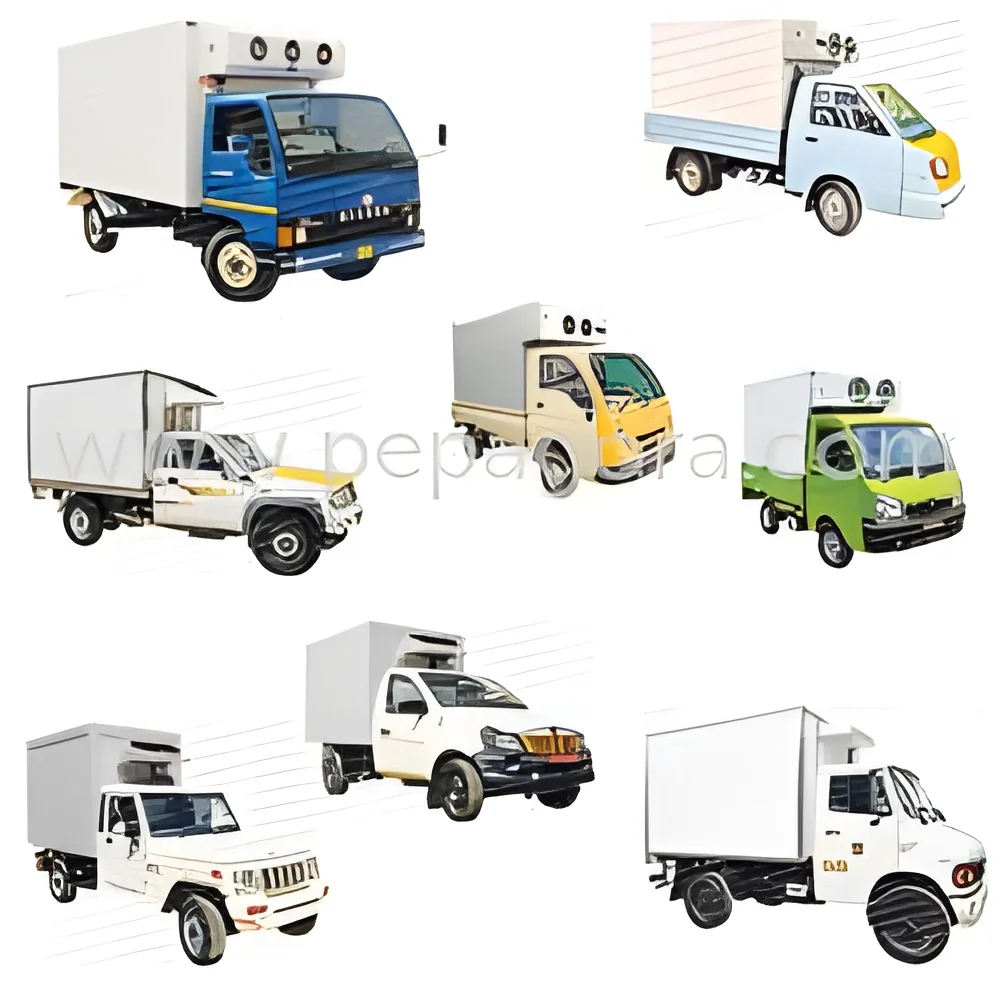
What are Refrigerated Vans & Transport Units?
Refrigerated vans and transport units are specialized vehicles designed to maintain low temperatures for transporting perishable goods. These vehicles are equipped with advanced refrigeration systems that ensure consistent temperature control, safeguarding the quality and safety of the products being transported. The insulation and cooling technology used in these units is crucial for preserving the integrity of food items, pharmaceuticals, and other temperature-sensitive products during transit.
The primary uses of refrigerated vans and transport units span various industries, including food and beverage, pharmaceuticals, and logistics. Businesses rely on these vehicles to transport items such as fresh produce, dairy products, meat, and vaccines that require strict temperature regulations. The ability to maintain specific temperature ranges during transportation not only helps businesses comply with health and safety regulations but also enhances their operational efficiency by minimizing spoilage.
In the current market, the demand for refrigerated transport solutions continues to grow, driven by the increasing global trade of perishable goods and a heightened awareness of food safety. As e-commerce expands, more companies are investing in refrigerated transport to meet consumer expectations for fresh products. This sector is critical for maintaining supply chain integrity and ensuring that quality products reach their destinations in optimal condition.
Key Features and Specifications
Refrigerated vans and transport units come with a variety of features designed to ensure efficient cold chain management. These specifications are essential for businesses looking to maintain product quality during transit.
Key specifications include:
1. Temperature Control
- Maintains specific temperature settings to preserve product integrity
- Typically ranges from -20°C to +10°C depending on the product type
2. Insulation Quality
- High-grade insulation materials to minimize heat transfer
- Ensures energy efficiency and temperature stability
3. Refrigeration System
- Advanced compressor technology for reliable cooling
- Options for both direct and indirect refrigeration systems
4. Monitoring Systems
- Integrated temperature logging and monitoring features
- Real-time alerts for temperature deviations
5. Vehicle Size and Capacity
- Available in various sizes to accommodate different load capacities
- Common configurations include small vans to large trucks
6. Energy Efficiency
- Eco-friendly refrigerants and energy-saving designs
- Contributes to lower operational costs
7. Compliance Features
- Designed to meet industry regulations and standards
- Features for monitoring and maintaining hygiene
8. Customization Options
- Ability to tailor units for specific business needs
- Variations in shelving, racks, and internal layout
These features enhance the functionality of refrigerated vans and transport units, making them indispensable for businesses that prioritize product quality.
Common Applications and Use Cases
Refrigerated vans and transport units serve various industries, each with specific applications:
1. Food and Beverage: These vehicles are essential for transporting fresh produce, dairy products, and frozen goods, ensuring that they meet safety standards and remain unspoiled.
2. Pharmaceuticals: Refrigerated transport is critical for delivering vaccines, biologics, and other temperature-sensitive medications that require strict temperature control during transit.
3. Floral Industry: Florists use refrigerated vans to deliver fresh flowers and plants, maintaining their quality and extending their shelf life.
4. Catering Services: Catering companies rely on refrigerated transport to deliver prepared meals and ingredients, ensuring they remain fresh until served.
5. E-commerce: Online grocery and meal delivery services utilize refrigerated vans to transport perishable items directly to consumers, enhancing customer satisfaction.
6. Chemical Industry: Certain chemicals require temperature regulation during transport to ensure safety and efficacy.
7. Veterinary Supplies: Refrigerated transport is used for delivering temperature-sensitive veterinary medications and biological samples.
Product Variants and Subcategories
Refrigerated vans and transport units come in various models to cater to diverse customer needs.
Lightweight Refrigerated Vans: These vans are perfect for urban deliveries, offering excellent maneuverability while ensuring temperature control for perishable goods.
Medium-Duty Refrigerated Trucks: Suitable for transporting larger quantities, these trucks provide enhanced refrigeration capabilities and are ideal for regional distribution.
Heavy-Duty Refrigerated Trailers: Designed for long-haul transport, these trailers offer substantial storage capacity and advanced insulation for maintaining low temperatures over extended distances.
Benefits and Advantages
Investing in refrigerated vans and transport units presents numerous advantages for businesses.
Key benefits include:
1. Enhanced Product Quality: Maintains the freshness and safety of perishable goods, reducing spoilage and waste.
2. Improved Compliance: Helps businesses adhere to health and safety regulations, protecting them from penalties and enhancing their reputation.
3. Increased Efficiency: Streamlines the supply chain process, allowing for quicker deliveries and improved customer satisfaction.
4. Cost Savings: Reduces losses from spoilage and allows businesses to expand into new markets with temperature-sensitive products.
5. Versatile Applications: Suitable for a wide range of industries, providing flexibility in product transport.
6. Advanced Technology: Incorporates modern monitoring and refrigeration systems, ensuring reliability and performance.
Buying Guide for B2B Buyers
When sourcing refrigerated vans and transport units, it is essential for businesses to consider several factors for a successful purchase.
1. Quality Assessment: Evaluate the build quality and materials used in construction. Look for units that meet industry standards and have positive reviews from other users.
2. Supplier Verification: Ensure that suppliers are reputable and have a history of delivering reliable products. Check certifications and customer feedback to validate their credibility.
3. Pricing and MOQ: Understand the cost structure and minimum order quantities. Compare prices among suppliers to ensure competitive pricing while considering total cost of ownership.
4. Delivery and Lead Times: Discuss logistics and ensure that the delivery schedule aligns with your business needs to avoid disruptions in your operations.
5. Compliance Requirements: Familiarize yourself with regional regulations and standards applicable to refrigerated transport to ensure compliance and avoid potential fines.
Compliance and Certifications
Refrigerated vans and transport units must adhere to various compliance standards to ensure they meet industry requirements. Key quality standards include ISO 9001, which focuses on maintaining quality management systems. Additionally, HACCP (Hazard Analysis and Critical Control Points) is essential for food safety, ensuring that products are handled and transported safely.
The CE mark indicates that the vehicles meet European safety, health, and environmental protection requirements. This certification is critical for businesses operating in or exporting to European markets.
Safety and testing requirements are paramount, with many manufacturers conducting rigorous testing to ensure that their units can maintain the necessary temperature ranges under various conditions. Compliance with local regulations also varies, and businesses should be aware of specific requirements in their operational regions.
Why Source Refrigerated Vans & Transport Units from Pepagora?
Pepagora provides a trusted platform for sourcing refrigerated vans and transport units, offering several key advantages to B2B buyers.
Verified Supplier Network: Pepagora connects buyers with a network of verified suppliers, ensuring that all vendors meet industry standards for quality and reliability. This verification process helps mitigate risks associated with sourcing.
Streamlined RFQ Process: The platform simplifies the request for quotation process, allowing buyers to easily compare offerings from multiple suppliers. This efficiency saves time and helps in making informed purchasing decisions.
Trade Assurance and Support: Buyers benefit from trade assurance measures that protect their investments. Pepagora provides support throughout the purchasing process, ensuring smooth transactions and addressing any concerns.
Regional Coverage: With a strong presence in India, the GCC, and Southeast Asia, Pepagora offers extensive regional coverage, making it easier for businesses to find suppliers that meet their logistical needs.
By choosing Pepagora, businesses can confidently source refrigerated vans and transport units that align with their operational requirements and enhance their supply chain efficiency.

 IN
IN