
 IN
Ethnic & Cultural Clothing
1007 products available
𝗪𝗵𝗮𝘁 𝗮𝗿𝗲 𝗘𝘁𝗵𝗻𝗶𝗰 & 𝗖𝘂𝗹𝘁𝘂𝗿𝗮𝗹 𝗖𝗹𝗼𝘁𝗵𝗶𝗻𝗴?
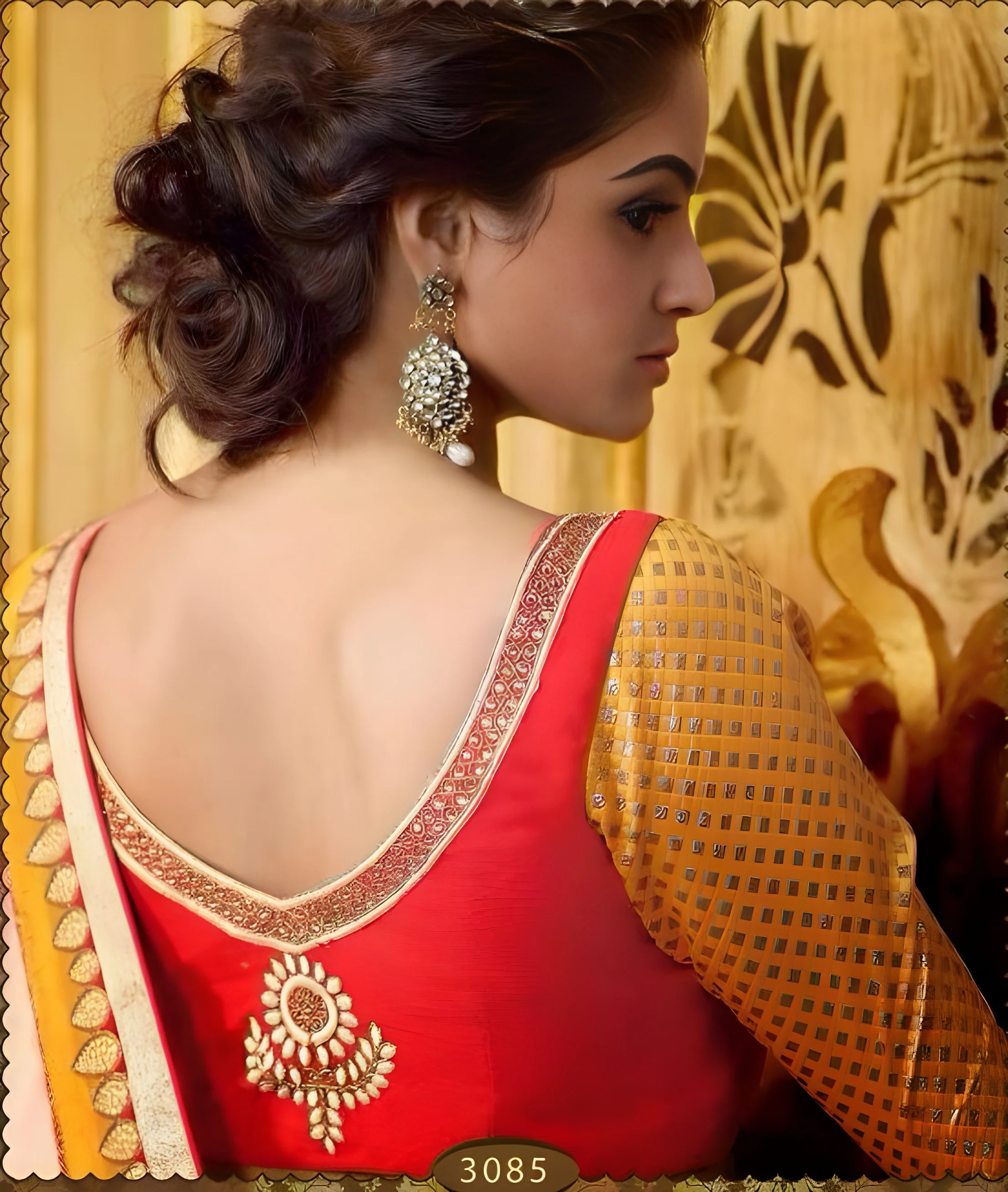
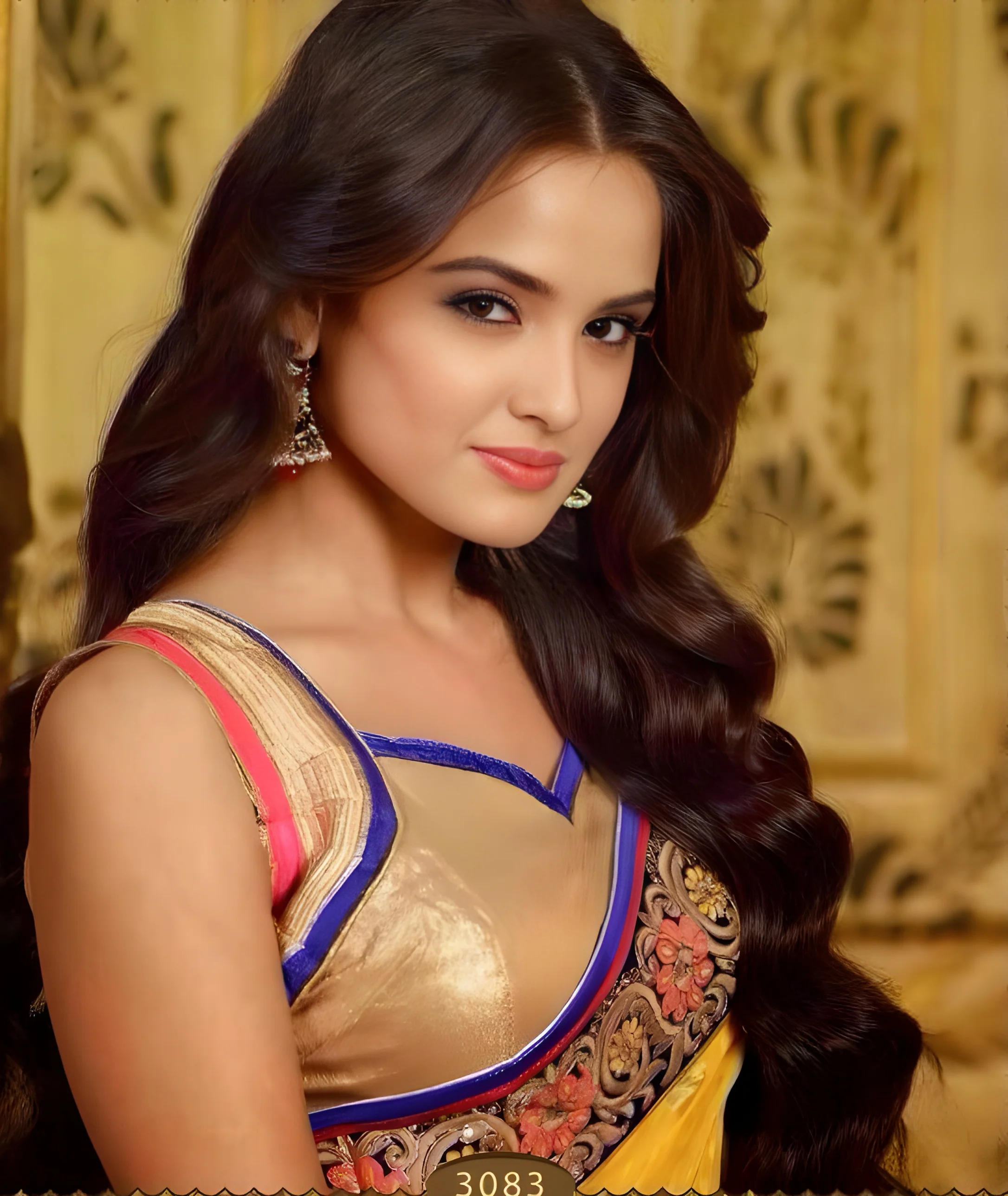
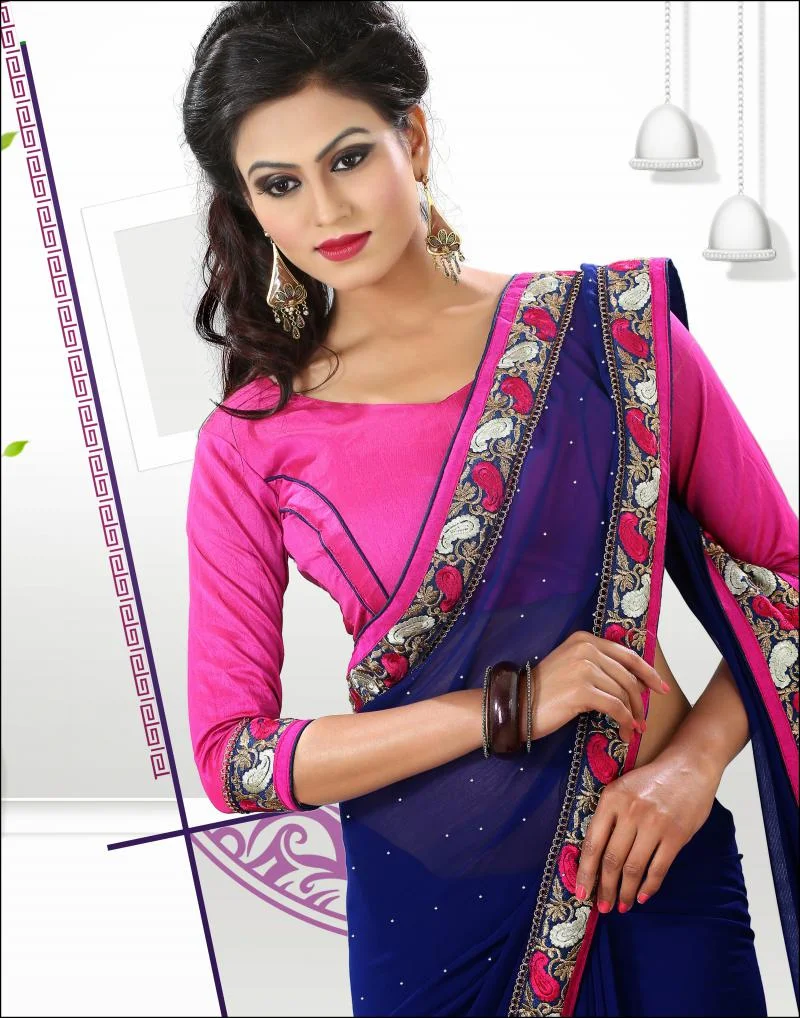
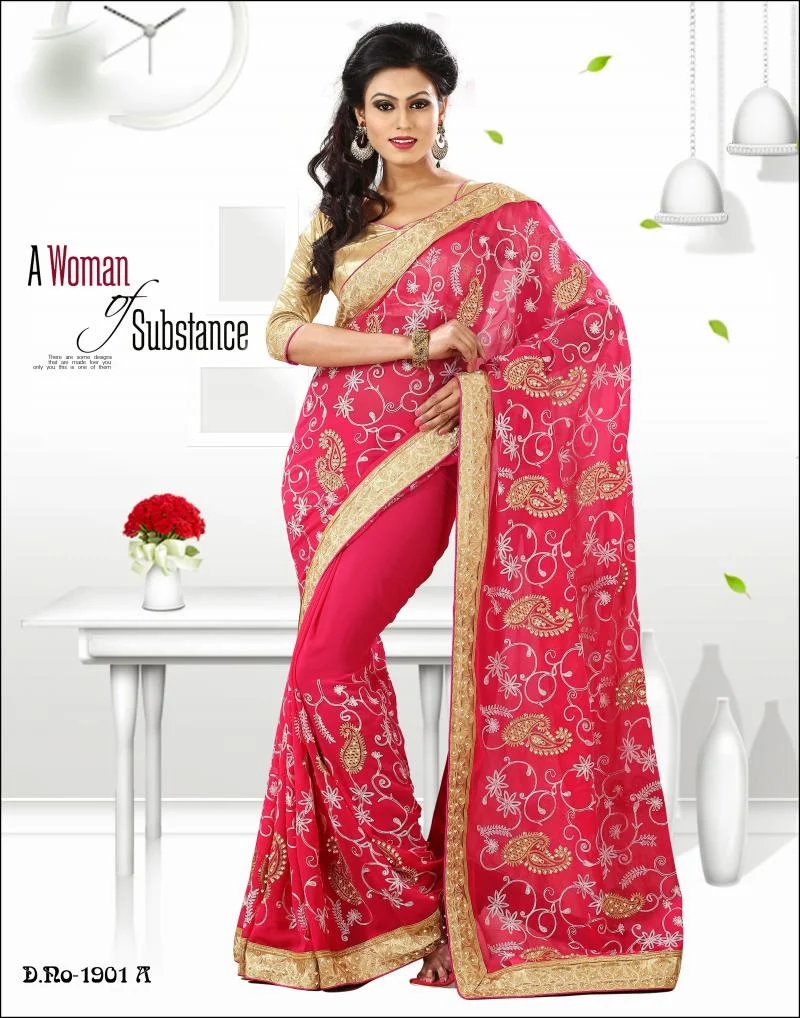
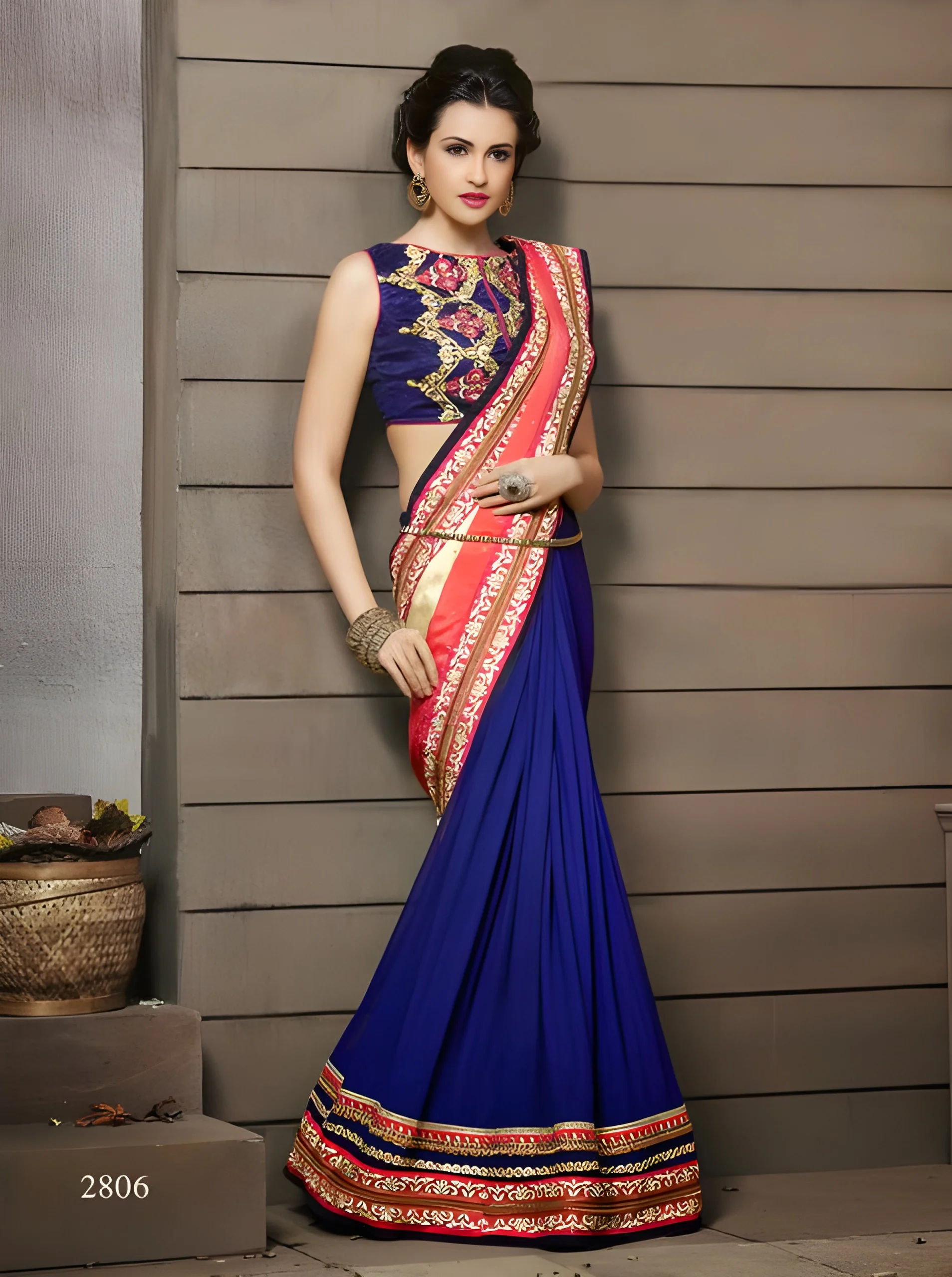
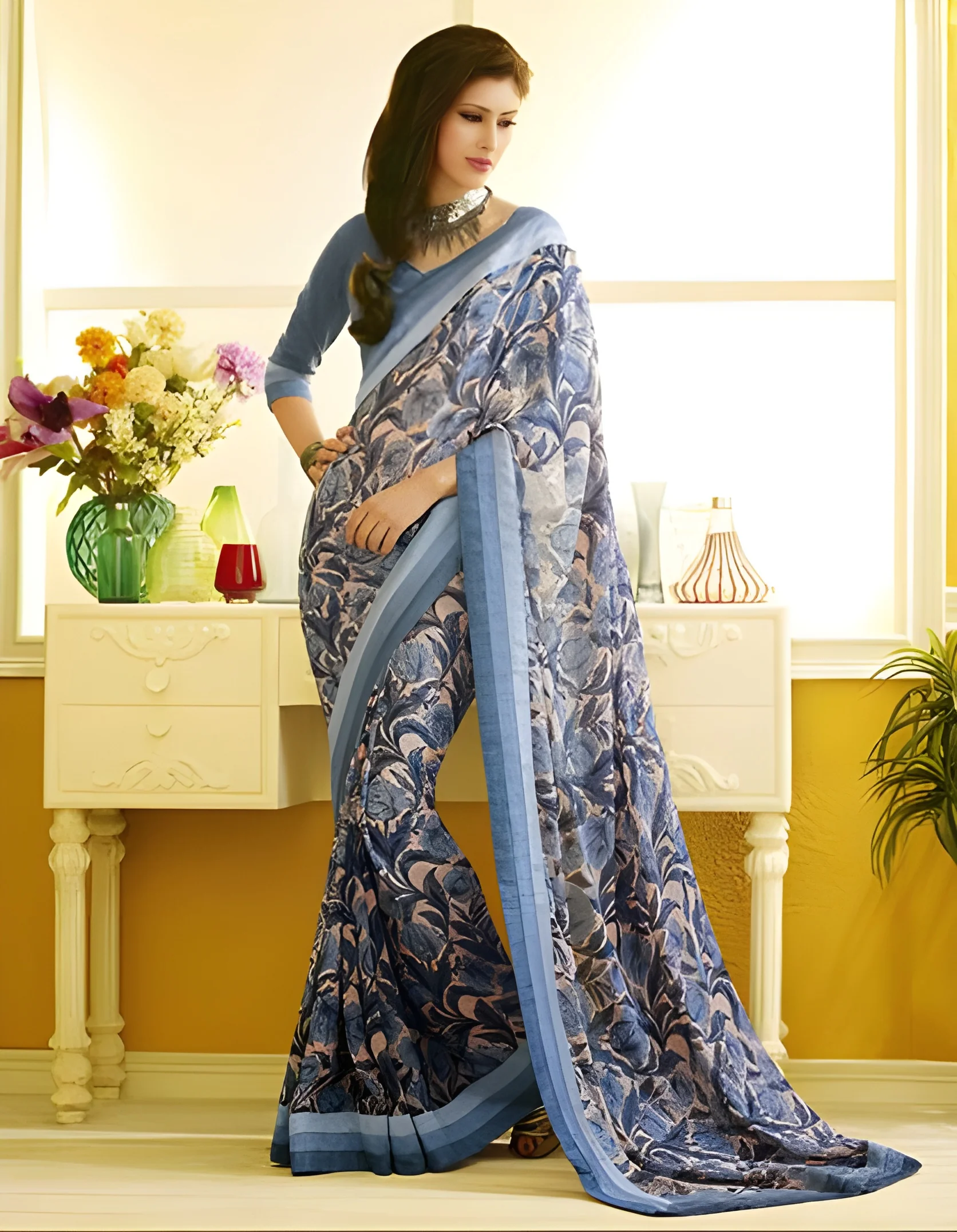
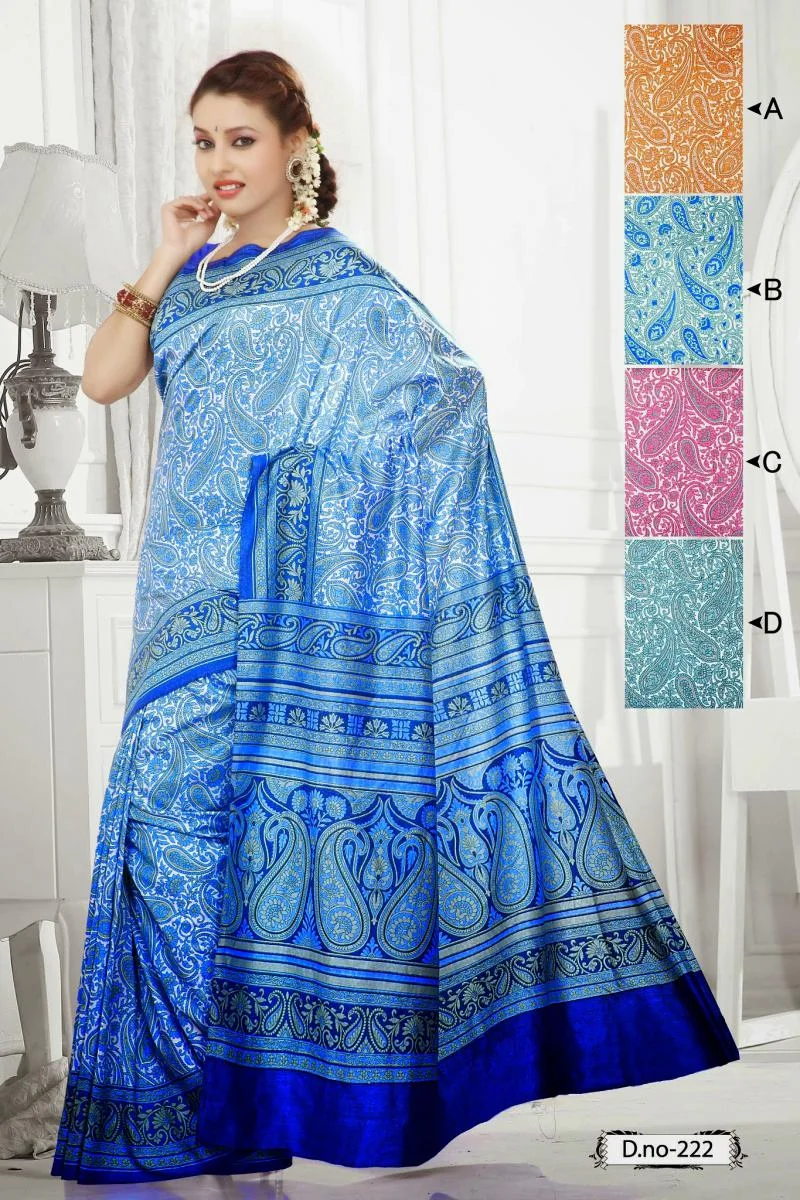
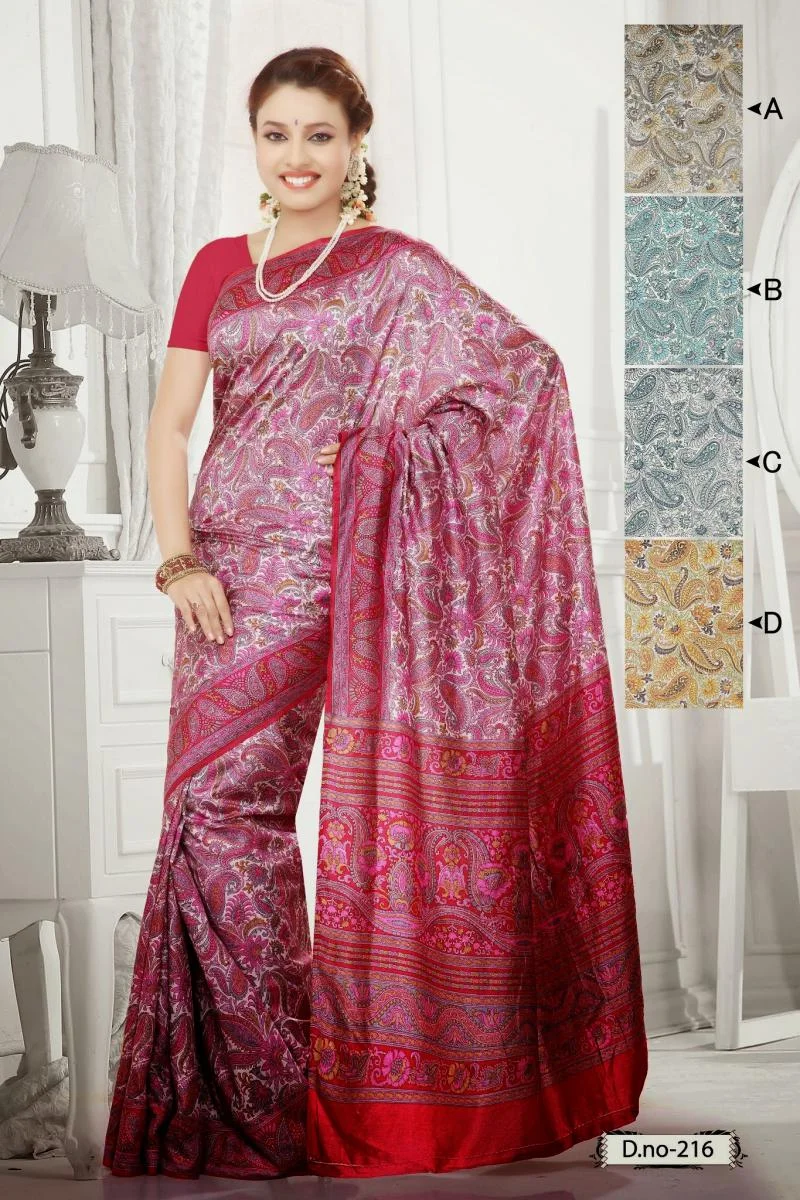
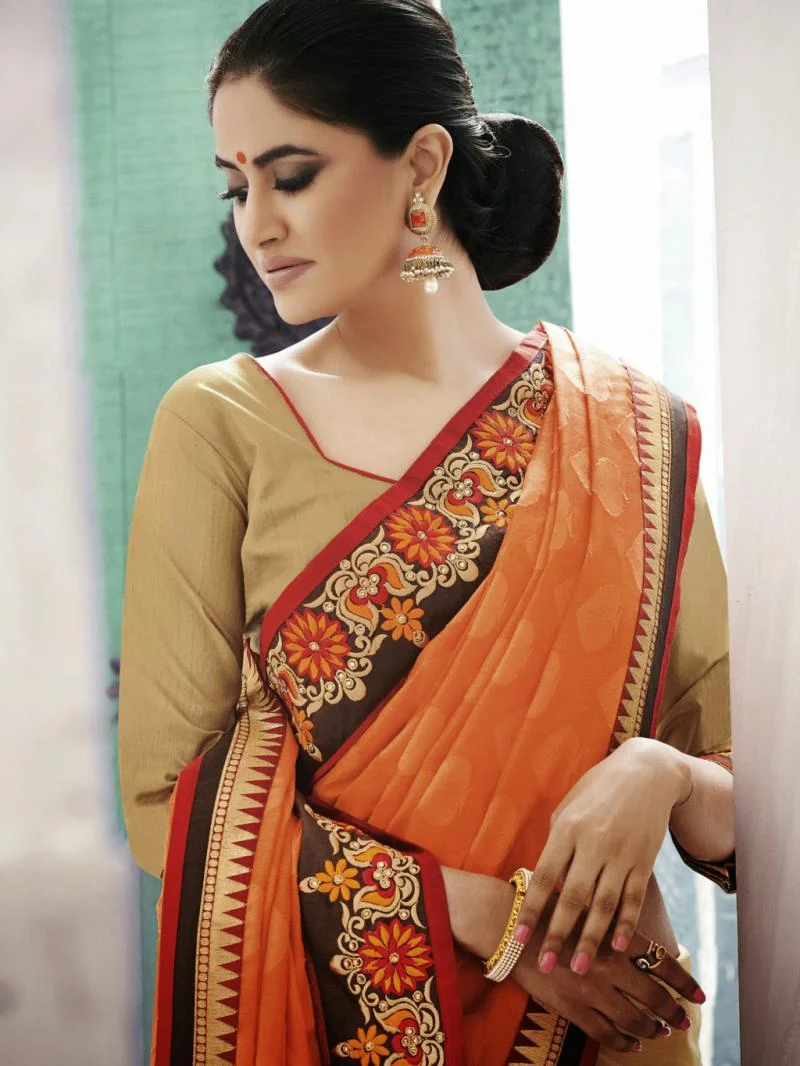
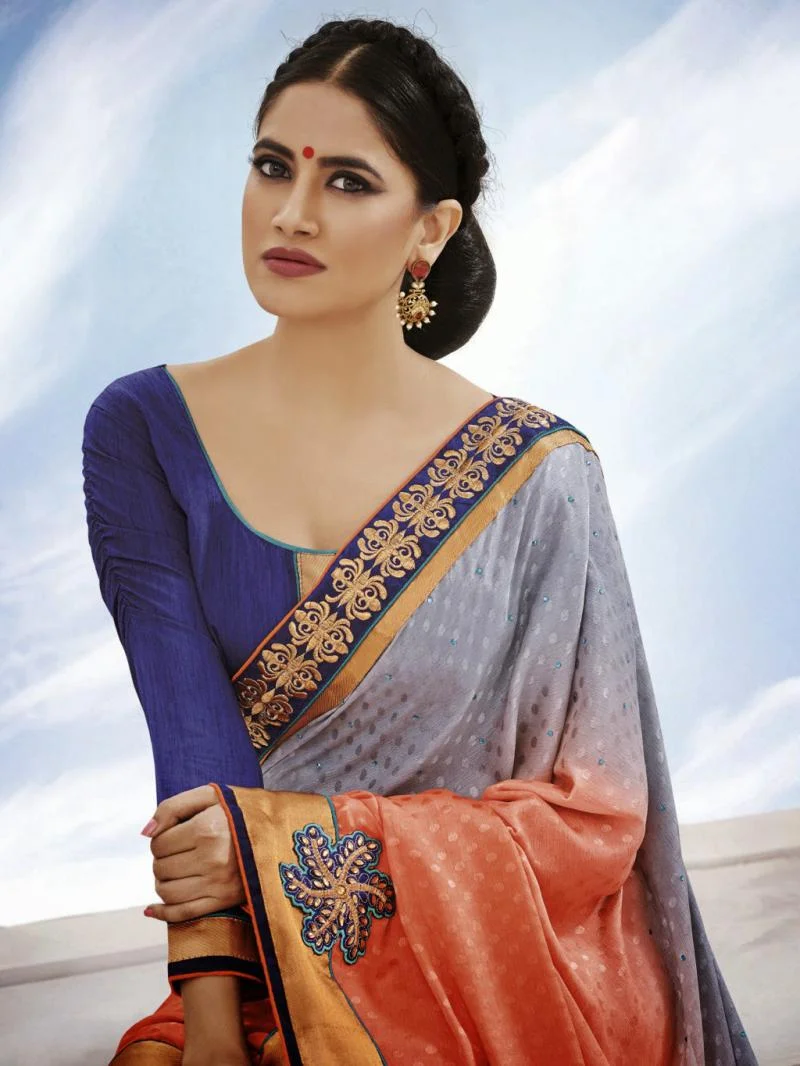
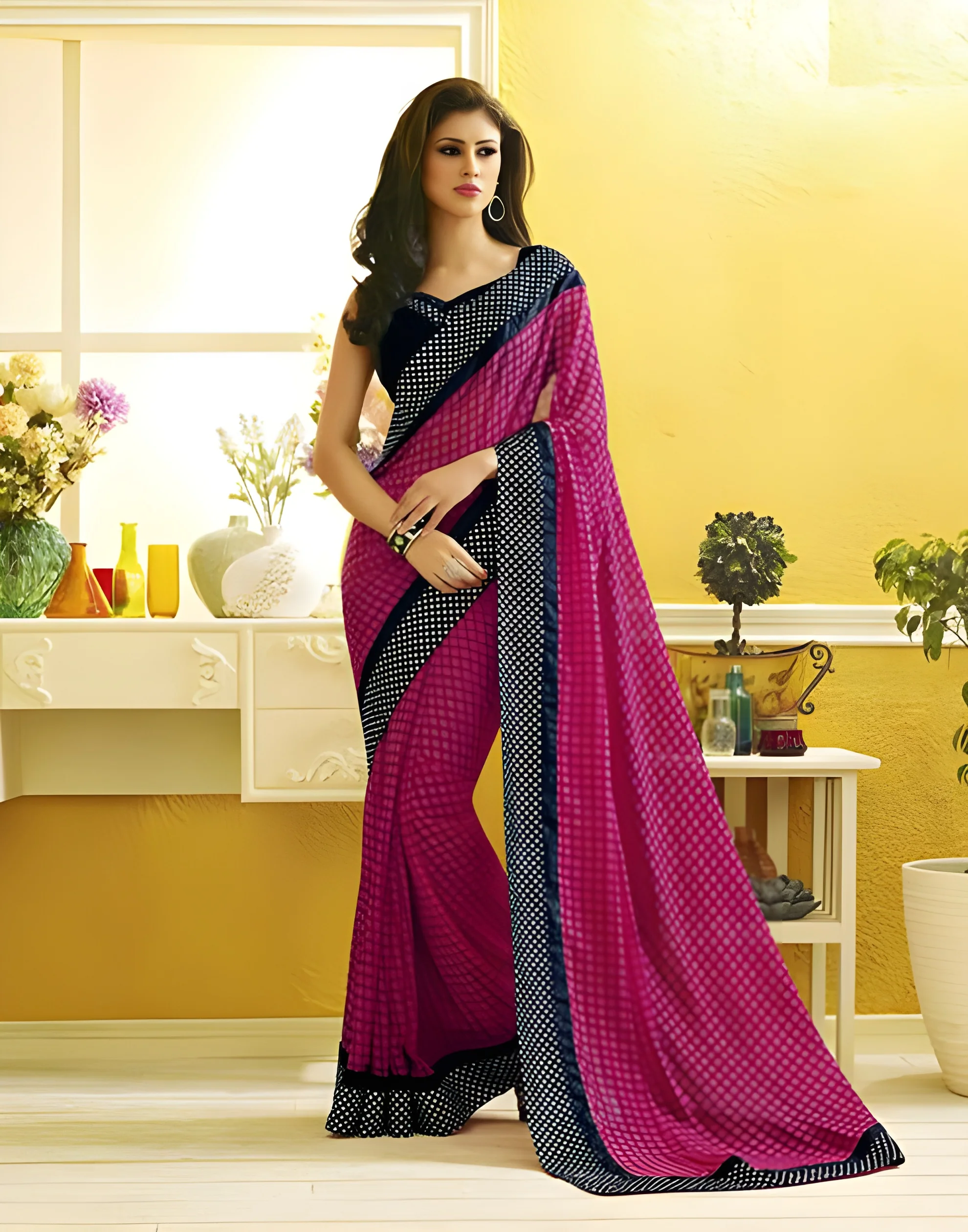
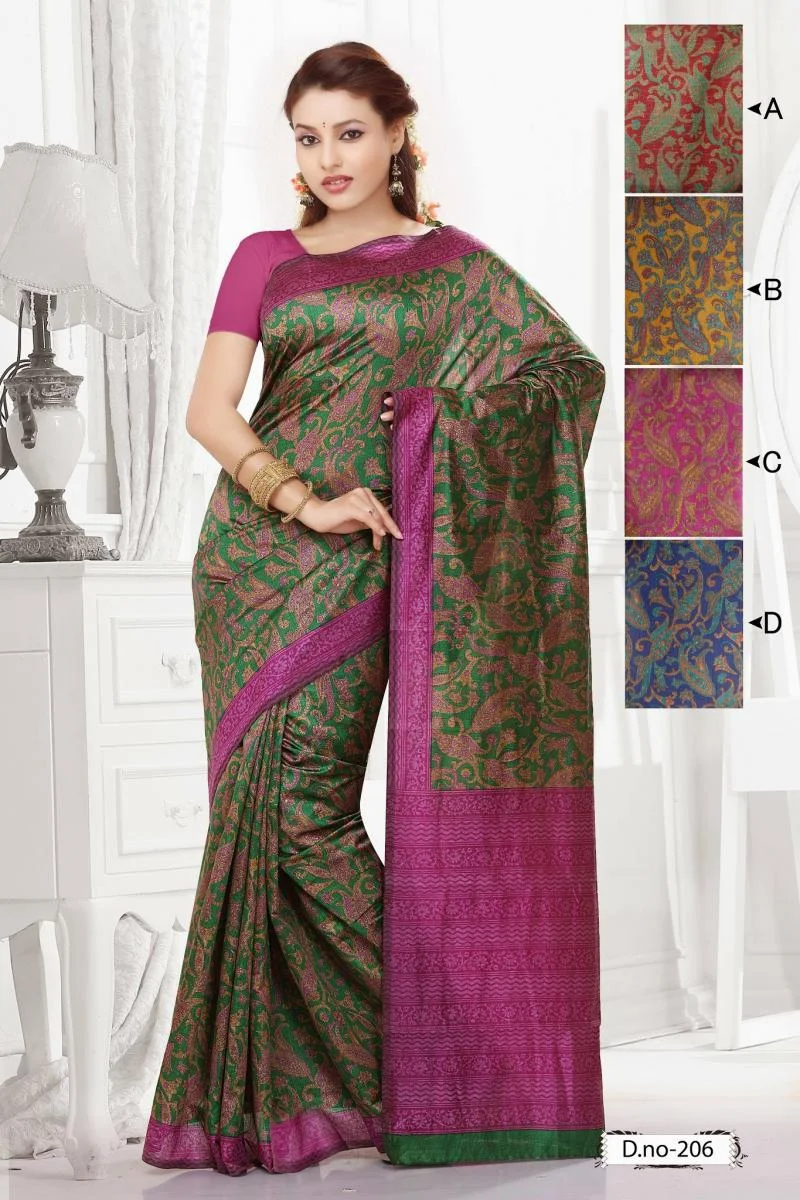
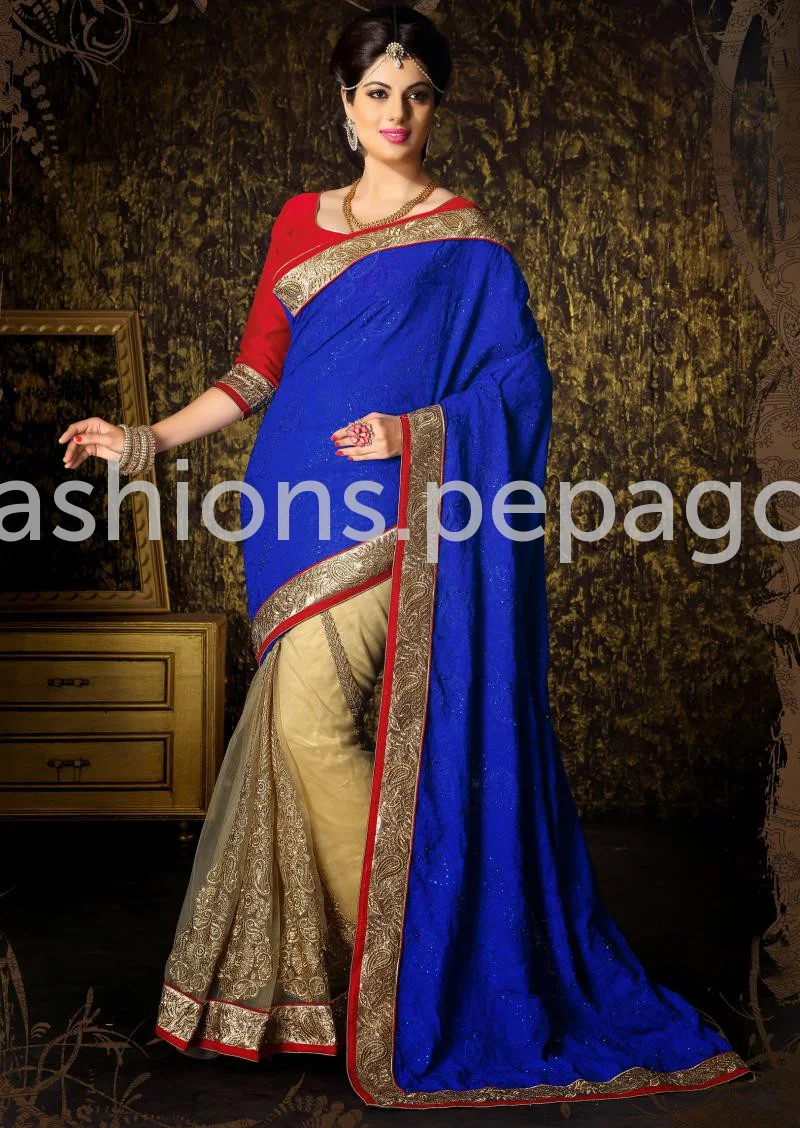
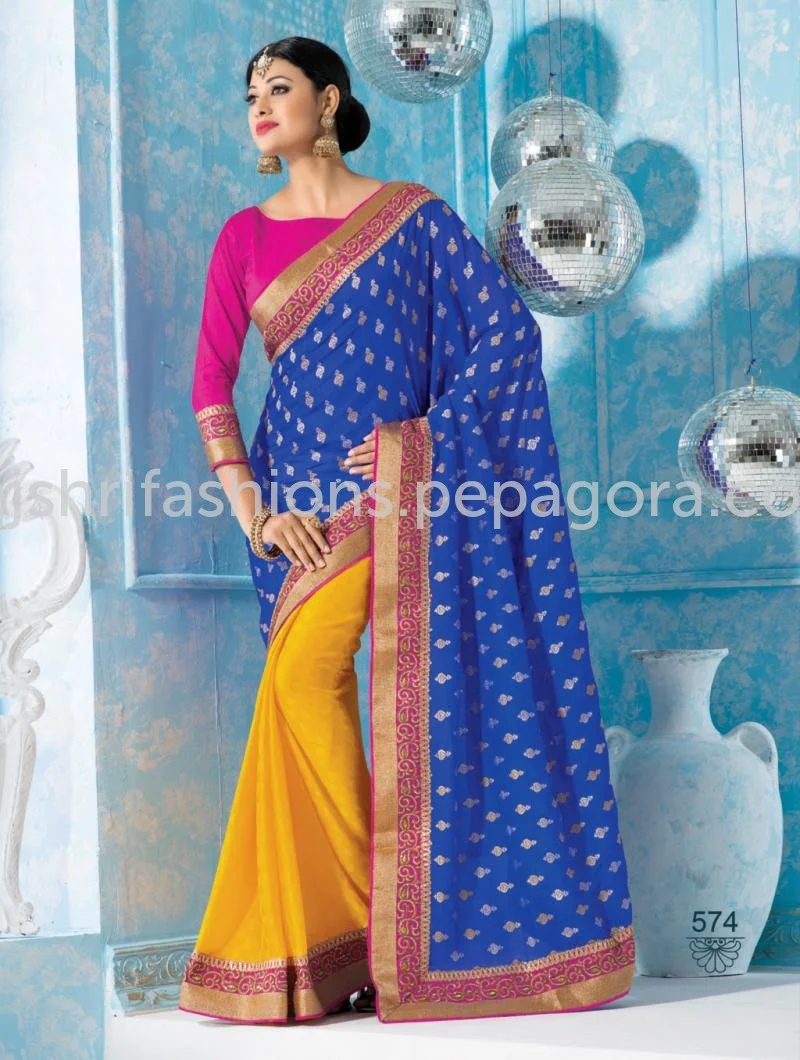
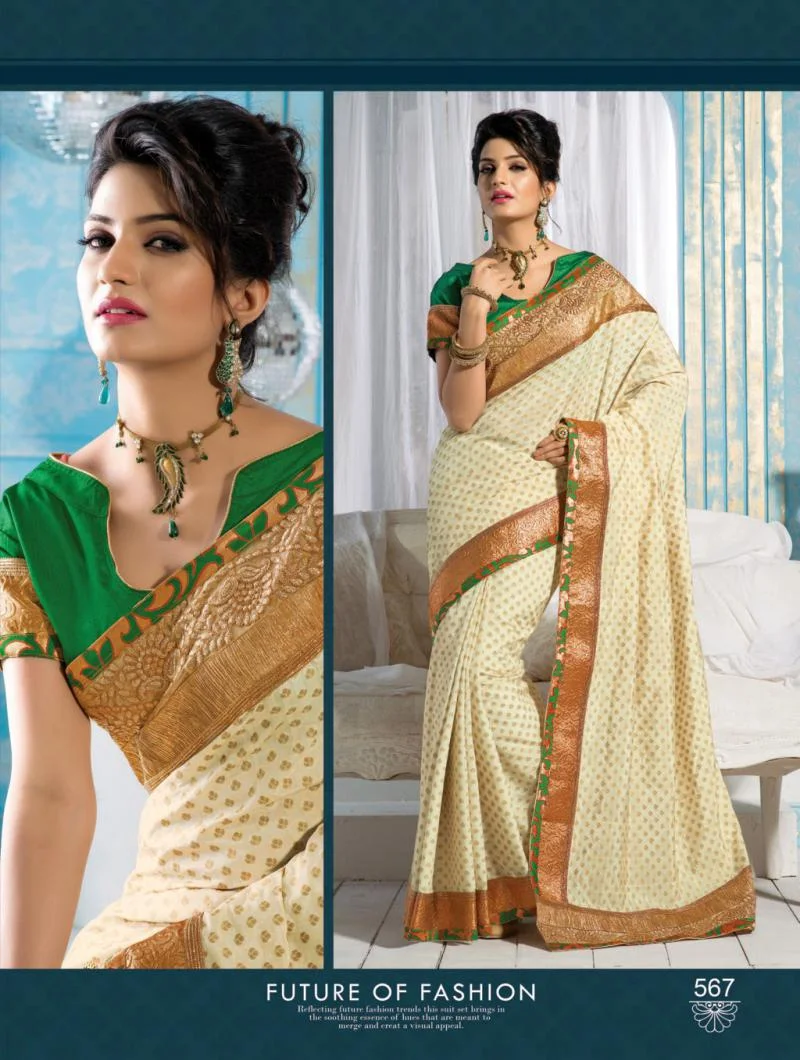
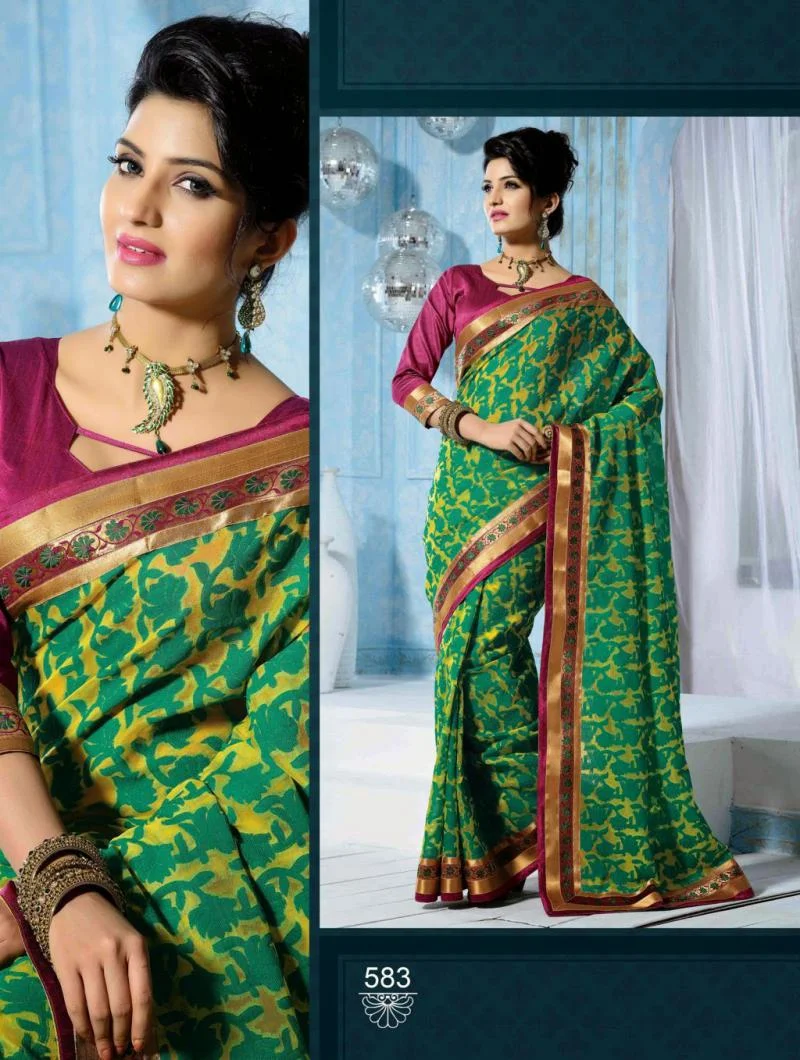
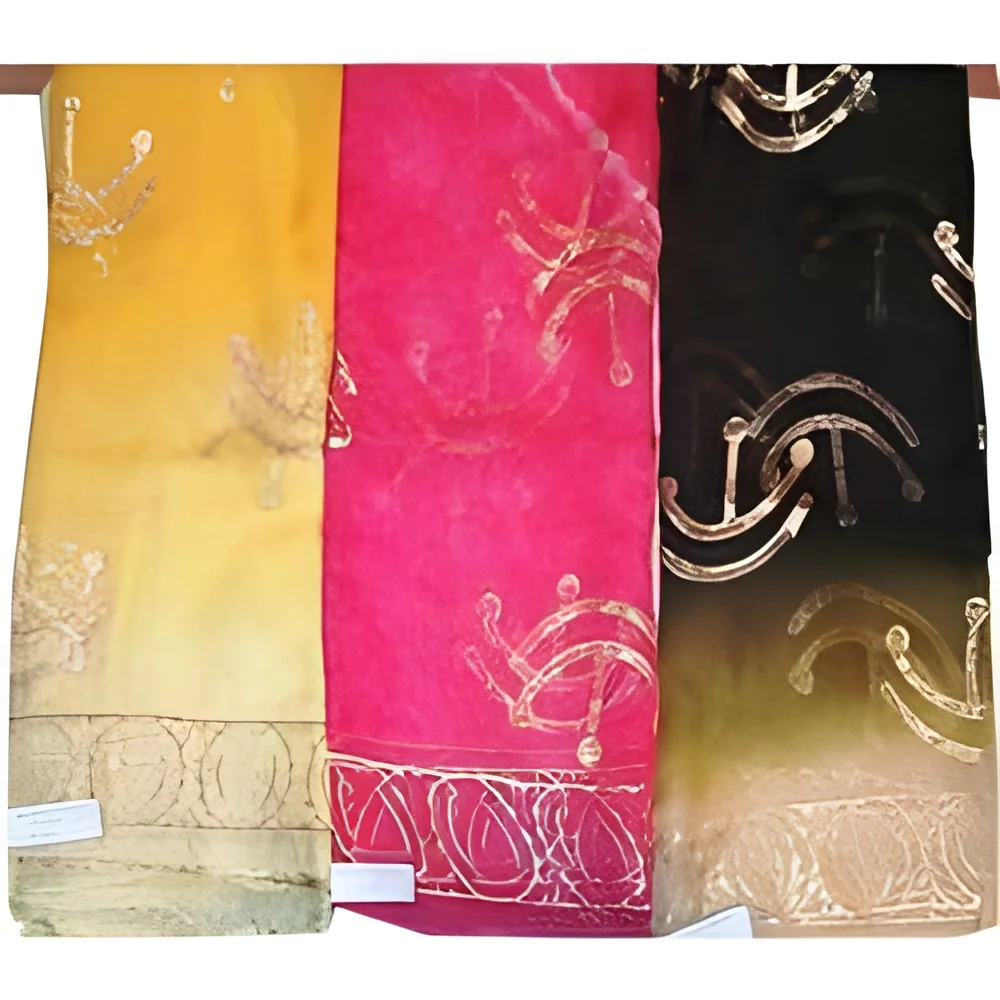
Ethnic and cultural clothing represents traditional garments that reflect the heritage and identity of various communities around the world. These garments are often characterized by distinctive patterns, colors, and styles that are unique to a specific culture or region. They can range from everyday wear to ceremonial attire, often made from traditional fabrics and incorporating specific cultural symbols or motifs.
In the business context, ethnic and cultural clothing is utilized for various purposes, including retail fashion, cultural events, festivals, and celebrations. Businesses that cater to niche markets often find that offering these garments can enhance their product lines and appeal to consumers seeking authenticity and cultural connections. The market for ethnic and cultural clothing continues to grow, driven by increasing globalization and the desire for cultural expression.
The relevance of ethnic and cultural clothing in today's industry is significant, as businesses seek to diversify their offerings and connect with consumers on a deeper level. As cultural appreciation increases, the demand for authentic, high-quality ethnic clothing has surged, creating opportunities for suppliers and manufacturers in this vibrant market.
𝗞𝗲𝘆 𝗙𝗲𝗮𝘁𝘂𝗿𝗲𝘀 𝗮𝗻𝗱 𝗦𝗽𝗲𝗰𝗶𝗳𝗶𝗰𝗮𝘁𝗶𝗼𝗻𝘀
Ethnic and cultural clothing is marked by several key features that distinguish it from conventional apparel. These features not only enhance the aesthetic appeal but also ensure cultural authenticity.
Key specifications include:
1. Fabric Type
- Commonly used fabrics include cotton, silk, wool, and linen.
- Specific fabrics may vary based on regional traditions.
2. Design Elements
- Incorporation of traditional patterns, embroidery, and embellishments.
- Designs often reflect cultural symbols and meanings.
3. Sizing Options
- Sizes can vary widely based on cultural standards.
- Custom sizing may be available to accommodate diverse body types.
4. Color Palettes
- Use of vibrant colors that hold cultural significance.
- Seasonal color trends may influence fabric choices.
5. Production Techniques
- Handcrafted methods often employed for authenticity.
- Machine-made options available for broader distribution.
6. Durability
- Emphasis on quality to ensure longevity.
- Resistance to wear and tear based on fabric type.
7. Care Instructions
- Specific washing and maintenance guidelines based on fabric.
- Recommendations for preserving colors and textures.
8. Compliance Standards
- Adherence to local and international textile regulations.
- Certifications may include eco-friendly practices.
These specifications are essential for businesses looking to source or manufacture ethnic and cultural clothing, ensuring authenticity and quality in their offerings.
𝗖𝗼𝗺𝗺𝗼𝗻 𝗔𝗽𝗽𝗹𝗶𝗰𝗮𝘁𝗶𝗼𝗻𝘀 𝗮𝗻𝗱 𝗨𝘀𝗲 𝗖𝗮𝘀𝗲𝘀
Ethnic and cultural clothing finds its place in various industries, serving unique purposes in each sector.
1. Retail Fashion: Many boutiques specialize in ethnic wear, attracting customers interested in cultural fashion trends and unique styles.
2. Event Planning: Cultural attire is vital for events such as weddings, festivals, and cultural celebrations, providing authenticity to the overall theme.
3. Tourism: Souvenir shops often sell ethnic clothing, appealing to tourists seeking to take a piece of culture home.
4. Performing Arts: Theatrical productions and dance performances frequently use ethnic garments to represent cultural narratives authentically.
5. Education: Institutions may use cultural attire in educational programs to teach students about diversity and global heritage.
6. Corporate Events: Companies may incorporate ethnic wear during cultural diversity days or international celebrations to promote inclusivity.
7. Cultural Organizations: Groups dedicated to preserving cultural heritage often utilize traditional clothing in their activities and outreach programs.
𝗣𝗿𝗼𝗱𝘂𝗰𝘁 𝗩𝗮𝗿𝗶𝗮𝗻𝘁𝘀 𝗮𝗻𝗱 𝗦𝘂𝗯𝗰𝗮𝘁𝗲𝗴𝗼𝗿𝗶𝗲𝘀
Ethnic and cultural clothing is diverse, offering a variety of styles tailored to different cultural contexts and consumer preferences.
Traditional Garments
These are the original clothing pieces that represent a specific culture, often worn during important ceremonies and festivals. They are characterized by unique patterns and traditional craftsmanship.
Casual Wear
This variant includes everyday clothing that incorporates ethnic designs, suitable for daily use while still reflecting cultural heritage. These garments are often more accessible and comfortable.
Ceremonial Attire
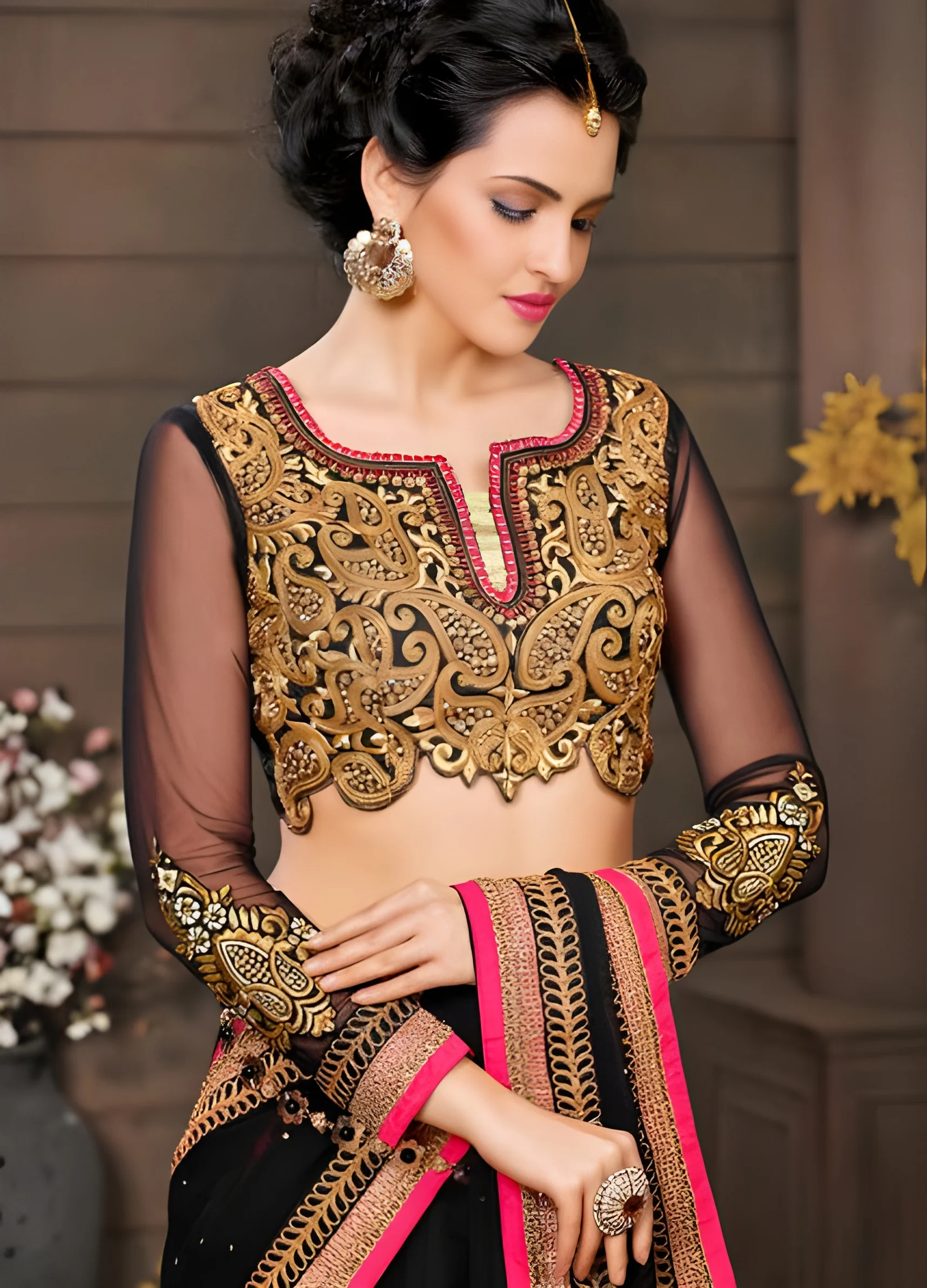
Designed for special occasions, ceremonial attire is often more elaborate and may include intricate embroidery and embellishments. These garments are typically worn during weddings, religious ceremonies, and cultural festivals.
Fusion Wear
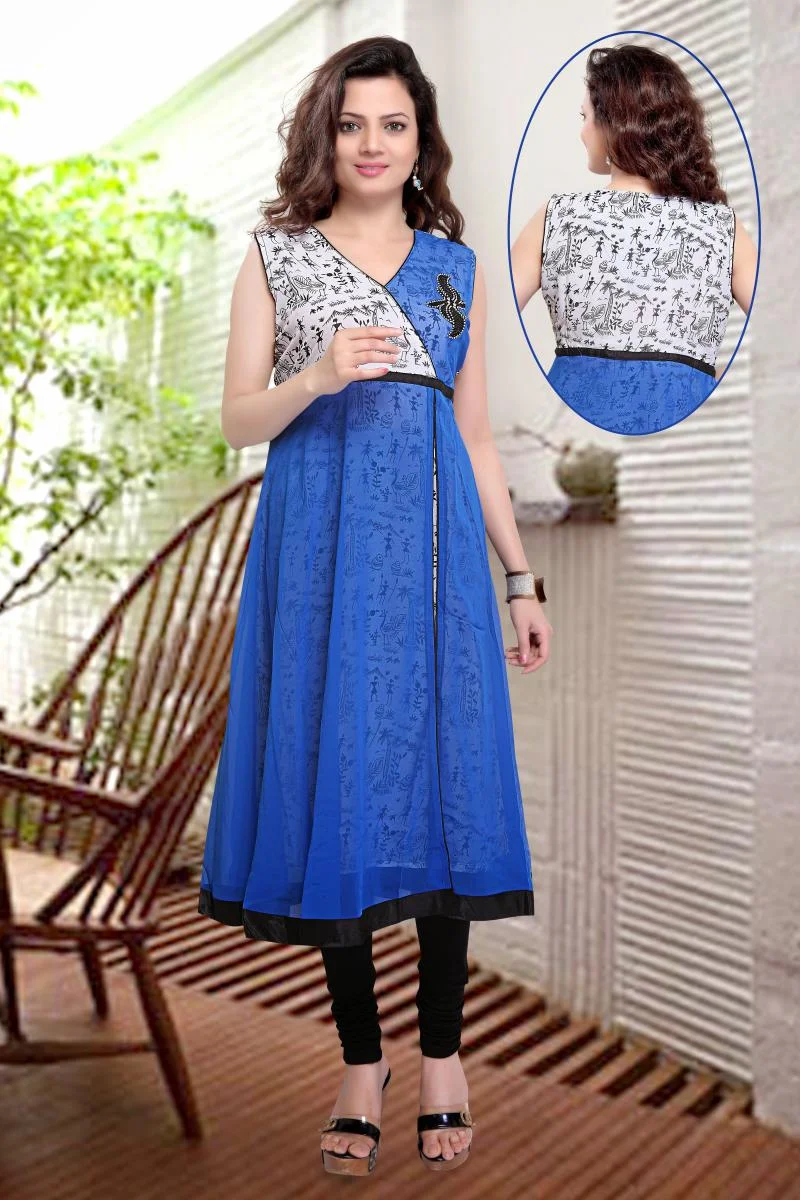
This modern take on ethnic clothing blends traditional designs with contemporary styles. Fusion wear is popular among younger consumers looking for a unique fashion statement.
𝗕𝗲𝗻𝗲𝗳𝗶𝘁𝘀 𝗮𝗻𝗱 𝗔𝗱𝘃𝗮𝗻𝘁𝗮𝗴𝗲𝘀
Ethnic and cultural clothing offers numerous benefits for both consumers and businesses.
Key benefits include:
1. Cultural Representation: Wearing ethnic clothing allows individuals to express their cultural identity and heritage.
2. Market Differentiation: Businesses can stand out by offering unique, culturally rich products that appeal to diverse consumer bases.
3. Quality Craftsmanship: Many ethnic garments are handcrafted, ensuring high quality and attention to detail.
4. Sustainable Practices: Traditional production methods often emphasize sustainability and ethical labor practices.
5. Growing Market Demand: Increasing interest in cultural fashion creates opportunities for businesses to tap into a growing market segment.
6. Customization Options: Many suppliers offer customization options to meet specific cultural or personal preferences.
𝗕𝘂𝘆𝗶𝗻𝗴 𝗚𝘂𝗶𝗱𝗲 𝗳𝗼𝗿 𝗕𝟮𝗕 𝗕𝘂𝘆𝗲𝗿𝘀
When sourcing ethnic and cultural clothing, businesses should consider several important factors.
1. Quality Assessment: Evaluate the quality of fabrics and craftsmanship to ensure the garments meet market standards. Request samples when possible to assess durability and comfort.
2. Supplier Verification: Conduct thorough research on suppliers to confirm their legitimacy and reputation in the industry. Look for reviews and testimonials from previous clients.
3. Pricing and MOQ: Understand the pricing structure and minimum order quantities (MOQ) to align with your budget and inventory needs. Negotiate terms that are favorable for both parties.
4. Delivery and Lead Times: Clarify delivery timelines and logistics to ensure timely fulfillment of orders. Consider suppliers who can accommodate your schedule.
5. Compliance Requirements: Be aware of any regulatory compliance needed for importing or selling ethnic clothing in your region. This may include safety standards and labeling requirements.
𝗖𝗼𝗺𝗽𝗹𝗶𝗮𝗻𝗰𝗲 𝗮𝗻𝗱 𝗖𝗲𝗿𝘁𝗶𝗳𝗶𝗰𝗮𝘁𝗶𝗼𝗻𝘀
Ethnic and cultural clothing must adhere to various compliance standards and certifications to ensure safety and quality.
Relevant quality standards include ISO 9001, which focuses on quality management systems, ensuring consistent production processes, and meeting customer satisfaction.
Industry certifications such as UL and CE indicate that products meet specific safety and performance standards. These certifications are crucial when entering markets that require compliance with stringent regulations.
Additionally, safety and testing requirements may vary depending on the fabric and intended use of the clothing. It is essential for businesses to conduct thorough testing to avoid any potential hazards.
Regional compliance considerations also play a role in sourcing ethnic clothing. Different countries may have specific regulations regarding textiles, labeling, and environmental impact. Understanding these requirements is vital for successful market entry.
𝗪𝗵𝘆 𝗦𝗼𝘂𝗿𝗰𝗲 𝗘𝘁𝗵𝗻𝗶𝗰 & 𝗖𝘂𝗹𝘁𝘂𝗿𝗮𝗹 𝗖𝗹𝗼𝘁𝗵𝗶𝗻𝗴 𝗳𝗿𝗼𝗺 𝗣𝗲𝗽𝗮𝗴𝗼𝗿𝗮?
Pepagora provides a trusted platform for sourcing ethnic and cultural clothing, offering several key advantages for businesses.
Verified Supplier Network: Pepagora has a robust system for vetting suppliers, ensuring that buyers can access high-quality products from reputable manufacturers. This network enhances trust and reliability in the sourcing process.
Streamlined RFQ Process: The platform simplifies the Request for Quotation (RFQ) process, allowing buyers to easily compare prices and specifications from multiple suppliers. This transparency fosters informed decision-making.
Trade Assurance and Support: Pepagora offers trade assurance, protecting buyers from potential risks associated with transactions. Their dedicated support team is available to assist throughout the sourcing process, ensuring a smooth experience.
Regional Coverage: With a strong presence in India, the GCC, and Southeast Asia, Pepagora caters to a wide geographical market. This coverage allows businesses to tap into diverse cultural influences and trends in ethnic clothing.
In conclusion, Pepagora is committed to facilitating successful sourcing experiences for ethnic and cultural clothing, making it the ideal partner for businesses looking to expand their product offerings in this vibrant market.




Frequently Asked Questions
What are Ethnic & Cultural Clothing?
Ethnic & Cultural Clothing refers to garments that represent the traditions, customs, and identities of specific cultures or regions. These garments often feature unique designs, fabrics, and styles that distinguish them from contemporary Western fashion.
What are the different types of Ethnic & Cultural Clothing?
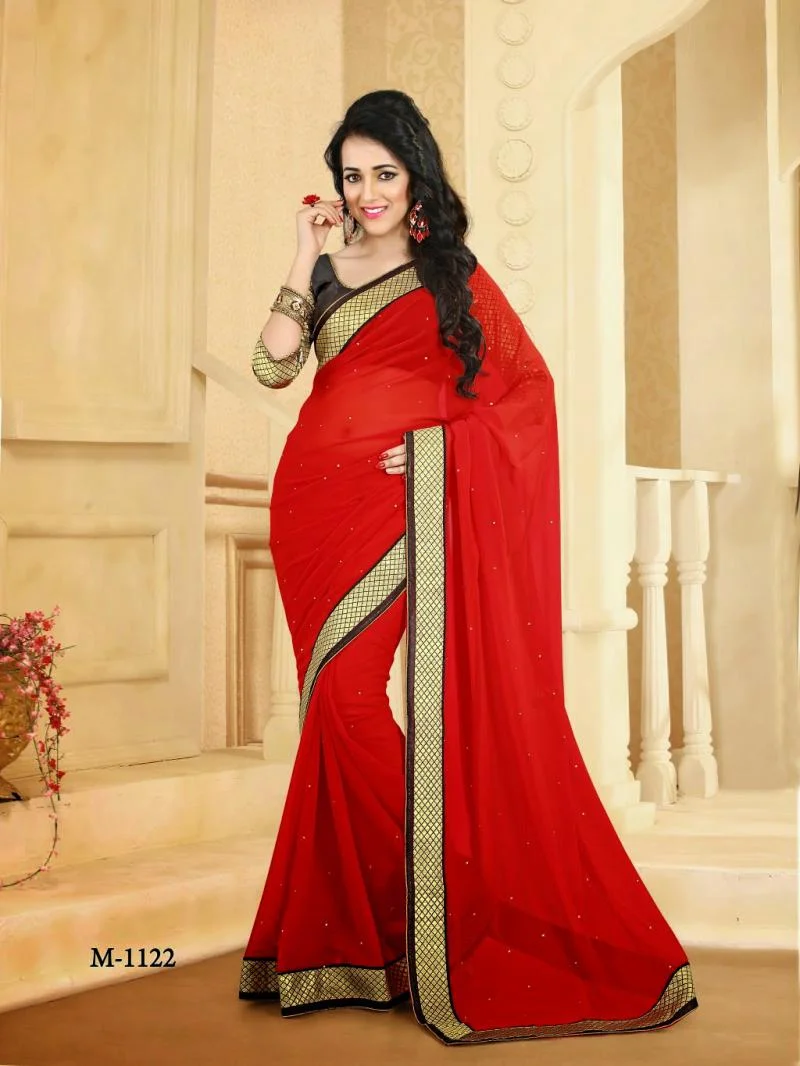
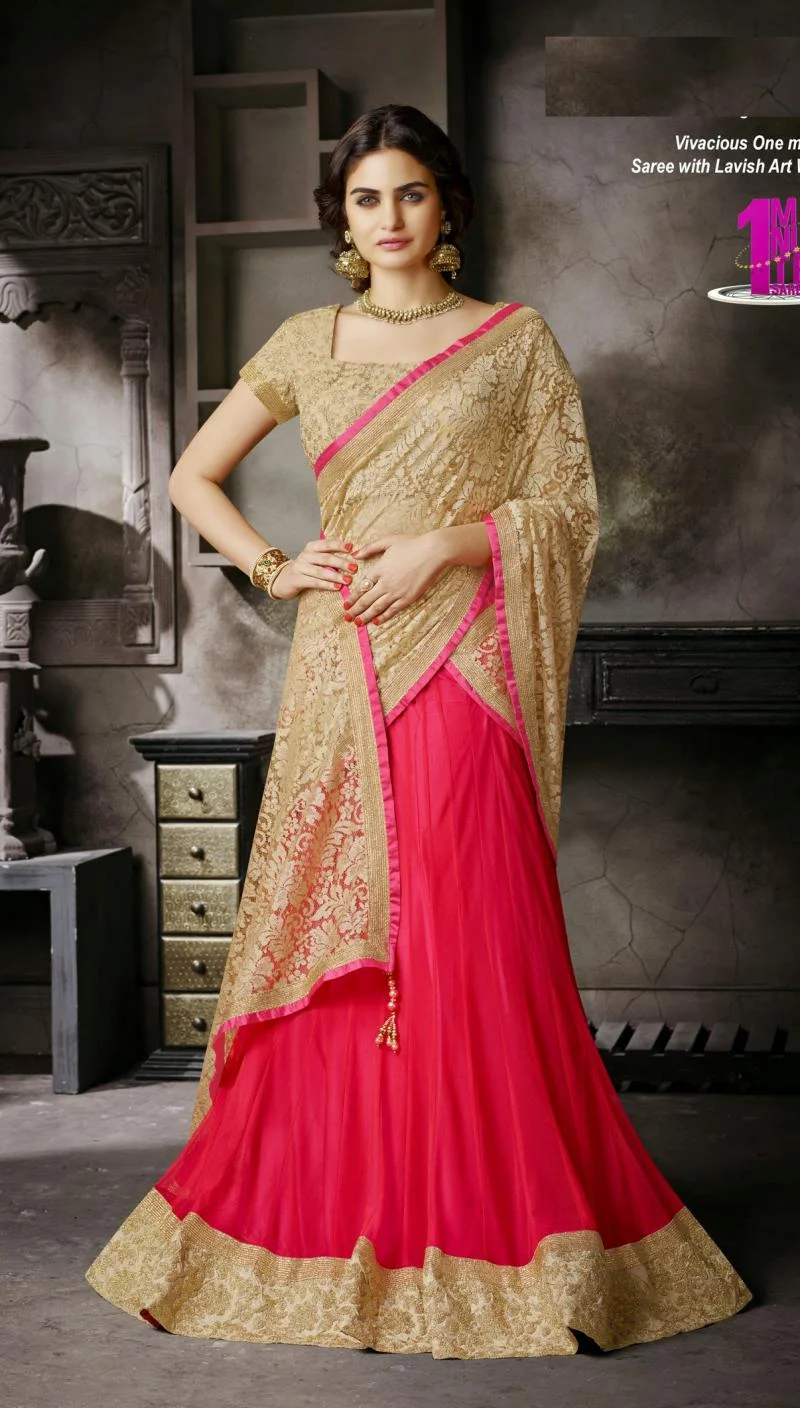
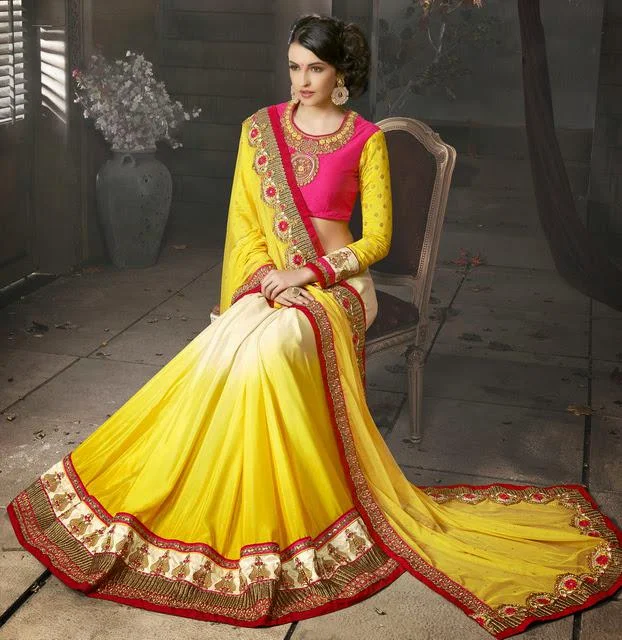
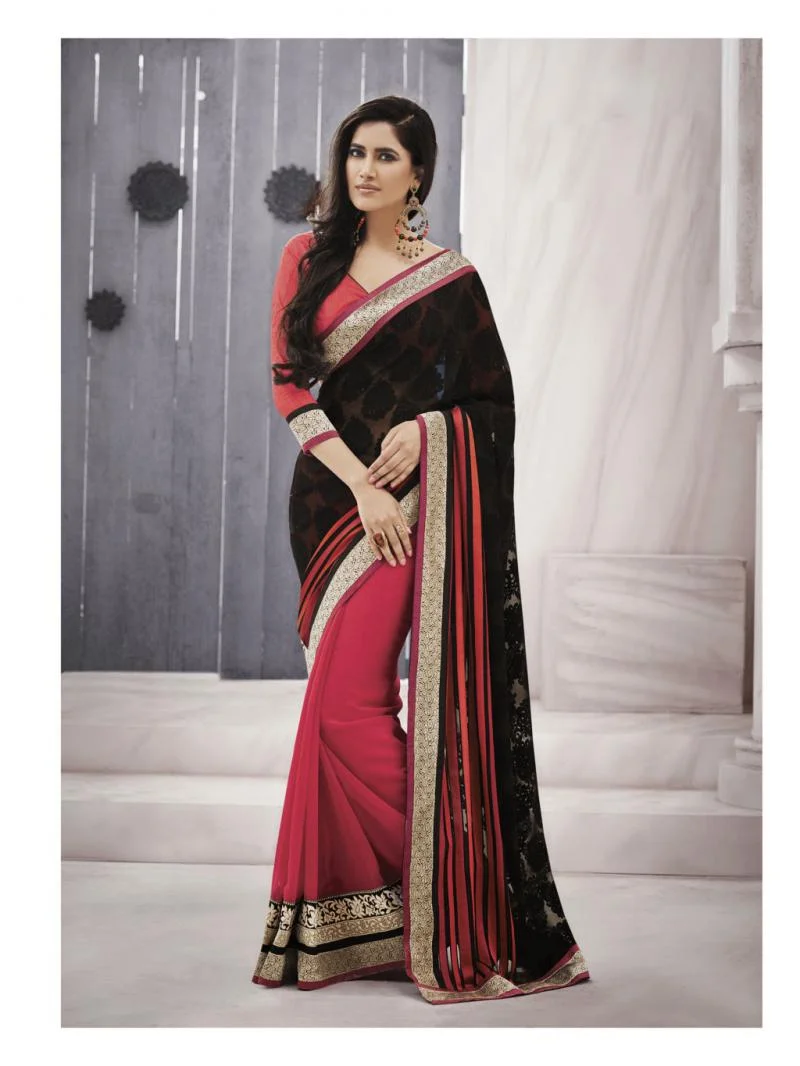
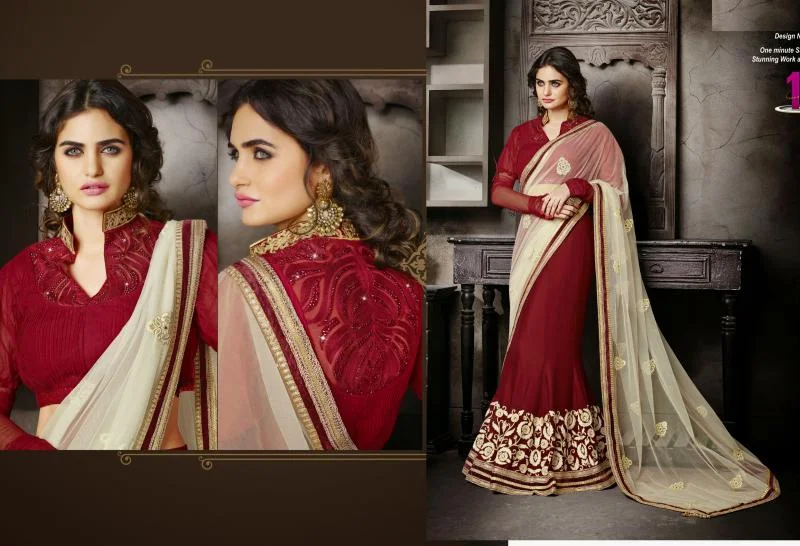
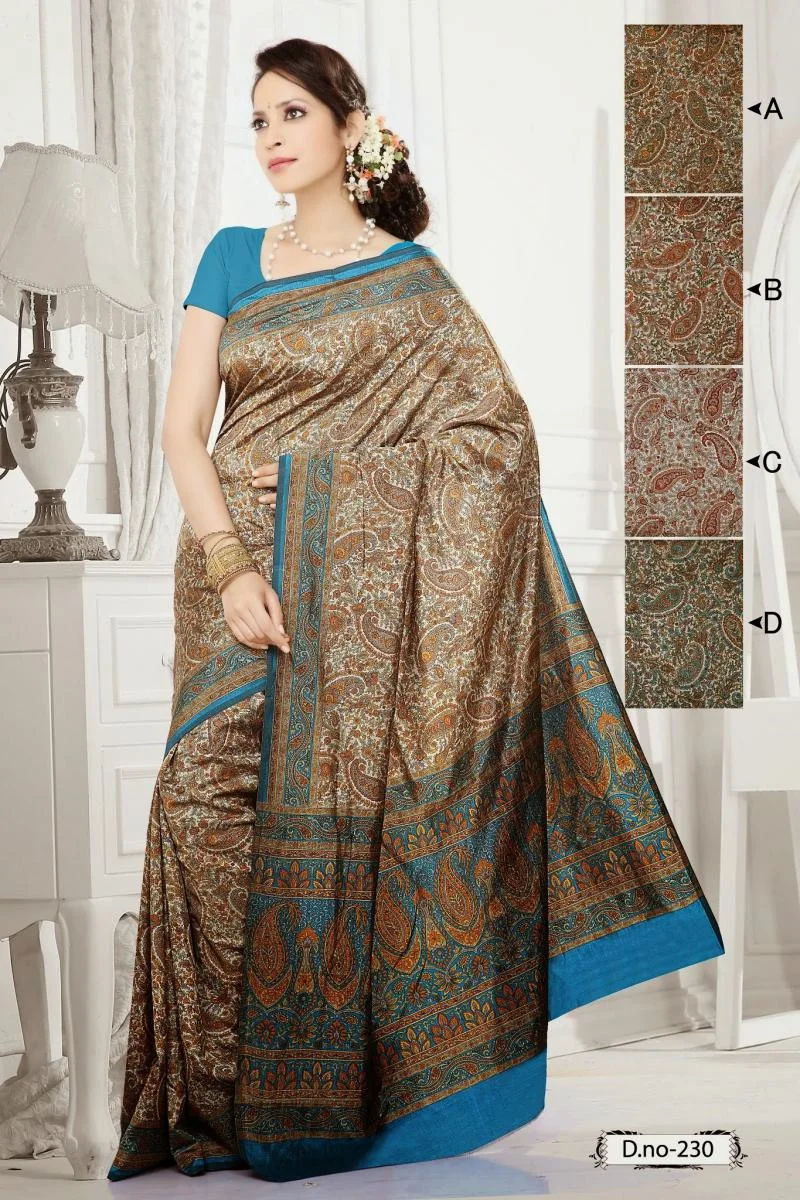
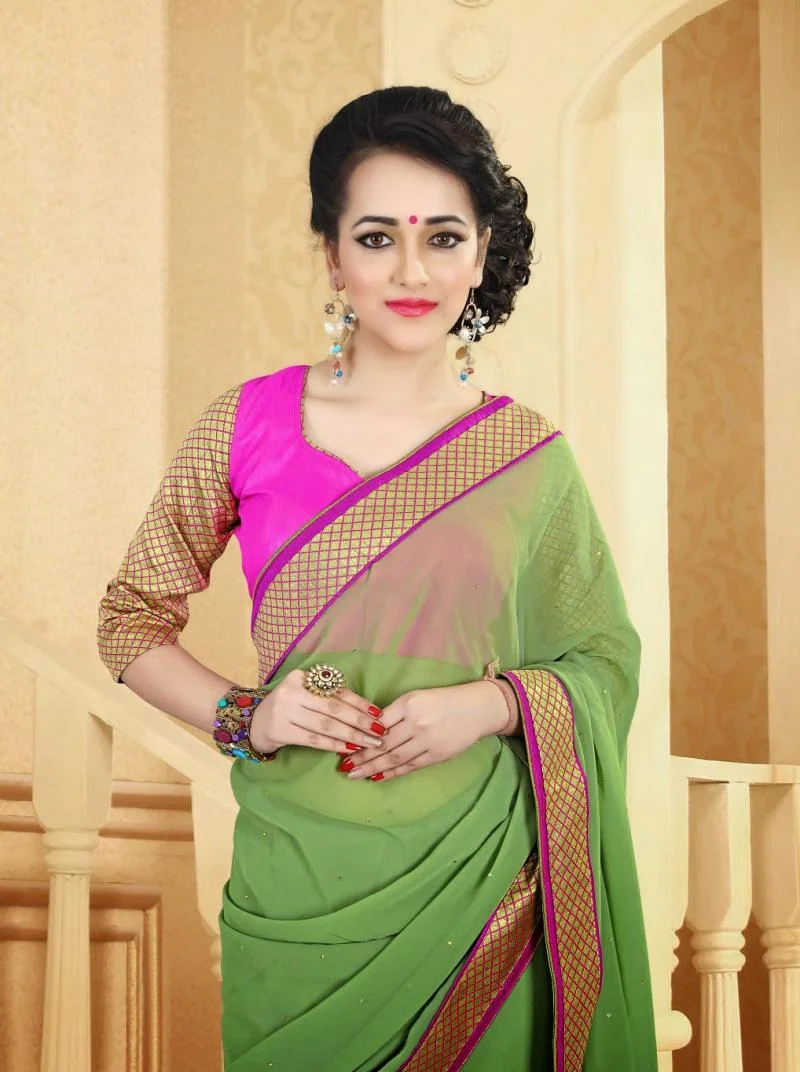
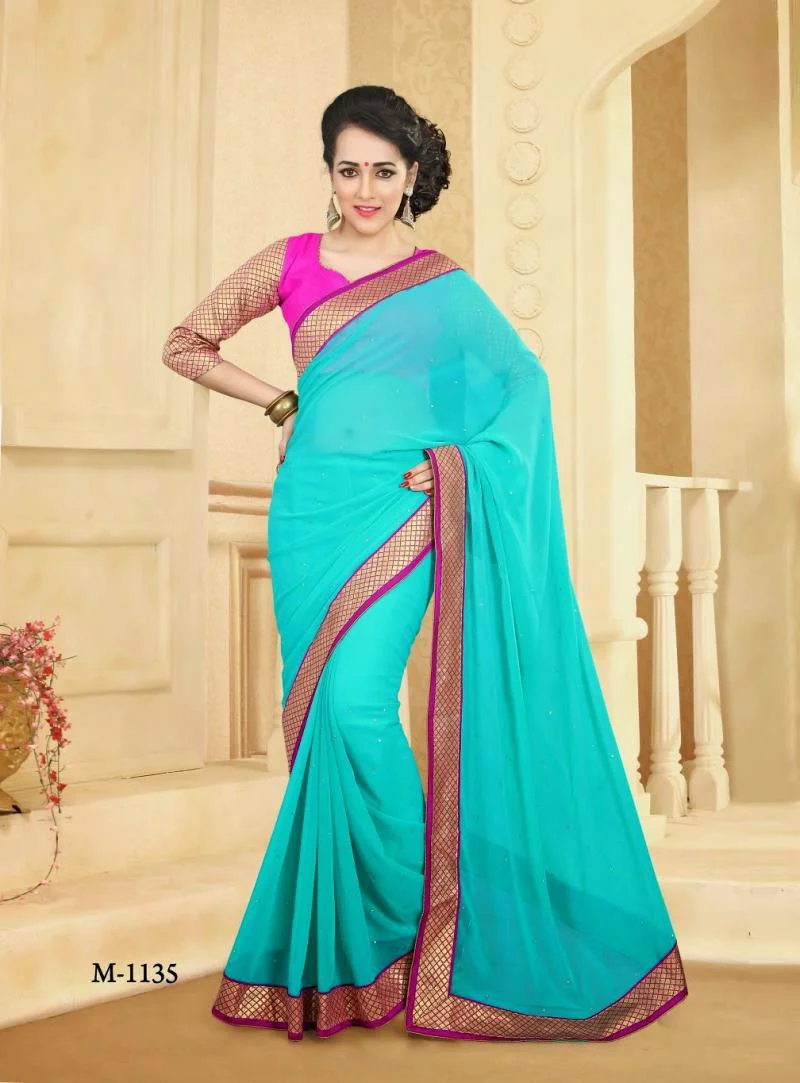
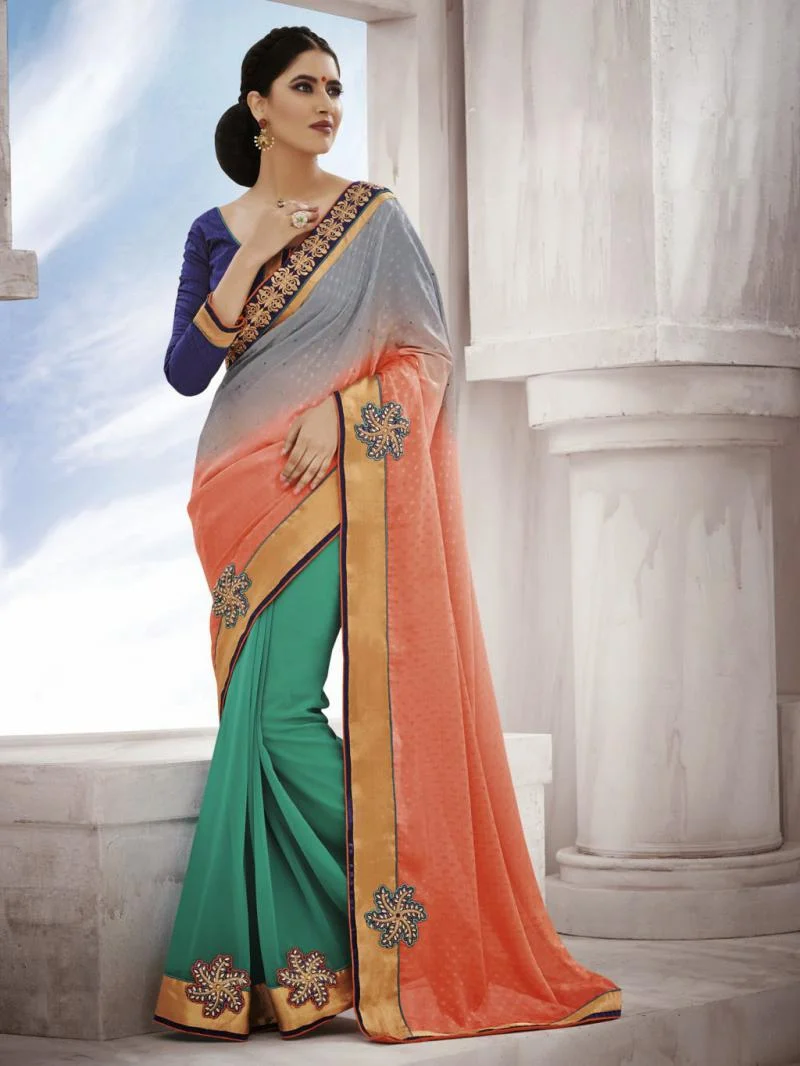
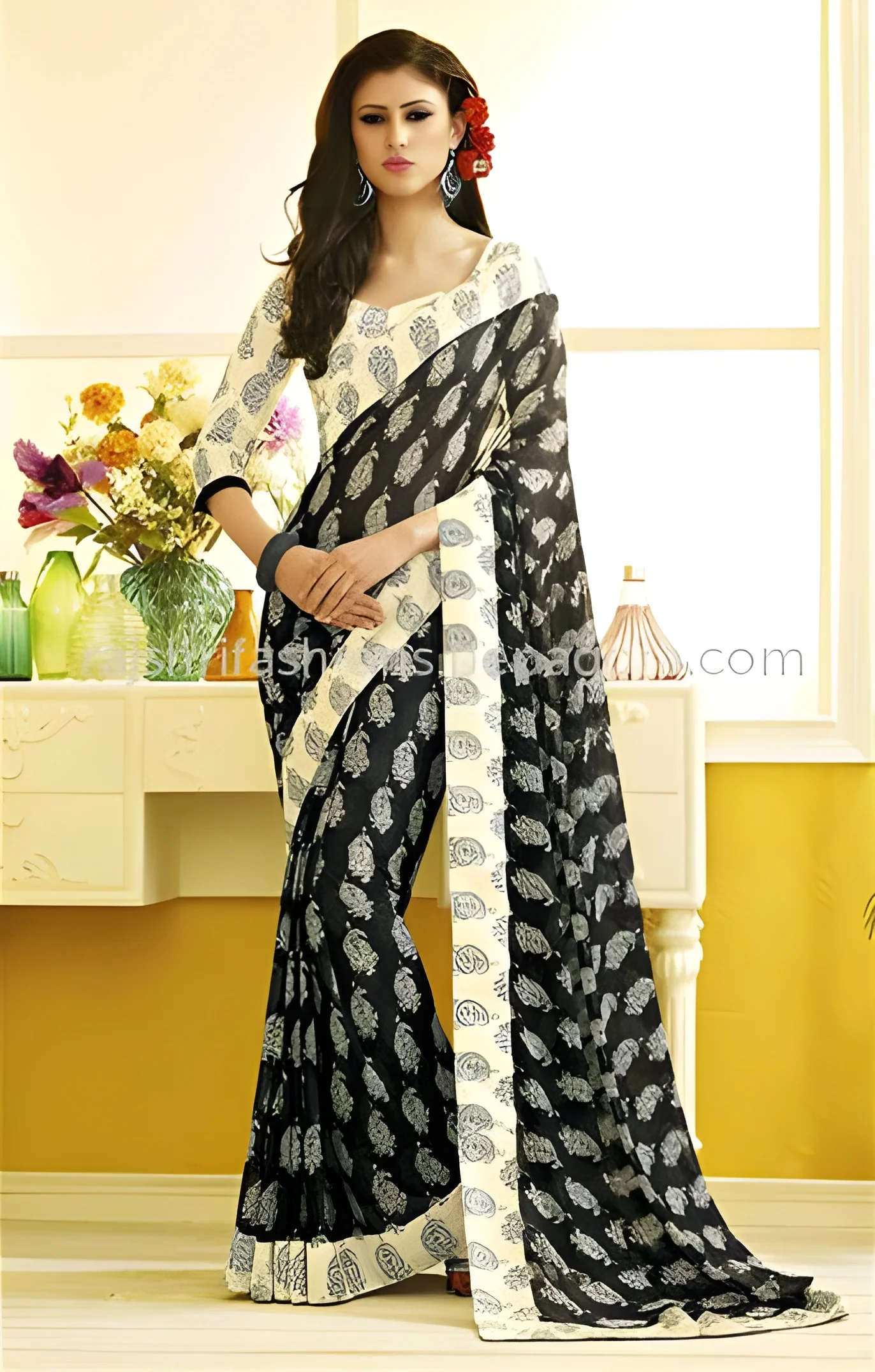
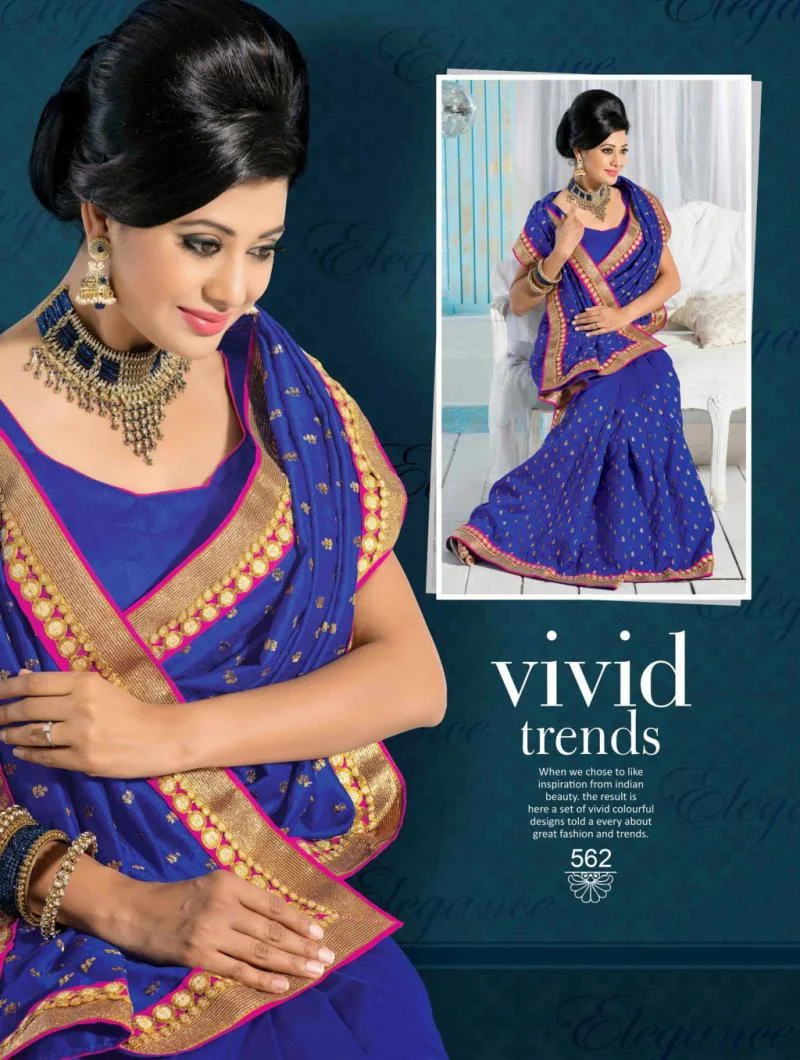
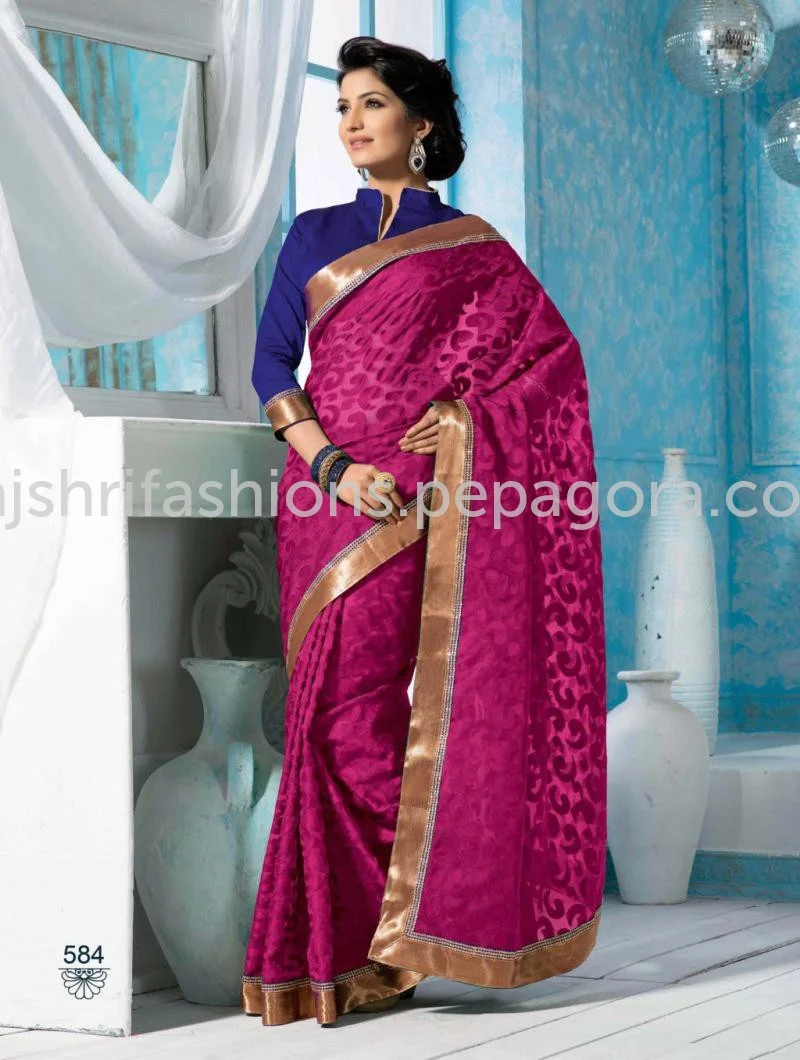
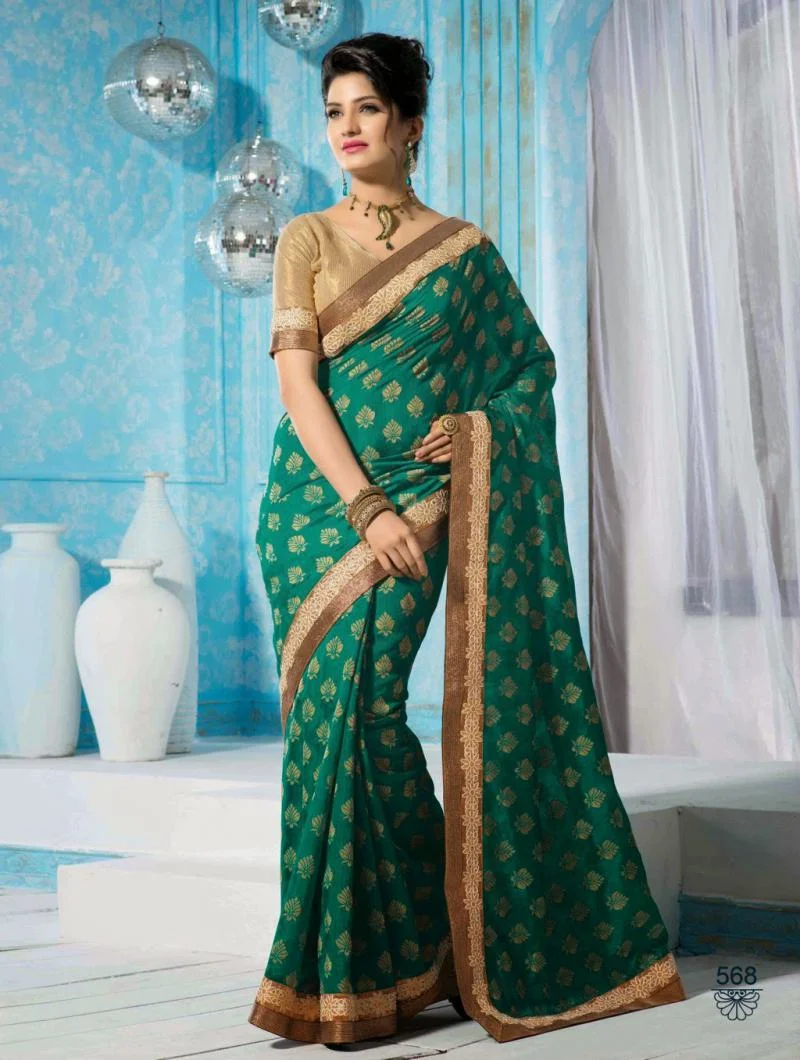
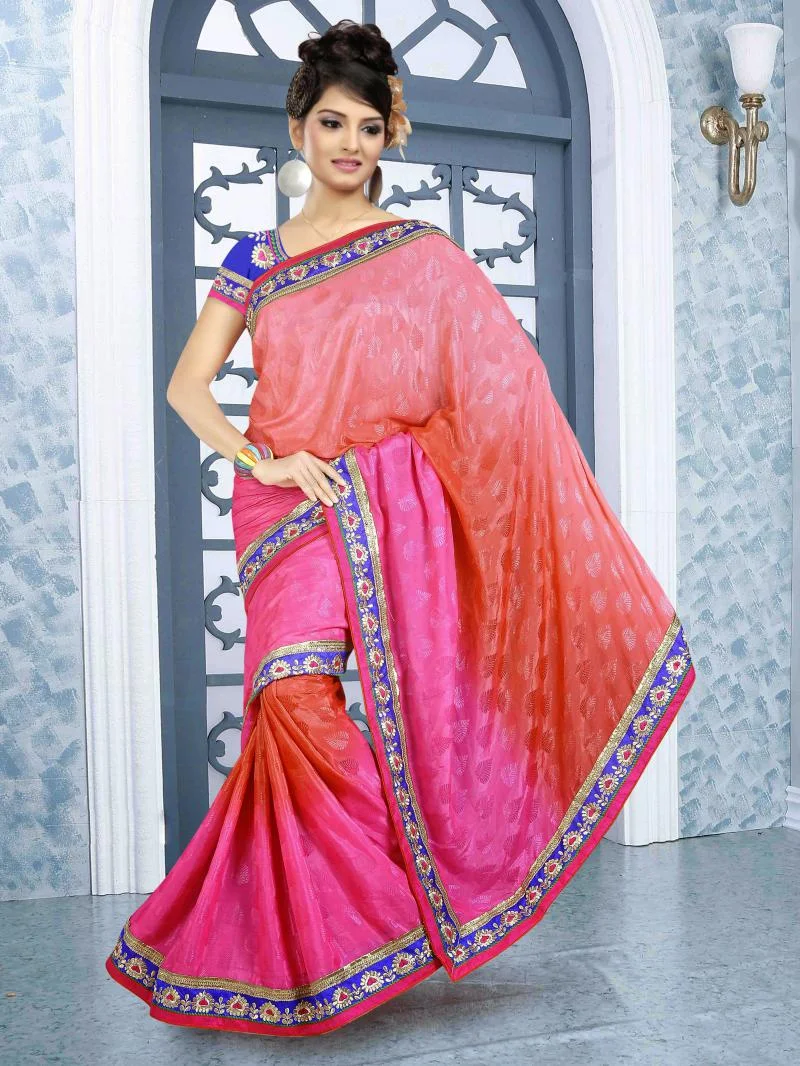
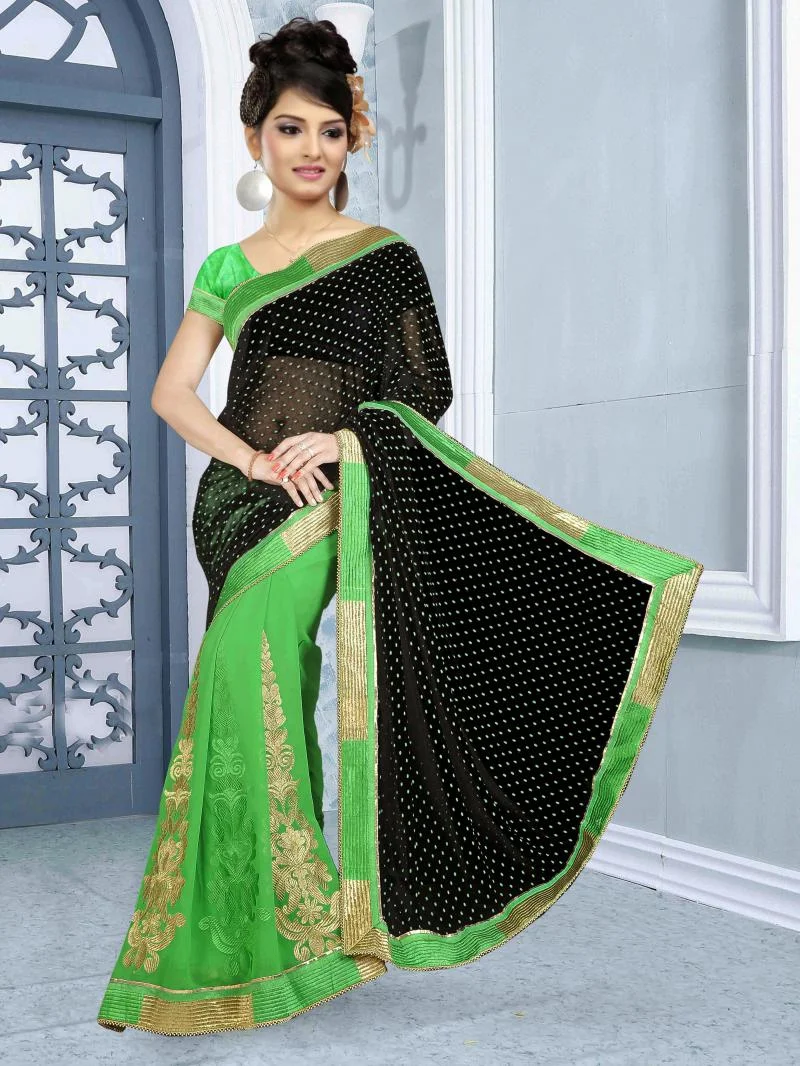
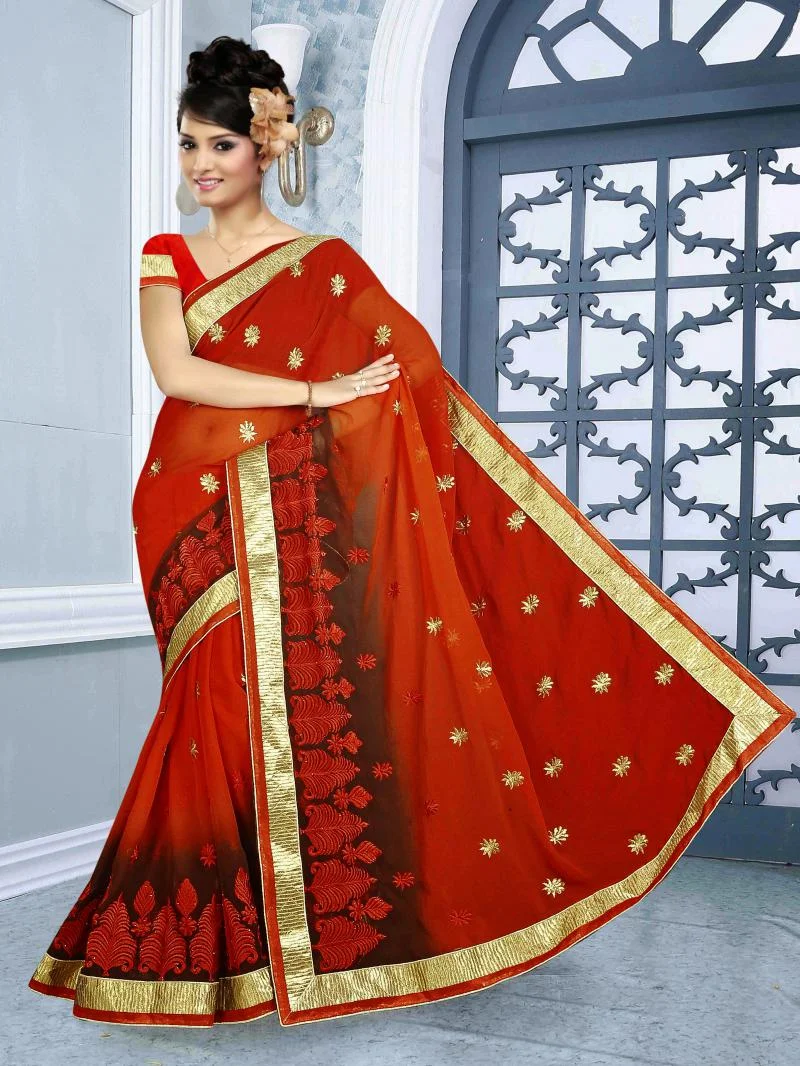
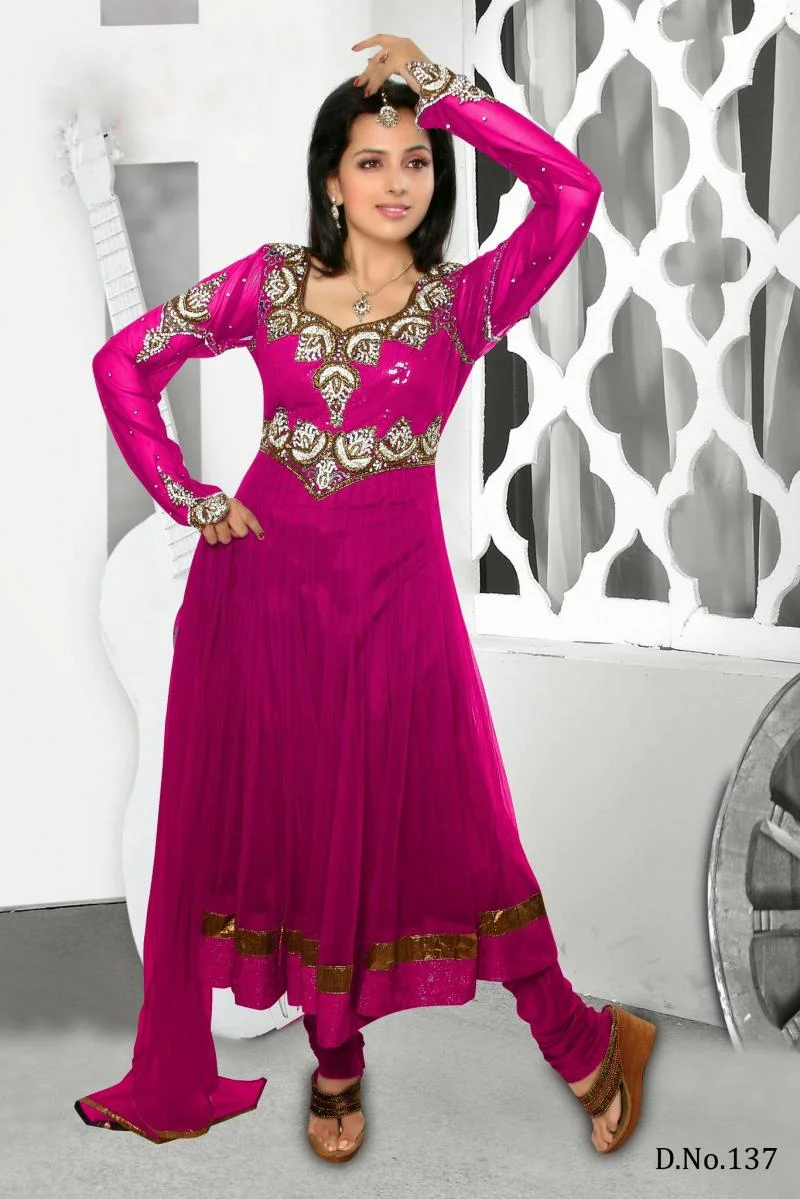
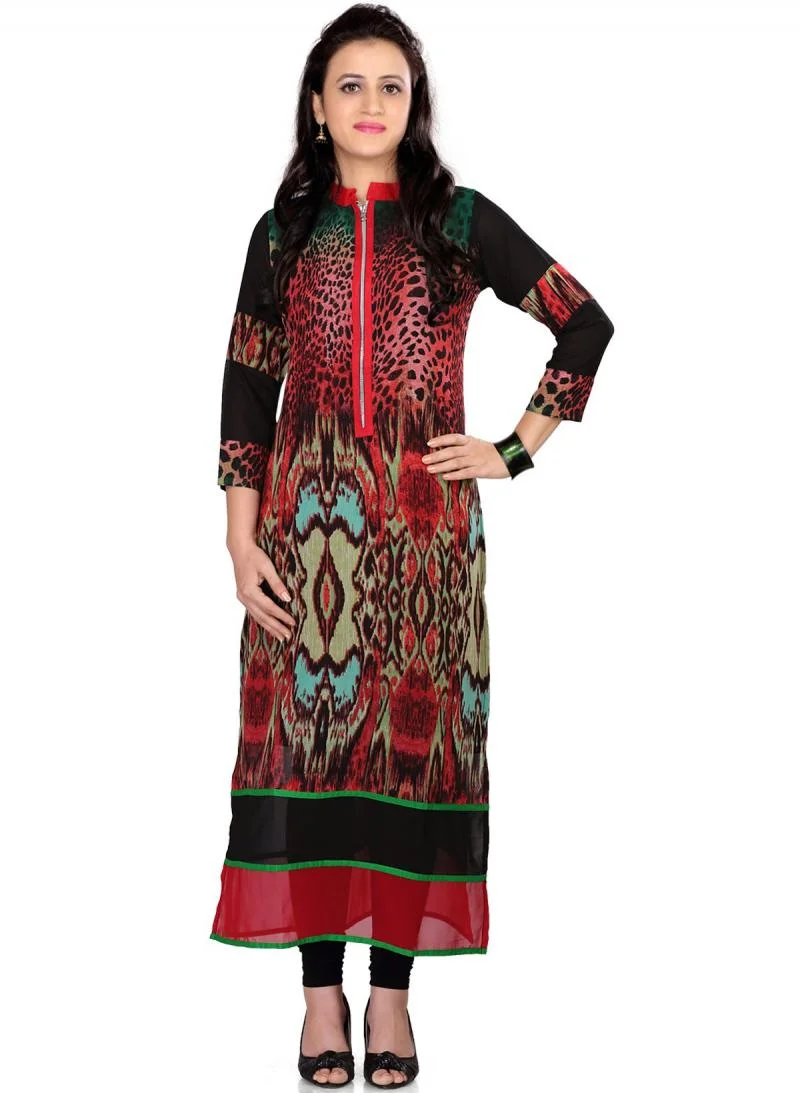
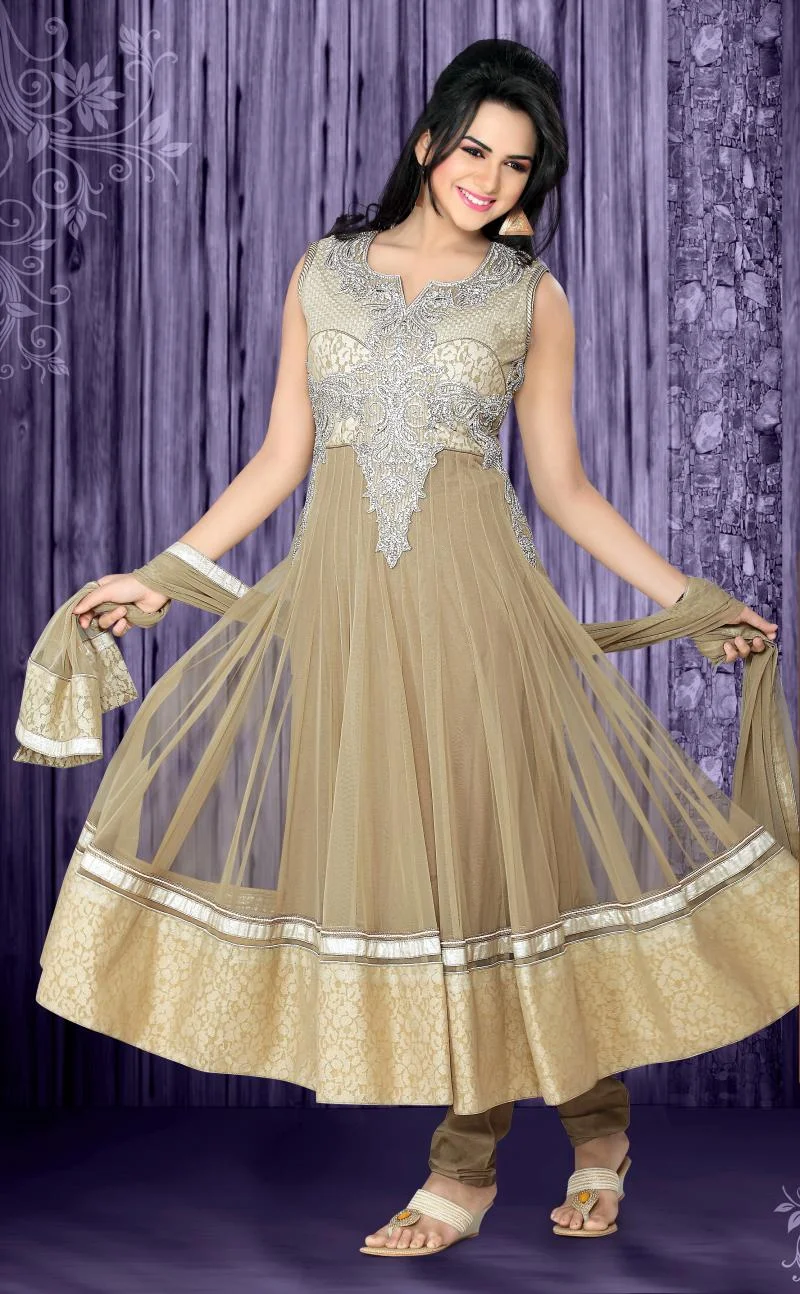
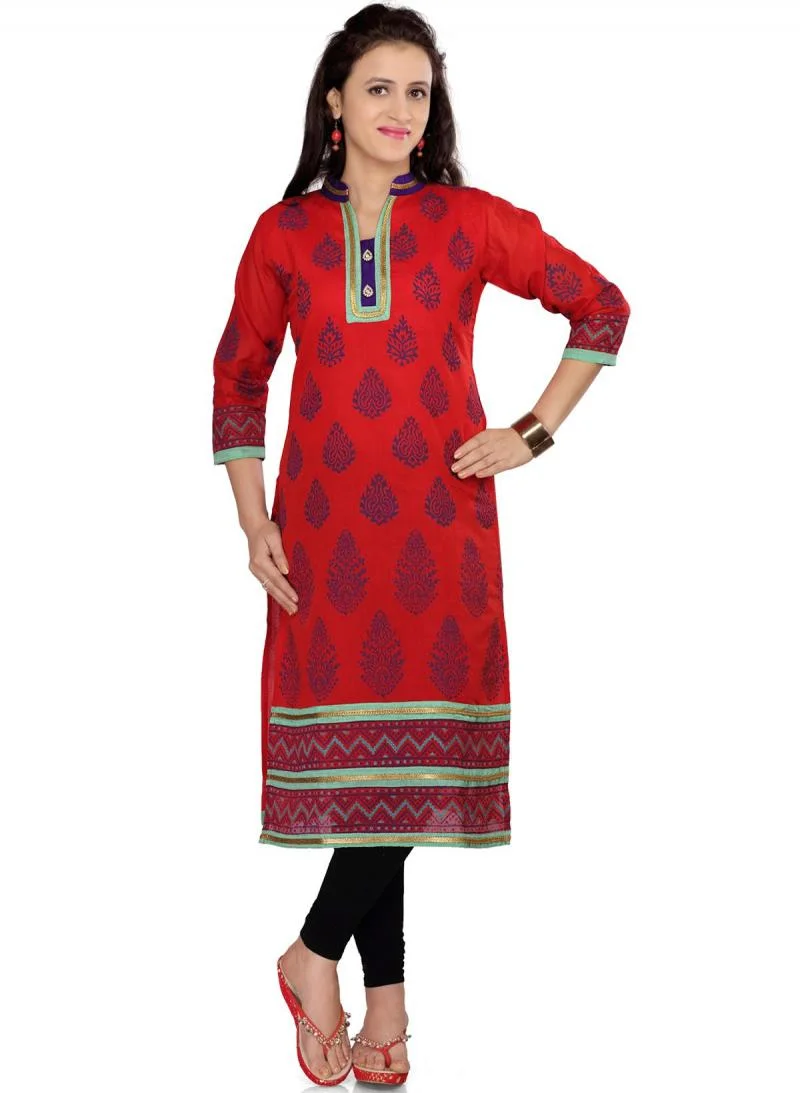
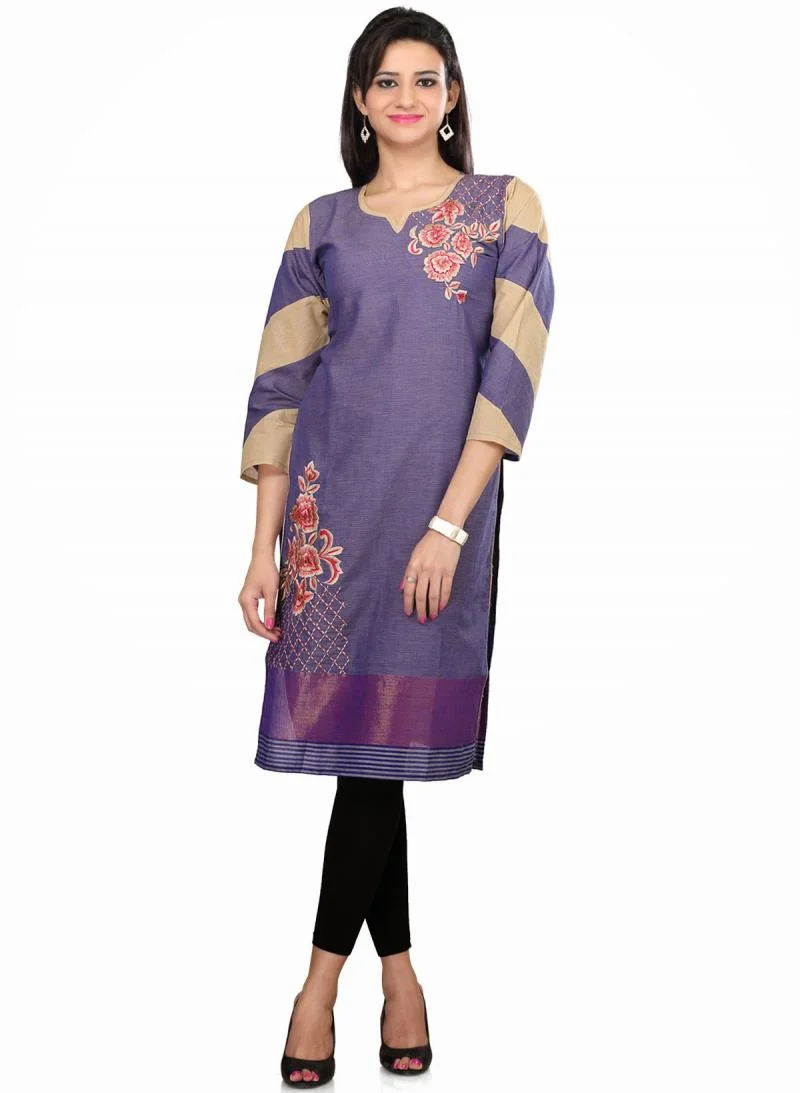
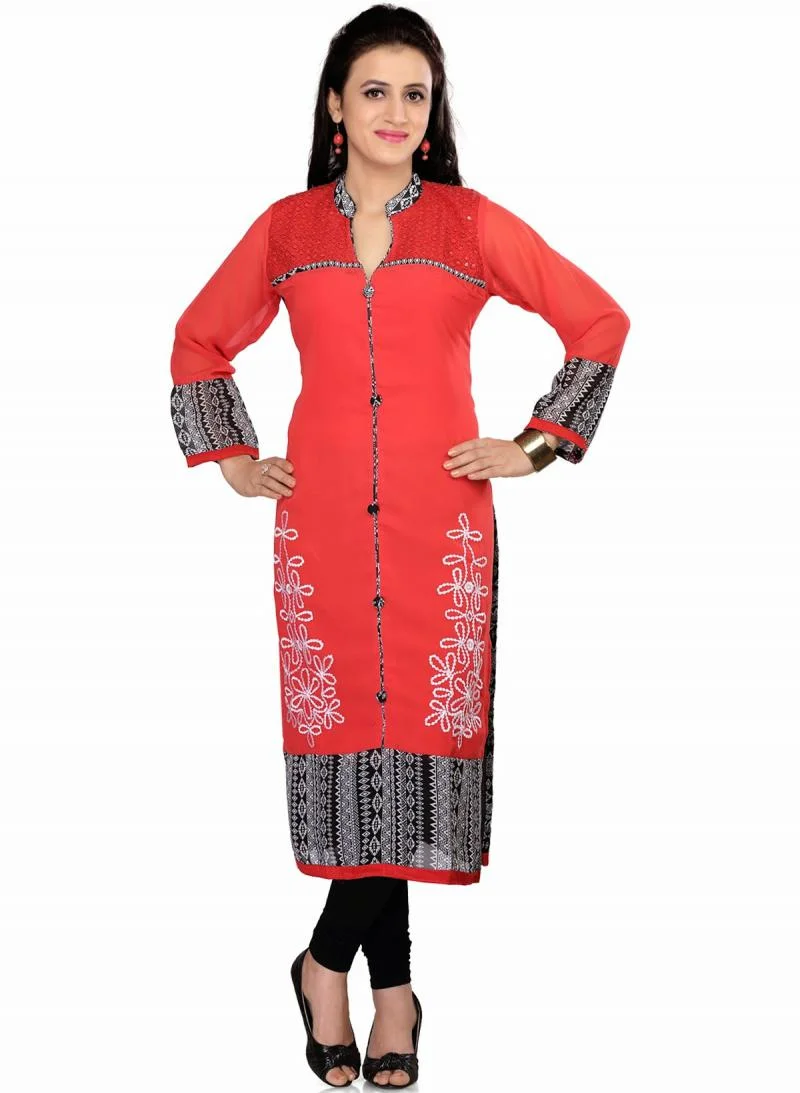
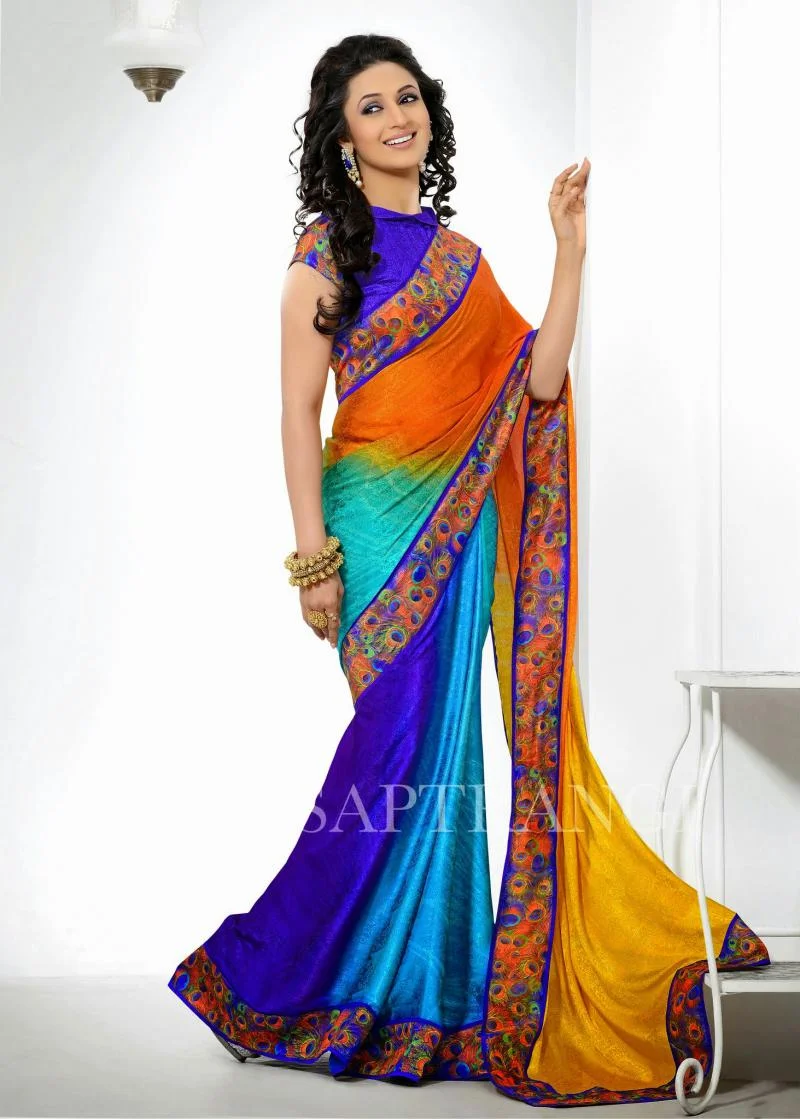
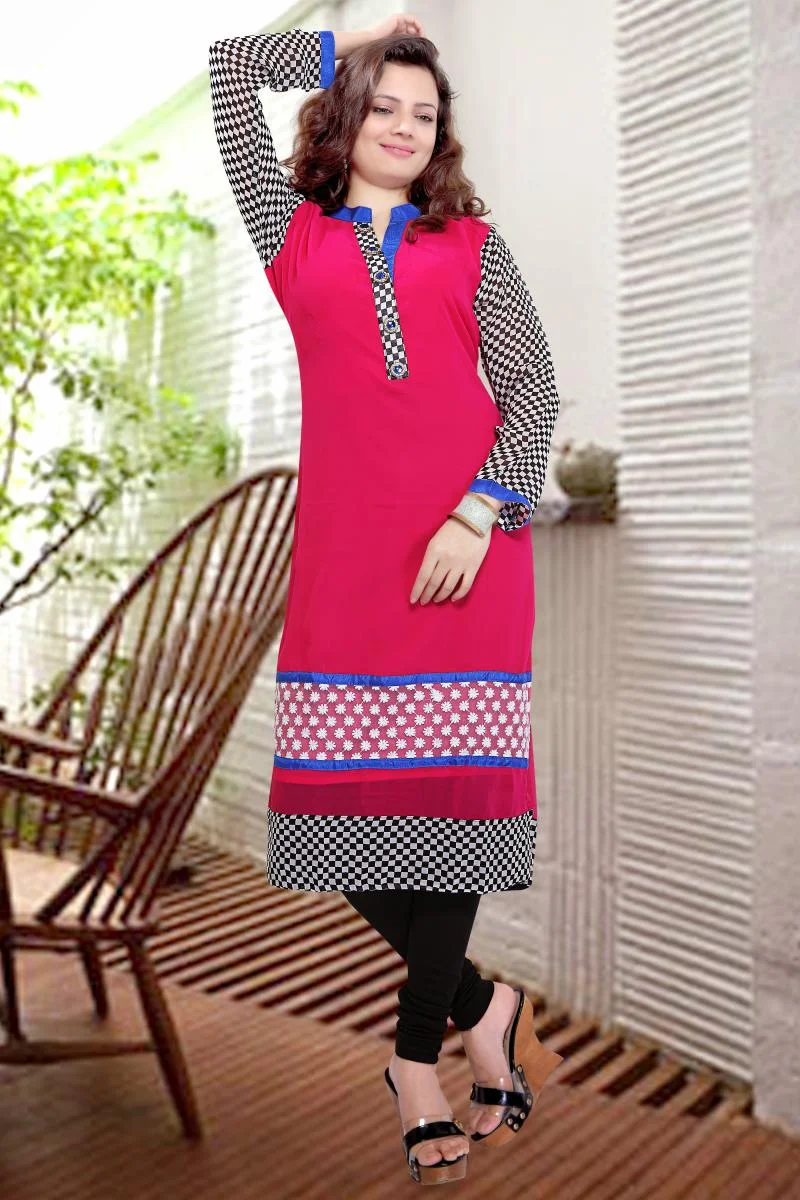
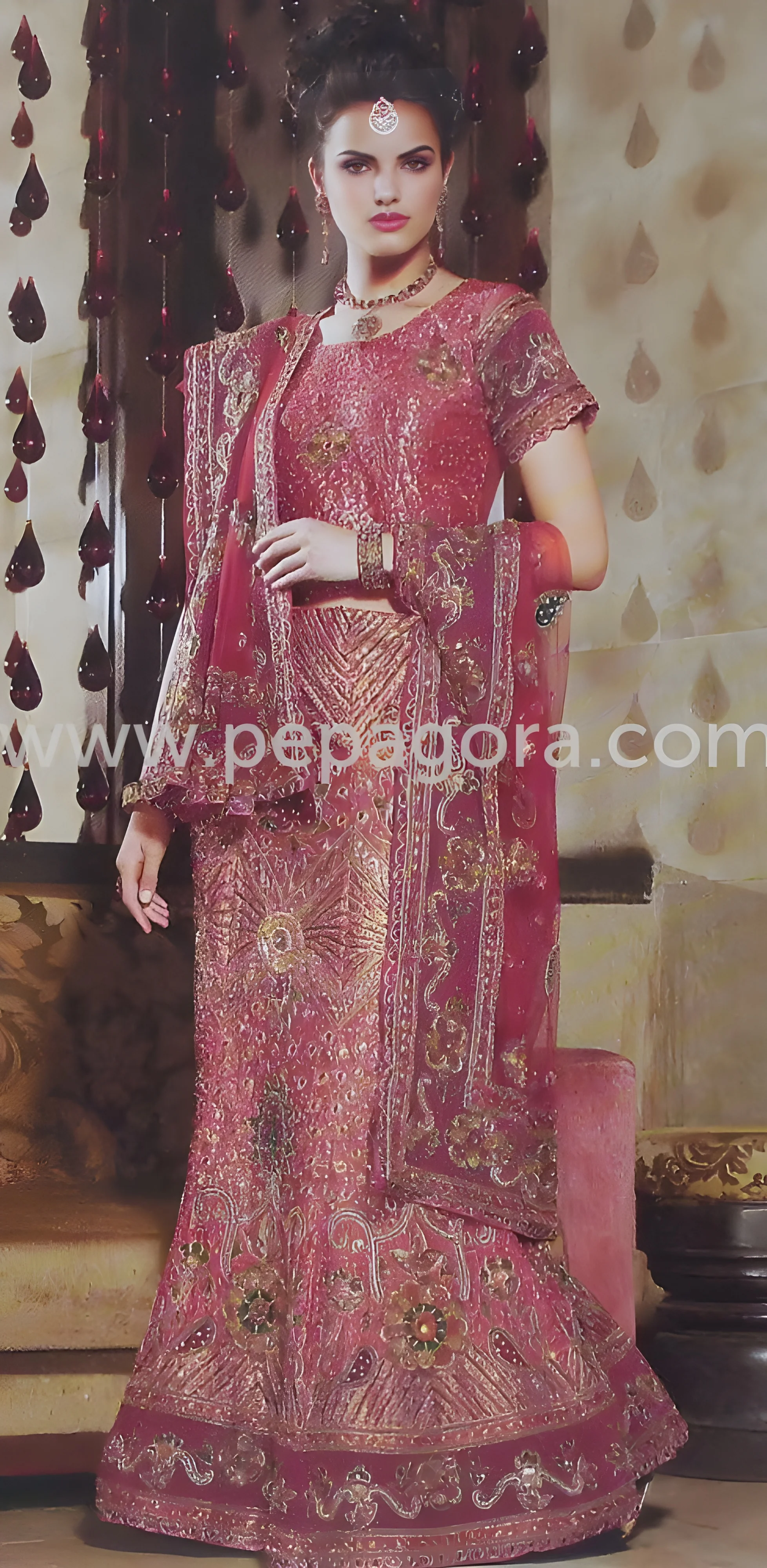
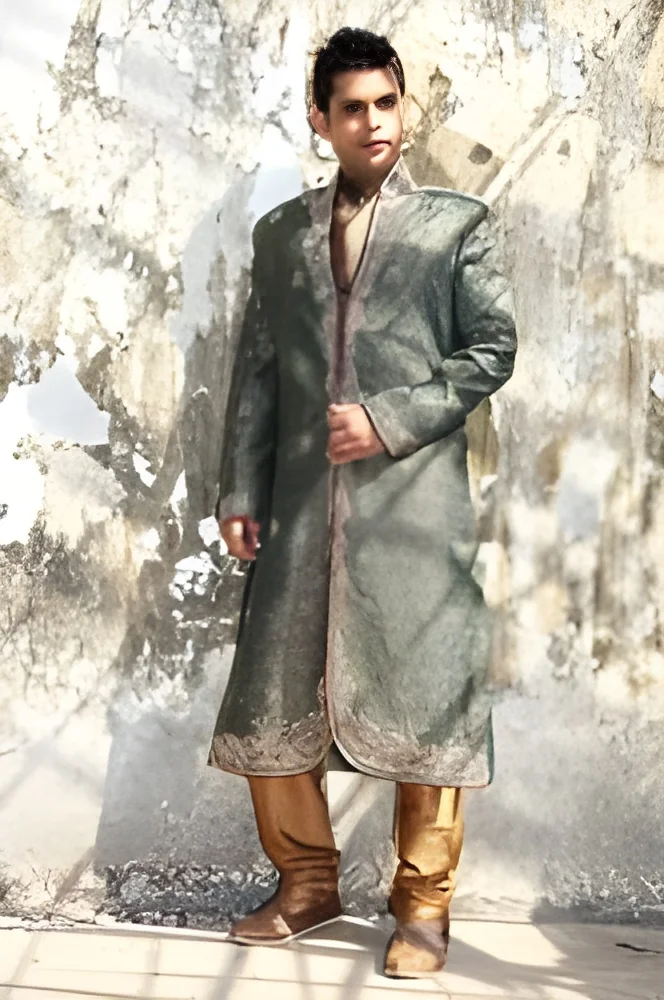
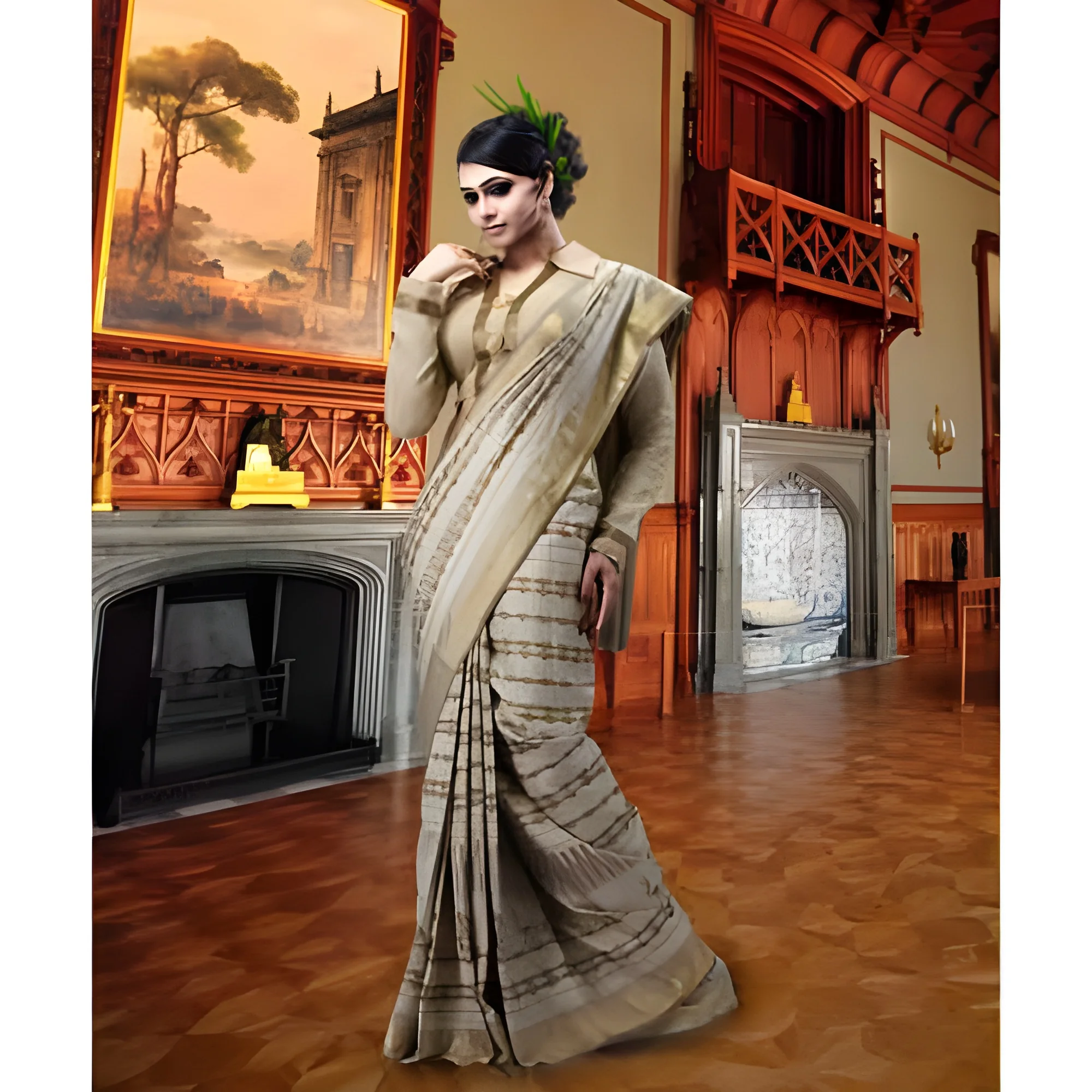
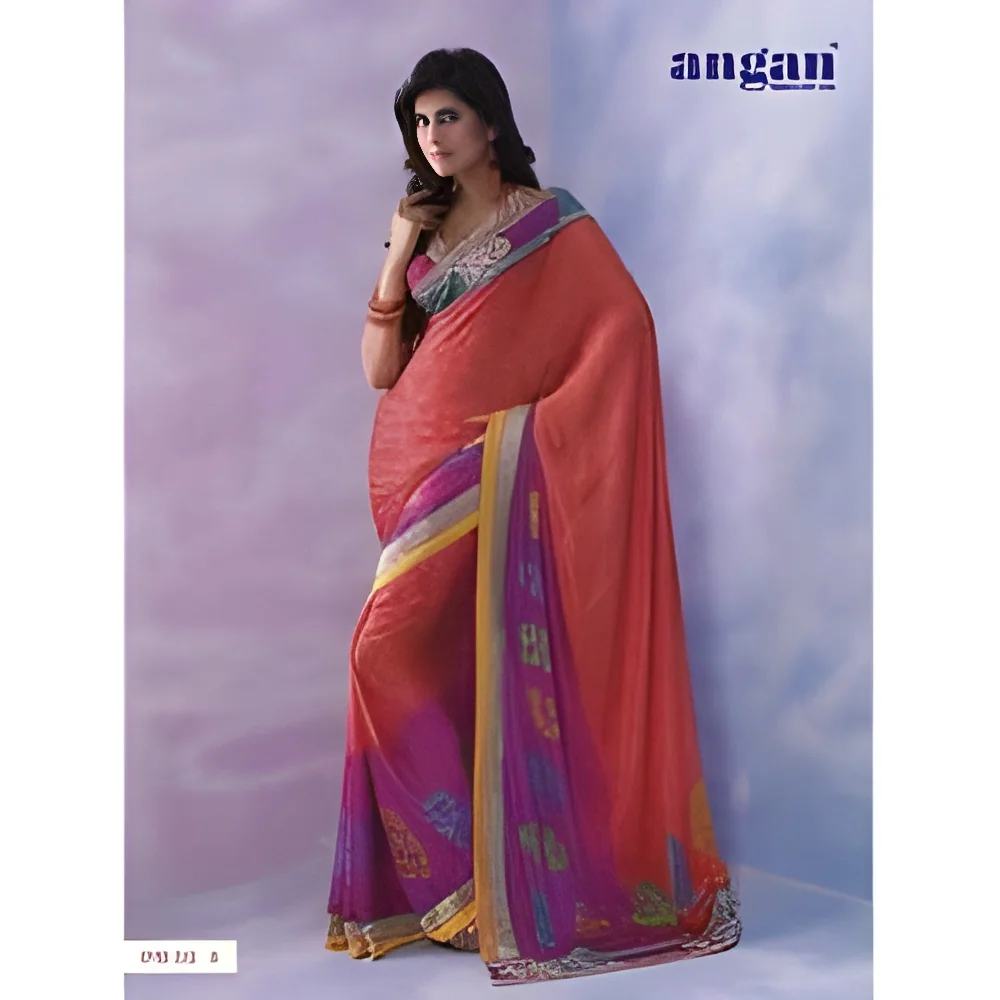
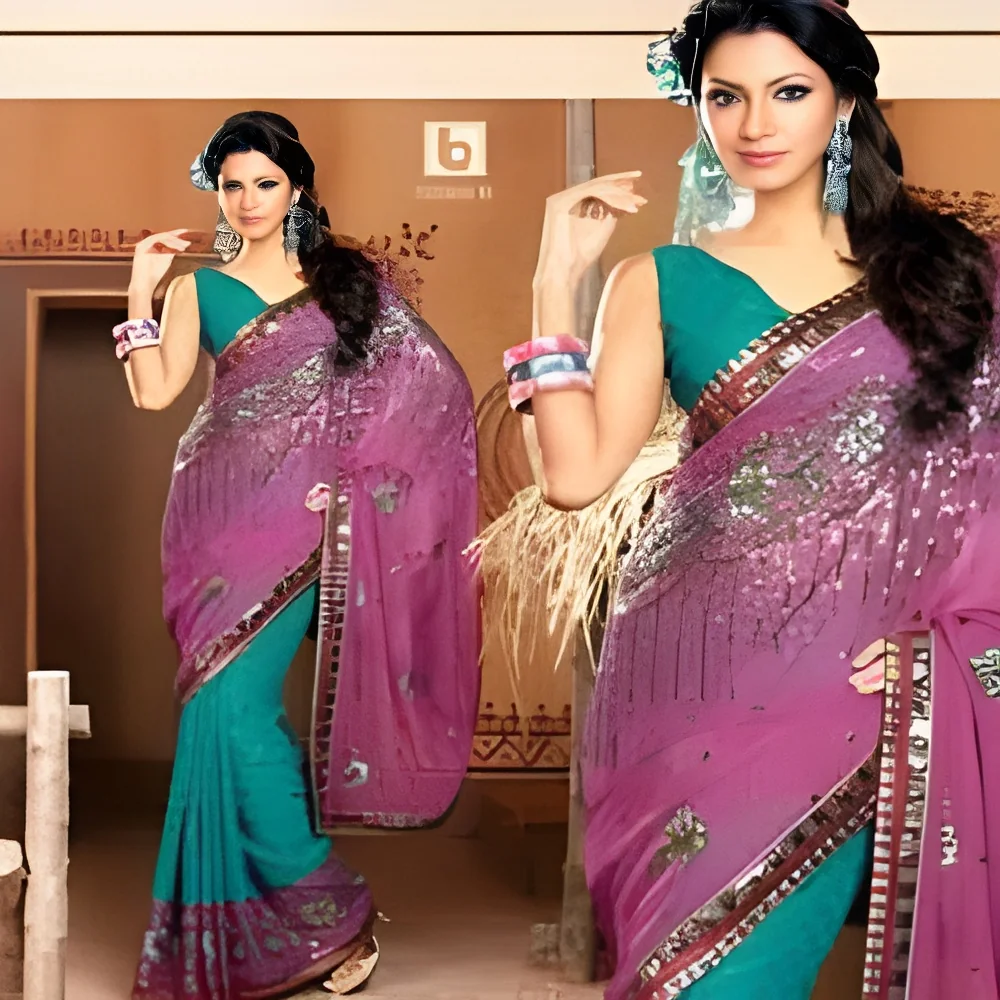
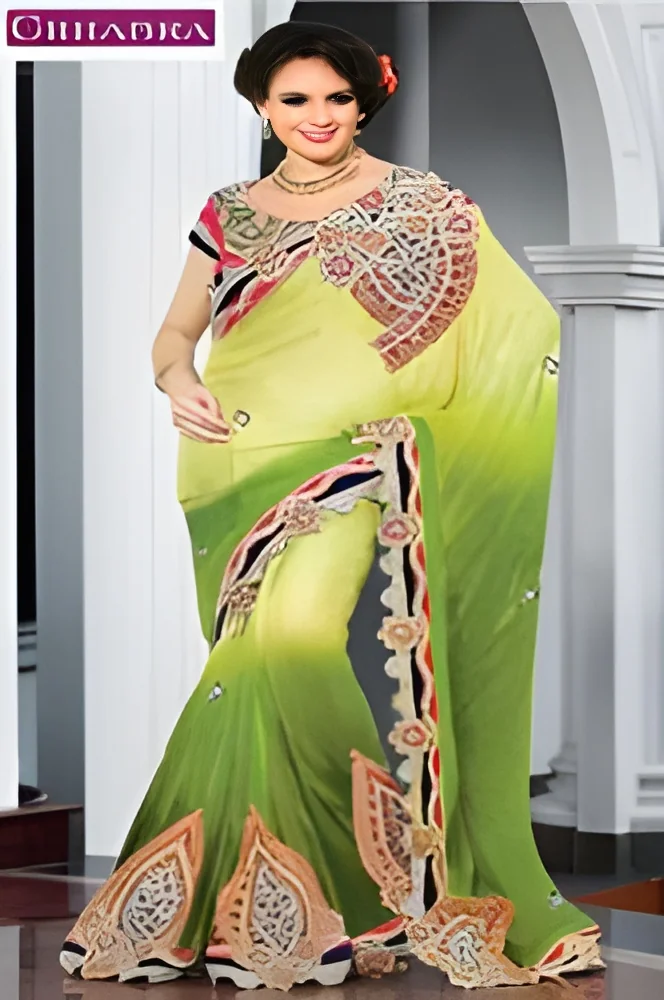
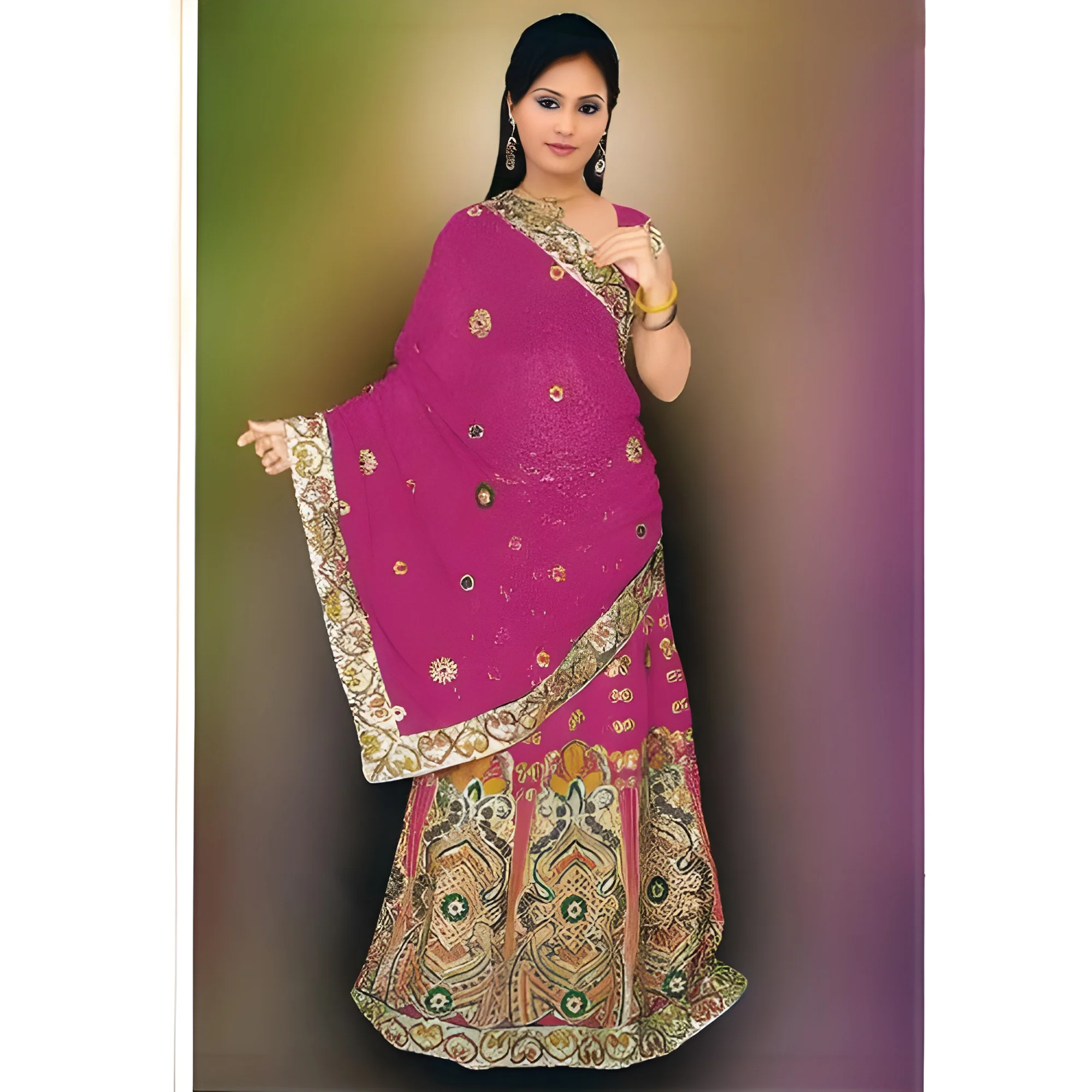
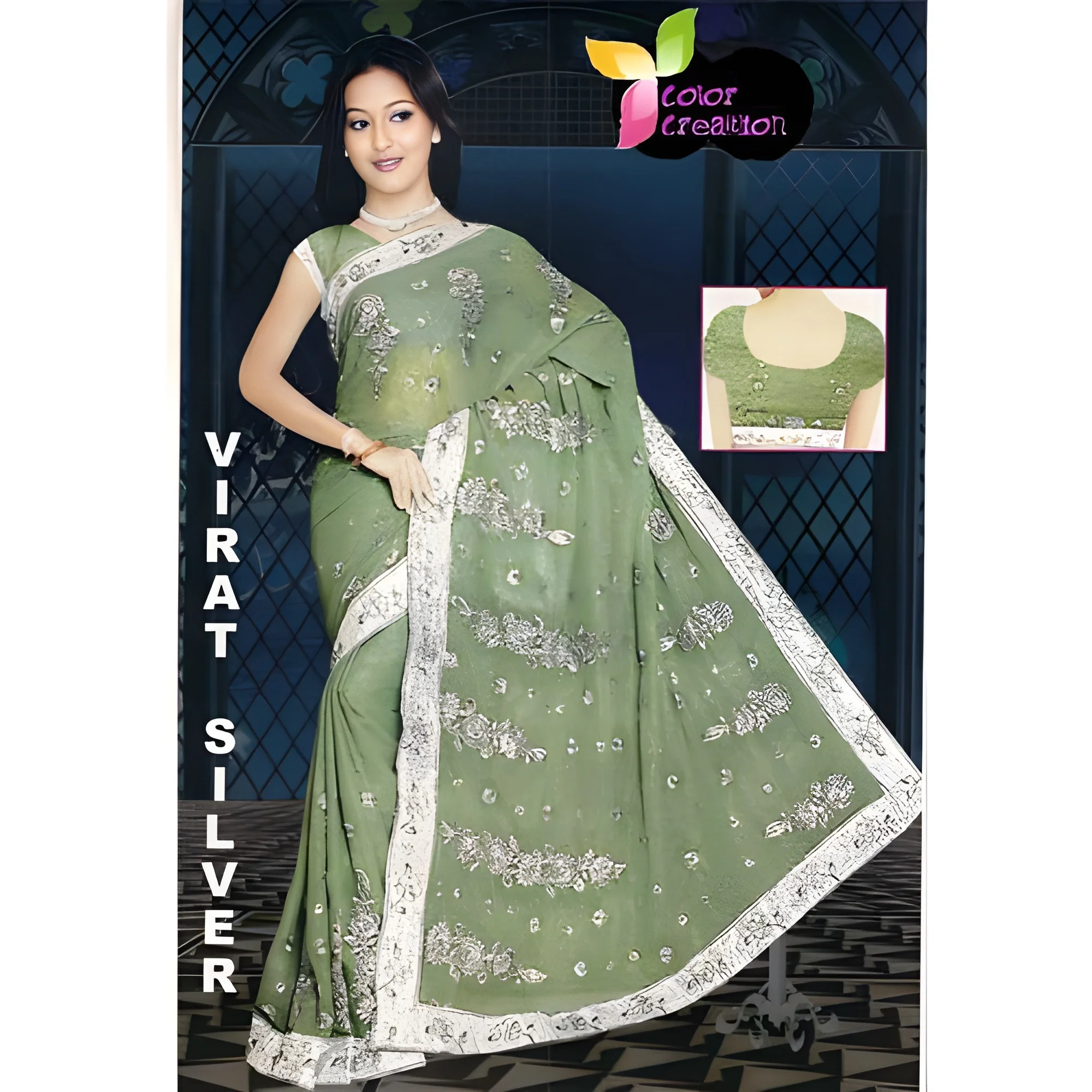
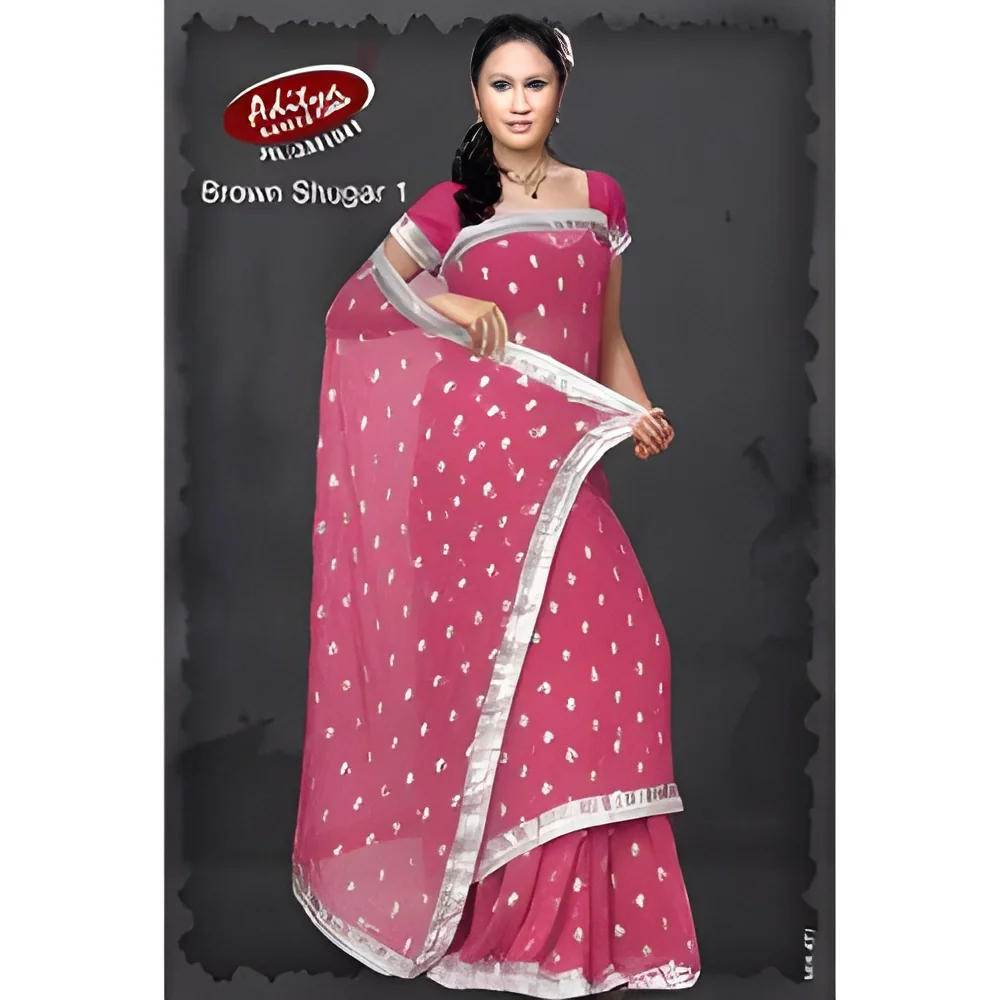
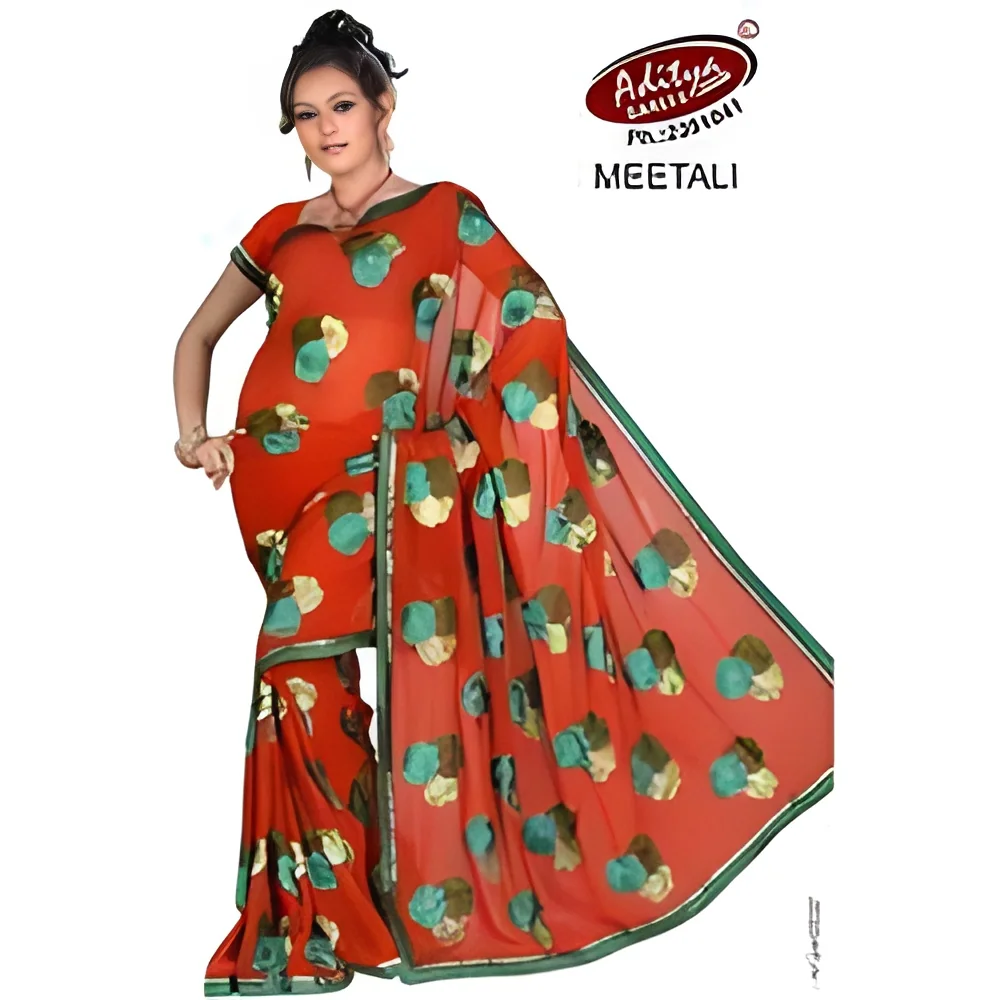
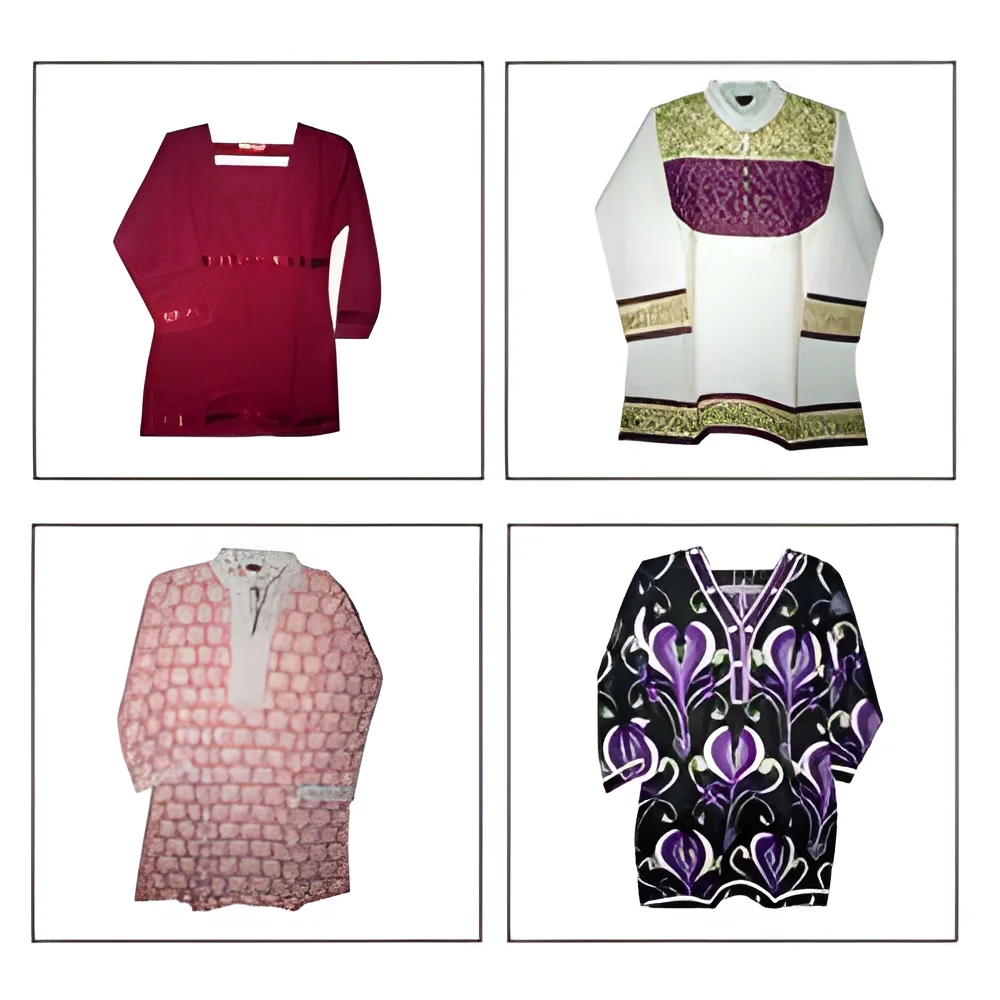
The types of Ethnic & Cultural Clothing vary widely and can include sarees, lehengas, kurtas, sherwanis, and dhotis, among others. Each type has its own cultural significance and is typically worn for various occasions such as festivals, weddings, and religious ceremonies.
How do I choose the right Ethnic & Cultural Clothing?
Choosing the right Ethnic & Cultural Clothing involves considering factors such as the occasion, personal style, and cultural significance. It is also important to pay attention to the fabric, fit, and design details to ensure comfort and authenticity.
What are the standard specifications for Ethnic & Cultural Clothing?
Standard specifications for Ethnic & Cultural Clothing include fabric type, stitching quality, embellishments, and sizing. Additionally, garments should adhere to traditional styles and cultural norms to maintain their authenticity.
What is the price range for Ethnic & Cultural Clothing?
The price range for Ethnic & Cultural Clothing can vary significantly based on factors such as material, craftsmanship, and brand. Generally, prices can start from as low as INR 1,000 and can go up to several thousands depending on the intricacy and design.
What quality standards apply to Ethnic & Cultural Clothing?
Quality standards for Ethnic & Cultural Clothing often include fabric durability, colorfastness, and craftsmanship. Manufacturers should comply with industry quality benchmarks to ensure the garments are well-made and long-lasting.
Where can I find Ethnic & Cultural Clothing suppliers in India?
You can find Ethnic & Cultural Clothing suppliers in India through B2B marketplaces, trade shows, and local artisan workshops. Online platforms like Pepagora also feature a wide range of verified suppliers and manufacturers.
Can Ethnic & Cultural Clothing be customized?
Yes, Ethnic & Cultural Clothing can often be customized to meet specific requirements such as size, design, and fabric choice. Many manufacturers and suppliers offer customization services to accommodate individual preferences.
What is the typical minimum order quantity for Ethnic & Cultural Clothing?
The typical minimum order quantity (MOQ) for Ethnic & Cultural Clothing can vary by supplier but usually ranges from 50 to 100 pieces. It is advisable to check with the supplier for their specific MOQ requirements.
What is the typical lead time for Ethnic & Cultural Clothing?
The typical lead time for Ethnic & Cultural Clothing can range from 2 to 6 weeks, depending on the complexity of the order and the supplier's production capacity. Custom orders may require longer lead times.
Why Businesses Trust Pepagora
Thousands of companies trust Pepagora to source smarter and sell faster
Expand Your Sales Globally

Source Smarter,Grow Faster
