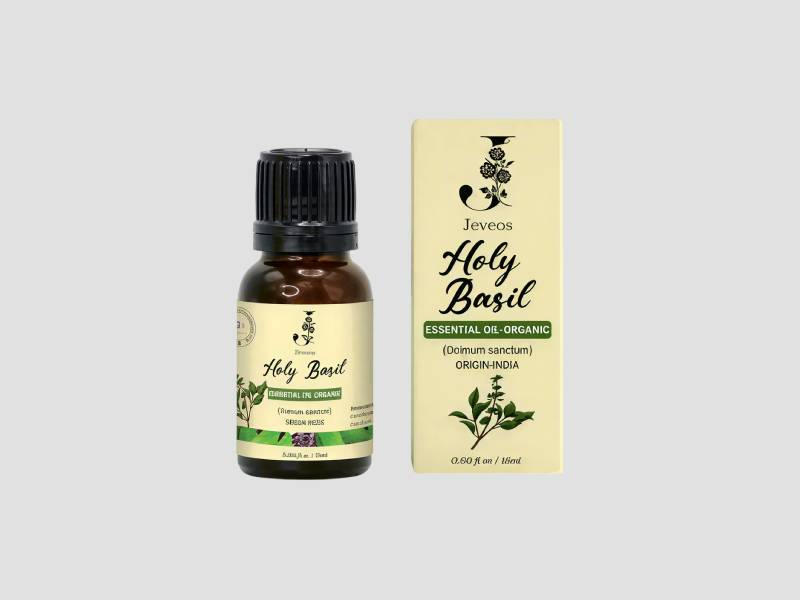
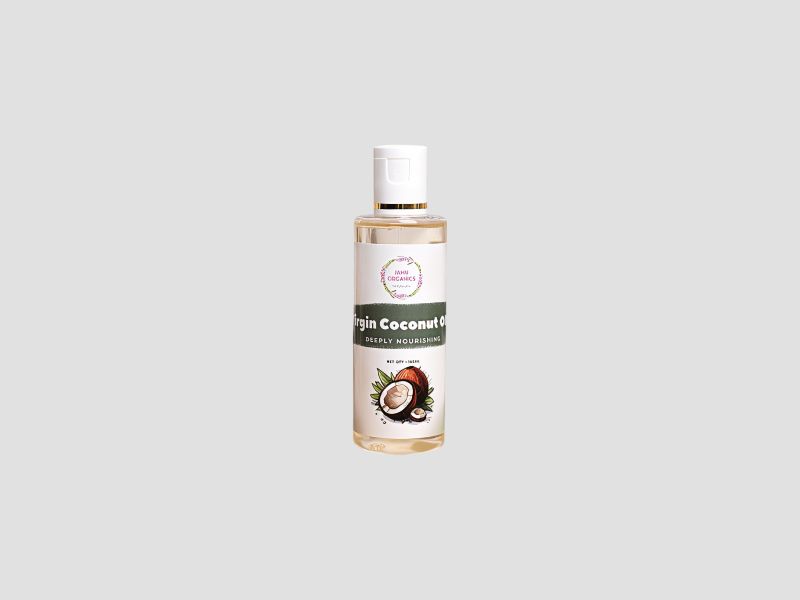
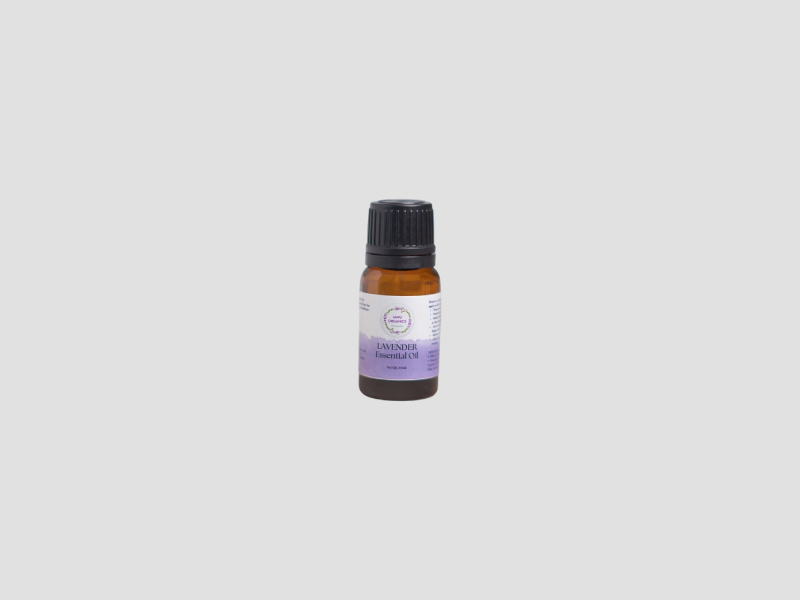
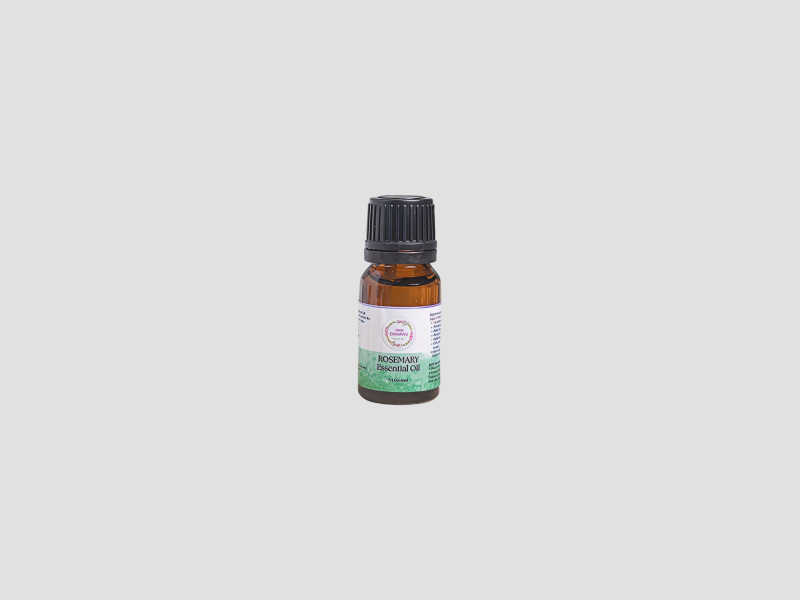
𝗪𝗵𝗮𝘁 𝗮𝗿𝗲 𝗘𝘀𝘀𝗲𝗻𝘁𝗶𝗮𝗹 𝗢𝗶𝗹𝘀 & 𝗔𝗿𝗼𝗺𝗮𝘁𝗵𝗲𝗿𝗮𝗽𝘆?
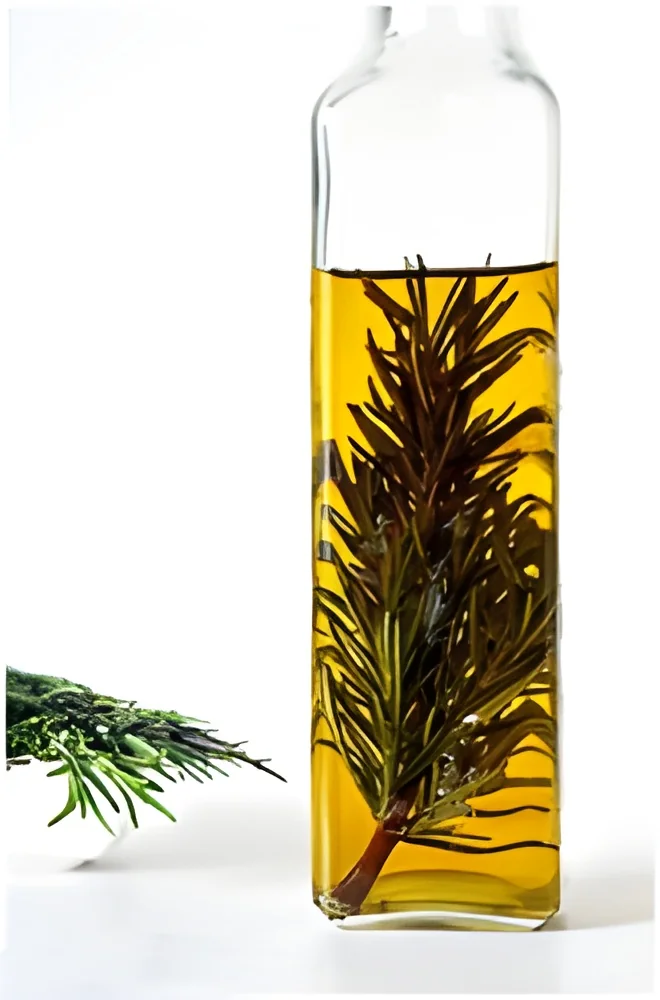
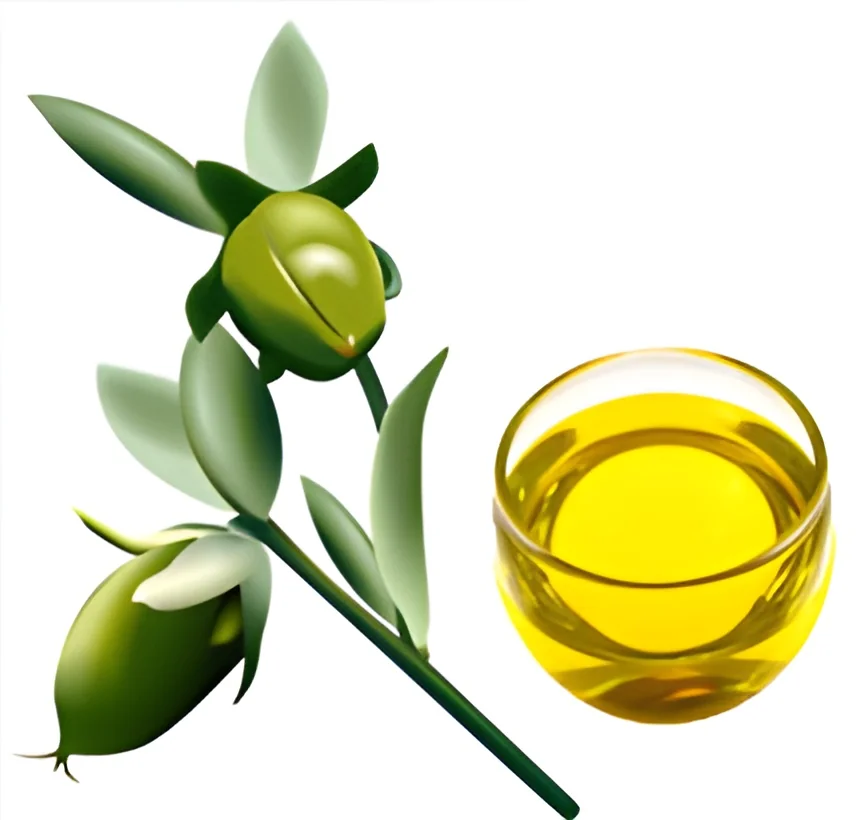
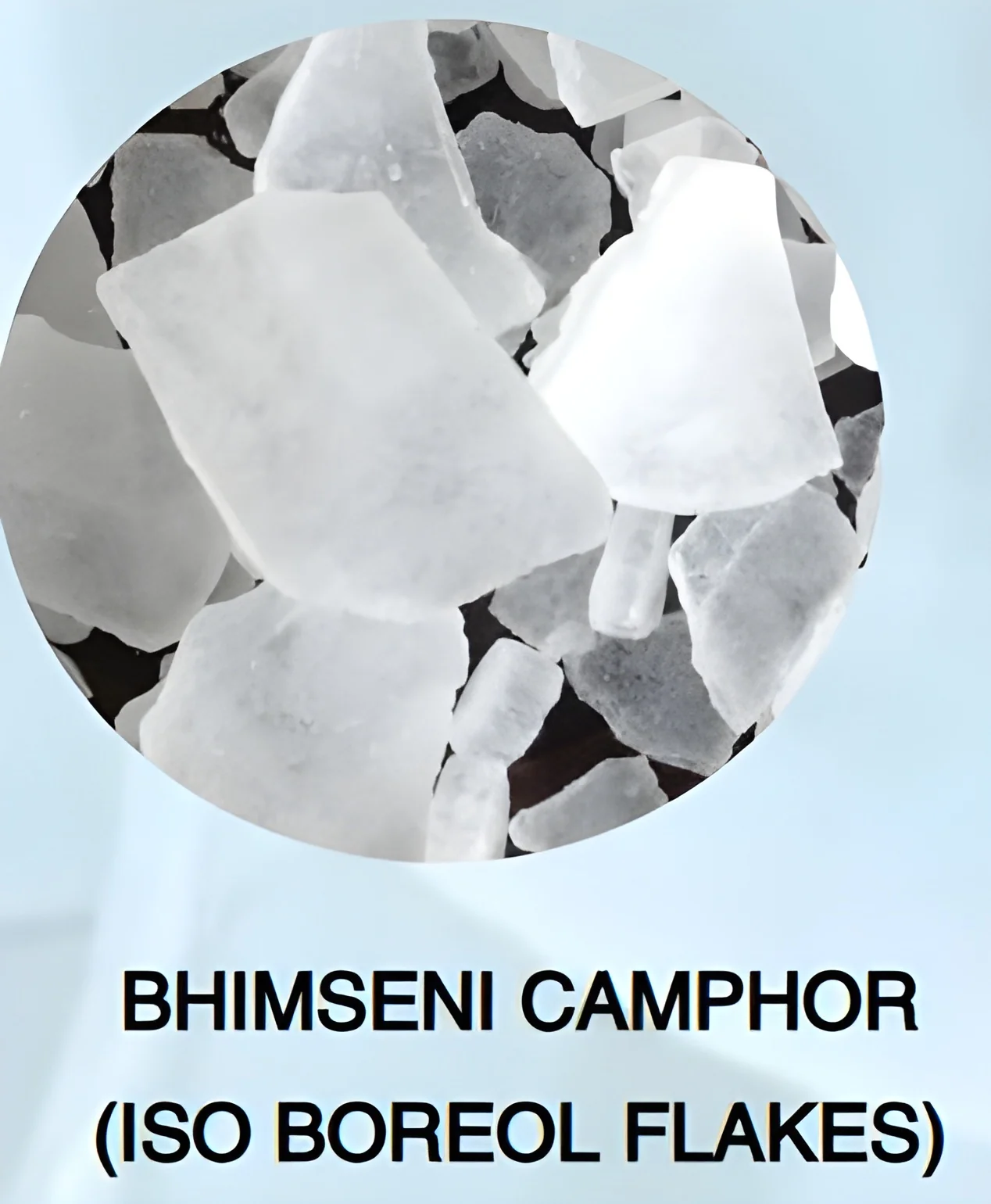
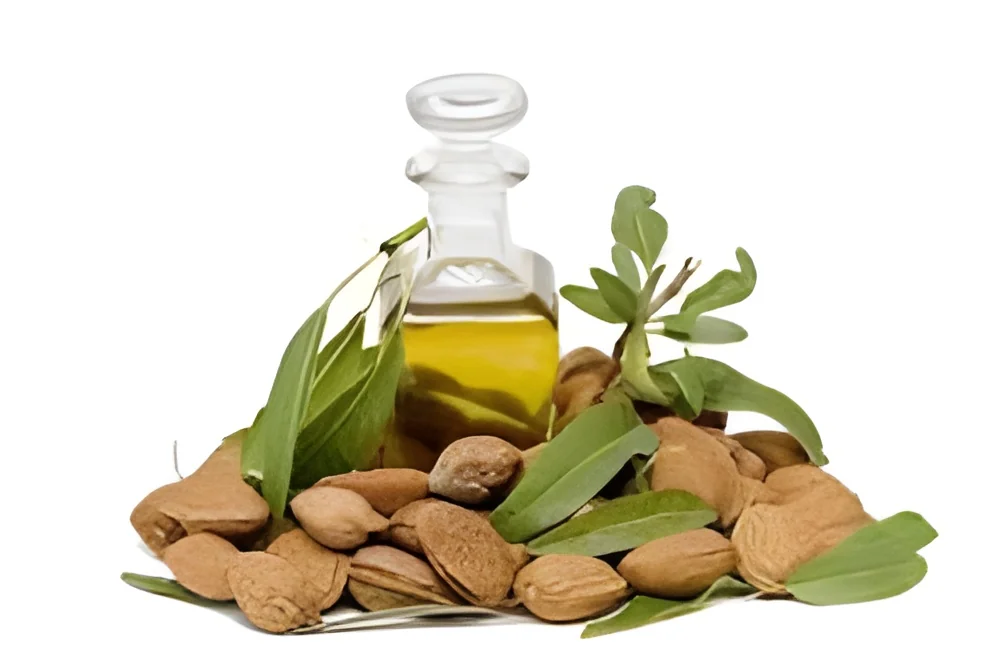
Essential oils are concentrated plant extracts obtained through various methods such as steam distillation or cold pressing. These oils capture the natural fragrance and beneficial properties of the plant, making them popular in aromatherapy. Aromatherapy is a holistic practice that uses essential oils for therapeutic purposes, including promoting physical and emotional well-being.
In business applications, essential oils are widely used in industries such as wellness, cosmetics, and cleaning products. They serve multiple purposes, including enhancing mood, improving focus, and providing natural fragrances. The market for essential oils and aromatherapy is rapidly growing as more consumers seek natural alternatives to synthetic products, making it a relevant sector within the health and wellness industry.
The essential oils market is projected to expand significantly, driven by increasing awareness of the benefits of natural products. Businesses are incorporating these oils into their offerings to meet consumer demand for organic and health-focused solutions. As more businesses recognize the value of essential oils, they are seeking reliable suppliers to ensure quality and consistency.
𝗞𝗲𝘆 𝗙𝗲𝗮𝘁𝘂𝗿𝗲𝘀 𝗮𝗻𝗱 𝗦𝗽𝗲𝗰𝗶𝗳𝗶𝗰𝗮𝘁𝗶𝗼𝗻𝘀
Essential oils and aromatherapy products are characterized by specific features and specifications that are crucial for their effectiveness and safety. When selecting these products, it is essential to consider the following key specifications:
1. Purity Level
- Essential oils should be free from additives and contaminants.
- High purity levels typically range from 95% to 100%.
2. Extraction Method
- Common methods include steam distillation and cold pressing.
- Extraction methods can impact the quality and properties of the oil.
3. Shelf Life
- Essential oils generally have a shelf life of 1 to 3 years.
- Proper storage conditions can extend their usability.
4. Packaging
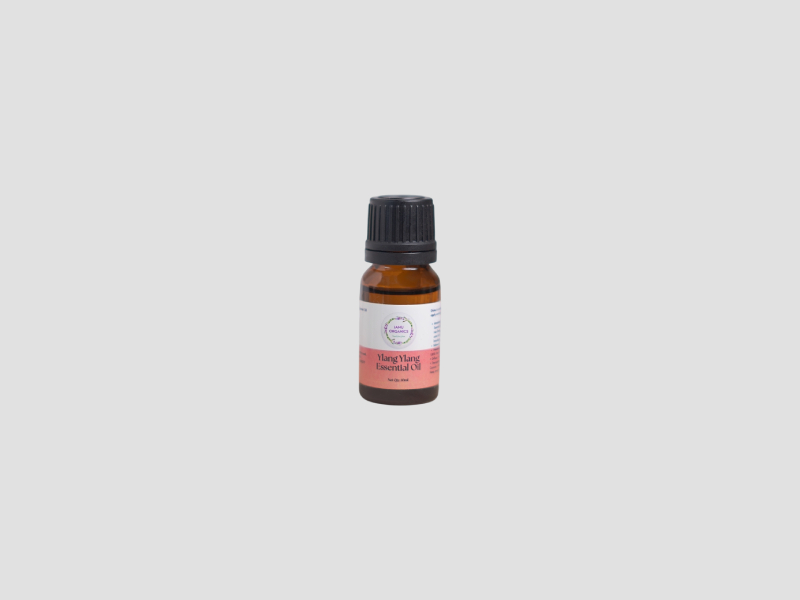
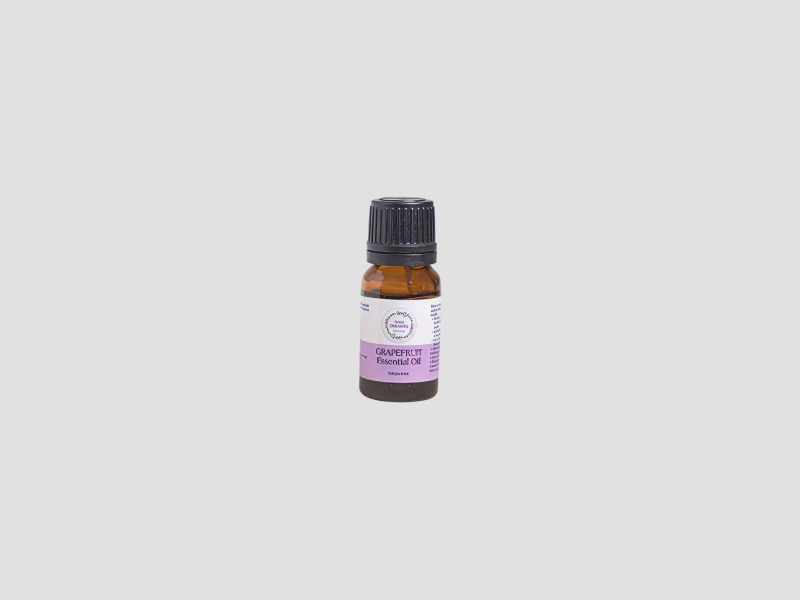
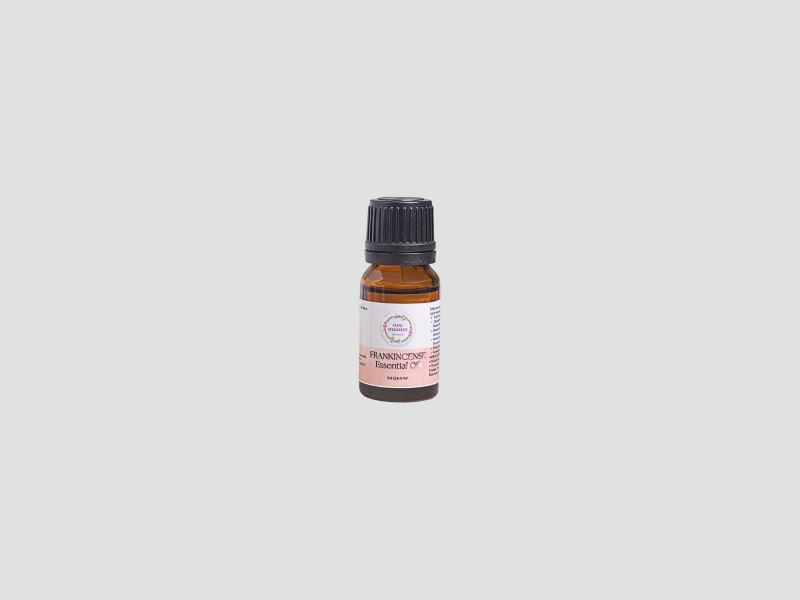
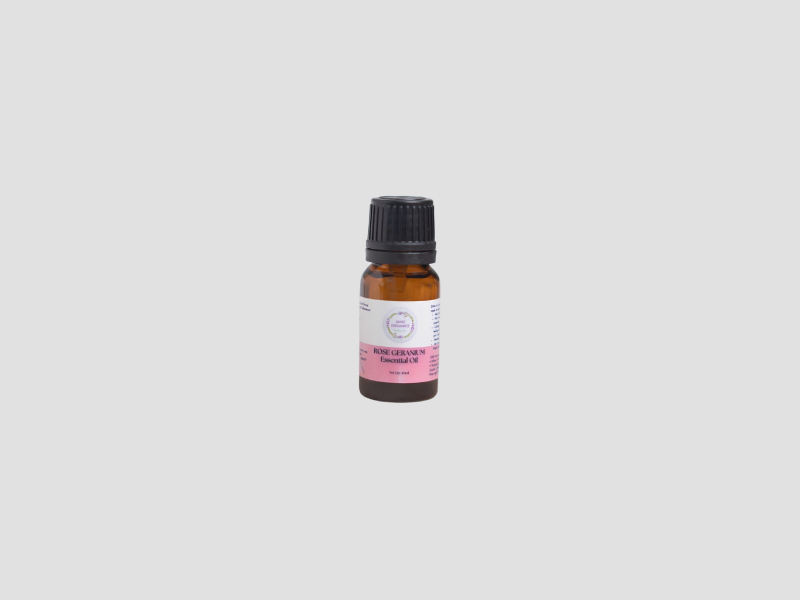
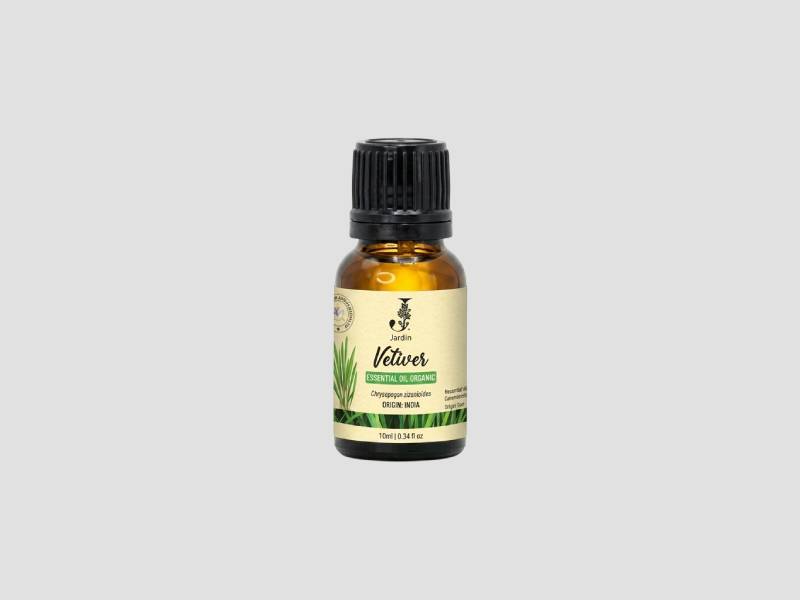
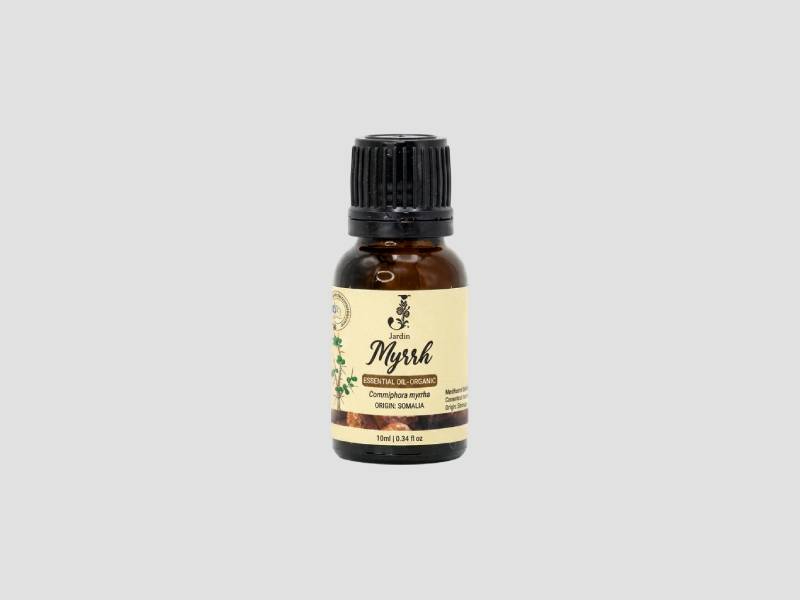
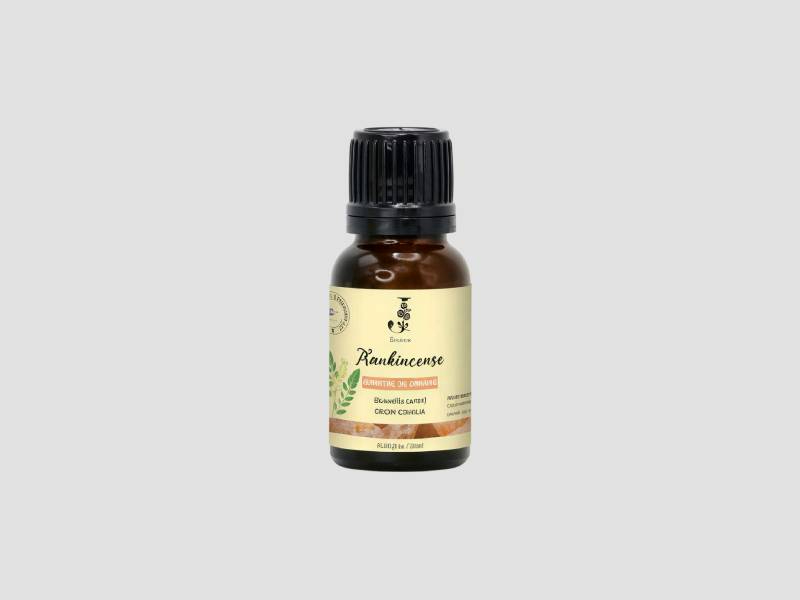
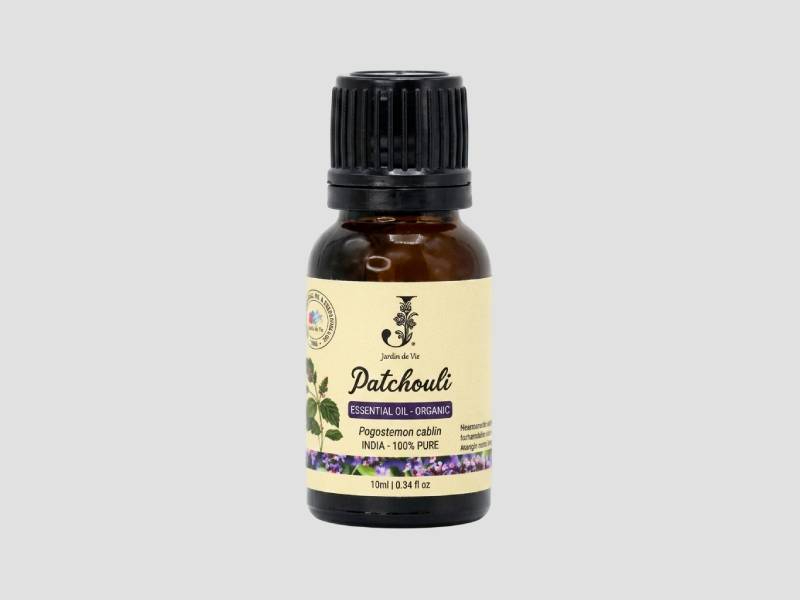
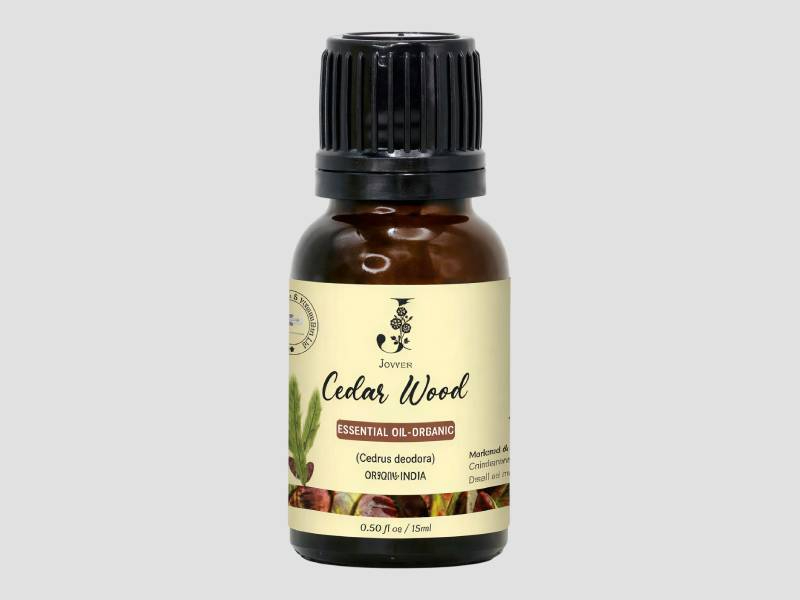
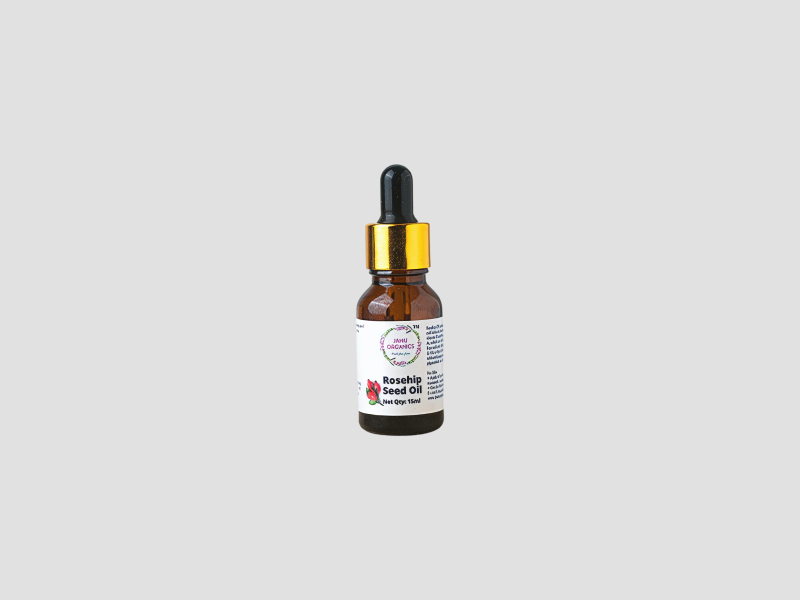
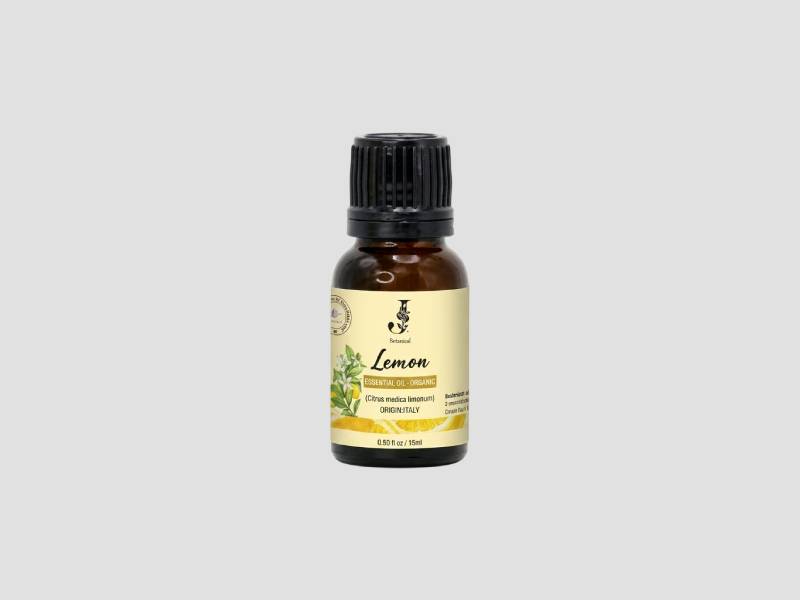
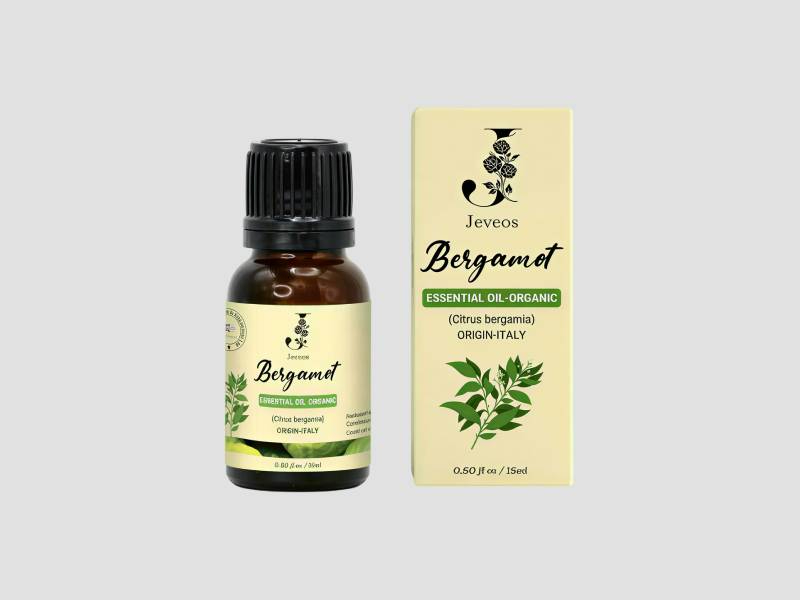
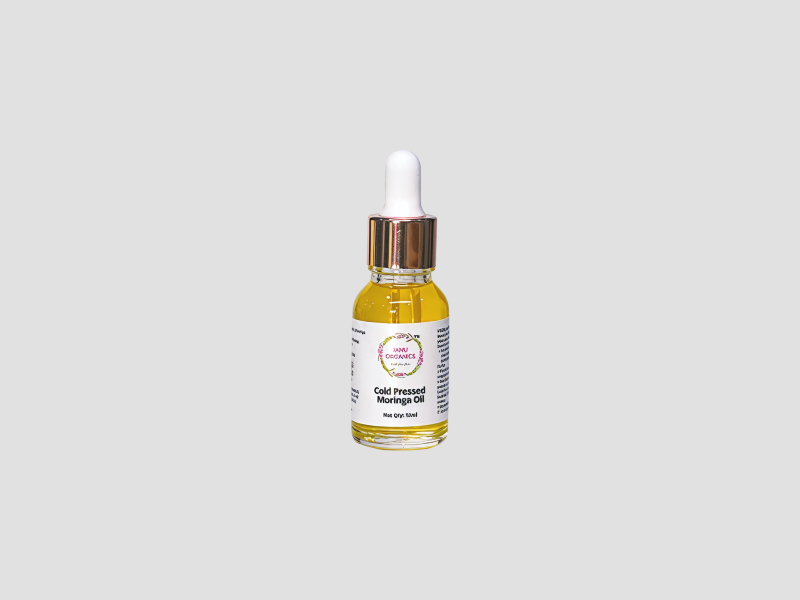
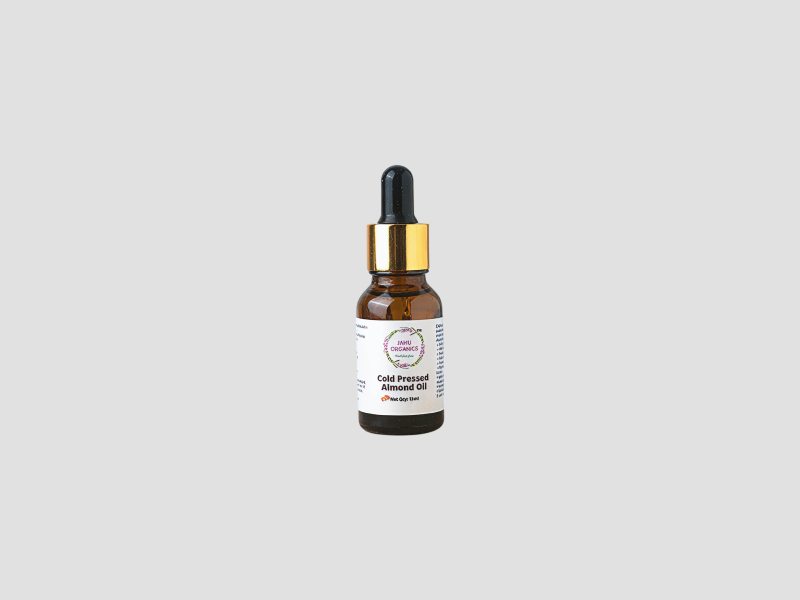
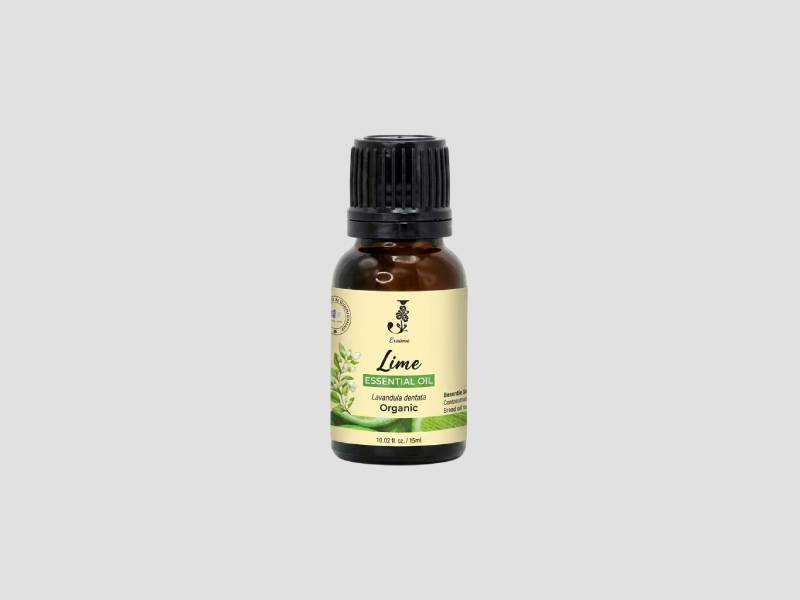
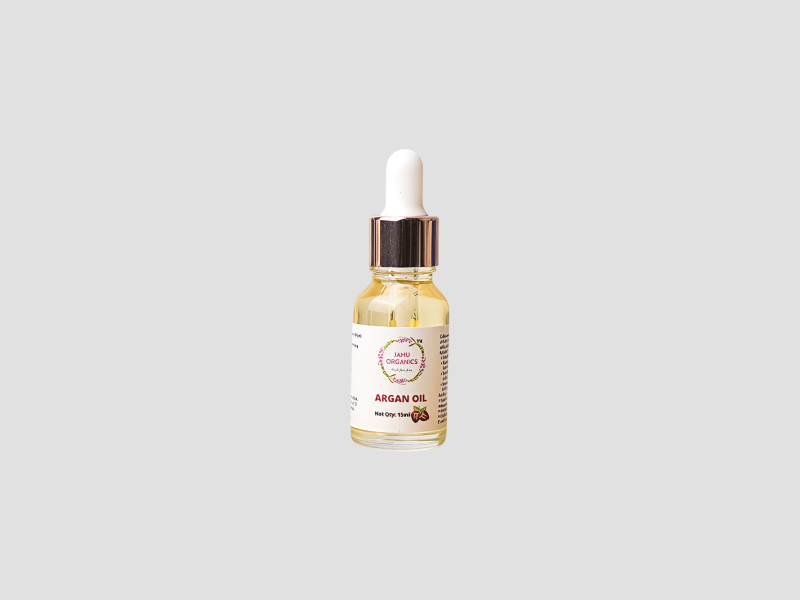
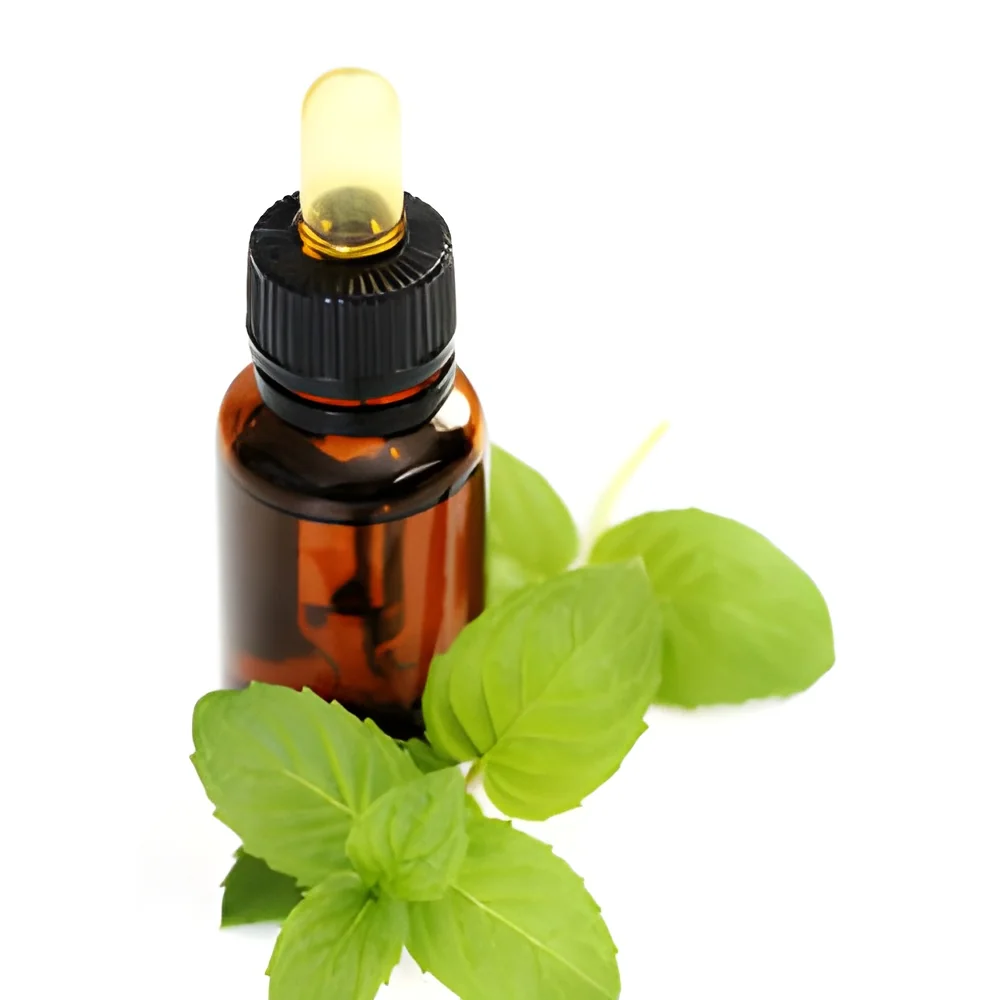
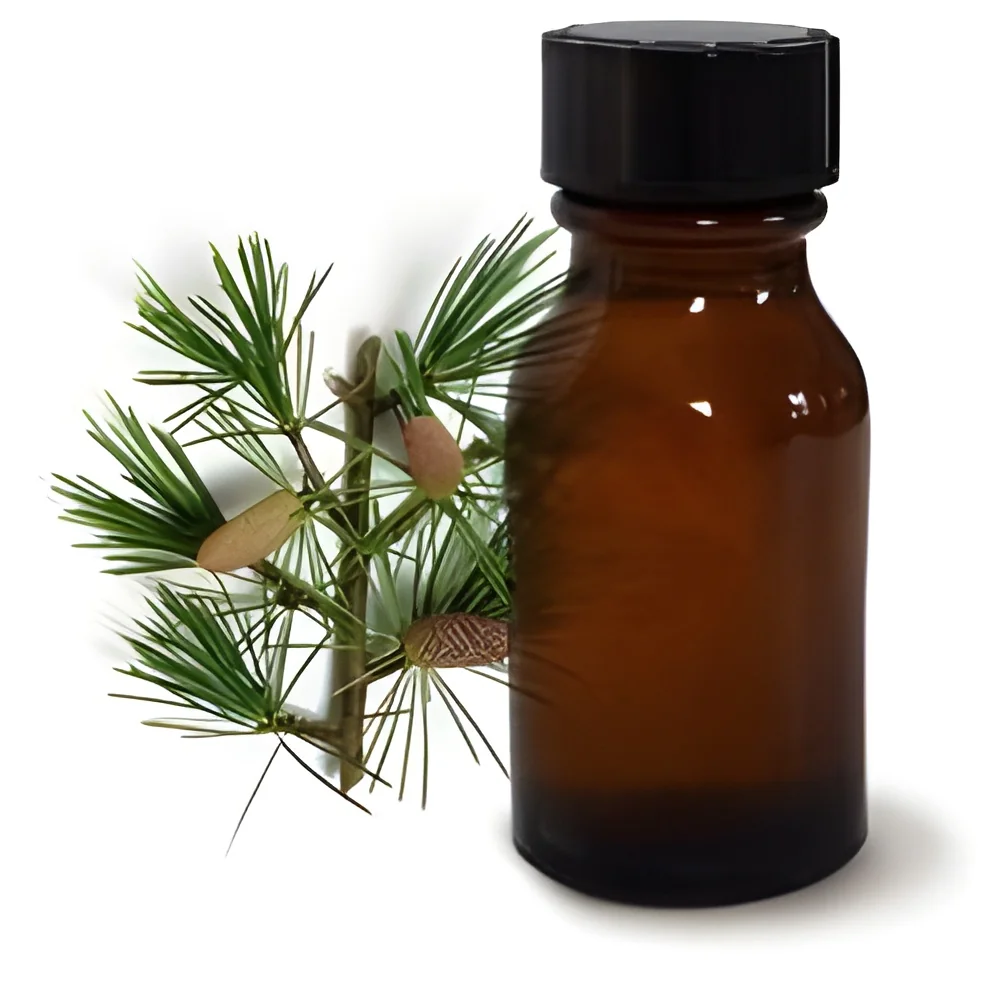
- Essential oils are often packaged in dark glass bottles to protect them from light.
- Packaging should include clear labeling for traceability.
5. Scent Profile
- Each essential oil has a unique fragrance profile that varies by plant source.
- Scent profiles are critical for aromatherapy applications.
6. Compliance Standards
- Essential oils should comply with relevant quality standards such as ISO 9001.
- Compliance ensures consistency and safety for consumers.
7. Country of Origin
- The geographical source of essential oils can affect quality and price.
- Specific regions are known for particular oil varieties.
8. Certification
- Look for products with certifications such as CE to ensure quality and safety.
- Certifications add credibility to the product's claims.
Understanding these features helps businesses make informed decisions when sourcing essential oils and aromatherapy products.
𝗖𝗼𝗺𝗺𝗼𝗻 𝗔𝗽𝗽𝗹𝗶𝗰𝗮𝘁𝗶𝗼𝗻𝘀 𝗮𝗻𝗱 𝗨𝘀𝗲 𝗖𝗮𝘀𝗲𝘀
Essential oils and aromatherapy serve diverse industries, each benefiting from their unique properties.
1. Wellness Industry: Essential oils are used in massage therapy and spa treatments to promote relaxation and relieve stress. They enhance the overall experience for clients seeking holistic therapies.
2. Cosmetics Industry: Many skincare products incorporate essential oils for their natural fragrance and skin benefits. They are used in creams, lotions, and perfumes to create appealing formulations.
3. Cleaning Products: Essential oils are gaining popularity in eco-friendly cleaning solutions. Their antimicrobial properties make them effective in disinfecting surfaces while providing a pleasant scent.
4. Food and Beverage: Some essential oils are utilized as flavoring agents in food and beverages. They enhance taste profiles and can also provide health benefits.
5. Home Fragrance: Essential oils are commonly used in diffusers and candles to create inviting atmospheres in homes and businesses. They contribute to mood enhancement and overall ambiance.
6. Aromatherapy Products: These include essential oil blends specifically formulated for therapeutic applications. They are used in inhalers, roll-ons, and other delivery methods.
7. Veterinary Use: Essential oils are increasingly being explored for their potential benefits in animal care. They may help with stress relief and improve the overall well-being of pets.
𝗣𝗿𝗼𝗱𝘂𝗰𝘁 𝗩𝗮𝗿𝗶𝗮𝗻𝘁𝘀 𝗮𝗻𝗱 𝗦𝘂𝗯𝗰𝗮𝘁𝗲𝗴𝗼𝗿𝗶𝗲𝘀
Essential oils come in various forms, each tailored to specific applications and preferences.
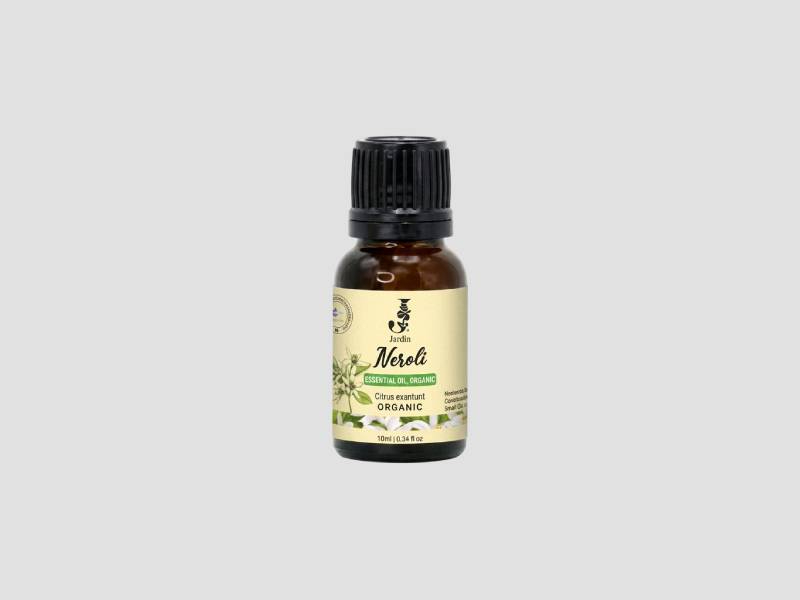
Lavender Oil
Lavender oil is well-known for its calming properties. It is widely used in aromatherapy for relaxation and stress relief. This versatile oil can also be found in skincare products for its soothing effects on the skin.
Peppermint Oil
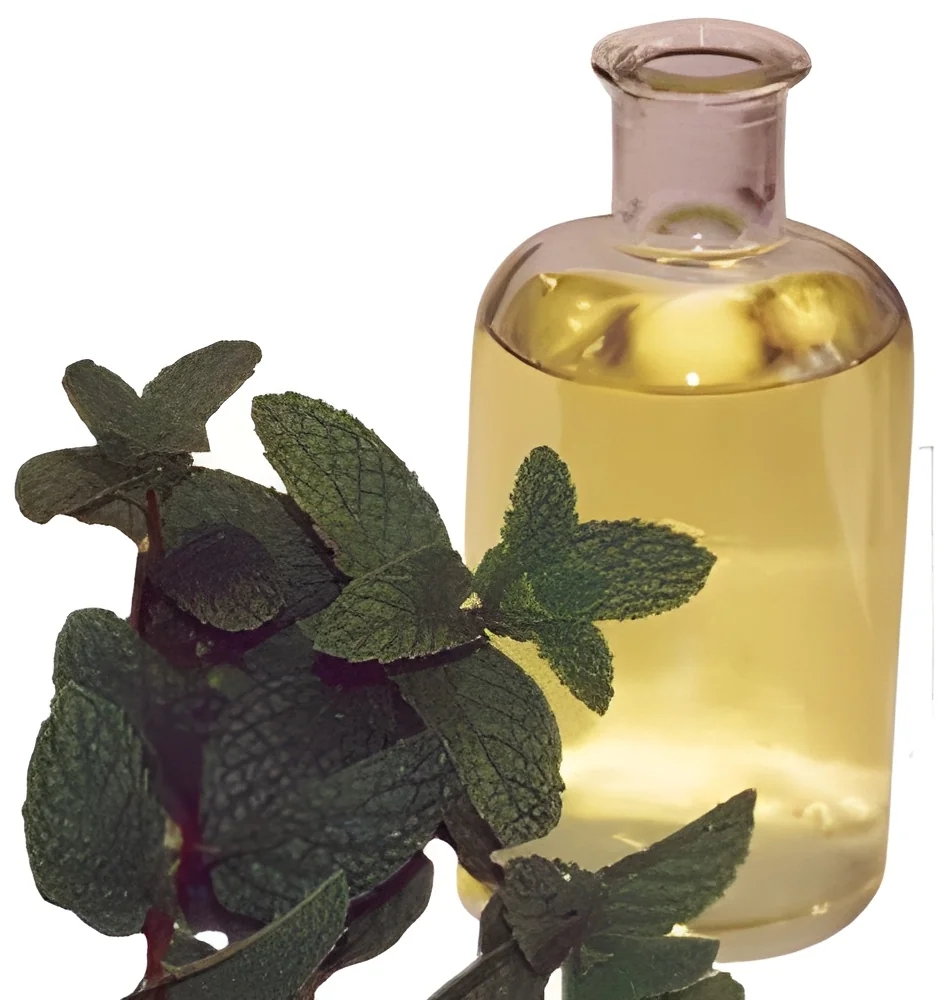
Peppermint oil is recognized for its invigorating scent and refreshing properties. It is commonly used in personal care products and is known for its potential benefits in relieving headaches and enhancing mental clarity.
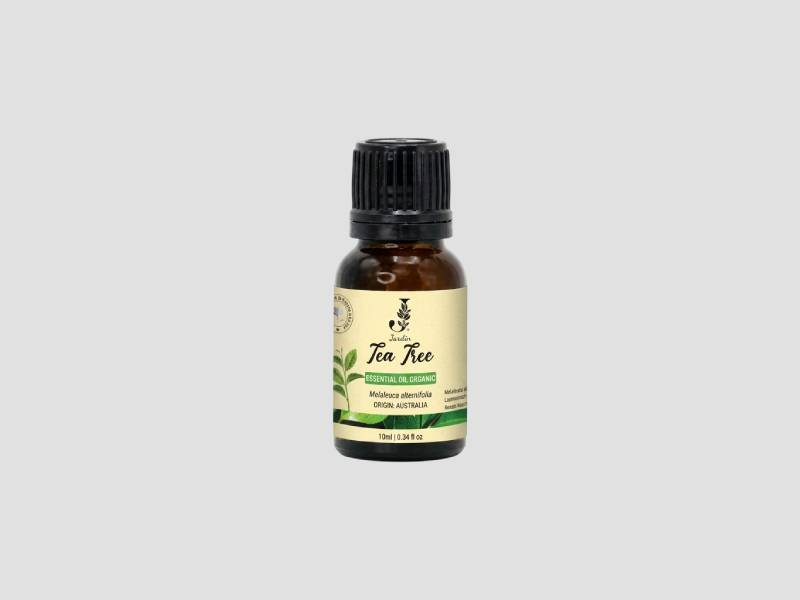
Tea Tree Oil
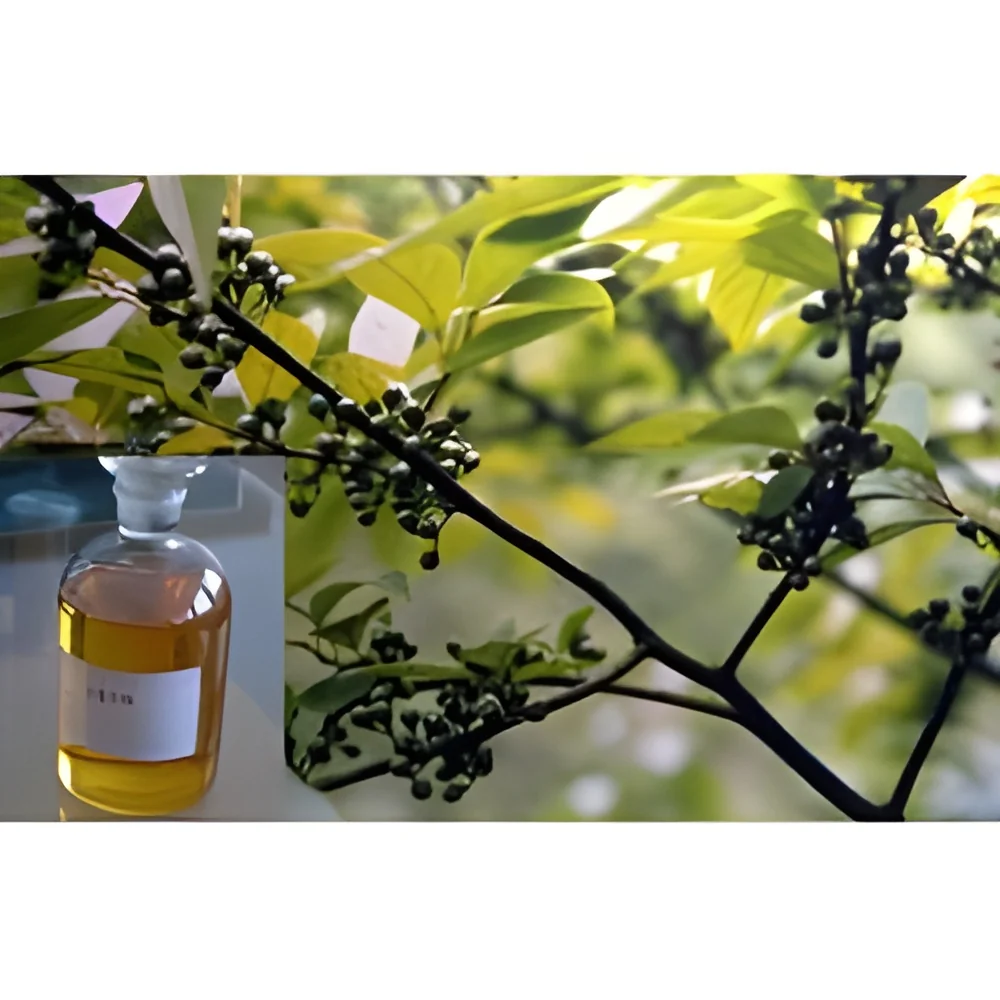
Tea tree oil is renowned for its antibacterial and antifungal properties. It is often incorporated into skincare products to treat acne and improve skin health. Its medicinal qualities make it popular in natural health remedies.
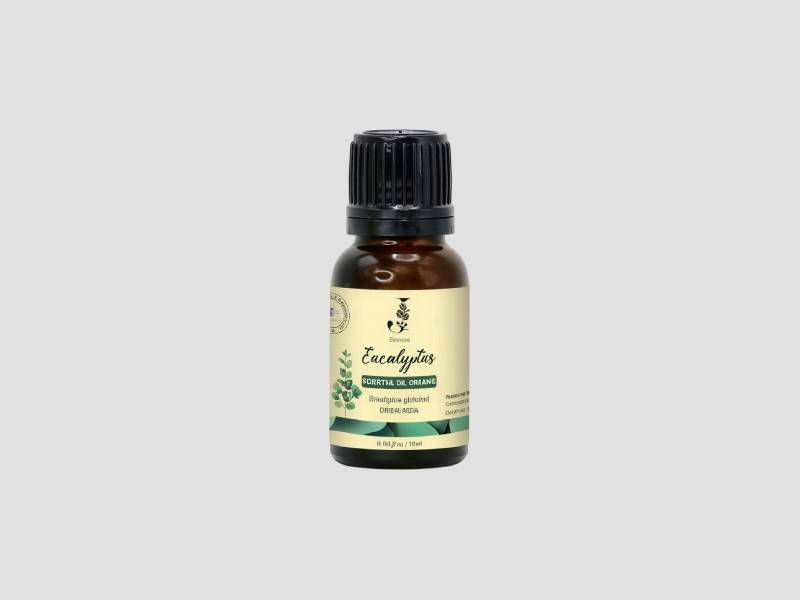
Eucalyptus Oil
Eucalyptus oil is valued for its respiratory benefits. It is frequently used in diffusers and inhalers to promote clearer breathing and relieve congestion. It is also common in massage oils for its soothing effects.
𝗕𝗲𝗻𝗲𝗳𝗶𝘁𝘀 𝗮𝗻𝗱 𝗔𝗱𝘃𝗮𝗻𝘁𝗮𝗴𝗲𝘀
Essential oils and aromatherapy offer numerous benefits that appeal to businesses and consumers alike.
1. Natural Ingredients: Essential oils are derived from plants, making them a preferable option for those seeking natural alternatives to synthetic chemicals.
2. Versatility: These oils can be used in various applications, from skincare to cleaning products, allowing businesses to expand their product offerings.
3. Therapeutic Properties: Many essential oils possess unique therapeutic benefits, such as stress relief, improved focus, and enhanced mood, contributing to overall well-being.
4. Eco-Friendly: Essential oils are often produced sustainably, appealing to environmentally conscious consumers.
5. Unique Fragrance Options: The diverse range of essential oils allows businesses to create signature scents that differentiate their products in the market.
6. Increasing Consumer Demand: The growing preference for natural products in the health and wellness sector presents significant opportunities for businesses to tap into this expanding market.
𝗕𝘂𝘆𝗶𝗻𝗴 𝗚𝘂𝗶𝗱𝗲 𝗳𝗼𝗿 𝗕𝟮𝗕 𝗕𝘂𝘆𝗲𝗿𝘀
When sourcing essential oils and aromatherapy products, B2B buyers should consider several important factors to ensure they find the right suppliers.
1. Quality Assessment: Evaluate the purity and quality of essential oils by requesting lab analysis reports. Look for oils that meet industry standards to ensure safety and effectiveness.
2. Supplier Verification: Conduct thorough research to verify suppliers' credibility. Check for certifications, reviews, and their history in the industry to ensure reliability.
3. Pricing and MOQ: Understand the pricing structure and minimum order quantities (MOQ) offered by suppliers. This helps in budgeting and planning inventory effectively.
4. Delivery and Lead Times: Inquire about delivery schedules and lead times to ensure timely replenishment of stock. Reliable logistics are crucial for maintaining business operations.
5. Compliance Requirements: Ensure that the essential oils meet relevant regulatory standards. Familiarize yourself with local and international compliance requirements to avoid legal issues.
𝗖𝗼𝗺𝗽𝗹𝗶𝗮𝗻𝗰𝗲 𝗮𝗻𝗱 𝗖𝗲𝗿𝘁𝗶𝗳𝗶𝗰𝗮𝘁𝗶𝗼𝗻𝘀
Compliance and certifications are critical components in the essential oils and aromatherapy industry.
Essential oils should adhere to quality standards such as ISO 9001, which ensures consistent quality management practices. Compliance with HACCP guidelines may also be required for products that are intended for consumption or topical use, ensuring they are safe for consumers.
Industry certifications, such as CE, are important for establishing product credibility. These certifications indicate that the products meet safety and performance requirements set by regulatory bodies.
Safety and testing requirements must be met to guarantee the oils are free from harmful substances. Regular testing and quality checks are essential to maintain high standards.
Regional compliance considerations vary, so businesses must be aware of local regulations related to the production and sale of essential oils in their respective markets.
𝗪𝗵𝘆 𝗦𝗼𝘂𝗿𝗰𝗲 𝗘𝘀𝘀𝗲𝗻𝘁𝗶𝗮𝗹 𝗢𝗶𝗹𝘀 & 𝗔𝗿𝗼𝗺𝗮𝘁𝗵𝗲𝗿𝗮𝗽𝘆 𝗳𝗿𝗼𝗺 𝗣𝗲𝗽𝗮𝗴𝗼𝗿𝗮?
Pepagora provides a trusted platform for sourcing essential oils and aromatherapy products, offering numerous advantages to B2B buyers.
Verified Supplier Network: Pepagora connects buyers with a network of verified suppliers, ensuring product quality and reliability. These suppliers undergo rigorous vetting processes, giving buyers peace of mind.
Streamlined RFQ Process: The platform offers an efficient Request for Quotation (RFQ) system, allowing buyers to easily obtain quotes from multiple suppliers. This simplifies the procurement process and fosters competitive pricing.
Trade Assurance and Support: Pepagora emphasizes buyer protection through trade assurance programs. This includes support in transactions, ensuring that buyers receive the products as promised.
Regional Coverage: With a strong presence in markets like India, the GCC, and Southeast Asia, Pepagora ensures broad geographic reach. This allows businesses to connect with suppliers across different regions, expanding their sourcing options.
With these features, Pepagora stands out as a reliable partner for businesses seeking essential oils and aromatherapy solutions.

 IN
IN