What are Frankincense Essential Oil?
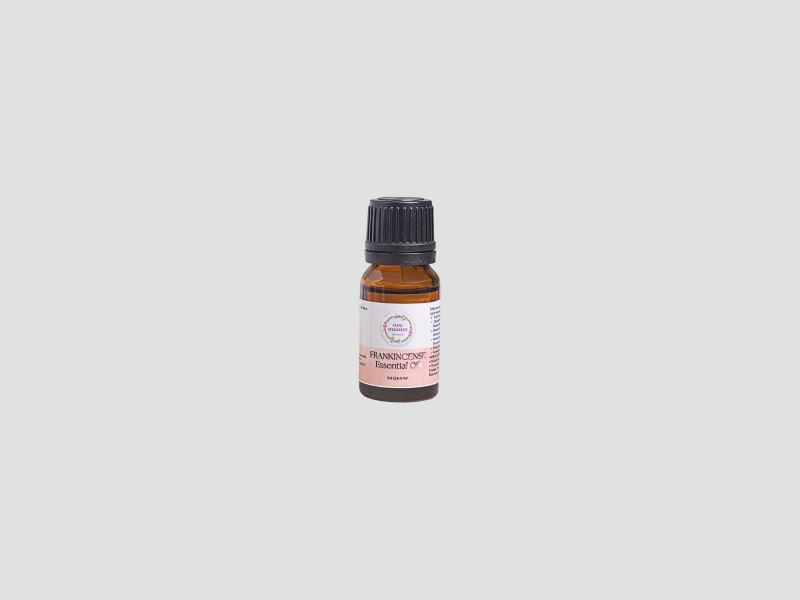
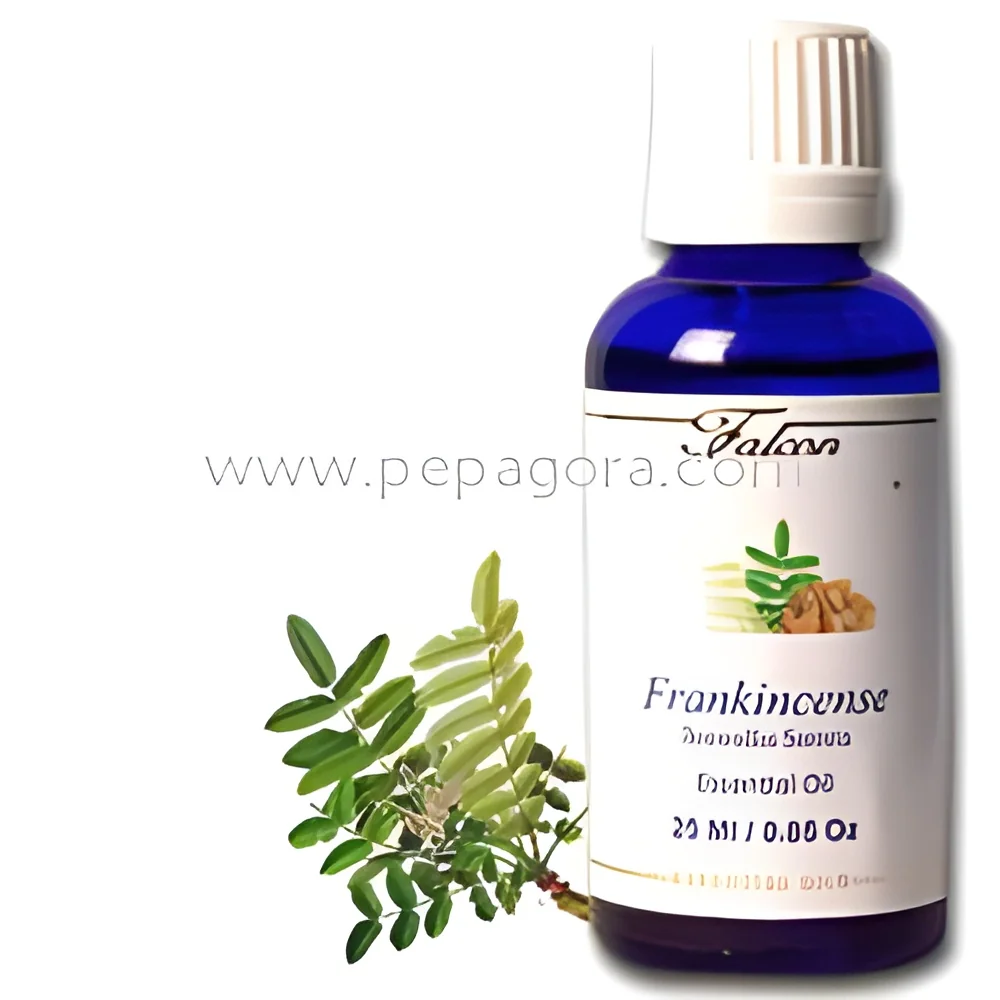
Frankincense Essential Oil is derived from the resin of the Boswellia tree, which is native to regions in the Middle East and parts of Africa. This oil has been used for centuries in traditional medicine, religious ceremonies, and as a natural remedy. The distillation process extracts the essential compounds, resulting in a potent oil known for its aromatic and therapeutic properties.
In the business context, Frankincense Essential Oil finds applications in various sectors, including aromatherapy, cosmetics, and wellness products. Its ability to promote relaxation and enhance mood makes it a sought-after ingredient in personal care formulations. Furthermore, the oil is used in incense and perfumes, catering to both retail and wholesale markets. As consumer interest in natural and organic products rises, the demand for Frankincense Essential Oil continues to grow, highlighting its relevance in today's market.
Key Features and Specifications
Frankincense Essential Oil boasts a variety of features that appeal to businesses across different industries. Understanding these specifications helps buyers make informed decisions about sourcing the product.
Key specifications include:
1. Extraction Method
- Steam distillation is the primary method used to obtain the oil.
- This method preserves the purity and quality of the essential oil.
2. Aromatic Profile
- The oil has a warm, spicy, and woody scent, making it popular in aromatherapy.
- Its aromatic properties contribute significantly to its use in perfumes and incense.
3. Chemical Composition
- Key constituents include alpha-pinene, limonene, and boswellic acids.
- These compounds contribute to its therapeutic benefits and efficacy.
4. Packaging Options
- Available in various sizes, from 10ml bottles to bulk containers.
- Packaging ensures product integrity and ease of distribution.
5. Shelf Life
- Frankincense Essential Oil typically has a shelf life of 2-3 years when stored properly.
- Proper storage conditions include keeping the oil in a cool, dark place.
6. Origin
- Sourced from regions known for high-quality Boswellia species, such as Oman and Somalia.
- Geographic origin can affect the oil's properties and market value.
7. Purity Level
- High-quality oils typically have a purity level of 100%.
- Buyers should request certificates of analysis to verify purity.
8. Regulatory Compliance
- The oil meets various international standards, ensuring it is safe for use.
- Certification such as CE indicates adherence to safety and quality standards.
In summary, understanding these features and specifications allows businesses to select the right Frankincense Essential Oil that meets their specific needs.
Common Applications and Use Cases
Frankincense Essential Oil serves various industries, demonstrating its versatility and wide-ranging applications.
1. Aromatherapy: Widely used in diffusers, Frankincense Essential Oil promotes relaxation and reduces stress. It is a popular choice in wellness centers and spas.
2. Cosmetics: The oil is incorporated into skincare products due to its anti-inflammatory properties. It helps improve skin tone and texture, making it valuable for cosmetic manufacturers.
3. Perfume Industry: Its unique scent profile enhances fragrances, making it a key ingredient in high-end perfumes and scented products.
4. Health and Wellness: Utilized in natural remedies, Frankincense Essential Oil is often found in supplements and wellness products aimed at improving overall health.
5. Religious and Cultural Practices: The oil is traditionally used in incense for spiritual rituals, maintaining its significance in various cultural contexts.
6. Cleaning Products: Its antimicrobial properties make it suitable for use in eco-friendly cleaning solutions.
7. Massage Therapy: The oil is often blended with carrier oils for use in therapeutic massages, enhancing relaxation and well-being.
Product Variants and Subcategories
Frankincense Essential Oil is available in several variants, each catering to different business needs and preferences.
Organic Frankincense Essential Oil
This variant is sourced from organically grown Boswellia trees, ensuring no synthetic pesticides or fertilizers are used. It is ideal for businesses focusing on natural and organic product lines.
Wild-Harvested Frankincense Essential Oil
Sourced from wild trees, this variant maintains traditional methods of harvesting. It appeals to companies looking for sustainably sourced products that support local communities.
Resin-Based Frankincense
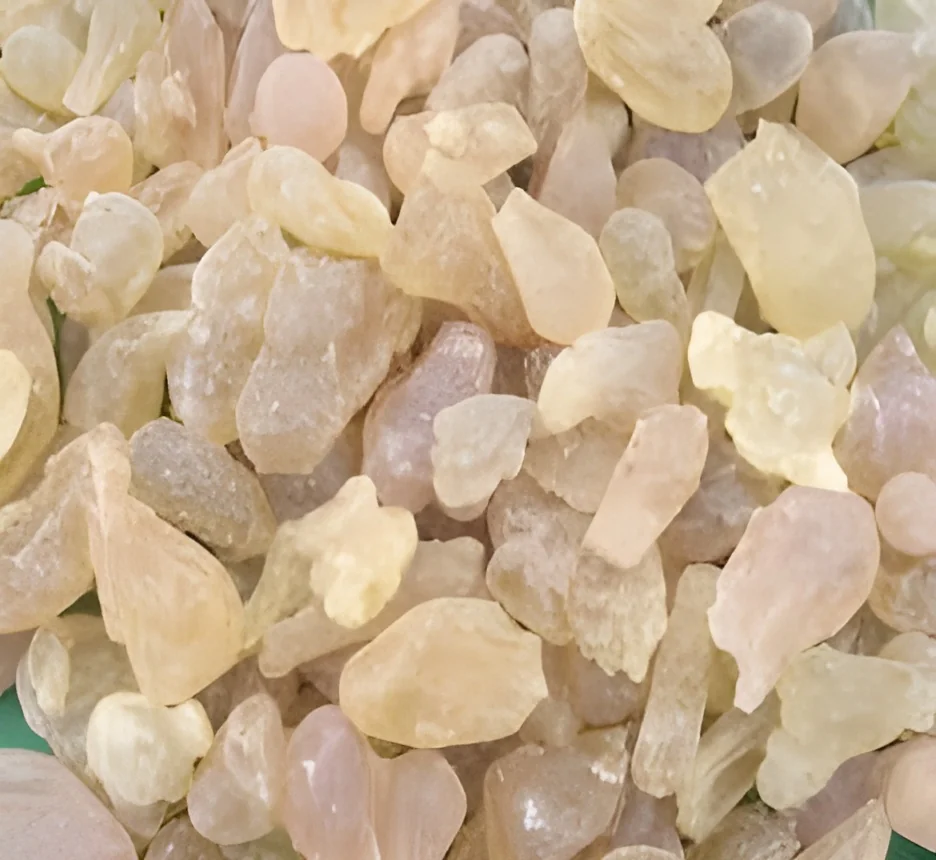
This product is in resin form and can be used for incense or distillation into essential oil. It is suitable for businesses that prefer raw materials for their production processes.
Benefits and Advantages
Sourcing Frankincense Essential Oil offers numerous advantages for B2B buyers.
1. Natural Therapeutic Properties: The oil is known for its calming and healing benefits, making it a valuable component in wellness and personal care products.
2. Versatility: Its wide range of applications allows businesses to explore multiple market segments, from cosmetics to aromatherapy.
3. High Demand: As consumers increasingly seek natural and organic products, Frankincense Essential Oil remains in high demand, ensuring a steady market.
4. Unique Aroma: The distinctive scent of Frankincense enhances the appeal of products in the fragrance and incense industries.
5. Sustainable Sourcing Options: With variants available from organic and wild-harvested sources, businesses can align with sustainability goals.
6. Competitive Edge: Offering high-quality Frankincense Essential Oil can set companies apart in a crowded marketplace, attracting quality-conscious consumers.
Buying Guide for B2B Buyers
When sourcing Frankincense Essential Oil, several factors should be considered to ensure quality and reliability.
1. Quality Assessment: Buyers should look for oils that are pure and free from additives. Certificates of analysis from suppliers can verify the quality of the oil.
2. Supplier Verification: It is crucial to vet suppliers to ensure they have a good reputation and follow ethical sourcing practices. Checking reviews and references can aid in this process.
3. Pricing and MOQ: Understanding the price range and minimum order quantities (MOQ) helps in budgeting and planning purchases. Buyers should compare prices across different suppliers to find the best deal.
4. Delivery and Lead Times: Logistics are essential to ensure timely delivery. Buyers should discuss lead times with suppliers to align with their production schedules.
5. Compliance Requirements: Awareness of regulatory requirements is important. Buyers should ensure that the oil meets local and international safety and quality standards.
Compliance and Certifications
Frankincense Essential Oil must adhere to various quality standards and certifications to ensure safety and reliability in its applications.
Relevant quality standards include ISO 9001, which focuses on quality management systems, ensuring that suppliers maintain high-quality production processes. Other relevant standards may include HACCP for food safety and GDP for good distribution practices.
Industry certifications, such as CE, indicate that the product meets European safety and health requirements. These certifications help buyers ensure that the oil is safe for its intended use.
Safety and testing requirements often involve laboratory analysis to confirm the purity and concentration of active compounds in the oil. Buyers should request testing results to verify compliance.
Regional compliance considerations may vary, so it is critical for buyers to understand the regulations in their specific market. This ensures that they source products that meet all necessary legal and safety requirements.
Why Source Frankincense Essential Oil from Pepagora?
Pepagora provides a trusted platform for sourcing Frankincense Essential Oil with several key advantages that benefit B2B buyers.
Verified Supplier Network: Pepagora ensures that all suppliers are thoroughly vetted. This process guarantees that buyers can trust the quality and authenticity of the products they purchase.
Streamlined RFQ Process: The platform simplifies the request for quotation (RFQ) process, allowing buyers to efficiently compare prices and offerings from multiple suppliers. This helps in making informed purchasing decisions.
Trade Assurance and Support: Pepagora offers trade assurance, providing buyers with protection throughout the transaction process. This support builds confidence and security in each purchase.
Regional Coverage: With a broad reach across India, the GCC, and Southeast Asia, Pepagora connects buyers with suppliers in key markets. This geographic diversity ensures that businesses can find the right products for their specific needs.

 IN
IN