
 IN
Lavender Essential Oil
7 products available
What are Lavender Essential Oil?
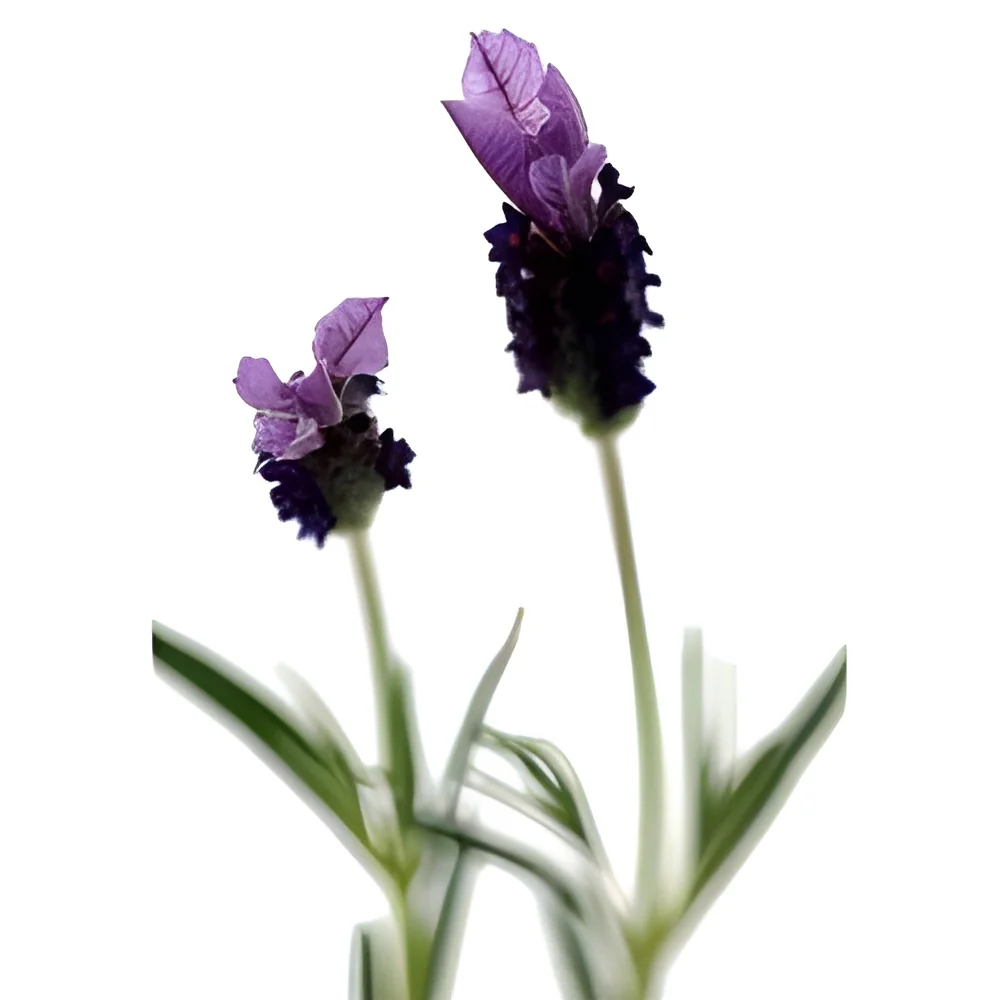
Lavender Essential Oil is a concentrated liquid extracted from the flowers of the lavender plant, known for its distinctive aroma and therapeutic properties. It is obtained through methods such as steam distillation, which preserves the plant's natural compounds. This essential oil is characterized by its light purple color and calming scent, making it a popular choice in various industries.
The primary uses of Lavender Essential Oil include aromatherapy, personal care products, and fragrance development. Businesses incorporate it into lotions, soaps, candles, and diffusers, leveraging its relaxing attributes for both consumers and professionals. Furthermore, the oil is often utilized in the wellness sector for its potential to alleviate stress and promote relaxation. With the growing demand for natural and organic products, Lavender Essential Oil holds significant relevance in today's market.
As industries increasingly pivot towards sustainability and natural ingredients, Lavender Essential Oil has become a staple in sectors such as cosmetics, healthcare, and hospitality. Its versatility and wide range of applications position it as a valuable product for businesses looking to enhance their offerings in the competitive landscape.
Key Features and Specifications
Lavender Essential Oil is distinguished by various key features and specifications that make it suitable for diverse applications. Understanding these specifications is essential for businesses seeking quality and consistency in their sourcing.
Key specifications include:
1. Aroma Profile
- Characterized by a sweet, floral scent
- Promotes relaxation and well-being
2. Purity Level
- Typically 100% pure essential oil
- Free from synthetic additives and contaminants
3. Extraction Method
- Usually extracted via steam distillation
- Ensures the preservation of natural properties
4. Shelf Life
- Generally lasts for about 3 to 5 years when stored properly
- Should be kept in a cool, dark place to maintain potency
5. Color
- Light to medium purple in color
- Indicative of quality and proper extraction
6. Origin
- Sourced from various regions, primarily in Europe
- French lavender is particularly prized for its high quality
7. Packaging Options
- Available in various sizes, from small bottles to bulk containers
- Requires airtight containers to prevent oxidation
8. Compliance
- Adheres to safety and quality standards
- Certified with relevant industry certifications, such as CE
In summary, understanding the key features and specifications of Lavender Essential Oil is crucial for businesses. This knowledge aids in selecting high-quality products that meet industry standards and customer expectations.
Common Applications and Use Cases
Lavender Essential Oil serves various industries due to its versatile nature and beneficial properties.
1. Cosmetics: Used in skincare formulations for its soothing and calming effects, Lavender Essential Oil enhances products like creams, serums, and soaps.
2. Aromatherapy: Widely utilized in diffusers and therapeutic practices, it promotes relaxation and stress relief, making it a staple in wellness centers.
3. Hospitality: Incorporated into hotel amenities and spa treatments, it creates a calming atmosphere for guests seeking relaxation during their stay.
4. Cleaning Products: Its natural antiseptic properties make it a popular ingredient in eco-friendly cleaning solutions, providing both fragrance and effectiveness.
5. Food and Beverage: Occasionally used as a flavoring agent in culinary applications, Lavender Essential Oil adds a unique taste to various dishes and beverages.
6. Pet Care: Incorporated into pet grooming products for its calming properties, Lavender Essential Oil can help reduce anxiety in pets during stressful situations.
7. Personal Care: Found in perfumes and scented products, it enhances the olfactory experience while providing potential therapeutic benefits.
Product Variants and Subcategories
Lavender Essential Oil offers various product variants to meet diverse business needs.
Lavender Essential Oil (Pure)
This variant is characterized by its high purity level and is ideal for aromatherapy and skincare applications. It is free from additives, ensuring that users benefit from its natural properties.
Lavender Essential Oil (Organic)
Sourced from certified organic farms, this variant is perfect for businesses focused on sustainability. It meets organic certification requirements and is favored by consumers seeking eco-friendly products.
Lavender Essential Oil (Therapeutic Grade)
This variant is specifically formulated for therapeutic applications, ensuring that it meets stringent quality standards for use in holistic practices.
Benefits and Advantages
Lavender Essential Oil provides numerous benefits that appeal to businesses across various sectors.
1. Stress Relief: Known for its calming properties, Lavender Essential Oil effectively reduces stress and anxiety, making it popular in wellness and beauty products.
2. Versatility: Its wide range of applications allows businesses to incorporate it into multiple product lines, from cosmetics to cleaning solutions.
3. Natural Ingredient: As a natural product, it aligns with the growing consumer demand for organic and sustainable alternatives, enhancing brand reputation.
4. Aroma Enhancement: Lavender Essential Oil offers a pleasant floral scent, improving the sensory experience of products it is incorporated into.
5. Antimicrobial Properties: Its natural antiseptic qualities make it suitable for use in cleaning products, providing both cleaning efficacy and fragrance.
6. Consumer Demand: With increasing interest in holistic health and wellness, Lavender Essential Oil presents opportunities for businesses to capitalize on this trend.
Buying Guide for B2B Buyers
When sourcing Lavender Essential Oil, several factors should be considered to ensure quality and reliability.
1. Quality Assessment: Evaluate the oil's purity and extraction methods. Look for suppliers who provide third-party testing results to confirm quality standards.
2. Supplier Verification: Research potential suppliers to ensure they have a good reputation and reliable track record. Request references and check customer reviews.
3. Pricing and MOQ: Be aware of the typical price range for Lavender Essential Oil and inquire about minimum order quantities to meet your business needs.
4. Delivery and Lead Times: Discuss logistics with suppliers to understand delivery capabilities and lead times. This is crucial for maintaining inventory levels.
5. Compliance Requirements: Ensure that the Lavender Essential Oil meets relevant quality standards and certifications, such as CE, to comply with industry regulations.
Compliance and Certifications
Compliance and certifications are essential for ensuring that Lavender Essential Oil meets safety and quality expectations.
Lavender Essential Oil typically adheres to relevant quality standards, including ISO 9001, which focuses on quality management systems to ensure consistent quality in production and services.
Industry certifications such as CE indicate that the product meets European health, safety, and environmental protection standards. This is vital for businesses exporting to or operating within the European market.
Safety and testing requirements are also crucial. Lavender Essential Oil should undergo rigorous testing to ensure it is free from contaminants and safe for use in consumer products.
Additionally, regional compliance considerations must be taken into account, as different regions may have specific regulations governing the use and sale of essential oils.
Why Source Lavender Essential Oil from Pepagora?
Pepagora provides a trusted platform for sourcing Lavender Essential Oil, offering several key advantages to B2B buyers.
Verified Supplier Network: Pepagora connects buyers with a network of verified suppliers, ensuring that businesses can source high-quality Lavender Essential Oil confidently. This verification process includes thorough checks of supplier credentials and quality standards.
Streamlined RFQ Process: The platform features a streamlined Request for Quotation (RFQ) process, allowing buyers to easily request quotes from multiple suppliers. This system simplifies the procurement process and helps businesses find competitive pricing.
Trade Assurance and Support: Pepagora offers trade assurance, providing protection for buyers in their transactions. This support includes assistance with dispute resolution and ensuring that products meet agreed-upon specifications.
Regional Coverage: With a strong presence in regions like India, the GCC, and Southeast Asia, Pepagora allows businesses to access a diverse range of Lavender Essential Oil suppliers. This geographic reach facilitates better sourcing options and logistics for buyers in various markets.


Frequently Asked Questions
What are Lavender Essential Oil?
Lavender Essential Oil is a concentrated oil derived from the flowers of the lavender plant, primarily Lavandula angustifolia. It is widely used in aromatherapy, cosmetics, and personal care products due to its calming and soothing properties.
What are the different types of Lavender Essential Oil?
There are several types of Lavender Essential Oil, including English Lavender (Lavandula angustifolia), Spanish Lavender (Lavandula stoechas), and Lavandin (Lavandula x intermedia). Each type varies in aroma, therapeutic properties, and chemical composition.
How do I choose the right Lavender Essential Oil?
To choose the right Lavender Essential Oil, consider factors like the plant species, extraction method, and purity. Look for oils that are 100% pure and organic, as these typically offer better quality and benefits.
What are the standard specifications for Lavender Essential Oil?
Standard specifications for Lavender Essential Oil typically include parameters such as color, odor, specific gravity, refractive index, and chemical composition. These specifications ensure the oil meets quality and safety standards for various applications.
What is the price range for Lavender Essential Oil?
The price range for Lavender Essential Oil can vary widely based on quality, source, and quantity purchased. On average, prices can range from INR 500 to INR 3000 per 100 ml, depending on supplier and market conditions.
What quality standards apply to Lavender Essential Oil?
Quality standards for Lavender Essential Oil often include compliance with ISO standards, as well as testing for purity and the absence of contaminants. Certificates of analysis from reputable suppliers can verify the oil's quality.
Where can I find Lavender Essential Oil suppliers in India?
You can find Lavender Essential Oil suppliers in India through online B2B marketplaces like Pepagora, trade fairs, and industry directories. Researching suppliers' credentials and customer reviews can help ensure quality sourcing.
Can Lavender Essential Oil be customized?
Yes, Lavender Essential Oil can be customized in terms of blends and concentrations to meet specific customer needs. Many manufacturers offer options for personalized formulations based on client requirements.
What is the typical minimum order quantity for Lavender Essential Oil?
The typical minimum order quantity (MOQ) for Lavender Essential Oil varies by supplier but often ranges from 1 liter to 5 liters. Larger orders may be required for bulk pricing and supply agreements.
What is the typical lead time for Lavender Essential Oil?
The typical lead time for Lavender Essential Oil can range from 1 to 4 weeks, depending on the supplier's inventory and order volume. It's advisable to confirm lead times during the ordering process.
Why Businesses Trust Pepagora
Thousands of companies trust Pepagora to source smarter and sell faster
Expand Your Sales Globally

Source Smarter,Grow Faster
