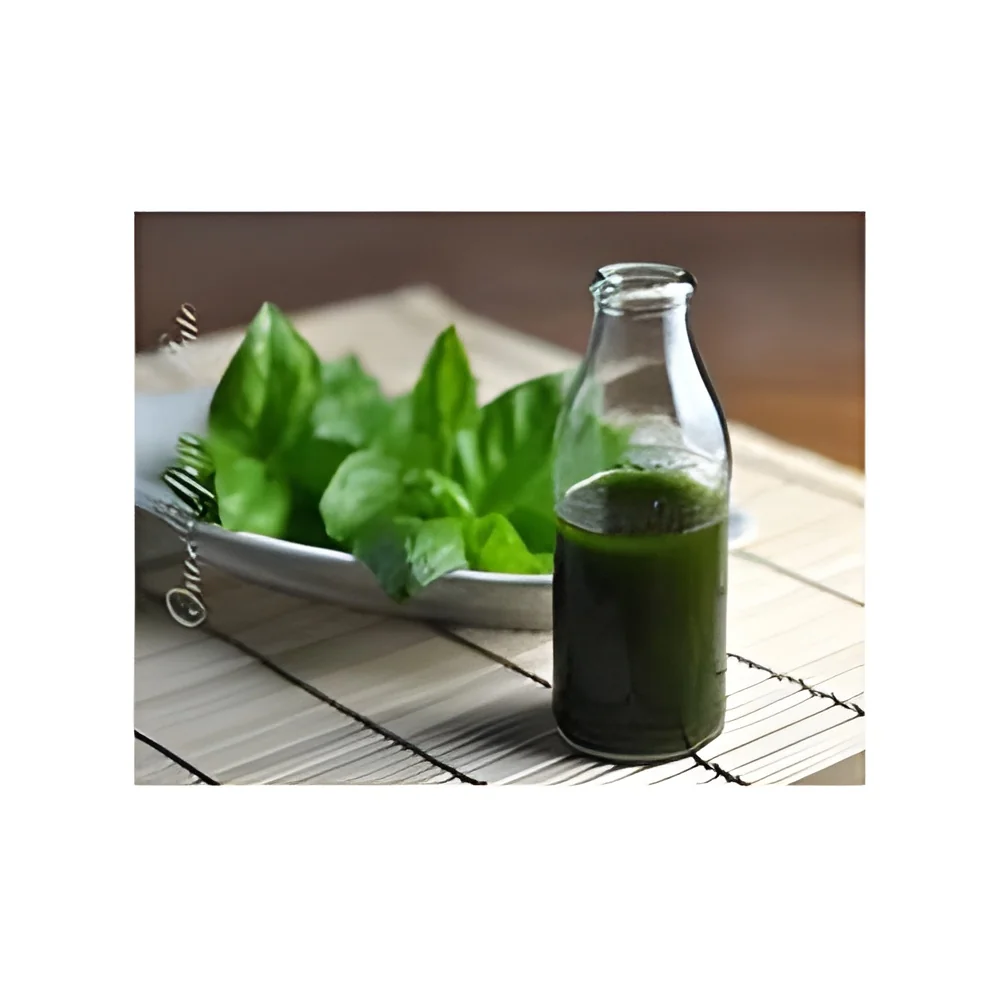
What are Peppermint Essential Oil?
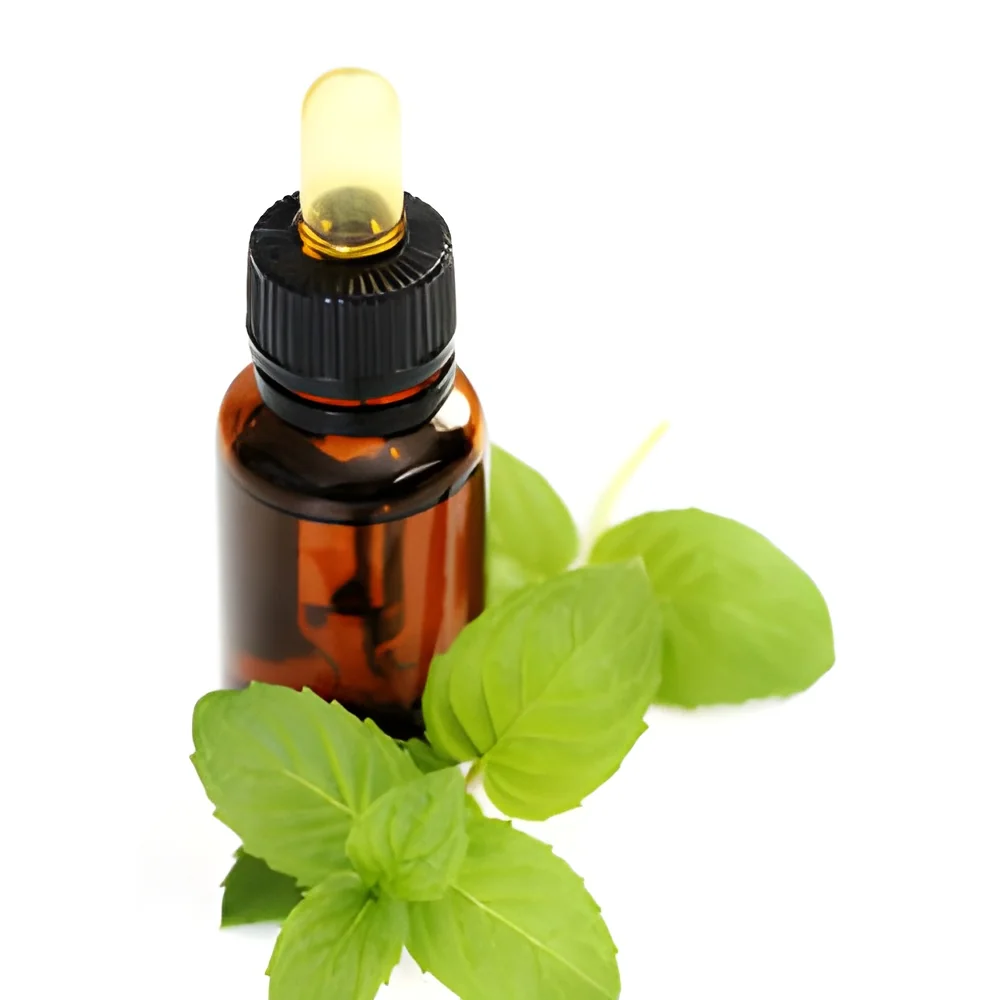
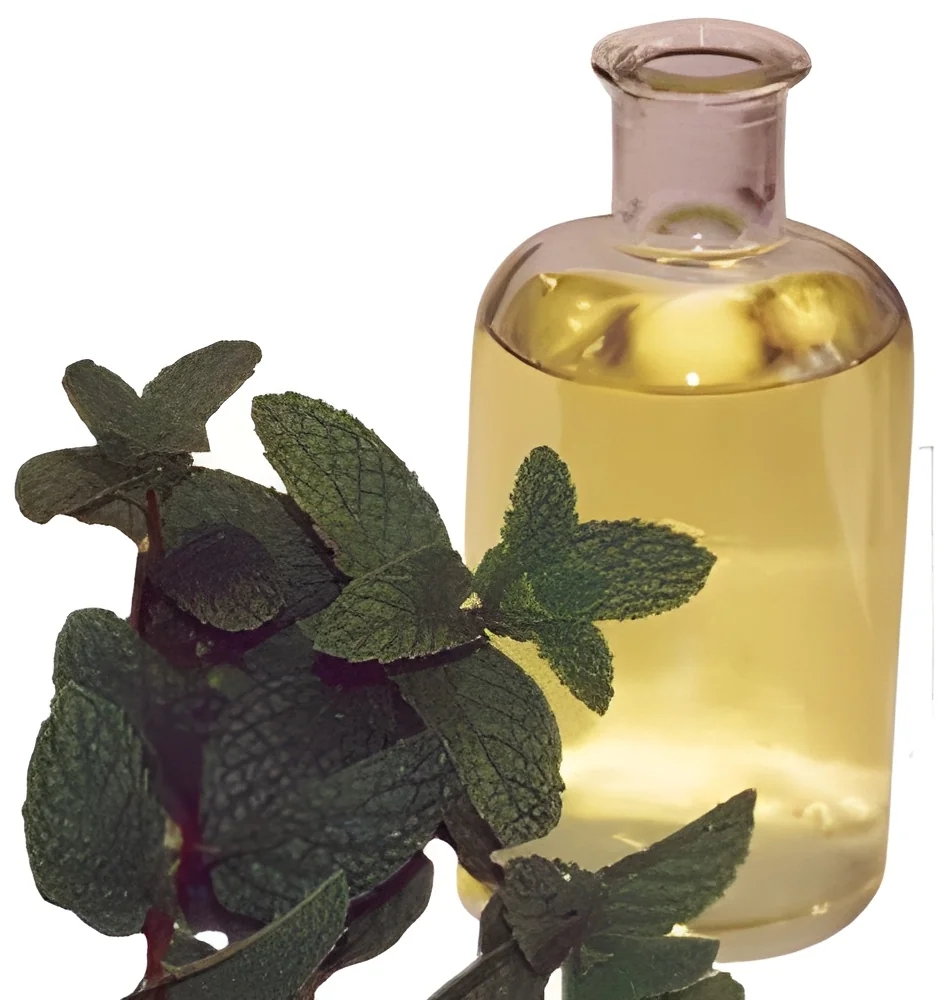
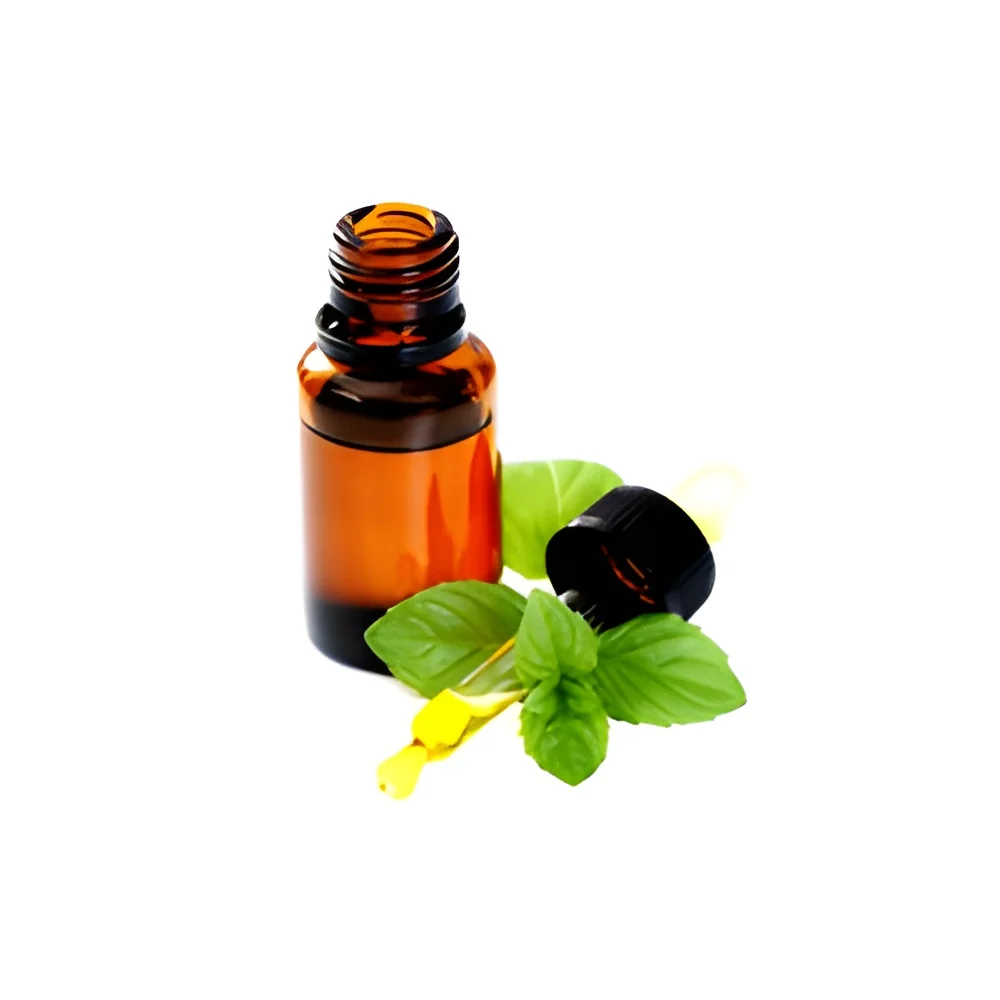
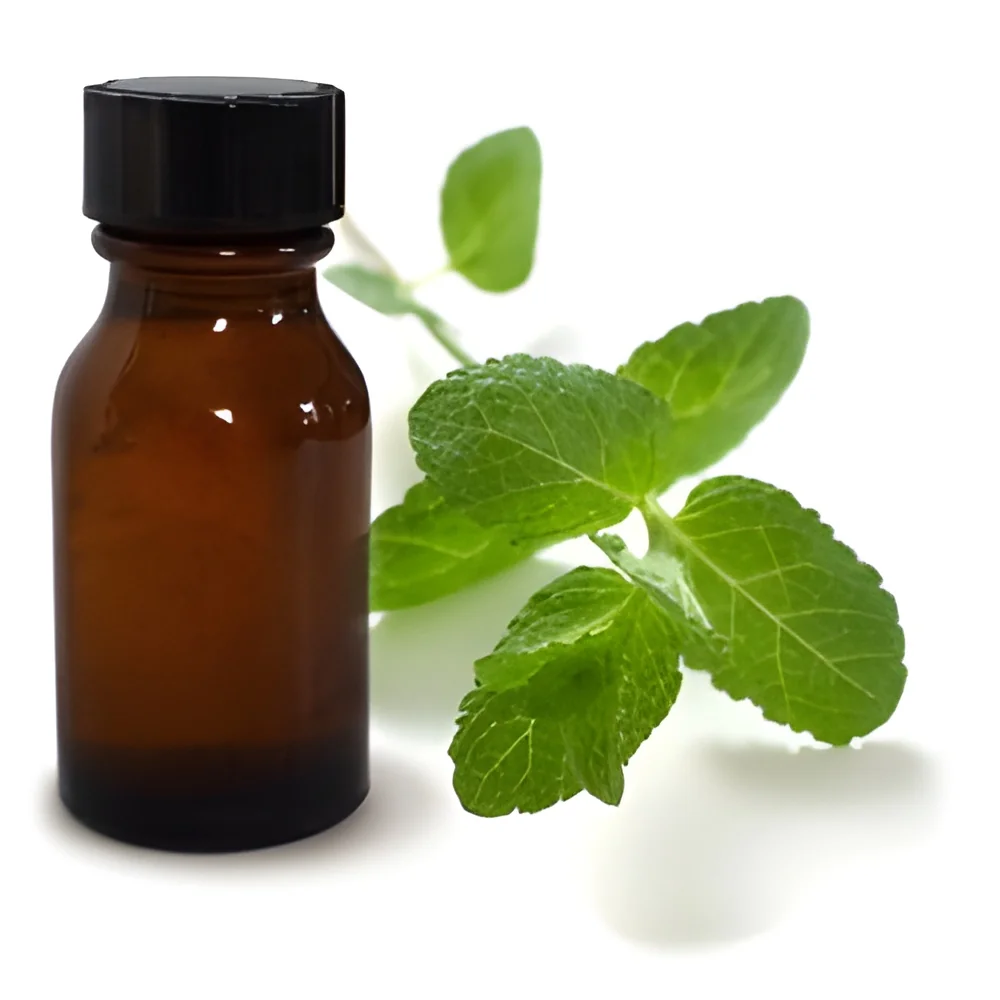
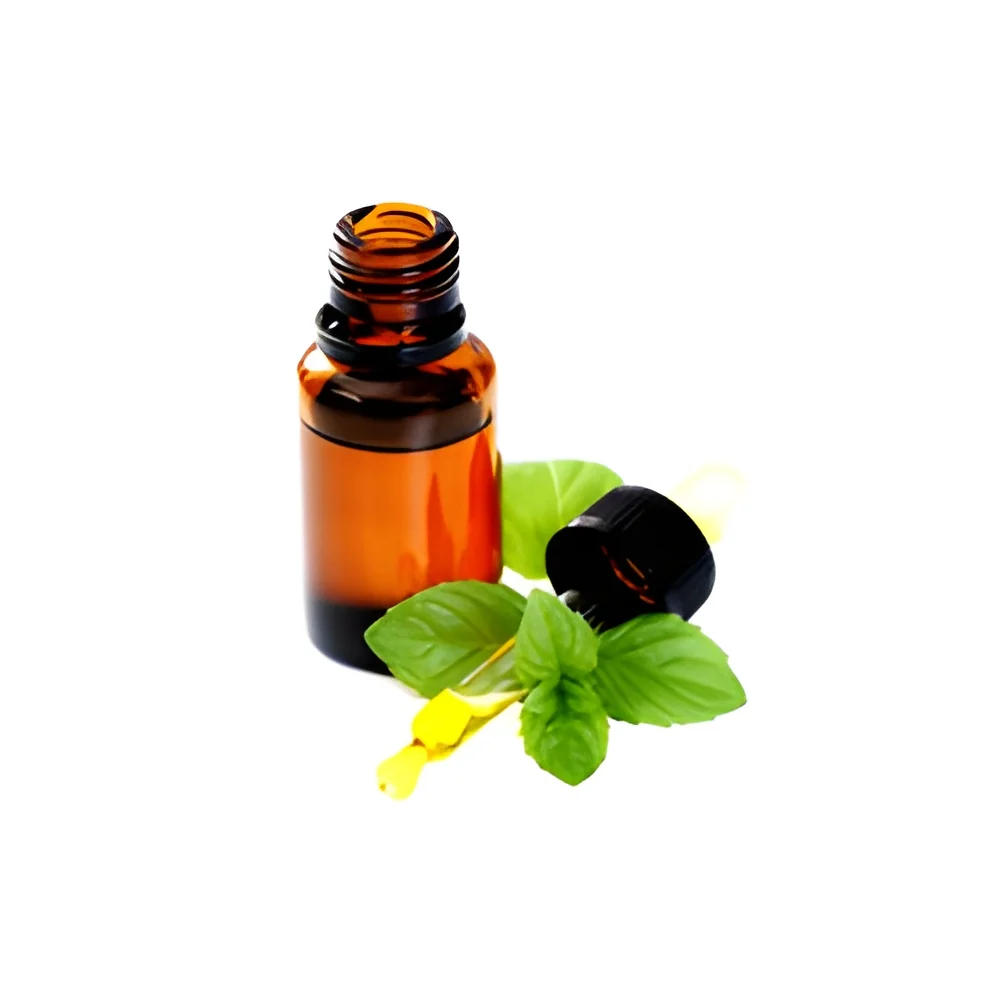
Peppermint essential oil is a highly concentrated extract derived from the leaves of the peppermint plant, scientifically known as Mentha piperita. This oil is known for its invigorating aroma and is widely recognized for its therapeutic properties. The extraction process typically involves steam distillation, ensuring that the oil retains its potent aroma and beneficial compounds. Peppermint essential oil is characterized by its fresh, minty scent that can invigorate the senses and promote a sense of clarity.
The primary uses of peppermint essential oil span various industries, making it a versatile product in the B2B market. It is commonly employed in aromatherapy, personal care products, and food and beverage industries. Businesses utilize peppermint oil for its cooling and soothing effects, often incorporating it into lotions, balms, and even culinary applications to enhance flavor. As the demand for natural and organic ingredients continues to rise, peppermint essential oil has gained significant traction in sectors focused on wellness and natural products.
In a rapidly growing market, peppermint essential oil has established its relevance across various industries. The increasing consumer preference for natural wellness solutions, coupled with the rise of aromatherapy and holistic health practices, has propelled the demand for peppermint oil. Businesses looking to incorporate this essential oil into their offerings can find ample opportunities for growth in sectors such as cosmetics, food and beverage, and health supplements.
Key Features and Specifications
Peppermint essential oil is distinguished by several key features that enhance its appeal to B2B buyers. Understanding these specifications is crucial for businesses looking to source high-quality peppermint oil for various applications.
Key specifications include:
1. Purity Level
- The purity level of peppermint essential oil typically ranges from 95% to 100%.
- Higher purity levels indicate fewer additives, ensuring a more potent product.
2. Extraction Method
- The predominant extraction method is steam distillation, which preserves the oil’s therapeutic properties.
- This method is preferred for maintaining the integrity and quality of the essential oil.
3. Aroma Profile
- Peppermint oil has a fresh, minty aroma with a cooling effect.
- The aroma is often described as invigorating and uplifting.
4. Color
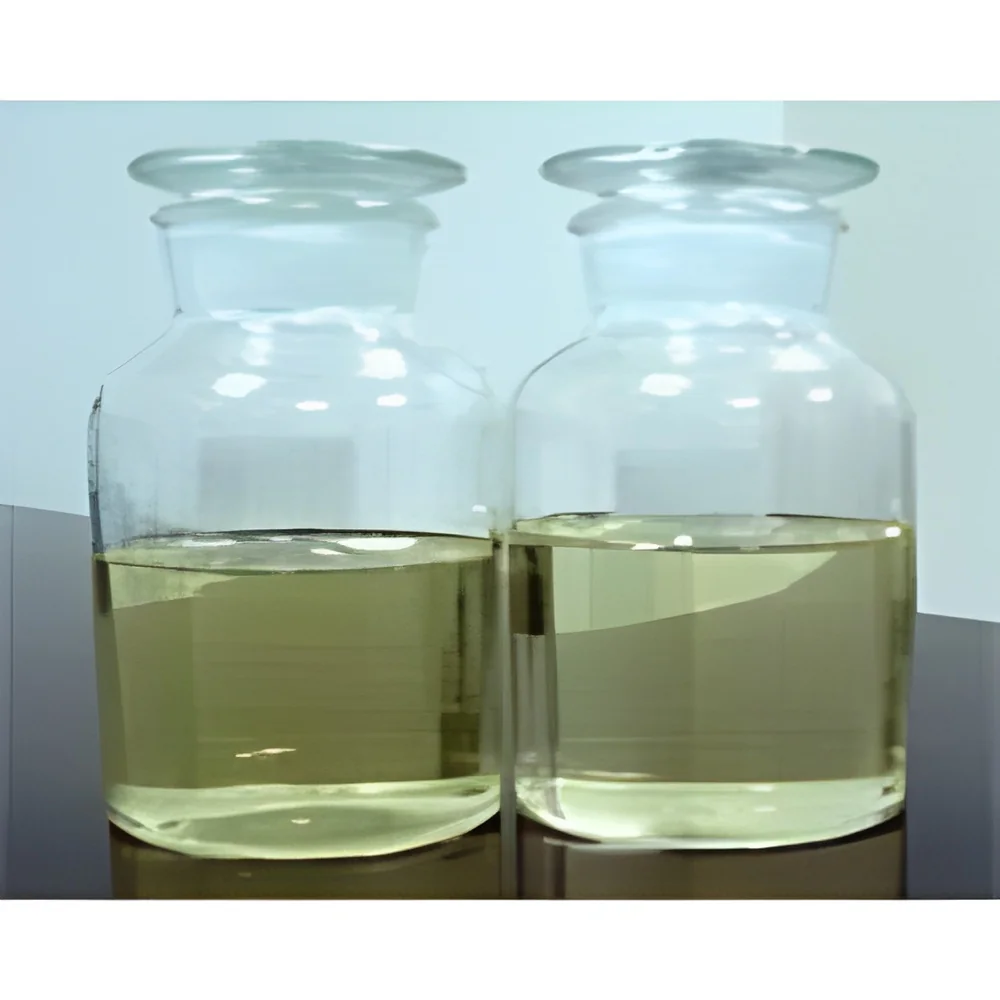
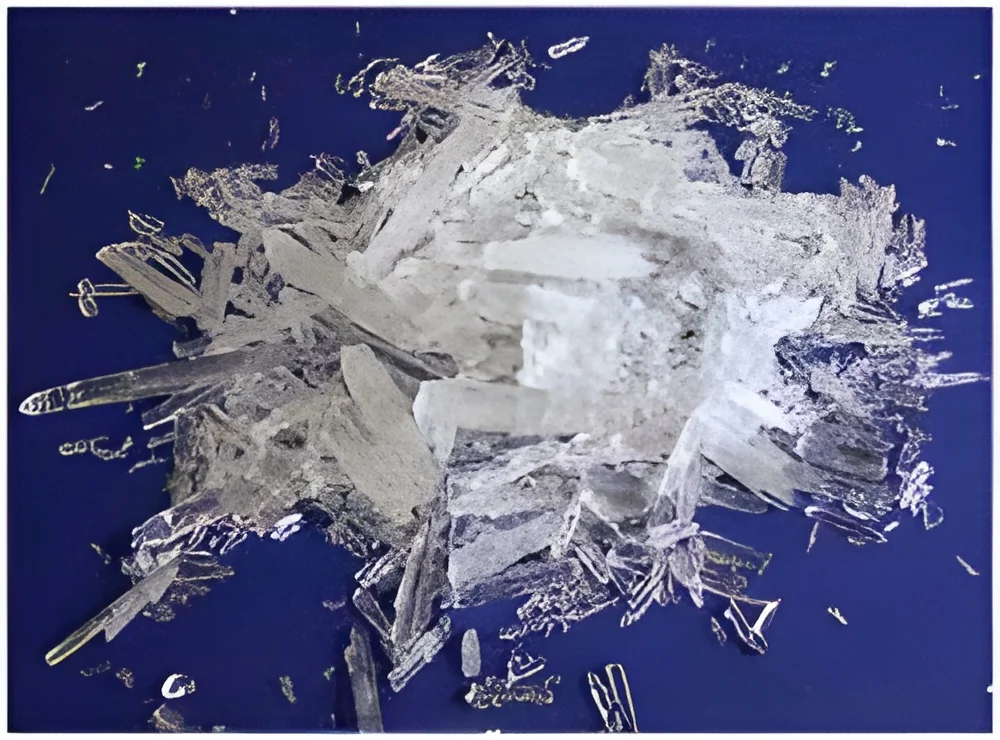
- The oil typically appears clear to pale yellow.
- A consistent color can indicate quality and purity.
5. Shelf Life
- The average shelf life of peppermint essential oil is 2 to 3 years when stored properly.
- Proper storage conditions are essential to maintain the oil's quality.
6. Chemical Composition
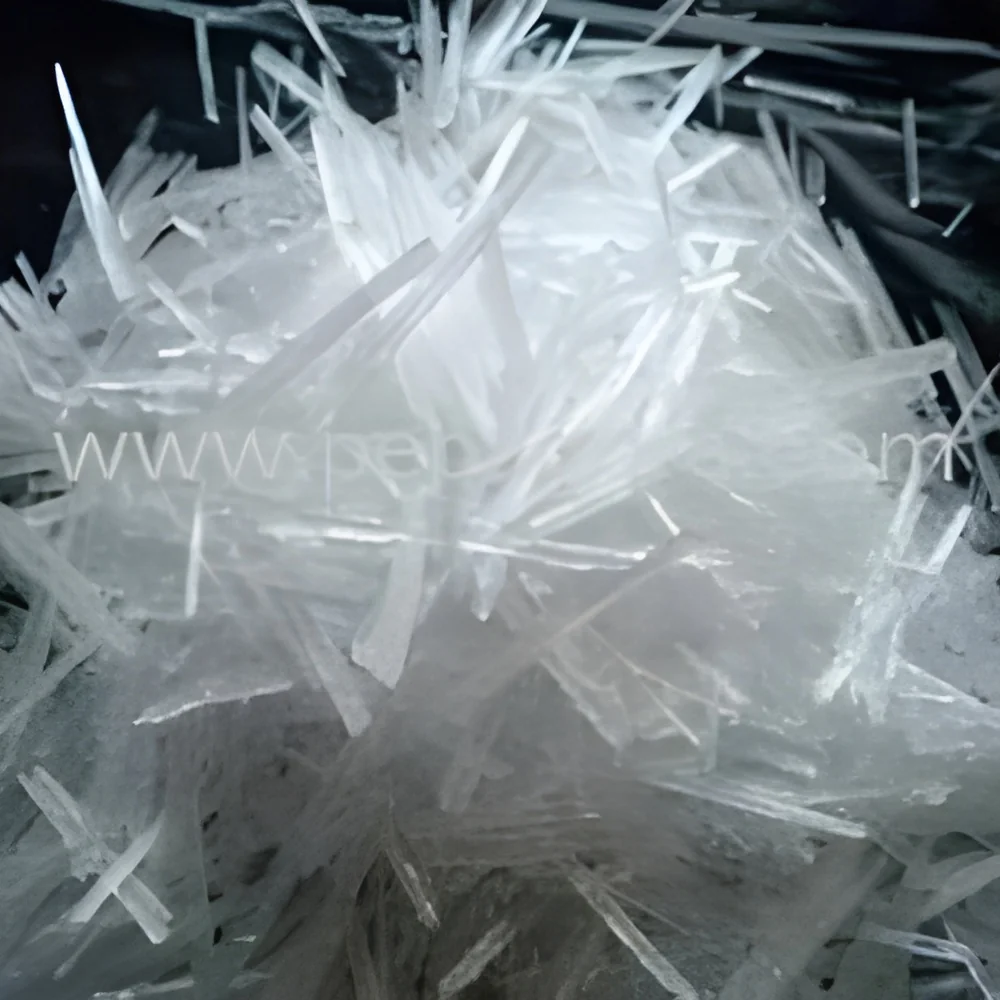
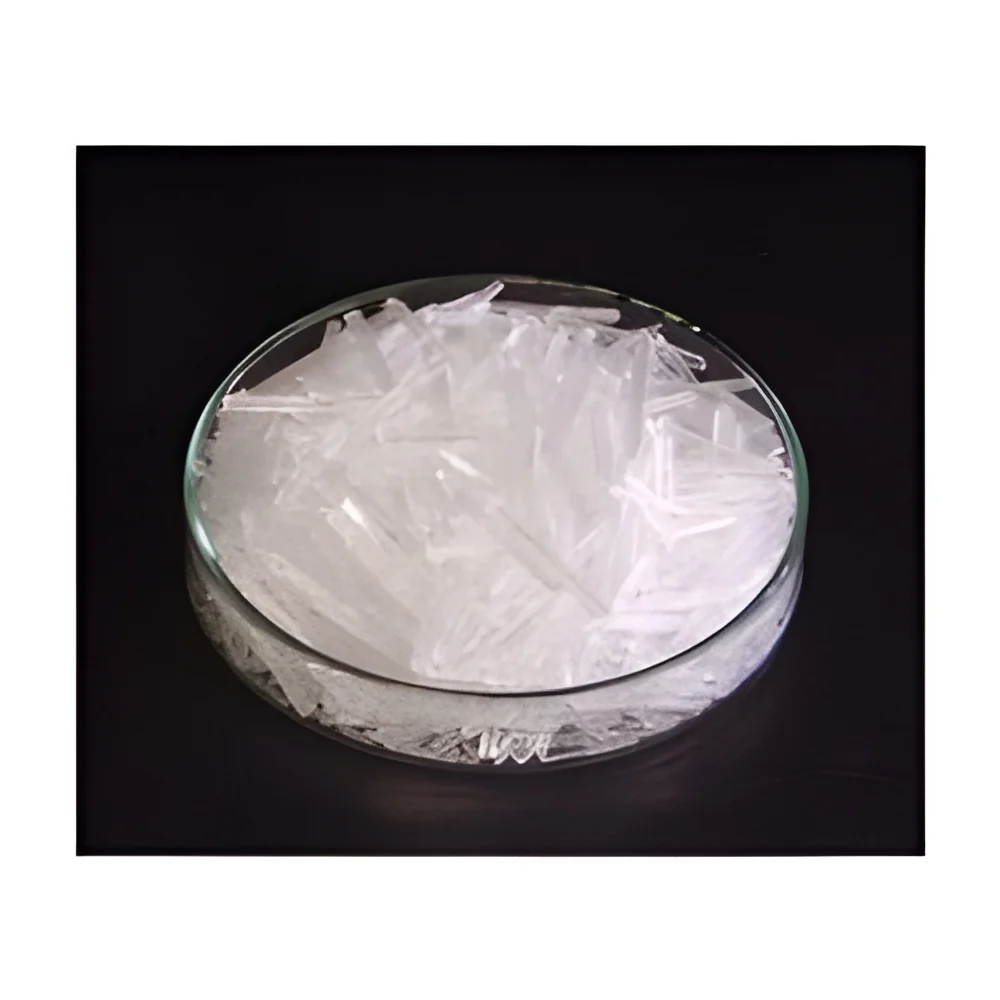
- Key constituents include menthol, menthone, and menthyl acetate.
- These components contribute to the oil's therapeutic properties.
7. Packaging Options
- Available in various packaging sizes, from small bottles to bulk containers.
- Packaging should ensure the oil's protection from light and air.
8. Certifications
- Peppermint essential oil is often certified for quality and safety, such as CE certification.
- Certifications provide assurance of compliance with industry standards.
Overall, the key features and specifications of peppermint essential oil make it a desirable product for a variety of business applications.
Common Applications and Use Cases
Peppermint essential oil serves a wide range of industries, each utilizing its unique properties for specific applications.
1. Aromatherapy: Peppermint oil is widely used in aromatherapy for its soothing and invigorating effects, helping to relieve stress and enhance focus.
2. Personal Care: In the cosmetics industry, peppermint oil is a popular ingredient in creams, balms, and shampoos, offering a refreshing scent and cooling sensation.
3. Food and Beverage: This oil is used to flavor a variety of food products, including candies, chocolates, and beverages, providing a distinctive minty taste.
4. Health Supplements: Peppermint essential oil is incorporated into dietary supplements for its potential digestive benefits and overall wellness support.
5. Cleaning Products: The antimicrobial properties of peppermint oil make it a valuable addition to natural cleaning products, promoting a fresh scent and effective cleaning.
6. Spa and Wellness: Many spas use peppermint oil in treatments and massages for its calming effects, making it a staple in wellness facilities.
7. Therapeutic Uses: Peppermint oil is often used in natural remedies to alleviate headaches, nausea, and muscle pain, showcasing its versatility in health applications.
Product Variants and Subcategories
Peppermint essential oil comes in various forms, allowing businesses to choose the variant that best suits their needs.
Peppermint Essential Oil (Standard)
This is the most common variant, known for its high purity and strong aroma. It is ideal for aromatherapy, personal care, and culinary applications, providing a potent minty experience.
Organic Peppermint Essential Oil
This variant is sourced from organically grown peppermint plants, ensuring no synthetic pesticides or fertilizers are used. It is particularly appealing to businesses focused on natural and organic products.
Peppermint Essential Oil Blends
These blends combine peppermint oil with other essential oils to create unique fragrances and therapeutic effects. Ideal for companies looking to offer customized products, these blends cater to diverse consumer preferences.
Benefits and Advantages
Peppermint essential oil offers numerous benefits that make it an attractive choice for businesses.
Key benefits include:
1. Versatility: Peppermint oil can be used across various industries, from personal care to food and beverage, making it a multipurpose ingredient.
2. Natural Ingredients: Sourcing peppermint oil allows businesses to meet the growing consumer demand for natural and organic products.
3. Therapeutic Properties: The oil is known for its potential health benefits, including improved digestion and relief from headaches, appealing to health-conscious consumers.
4. Invigorating Aroma: The refreshing scent of peppermint oil can enhance products, making them more appealing to customers.
5. Easy Integration: Peppermint essential oil can be easily incorporated into existing formulations, allowing businesses to innovate without extensive changes.
6. Strong Market Demand: As the trend for wellness and natural products continues to rise, peppermint oil presents opportunities for growth in various sectors.
Buying Guide for B2B Buyers
When sourcing peppermint essential oil, it is important for businesses to consider several key factors to ensure they select the right supplier and product.
1. Quality Assessment: Buyers should evaluate the purity and quality of peppermint oil. This includes checking for certifications and ensuring the extraction method preserves the oil's beneficial properties.
2. Supplier Verification: Vetting suppliers is crucial. Businesses should look for suppliers with a strong reputation, positive reviews, and proven experience in the essential oil market.
3. Pricing and MOQ: Understanding the pricing structure and minimum order quantities is essential for budgeting. Buyers should compare prices among suppliers to ensure they receive competitive offers.
4. Delivery and Lead Times: Buyers should inquire about delivery options and lead times. Timely delivery is critical for maintaining inventory levels and meeting customer demand.
5. Compliance Requirements: Businesses must ensure that the peppermint oil meets relevant regulatory standards and safety requirements. Compliance is critical for product acceptance in various markets.
Compliance and Certifications
Compliance and certifications play a vital role in ensuring the quality and safety of peppermint essential oil.
Relevant quality standards such as ISO 9001 and HACCP are important in the production of peppermint essential oil. These standards ensure that manufacturers adhere to stringent quality management systems and safety protocols.
Industry certifications, such as CE certification, provide assurance to buyers that the product meets European safety and health requirements. This certification enhances the credibility of the product in the market.
Safety and testing requirements are also crucial. Peppermint essential oil should undergo rigorous testing to verify its purity, potency, and absence of contaminants. This testing is essential for consumer safety.
Regional compliance considerations may vary. Businesses should be aware of the specific regulations applicable in their regions, ensuring that the peppermint oil sourced complies with local laws and standards.
Why Source Peppermint Essential Oil from Pepagora?
Pepagora provides a trusted platform for sourcing peppermint essential oil, offering several key advantages for businesses looking to procure high-quality products.
Verified Supplier Network: Pepagora has established a comprehensive network of verified suppliers. This ensures that buyers can access quality peppermint essential oil from reputable sources, reducing the risk of subpar products.
Streamlined RFQ Process: The request for quotation (RFQ) process at Pepagora is designed to be efficient, allowing buyers to quickly obtain competitive quotes from multiple suppliers. This streamlined approach saves time and enhances procurement efficiency.
Trade Assurance and Support: Pepagora offers trade assurance, providing buyers with protection throughout the purchasing process. This support gives businesses confidence in their transactions and fosters a secure buying environment.
Regional Coverage: With a strong presence in regions such as India, the GCC, and Southeast Asia, Pepagora connects buyers with suppliers across diverse markets. This geographic reach allows businesses to explore various sourcing opportunities, enhancing their supply chain flexibility.

 IN
IN