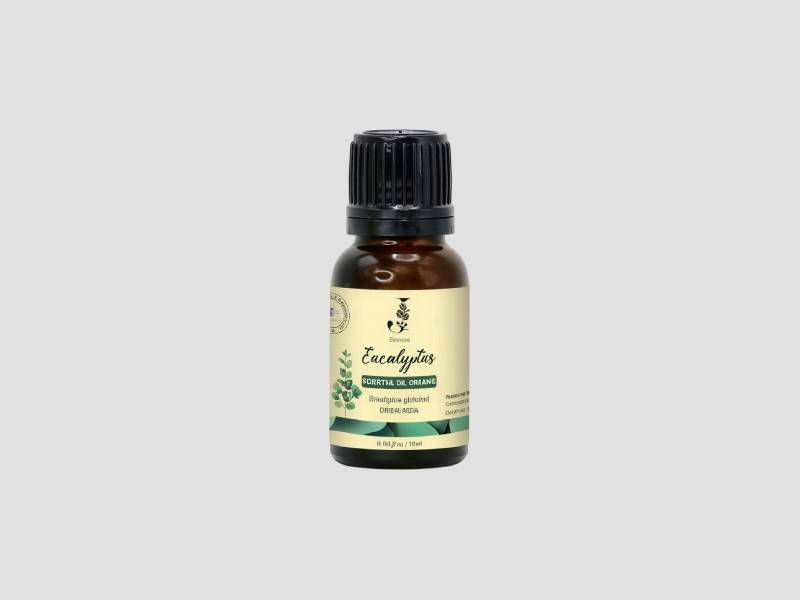
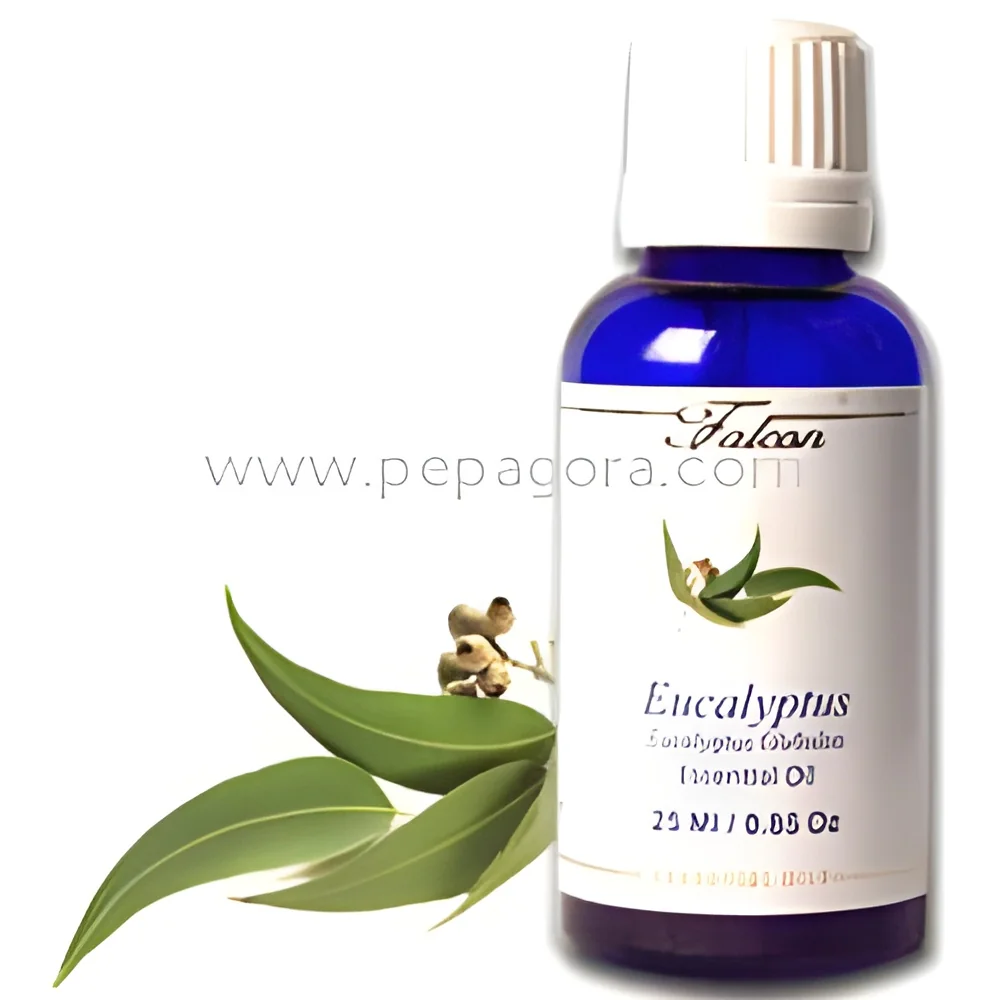
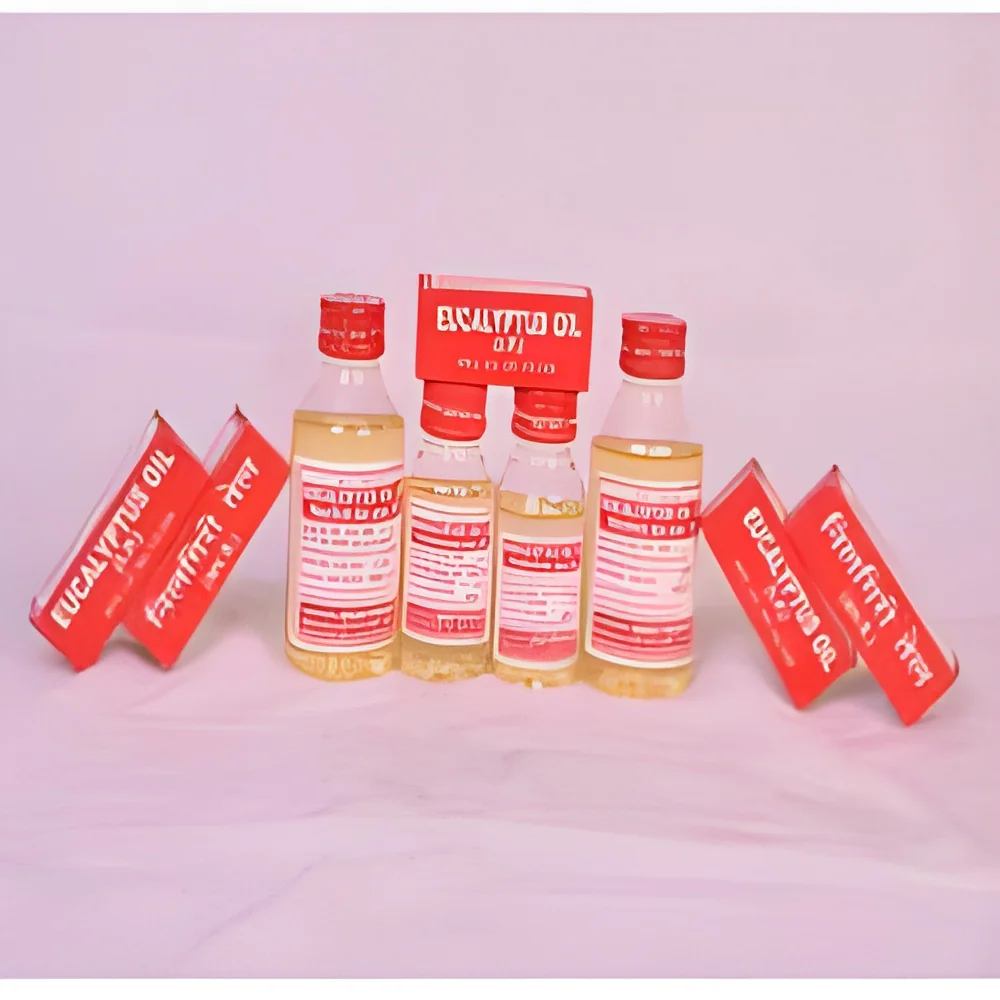
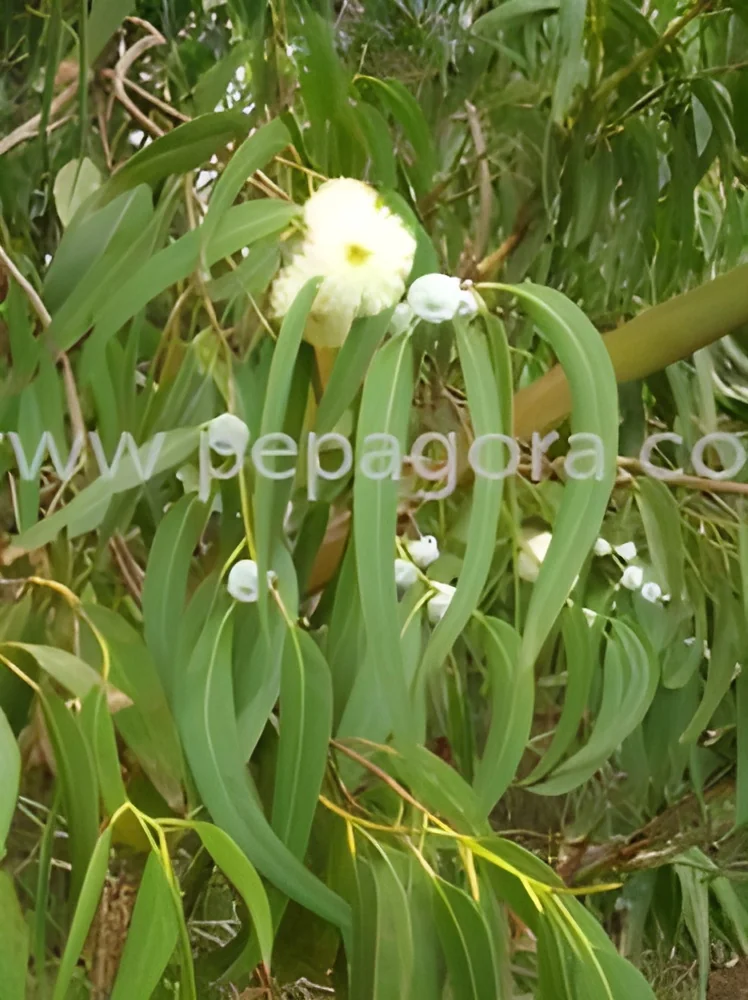
What are Eucalyptus Essential Oil?
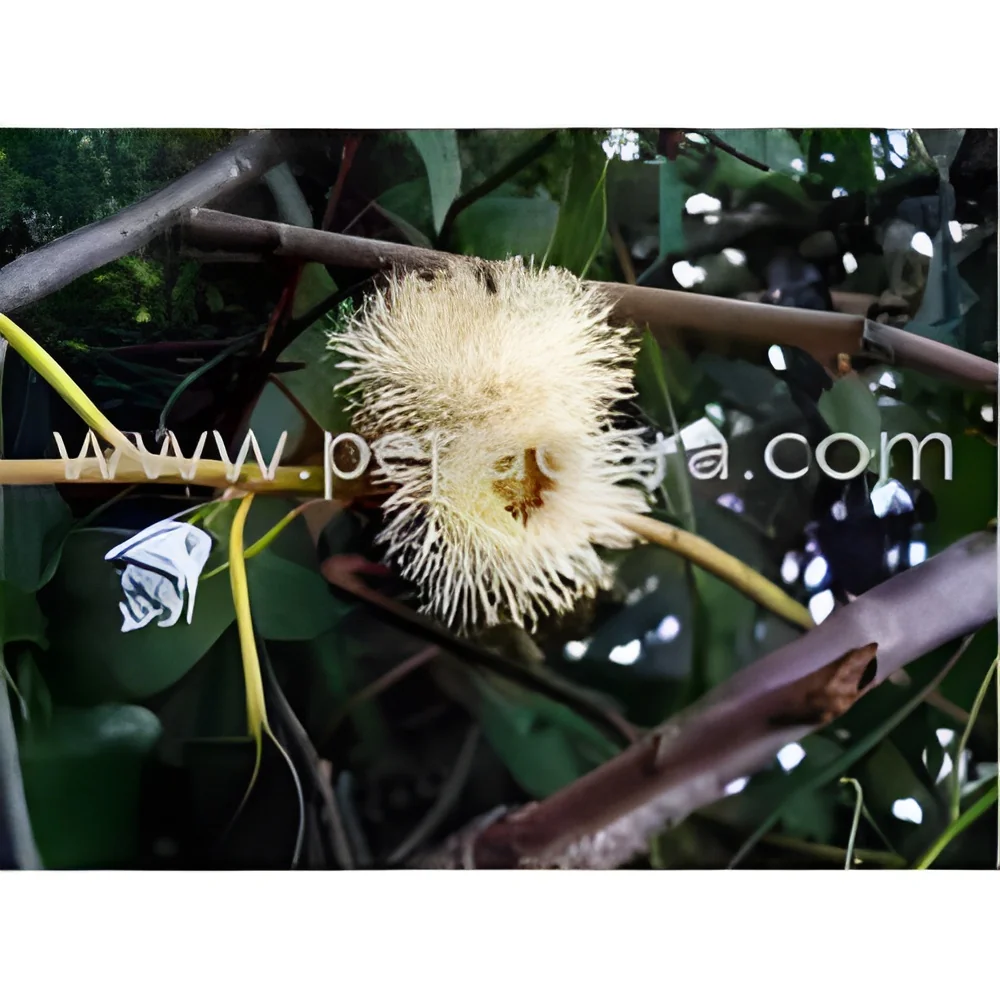
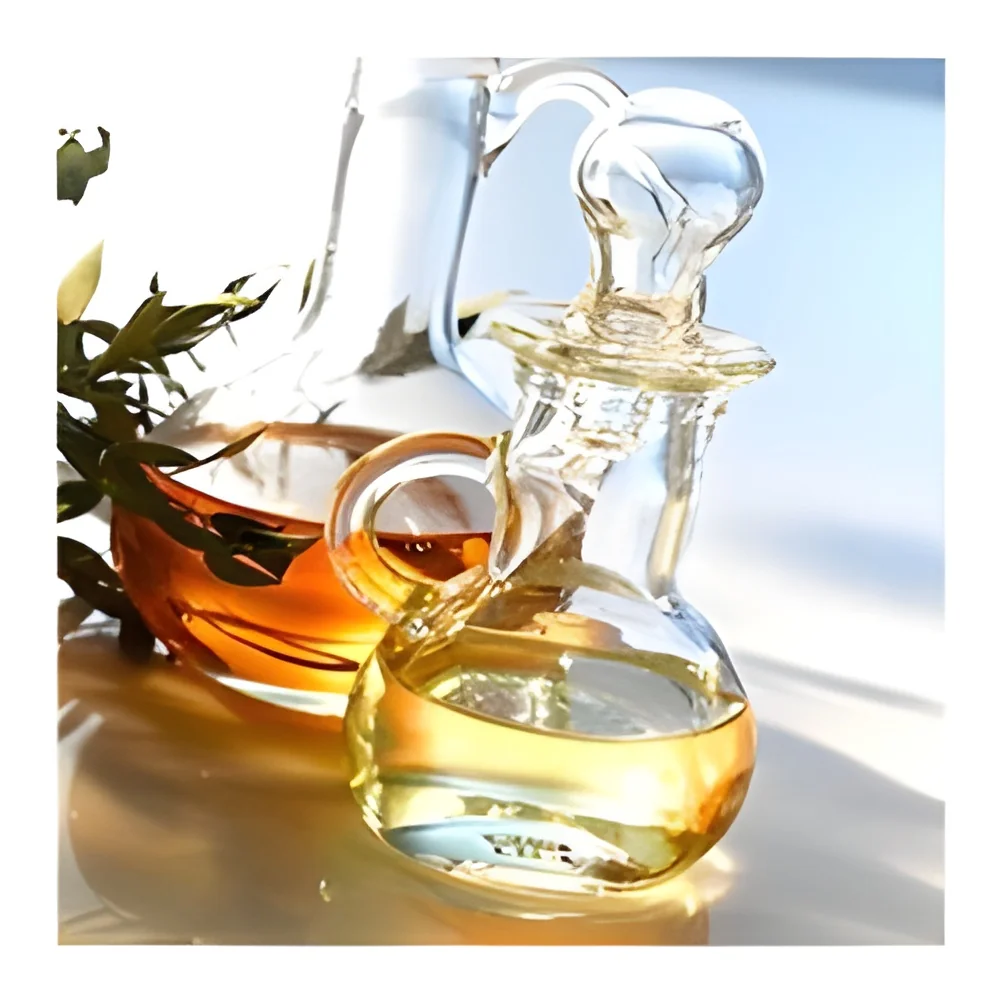
Eucalyptus essential oil is a natural oil extracted from the leaves of eucalyptus trees, primarily Eucalyptus globulus. Known for its distinctive, fresh scent, this oil is valued for its various therapeutic and medicinal properties. The extraction process typically involves steam distillation, which preserves the oil's potent compounds. Eucalyptus oil contains a high concentration of eucalyptol, a compound recognized for its antiseptic and anti-inflammatory benefits.
In the B2B context, eucalyptus essential oil has a wide range of applications. It is commonly used in aromatherapy, personal care products, and cleaning supplies. Many businesses leverage its antiseptic properties in the formulation of health products and disinfectants. Its refreshing aroma makes it a popular choice in the fragrance industry as well. The growing trend towards natural and organic products has further fueled the demand for eucalyptus essential oil across multiple sectors.
The eucalyptus essential oil market continues to expand due to increasing consumer awareness of natural remedies and wellness products. Industries such as cosmetics, pharmaceuticals, and food processing are incorporating eucalyptus oil into their offerings. As a result, suppliers and manufacturers are actively seeking high-quality eucalyptus oil to meet the rising demand in both domestic and international markets.
Key Features and Specifications
Eucalyptus essential oil boasts several key features that make it an attractive choice for various applications. Understanding these specifications can help businesses make informed decisions when sourcing eucalyptus oil.
Key specifications include:
1. Purity Level
- The oil should have a purity level of at least 95% to ensure effectiveness.
- Technical parameters typically include the percentage of eucalyptol.
2. Aroma Profile
- A fresh, menthol-like scent that is characteristic of eucalyptus.
- Important for use in aromatherapy and fragrance applications.
3. Extraction Method
- Steam distillation is the preferred method for high-quality oil extraction.
- Ensures that the beneficial properties of the oil are preserved.
4. Shelf Life
- Usually ranges from 1 to 3 years when stored properly.
- Affects product formulations and inventory management.
5. Packaging Options
- Available in various sizes, typically ranging from 10 ml to 1 liter.
- Packaging must be airtight and light-resistant to maintain quality.
6. Compliance Standards
- Must adhere to relevant industry standards, including CE certification.
- Ensures safety and quality assurance for end-users.
7. Organic Certification
- Organic options are available, appealing to eco-conscious consumers.
- Certification indicates the absence of synthetic additives.
8. Geographic Sourcing
- Sourced from regions known for eucalyptus cultivation, such as Australia and China.
- Quality may vary based on geographical and climatic conditions.
In summary, businesses should consider these specifications when selecting eucalyptus essential oil to ensure they meet quality and application requirements.
Common Applications and Use Cases
Eucalyptus essential oil serves various industries due to its versatile properties and benefits.
1. Personal Care: Eucalyptus oil is commonly used in cosmetics, including lotions and balms, for its soothing and anti-inflammatory properties.
2. Aromatherapy: Widely used in diffusers and massage oils, eucalyptus oil promotes relaxation and respiratory health.
3. Cleaning Products: Its antimicrobial properties make eucalyptus oil a popular ingredient in natural cleaning supplies and disinfectants.
4. Pharmaceuticals: Used in cough syrups and topical ointments for its expectorant and analgesic effects.
5. Food Industry: Eucalyptus oil is sometimes used as a flavoring agent in food products, though caution is necessary due to its potency.
6. Spa and Wellness: Many spas incorporate eucalyptus oil into treatments for its refreshing scent and therapeutic effects.
7. Veterinary Products: Used in some pet care products for its calming and disinfectant properties.
Product Variants and Subcategories
Eucalyptus essential oil comes in various forms and concentrations to cater to diverse needs and preferences.
Eucalyptus Globulus Oil
This is the most commonly used variant, known for its strong aroma and potent therapeutic properties. It is widely used in aromatherapy and personal care products due to its effectiveness.
Eucalyptus Radiata Oil
A milder variant with a softer scent, this oil is often preferred for sensitive skin applications. It is commonly used in inhalants and soothing balms.
Eucalyptus Lemon Oil
This variant has a unique citrus aroma, making it popular in fragrance formulations and household cleaners. It provides additional benefits, such as insect-repelling properties.
Benefits and Advantages
Sourcing eucalyptus essential oil offers several significant advantages for businesses and consumers alike.
Key benefits include:
1. Natural Antiseptic: Eucalyptus oil is known for its natural antiseptic qualities, making it effective in cleaning and health products.
2. Respiratory Support: The oil helps in alleviating respiratory issues, which is beneficial for products aimed at improving wellness.
3. Versatility: Eucalyptus oil can be used across various industries, including cosmetics, cleaning, and healthcare, enhancing its market appeal.
4. Aroma Therapy Benefits: Its calming scent is favored in aromatherapy, promoting relaxation and wellness among consumers.
5. Eco-friendly Option: Sourcing organic eucalyptus oil aligns with the growing demand for sustainable and natural products.
6. Cost-effective: Eucalyptus oil is generally available at competitive prices, making it an economical choice for manufacturers.
Buying Guide for B2B Buyers
When sourcing eucalyptus essential oil, businesses should consider several important factors to ensure quality and suitability for their needs.
1. Quality Assessment: Evaluate the purity and extraction methods used. High-quality eucalyptus oil should have a minimum purity of 95% and be extracted through steam distillation.
2. Supplier Verification: Vet potential suppliers by checking their certifications, reference clients, and quality assurance processes to ensure reliability.
3. Pricing and MOQ: Understand the pricing structures and minimum order quantities. Prices can vary based on quality and source, so obtain multiple quotes for comparison.
4. Delivery and Lead Times: Discuss logistics, including estimated delivery times and shipping methods. Timely delivery is crucial for managing inventory and meeting customer demands.
5. Compliance Requirements: Ensure that the eucalyptus oil meets regional regulatory requirements and industry standards, such as CE certification, to avoid legal issues.
Compliance and Certifications
Eucalyptus essential oil must adhere to several quality standards and certifications to ensure safety and reliability in various applications.
Relevant quality standards include ISO 9001, which focuses on quality management systems, ensuring that suppliers maintain consistent quality in their products. HACCP (Hazard Analysis and Critical Control Points) is crucial for businesses involved in health and food-related industries, ensuring that products are safe for consumption.
In addition to quality standards, industry certifications such as CE indicate that the product meets European safety and health requirements. Compliance with safety and testing requirements is essential, especially for products intended for therapeutic use.
Moreover, businesses should consider regional compliance for sourcing eucalyptus oil. Different countries may have specific regulations regarding the import and sale of essential oils, which can impact market access and operational strategies.
Why Source Eucalyptus Essential Oil from Pepagora?
Pepagora provides a trusted platform for sourcing eucalyptus essential oil, offering several key advantages for B2B buyers.
Verified Supplier Network: Pepagora ensures that all suppliers undergo thorough vetting to guarantee the quality and reliability of the products. This gives buyers peace of mind when sourcing essential oils.
Streamlined RFQ Process: The request for quotation (RFQ) process on Pepagora is designed to be user-friendly, allowing businesses to easily compare quotes and find the best deals for their needs.
Trade Assurance and Support: Pepagora offers trade assurance, providing buyers with added protection against potential issues related to order fulfillment and quality. This support enhances the overall purchasing experience.
Regional Coverage: With a wide reach across India, the GCC, and Southeast Asia, Pepagora connects buyers with local suppliers, ensuring efficient logistics and timely delivery of eucalyptus essential oil. This regional focus helps businesses tap into emerging markets and satisfy local demand.

 IN
IN