
 IN
Edible Oils & Fats
154 products available
𝗪𝗵𝗮𝘁 𝗮𝗿𝗲 𝗘𝗱𝗶𝗯𝗹𝗲 𝗢𝗶𝗹𝘀 & 𝗙𝗮𝘁𝘀?
Edible oils and fats are essential commodities derived from various plant and animal sources. They are primarily used for cooking, frying, baking, and as ingredients in processed foods. These products play a significant role in enhancing flavor, texture, and nutritional value in culinary applications. Edible oils are typically liquid at room temperature, while fats are solid or semi-solid. The distinction between oils and fats is mainly based on their chemical composition and physical properties.
The primary uses of edible oils and fats extend beyond household cooking. They are pivotal in the food processing industry, where they serve as key ingredients in margarine, snacks, dressings, and confections. Additionally, they find applications in non-food industries, including cosmetics, pharmaceuticals, and biodiesel production. The global market for edible oils and fats is vast, driven by an increasing population, changing dietary habits, and growing health awareness among consumers. Understanding the dynamics of this market is crucial for businesses involved in food production and related sectors.
𝗞𝗲𝘆 𝗙𝗲𝗮𝘁𝘂𝗿𝗲𝘀 𝗮𝗻𝗱 𝗦𝗽𝗲𝗰𝗶𝗳𝗶𝗰𝗮𝘁𝗶𝗼𝗻𝘀
Edible oils and fats come with a variety of features and specifications that cater to different business needs. These specifications are crucial for ensuring quality and compliance with industry standards.
Key specifications include:
1. Oil Type
- Common types include vegetable oils, animal fats, and blends.
- Each type has unique properties and applications.
2. Fatty Acid Composition
- The ratio of saturated, monounsaturated, and polyunsaturated fats.
- Important for nutritional labeling and health considerations.
3. Smoke Point
- The temperature at which the oil begins to smoke.
- Critical for cooking applications to avoid degradation.
4. Shelf Life
- Typical shelf life ranges from 6 months to 2 years.
- Dependent on storage conditions and type of oil.
5. Refining Process
- Options include refined, unrefined, and cold-pressed oils.
- Affects flavor, color, and nutritional profile.
6. Packaging Options
- Available in bulk, drums, or smaller consumer sizes.
- Considerations for transportation and storage.
7. Compliance Standards
- Must meet regional and international food safety regulations.
- Certifications like CE ensure product quality.
In summary, understanding the key features and specifications of edible oils and fats is vital for businesses looking to source these products effectively.
𝗖𝗼𝗺𝗺𝗼𝗻 𝗔𝗽𝗽𝗹𝗶𝗰𝗮𝘁𝗶𝗼𝗻𝘀 𝗮𝗻𝗱 𝗨𝘀𝗲 𝗖𝗮𝘀𝗲𝘀
Edible oils and fats have a wide range of applications across various industries.
1. Food Industry: Essential for cooking and food preparation, they are used in frying, baking, and as ingredients in processed foods.
2. Snack Production: Oils are crucial in producing snacks, providing flavor and texture to chips, crackers, and other convenience foods.
3. Bakery Products: Fats play a significant role in creating the desired texture and moisture in bread, pastries, and cakes.
4. Margarine and Spreads: Blended oils and fats are key components in margarine, contributing to taste and spreadability.
5. Cosmetics: Used in lotions and creams, they enhance texture and moisturization.
6. Pharmaceuticals: Used as carriers in drug formulations, they improve bioavailability and stability.
7. Biodiesel Production: Some oils serve as raw materials for biodiesel, contributing to renewable energy solutions.
𝗣𝗿𝗼𝗱𝘂𝗰𝘁 𝗩𝗮𝗿𝗶𝗮𝗻𝘁𝘀 𝗮𝗻𝗱 𝗦𝘂𝗯𝗰𝗮𝘁𝗲𝗴𝗼𝗿𝗶𝗲𝘀
Edible oils and fats encompass various variants to meet diverse consumer needs.
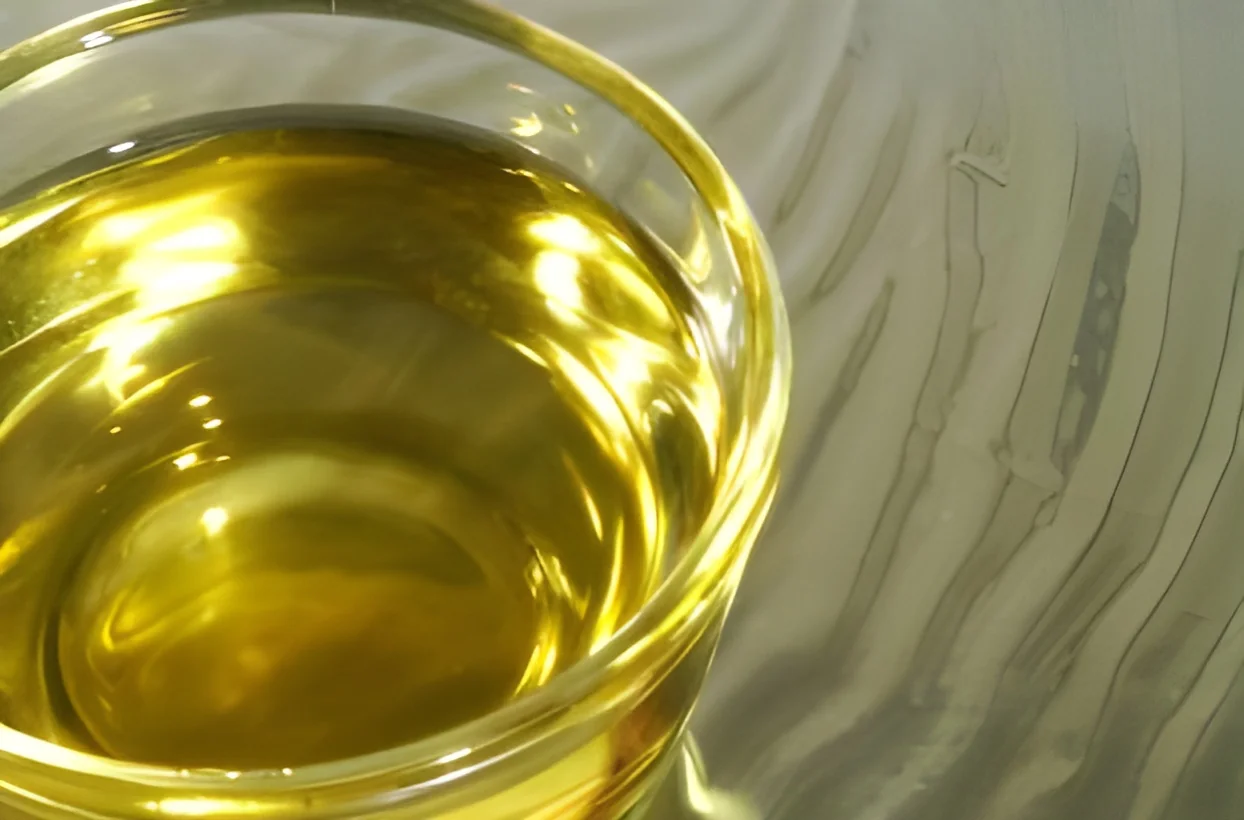
Refined Vegetable Oil
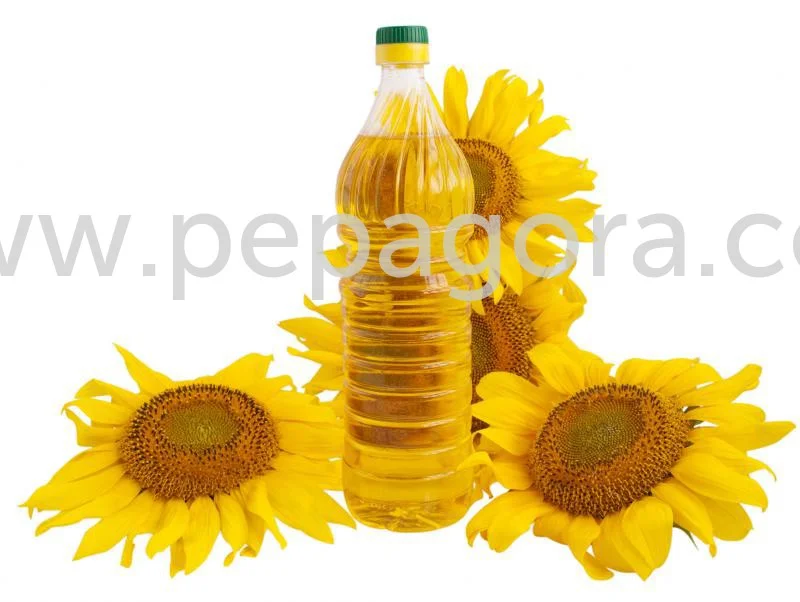
This variant is processed to remove impurities, resulting in a neutral flavor and high smoke point, making it ideal for frying and baking.
Extra Virgin Olive Oil
Known for its rich flavor and health benefits, this oil is often used in dressings and as a finishing oil for dishes.
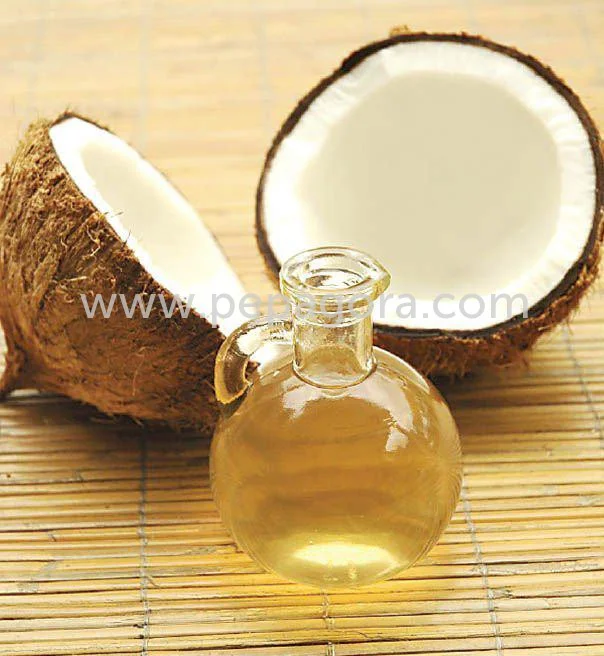
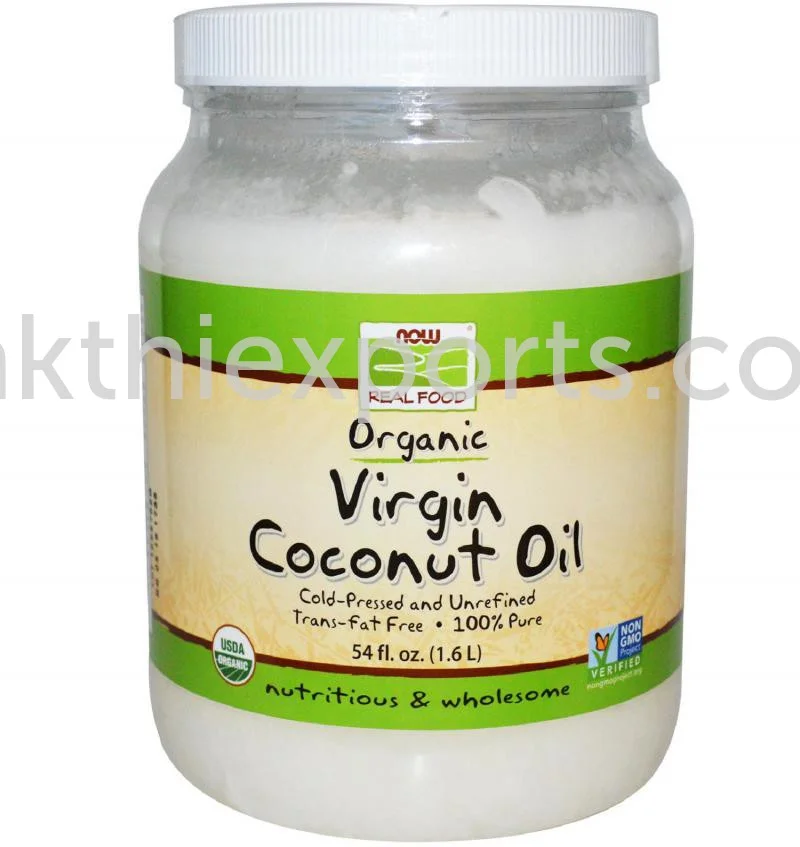
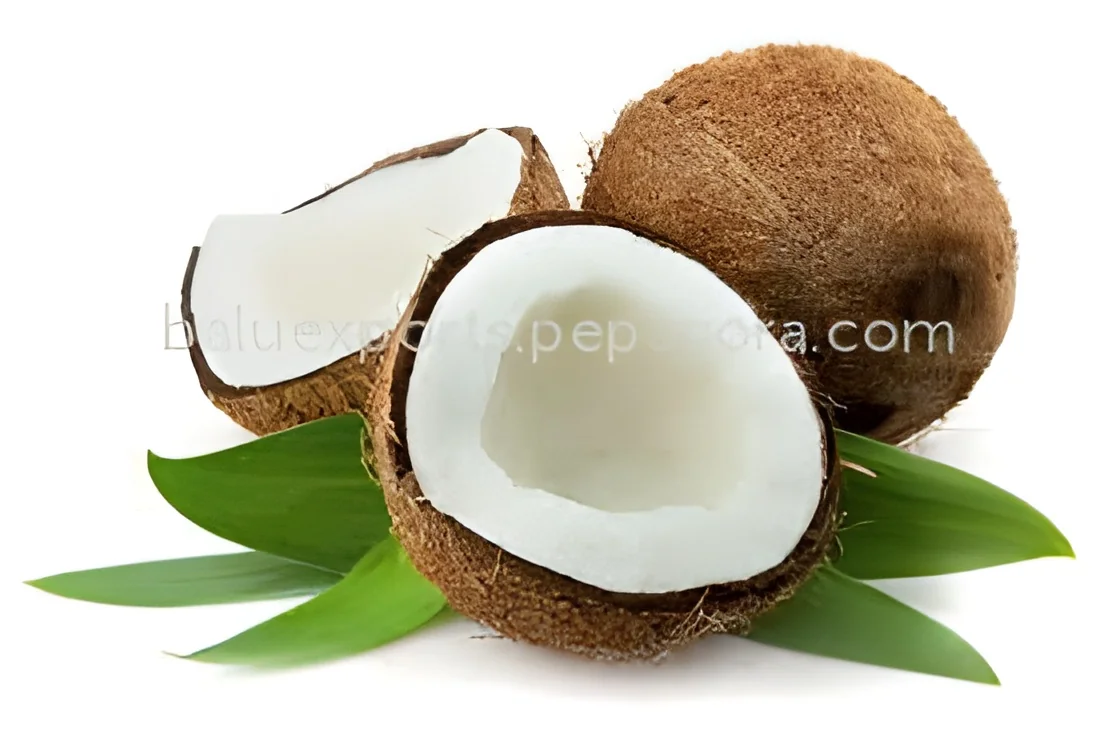
Coconut Oil
With a unique flavor, coconut oil is popular in baking and cooking, especially in health-conscious recipes.
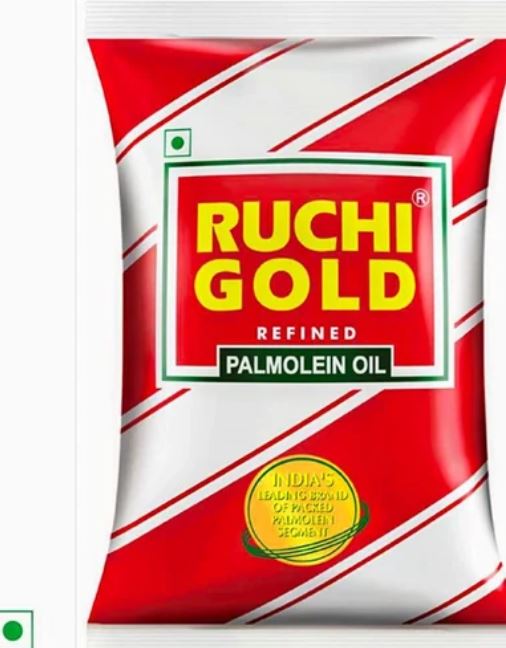
Palm Oil
Widely used in processed foods, palm oil is valued for its stability and long shelf life.
𝗕𝗲𝗻𝗲𝗳𝗶𝘁𝘀 𝗮𝗻𝗱 𝗔𝗱𝘃𝗮𝗻𝘁𝗮𝗴𝗲𝘀
Sourcing edible oils and fats offers numerous advantages for businesses.
Key benefits include:
1. Nutritional Value: Edible oils can provide essential fatty acids and vitamins that enhance the nutritional profile of food products.
2. Versatility: They can be used across various culinary applications, making them a staple in food manufacturing.
3. Flavor Enhancement: Oils and fats contribute to the overall flavor and mouthfeel of food products, improving consumer satisfaction.
4. Extended Shelf Life: Properly refined oils can have a long shelf life, reducing waste and improving inventory management.
5. Customization: Different oils can be blended to create products tailored to specific dietary needs or taste preferences.
6. Health Benefits: Certain oils, like olive oil, are associated with health benefits, appealing to health-conscious consumers.
𝗕𝘂𝘆𝗶𝗻𝗴 𝗚𝘂𝗶𝗱𝗲 𝗳𝗼𝗿 𝗕𝟮𝗕 𝗕𝘂𝘆𝗲𝗿𝘀
When sourcing edible oils and fats, it is essential to consider several factors to ensure quality and compliance.
1. Quality Assessment: Evaluate oils based on their sensory properties, fatty acid composition, and certifications. High-quality oils should meet specific taste and smell criteria.
2. Supplier Verification: Vet suppliers by checking their certifications, reputation, and history in the industry. Ensure they follow quality control measures.
3. Pricing and MOQ: Understand the pricing structure and minimum order quantities. Compare suppliers to find competitive pricing without compromising quality.
4. Delivery and Lead Times: Consider logistics, including delivery times and transportation options. Ensure suppliers can meet your scheduling needs.
5. Compliance Requirements: Familiarize yourself with local and international food safety regulations. Ensure the products meet necessary compliance standards for your market.
𝗖𝗼𝗺𝗽𝗹𝗶𝗮𝗻𝗰𝗲 𝗮𝗻𝗱 𝗖𝗲𝗿𝘁𝗶𝗳𝗶𝗰𝗮𝘁𝗶𝗼𝗻𝘀
Compliance with quality standards is critical in the edible oils and fats industry. Products should adhere to recognized standards like ISO 9001, which ensures quality management systems are in place. HACCP certification is essential for food safety, focusing on preventing hazards in food production processes.
Additionally, products may require CE certification, particularly for those exported to regions that enforce stringent quality controls. Safety and testing requirements must be strictly followed to ensure that oils and fats are free from contaminants and safe for consumption.
Regional compliance considerations also play a significant role, as different countries have varying regulations regarding food products. It is crucial for businesses to stay informed about these standards to maintain compliance and ensure market access.
𝗪𝗵𝘆 𝗦𝗼𝘂𝗿𝗰𝗲 𝗘𝗱𝗶𝗯𝗹𝗲 𝗢𝗶𝗹𝘀 & 𝗙𝗮𝘁𝘀 𝗳𝗿𝗼𝗺 𝗣𝗲𝗽𝗮𝗴𝗼𝗿𝗮?
Pepagora provides a trusted platform for sourcing edible oils and fats with several key advantages.
Verified Supplier Network: The platform features a carefully vetted network of suppliers who adhere to strict quality standards. This ensures buyers can trust the source of their products.
Streamlined RFQ Process: Pepagora offers an efficient request for quotation (RFQ) system that allows buyers to easily compare prices and specifications from multiple suppliers, facilitating informed purchasing decisions.
Trade Assurance and Support: Buyers benefit from trade assurance, which protects their purchases and offers support throughout the buying process. This builds confidence and security in transactions.
Regional Coverage: Pepagora has a broad geographic reach, serving buyers in India, the GCC region, and Southeast Asia. This coverage allows businesses to access a diverse range of products tailored to their market needs.


 India


 India


 India
 India
 India
 India
 India


 India
 India
 India
 India
 India
 India

 India
 India

 India
 India
 India
 India

 India

 India
 India
 India


 India
 India


 India

 India


 India
 India
 India


 India




 India

 India


 India
 India
 India

Frequently Asked Questions
What are Edible Oils & Fats?
Edible oils and fats are substances derived from plants or animals that are used in cooking, baking, and food preparation. They play a crucial role in enhancing flavor, texture, and nutritional value in various dishes.
What are the different types of Edible Oils & Fats?
There are several types of edible oils and fats, including vegetable oils (such as sunflower, soybean, and canola oils), animal fats (like ghee and lard), and specialty oils (such as olive and coconut oils). Each type has unique properties and applications in cooking and food processing.
How do I choose the right Edible Oils & Fats?
Choosing the right edible oils and fats depends on factors such as the cooking method, flavor preferences, and health considerations. It is important to consider the smoke point, fatty acid composition, and nutritional benefits when selecting oils for specific culinary uses.
What are the standard specifications for Edible Oils & Fats?
Standard specifications for edible oils and fats include parameters like acidity, peroxide value, moisture content, and fatty acid composition. These specifications ensure that the products meet safety and quality standards for consumption.
What is the price range for Edible Oils & Fats?
The price range for edible oils and fats can vary significantly based on factors such as type, quality, and supplier. Generally, prices can range from INR 50 to INR 300 per liter, depending on the product and market conditions.
What quality standards apply to Edible Oils & Fats?
Quality standards for edible oils and fats are governed by regulations such as the Food Safety and Standards Authority of India (FSSAI). These standards ensure that the oils are free from contaminants and meet specific nutritional and safety requirements.
Where can I find Edible Oils & Fats suppliers in India?
You can find suppliers of edible oils and fats in India through various channels, including online B2B marketplaces like Pepagora, trade shows, and industry directories. These platforms connect buyers with manufacturers and distributors in the edible oils sector.
Can Edible Oils & Fats be customized?
Yes, many manufacturers offer customization options for edible oils and fats, allowing buyers to specify parameters such as packaging, blending ratios, and labeling. This flexibility can help meet specific consumer preferences or dietary requirements.
What is the typical minimum order quantity for Edible Oils & Fats?
The typical minimum order quantity (MOQ) for edible oils and fats can vary by supplier but generally ranges from 100 to 1000 liters. It is advisable to check with individual suppliers for their specific MOQ requirements.
What is the typical lead time for Edible Oils & Fats?
The typical lead time for edible oils and fats orders can range from a few days to several weeks, depending on factors such as order size, customization, and supplier capabilities. It is best to confirm the timeline with the supplier at the time of order placement.
Why Businesses Trust Pepagora
Thousands of companies trust Pepagora to source smarter and sell faster
Expand Your Sales Globally

Source Smarter,Grow Faster
