
 IN
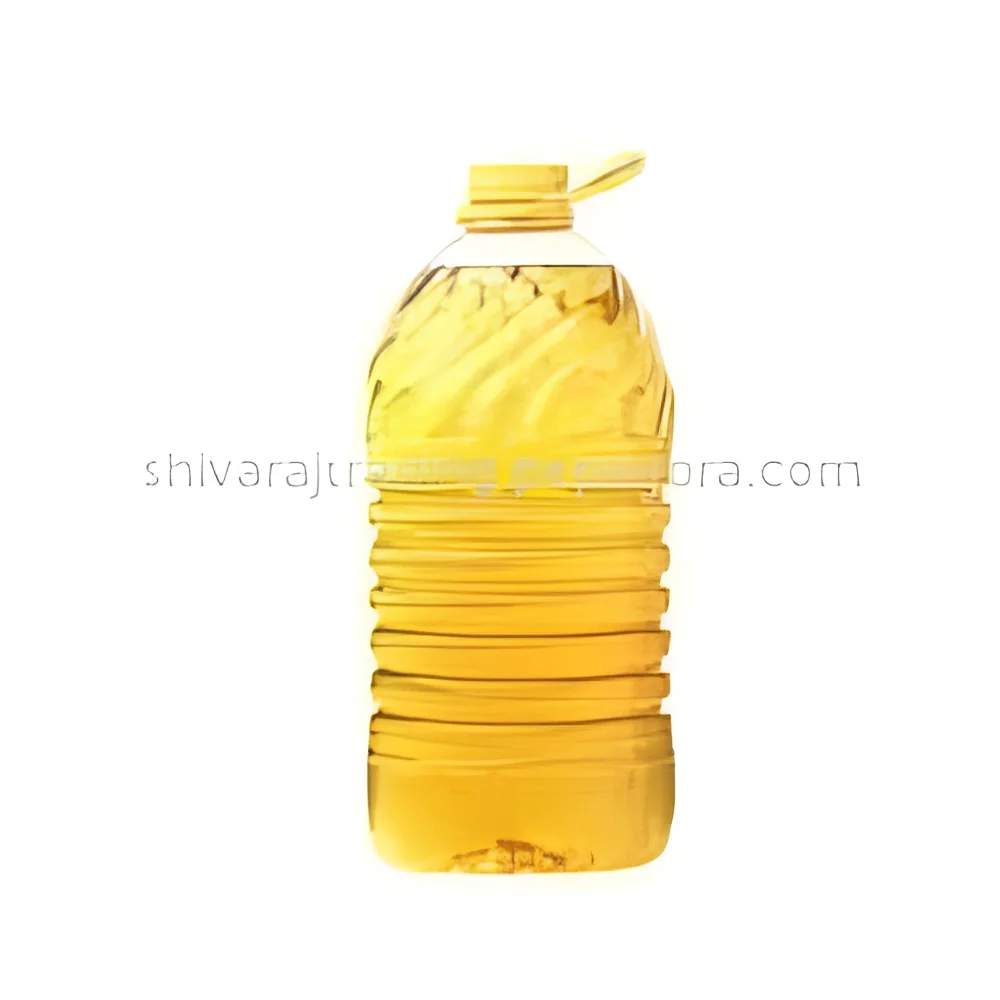
Corn Oil
1 products available
What are Corn Oil?
Corn oil is a vegetable oil extracted from the germ of corn kernels. It is a clear, yellowish oil that is commonly used for cooking and frying. Corn oil is known for its high smoke point, making it suitable for high-temperature cooking methods. It is also a source of polyunsaturated fatty acids, particularly omega-6 fatty acids, contributing to its health benefits when consumed in moderation.
In the business context, corn oil finds extensive application in various industries, including food production, cosmetics, and biofuels. In the food sector, it is often used in salad dressings, margarine, and baked goods. Cosmetic manufacturers utilize corn oil for its moisturizing properties, while the biofuel industry employs it as a feedstock for biodiesel production. The market for corn oil is robust, driven by growing health awareness and demand for plant-based ingredients across sectors.
Key Features and Specifications
Corn oil offers several key features that make it a preferred choice in various applications.
Key specifications include:
1. Purity Level
- Refers to the percentage of corn oil without impurities
- Typically above 99.5% for high-quality oil
2. Fatty Acid Composition
- Profile of fatty acids present in the oil
- Rich in linoleic acid (approximately 55-60%)
3. Smoke Point
- Temperature at which the oil begins to smoke
- Generally around 450°F (232°C)
4. Color
- Visual appearance of the oil
- Light yellow to golden in color
5. Flavor Profile
- Characteristic taste of the oil
- Mild and slightly sweet
6. Shelf Life
- Duration for which the oil remains usable
- Typically 12 to 24 months when stored properly
7. Packaging Options
- Available in various container sizes
- Commonly found in bulk, drums, or retail bottles
8. Storage Conditions
- Recommended storage to maintain quality
- Cool, dry places away from direct sunlight
In summary, corn oil is characterized by its purity, fatty acid composition, and versatility in cooking and industrial applications.
Common Applications and Use Cases
Corn oil is utilized in a wide range of industries, showcasing its versatility.
1. Food Industry: Corn oil serves as a cooking oil, a key ingredient in salad dressings, margarine, and baked goods due to its high smoke point and mild flavor.
2. Cosmetic Industry: It is used in lotions, creams, and hair products for its moisturizing properties, providing skin nourishment.
3. Biofuels: Corn oil is a significant feedstock for biodiesel production, contributing to renewable energy solutions.
4. Pharmaceuticals: The oil is included in various formulations for its emollient properties, enhancing drug delivery.
5. Animal Feed: It is used as a fat source in animal feed formulations, improving the nutritional value.
6. Industrial Applications: Corn oil is employed as a lubricant and in manufacturing various industrial products.
7. Personal Care: It is incorporated into soaps and personal care products for its skin-friendly characteristics.
Product Variants and Subcategories
Corn oil comes in various forms to meet different business needs.
Refined Corn Oil
This variant is processed to remove impurities and enhance flavor. It is commonly used in cooking and frying due to its high smoke point.
Cold-Pressed Corn Oil
Extracted using minimal heat, this variant retains more nutrients and flavor. It is ideal for salad dressings and gourmet cooking applications.
Organic Corn Oil
Sourced from organically grown corn, this variant appeals to health-conscious consumers. It is free from synthetic fertilizers and pesticides.
Benefits and Advantages
Sourcing corn oil offers numerous advantages for businesses.
Key benefits include:
1. Health Benefits: Rich in unsaturated fats, corn oil can help lower cholesterol levels when used in moderation.
2. Versatility: Suitable for a variety of cooking methods, including frying, baking, and sautéing.
3. Cost-Effective: Generally more affordable than other cooking oils, corn oil provides excellent value for food manufacturers.
4. High Smoke Point: Its ability to withstand high temperatures makes it ideal for frying and high-heat cooking.
5. Nutritional Value: Contains essential fatty acids and vitamins that contribute to a balanced diet.
6. Availability: Widely produced and accessible, ensuring a steady supply for businesses.
Buying Guide for B2B Buyers
When sourcing corn oil, companies should consider several crucial factors.
1. Quality Assessment: Ensure the oil meets high purity standards and is free from contaminants. Look for certifications that guarantee quality.
2. Supplier Verification: Vet suppliers to ensure they have a reputable track record. Check references and request samples for quality testing.
3. Pricing and MOQ: Understand the price range and minimum order quantities. Negotiate terms that suit your budget and operational needs.
4. Delivery and Lead Times: Factor in logistics and delivery times. Ensure suppliers can meet your deadlines to avoid disruptions in production.
5. Compliance Requirements: Be aware of any regulatory standards that apply to corn oil in your region, including food safety and labeling requirements.
Compliance and Certifications
Compliance with quality standards is essential for corn oil producers and suppliers. Relevant standards include ISO 9001, which focuses on quality management systems, and HACCP, which addresses food safety.
Industry certifications, such as CE, indicate that products meet European safety and environmental requirements. Additionally, corn oil must adhere to testing and safety regulations, ensuring the oil is safe for consumption.
Regional compliance considerations vary by location, with specific regulations in place depending on the market. Manufacturers should stay informed about local requirements to ensure their products meet necessary standards.
Why Source Corn Oil from Pepagora?
Pepagora provides a trusted platform for sourcing corn oil with several key advantages for businesses.
Verified Supplier Network: Pepagora connects buyers with a network of verified suppliers, ensuring reliability and quality in sourcing.
Streamlined RFQ Process: The platform offers a simplified request for quotation process, making it easier for buyers to obtain competitive pricing and terms.
Trade Assurance and Support: Pepagora provides buyer protection and support throughout the purchasing process, ensuring a secure transaction.
Regional Coverage: With a strong presence in India, GCC, and Southeast Asia, Pepagora facilitates access to corn oil suppliers across diverse markets, enhancing business opportunities.

Frequently Asked Questions
What are Corn Oil?
Corn oil is a type of vegetable oil extracted from the germ of corn (maize). It is commonly used for cooking, frying, and baking due to its high smoke point and neutral flavor.
What are the different types of Corn Oil?
There are primarily two types of corn oil: refined and unrefined. Refined corn oil is processed to remove impurities and has a higher smoke point, while unrefined corn oil retains more nutrients and has a stronger flavor.
How do I choose the right Corn Oil?
When choosing corn oil, consider factors such as the intended use (cooking, frying, or salad dressings), the oil's refinement level, and quality certifications. Additionally, check for packaging that indicates freshness and storage recommendations.
What are the standard specifications for Corn Oil?
Standard specifications for corn oil typically include parameters like free fatty acid content, smoke point, color, and flavor profile. These specifications ensure the oil meets industry standards for quality and usability.
What is the price range for Corn Oil?
The price of corn oil can vary depending on factors such as the supplier, quality, and quantity purchased. Generally, prices range from INR 100 to INR 250 per liter in the Indian market.
What quality standards apply to Corn Oil?
Quality standards for corn oil may include certifications such as FSSAI (Food Safety and Standards Authority of India) and ISO (International Organization for Standardization). These standards ensure the oil is safe for consumption and meets specified quality criteria.
Where can I find Corn Oil suppliers in India?
You can find corn oil suppliers in India through online B2B marketplaces like Pepagora, trade shows, and industry directories. It's advisable to verify the suppliers' credentials and product quality before making a purchase.
Can Corn Oil be customized?
Yes, corn oil can be customized in terms of packaging size, labeling, and sometimes even formulation based on buyer specifications. It is recommended to discuss customization options directly with suppliers.
What is the typical minimum order quantity for Corn Oil?
The typical minimum order quantity (MOQ) for corn oil varies by supplier but generally ranges from 100 liters to 1000 liters. It's best to check with individual suppliers for their specific MOQs.
What is the typical lead time for Corn Oil?
The typical lead time for corn oil orders can range from 7 to 21 days, depending on the supplier's stock availability and order size. Always confirm the lead time during the order process.
Why Businesses Trust Pepagora
Thousands of companies trust Pepagora to source smarter and sell faster
Expand Your Sales Globally

Source Smarter,Grow Faster
