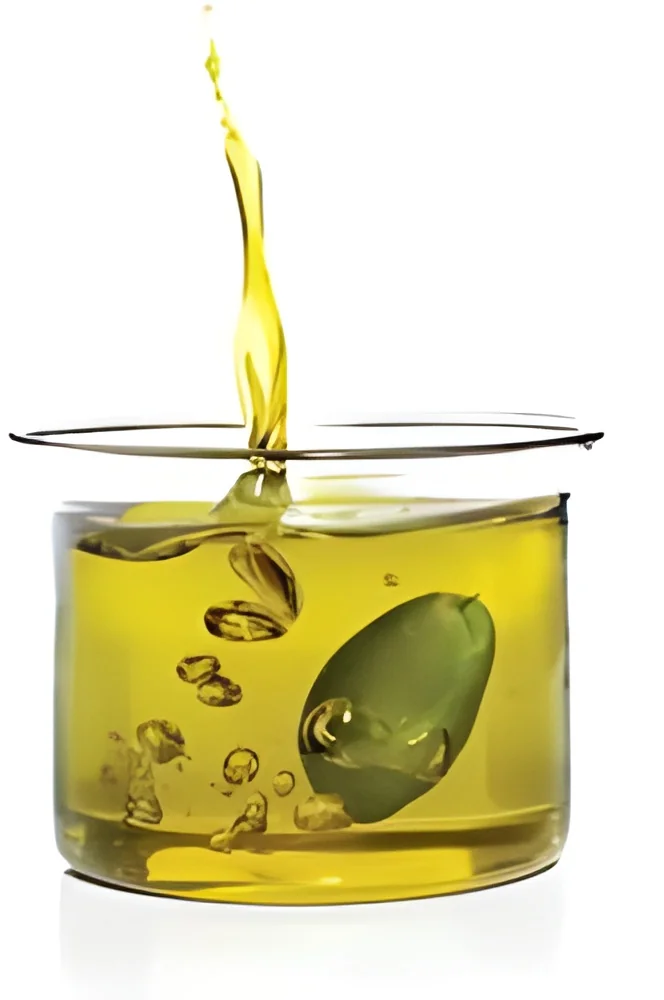
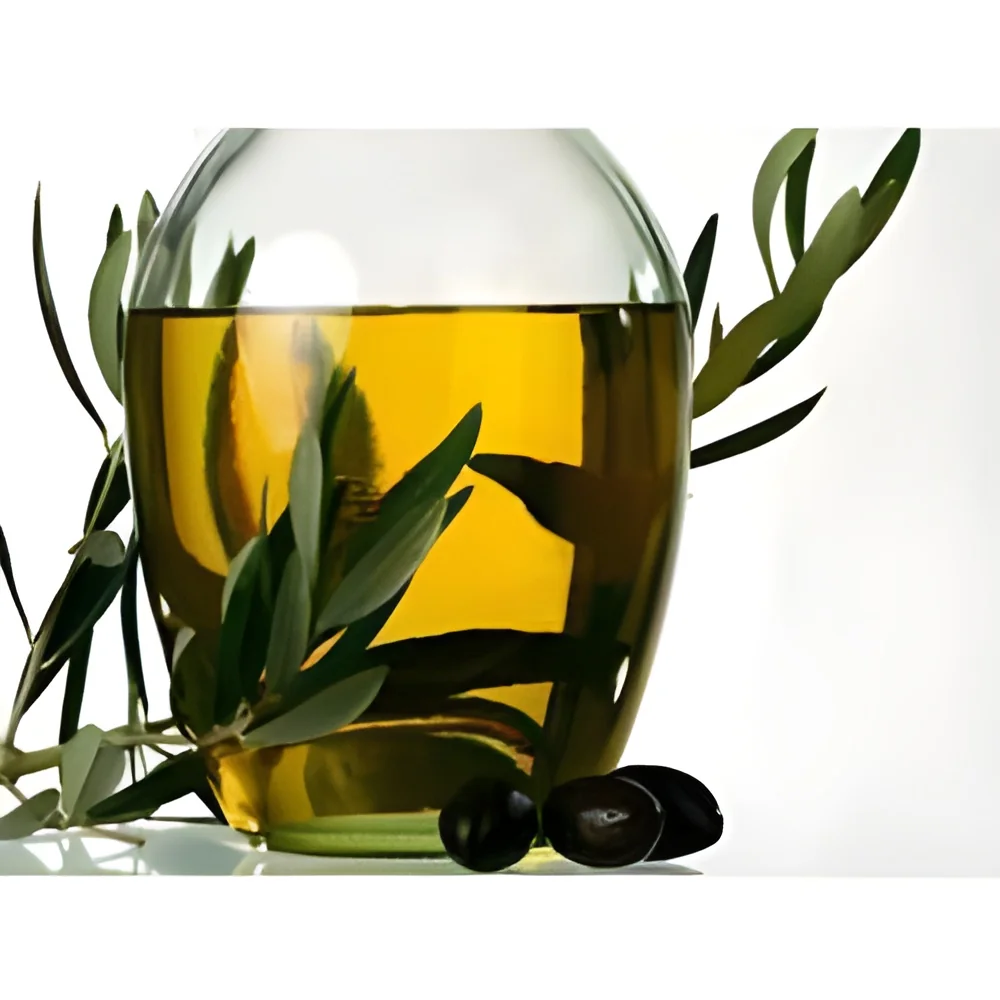
What are Olive Oil (Extra Virgin, Pomace)?
Olive oil is a key ingredient derived from the fruit of the olive tree. Extra virgin olive oil is the highest quality grade, made from pure, cold-pressed olives, and is known for its rich flavor and health benefits. Pomace olive oil, on the other hand, is extracted from the remaining pulp after the first pressing of olives and is often refined to improve taste and quality. Both types of olive oil are utilized in various food products and cooking processes, making them essential in the culinary industry.
These oils are widely used in food preparation, salad dressings, marinades, and as a finishing oil for various dishes. In addition to culinary applications, they are also utilized in cosmetic products and health supplements. The olive oil industry is significant globally, with a growing demand for high-quality and organic oils driven by health-conscious consumers and chefs looking for premium ingredients.
With the increasing focus on health and wellness, the market for olive oil continues to expand. This growth is supported by rising consumer awareness of the benefits of using healthy fats in their diets. The olive oil sector is characterized by its diversity, with different grades and varieties catering to various tastes, preferences, and price points, making it a relevant player in the food and beverage industry.
๐๐ฒ๐ ๐๐ฒ๐ฎ๐๐๐ฟ๐ฒ๐ ๐ฎ๐ป๐ฑ ๐ฆ๐ฝ๐ฒ๐ฐ๐ถ๐ณ๐ถ๐ฐ๐ฎ๐๐ถ๐ผ๐ป๐
Olive oil, particularly Extra Virgin and Pomace, comes with a variety of features that cater to different industrial needs. Understanding these specifications is crucial for businesses looking to incorporate olive oil into their products or operations.
Key specifications include:
1. Acidity Level
- Extra virgin olive oil typically has an acidity level of less than 0.8%
- Pomace olive oil may have a higher acidity level due to the refining process
2. Flavor Profile
- Extra virgin olive oil has a robust, fruity flavor with varying notes of bitterness and spiciness
- Pomace olive oil has a milder flavor, suitable for high-temperature cooking
3. Nutritional Content
- Rich in monounsaturated fats, antioxidants, and vitamin E
- Contains beneficial compounds such as polyphenols and oleic acid
4. Smoke Point
- Extra virgin olive oil has a smoke point around 375ยฐF (190ยฐC)
- Pomace olive oil has a higher smoke point, making it suitable for frying
5. Packaging Options
- Available in glass bottles, plastic containers, and bulk packaging
- Packaging must protect from light and air to preserve quality
6. Shelf Life
- Extra virgin olive oil has a shelf life of 18-24 months when stored properly
- Pomace olive oil can last longer due to the refining process
7. Certification Standards
- Must comply with food safety standards and quality certifications
- CE certification is applicable for products intended for the European market
In summary, the specifications of olive oil play a critical role in determining its suitability for various applications and industries.
๐๐ผ๐บ๐บ๐ผ๐ป ๐๐ฝ๐ฝ๐น๐ถ๐ฐ๐ฎ๐๐ถ๐ผ๐ป๐ ๐ฎ๐ป๐ฑ ๐จ๐๐ฒ ๐๐ฎ๐๐ฒ๐
Olive oil serves numerous industries, catering to different needs and applications.
1. Food Industry: Extra virgin olive oil is widely used in restaurants and food production for salad dressings, dips, and finishing oils. Pomace olive oil is favored for cooking and frying due to its higher smoke point.
2. Cosmetic Industry: Olive oil is a common ingredient in skincare and beauty products. Its moisturizing properties make it ideal for lotions, shampoos, and soaps.
3. Nutraceuticals: With its rich nutritional profile, olive oil is used in dietary supplements promoting heart health and overall wellness.
4. Hospitality: Hotels and restaurants often use olive oil in their kitchens, enhancing the flavor profile of their dishes and providing a health-conscious option for guests.
5. Retail: Olive oil is packaged and sold in various retail formats, catering to consumers who seek healthy cooking oils for home use.
6. Food Service: Bulk olive oil supplies are vital for catering services and large-scale food production, ensuring consistent quality and flavor.
7. Industrial Cooking: Olive oil is utilized in food manufacturing processes, including the production of sauces, dressings, and ready-to-eat meals.
๐ฃ๐ฟ๐ผ๐ฑ๐๐ฐ๐ ๐ฉ๐ฎ๐ฟ๐ถ๐ฎ๐ป๐๐ ๐ฎ๐ป๐ฑ ๐ฆ๐๐ฏ๐ฐ๐ฎ๐๐ฒ๐ด๐ผ๐ฟ๐ถ๐ฒ๐
Olive oil comes in various forms, each tailored to specific applications and preferences.
Extra Virgin Olive Oil: This premium variant is cold-pressed from the first extraction of olives. It is known for its rich flavor and health benefits, making it ideal for dressings, dips, and gourmet cooking.
Pomace Olive Oil: Extracted from the remaining olive pulp after the first pressing, this variant undergoes refining for improved taste and stability. It is commonly used for frying and in commercial food production.
๐๐ฒ๐ป๐ฒ๐ณ๐ถ๐๐ ๐ฎ๐ป๐ฑ ๐๐ฑ๐๐ฎ๐ป๐๐ฎ๐ด๐ฒ๐
Olive oil offers numerous advantages that make it a popular choice for businesses.
1. Health Benefits: Rich in antioxidants and healthy fats, olive oil promotes heart health and reduces inflammation.
2. Versatility: Suitable for a wide range of culinary applications, from frying to salad dressings, making it a staple in both home and commercial kitchens.
3. Flavor Enhancement: Adds a distinct flavor profile to dishes, enhancing the overall taste and quality of meals.
4. Sustainability: Olive oil production can be environmentally friendly when sourced from sustainable farms, appealing to eco-conscious consumers.
5. Quality Assurance: Products often come with certifications, ensuring adherence to high standards of quality and safety.
6. Consumer Demand: The increasing popularity of Mediterranean diets and healthy eating trends drives demand for high-quality olive oil.
๐๐๐๐ถ๐ป๐ด ๐๐๐ถ๐ฑ๐ฒ ๐ณ๐ผ๐ฟ ๐๐ฎ๐ ๐๐๐๐ฒ๐ฟ๐
When sourcing Olive Oil (Extra Virgin, Pomace), it is essential for B2B buyers to consider several key factors to ensure they make informed purchasing decisions.
1. Quality Assessment: Evaluate the quality based on acidity levels, flavor profiles, and certifications. High-quality olive oil should meet specific standards to ensure it meets your requirements.
2. Supplier Verification: Conduct thorough research on potential suppliers. Check their certifications, production methods, and reviews to ensure reliability and consistency in product quality.
3. Pricing and MOQ: Understand the pricing structures and minimum order quantities. Compare costs among different suppliers to ensure you are getting the best value for your investment.
4. Delivery and Lead Times: Discuss logistics with suppliers to confirm delivery timelines. Timely delivery is crucial for maintaining inventory levels and meeting customer demand.
5. Compliance Requirements: Ensure that the olive oil complies with relevant local and international regulations. This includes understanding labeling requirements and safety standards.
๐๐ผ๐บ๐ฝ๐น๐ถ๐ฎ๐ป๐ฐ๐ฒ ๐ฎ๐ป๐ฑ ๐๐ฒ๐ฟ๐๐ถ๐ณ๐ถ๐ฐ๐ฎ๐๐ถ๐ผ๐ป๐
Olive oil must adhere to several quality standards and certifications to ensure safety and consumer trust. Key standards include ISO 9001, which establishes quality management systems, and HACCP, focusing on food safety and hazard analysis.
Industry certifications such as CE are crucial for products intended for the European market, ensuring they meet necessary safety and quality benchmarks. Additionally, olive oil products may undergo testing for purity and quality to meet regulatory compliance.
Regionally, compliance considerations vary. Buyers should be aware of local food safety laws and regulations that apply to olive oil imports and sales, ensuring that their products meet the required standards for distribution.
Why Source Olive Oil (Extra Virgin, Pomace) from Pepagora?
Pepagora offers a reliable platform for sourcing Olive Oil (Extra Virgin, Pomace) with several key advantages.
Verified Supplier Network: Pepagora connects buyers with a network of verified suppliers, ensuring that all listed products meet quality and safety standards. This reduces the risk of sourcing inferior products.
Streamlined RFQ Process: The Request for Quotation system on Pepagora simplifies the sourcing process, allowing buyers to easily compare quotes and select suppliers that best meet their needs.
Trade Assurance and Support: Buyers benefit from trade assurance that protects their interests during transactions. Pepagora provides support to ensure that all parties fulfill their commitments.
Regional Coverage: With a strong presence in India, the GCC, and Southeast Asia, Pepagora ensures broad geographic coverage, making it easier for businesses to find suppliers that meet their local market needs.