
 IN
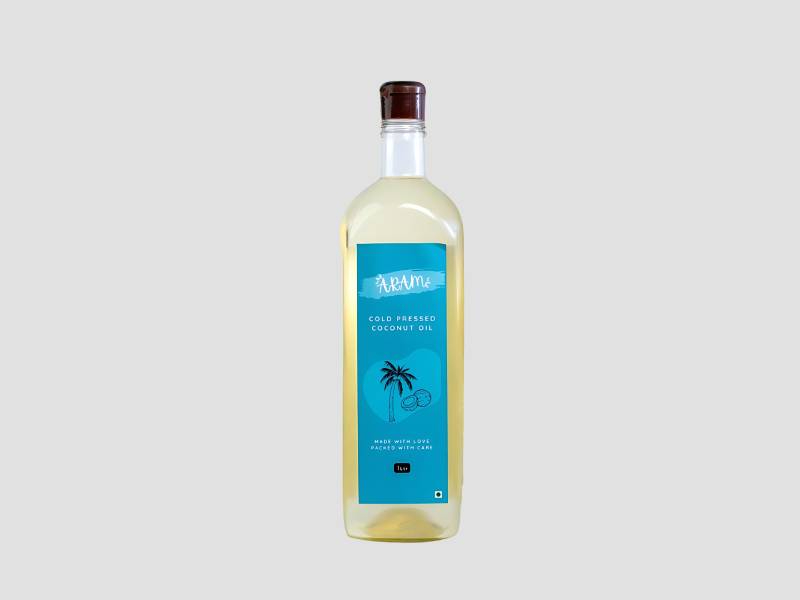
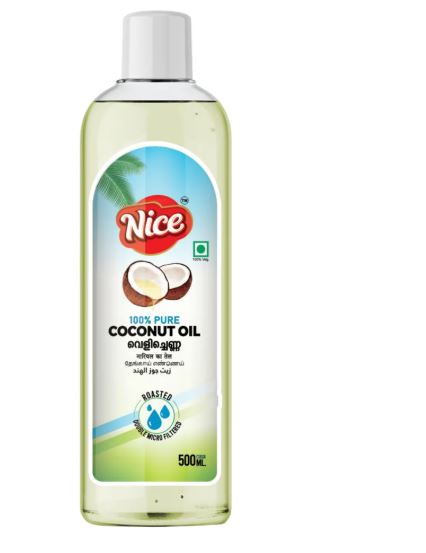
Cold-Pressed Coconut Oil
5 products available
What are Cold-Pressed Coconut Oil?
Cold-Pressed Coconut Oil is a natural oil extracted from the meat of mature coconuts without the use of heat. This method preserves the oil's nutrients and flavor, making it a popular choice for food and cosmetic applications. The cold-pressing process involves mechanically pressing the coconut meat to extract the oil, ensuring that the oil retains its beneficial properties, including antioxidants and medium-chain triglycerides.
This oil is widely used in various industries, including food, cosmetics, and pharmaceuticals. In the food sector, it serves as a cooking oil, a food ingredient, and an additive in health products. In cosmetics, it is valued for its moisturizing properties and is commonly found in skincare and haircare products. The increasing demand for natural and organic products has boosted the market for cold-pressed coconut oil, making it an essential component in many formulations.
The global market for cold-pressed coconut oil is expanding due to the rising awareness of health benefits associated with coconut oil consumption. As businesses seek sustainable and natural ingredients, cold-pressed coconut oil's relevance continues to grow. It is particularly significant in regions where coconuts are cultivated, contributing to both local economies and global trade.
Key Features and Specifications
Cold-Pressed Coconut Oil offers several key features that make it suitable for various applications. Its composition and extraction method contribute to its quality and effectiveness. Understanding these specifications is essential for businesses looking to incorporate this oil into their products.
Key specifications include:
1. Extraction Method
- Cold-pressed to preserve nutrients
- No heat or chemicals used in extraction
2. Purity Level
- Typically 100% pure coconut oil
- Free from additives or preservatives
3. Fatty Acid Composition
- High in medium-chain triglycerides (MCTs)
- Contains lauric acid, capric acid, and caprylic acid
4. Color and Aroma
- Light to golden color with a mild coconut aroma
- Natural scent enhances food and cosmetic applications
5. Shelf Life
- Generally stable for up to 24 months when stored correctly
- Requires cool, dry storage to maintain freshness
6. Packaging Options
- Available in various sizes, from bulk containers to retail packaging
- Custom packaging options for branding available
In summary, the specifications of cold-pressed coconut oil highlight its quality and versatility, making it a valuable ingredient in numerous industries.
Common Applications and Use Cases
Cold-Pressed Coconut Oil serves various industries due to its diverse applications and benefits. Its versatility allows it to be utilized in many different contexts.
1. Food Industry: In the food sector, cold-pressed coconut oil is used for cooking, baking, and as a salad dressing. It is favored for its high smoke point and nutritional benefits.
2. Cosmetic Industry: The oil is a popular ingredient in skincare products due to its moisturizing properties. It is used in lotions, creams, and hair care products to promote healthy skin and hair.
3. Pharmaceutical Industry: Cold-pressed coconut oil is often used as a carrier oil for herbal supplements and medications, enhancing absorption and efficacy.
4. Personal Care Products: The oil is incorporated into soaps, deodorants, and oral care products, contributing to their natural formulation.
5. Nutraceuticals: It is used in dietary supplements aimed at promoting health benefits, including weight management and metabolic support.
6. Animal Feed: Cold-pressed coconut oil is sometimes added to animal feed for its nutritional value and palatability.
7. Biofuels: The oil can be used as a renewable energy source, contributing to sustainable fuel options.
Product Variants and Subcategories
Cold-Pressed Coconut Oil is available in various forms to meet specific needs in different sectors. The diversity of this product allows businesses to choose options that best suit their applications.
Virgin Coconut Oil: This variant is unrefined and extracted from fresh coconut meat. It retains a strong coconut flavor and aroma, making it ideal for culinary uses and natural health products.
Refined Coconut Oil: This type is processed to remove impurities and odor. It is suitable for cooking at high temperatures and is often preferred in commercial food applications.
Fractionated Coconut Oil: This variant is processed to separate the medium-chain fatty acids, resulting in a liquid oil that remains stable at room temperature. It is commonly used in cosmetic formulations and massage oils.
Benefits and Advantages
Cold-Pressed Coconut Oil offers numerous benefits that make it an attractive choice for businesses across various industries. Understanding these advantages can help in making informed purchasing decisions.
Key benefits include:
1. Nutritional Value: Rich in medium-chain triglycerides, it provides quick energy and supports metabolism.
2. Natural Moisturizer: Its hydrating properties make it effective in skincare products, promoting healthy skin and hair.
3. Versatile Applications: Suitable for cooking, cosmetics, and pharmaceuticals, making it a multi-purpose ingredient.
4. Antioxidant Properties: Contains antioxidants that help protect against oxidative stress and promote overall health.
5. Sustainable Sourcing: Often sourced from organic farms, contributing to environmentally friendly practices.
6. Good Stability: Cold-pressed coconut oil has a relatively long shelf life when stored properly, reducing waste.
Buying Guide for B2B Buyers
When sourcing Cold-Pressed Coconut Oil, several factors should be considered to ensure you choose the right product and supplier for your business needs.
1. Quality Assessment: Evaluate the quality of the oil by requesting samples and reviewing lab test results. Look for certifications that indicate purity and production standards.
2. Supplier Verification: Research potential suppliers to ensure they are reputable and have a history of providing high-quality products. Check customer reviews and industry references.
3. Pricing and MOQ: Understand the pricing structure and minimum order quantities (MOQ) to ensure they align with your budget and business requirements.
4. Delivery and Lead Times: Discuss logistics and delivery timelines with suppliers to ensure timely receipt of products, especially if you have specific project deadlines.
5. Compliance Requirements: Verify that the product meets necessary regulatory standards and certifications required in your industry, such as food safety or cosmetic regulations.
Compliance and Certifications
Cold-Pressed Coconut Oil must adhere to various quality standards and certifications to ensure safety and efficacy. Key considerations include:
Relevant quality standards such as ISO 9001 and HACCP provide frameworks for quality management and food safety. These standards help businesses ensure their products meet customer expectations while minimizing risks.
Industry certifications like CE indicate compliance with European safety and health regulations. Such certifications are vital for businesses exporting to international markets, ensuring that products meet strict safety criteria.
Safety and testing requirements are essential to validate the purity and quality of cold-pressed coconut oil. Regular testing for contaminants and adherence to safety regulations is crucial for maintaining consumer trust.
Regional compliance considerations may vary based on local regulations. Businesses should be aware of specific requirements in their target markets to ensure full compliance.
Why Source Cold-Pressed Coconut Oil from Pepagora?
Pepagora offers a trusted platform for sourcing Cold-Pressed Coconut Oil, providing several key advantages that cater to B2B buyers.
Verified Supplier Network: Pepagora connects buyers with a network of verified suppliers, ensuring that you source high-quality products from reputable manufacturers. This verification process helps mitigate risks associated with sourcing.
Streamlined RFQ Process: The Request for Quotation (RFQ) process on Pepagora is designed for efficiency. Buyers can easily submit their requirements and receive competitive quotes from multiple suppliers, simplifying the decision-making process.
Trade Assurance and Support: Pepagora provides trade assurance and buyer protection, giving you confidence in your transactions. Dedicated support ensures that any issues are promptly addressed, fostering a positive sourcing experience.
Regional Coverage: With a strong presence in India, the GCC, and Southeast Asia, Pepagora offers extensive geographic reach. This allows businesses to connect with local suppliers and tap into regional markets effectively.




Frequently Asked Questions
What are Cold-Pressed Coconut Oil?
Cold-Pressed Coconut Oil is extracted from fresh coconut meat using a method that retains its natural properties. This process involves pressing the coconuts without applying heat, which helps preserve the oil's nutrients and flavor.
What are the different types of Cold-Pressed Coconut Oil?
The main types of Cold-Pressed Coconut Oil include virgin coconut oil and refined coconut oil. Virgin coconut oil is extracted from fresh coconut meat, while refined coconut oil is made from dried coconut (copra) and may undergo further processing.
How do I choose the right Cold-Pressed Coconut Oil?
To choose the right Cold-Pressed Coconut Oil, consider factors such as the extraction method, purity, and source of coconuts. Look for oils labeled as 'organic' and 'non-GMO' to ensure quality and sustainability.
What are the standard specifications for Cold-Pressed Coconut Oil?
Standard specifications for Cold-Pressed Coconut Oil may include parameters like acidity level, moisture content, and free fatty acid content. Most suppliers provide a certificate of analysis to verify compliance with these specifications.
What is the price range for Cold-Pressed Coconut Oil?
The price range for Cold-Pressed Coconut Oil can vary widely based on quality and supplier. Generally, prices can range from INR 200 to INR 800 per liter, depending on factors such as sourcing and processing methods.
What quality standards apply to Cold-Pressed Coconut Oil?
Quality standards for Cold-Pressed Coconut Oil typically include adherence to food safety regulations and certifications such as ISO or FSSAI in India. It's essential to check for third-party testing results to ensure product quality.
Where can I find Cold-Pressed Coconut Oil suppliers in India?
You can find Cold-Pressed Coconut Oil suppliers in India through online B2B marketplaces like Pepagora, trade shows, and industry directories. Networking with local coconut producers can also lead to reliable suppliers.
Can Cold-Pressed Coconut Oil be customized?
Yes, many manufacturers offer customization options for Cold-Pressed Coconut Oil, including variations in packaging and formulation. Discuss your specific requirements with suppliers to explore available customization options.
What is the typical minimum order quantity for Cold-Pressed Coconut Oil?
The typical minimum order quantity (MOQ) for Cold-Pressed Coconut Oil can vary between suppliers but usually ranges from 100 to 500 liters. It's advisable to check with individual suppliers for their specific MOQs.
What is the typical lead time for Cold-Pressed Coconut Oil?
The typical lead time for Cold-Pressed Coconut Oil orders can range from 7 to 30 days, depending on the supplier's production capacity and your order size. Always confirm the lead time with your supplier before placing an order.
Why Businesses Trust Pepagora
Thousands of companies trust Pepagora to source smarter and sell faster
Expand Your Sales Globally

Source Smarter,Grow Faster
