What are Coconut Oil?
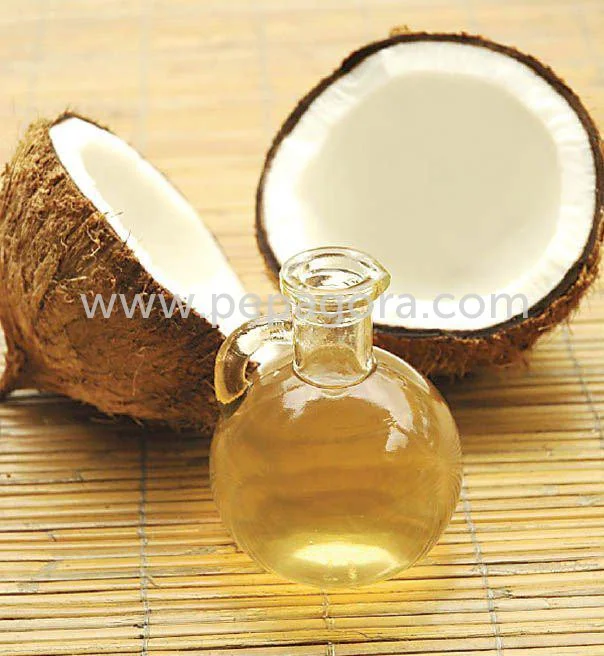
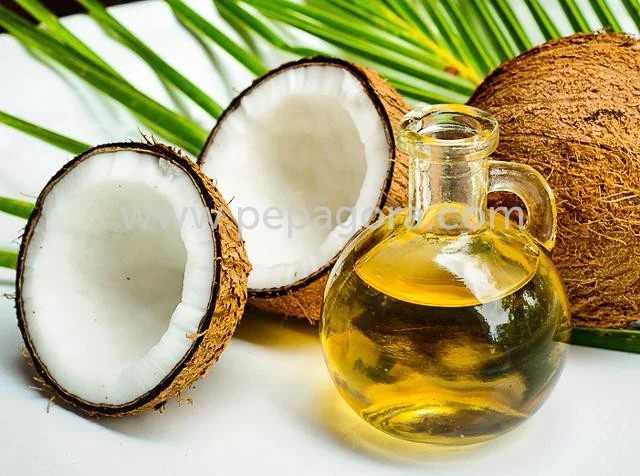
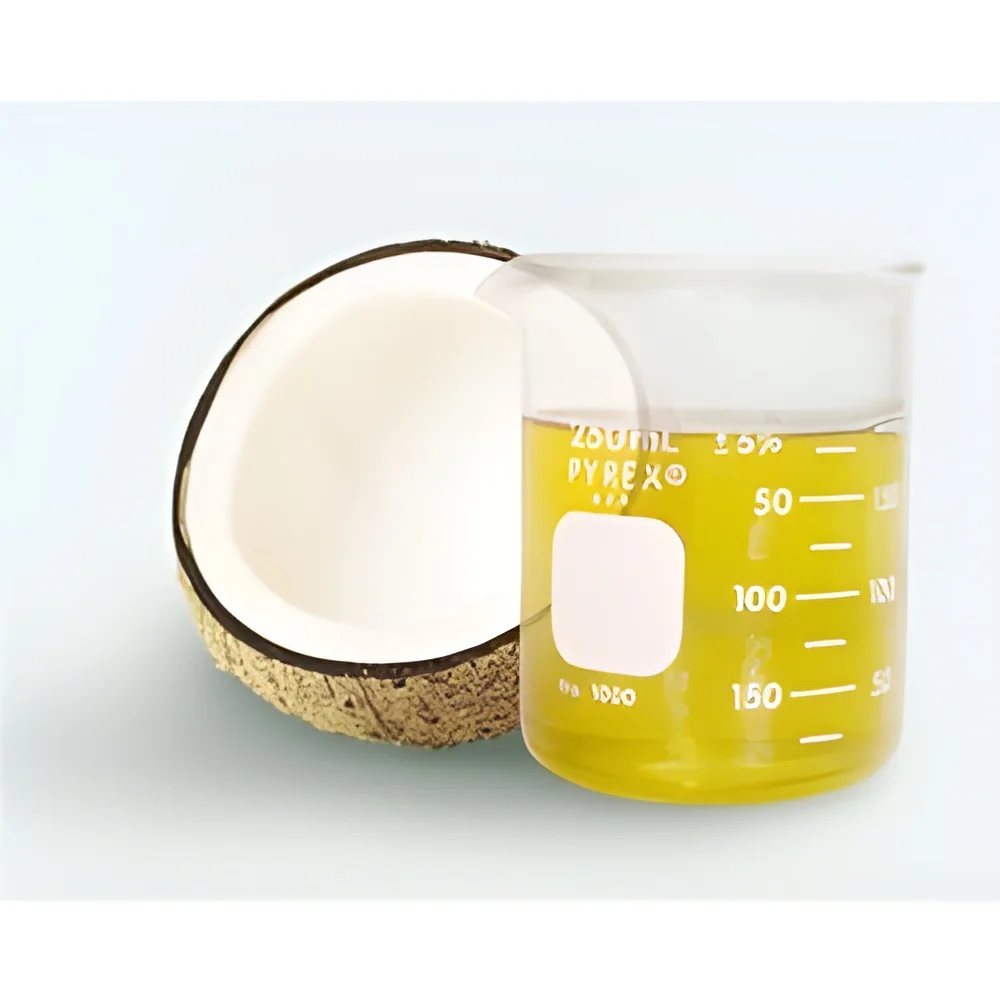
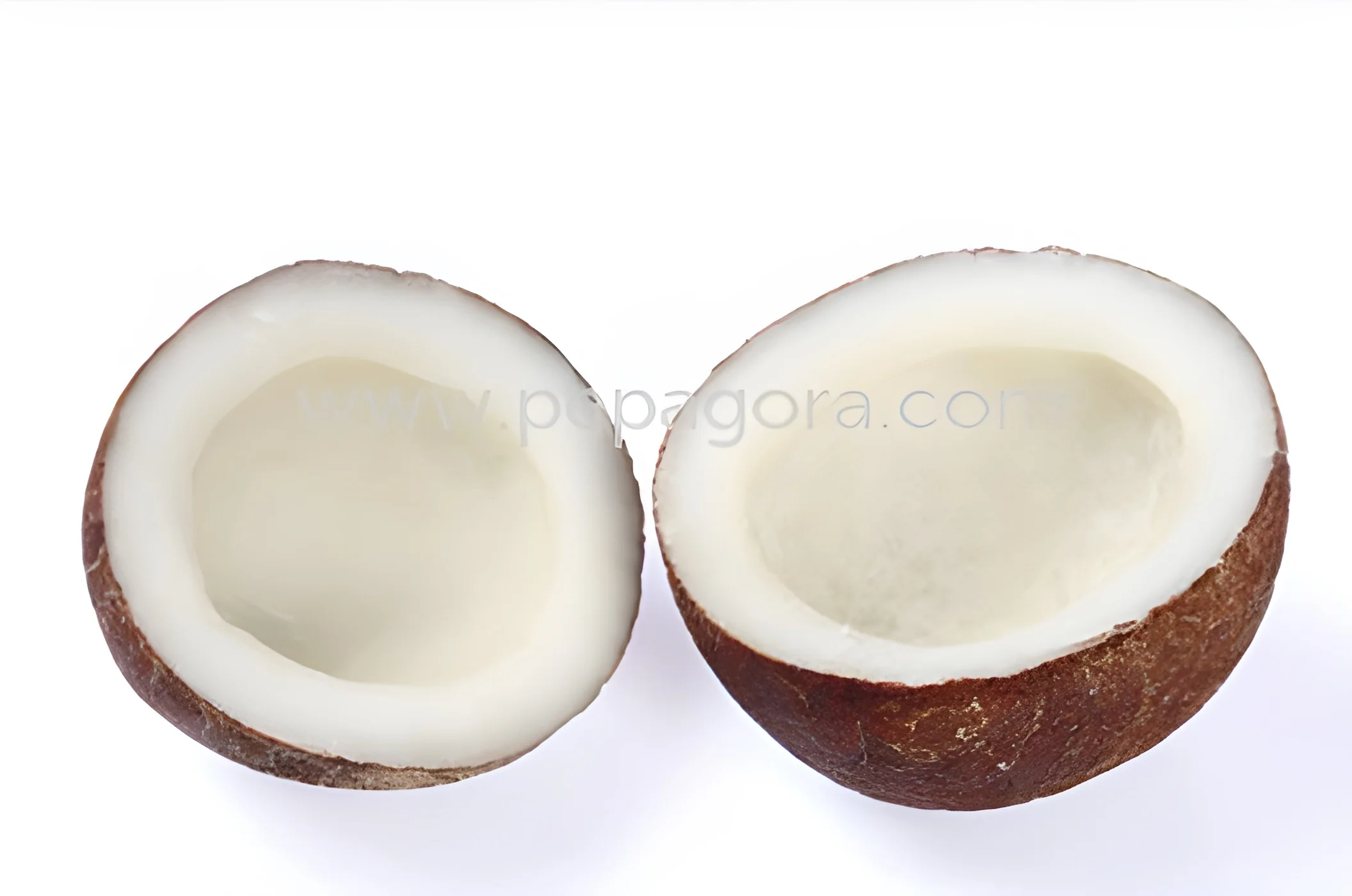
Coconut oil is a versatile and natural oil extracted from the meat of mature coconuts. It is known for its light texture and distinct flavor, making it a popular choice in various industries. The oil can be extracted through cold pressing or refining processes, each offering different characteristics and applications. Coconut oil is primarily composed of saturated fats, making it stable at high temperatures and suitable for cooking and food preservation.
Coconut oil has numerous business applications, ranging from food production to cosmetics and pharmaceuticals. In the food industry, it is used for cooking, baking, and as an ingredient in packaged foods. In personal care, it serves as a base for lotions, creams, and hair products. The market for coconut oil is growing, driven by rising consumer awareness of its health benefits and increasing demand for natural and organic products.
Key Features and Specifications
Coconut oil is characterized by several key features that make it desirable for various applications. Understanding these specifications helps buyers make informed decisions when sourcing the product.
Key specifications include:
1. Extraction Method
- Cold-pressed or refined options available
- Cold-pressed retains more nutrients and flavor
2. Purity Level
- Typically ranges from 76% to 100% purity
- Higher purity indicates better quality for food and cosmetic use
3. Fatty Acid Composition
- Composed mainly of saturated fats, particularly lauric acid
- Contains medium-chain triglycerides (MCTs) beneficial for health
4. Odor and Color
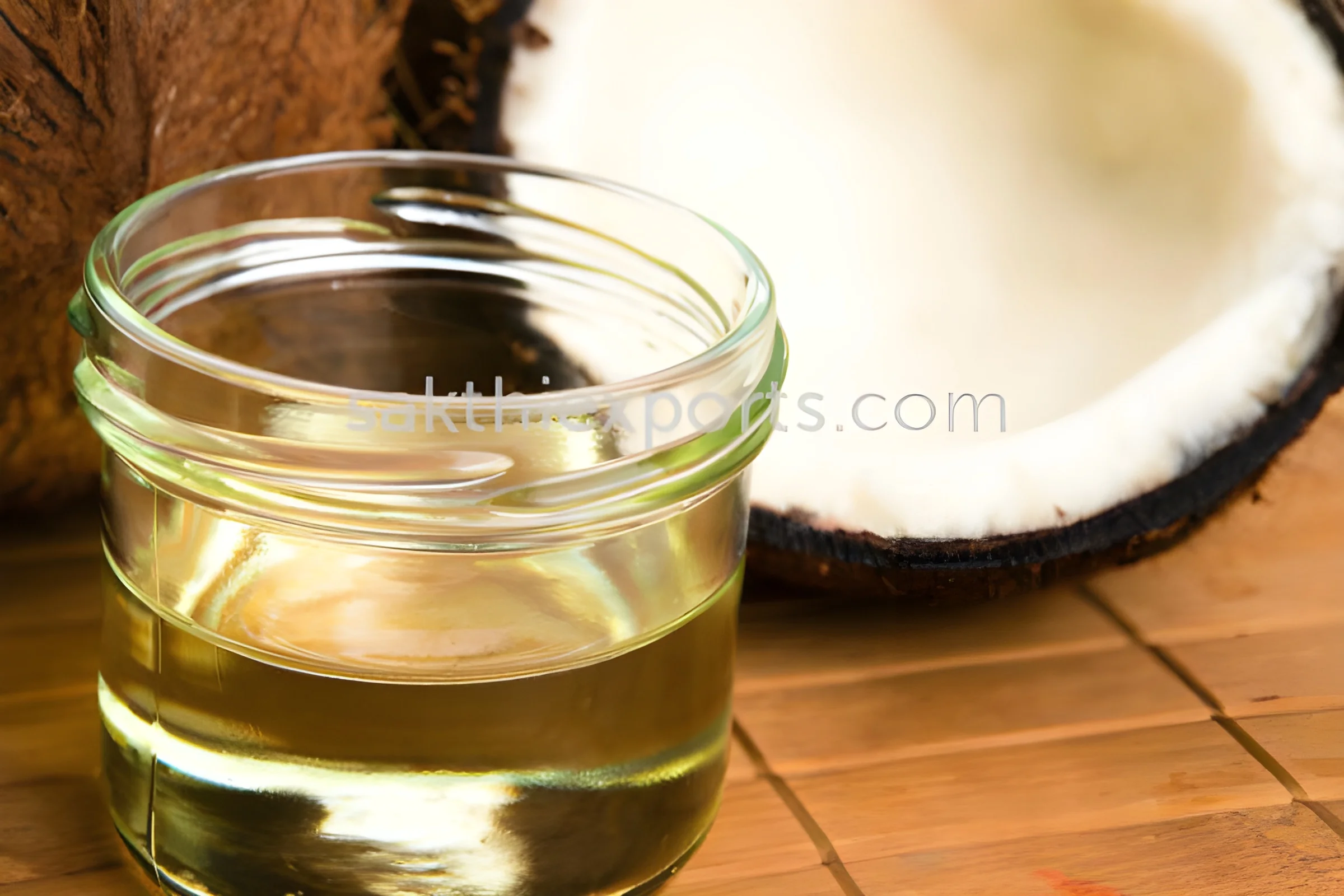
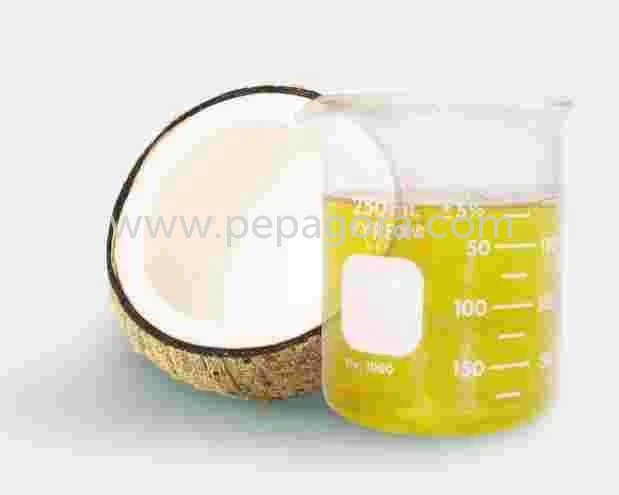
- Ranges from clear to a slight yellow tint
- Can be odorless or have a mild coconut scent
5. Shelf Life
- Generally lasts up to two years when stored properly
- Requires cool, dark storage to maintain quality
6. Packaging Options
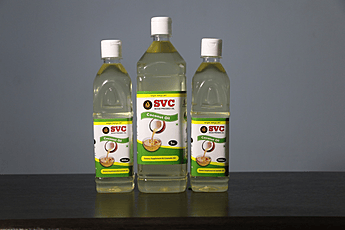
- Available in bulk or retail packaging
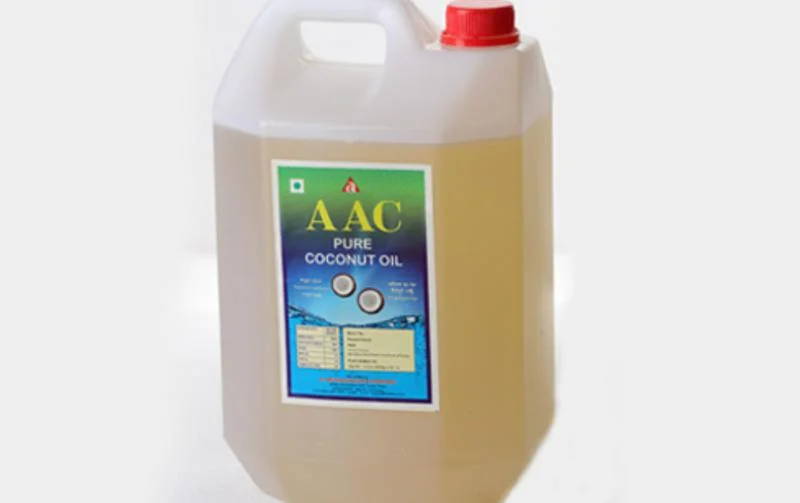
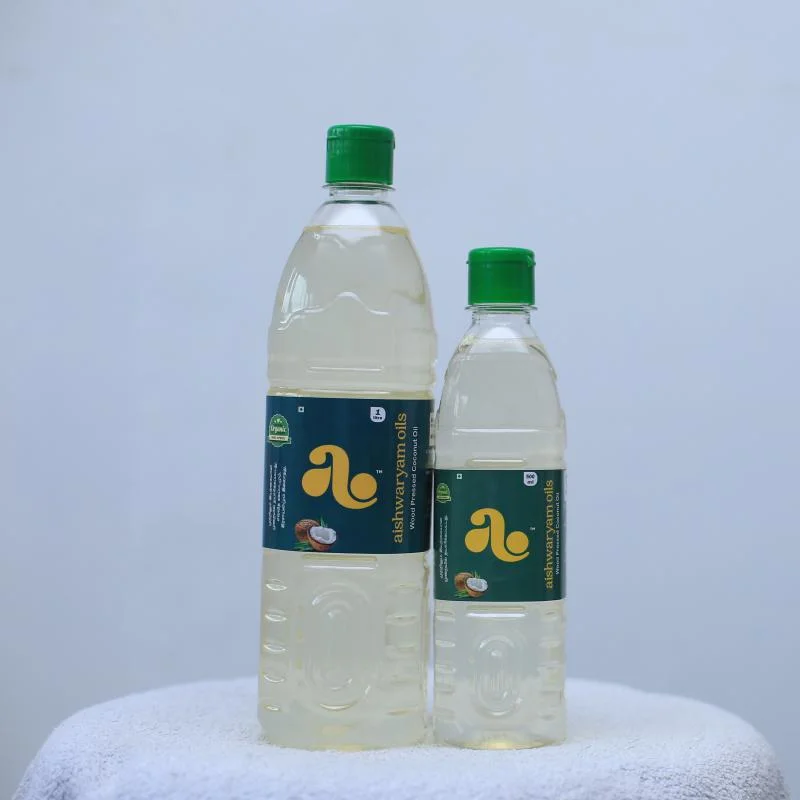
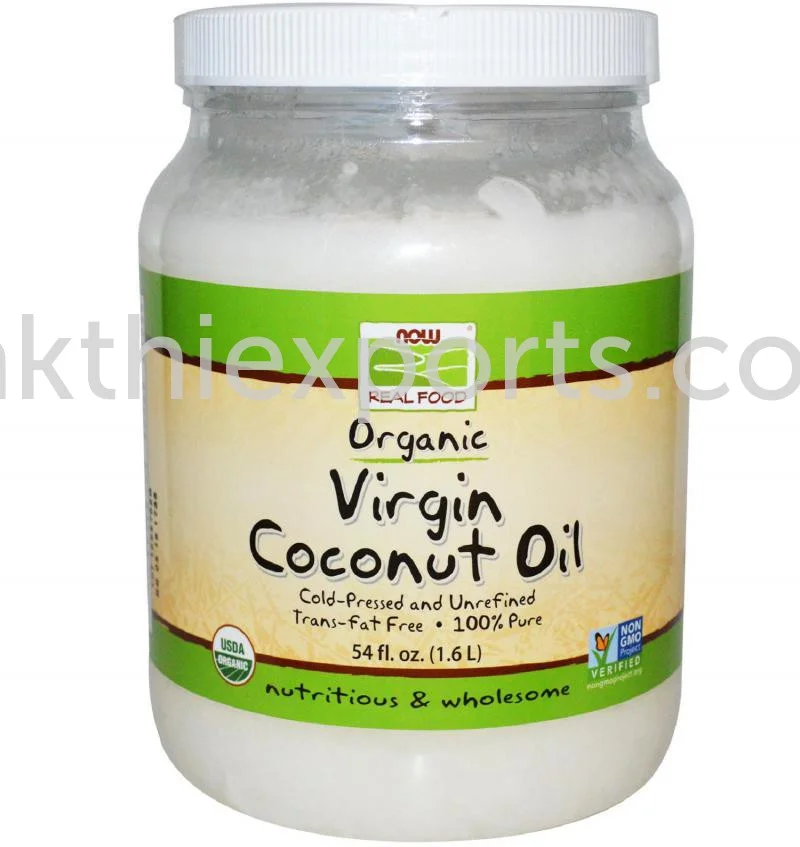
- Commonly offered in glass jars, plastic containers, or drums
In summary, knowing these specifications will help businesses select the right coconut oil for their needs, ensuring quality and efficacy in their applications.
Common Applications and Use Cases
Coconut oil serves various industries due to its diverse properties and applications.
1. Food Industry: Used for cooking and frying, it adds flavor and enhances the nutritional profile of dishes. It is also an ingredient in baked goods, snacks, and dairy alternatives.
2. Cosmetic Industry: Commonly used in lotions, creams, and hair products, coconut oil provides moisturizing benefits and acts as a natural preservative.
3. Pharmaceutical Industry: Utilized as a carrier oil in drug formulations, it aids in the absorption of active ingredients and enhances product stability.
4. Nutraceuticals: Included in dietary supplements, coconut oil is marketed for its potential health benefits, including weight management and improved digestion.
5. Cleaning Products: Employed in natural cleaning solutions, coconut oil acts as a surfactant and provides antimicrobial properties.
6. Industrial Applications: Used in lubricants and as an ingredient in biofuels, it supports sustainability initiatives.
7. Pet Care: Incorporated into pet food and grooming products, coconut oil benefits animal health and coat condition.
Product Variants and Subcategories
Coconut oil comes in various forms, each suited for specific uses.
Virgin Coconut Oil: Extracted from fresh coconut meat, this variant is unrefined and retains a strong coconut flavor. It is ideal for cooking and cosmetic applications, offering high nutritional value.
Refined Coconut Oil: This variant undergoes processing to remove impurities and odor. It has a higher smoke point, making it suitable for frying and baking.
Organic Coconut Oil: Sourced from coconuts grown without pesticides or chemicals, this product appeals to health-conscious consumers and is often used in premium food and cosmetic items.
Fractionated Coconut Oil: This oil is processed to separate medium-chain fatty acids, creating a liquid form that remains stable at room temperature. It is commonly used in personal care products and as a carrier oil.
Benefits and Advantages
Coconut oil offers numerous benefits that make it an attractive option for businesses.
1. Health Benefits: Rich in MCTs, coconut oil supports weight management and boosts energy levels.
2. High Smoke Point: Its stability at high temperatures makes it suitable for various cooking methods, including frying and baking.
3. Versatile Applications: Coconut oil can be used in food, cosmetics, and pharmaceuticals, making it a multi-purpose ingredient.
4. Natural Preservative: Its antimicrobial properties help extend the shelf life of products, particularly in the food and cosmetic industries.
5. Sustainable Sourcing: Coconut oil can be sourced sustainably, appealing to eco-conscious consumers and businesses.
6. Easy Integration: The oil can be easily incorporated into existing formulations without altering the taste or texture of the final product.
Buying Guide for B2B Buyers
When sourcing coconut oil, businesses should consider several factors to ensure they make an informed purchase.
1. Quality Assessment: Look for suppliers that provide detailed information about their extraction methods and purity levels. Certifications such as organic or non-GMO can indicate higher quality.
2. Supplier Verification: Vet suppliers by checking their reputation, reviews, and certifications. This ensures that you are working with a reliable partner.
3. Pricing and MOQ: Understand the price range for coconut oil and inquire about minimum order quantities. This helps in budgeting and planning inventory.
4. Delivery and Lead Times: Confirm the supplier's delivery capabilities and lead times to ensure timely availability of the product for your operations.
5. Compliance Requirements: Be aware of any regulatory standards that apply to coconut oil in your region, including food safety and labeling requirements.
Compliance and Certifications
Coconut oil must adhere to various quality standards and certifications to ensure safety and efficacy. Relevant quality standards include ISO 9001, which focuses on quality management systems, and HACCP, which emphasizes food safety management. Compliance with Good Distribution Practices (GDP) is also essential for maintaining product integrity during transportation.
In addition to these standards, certifications such as CE indicate that the product meets European health and safety requirements. Safety and testing requirements vary by region and application, so businesses must ensure their coconut oil complies with local regulations.
Regional compliance considerations may include specific labeling, packaging, and safety standards that differ from one market to another, making it crucial for suppliers to stay informed about regional guidelines.
Why Source Coconut Oil from Pepagora?
Pepagora provides a trusted platform for sourcing coconut oil with several key advantages.
Verified Supplier Network: The platform connects buyers with verified suppliers, ensuring that businesses can source high-quality coconut oil with confidence.
Streamlined RFQ Process: Pepagora simplifies the quotation process, allowing buyers to request quotes from multiple suppliers quickly and efficiently, ensuring competitive pricing.
Trade Assurance and Support: The platform offers buyer protection through trade assurance, providing peace of mind for businesses looking to invest in coconut oil.
Regional Coverage: Pepagora has a broad geographic reach, facilitating connections with suppliers from India, GCC, and Southeast Asia. This helps businesses tap into diverse markets and find the best sourcing options for their needs.

 IN
IN