
 IN
Sunflower Oil
1 products available
What are Sunflower Oil?
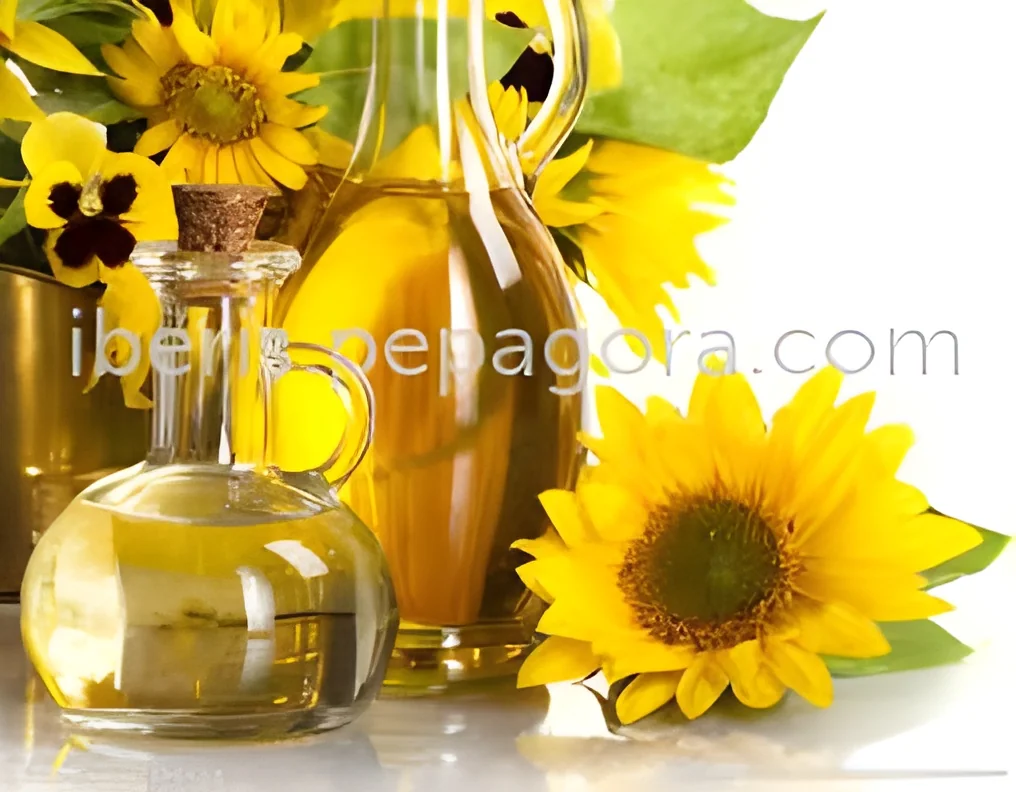
Sunflower oil is a vegetable oil extracted from the seeds of the sunflower plant. It is known for its light flavor and high smoke point, making it suitable for various cooking methods, including frying, baking, and sautéing. Sunflower oil is rich in unsaturated fats, particularly vitamin E, which contributes to its popularity among health-conscious consumers and food manufacturers.
This oil is widely used in the food industry, not only as a cooking oil but also as an ingredient in salad dressings, margarine, and processed foods. Its versatility extends to non-food applications as well, such as in cosmetics and personal care products. Given its demand, sunflower oil plays a significant role in the global edible oil market, with many businesses relying on it for both culinary and industrial purposes.
Key Features and Specifications
Sunflower oil is characterized by several key features that make it appealing for various applications. Its distinct properties contribute to its effectiveness in cooking and food production.
Key specifications include:
1. Type of Oil
- Refined, unrefined, or cold-pressed
- Each type has different flavor profiles and nutritional benefits
2. Free Fatty Acid Content
- Typically less than 0.1% for refined oil
- Indicates quality and shelf stability
3. Smoke Point
- Ranges between 440°F to 475°F (225°C to 246°C)
- Suitable for high-heat cooking
4. Color
- Light yellow to golden hue
- Affects visual appeal in food products
5. Nutritional Composition
- High in polyunsaturated fats
- Contains essential fatty acids and vitamin E
6. Shelf Life
- Generally 12 to 18 months when stored properly
- Longer shelf life for refined varieties
7. Packaging Options
- Available in bulk containers, drums, or retail-sized packaging
- Flexibility to meet different business needs
In summary, sunflower oil's characteristics make it a valuable ingredient in multiple sectors, ensuring it meets various quality and performance standards.
Common Applications and Use Cases
Sunflower oil serves various industries due to its unique properties and benefits.
1. Food Industry: Sunflower oil is extensively used in cooking, frying, and baking. Its neutral taste allows it to blend well with other ingredients, making it a popular choice in restaurants and food processing.
2. Cosmetics and Personal Care: The moisturizing properties of sunflower oil make it an ideal ingredient in skin care products, lotions, and hair care formulations.
3. Biofuels: Sunflower oil can be processed into biodiesel, providing an eco-friendly alternative to fossil fuels. This application is gaining traction as industries seek sustainable energy sources.
4. Pharmaceuticals: The oil's antioxidant properties are utilized in various formulations, promoting health and wellness through dietary supplements.
5. Animal Feed: Sunflower meal, a byproduct of oil extraction, is commonly used as a protein source in animal feed, benefiting the livestock industry.
6. Industrial Lubricants: Sunflower oil's lubricating properties make it suitable for certain industrial applications, contributing to machinery maintenance.
7. Paints and Coatings: The oil is used in the production of paints and varnishes, thanks to its drying properties when exposed to air.
Product Variants and Subcategories
Sunflower oil comes in various forms to cater to different market needs.
Refined Sunflower Oil: This variant undergoes processing to remove impurities and has a high smoke point, making it ideal for frying and cooking. Its neutral flavor and light color enhance its versatility in food applications.
Cold-Pressed Sunflower Oil: Extracted without heat, this variant retains more of its natural flavor and nutrients. It is often used in salad dressings and gourmet cooking, appealing to health-conscious consumers.
Organic Sunflower Oil: Sourced from organically grown sunflowers, this option caters to consumers seeking chemical-free products. It is popular among health food brands and organic food producers.
Benefits and Advantages
The use of sunflower oil provides several key benefits for businesses and consumers alike.
1. Health Benefits: Sunflower oil is high in unsaturated fats, which can promote heart health and lower cholesterol levels.
2. Versatility: Its mild flavor and high smoke point make sunflower oil suitable for a range of cooking methods, from frying to baking.
3. Nutritional Value: Rich in vitamin E and essential fatty acids, sunflower oil adds nutritional benefits to food products.
4. Cost-Effectiveness: Compared to other oils, sunflower oil is often more affordable, making it a popular choice for large-scale food production.
5. Sustainability: Sunflower crops can be cultivated in various climates, promoting agricultural diversity and environmental sustainability.
6. Shelf Stability: Refined sunflower oil has a long shelf life, reducing waste and ensuring availability for businesses.
Buying Guide for B2B Buyers
When sourcing sunflower oil, businesses should consider several key factors to ensure they choose the right product and supplier.
1. Quality Assessment: Evaluate the oil's quality by checking for certifications and lab tests that demonstrate purity and compliance with industry standards.
2. Supplier Verification: Research potential suppliers' reputations and reliability. Look for reviews and references from other businesses that have sourced from them.
3. Pricing and MOQ: Understand the price range for sunflower oil and inquire about minimum order quantities to ensure it aligns with your business needs.
4. Delivery and Lead Times: Discuss logistics with suppliers, including delivery schedules and any potential delays that may affect your operations.
5. Compliance Requirements: Be aware of regional regulations regarding edible oils to ensure that the product meets all safety and quality standards.
Compliance and Certifications
Sunflower oil is subject to various quality standards and certifications that ensure its safety and efficacy in food production and other applications.
Relevant quality standards such as ISO 9001 and HACCP are essential for ensuring consistent quality management systems and food safety practices. These certifications help businesses maintain high standards in their production processes.
Additionally, CE certification indicates that sunflower oil meets European Union safety requirements. This certification can be crucial for companies looking to export their products to European markets.
Safety and testing requirements must also be adhered to, including monitoring for contaminants and ensuring proper labeling for consumer protection. Businesses should stay informed about regional compliance considerations, which may vary based on local regulations and market demands.
Why Source Sunflower Oil from Pepagora?
Pepagora provides a trusted platform for sourcing sunflower oil, offering several key advantages that benefit businesses in various sectors.
Verified Supplier Network: Pepagora has established a network of verified suppliers, ensuring that buyers have access to high-quality sunflower oil. This network reduces the risk of sourcing inferior products.
Streamlined RFQ Process: The request for quotation (RFQ) system simplifies the procurement process, allowing buyers to easily compare quotes and select the best options for their needs.
Trade Assurance and Support: Pepagora offers buyer protection through trade assurance, ensuring that transactions are secure and that buyers receive the products they expect.
Regional Coverage: With a strong presence in India, the GCC, and Southeast Asia, Pepagora connects buyers with local suppliers, facilitating efficient logistics and timely deliveries. This regional expertise enhances the sourcing experience for businesses seeking sunflower oil.

Frequently Asked Questions
What are Sunflower Oil?
Sunflower oil is a non-volatile oil extracted from the seeds of the sunflower plant (Helianthus annuus). It is commonly used for cooking, frying, and salad dressings due to its light flavor and high smoke point.
What are the different types of Sunflower Oil?
There are several types of sunflower oil, including refined sunflower oil, unrefined sunflower oil, high-oleic sunflower oil, and organic sunflower oil. Each type varies in processing methods, flavor, and nutritional content.
How do I choose the right Sunflower Oil?
To choose the right sunflower oil, consider factors such as the intended use (cooking, frying, or dressing), nutritional requirements, and whether you prefer refined or unrefined oil. Additionally, check for certifications such as organic or non-GMO if these are important to you.
What are the standard specifications for Sunflower Oil?
Standard specifications for sunflower oil include parameters such as acidity levels, peroxide value, color, and flavor. These specifications ensure the oil meets quality and safety standards for consumer use.
What is the price range for Sunflower Oil?
The price of sunflower oil can vary widely based on factors such as quality, brand, and packaging. Generally, the price range can be from INR 100 to INR 200 per liter, but bulk purchases may offer lower rates.
What quality standards apply to Sunflower Oil?
Sunflower oil must meet quality standards set by organizations such as the Food Safety and Standards Authority of India (FSSAI). These standards include limits on impurities, contaminants, and labeling requirements.
Where can I find Sunflower Oil suppliers in India?
You can find sunflower oil suppliers in India through B2B marketplaces like Pepagora, trade directories, and industry trade shows. Additionally, local distributors and manufacturers can provide options for sourcing.
Can Sunflower Oil be customized?
Yes, sunflower oil can be customized in terms of packaging, branding, and sometimes formulation. Many manufacturers offer tailored solutions to meet specific customer requirements.
What is the typical minimum order quantity for Sunflower Oil?
The minimum order quantity (MOQ) for sunflower oil varies by supplier but typically ranges from 100 to 1000 liters. It's advisable to check with individual suppliers for their specific MOQ requirements.
What is the typical lead time for Sunflower Oil?
The typical lead time for sunflower oil orders can range from 5 to 15 business days, depending on the supplier's inventory and shipping logistics. It's important to confirm lead times during the ordering process.
Why Businesses Trust Pepagora
Thousands of companies trust Pepagora to source smarter and sell faster
Expand Your Sales Globally

Source Smarter,Grow Faster
