𝗪𝗵𝗮𝘁 𝗮𝗿𝗲 𝗪𝗵𝗼𝗹𝗲𝘀𝗮𝗹𝗲𝗿𝘀 & 𝗗𝗶𝘀𝘁𝗿𝗶𝗯𝘂𝘁𝗼𝗿𝘀?
Wholesalers and distributors play a crucial role in the supply chain by acting as intermediaries between manufacturers and retailers. A wholesaler purchases goods in bulk from manufacturers and sells them to retailers or other businesses in smaller quantities. Distributors, on the other hand, often have a more direct relationship with manufacturers and may provide additional services, such as storage, transportation, and product promotion. Both types of businesses are essential for ensuring that products reach the market efficiently and effectively.
The primary uses of wholesalers and distributors span various industries, including food and beverage, consumer goods, electronics, and industrial supplies. Businesses rely on these intermediaries for cost-effective purchasing, inventory management, and timely delivery. By streamlining the supply chain, wholesalers and distributors enable manufacturers to focus on production while ensuring that retailers have the products they need to meet consumer demand.
In today's market, wholesalers and distributors are increasingly relevant as businesses seek to optimize their supply chains. The growth of e-commerce and globalization has expanded market opportunities while also increasing competition. As a result, businesses must partner with reliable wholesalers and distributors to maintain a competitive edge and respond to changing market conditions.
𝗞𝗲𝘆 𝗙𝗲𝗮𝘁𝘂𝗿𝗲𝘀 𝗮𝗻𝗱 𝗦𝗽𝗲𝗰𝗶𝗳𝗶𝗰𝗮𝘁𝗶𝗼𝗻𝘀
Wholesalers and distributors offer a variety of features and specifications that cater to different business needs. Understanding these specifications helps businesses make informed decisions when selecting partners.
Key specifications include:
1. Product Range
- A diverse selection of goods across various categories
- Ability to source both branded and generic products
2. Order Fulfillment
- Fast processing and shipping times
- Capability to handle bulk orders and small quantities
3. Pricing Structures
- Competitive pricing models based on volume purchases
- Flexible payment terms and conditions
4. Inventory Management
- Advanced inventory tracking systems
- Real-time stock availability updates
5. Customer Support
- Dedicated account management and customer service
- Assistance with returns and exchanges
6. Geographic Coverage
- Distribution networks that span local, regional, and international markets
- Capabilities for both urban and rural deliveries
7. Technology Integration
- Use of digital platforms for order placement and tracking
- Integration with retailers' inventory management systems
8. Compliance Standards
- Adherence to industry regulations and safety standards
- Certifications such as CE for product assurance
In summary, wholesalers and distributors provide a comprehensive set of features that support efficient supply chain operations, making them vital partners for businesses across various sectors.
𝗖𝗼𝗺𝗺𝗼𝗻 𝗔𝗽𝗽𝗹𝗶𝗰𝗮𝘁𝗶𝗼𝗻𝘀 𝗮𝗻𝗱 𝗨𝘀𝗲 𝗖𝗮𝘀𝗲𝘀
Wholesalers and distributors serve a wide range of industries, each with unique applications.
1. Food and Beverage: Wholesalers in this sector supply restaurants, grocery stores, and catering services with bulk food products, ensuring freshness and timely delivery.
2. Consumer Goods: Retailers rely on distributors to stock their shelves with everyday items, from household products to personal care items, helping to meet consumer demand efficiently.
3. Electronics: Distributors facilitate the distribution of electronic components and consumer electronics to retailers and manufacturers, ensuring that the latest technology reaches the market promptly.
4. Industrial Supplies: Wholesalers provide essential tools and materials to manufacturers and construction companies, supporting various industrial applications.
5. Pharmaceuticals: Distributors play a key role in ensuring that medical supplies and medications are delivered to hospitals, pharmacies, and clinics in a timely manner.
6. Automotive: Wholesalers supply parts and accessories to auto repair shops and dealerships, helping keep vehicles running smoothly.
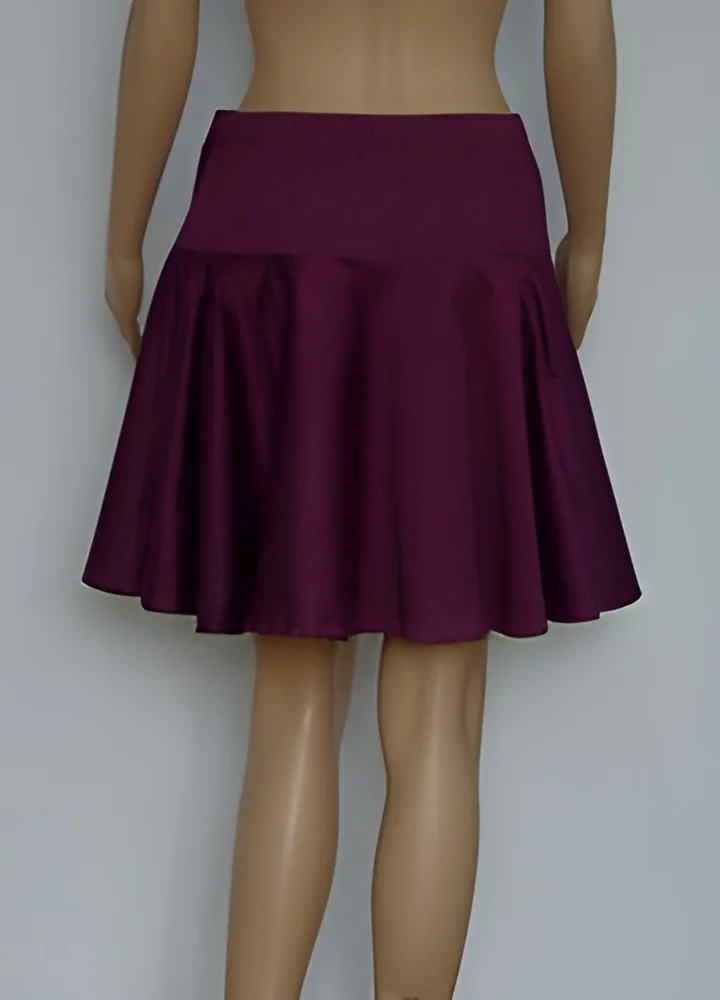
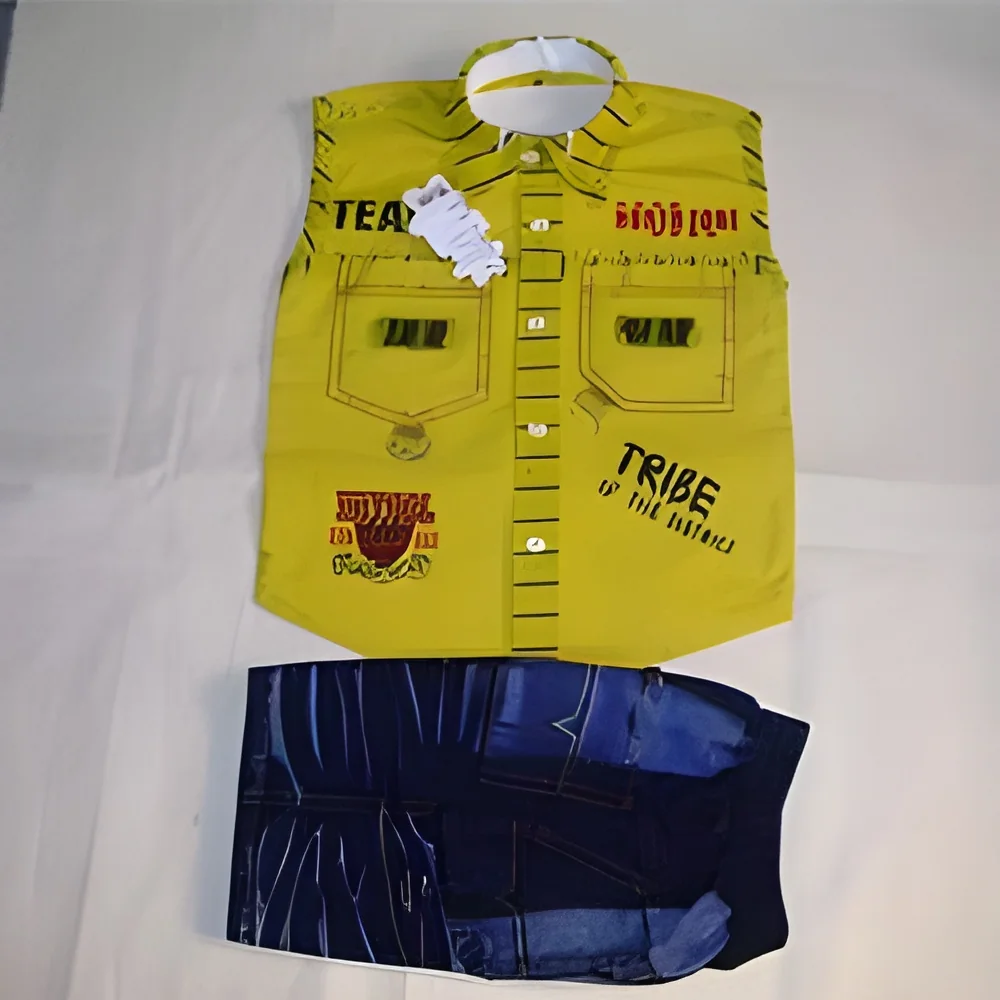
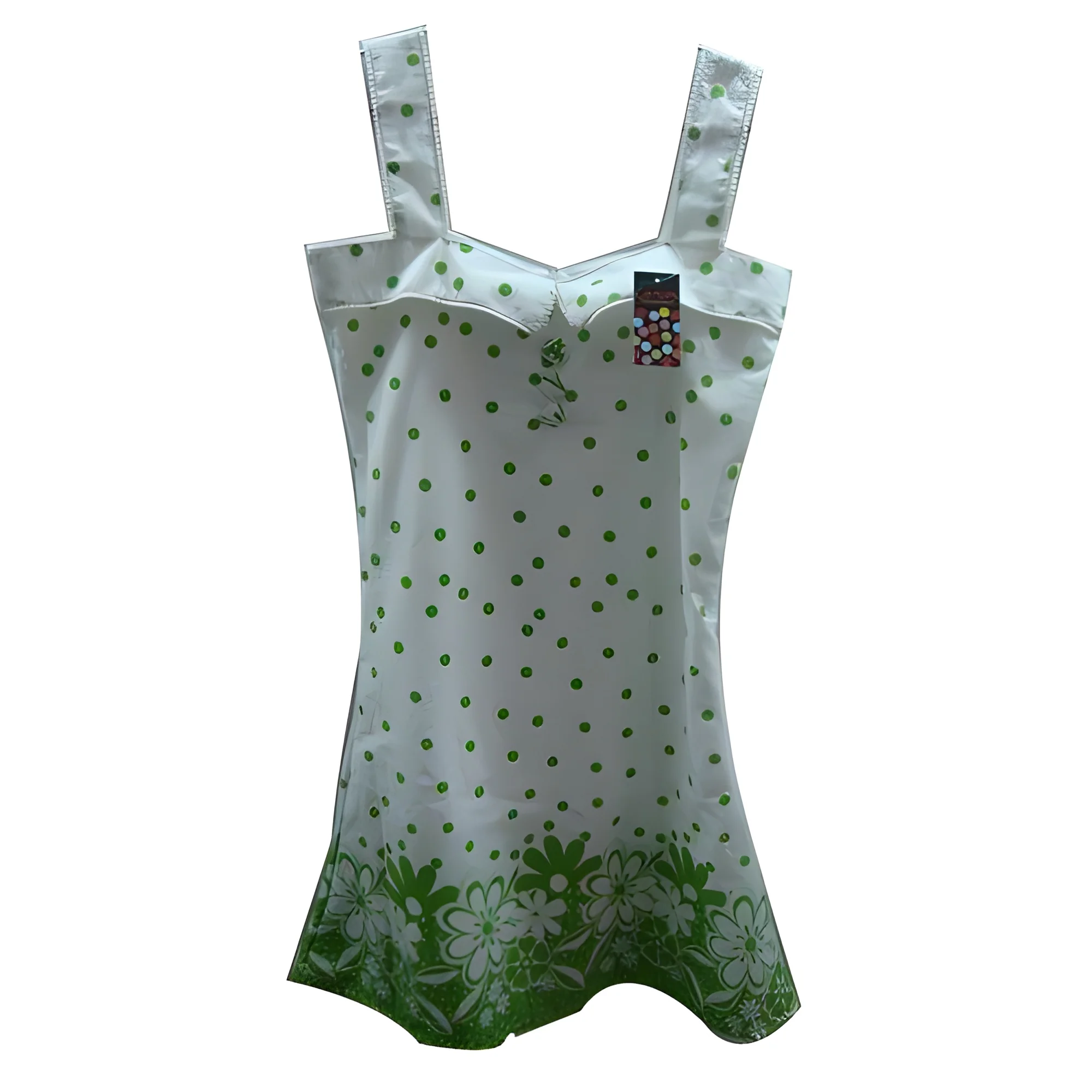
7. Clothing and Textiles: Distributors enable fashion retailers to stock their stores with the latest apparel, ensuring quick turnover of inventory.
𝗣𝗿𝗼𝗱𝘂𝗰𝘁 𝗩𝗮𝗿𝗶𝗮𝗻𝘁𝘀 𝗮𝗻𝗱 𝗦𝘂𝗯𝗰𝗮𝘁𝗲𝗴𝗼𝗿𝗶𝗲𝘀
Wholesalers and distributors offer a diverse range of product variants to meet the varied needs of their clients.
Generic Products
These are non-branded items that provide a cost-effective solution for retailers. They often match the quality of branded products and can be customized based on client specifications.
Branded Products
Wholesalers and distributors frequently carry well-known brands that come with established market recognition. Retailers benefit from the brand loyalty that these products attract.
Specialty Products
This category includes niche items that cater to specific markets or industries, like organic foods or eco-friendly products. They often require specialized handling and marketing.
𝗕𝗲𝗻𝗲𝗳𝗶𝘁𝘀 𝗮𝗻𝗱 𝗔𝗱𝘃𝗮𝗻𝘁𝗮𝗴𝗲𝘀
Partnering with wholesalers and distributors offers several key benefits to businesses.
1. Cost Efficiency: Buying in bulk from wholesalers can lead to significant savings compared to retail prices, allowing businesses to maximize their profit margins.
2. Time Savings: Wholesalers streamline the procurement process, allowing businesses to focus on core operations instead of supply chain logistics.
3. Inventory Flexibility: Businesses can adjust their inventory levels based on demand without the burden of maintaining large stockpiles, thanks to the support of distributors.
4. Access to Diverse Products: Wholesalers provide a wide range of products, enabling businesses to diversify their offerings without needing to source from multiple suppliers.
5. Enhanced Customer Reach: Distributors help businesses penetrate new markets and expand their customer base through established networks and relationships.
6. Risk Mitigation: Wholesalers and distributors help mitigate risks associated with stock management and logistics by providing reliable delivery and returns processes.
𝗕𝘂𝘆𝗶𝗻𝗴 𝗚𝘂𝗶𝗱𝗲 𝗳𝗼𝗿 𝗕𝟮𝗕 𝗕𝘂𝘆𝗲𝗿𝘀
When sourcing wholesalers and distributors, it is essential to consider several factors to ensure a successful partnership.
1. Quality Assessment: Evaluate the quality of products offered by the wholesaler or distributor. Look for evidence of compliance with industry standards and quality control measures.
2. Supplier Verification: Conduct thorough research on potential suppliers. Check their reputation, client testimonials, and any industry certifications to ensure reliability.
3. Pricing and MOQ: Understand the pricing structure and minimum order quantities. This will help in budgeting and determining the feasibility of a partnership.
4. Delivery and Lead Times: Assess the supplier’s logistics capabilities. Reliable delivery times can impact your business operations significantly.
5. Compliance Requirements: Ensure that the wholesaler or distributor adheres to relevant regulations and standards, as non-compliance could lead to legal issues and financial losses.
𝗖𝗼𝗺𝗽𝗹𝗶𝗮𝗻𝗰𝗲 𝗮𝗻𝗱 𝗖𝗲𝗿𝘁𝗶𝗳𝗶𝗰𝗮𝘁𝗶𝗼𝗻𝘀
Compliance and certification are critical aspects of the wholesaler and distributor landscape. Adhering to relevant quality standards, such as ISO 9001, ensures that businesses maintain consistent quality and reliability in their supply chain operations.
Industry certifications, like CE, demonstrate that products meet European safety and environmental requirements, providing assurance to buyers regarding product quality.
Safety and testing requirements also play a vital role in ensuring that products are safe for consumers. This includes adherence to packaging and labeling regulations, as well as quality testing procedures.
Regional compliance considerations are essential, as different markets may have unique regulations. Businesses must be aware of these requirements to avoid penalties and maintain a good standing in their respective industries.
𝗪𝗵𝘆 𝗦𝗼𝘂𝗿𝗰𝗲 𝗪𝗵𝗼𝗹𝗲𝘀𝗮𝗹𝗲𝗿𝘀 & 𝗗𝗶𝘀𝘁𝗿𝗶𝗯𝘂𝘁𝗼𝗿𝘀 𝗳𝗿𝗼𝗺 𝗣𝗲𝗽𝗮𝗴𝗼𝗿𝗮?
Pepagora provides a trusted platform for sourcing wholesalers and distributors, offering several key advantages to businesses.
Verified Supplier Network: Pepagora ensures that all suppliers undergo rigorous verification processes. This guarantees that businesses can trust the integrity and reliability of their partners.
Streamlined RFQ Process: The request for quotation process is simplified through Pepagora, allowing businesses to quickly obtain competitive quotes from multiple suppliers, saving time and effort.
Trade Assurance and Support: Pepagora offers buyer protection measures to ensure that transactions are secure. This provides peace of mind for businesses when sourcing products.
Regional Coverage: With a broad geographic reach across India, the GCC, and Southeast Asia, Pepagora connects businesses with wholesalers and distributors in key markets, enhancing opportunities for growth and expansion.

 IN
IN