What are Lace & Zipper Suppliers?
Lace and zipper suppliers provide essential components used in various manufacturing processes, particularly in the textile and garment industries. These suppliers specialize in producing a wide range of laces and zippers that cater to different design and functional requirements. Laces are often used for decorative purposes, while zippers serve as practical fasteners. Both items are critical in creating finished products that meet consumer expectations for quality and functionality.
The primary applications of lace and zippers extend into multiple sectors, including apparel manufacturing, upholstery, and accessories. In fashion, laces add aesthetic appeal to clothing, while zippers are vital for the functionality of garments. In the home décor sector, zippers are used in cushions, curtains, and other textile products. The demand for high-quality lace and zipper solutions continues to grow, driven by trends in fashion and home furnishings.
In the current market context, lace and zipper suppliers play a pivotal role in supporting manufacturers with reliable materials. As consumer preferences shift towards customized and high-quality products, suppliers must adapt to these trends by offering innovative solutions. Understanding the suppliers' capabilities is crucial for businesses looking to maintain a competitive edge in the industry.
Key Features and Specifications
Lace and zipper products come with various features and specifications that cater to specific industry requirements. Understanding these specifications helps businesses choose the right suppliers and products for their needs.
Key specifications include:
1. Material Composition
- Laces can be made from various materials including cotton, polyester, and nylon.
- Zippers may feature plastic, metal, or nylon components.
2. Length Options
- Laces are available in different lengths to accommodate various applications.
- Zippers come in standard lengths ranging from short (6 inches) to long (60 inches or more).
3. Closure Mechanism
- Zippers may feature different types of closure mechanisms such as plastic or metal sliders.
- Laces can have various tying methods, including bows or knots.
4. Color Variability
- Both laces and zippers can be produced in a wide range of colors for design flexibility.
5. Strength and Durability
- Zippers must meet specific strength parameters to ensure they can withstand repeated use.
- Laces should also exhibit durability to maintain their appearance and functionality over time.
6. Customization Options
- Many suppliers offer the ability to customize product features, such as length, color, and material.
7. Compliance Standards
- Products may need to meet industry compliance standards, ensuring safety and reliability.
In summary, understanding the features and specifications of lace and zipper products enables businesses to make informed decisions when sourcing materials from suppliers.
Common Applications and Use Cases
Lace and zippers serve various industries, each with unique applications that enhance product functionality and aesthetics.
1. Apparel Manufacturing: Laces are used in garments for decorative elements, while zippers are essential for closures in dresses, jackets, and pants.
2. Home Furnishings: Laces add elegance to cushions and curtains, whereas zippers are commonly used in bedding and upholstery for easy maintenance.
3. Footwear: Zippers are often used in boots and shoes for ease of wear, while decorative laces contribute to style.
4. Sportswear: Performance apparel frequently utilizes zippers for ventilation and ease of wear, while laces are used in activewear for adjustable fits.
5. Accessories: Laces are found in handbags and jewelry, while zippers are integral to wallets and cosmetic bags.
6. Automotive Interiors: Zippers are used in seat covers and interior panels, while laces can be found in decorative trims.
7. Medical Textiles: Laces and zippers are used in various medical applications, such as braces and supports, providing both function and comfort.
Product Variants and Subcategories
Lace and zippers come in various forms, each designed to meet specific needs in different applications.
Classic Lace
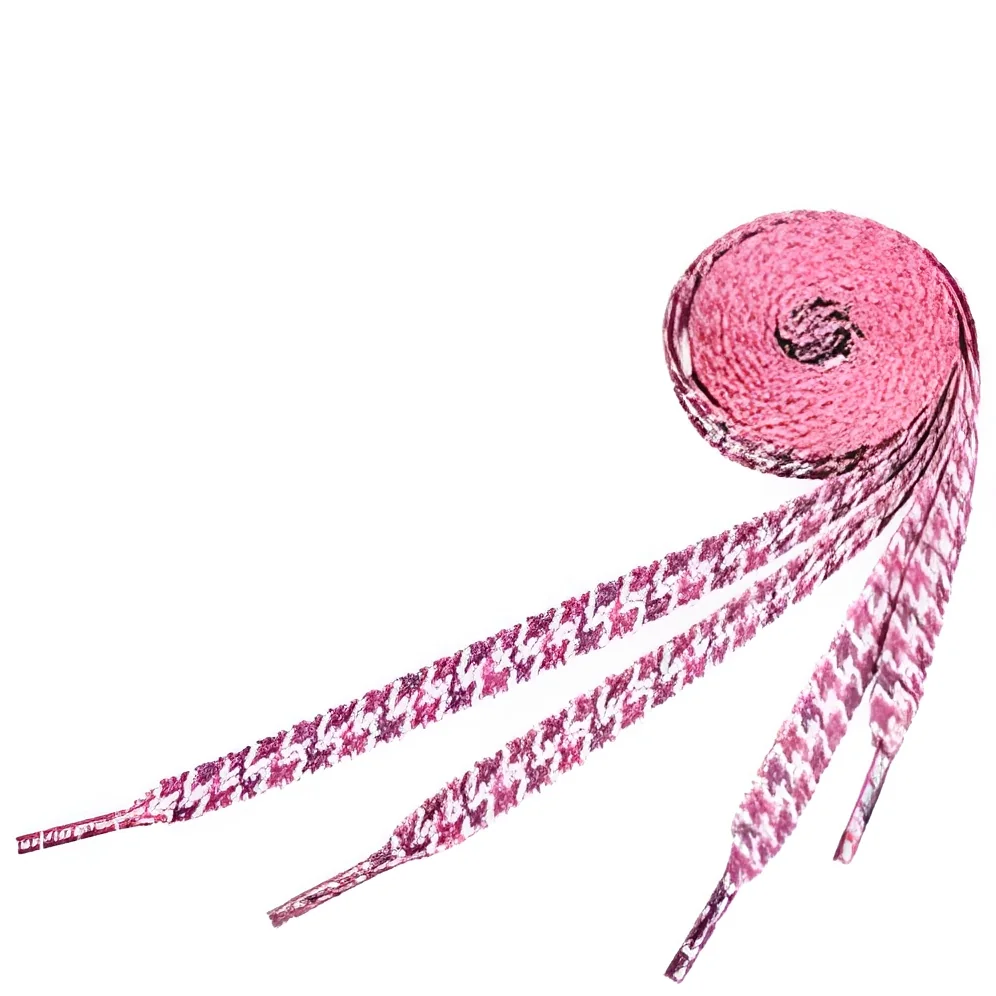
Classic lace is characterized by its intricate designs and is often used in formal wear and bridal garments. It adds a touch of elegance and sophistication to any outfit.
Invisible Zipper
Invisible zippers are designed to be hidden within seams, providing a seamless look in garments. They are commonly used in dresses and skirts where a discreet closure is desired.
Heavy-Duty Zipper
Heavy-duty zippers are built for strength and durability, making them suitable for outdoor gear, bags, and other applications that require robust fasteners.
Decorative Lace
Decorative lace is often used for embellishment in fashion and home décor. It enhances the visual appeal of products while offering versatile design options.
Waterproof Zipper
Waterproof zippers are essential in outdoor and marine applications, ensuring that products remain sealed against water exposure. They are commonly used in jackets and camping gear.
Benefits and Advantages
Sourcing lace and zipper suppliers provides numerous benefits for businesses looking to enhance their products.
1. High Quality: Sourcing from reputable suppliers ensures that the materials meet industry standards for durability and performance.
2. Customization: Many suppliers offer customizable options, allowing businesses to tailor products to their specific needs.
3. Cost-Effectiveness: Bulk purchasing from suppliers can lead to significant cost savings, making it economical for businesses.
4. Timely Delivery: Reliable suppliers can provide consistent lead times, ensuring that businesses can meet production schedules.
5. Diverse Options: A wide range of materials and designs allows businesses to choose the best products for their applications.
6. Technical Support: Many suppliers provide technical guidance and support, assisting businesses in making informed decisions.
Buying Guide for B2B Buyers
When sourcing lace and zipper suppliers, it is essential to consider several factors to ensure a successful partnership.
1. Quality Assessment: Evaluate the quality of materials by reviewing samples and certifications. Look for suppliers that adhere to recognized quality standards.
2. Supplier Verification: Conduct background checks to verify the legitimacy of suppliers. This includes checking references and their track record in the industry.
3. Pricing and MOQ: Understand the pricing structure, including minimum order quantities, to find a supplier that aligns with your budget and production needs.
4. Delivery and Lead Times: Discuss logistics and delivery schedules to ensure that the supplier can meet your timelines without delays.
5. Compliance Requirements: Ensure that the products meet relevant compliance and safety standards, which may vary by region and industry.
Compliance and Certifications
Compliance and certifications play a critical role in the lace and zipper supply industry. Suppliers are often required to adhere to various quality standards to ensure product safety and performance.
ISO 9001 certification is a widely recognized standard that indicates a supplier's commitment to quality management systems. This certification ensures that suppliers have robust processes in place for maintaining product quality.
HACCP (Hazard Analysis Critical Control Point) and GDP (Good Distribution Practice) are relevant in industries where safety is paramount, such as medical textiles. Compliance with these standards is essential for suppliers catering to sensitive applications.
Additionally, CE marking is important for products sold within the European Union, indicating that they meet safety, health, and environmental protection requirements.
Regional compliance considerations vary, and businesses need to be aware of local regulations that may impact sourcing decisions. Ensuring that suppliers meet these compliance standards is crucial for maintaining product integrity and market access.
Why Source Lace & Zipper Suppliers from Pepagora?
Pepagora provides a trusted platform for sourcing lace and zipper suppliers, offering several key advantages that benefit businesses.
Verified Supplier Network: Pepagora has a robust verification process that ensures only reputable suppliers are listed on the platform. This minimizes the risk of sourcing from unreliable vendors.
Streamlined RFQ Process: The platform features an efficient request for quotation (RFQ) system, allowing businesses to easily request quotes from multiple suppliers. This simplifies the sourcing process and helps in comparing options.
Trade Assurance and Support: Pepagora offers trade assurance features that protect buyers, ensuring that they receive the quality products they expect. Support is available to assist with any concerns during the sourcing process.
Regional Coverage: With a strong network in India, the GCC, and Southeast Asia, Pepagora provides extensive geographical reach. This allows businesses to connect with suppliers that meet their specific needs, regardless of location.
In summary, Pepagora is an excellent choice for businesses looking to source lace and zipper suppliers, providing a comprehensive platform that emphasizes quality, efficiency, and support.

 IN
IN