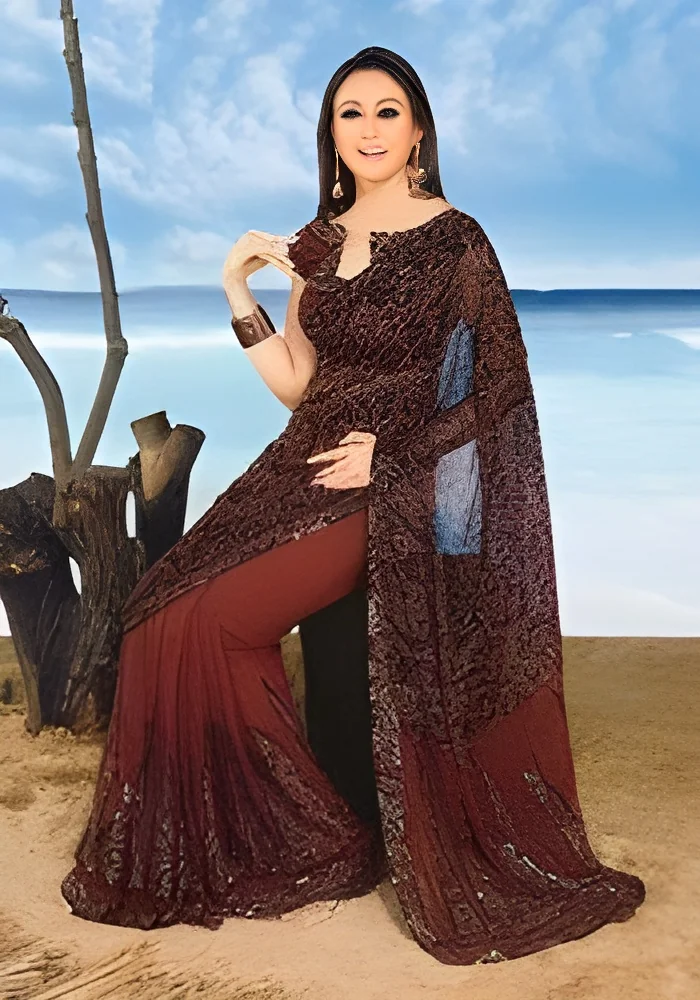
What are Ethnic Wear Wholesalers?
Ethnic wear wholesalers are businesses that specialize in the bulk distribution of traditional clothing tailored to various cultural backgrounds. These wholesalers source, manufacture, and supply a range of ethnic garments, including sarees, kurtas, lehengas, and sherwanis. They play a crucial role in connecting manufacturers with retailers, boutiques, and other businesses looking to stock these garments for their customers.
The primary applications of ethnic wear wholesalers extend to retail outlets, online stores, and fashion events. Retailers often rely on wholesalers to provide them with diverse inventory options that cater to specific cultural celebrations, weddings, and festivals. With the rise of global markets and increasing demand for ethnic fashion, these wholesalers have become increasingly relevant, providing necessary supply chain solutions and expertise in meeting market trends.
In a vibrant industry driven by cultural significance and fashion trends, ethnic wear wholesalers are essential. They not only facilitate access to traditional attire but also contribute to preserving cultural heritage through their product offerings. As businesses seek to diversify their collections, the role of these wholesalers continues to grow, making them a key player in the fashion supply chain.
Key Features and Specifications
Ethnic wear wholesalers offer a range of features and specifications that cater to diverse business needs. Understanding these specifications is crucial for B2B buyers looking to make informed purchasing decisions.
Key specifications include:
1. Product Range
- A wide variety of ethnic garments, including sarees, kurtas, lehengas, and sherwanis.
- Options available in different fabrics, designs, and sizes.
2. Customization Options
- Ability to personalize designs, colors, and sizes based on customer requirements.
- Flexibility in creating bespoke collections for specific events or themes.
3. Quality Assurance
- Commitment to quality control to ensure durability and craftsmanship.
- Use of premium materials that meet industry standards.
4. Minimum Order Quantity (MOQ)
- Clearly defined MOQ for bulk purchases, allowing businesses to manage inventory effectively.
5. Lead Times
- Defined timelines for order fulfillment and delivery, essential for retail planning.
6. Competitive Pricing
- Pricing structures that cater to bulk buyers, ensuring cost-effectiveness.
7. Supplier Support
- Ongoing support for retailers, including marketing materials and product training.
8. Compliance with Industry Standards
- Adherence to quality and safety standards, ensuring trust in the product offerings.
In summary, ethnic wear wholesalers provide an extensive range of products and services tailored to the needs of businesses in the fashion industry. Their features and specifications play a vital role in ensuring that retailers can meet their customers' demands effectively.
Common Applications and Use Cases
Ethnic wear wholesalers serve various industries, providing essential products for different market segments.
1. Retail Stores: These wholesalers supply ethnic wear to brick-and-mortar retail stores, helping them stock diverse collections for customers seeking traditional clothing.
2. E-commerce Platforms: Online retailers rely on wholesalers to provide a steady supply of ethnic garments for their virtual inventory, catering to a global audience.
3. Event Planning Companies: Businesses involved in organizing cultural events, weddings, and festivals often source ethnic wear in bulk for their clients, ensuring a wide variety of styles and sizes.
4. Fashion Designers: Many fashion designers collaborate with wholesalers to source unique fabrics and garments for their collections, blending traditional styles with modern designs.
5. Export Markets: Wholesalers play a significant role in exporting ethnic wear to international markets, meeting the demand for traditional clothing worldwide.
6. Boutique Stores: Small boutique owners partner with wholesalers to curate exclusive collections that reflect regional styles and cultural trends.
7. Cultural Organizations: Nonprofits and cultural organizations often source ethnic wear for events that promote cultural heritage and diversity.
Product Variants and Subcategories
Ethnic wear wholesalers offer a diverse range of products to meet the varying needs of their clientele. This diversity allows businesses to choose from various styles, fabrics, and designs.
Sarees
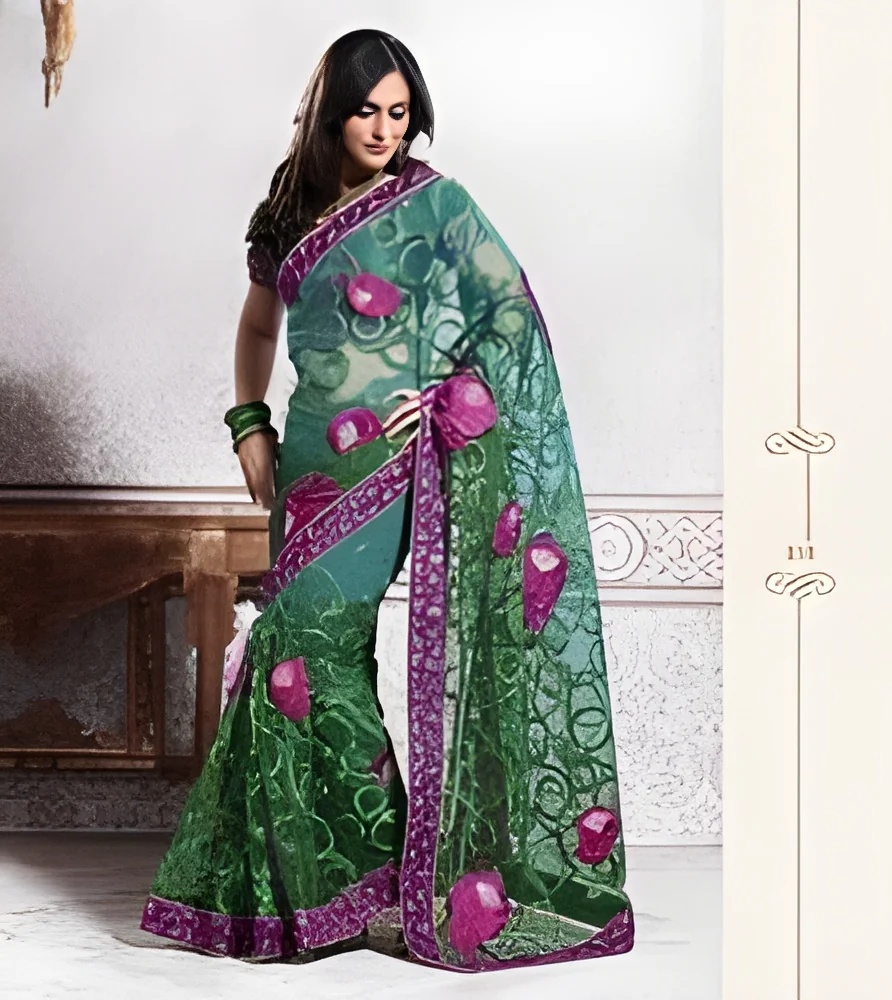
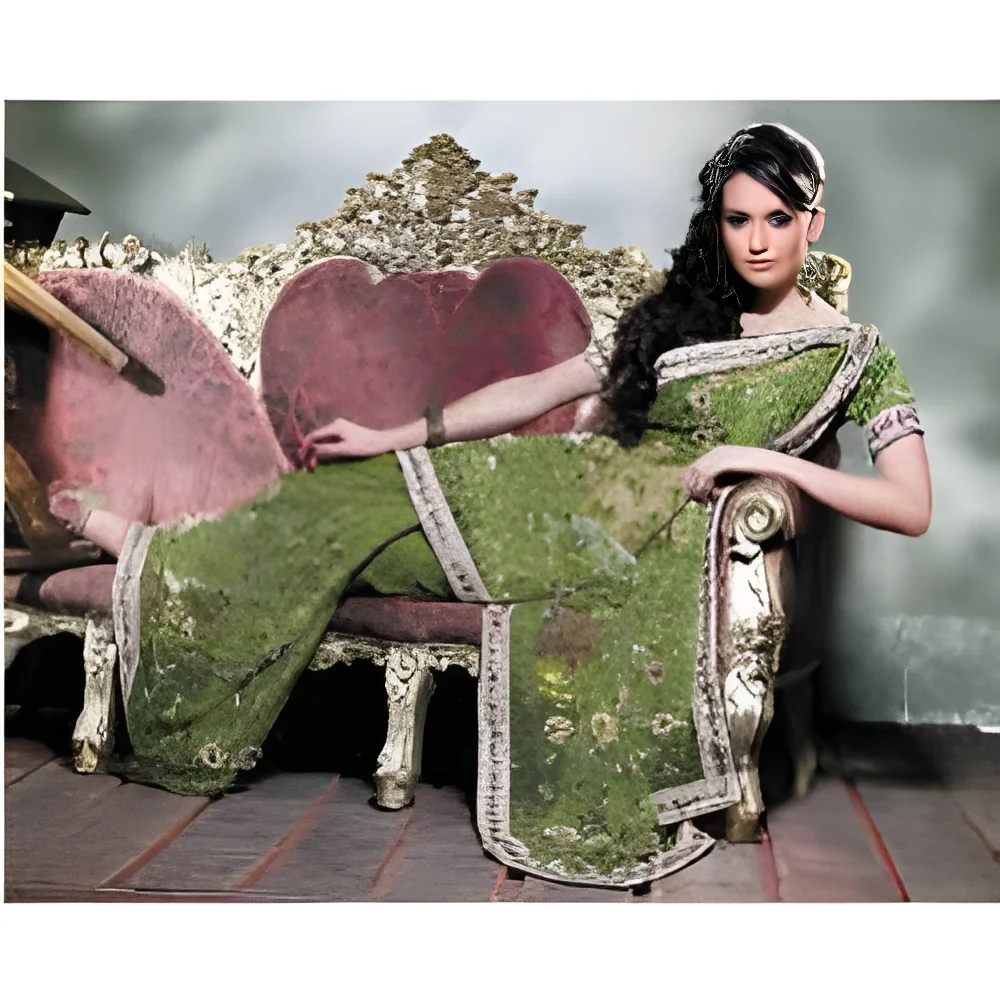
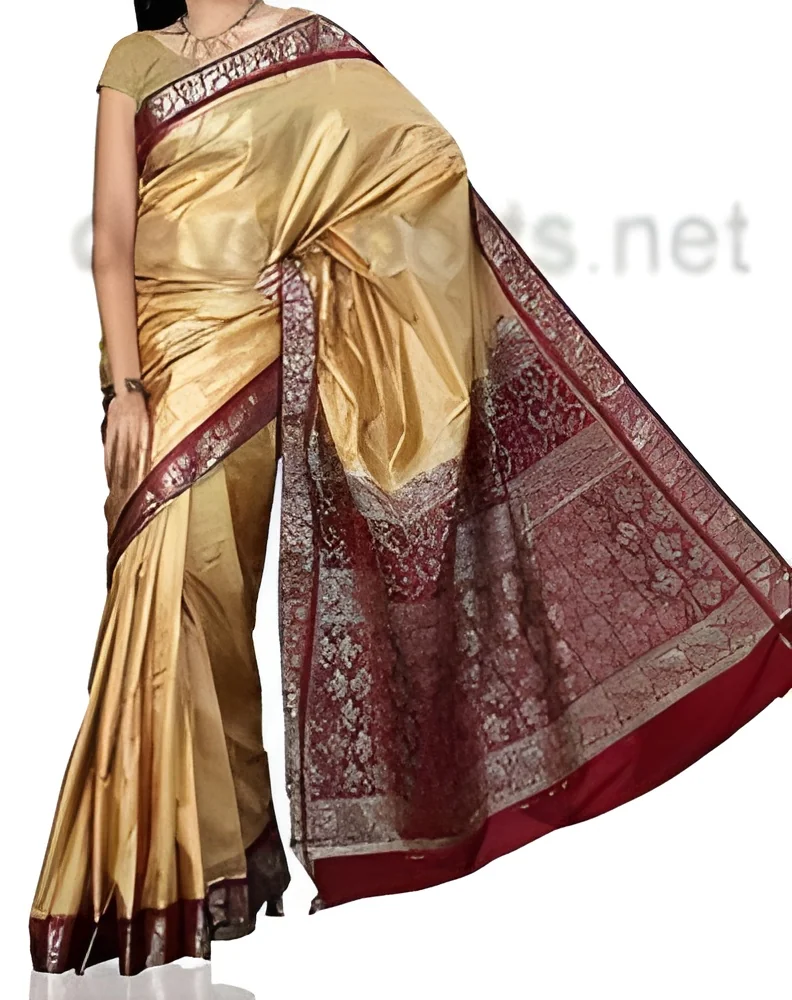
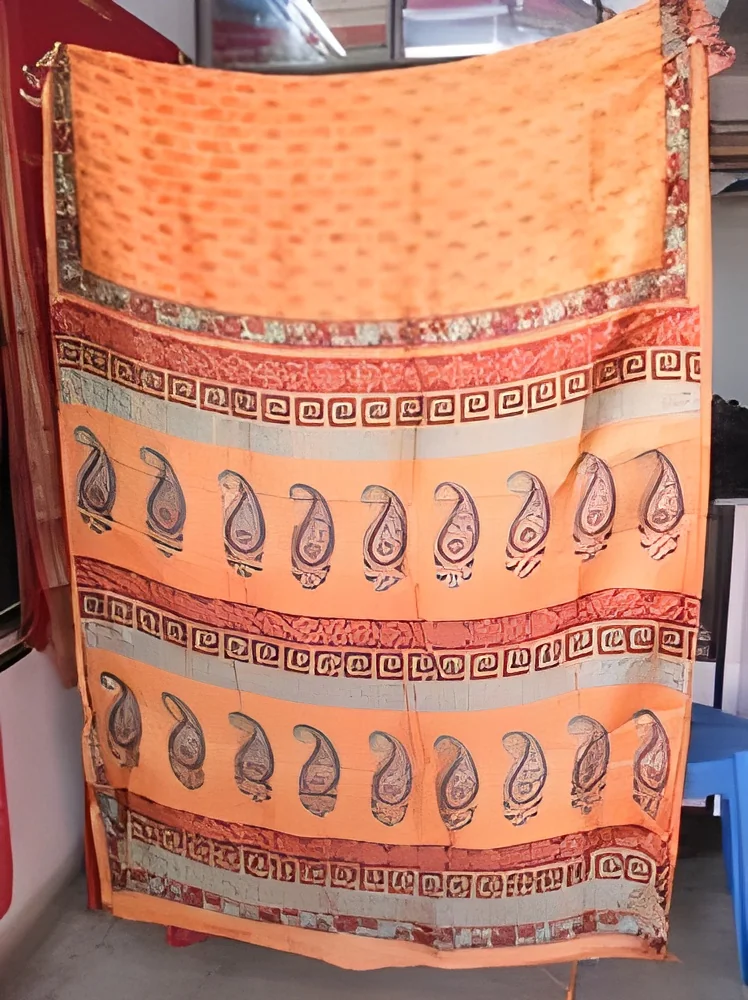
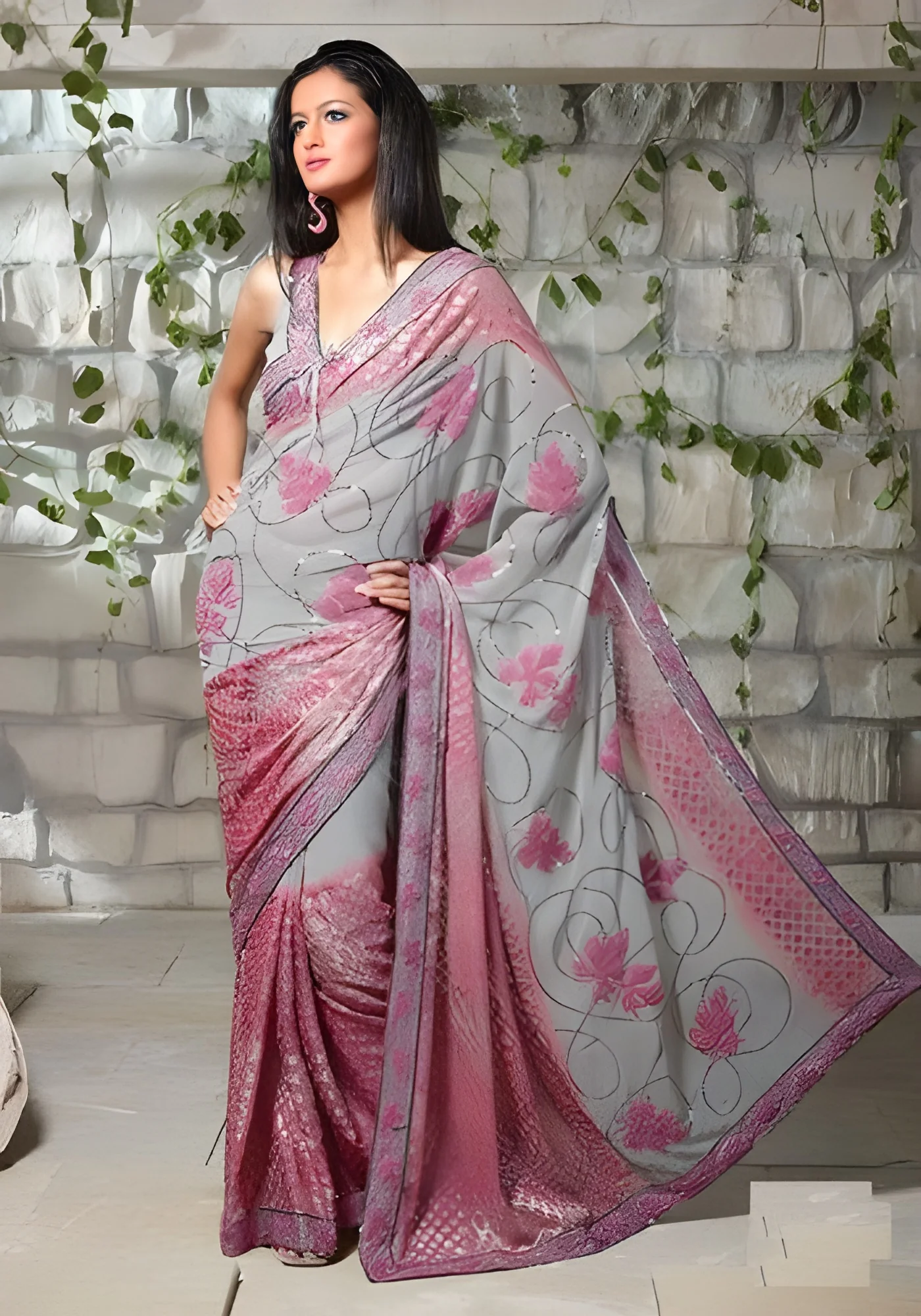
Sarees are a staple of ethnic wear, available in numerous fabrics and designs. Wholesalers often provide sarees that cater to different occasions, including weddings, festivals, and casual wear. The variety allows retailers to offer customers options that suit their specific needs.
Kurtas
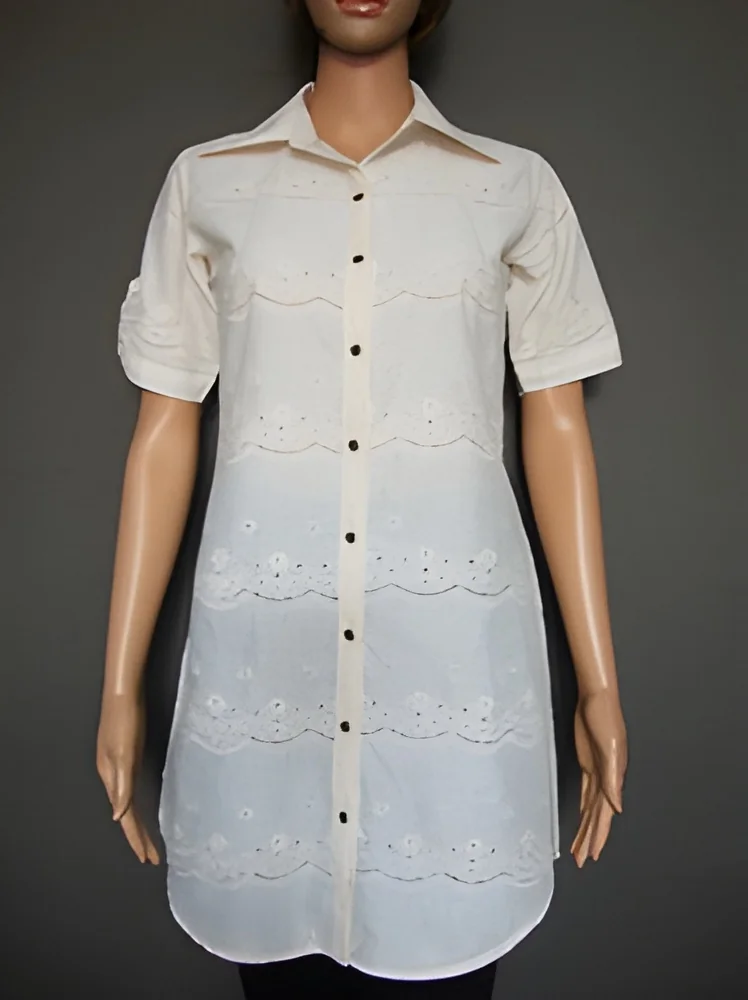
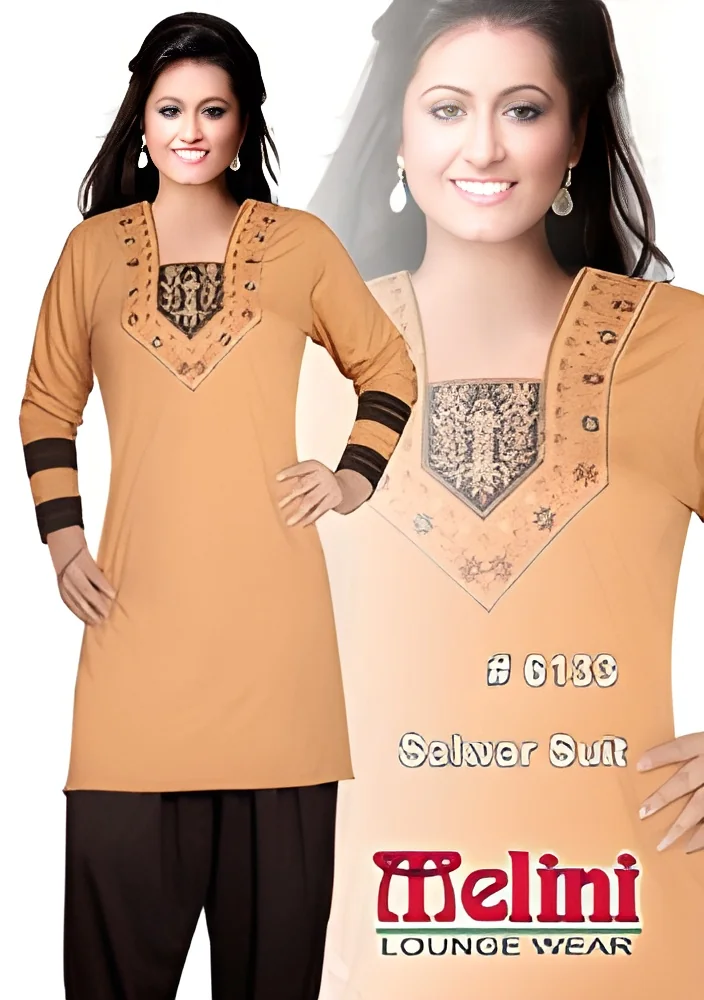
Kurtas are versatile garments that can be worn for both formal and casual occasions. Wholesalers typically offer kurtas in various lengths, colors, and materials, allowing businesses to stock a wide range of choices for their customers.
Lehengas
Lehengas are popular for festive occasions and weddings. Wholesalers supply lehengas in intricate designs and vibrant colors, ensuring that retailers can offer stunning options for special events.
Sherwanis
Sherwanis are traditional garments for men, often worn at weddings and formal events. Wholesalers provide a selection of sherwanis in different fabrics and styles, catering to the growing demand for men's ethnic wear.
Benefits and Advantages
Sourcing from ethnic wear wholesalers provides numerous advantages for businesses in the fashion industry.
Key benefits include:
1. Cost Efficiency: Bulk purchasing from wholesalers typically results in lower costs per unit, enabling retailers to maximize profit margins.
2. Diverse Inventory: Wholesalers offer a broad range of products, allowing businesses to meet diverse customer preferences and needs.
3. Reliable Supply Chain: Partnering with wholesalers ensures a consistent supply of products, reducing the risk of stockouts.
4. Customization: Many wholesalers provide options for customization, helping retailers create unique offerings that stand out in the market.
5. Expertise and Support: Wholesalers often have industry knowledge and can provide valuable insights and support to retailers, enhancing their business strategies.
6. Quality Assurance: Established wholesalers prioritize quality control, ensuring that the products meet the necessary standards and expectations.
Buying Guide for B2B Buyers
When sourcing ethnic wear wholesalers, several factors should be considered to ensure a successful partnership.
1. Quality Assessment: Evaluate the quality of the garments offered by the wholesaler. Look for samples and customer reviews to gauge the durability and craftsmanship of the products.
2. Supplier Verification: Research potential suppliers to verify their credibility. Check for references, industry reputation, and any certifications they may hold.
3. Pricing and MOQ: Understand the pricing structure and minimum order quantities. Ensure that the costs align with your budget and inventory needs.
4. Delivery and Lead Times: Discuss logistics and confirm lead times for order fulfillment. Timely delivery is crucial for maintaining inventory levels and meeting customer demand.
5. Compliance Requirements: Ensure that the wholesaler adheres to relevant compliance and regulatory standards. This is essential for maintaining product quality and safety.
Compliance and Certifications
Ethnic wear wholesalers must adhere to various quality standards and certifications to ensure their products are safe and reliable. Relevant quality standards include ISO 9001, which emphasizes quality management systems, ensuring that the wholesaler maintains high standards in their processes.
Additionally, industry certifications like CE demonstrate compliance with safety and environmental protection requirements. These certifications are vital for building trust with customers and ensuring that the products are safe for use.
Wholesalers are also responsible for meeting specific safety and testing requirements, which vary by region and product type. Compliance with local regulations is essential for operating within the legal framework and meeting customer expectations.
In conclusion, understanding compliance and certifications is crucial for B2B buyers. It adds a layer of assurance that the products sourced from wholesalers meet industry standards and are suitable for the market.
Why Source Ethnic Wear Wholesalers from Pepagora?
Pepagora provides a reliable platform for sourcing ethnic wear wholesalers, offering several key advantages to B2B buyers.
Verified Supplier Network: Pepagora has a stringent verification process for suppliers, ensuring that businesses partner with reputable and trustworthy wholesalers. This reduces the risk of fraud and ensures quality products.
Streamlined RFQ Process: The platform simplifies the request for quotation process, allowing buyers to easily compare prices and offerings from various suppliers. This efficiency helps businesses make informed purchasing decisions quickly.
Trade Assurance and Support: Pepagora offers trade assurance programs that protect buyers during transactions. This includes support in case of disputes, ensuring a smooth purchasing experience.
Regional Coverage: With a strong presence in India, the GCC, and Southeast Asia, Pepagora provides extensive regional coverage. This allows businesses to access a diverse range of ethnic wear products tailored to different markets.
By choosing Pepagora, B2B buyers can benefit from a comprehensive sourcing solution that enhances their ability to find quality ethnic wear wholesalers efficiently.

 IN
IN