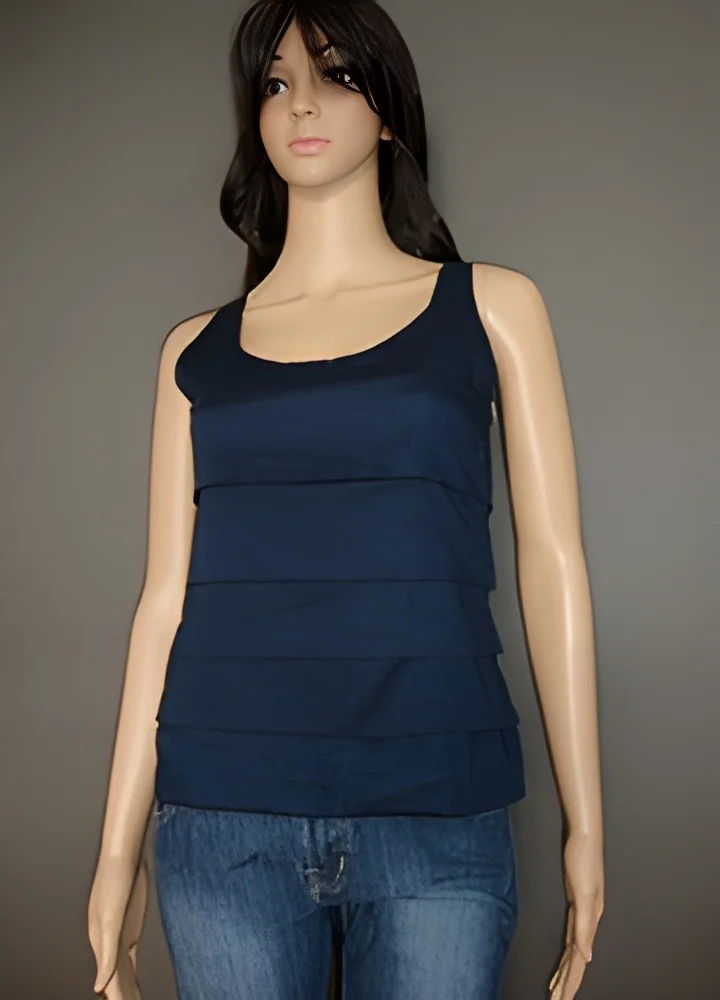
What are B2B Wholesale Clothing Platforms?
B2B Wholesale Clothing Platforms are online marketplaces that facilitate bulk transactions between clothing manufacturers, suppliers, and retailers. These platforms provide a streamlined process for businesses to source, buy, and sell clothing products in large quantities. By connecting various stakeholders in the clothing supply chain, they enable efficient inventory management and cost-effective procurement.
These platforms serve multiple applications across the textile and fashion industries. Retailers use them to find reliable suppliers, while manufacturers can showcase their products to a broader audience. Additionally, these platforms enable businesses to negotiate pricing, manage orders, and track shipments, ultimately enhancing operational efficiency.
The relevance of B2B Wholesale Clothing Platforms in the market is amplified by the growing demand for online solutions in the retail sector. As businesses increasingly shift towards digital operations, these platforms contribute significantly to their ability to remain competitive. Enhanced access to diverse product ranges and suppliers further underscores the importance of these platforms in the global clothing market.
Key Features and Specifications
B2B Wholesale Clothing Platforms come equipped with a variety of features tailored to meet the needs of businesses in the clothing industry. Their specifications can vary widely, but certain critical elements are commonly found across platforms.
Key specifications include:
1. User-Friendly Interface
- Simplifies navigation for buyers and sellers
- Allows quick access to product listings and order management
2. Bulk Ordering Capabilities
- Facilitates large volume purchases
- Often includes tiered pricing based on quantity
3. Supplier Ratings and Reviews
- Provides insights into supplier reliability
- Helps businesses make informed purchasing decisions
4. Secure Payment Options
- Ensures safe transactions through multiple payment methods
- Often includes escrow services for added security
5. Order Tracking Features
- Allows buyers to monitor shipment status
- Enhances transparency in the supply chain process
6. Integration with Inventory Management Systems
- Streamlines operations by connecting with existing systems
- Helps maintain accurate stock levels
7. Customer Support Services
- Offers assistance via chat, email, or phone
- Addresses buyer inquiries and issues promptly
8. Mobile Compatibility
- Enables access to the platform via mobile devices
- Supports on-the-go order management
In summary, the features and specifications of B2B Wholesale Clothing Platforms play a crucial role in enhancing the efficiency and effectiveness of clothing procurement for businesses.
Common Applications and Use Cases
B2B Wholesale Clothing Platforms are utilized across various industries, each with unique requirements and applications.
1. Retail Apparel: Retailers leverage these platforms to source the latest fashion trends and replenish their inventory. They can compare prices and quality from multiple suppliers to ensure they meet customer demand.
2. E-commerce: Online marketplaces often rely on these platforms to find reliable clothing suppliers. They can quickly scale their offerings by accessing diverse product lines without the need for extensive supplier networks.
3. Promotional Products: Companies looking to create branded apparel for events or marketing campaigns use these platforms to find bulk clothing options tailored to their branding needs.
4. Sportswear: Businesses in the sports industry source specialized clothing from manufacturers on these platforms. They can find performance apparel designed for specific sports or activities.
5. Uniform Suppliers: Organizations that require uniforms for employees can access a wide range of options through B2B platforms. This ensures they find suitable attire for various industries.
6. Fashion Designers: Emerging designers often use these platforms to source fabrics and clothing for their collections, allowing them to focus on creative aspects while managing production efficiently.
7. Wholesale Distributors: Distributors utilize these platforms to connect with manufacturers, ensuring a steady supply of clothing items to fulfill retailer demand.
Product Variants and Subcategories
B2B Wholesale Clothing Platforms offer a diverse range of products to cater to different market segments. While specific subcategories may not be available, the platforms generally provide several variants suited to various business needs.
Casual Wear
This variant includes everyday clothing such as t-shirts, jeans, and dresses. It is popular among retailers looking to stock their stores with fashionable yet affordable options.
Athletic Wear
Athletic wear includes clothing designed for fitness and sports activities. Retailers can find high-quality workout apparel, including leggings, sports bras, and moisture-wicking shirts.
Formal Wear
Formal wear encompasses clothing suitable for business or special occasions. Retailers can source suits, dresses, and accessories that cater to professional and formal events.
Seasonal Clothing
Seasonal clothing includes items designed for specific times of the year, such as winter coats or summer dresses. Retailers can take advantage of these offerings to meet seasonal consumer demands.
Benefits and Advantages
Sourcing B2B Wholesale Clothing Platforms provides numerous advantages for businesses in the clothing industry.
Key benefits include:
1. Cost Efficiency: Businesses can purchase clothing in bulk at lower prices, optimizing their profit margins.
2. Diverse Supplier Access: Platforms connect buyers with a wide range of suppliers, increasing options and fostering competition.
3. Time Savings: The streamlined purchasing process allows businesses to place orders quickly, reducing time spent on procurement.
4. Enhanced Product Discovery: Buyers can explore various brands and styles, ensuring they find products that meet their specific needs.
5. Negotiation Opportunities: Many platforms enable direct communication with suppliers, allowing for price negotiations and customized orders.
6. Risk Management: Verified suppliers and customer reviews help reduce the risk of purchasing poor-quality products.
Buying Guide for B2B Buyers
When sourcing B2B Wholesale Clothing Platforms, several factors should be considered to ensure a successful procurement process.
1. Quality Assessment: Buyers should evaluate the quality of products by requesting samples or reviewing supplier ratings. This step is crucial to ensure that the clothing meets industry standards.
2. Supplier Verification: It is important to vet suppliers by checking their credentials and past performance. This helps build trust and ensures a reliable partnership.
3. Pricing and MOQ: Understanding pricing structures and minimum order quantities (MOQ) is essential for budgeting. Buyers should seek platforms that offer competitive pricing with flexible MOQs.
4. Delivery and Lead Times: Buyers need to assess the logistics capabilities of suppliers, including estimated delivery times. This information is vital for planning inventory and meeting customer demands.
5. Compliance Requirements: Businesses should be aware of any industry-specific regulations and compliance standards that apply to their purchases. Ensuring suppliers meet these requirements can prevent legal issues.
Compliance and Certifications
Compliance and certifications are fundamental components of B2B Wholesale Clothing Platforms, ensuring product quality and safety across the industry.
Relevant quality standards, such as ISO 9001, help guarantee that manufacturers adhere to international quality management principles. This certification assures buyers that suppliers maintain consistent quality in their products.
Industry certifications like CE indicate compliance with European safety standards, ensuring that clothing items are safe for consumer use. These certifications are particularly important for businesses operating in regions with strict regulatory frameworks.
Safety and testing requirements are integral to the clothing industry, with many platforms requiring suppliers to demonstrate adherence to safety protocols. This includes testing for harmful substances and ensuring that materials are safe for wear.
Regional compliance considerations vary, with different countries having distinct regulations regarding textiles and apparel. Buyers should familiarize themselves with these regulations to ensure that their products comply with local laws.
Why Source B2B Wholesale Clothing Platforms from Pepagora?
Pepagora stands out as a trusted platform for sourcing B2B Wholesale Clothing Platforms, offering several key advantages that facilitate successful business transactions.
The verified supplier network at Pepagora ensures that businesses can connect with reputable manufacturers and suppliers. This network minimizes the risk of dealing with untrustworthy sources, thereby enhancing the overall purchasing experience.
Additionally, Pepagora features a streamlined RFQ (Request for Quotation) process. This system allows buyers to submit requests for specific products and receive competitive quotes from multiple suppliers, simplifying the decision-making process.
Trade assurance and support are also essential aspects of the Pepagora platform. Buyers benefit from buyer protection policies that provide peace of mind throughout the transaction process. This support includes assistance with order disputes and payment security.
Lastly, Pepagora boasts extensive regional coverage, serving markets in India, the GCC, and Southeast Asia. This broad reach enables businesses to tap into diverse clothing suppliers and access a variety of products tailored to their target markets.

 IN
IN