What are Headwear & Gloves Wholesalers?
Headwear and gloves wholesalers are businesses that specialize in the bulk distribution of headwear and gloves to retailers, distributors, and other organizations. These wholesalers source their products from manufacturers and provide a range of options suitable for various applications. Their offerings typically include items such as hats, beanies, caps, and various types of gloves for different industries. By acting as intermediaries, they enable retailers to stock their shelves without having to manage the complexities of direct sourcing.
The primary uses of headwear and gloves span multiple industries, including fashion, sports, healthcare, and industrial sectors. Retailers often rely on wholesalers to obtain seasonal items or specialized gloves for work environments. For example, safety gloves are essential in construction settings, while stylish hats may be important for fashion retailers. This versatility makes wholesalers crucial for maintaining inventory and meeting customer demands across different markets.
In the current market context, headwear and gloves wholesalers play a significant role in supply chain management. As demand for personal protective equipment and fashion accessories continues to rise, these wholesalers must adapt to changing trends and consumer preferences. Understanding the dynamics of this industry helps businesses make informed purchasing decisions and maintain a competitive edge.
Key Features and Specifications
When evaluating headwear and gloves wholesalers, it is essential to consider key features and specifications that define the quality and utility of the products offered.
Key specifications include:
1. Material Composition
- Headwear may be made from cotton, polyester, or blends.
- Gloves can vary from latex and nitrile to leather and fabric.
2. Size Options
- Headwear comes in various sizes to fit different head circumferences.
- Gloves are available in multiple sizes, ensuring a proper fit for all users.
3. Design Variations
- Includes styles such as beanies, caps, and visors for headwear.
- Gloves can be designed for specific tasks, such as heavy-duty or lightweight options.
4. Durability Standards
- Products should withstand regular wear and tear.
- Gloves must meet industry standards for abrasion and tear resistance.
5. Comfort Features
- Breathable fabrics enhance comfort for headwear.
- Gloves may include padded palms for prolonged use.
6. Safety Ratings
- Some gloves are rated for specific hazards, such as cut or chemical resistance.
- Headwear may have certifications for UV protection.
7. Customization Options
- Many wholesalers offer branding or personalization on headwear and gloves.
- Custom colors and designs are often available.
8. Packaging and Presentation
- Consider how products are packaged for retail display.
- Eco-friendly packaging options may be available.
In summary, understanding these specifications helps buyers choose the right products that meet their operational and branding needs.
Common Applications and Use Cases
Headwear and gloves serve a variety of industries, each with specific applications.
1. Fashion Retail: Headwear is a key accessory in fashion, with wholesalers supplying trendy hats and caps to retailers for seasonal collections.
2. Construction Industry: Safety gloves are essential for workers, providing protection against cuts, abrasions, and chemical exposure on job sites.
3. Healthcare Sector: Medical gloves are crucial in hospitals and clinics, ensuring hygiene and safety during patient care.
4. Sports and Recreation: Athletic headwear and gloves enhance performance and comfort for athletes across various sports.
5. Food Industry: Disposable gloves are widely used in food preparation and handling to maintain safety and cleanliness.
6. Outdoor Activities: Hats and gloves designed for outdoor environments protect users from weather elements while hiking, camping, or fishing.
7. Automotive Industry: Specialized gloves are used by technicians to protect against grease and chemicals while ensuring dexterity.
Product Variants and Subcategories
Headwear and gloves wholesalers offer a diverse range of products to cater to different market needs.
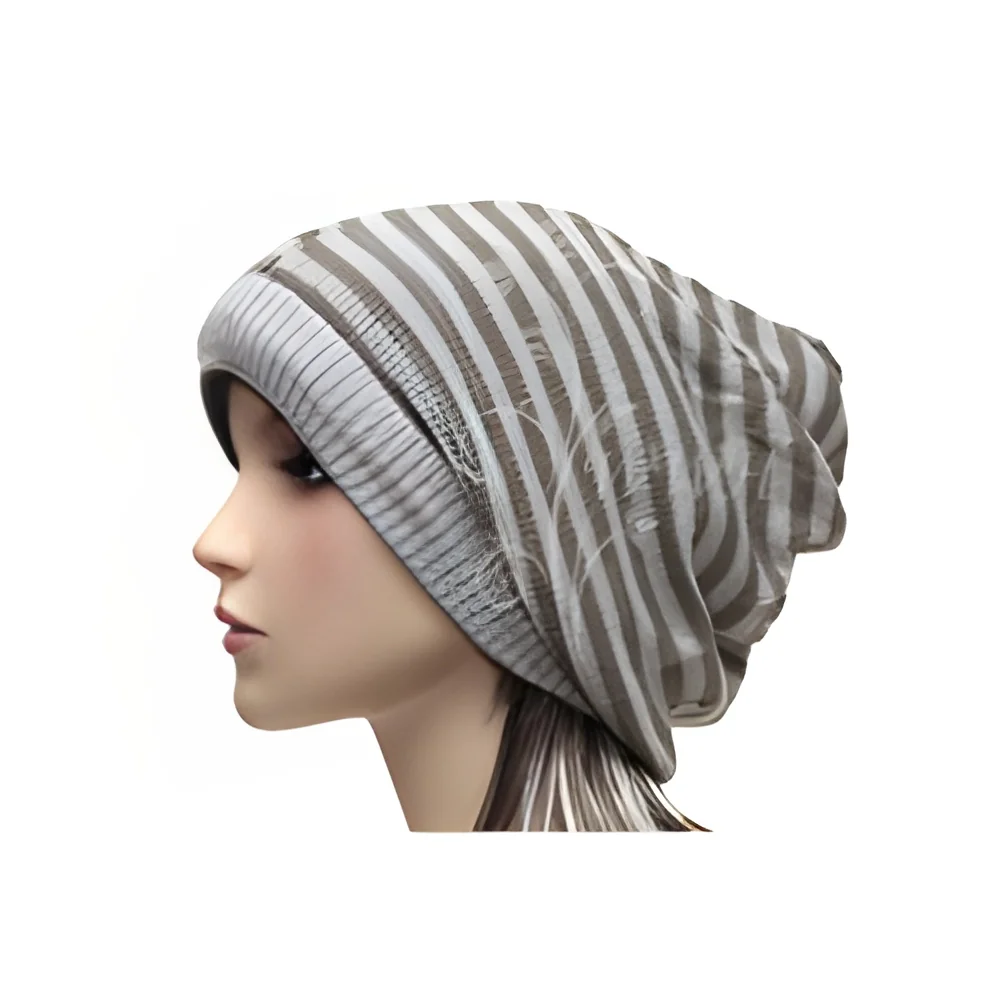
Beanies: These are warm, knitted caps suitable for cold weather. Beanies are popular in casual fashion and outdoor sports.
Safety Gloves: Designed for various industrial applications, these gloves provide protection against cuts, chemicals, and other hazards.
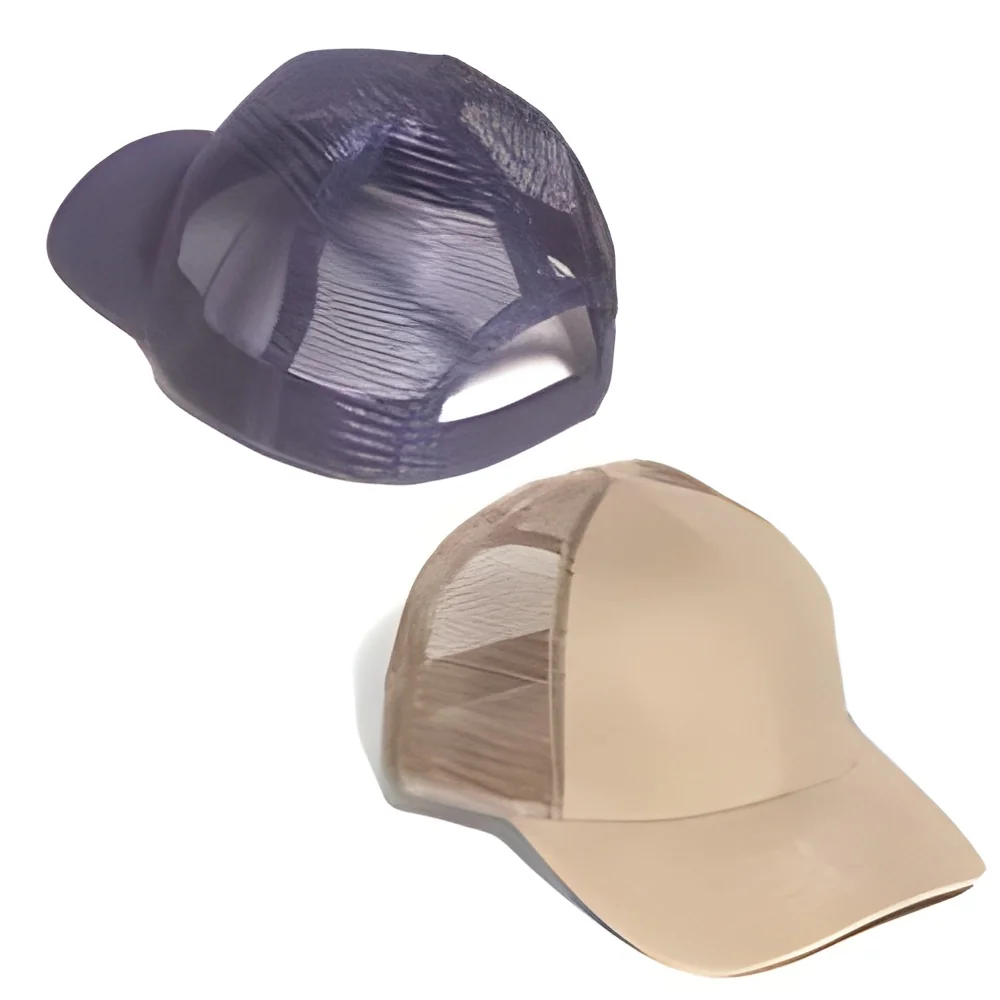
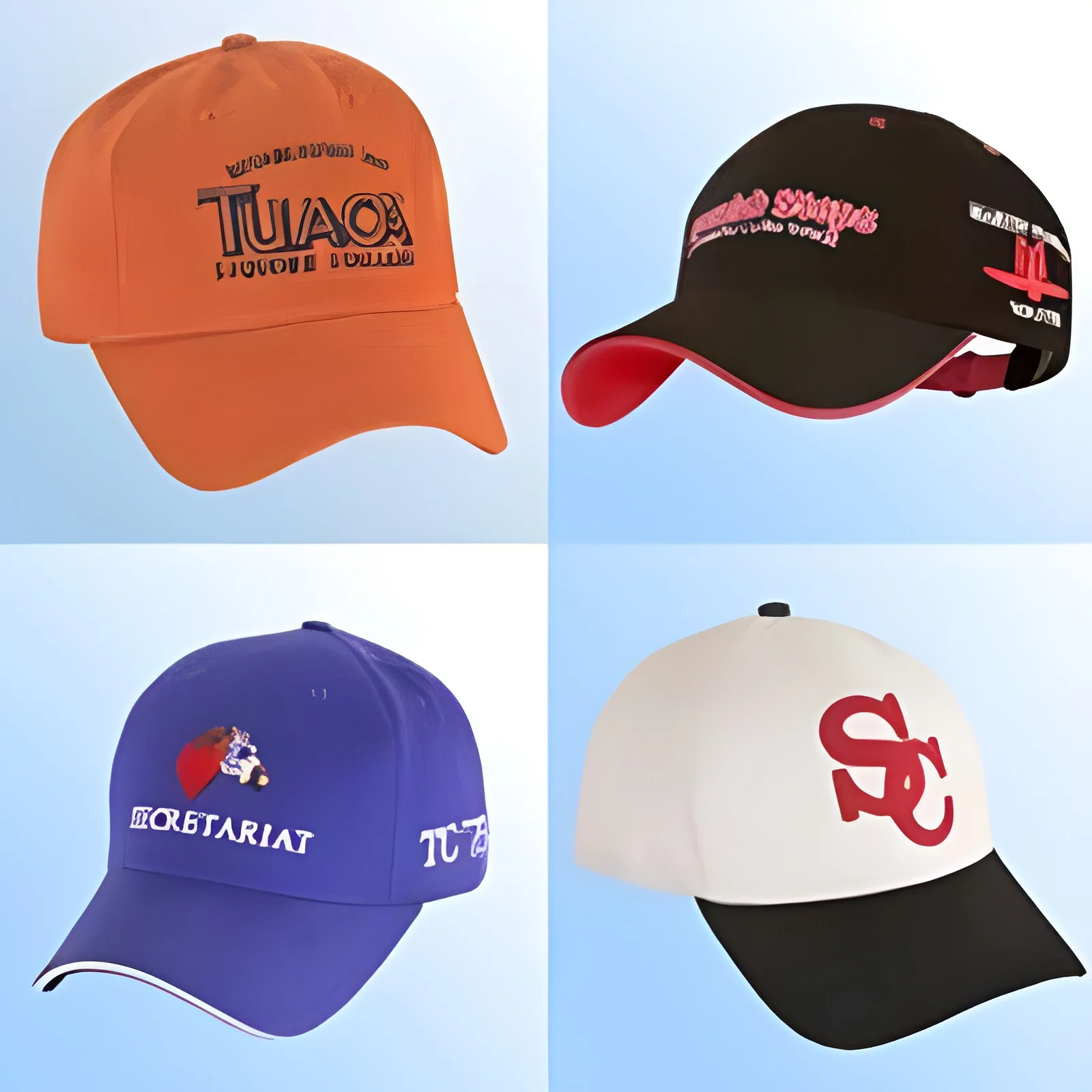
Caps: Often used in promotional events, caps come in multiple styles, such as baseball caps and snapbacks, and can be customized with logos.
Winter Gloves: These gloves are insulated and waterproof, ideal for use in cold climates and outdoor activities.
Fashion Hats: Including fedoras and sun hats, these items are designed for style and often feature unique designs and materials.
Benefits and Advantages
Sourcing headwear and gloves from wholesalers comes with several advantages that can enhance business operations.
Key benefits include:
1. Cost Efficiency: Wholesale purchasing reduces per-unit costs, allowing businesses to maintain better profit margins.
2. Variety of Options: Wholesalers offer a wide range of products, making it easier for retailers to find items that suit their brand.
3. Bulk Availability: Wholesalers provide the ability to purchase in large quantities, ensuring that businesses can meet customer demands without interruptions.
4. Fast Turnaround: Established wholesalers typically have efficient logistics, allowing for quick delivery times to retailers.
5. Quality Assurance: Many wholesalers adhere to industry standards, ensuring that the products meet safety and performance criteria.
6. Customization Capabilities: Wholesalers often provide options for branding and personalization, enhancing the marketing potential for retailers.
Buying Guide for B2B Buyers
When sourcing headwear and gloves wholesalers, there are several factors to consider to ensure a successful partnership.
1. Quality Assessment: Prioritize suppliers that demonstrate a commitment to quality through certifications and product testing.
2. Supplier Verification: Conduct thorough research to vet suppliers, checking their reputation, industry experience, and customer reviews.
3. Pricing and MOQ: Understand the pricing structure and minimum order quantities to ensure they align with your budget and inventory needs.
4. Delivery and Lead Times: Inquire about logistics and shipping times to ensure timely product availability for your business operations.
5. Compliance Requirements: Ensure that the products meet relevant safety and quality standards, including any regional regulations.
Compliance and Certifications
In the realm of headwear and gloves, compliance with industry standards and certifications is essential for quality assurance and safety.
Relevant quality standards include ISO 9001, which outlines requirements for a quality management system, ensuring continuous improvement and customer satisfaction.
Additionally, industry certifications such as CE are crucial for products sold in the European market, indicating compliance with health, safety, and environmental protection standards.
Safety and testing requirements vary based on the type of headwear and gloves. For example, gloves may need to undergo testing for cut resistance, while headwear may require assessments for UV protection.
Regional compliance considerations are also important, as regulations can differ significantly between locations. Ensuring that suppliers adhere to local laws can prevent legal issues and enhance market entry.
Why Source Headwear & Gloves Wholesalers from Pepagora?
Pepagora provides a trusted platform for sourcing headwear and gloves wholesalers, offering several key advantages that streamline the purchasing process.
The verified supplier network ensures that buyers can connect with reputable wholesalers who meet quality and safety standards. This verification process builds confidence in the products being sourced.
The streamlined RFQ process allows buyers to easily request quotes from multiple suppliers, facilitating comparisons and ensuring competitive pricing. This efficiency saves time and aids in making informed decisions.
Pepagora also offers trade assurance and support, providing buyers with protection throughout the transaction process. This feature enhances trust and reduces potential risks associated with sourcing.
With regional coverage in India, GCC, and Southeast Asia, Pepagora connects buyers with local suppliers, ensuring accessibility and support across different markets. This geographic reach helps businesses find the right products tailored to their specific needs.

 IN
IN